The moment your phone falls from a height can be enough to turn a perfect screen into a web of cracks in seconds. The problem doesn’t stop at the annoying appearance or difficulty of use. Replacing the screen can be expensive, especially when the phone lacks a warranty or proper coverage. This is where a seemingly simple solution appears: placing a new screen protector over the cracked glass. But can a screen protector prevent the break from worsening? We will find the answer in the following lines as we explore whether a screen protector can save your phone after the screen breaks.
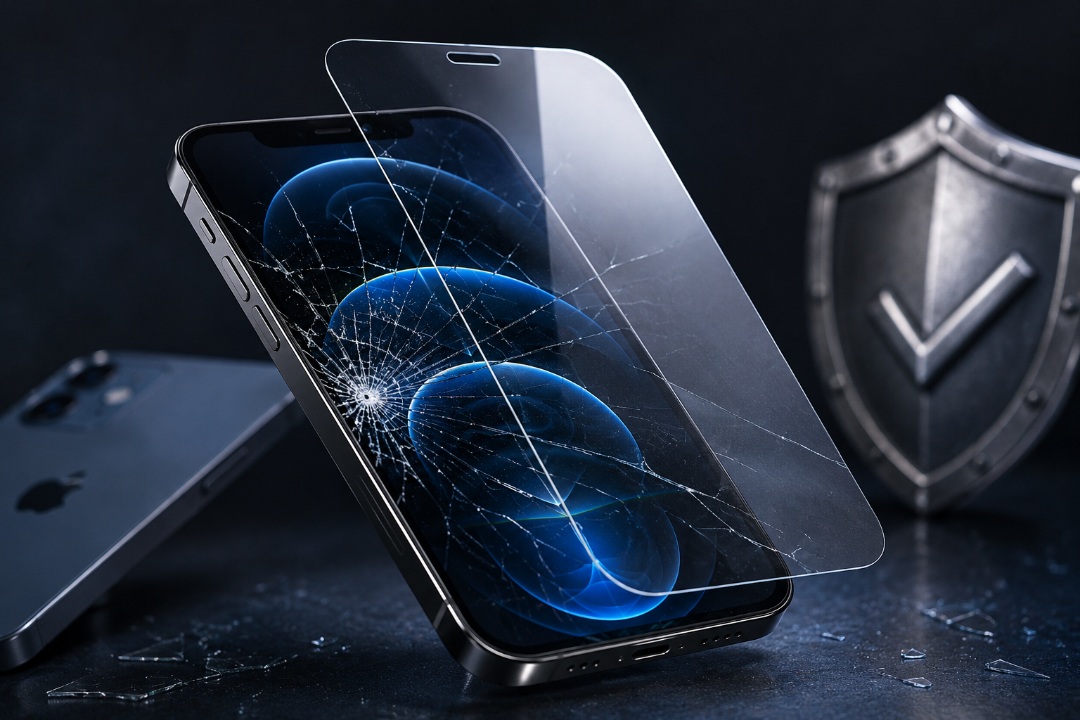
Can you put a screen protector on a broken screen?
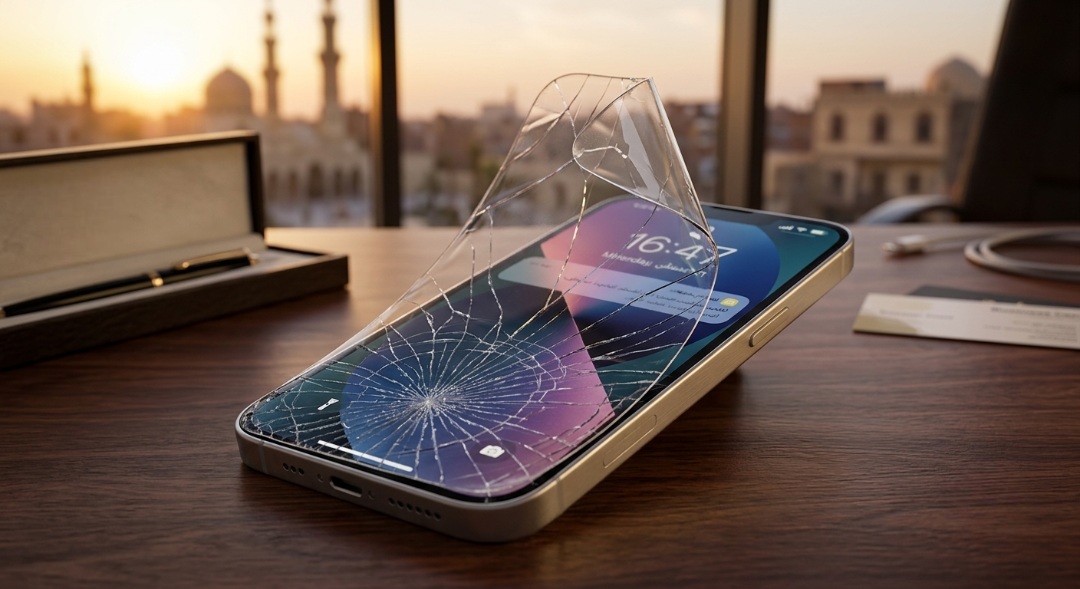
Yes, in some cases, you can use a screen protector over a cracked screen, but it is a temporary solution and not a real repair. If the cracks are superficial and fine, a glass or plastic protector can help stabilize the situation by acting as an additional layer that reduces the likelihood of the user touching shards, minimizes the chance of glass fragments scattering, and allows for smooth use of the device without any issues.
However, the protector should not be considered a way to restore the screen to its original state. Once the glass is broken, its structure has lost part of its integrity, and another drop or even strong pressure during the installation of the protector could lead to further damage. Therefore, replacing the screen remains the best solution whenever possible.
When does using a screen protector make sense?
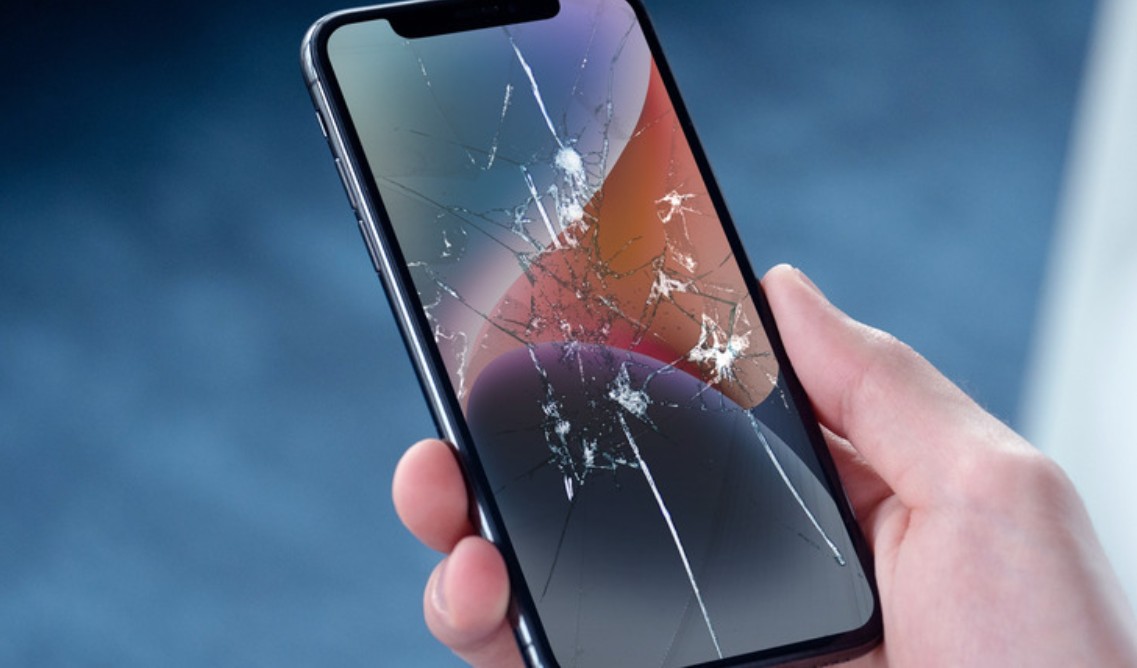
If you cannot repair the phone immediately and have to use it temporarily, you can consider installing a suitable protector after checking the damage. Apple advises iPhone users not to continue using a phone with a cracked screen to avoid injury, while Google recommends repairing the broken screen. Therefore, using the phone after a break should be treated as a temporary measure and not a normal situation to continue with.
Before buying a new screen protector, examine the phone carefully. If the visible break is only in the old screen protector, the phone’s screen itself may not have been damaged. In this case, you can carefully remove the old protector and replace it with a new one, then check the screen after turning it off to ensure its integrity. If there are fine cracks in the screen glass itself without missing or raised parts, tempered glass might be a sturdier temporary option.
Conversely, if the glass has loose or missing parts or raised shards, a flexible plastic protector might be more suitable to contain the damaged parts. Do not expect the protector to adhere perfectly in this case. The screen surface is no longer level, so air bubbles may appear underneath. You should not press hard to try to get rid of them, as that may increase the damage.
When should the screen be repaired immediately?
There are signs that should not be ignored. If black areas or strange lines appear on the screen, or if touch stops responding, this may mean that the damage has gone beyond the outer glass and reached the display panel itself, whether it is OLED or LCD.
You should also check basic functions before relying on the phone temporarily, including touch screen responsiveness, the fingerprint sensor located under the screen on some Android phones, the Face ID feature on the iPhone, and the front camera if the crack extends to the area around it. In these cases, replacing the broken screen becomes a priority rather than trying to rely on a screen protector.
How do you put a screen protector on a broken phone?
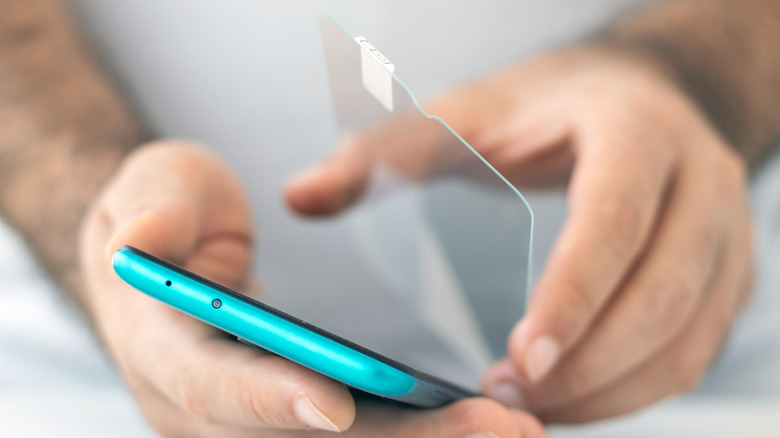
If you decide to use a protector as a temporary measure, start by choosing one specifically designed for your phone model, paying attention not only to the size but also to its hardness and flexibility.
In case of minor damage, a tempered glass protector can be used. If the screen glass is more severely shattered, a more flexible plastic protector might be a more suitable option to contain the damage. Also, keep in mind to avoid types that rely on liquid adhesives, as they may leak through the cracks and reach the phone’s internal components.
Before installation, clean the screen very gently, preferably using a microfiber cloth, avoiding liquids as much as possible. Then, place the protector calmly without applying strong pressure on the screen. If air bubbles appear, do not try to press them forcefully, as they may be a sign that the glass surface is no longer level due to the cracks.
What about water resistance?
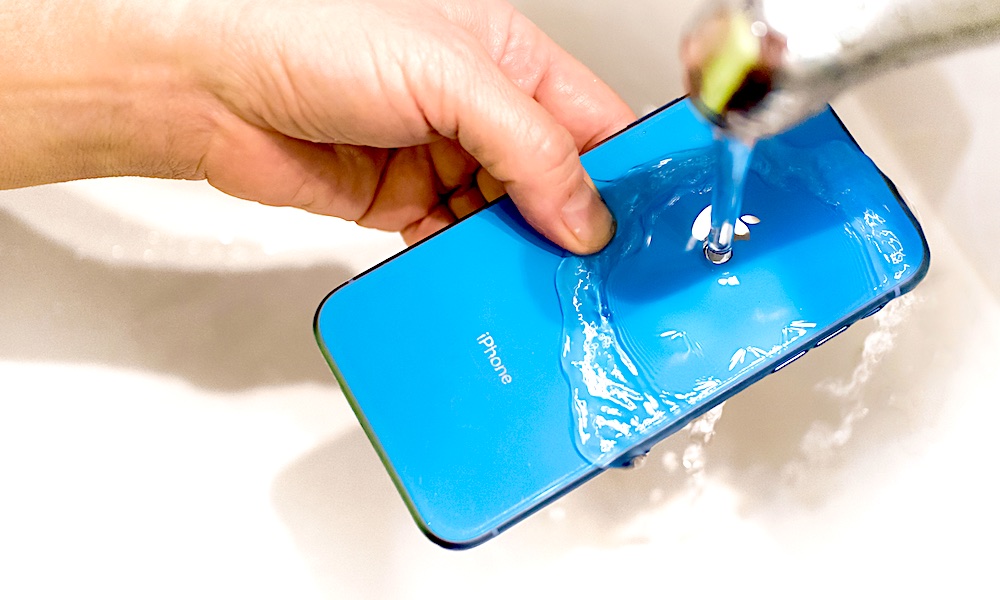
Even if your phone had a water and dust resistance rating when you bought it, a broken screen changes the equation completely. Cracks can open paths that allow dust and liquids to seep inside, and the greater the damage, the higher the likelihood of internal components being damaged. Therefore, a screen protector should not be treated as a way to restore water resistance to the phone. It does not seal all the openings caused by the break.
Note: For foldable phones, if the internal screen is broken, do not try to install a screen protector on it. These screens are more sensitive, and any pressure or incorrect installation could lead to further damage.
Back up your data
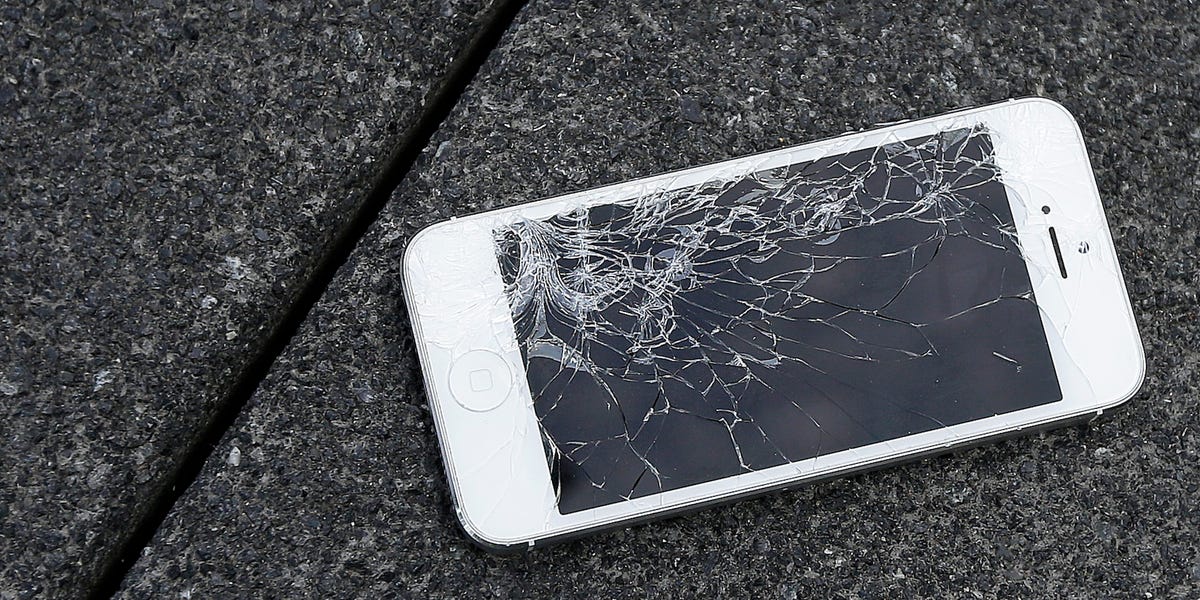
Before continuing to use a phone with a broken screen, it is best to back up your data because the damage may evolve suddenly, and the screen may stop working after another drop or as a result of an worsening internal problem, at which point accessing photos, files, and data may become more difficult.
Finally, a screen protector can be a temporary solution for dealing with a broken or cracked screen, especially when the cracks are superficial and you cannot repair the phone immediately. However, this measure will not restore the screen to its previous state. If loose shards, black areas, lines on the screen, or touch failure appear, it is better not to delay the repair. The protector may temporarily protect you from some glass hazards, but it will not fix the damage present in your smartphone screen.
Has your phone screen ever broken? Have you tried putting a screen protector over it? Share your experience in the comments!
Source:

Leave a Reply