The iPhone today might look the same as the one we knew years ago, but the truth hides a completely different story. Since the iPhone 13, Apple began changing small details that seemed fleeting at the time, before these changes accumulated to create a different experience in charging, buttons, the screen, cameras, and even the way the phone itself is used. Even more exciting is that some of these shifts were not obvious when they were launched, but they have now become an essential part of the iPhone’s look and experience. So, what has changed during this journey? This is what we will find out shortly as we take you on a quick tour to review 5 years of change, showing how the iPhone has evolved generation after generation.
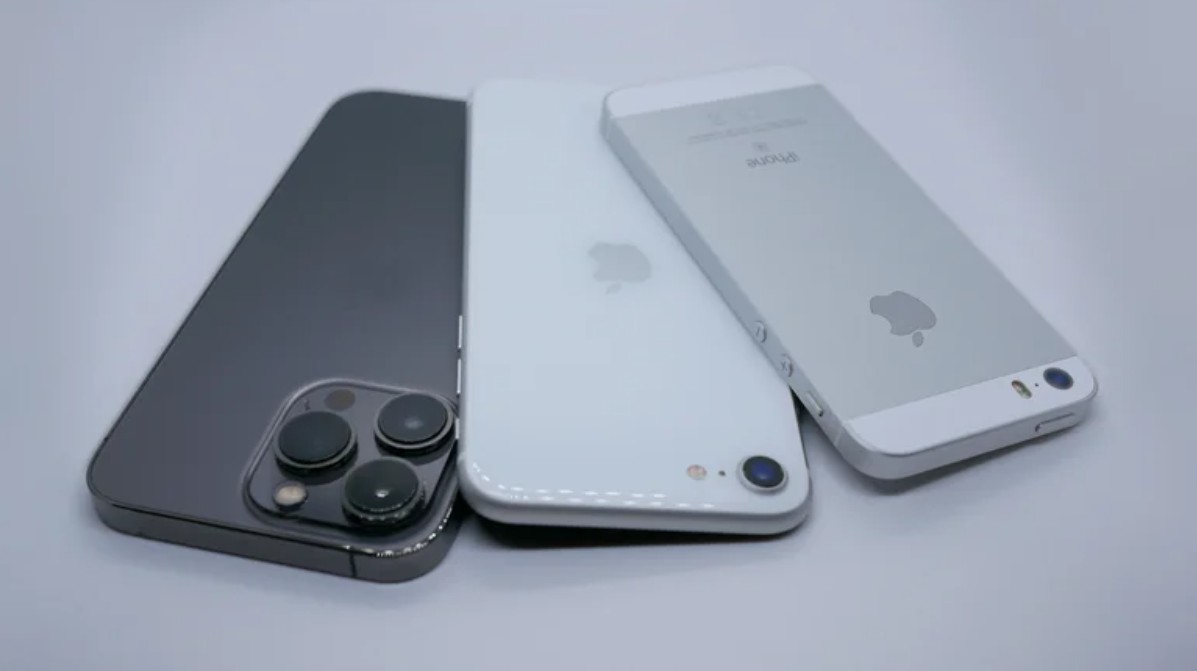
Buttons and Ports
One of the most notable shifts is Apple’s transition from the Lightning port, which accompanied its phones for many years, to the USB-C port. After Lightning was introduced with the iPhone 5 in 2012, it remained a staple in iPhones despite relying on USB 2.0 speeds, before USB-C arrived with the iPhone 15 series in 2023, also influenced by European Union laws that mandated a unified charging port for all phones.
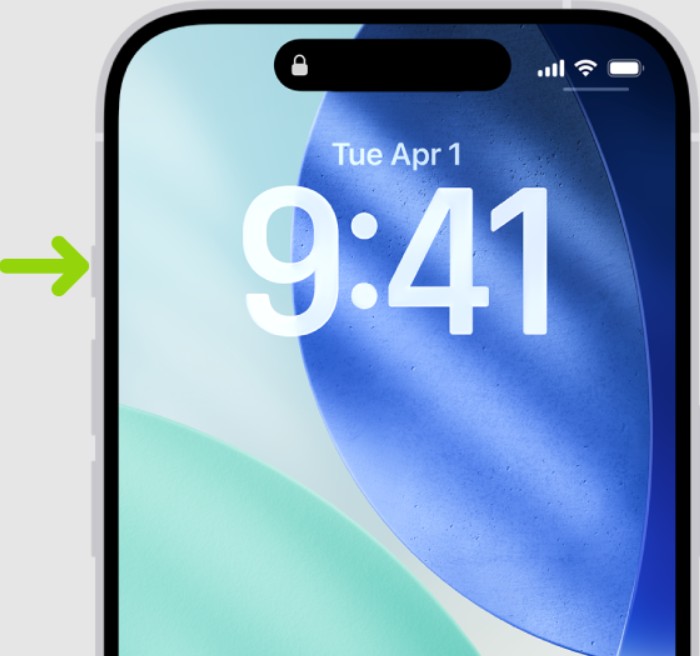
The change didn’t stop at the charging port; Apple replaced the iconic mute switch that had accompanied the iPhone since its launch in 2007 with the Action Button starting with the iPhone 15 Pro and Pro Max. Unlike the traditional switch, the button can be customized to perform various tasks such as launching the camera, flashlight, or a shortcut chosen by the user, and it has continued to appear in subsequent generations. Apple then added a new element to the side interface with the Camera Control unit, which appeared in the iPhone 16 series and continued in the iPhone 17 (excluding some budget models), allowing for launching the camera, taking photos, and controlling settings like zoom and exposure through pressing and touch.
More Advanced Screens
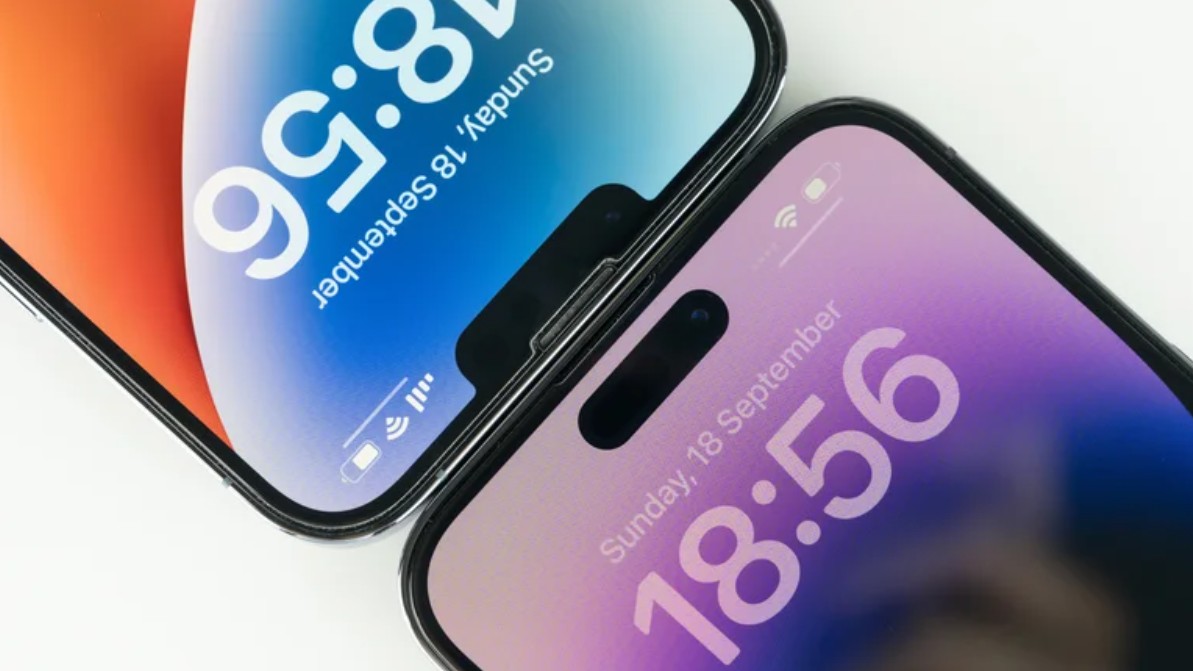
The iPhone might look familiar today, but its screen hides one of the most prominent shifts the phone has witnessed in recent years. Apple began by reducing the size of the notch in the iPhone 13 series, then replaced the notch with the Dynamic Island in the Pro models of the iPhone 14, an interactive space that displays live information from apps like timers, navigation, and music playback instead of remaining just a static part of the screen.
The company also introduced a smoother screen with Pro models thanks to ProMotion technology and a refresh rate of up to 120Hz, which later reached other models. Most importantly, the screen has become smarter in power management, as it can lower the refresh rate to 1Hz when needed. As for the Always-On display feature, which first appeared with the iPhone 14 Pro and Pro Max, it added a new way to view the time, widgets, and notifications without fully waking the screen.
Artificial Intelligence Enters Strongly
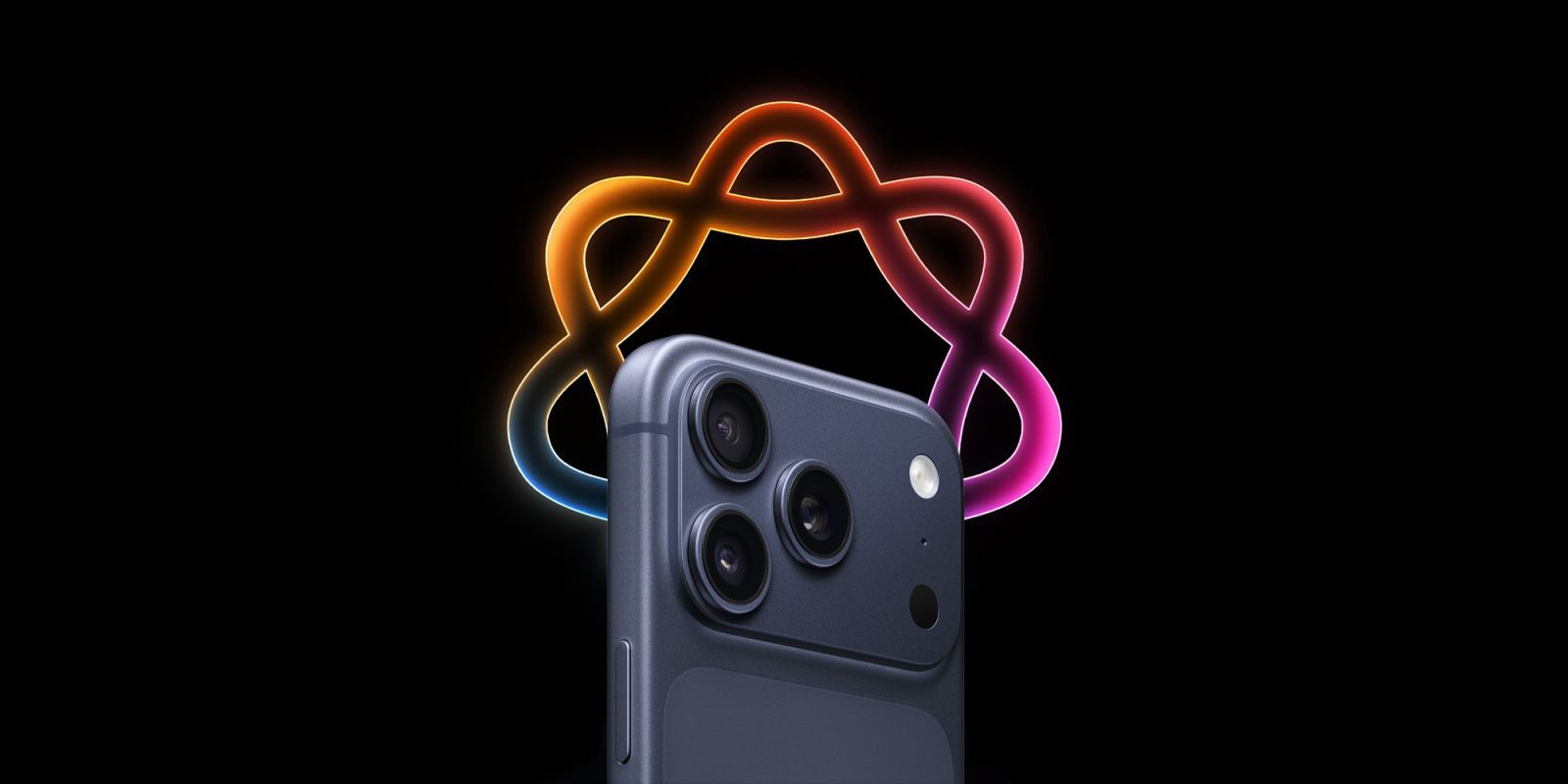
It could be said that the biggest change was not in the shape of the iPhone, but in the way it became capable of understanding and assisting the user. In 2021, generative AI was still far from daily use until the company entered this field strongly via Apple Intelligence in 2024. With compatible devices, new features began to appear within the system, such as writing tools, image generation, visual intelligence, and live translation, making AI an important part of the iPhone user experience.
This year, 2026, Apple also unveiled Siri in its new form, Siri AI, a version that relies on Apple’s artificial intelligence and offers better understanding of personal context and what is on the screen, alongside broader capabilities in answering and executing tasks. It is expected to be available in a beta version for users later this year.
A Major Camera Upgrade

The camera, in turn, has come a long way. While the iPhone 13 used a 12-megapixel main camera and an ultra-wide one with the same resolution, the iPhone 17 arrived with two 48-megapixel cameras, with support for macro photography, while the selfie camera resolution increased to 18 megapixels compared to 12 megapixels in the iPhone 13. Photography tools that did not exist previously also appeared, such as Action mode for video stabilization, then Center Stage, and the Dual Capture feature in the iPhone 17 series.
At the professional model level, zoom and video recording capabilities have expanded significantly. The iPhone 17 Pro offers a range of up to 8x optical zoom with the ability to record 4K video in Dolby Vision format at up to 120 frames per second, a major leap compared to what was available in the iPhone 13 Pro.
Many Small Improvements
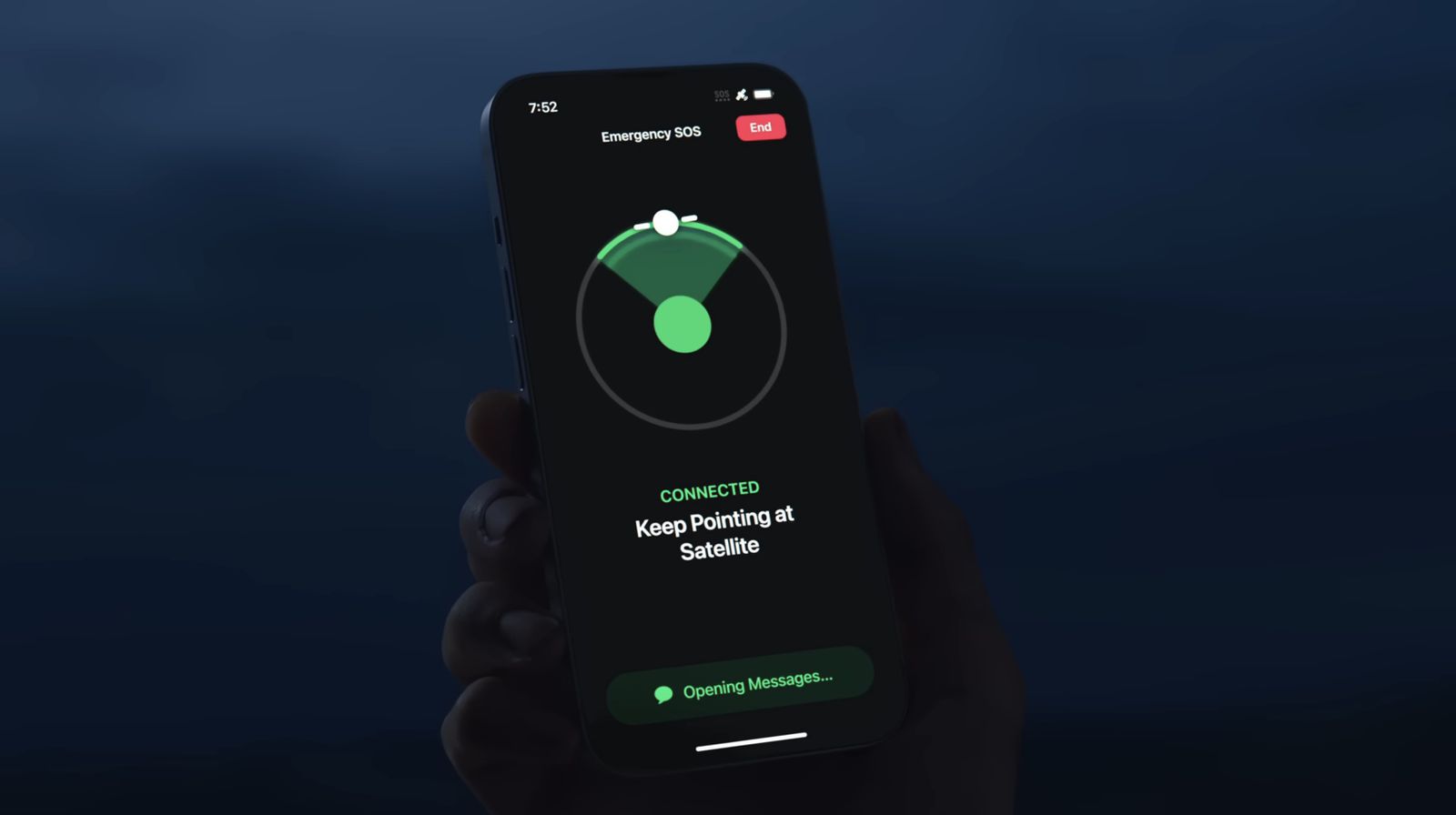
During these years, features also appeared that were not related to the camera or screen, most notably satellite connectivity with the iPhone 14 series, where the user can communicate with emergency services when phone and Wi-Fi networks are unavailable, in addition to the Crash Detection feature that can automatically call for help when a serious accident is detected and the user does not respond.
Furthermore, the shape of the iPhone lineup itself has changed. The iPhone 13 mini was the last phone in the mini category, as Apple abandoned that category due to weak sales. The company later reshaped the large phone category, then introduced the iPhone Air in 2025 to take a new position within the lineup with an ultra-thin design.
Base storage capacity has also doubled during the same period; after the iPhone 13 started at 128GB, the iPhone 17 series starts at 256GB. However, one detail that has not changed for many years is the basic free iCloud space, which is still at 5GB, the same capacity Apple has offered since the service launched in 2011.
In the end, looking at the big picture, it is clear that the evolution of the iPhone over five years was not just an increase in processor speed. The phone has changed and become more advanced in screen, camera, and design, and smarter in the way it interacts with the user. Each generation added a new step, until these details combined to create a different experience from what we knew in the iPhone 13. But what is remarkable is that this journey has not reached its end yet; as Apple continues to develop its devices and rely more heavily on artificial intelligence, the iPhone we know today might just be the beginning of a more different phase. And perhaps after another five years, we will discover that the biggest changes to the iPhone have not happened yet.
What feature do you think changed the iPhone user experience? Tell us in the comments!
Source:
Leave a Reply