Have you ever talked to someone about a trip or a specific product, only to open your phone and find an ad for it? This type of situation makes the idea that your phone is listening to our conversations seem logical, but the truth is more complex and perhaps more worrying. Apps do not necessarily need to spy on you and listen to what you say to know what might catch your attention, because the phone leaves behind dozens of signals while you use it. In this article, we will reveal what happens behind the screen of your iPhone when you allow apps to track your activity, why ads for things you haven’t searched for appear in front of you, and most importantly, how you can close the doors that leave your data exposed to apps without you realizing it.
A unique number to link your activity to your phone
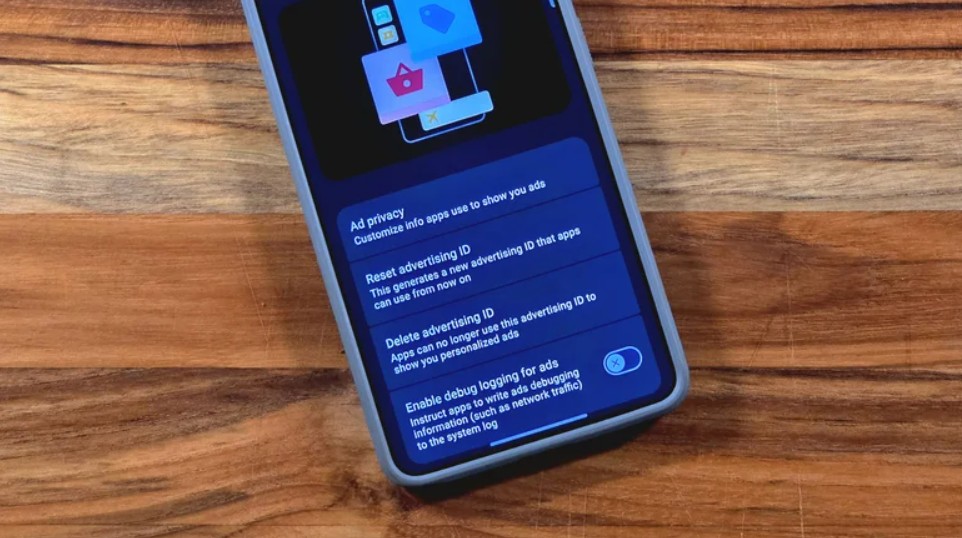
Every phone or device you use has a type of identifier that advertising companies can link to your advertising profile. This allows data from different apps to be collected and linked to the same device. It can be said that the situation differs between Android and iPhone. On Android, the user is included in ad tracking by default. While Apple relies on the App Tracking Transparency system, which requires apps to obtain permission before accessing the tracking identifier. The impact of this difference was clearly visible when Meta revealed in 2022 that it had incurred losses of about $10 billion after Apple launched a feature that allows iPhone users to refuse to have their activity tracked.
To stop the advertising identifier on Android, you can go to Google settings, then the ads section, and delete the advertising identifier. As for the iPhone, you can go to Settings > Privacy & Security > Tracking and turn off the option to allow apps to request to track, then disable personalized ads from Apple’s ad settings.
Location, Camera, and Microphone
Some apps request permissions to access phone sensors, such as location, camera, and microphone. These permissions may indeed be necessary for the app to function, but they do not necessarily mean that the resulting data will remain within the function for which it was requested. For example, Google Maps needs your location to determine where you are, but the company also points to using location data to provide more relevant ads. Similarly, Instagram needs the camera to take photos, but it can analyze the elements, faces, and text within them for various purposes, including targeted ads.
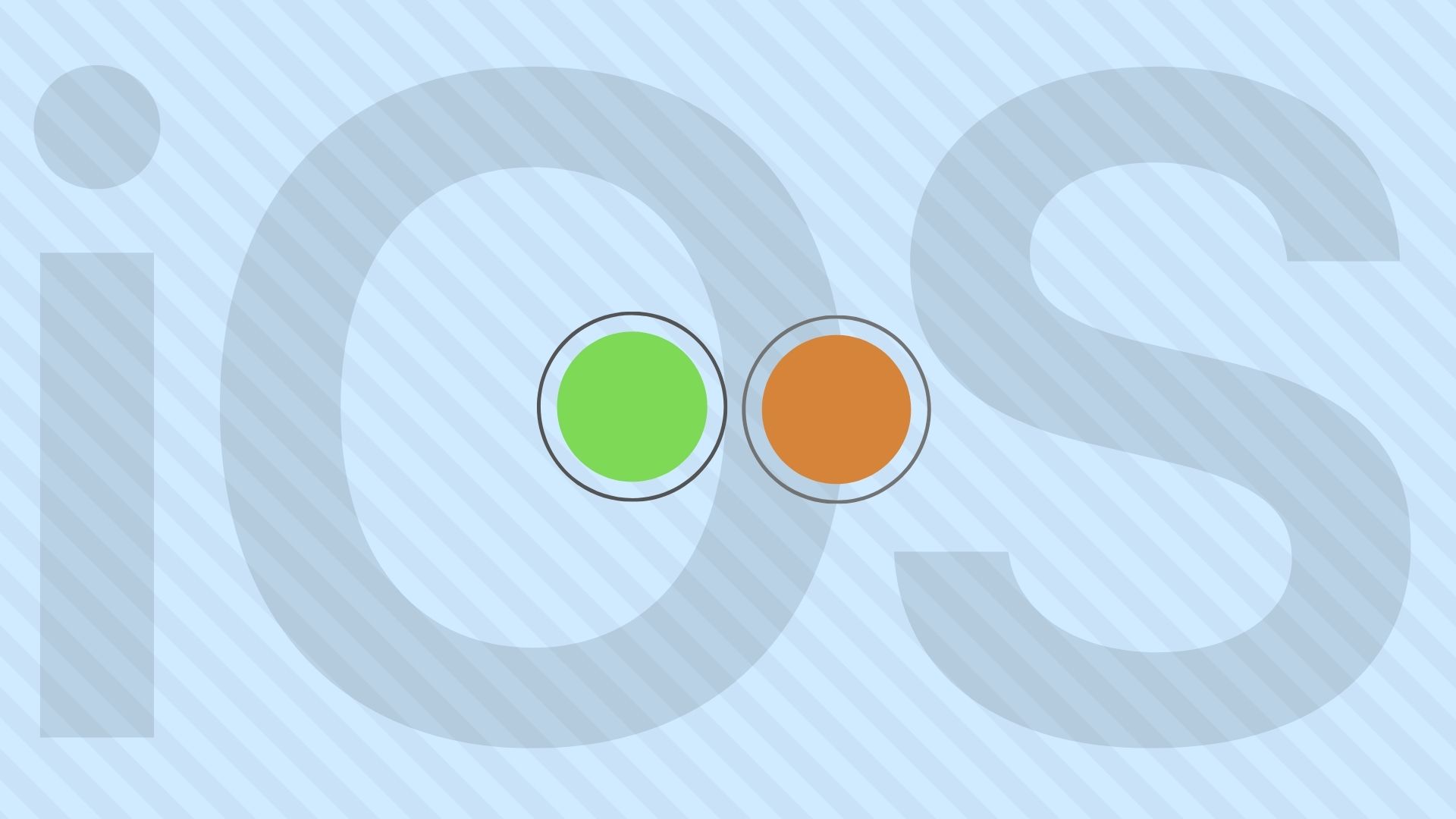
The problem increases with less well-known apps. A weather app might seem to need your location to provide accurate forecasts, while its business model might be based on collecting location data and selling it to data-specialized companies. Location tracking is not limited to GPS alone, as your location can be inferred from nearby Wi-Fi networks, cell towers, and even Bluetooth devices. In 2022, Meta agreed to a $37.5 million settlement in a class-action lawsuit after tracking the locations of more than 70 million users despite location permissions being disabled. As for the camera and microphone, modern operating systems provide clear indicators when they are in use. On Android, a green indicator appears when the camera or microphone is on, while on iPhone, a green indicator appears when the camera is in use and an orange one when only the microphone is on.
Your phone may recognize you by how you use it
Now let’s move on to inferential tracking, which is one of the most complex forms of data tracking. We mean tracking that we don’t see, to the point that some prefer to believe their phones are spying on them rather than admitting the true method of tracking. There are many examples that are hard to count, so let’s take one example: did you know that your phone is equipped with an accelerometer? This sensor determines whether you are holding it vertically or horizontally, or allows you to control cars in racing games by tilting the phone back and forth.
However, no accelerometer gives 100% accurate measurements, and years of research have shown that these slight differences can be used to infer a lot of information about the device and its owner, including demographic data, behavior, activity, and even mood. In one study, the user’s walking style was identified by the same sensors, so the unique way you walk with your phone in your bag or pocket is used to track you.
There is also what is known as device fingerprinting, which is a collection of hardware characteristics (such as RAM and processor) and software (updates and system features) that can make your device unique from others, and many websites and apps use it in tracking operations. Not only that, even the way you type may contain information that can be exploited to monitor what you do. Typing speed, the number of errors, and the time you hesitate before choosing a specific word are all patterns that can theoretically be used to understand your behavior and perhaps your psychological state.
Are personalized ads really a problem?
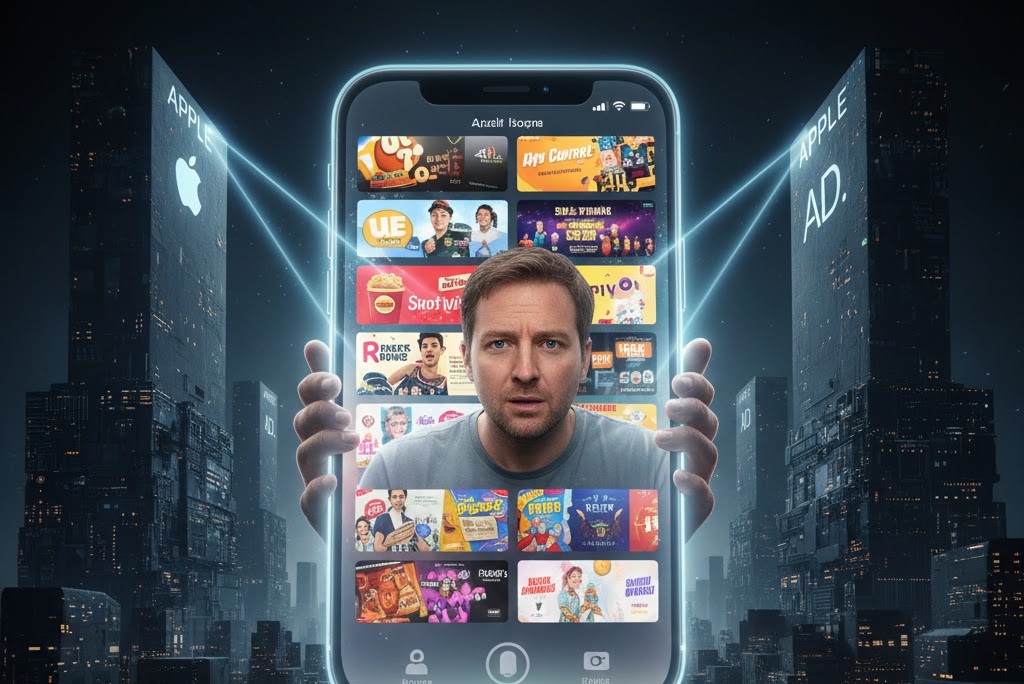
Some may see that targeted ads are not a bad thing; if the user is going to see ads anyway, why not have them related to their interests? But the problem begins when data is collected from different sources and analyzed on a large scale. It’s not just about showing a product you might like, but information can be used to influence your emotions and behavior, especially if the data reveals that you are more willing to buy when you are angry or sad.
The impact of big data has appeared on a large scale in famous political cases, most notably the Cambridge Analytica scandal, which was linked to the use of data from millions of users in an attempt to influence the 2016 US presidential election. More dangerously, your data does not necessarily remain only in the hands of the advertiser. Personal information such as name, address, email, and location may be of value to advertisers, but it may also attract scammers and hackers.
How to reduce tracking?

There is no way to guarantee your complete disappearance from the world of tracking, but you can significantly reduce the amount of data you give to apps. Start by reviewing app permissions from time to time, and revoke any permission you don’t need. If an app requests a necessary permission for its operation, ask yourself first if you really need it. You can also use a VPN service, privacy-focused DNS services, browsers that are more concerned with protecting user privacy and data, as well as ad-blocking tools.
In the end, the phone may not need to listen to every word you say to know a lot about you. The way you use the device, the sites you visit, and the permissions you grant to apps all leave behind clues and fingerprints that can be collected and analyzed. Therefore, protecting your privacy starts with the small details, so review permissions, reduce tracking, and delete apps you no longer need. So you can protect your privacy and reduce the chances of your data being collected, your activity being tracked, and what you do on the web being known.
Do you grant apps all the permissions they request? Tell us in the comments!
Source:

Leave a Reply