It seems the trend of borrowing from Apple’s engineering never stops, but the surprise this time lies in what resides within the internal structure of smartphones. While Android phone manufacturers are busy boasting about astronomical battery capacity numbers, the latest leaks reveal that these companies are now looking to borrow Apple’s engineering innovations to reach super capacities touching 10,000 mAh! The credit for this goes to the innovative design of the rigid steel battery casings that Apple recently introduced in its flagship devices.
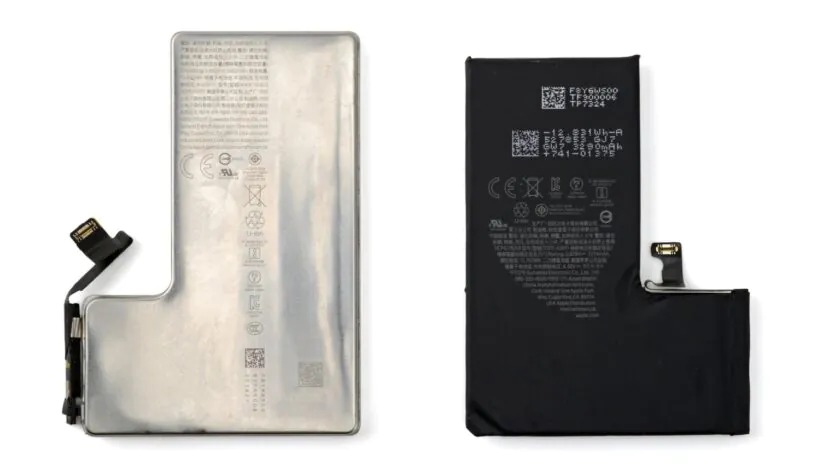
From flexible pouches to steel: How did Apple change the concept of battery safety?
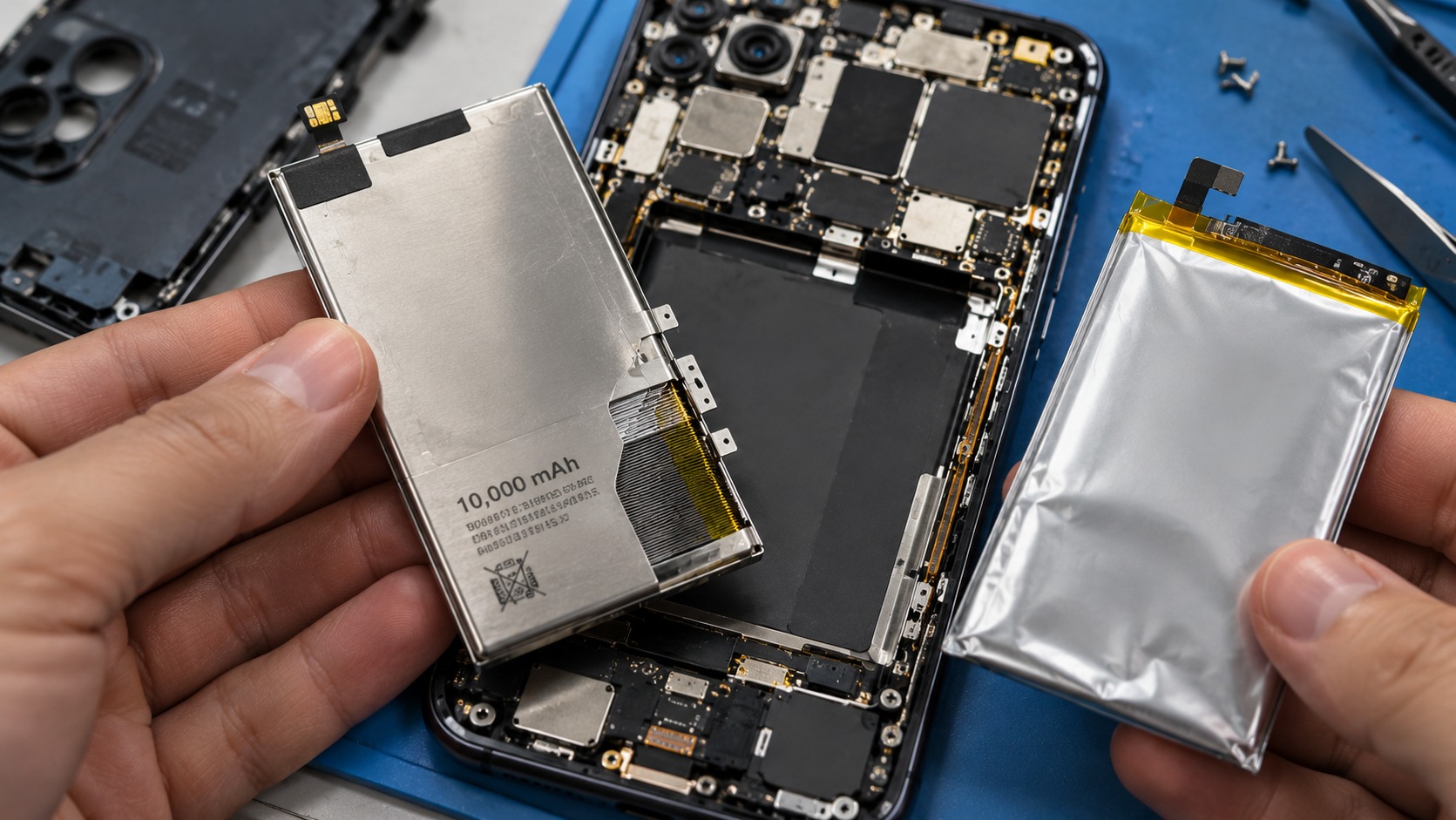
For decades, the smartphone industry has relied on traditional flexible pouch batteries made of soft aluminum foil. Despite their prevalence, this design necessitates leaving noticeable empty spaces inside the phone to accommodate the expansion and swelling of battery cells due to usage and heat, in addition to their modest thermal dissipation capability. However, as usual, Apple decided to turn the tables on traditional designs; it began by adopting a rigid aluminum casing for the iPhone 16 Pro battery, before raising the standards and moving to stainless steel with the iPhone 17 Pro and iPhone 17 Pro Max, and continuing to rely on it in the iPhone 18 Pro family.
The major advantage of the rigid steel casing is providing superior structural integrity with much thinner walls, which eliminates the problem of wasted space previously left for swelling risks, allows the internal space to be completely filled with energy materials, and provides excellent passive heat dissipation through the device’s chassis.
Stacked cells and steel casing: The 10,000 mAh recipe
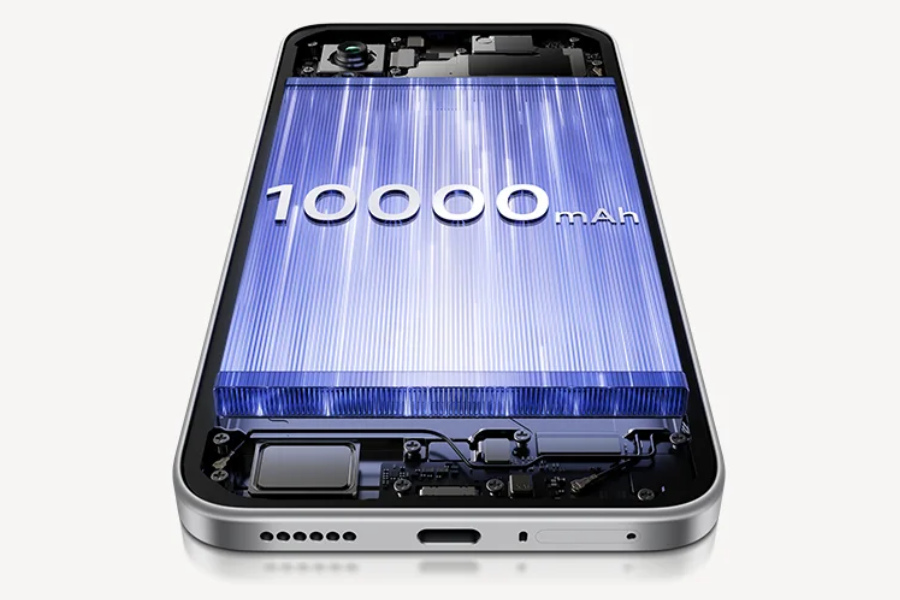
According to the famous leaker Digital Chat Station on the Weibo platform, major Chinese companies, most likely Xiaomi, have already begun testing a battery architecture based on the rigid steel casing inspired by iPhone devices, combined with stacked-cell manufacturing technology. In this technique, electrode layers are arranged in a stacked zigzag pattern instead of being rolled in a traditional cylindrical shape, which contributes to reducing internal resistance and exceptionally increasing energy storage density.
Although Android manufacturers have already managed to exceed 8,000 mAh capacities using silicon-carbon anodes, as seen in the Xiaomi 18 Pro Max with 8,500 mAh, using the steel casing with stacked cells will represent an unprecedented breakthrough that opens the door to reaching the 9,000 and even 10,000 mAh barrier in flagship devices.
The difficult equation: Super capacity versus weight and space
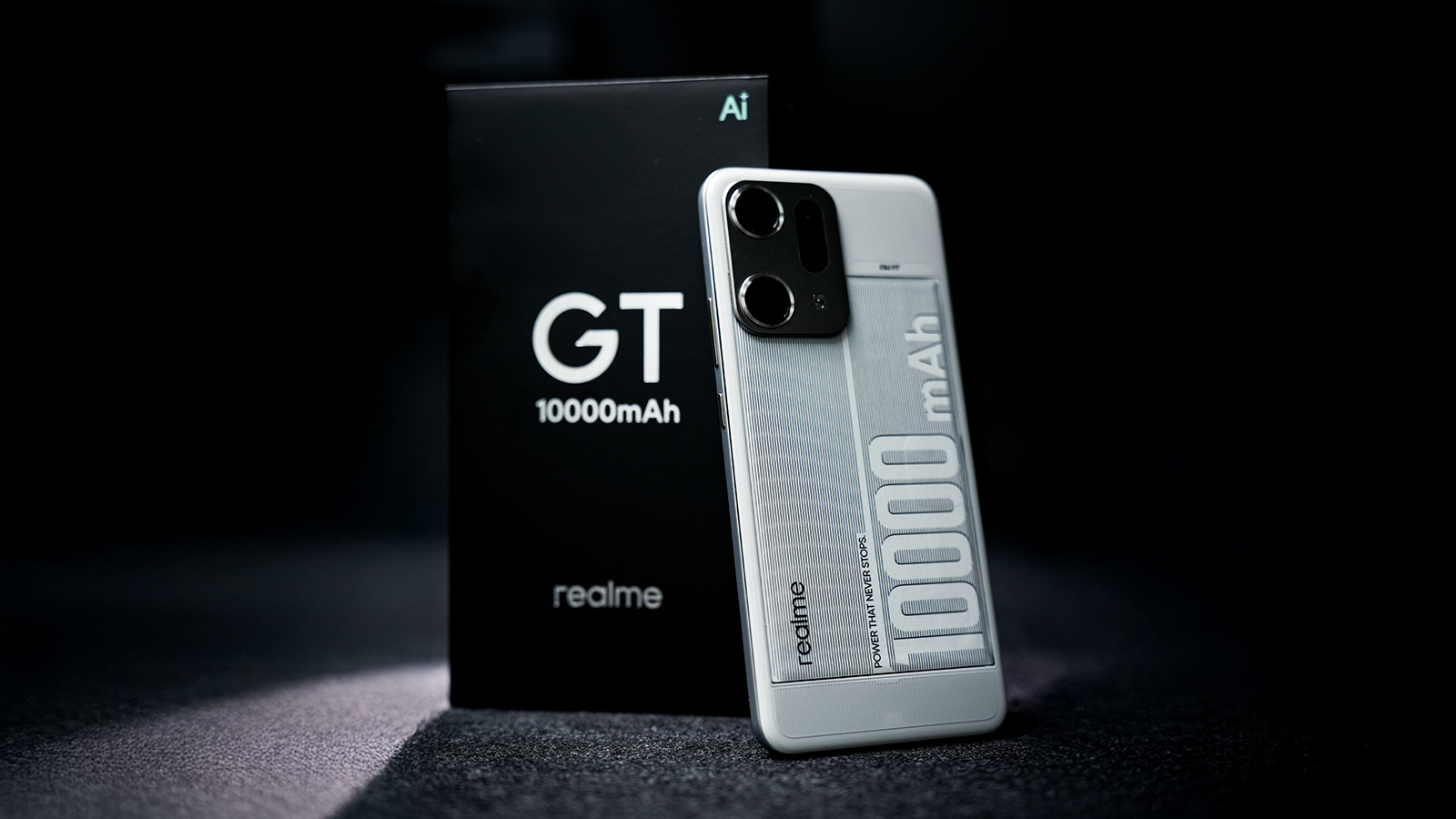
Certainly, these legendary capacities do not come without challenges; steel adds tangible weight to the device’s total weight, and cramming a cell of this massive size will put engineering design teams in front of extremely difficult tests to arrange the rest of the components and cameras inside the chassis without turning the phone into a heavy brick in the pocket. However, the success of these experiments could give users batteries that last for many days while maintaining structural safety and thermal stability.
Once again, Apple proves that it is the hidden engineer guiding the compass of the entire tech industry; while others are busy marketing huge capacity numbers, Cupertino’s engineering genius in battery design was the key that will make those numbers a tangible reality.
Source:


Leave a Reply