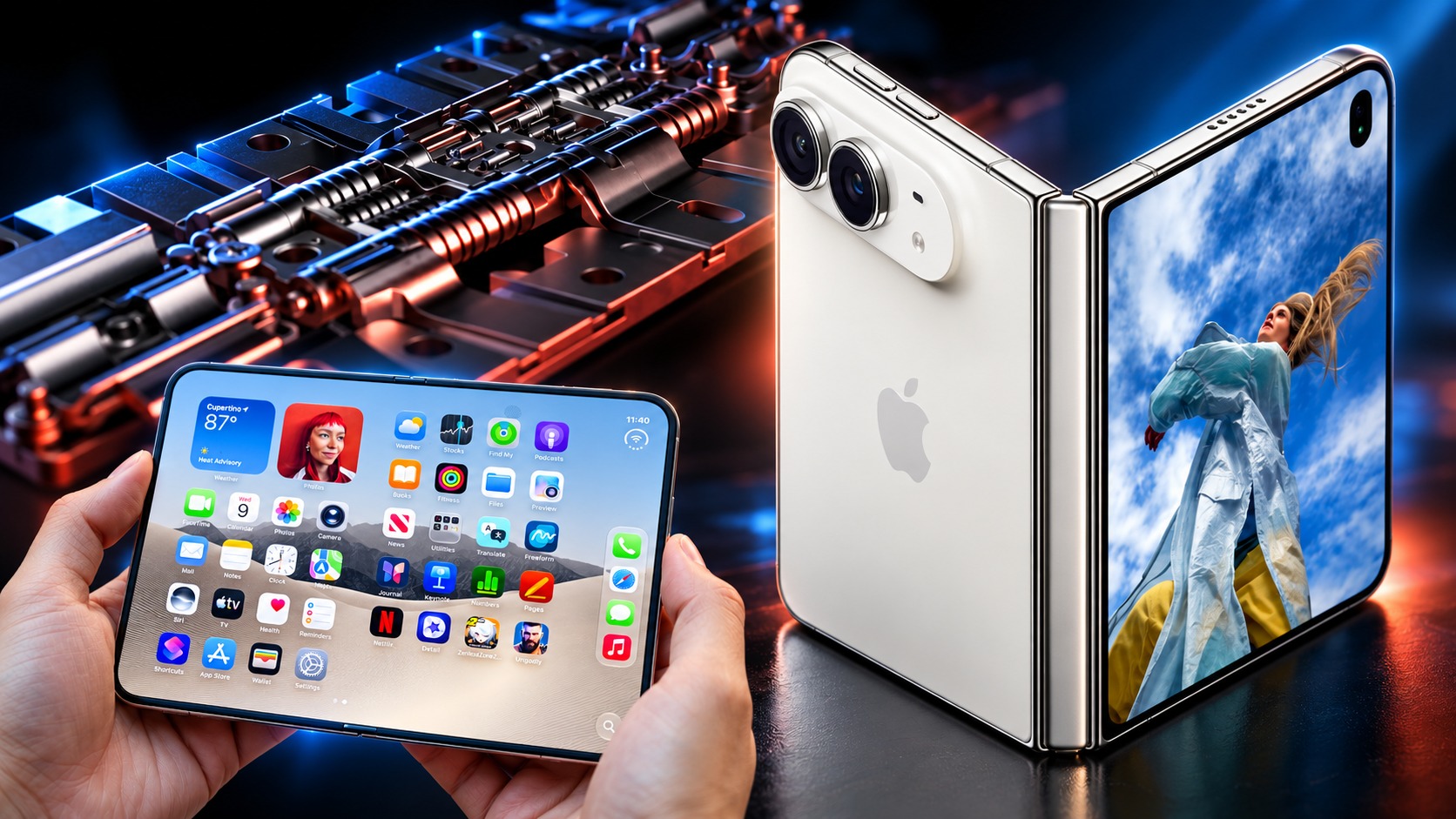
After years of anticipation and speculation, Apple’s first foldable phone has become a reality. Tech reviewers received the iPhone Duo ahead of its official launch, and after 24 hours of intensive use, the real answers to the questions on everyone’s mind have begun to emerge. Beyond the glitz of conferences and promotional materials, what is this new device like in daily life? And what are the real trade-offs you will make in exchange for a giant foldable screen in your pocket?
Apps and Multitasking: The Reality of the Big Screen
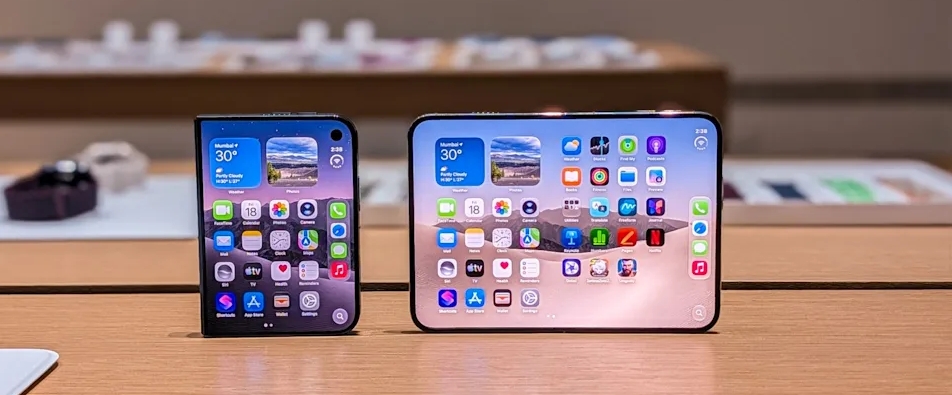
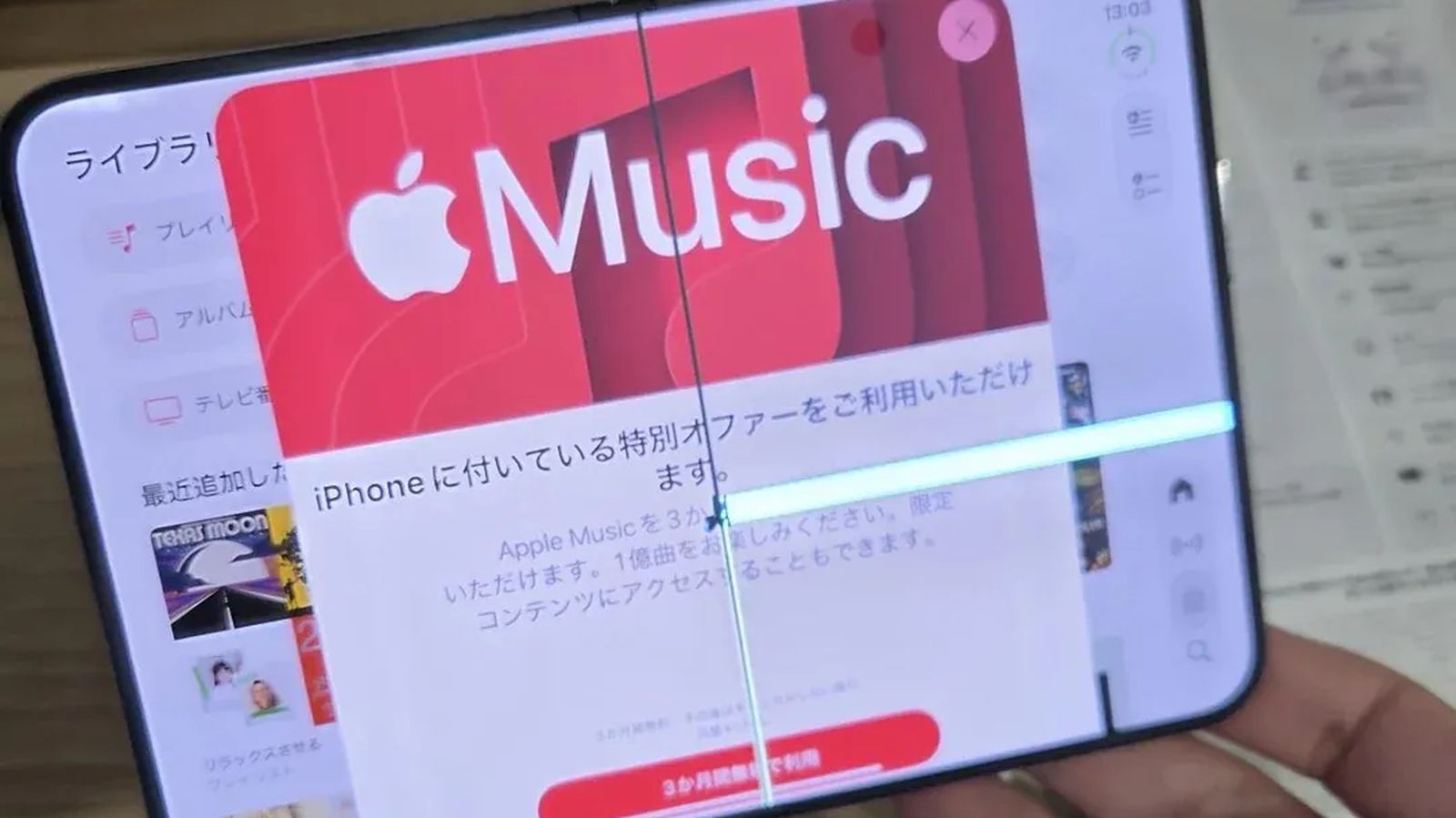
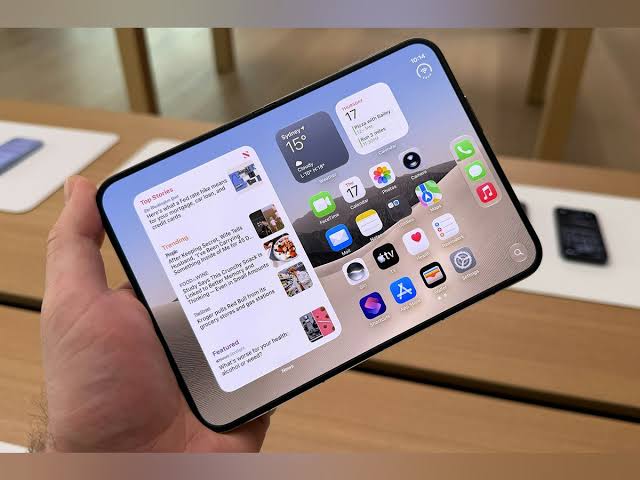
The iPhone Duo experience depends entirely on how well apps adapt to its new design. Currently, apps fall into three categories: apps updated specifically to take advantage of different folding modes, such as Netflix, which offers a special viewing mode when the device is bent in half; apps that automatically stretch to fill the entire screen; and apps that are not yet updated, which suffer from wide, annoying black bars on the sides. While these apps remain usable, the overall appearance loses much of its usual smoothness, pending a wave of successive updates from developers.
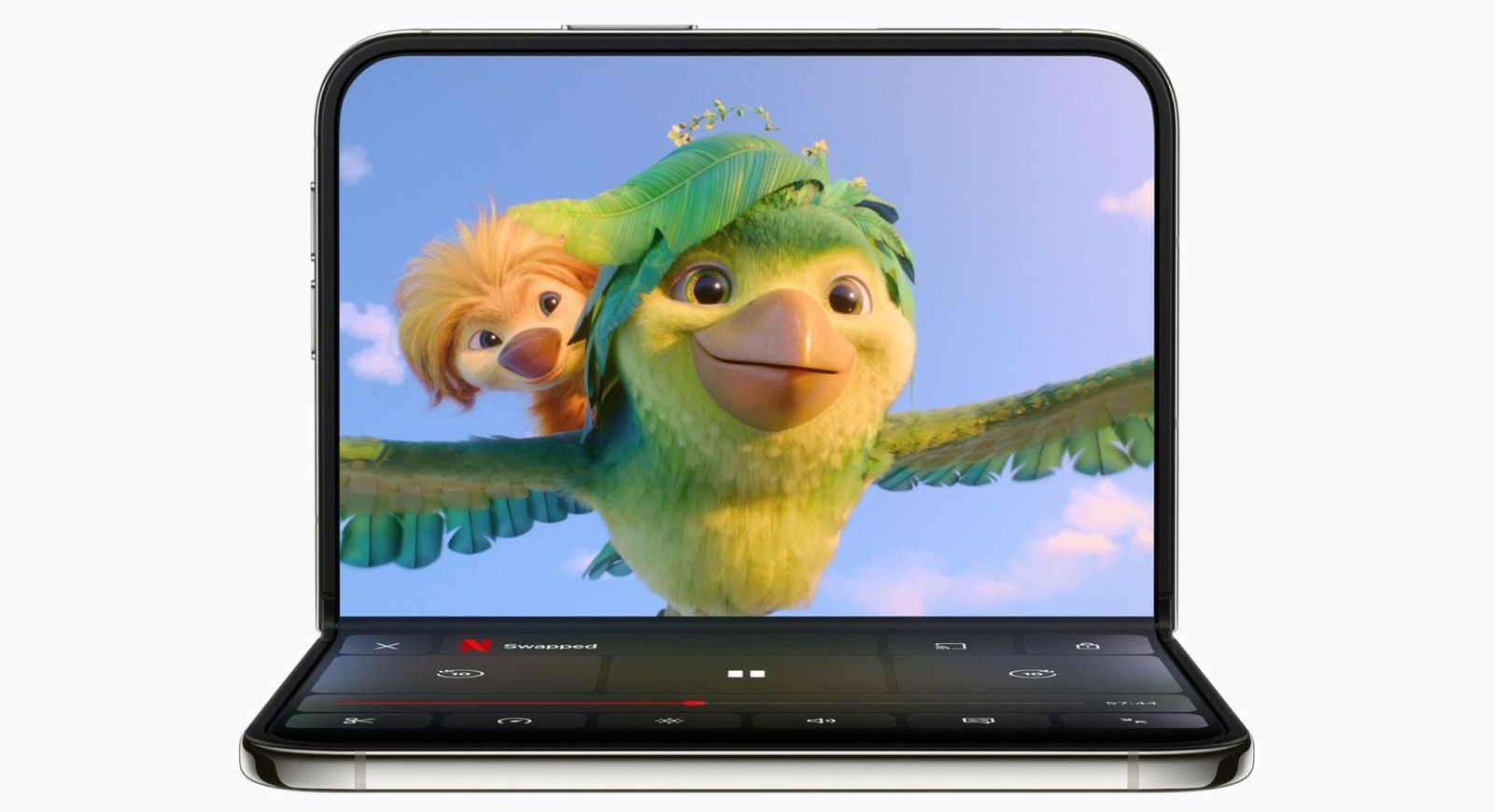
In terms of productivity, the power of multitasking stands out as one of the device’s brightest features. The ability to run two apps side-by-side gives you unprecedented efficiency, such as browsing a website while watching a video clip on the other half seamlessly, which completely changes the pattern of mobile phone usage.
Internal Screen and Cameras: A Balance Between Durability and Compromises
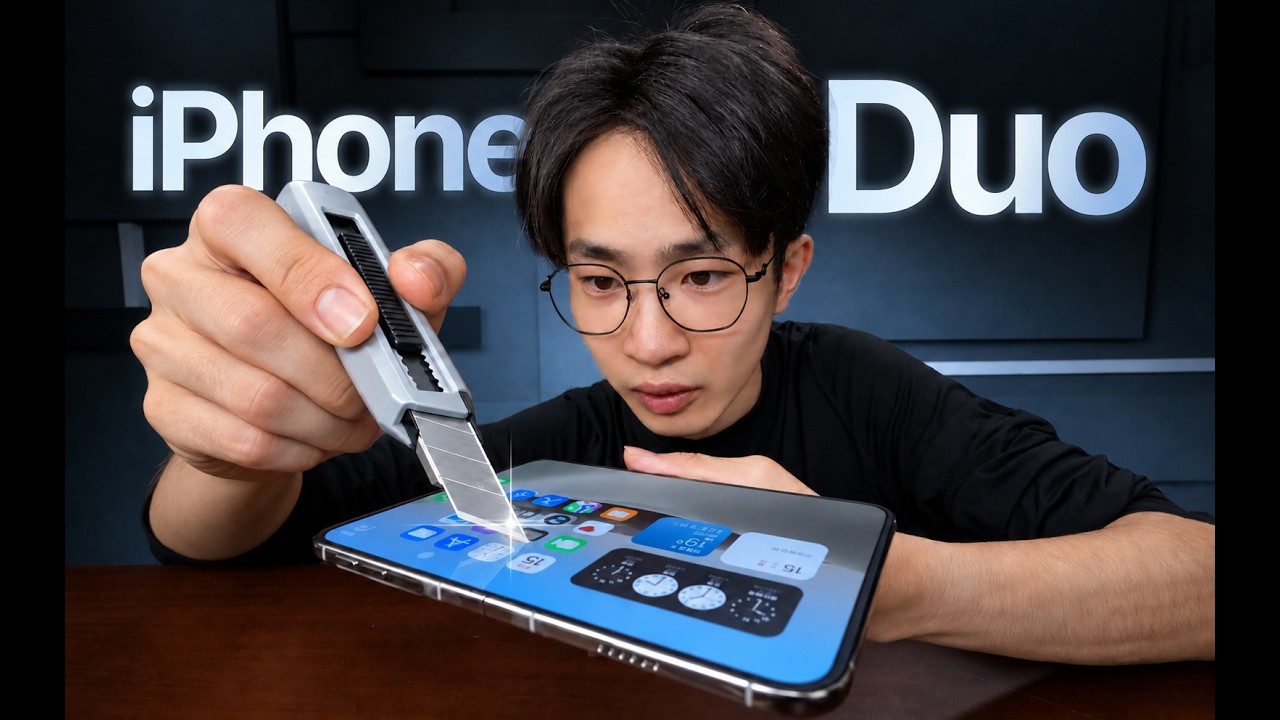
The internal screen of the iPhone Duo has a sturdy feel very similar to iPad screens equipped with a matte nano-texture layer. Although it clearly picks up fingerprints, it provides a great sense of reassurance in terms of scratch resistance and mechanical rigidity, far from the traditional anxiety associated with foldable phones.
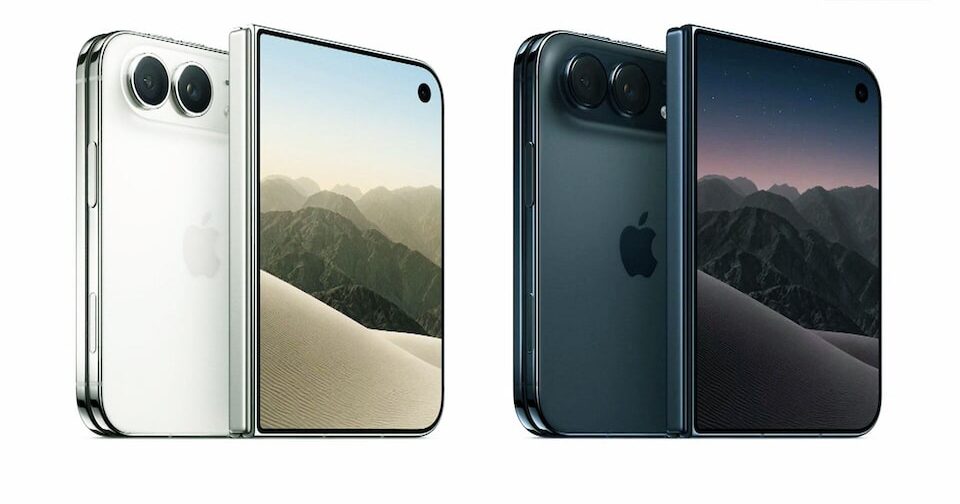
As for the camera system, the iPhone Duo offers performance comparable to the standard iPhone 17 camera, but it does not reach the level of the advanced iPhone 18 Pro cameras with variable aperture. The most notable compromise here is the complete absence of a telephoto lens, and the under-display camera is limited in quality to quick FaceTime calls, making it very mediocre for any other photographic uses.
Fingerprint Sensor and Daily Comfort
One of the radical changes that users will notice immediately is the abandonment of Face ID in favor of a Touch ID fingerprint sensor in the power button. It is not just about changing the method; Apple designed the system with a deliberate short pause that forces you to touch the button and keep pressing to unlock, to avoid accidental unlocking. Fortunately, the Apple Watch provides an alternative solution that restores the smooth automatic unlocking experience similar to Face ID.
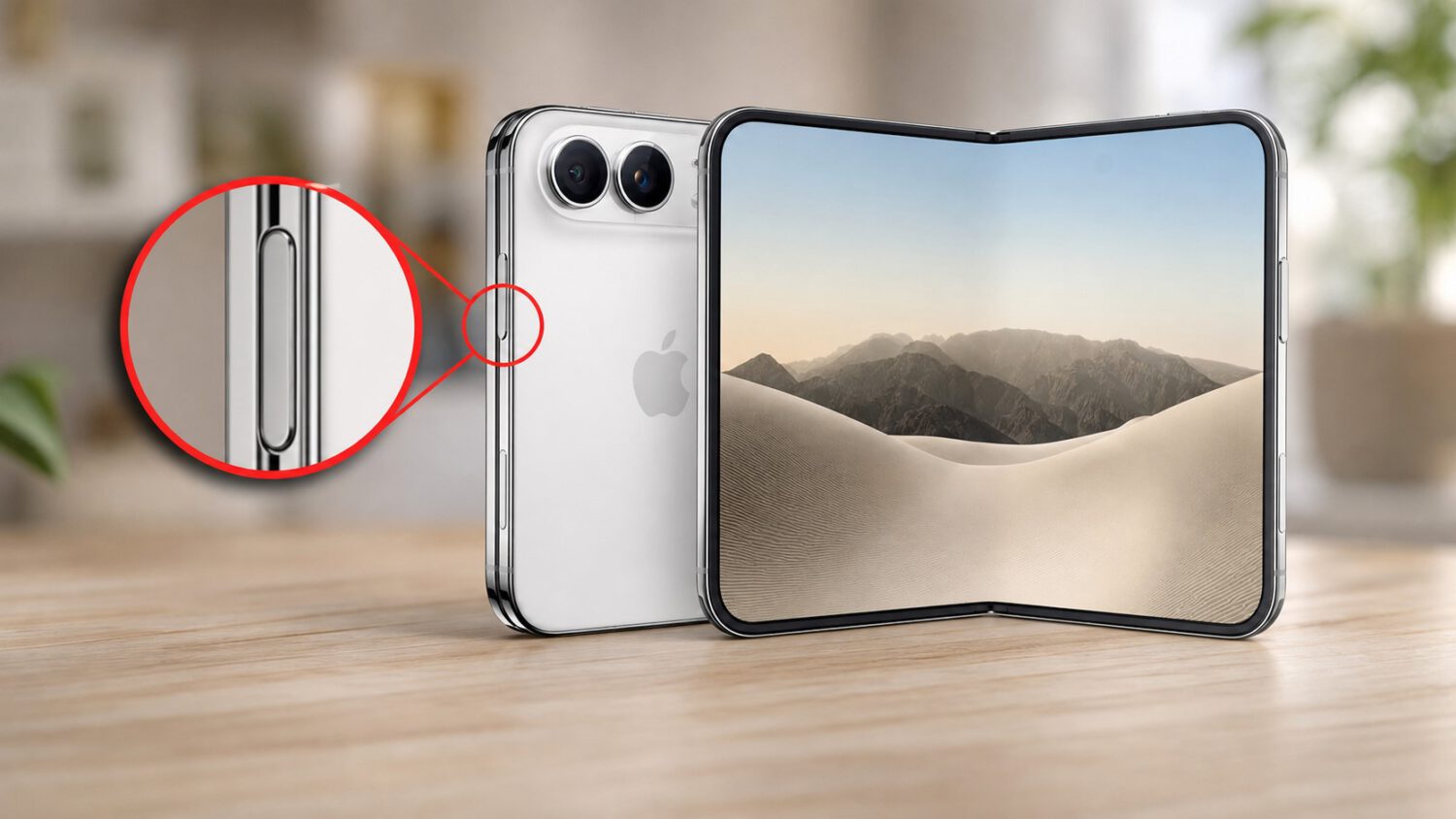
From an ergonomics and control perspective, the iPhone Duo feels heavier and thicker than traditional Apple phones. While people with large hands can use it with one hand when closed, left-handed users face a tangible difficulty due to the placement of the fingerprint button and navigation bars on the right side of the chassis.
Price and Initial Verdict
The iPhone Duo starts at $1,999, a price point that clearly places it in the luxury product category aimed at early adopters of the foldable screen world. With clear compromises in the camera system, device size, and the absence of Face ID, the real value remains tied to how quickly developers release custom interfaces that support this unique design.
Source:
Leave a Reply