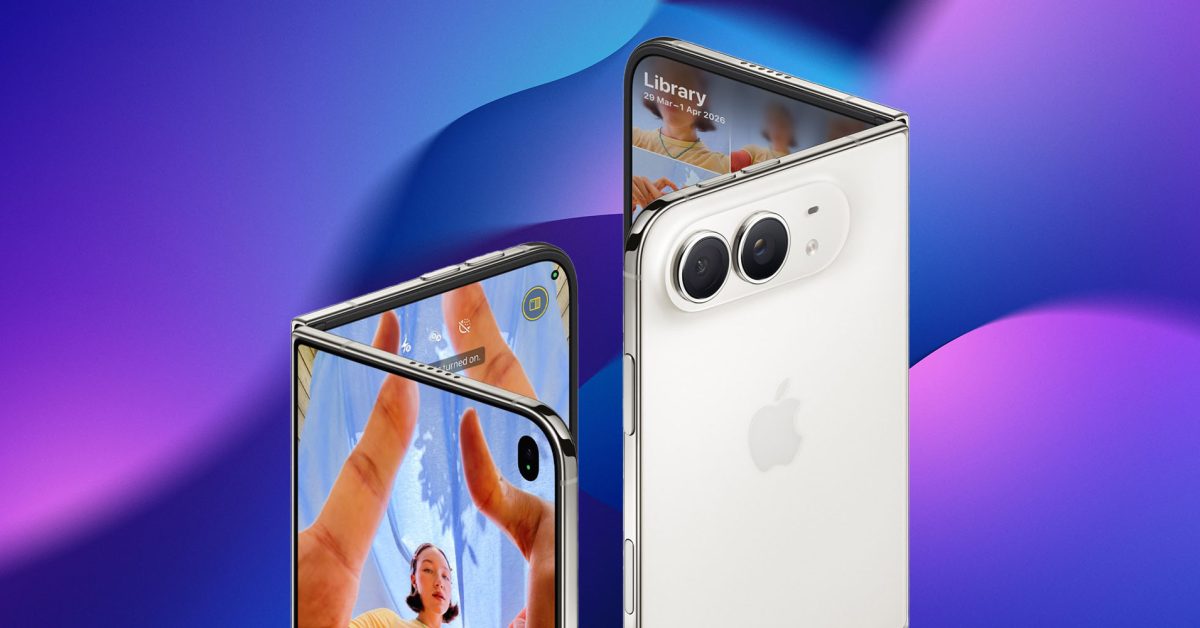
Since the launch of the first iPhone nearly two decades ago, Apple’s design philosophy has not undergone a transformation as radical as what we are seeing today with the iPhone Duo. It is a device that breaks the traditional mold we have been accustomed to for many years; it is not just a smartphone with a familiar glass rectangle, but an innovation that combines the size of a pocket notebook when closed with a full-fledged iPad screen when opened. Its dimensions may seem unfamiliar at first glance, but behind this structure lies precise engineering that has completely changed how we interact with Apple devices. Here is the comprehensive and detailed review of the first foldable phone offered by the company.
Design and Engineering: A Pocket Notebook That Turns Into a Tablet
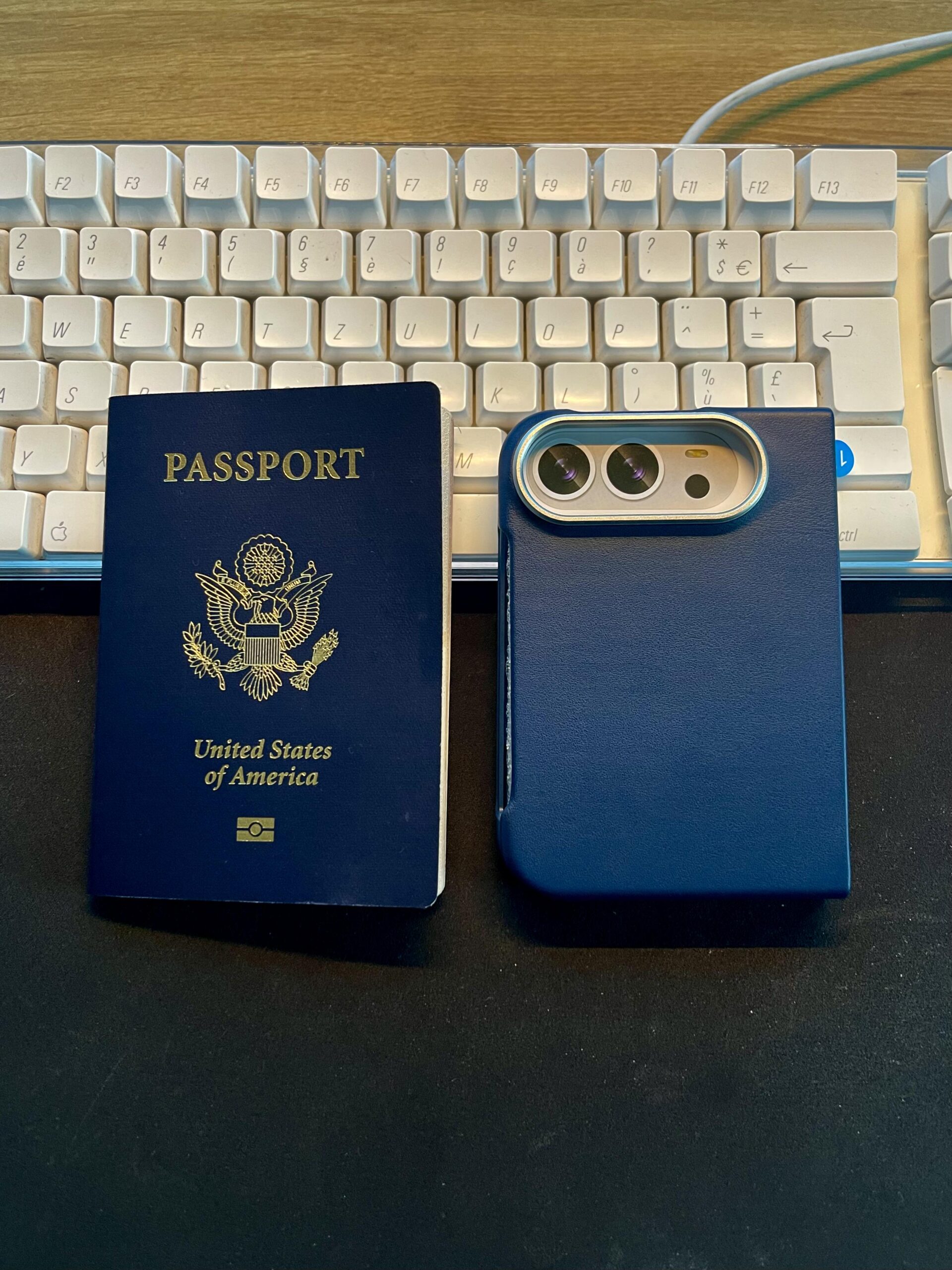
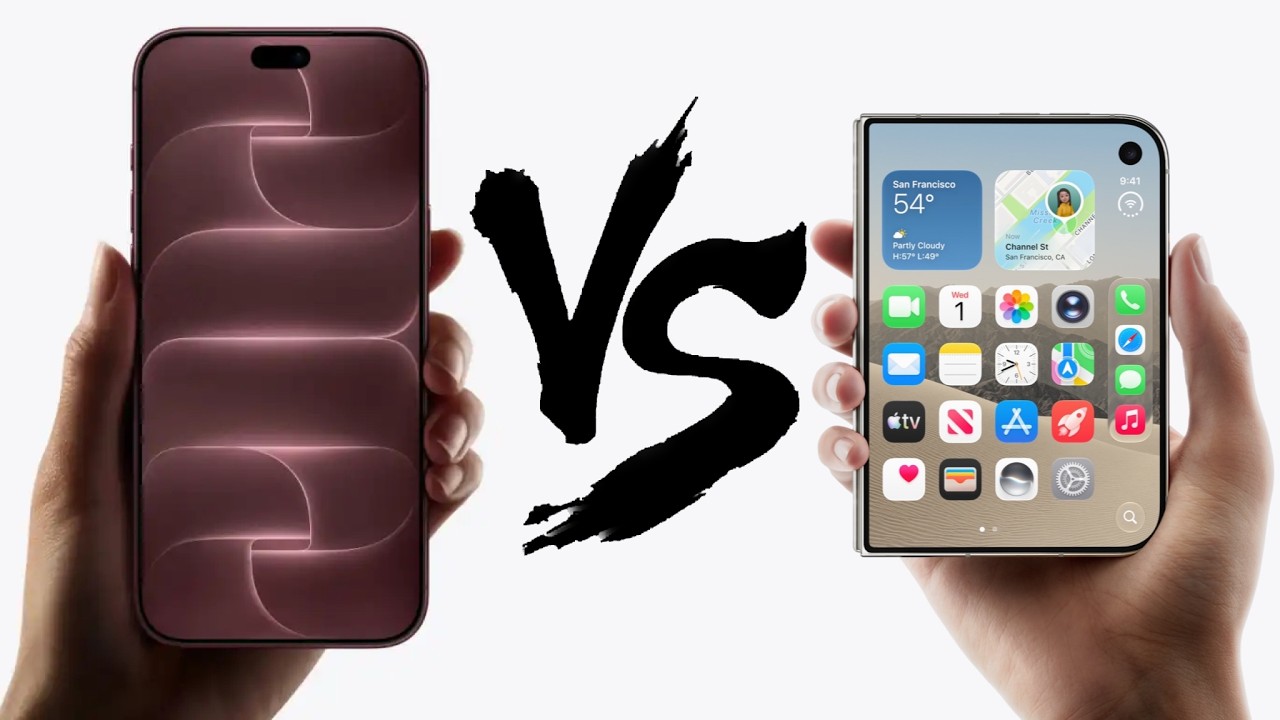
The iPhone Duo weighs 254 grams, making it only five grams heavier than the iPhone 18 Pro Max, but the fundamental difference lies in weight distribution. The phone is shorter and wider; it stands 117.8 mm tall and 84.1 mm wide, making it 45.6 mm shorter than the 18 Pro Max model. This compact structure gives it exceptional stability in the palm and allows it to fit into a pocket with unexpected ease compared to typical tall phones.
In terms of thickness, the device is 11.3 mm thick when folded, which is about 29% thicker than Pro models, but once unfolded, the thickness drops to just 5.2 mm, making it even thinner than the iPhone Air. The frame is crafted from Grade 5 titanium with a polished, reflective finish and is available in two colors: Night Sky and Starlight, while maintaining the IP68 standard for water and dust resistance.
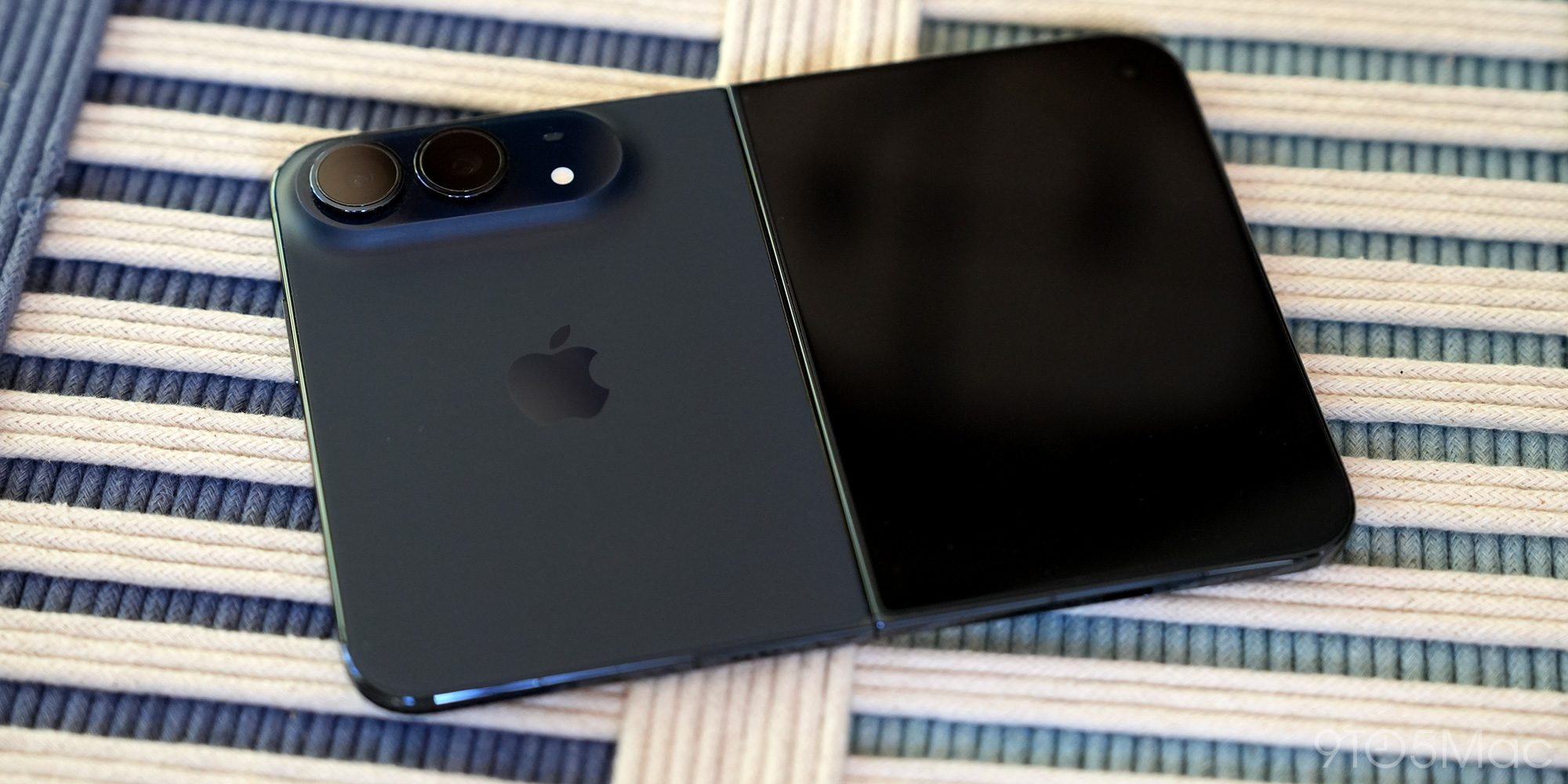
The phone relies on a mechanical hinge consisting of over 100 precision components, supported by a variable torque system that precisely adjusts resistance during opening and closing, alongside integrated magnets that secure the two sides. Opening the phone requires both hands to ensure safety, and the hinge allows the screen to be set at multiple angles in both laptop and tent modes, enabling content viewing, FaceTime calls, and the use of the upgraded StandBy feature without the need for any desk stand.
Displays: Nano-Texture and Reducing the Fold Crease
The external screen measures 5.4 inches with a 1.4:1 aspect ratio, providing a usable area equivalent to 90% of the iPhone 18 Pro screen thanks to its extra width. Using the external screen feels like handling a smart passport; it is very comfortable for typing, browsing menus with one hand, and replying quickly to messages, although browsing some websites in Safari may occasionally be affected by the limited vertical space and frequent pop-up ads.
The massive internal screen measures 7.6 inches, with an area 50% larger than the iPhone 18 Pro Max screen. The display consists of over 10 ultra-thin layers, combining a nano-texture polymer that is 40% more rigid, and ultra-strong glass with a flexible adhesive that allows the layers to slide over each other like pages in a book when folded, supported by a titanium bottom plate.
To overcome the issue of the center fold crease, Apple employed Nano-texture glass technology that scatters reflected light instead of reflecting it like a mirror. As a result, the fold line becomes almost invisible when looking at the screen directly from the front and is only noticeable under strong sunlight and on dark backgrounds. Apple also made the outer layer of the screen replaceable at a reasonable cost in case of any damage.
Operating System, Performance, and Multitasking
The phone runs on iOS 27 with smart customizations tailored to the nature of the two screens; the Dock and navigation menus have been moved to the right side of the interface for easy thumb access while holding the wide phone, with them automatically returning to the bottom when the phone is rotated to portrait mode.
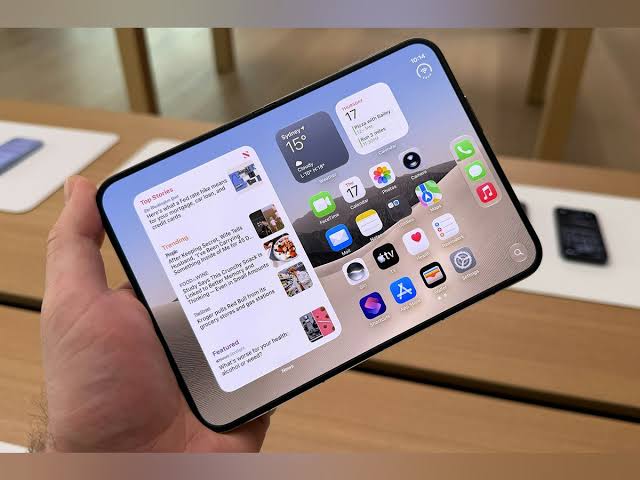
The phone introduces the Split View feature for the first time on iPhones, allowing two apps to run side-by-side on the large screen, or opening two windows of the same app, in addition to the ability to pin videos at the top and use another app at the bottom seamlessly.
The iPhone Duo is powered by the flagship A20 Pro processor with an advanced thermal architecture featuring a water vapor chamber and flexible graphite sheets to distribute heat across both halves. Regarding security, Apple replaced Face ID with a Touch ID fingerprint sensor integrated into the side button, which offers fast performance and supports the auto-unlock feature via Apple Watch for easier access.
Cameras: Agile Hardware and Innovative Photography Capabilities
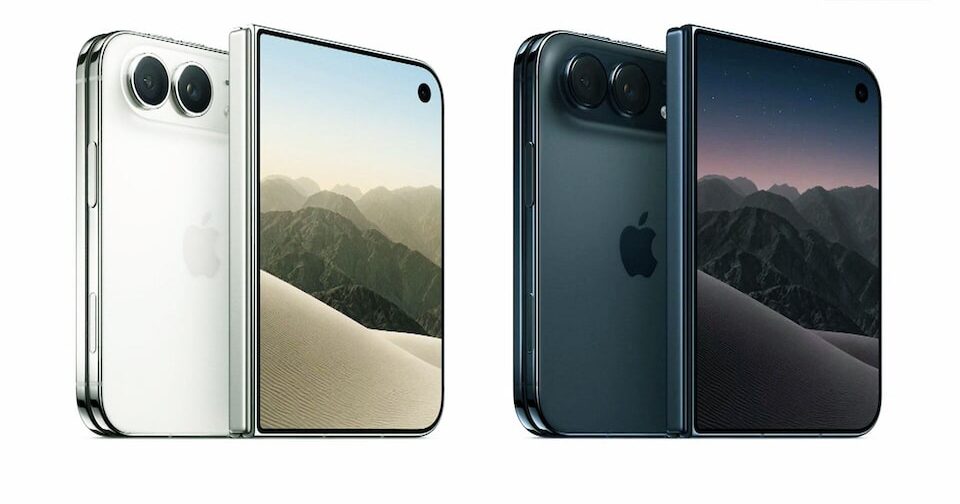
To maintain the slimness of the structure, Apple did not equip the phone with the full Pro camera system, instead opting for a 48MP main camera with an ƒ/1.6 aperture and a 48MP ultra-wide camera, without a dedicated telephoto lens, relying on sensor-based digital zoom up to 2x.
| Specifications | iPhone Duo | iPhone 17 | iPhone Air | iPhone 18 Pro |
|---|---|---|---|---|
| Main Camera | 48MP | 48MP | 48MP | 48MP |
| Main Aperture | ƒ/1.6 | ƒ/1.6 | ƒ/1.6 | Variable ƒ/1.48–ƒ/4 |
| Ultra-Wide Camera | 48MP | 48MP | None | 48MP |
| Dedicated Telephoto | None | None | None | 48MP (4x) |
| Calculated Optical Zoom | 0.5x, 1x, 2x | 0.5x, 1x, 2x | 1x, 2x | 0.5x, 1x, 2x, 4x, 8x |
| 4K Dolby Vision Video | Up to 120 fps | Up to 60 fps | Up to 60 fps | Up to 120 fps |
| ProRAW Support | Not supported | Not supported | Not supported | Supported |
In daily practical tests, the camera delivers high-clarity photos with excellent detail and realistic colors, with the iPhone 18 Pro having the edge thanks to its variable aperture and optical zoom. The following comparison photos illustrate the differences in light processing and contrast:

A shot summarizing the accuracy of the primary sensor in the iPhone Duo under natural lighting conditions, followed by a shot of the same scene via the iPhone 18 Pro:

There is a slight superiority of the iPhone 18 Pro in capturing shadow depth, while the iPhone Duo provides a clear and balanced image. Moving to the second comparison outdoors:

The light and color distribution in the iPhone Duo looks rich and pleasing to the eye compared to the corresponding iPhone 18 Pro shot below:

In close-up shots and fine details, the iPhone Duo sensor shows superior focus accuracy and processing speed:

And here is the iPhone 18 Pro’s processing of the same close-up element with natural optical bokeh:

As for the fourth shot of open landscapes, the digital processing in the iPhone Duo provides a wonderful balance in dynamic range:

The corresponding photo from the iPhone 18 Pro illustrates the level of professional processing in the advanced sensor:

The biggest strength of the iPhone Duo is the ability to open the device and use the external screen as a mirror to take high-resolution selfies using the 48MP rear camera, alongside the Duo Preview feature that shows the other party a live preview of themselves before the photo is taken, and the Smart Take feature for automatic capture when everyone is in the frame.
Battery, Charging, and Daily Usage Experience
The phone contains two independent batteries, one in each half, managed intelligently via dedicated silicon circuits to function as a single balanced power unit. This system ensures up to 44 hours of video playback on the external screen and 31 hours on the internal screen, or 24 hours of mixed usage, ensuring a full day of intensive work with about 20% remaining in the evening.
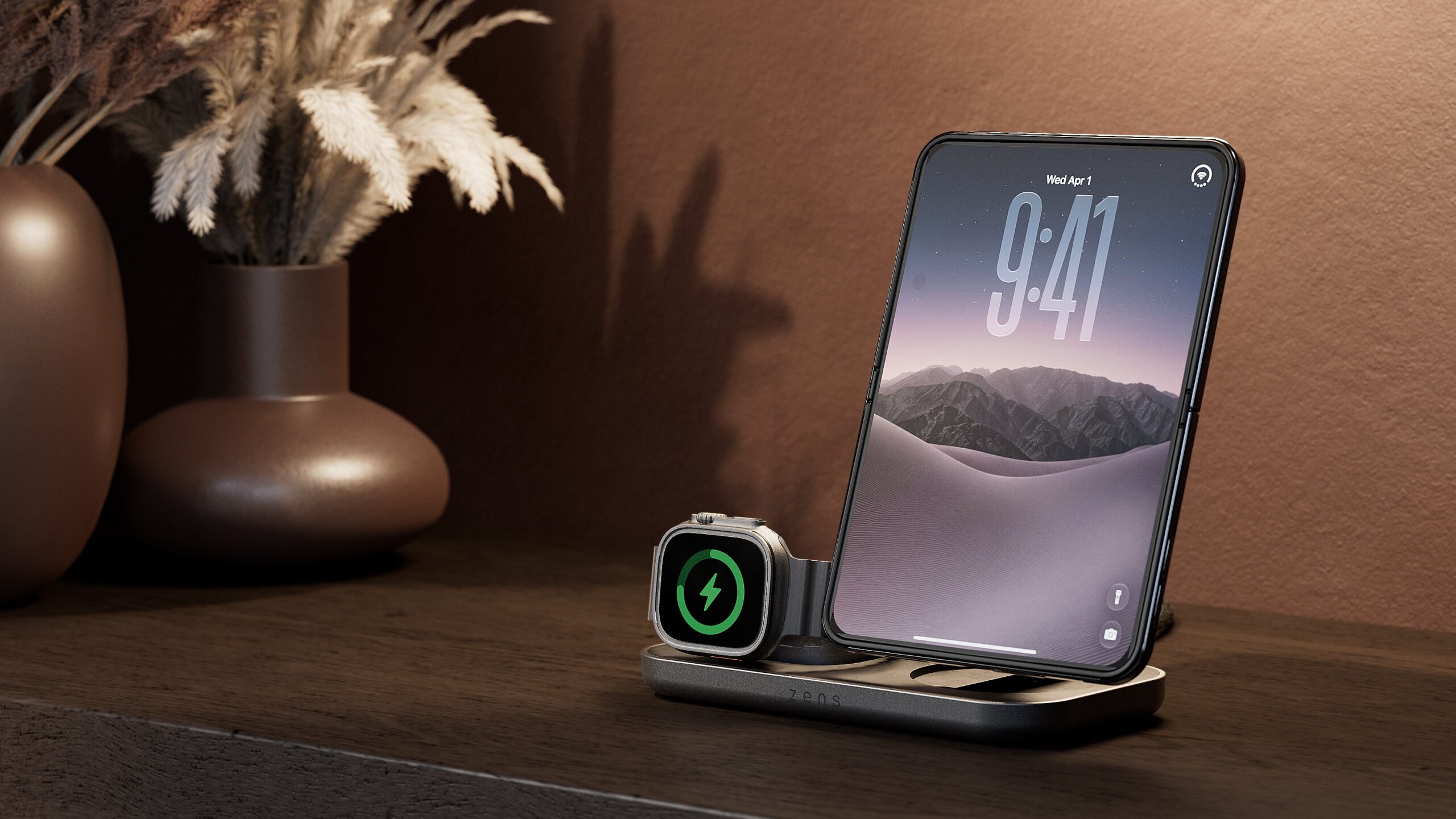
The device supports MagSafe chargers and desktop stands efficiently, although some accessories like wallets and power banks may protrude slightly from the bottom edge due to the phone’s short structure. The phone is also equipped with the tactile Camera Control button, with the absence of the traditional Action button, and external speakers that provide excellent stereo sound, though slightly less deep compared to Pro models.
Final Verdict: Is the iPhone Duo Worth Buying?
The iPhone Duo represents Apple’s bold vision for the future of smartphones. It is not just a show-off phone, but a productivity and entertainment tool that combines a compact phone and an iPad in one pocket without sacrificing build quality. With a price starting at $1,999, the device comes with some expected compromises for its first generation, such as the absence of a telephoto lens and the replacement of Face ID with Touch ID, making it a choice for advanced tech enthusiasts who are ready to embark on a promising futuristic experience.
Source:

Leave a Reply