In a moment that Apple fans and professionals around the world have been waiting for for many years, Apple has officially unveiled the all-new generation of its flagship MacBook Pro, shattering all previous rules and bringing a qualitative shift that is the largest in the history of Mac devices since the launch of silicon processors. The new computer did not just rewrite the equations of power and performance, but broke one of the longest-standing traditions in Cupertino’s history by introducing the super PROLED XDR display with tandem OLED technology and direct interactive touch for the first time ever in the Mac system, in addition to embracing the Dynamic Island, and equipping it with the hardware monsters M5 Pro and M5 Max, in a completely re-engineered chassis that is lighter and thinner than ever before with a legendary battery life of up to 24 continuous hours.
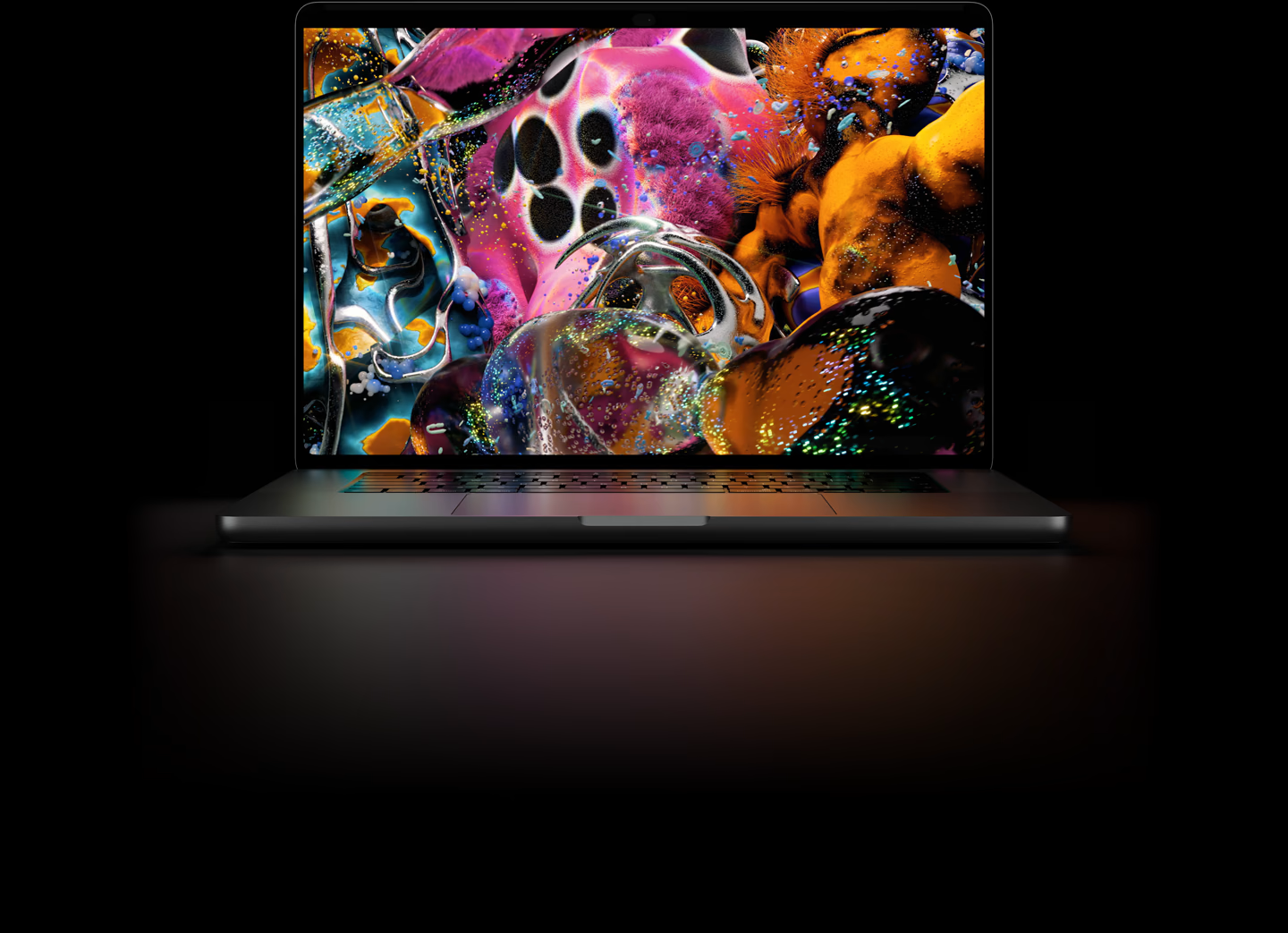
PROLED XDR Display: The Pinnacle of Tandem OLED Technology and Exceptional Brightness
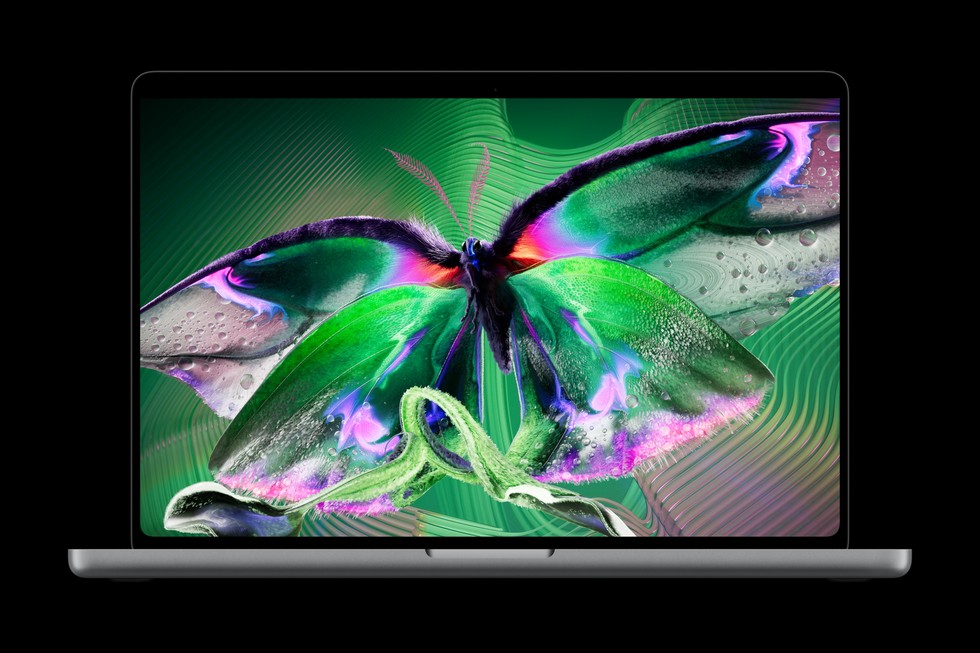
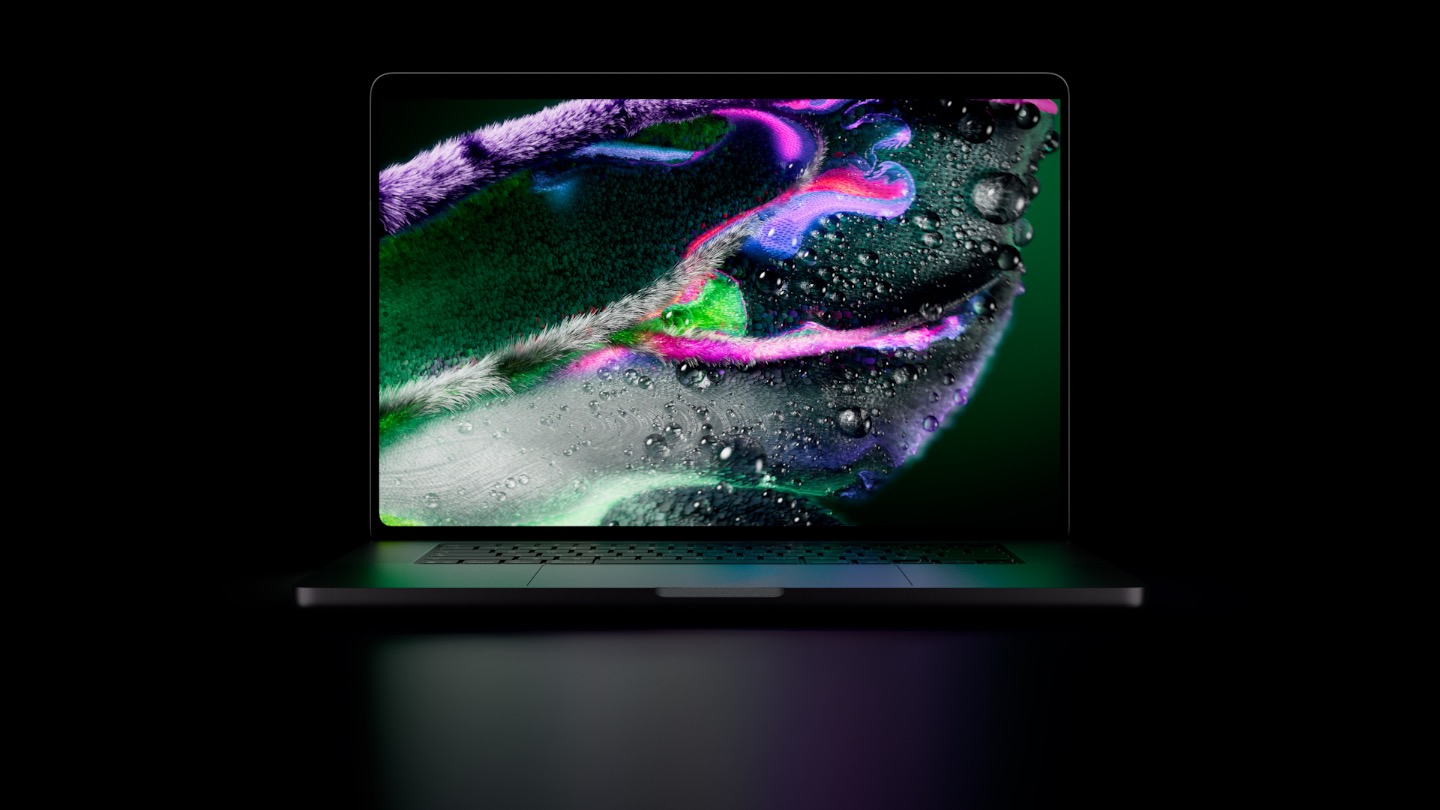
The new PROLED XDR display is undoubtedly the crown jewel of the new MacBook Pro; it uses two self-illuminating layers of OLED with advanced tandem OLED technology, which completely eliminates the glare and halo effects that plagued traditional displays. The screen comes in 14.2-inch and 16.3-inch sizes thanks to ultra-slim bezels, and provides record brightness reaching 2000 nits for both HDR content and standard SDR content, making working under direct sunlight a completely comfortable experience as if you were sitting in a dark studio.
For fans of extreme precision and deep detail, the display offers an astronomical contrast ratio of 10,000,000:1 with absolute true blacks and stunning details in the finest shadow areas, supported by an advanced, ultra-intelligent display engine that calibrates every pixel with a precision of a thousandth of a second based on temperature, usage, and content quality to ensure the longest lifespan and protection of the panel over the years, in addition to a ProMotion adaptive refresh rate that ranges smoothly between 10Hz for power saving and 120Hz for maximum motion responsiveness.
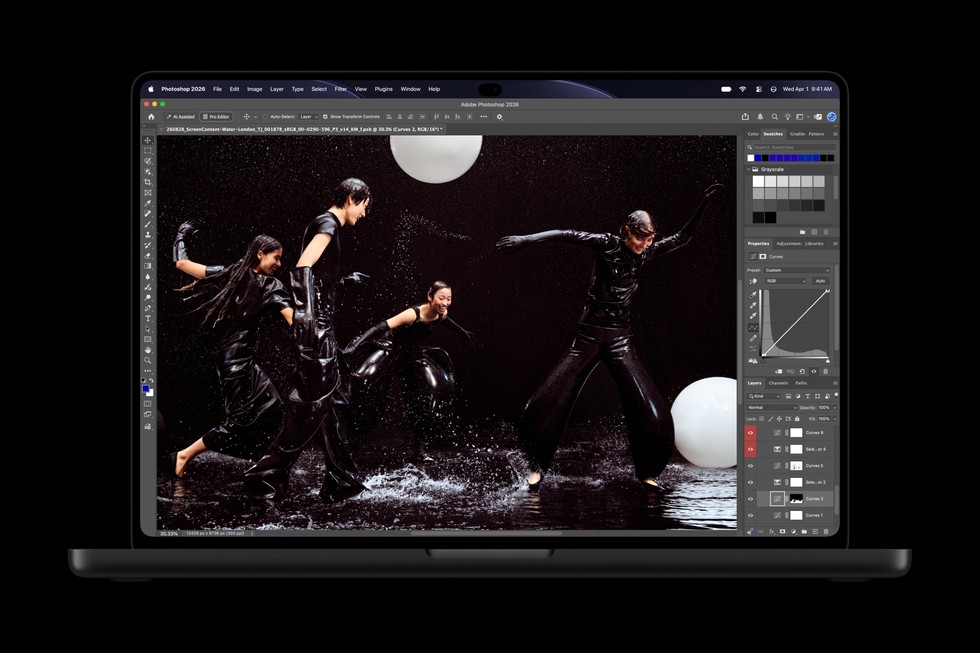
Apple has not overlooked content creators, photographers, print designers, and directors; the display now offers, for the first time, full support for the wide Adobe RGB color gamut alongside the famous P3 range, providing coverage exceeding 80% of the Rec. 2020 standard for professional HDR film production and processing. Apple also provided Nano-Texture glass, etched with geometric precision into the outer display glass to diffuse annoying reflections while fully maintaining contrast accuracy and color saturation, as well as including medical reference modes with the DICOM standard, allowing specialists to examine medical images with superior grayscale precision for educational and research purposes.
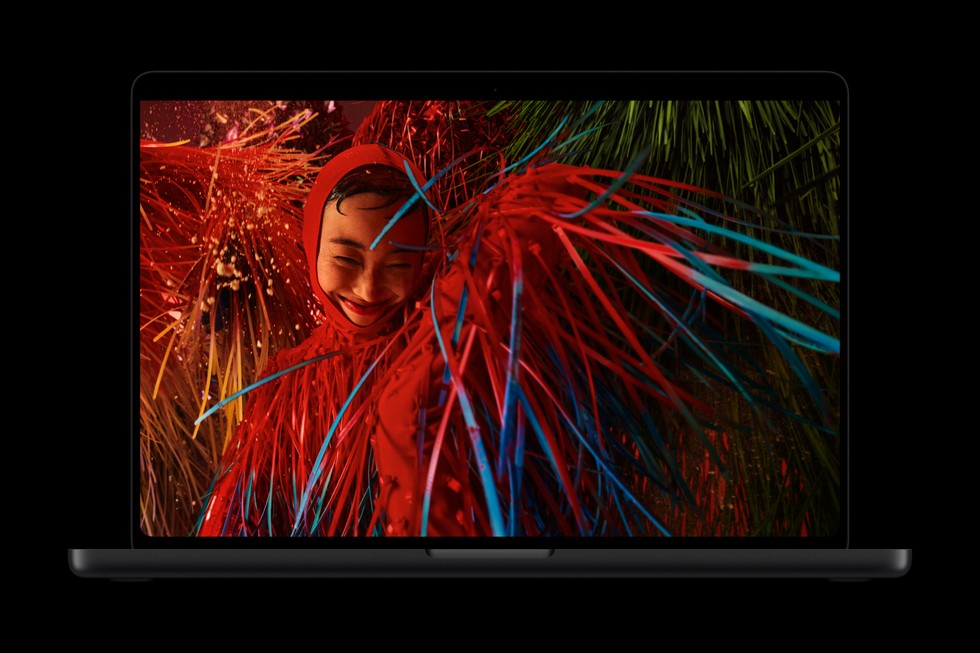
Touch Comes to Mac: The Magic of Direct Interaction Without Compromising the macOS Environment

For many years, speculation and conflicting opinions prevailed about whether Apple would bring touch screens to Mac devices, and today came the definitive and majestic answer; touch sensors have been integrated directly into the layers of the display panel itself instead of placing an additional glass layer on top of it, and the result is near-zero latency that makes you feel like you are touching digital elements directly with your fingers. Apple completely re-engineered the screen hinge to be more rigid and stable during touch pressure, and added optical image stabilization via the camera during video calls to compensate for any vibration resulting from touching the screen in official meetings.
The touch experience in the new MacBook Pro harmonizes seamlessly with the keyboard and the trackpad beloved by professionals; the macOS system automatically translates touches into instant clicks, making all legacy applications compatible right out of the box. Designers can now use the entire screen as a vast canvas, while musicians can play pianos and effects directly via the screen using a Polyphonic Multi-Touch keyboard in the Logic Pro app, or navigate precisely through timelines in Final Cut Pro, and control 3D applications like Blender, Cinema 4D, and Shapr3D.
Dynamic Island and a Thinner, Lighter Design
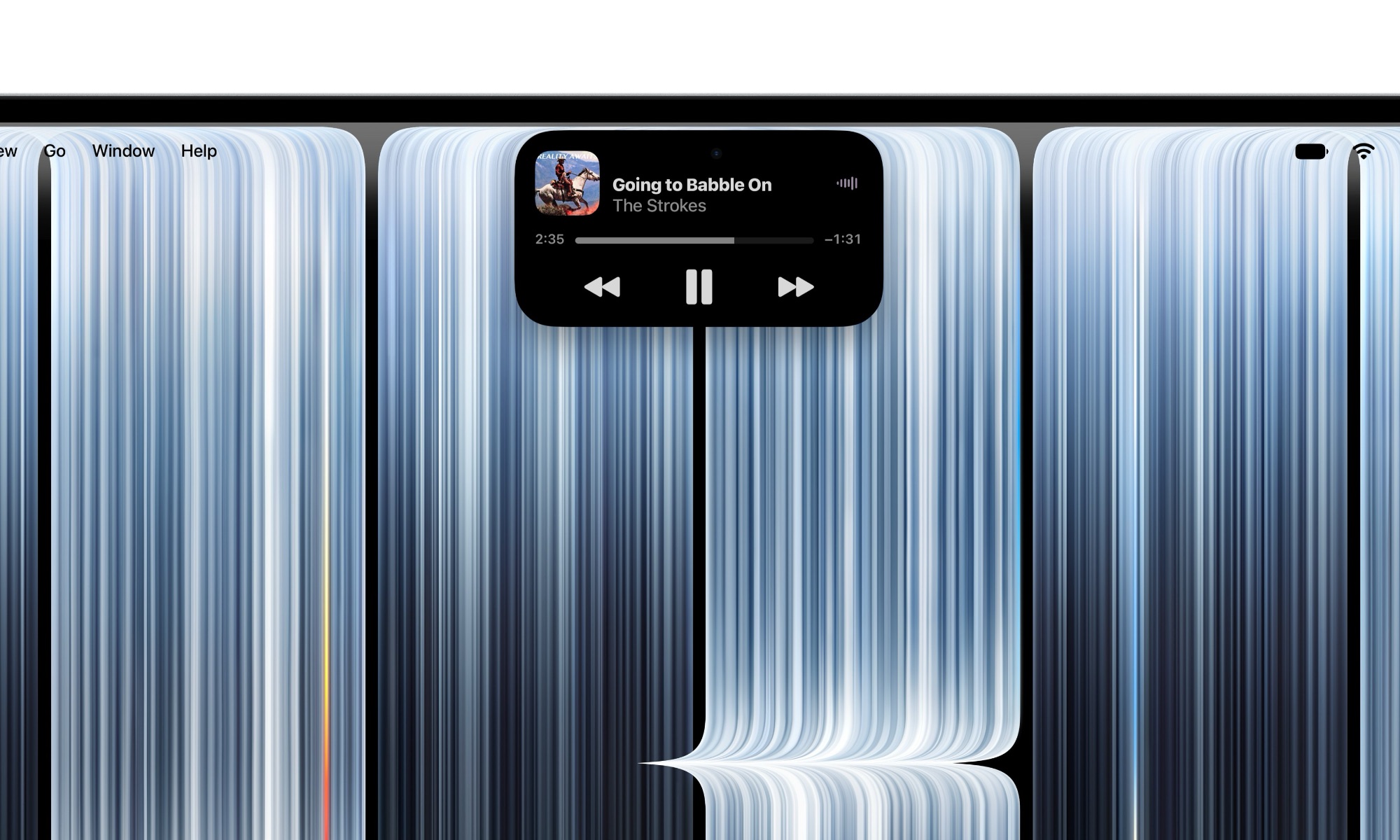
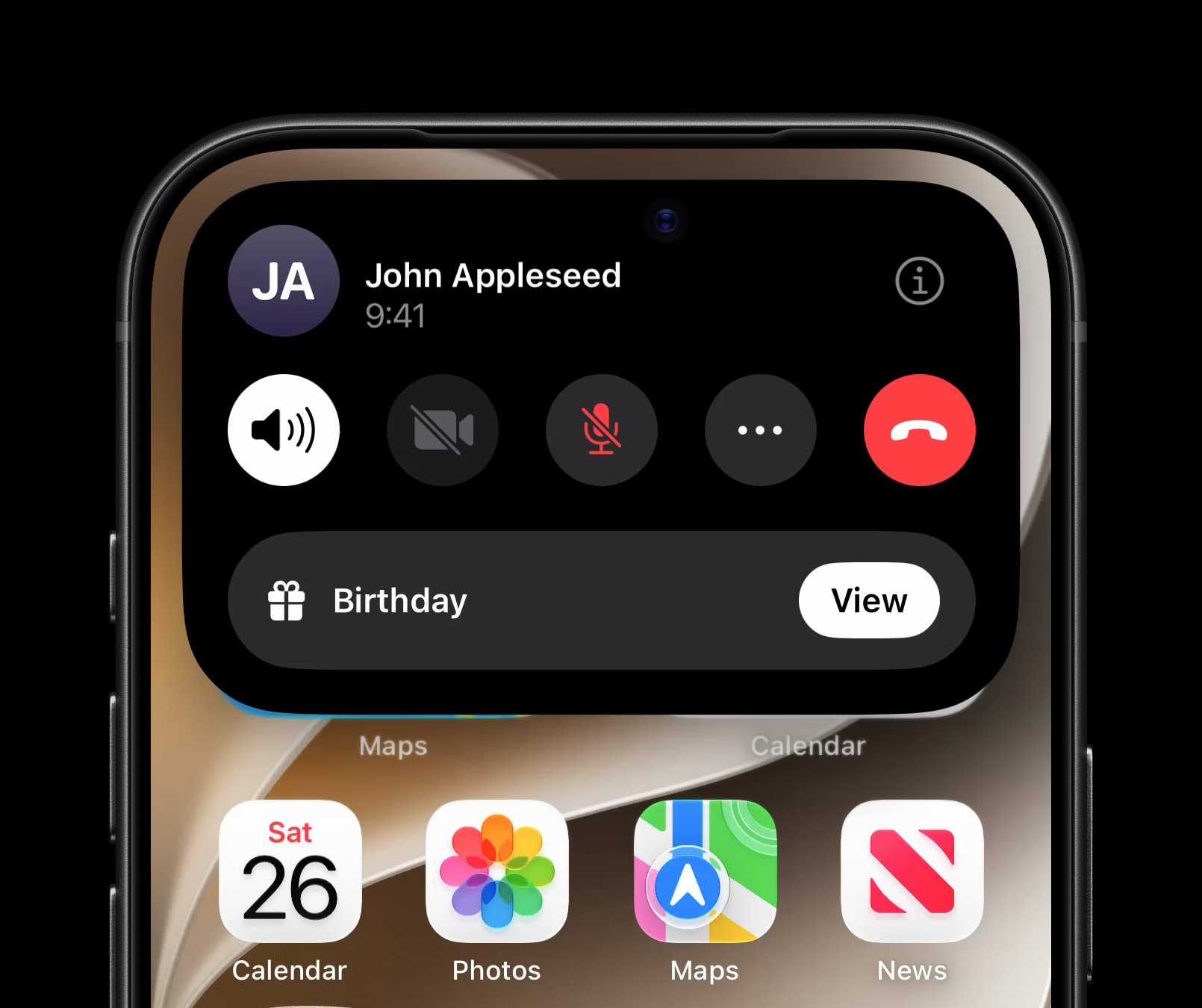
Apple borrowed one of its most successful innovations from the iPhone and brought it in a complete package to the Mac; the old notch has turned into the Dynamic Island, to be the permanent and main home for the Spotlight universal search feature, Live Activities, and the integration of artificial intelligence with Siri AI. The island gives you instant access with a single finger touch to control music, answer phone calls, follow downloads or render timers, accept AirDrop files, and talk to Siri with stunning visual fluidity that saves a lot of time and effort.
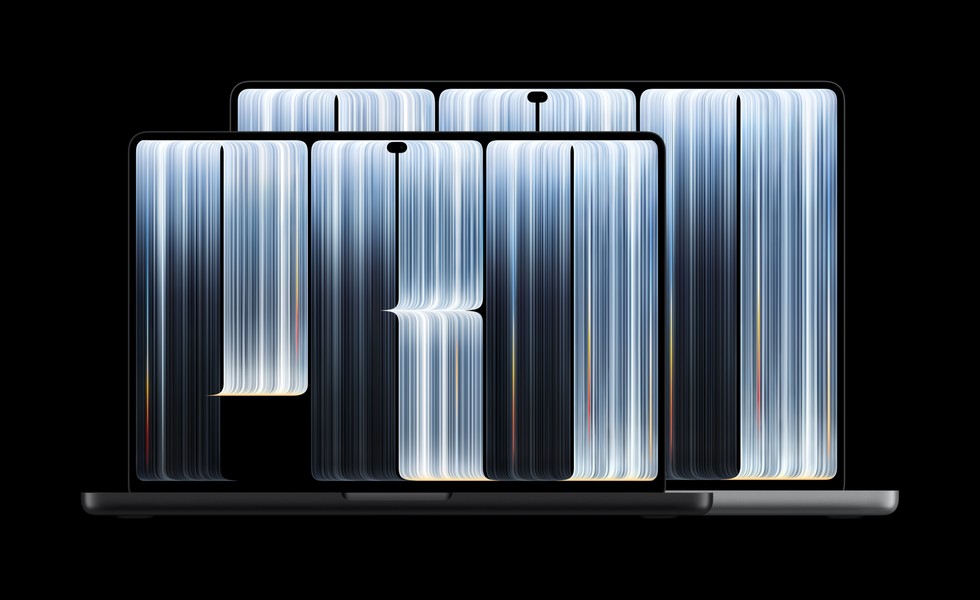
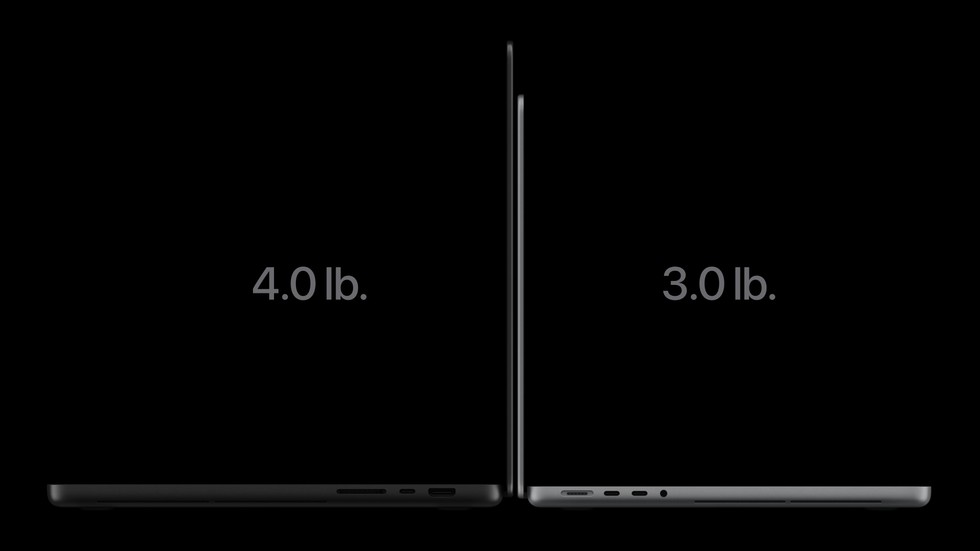
Regarding the exterior chassis, the thin tandem OLED screen structure helped achieve a real design miracle; the 14-inch model now weighs about 1.36 kg (3 lbs), a full half-pound lighter than before, while the weight of the 16-inch model dropped to 1.81 kg (4 lbs), a reduction of 0.7 lbs, with a thickness reduction of nearly a full millimeter. Apple rebuilt the thermal system from scratch to intelligently direct hot air away from the sensitive OLED screen, allowing for the maintenance of the highest levels of sustained performance without any thermal throttling.
M5 Pro and M5 Max Processors: Silicon Monsters and On-Device Artificial Intelligence
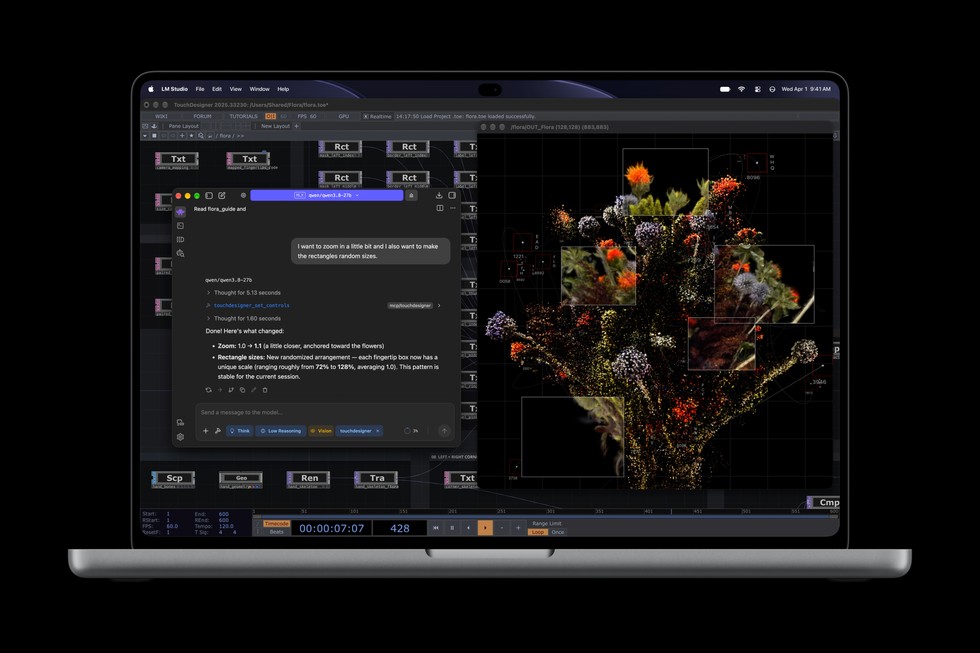
At the heart of this device beat the latest creations of Apple’s engineers: the M5 Pro and M5 Max processors, which push architectural performance to unprecedented horizons. Both processors feature Neural Accelerator units integrated into every core of the GPU, giving the device immense power to run massive language models (LLMs) containing hundreds of billions of parameters entirely locally within a secure and completely private environment, at speeds rivaling cloud data centers.
In addition, the chips come supported by the third generation of Ray Tracing engines and Dynamic Caching to deliver incredible lighting realism in 3D rendering and massive games. With unified memory options reaching 128GB with ultra-fast transfer speeds, and a massive internal SSD storage capacity now reaching 16TB, the device becomes a complete workstation capable of processing multiple streams of 8K ProRes video, simulating complex DNA sequences, and building visual effects projects in a matter of minutes.
Stunning Audio, Ultra-Fast Ports, and macOS 27 Golden Gate
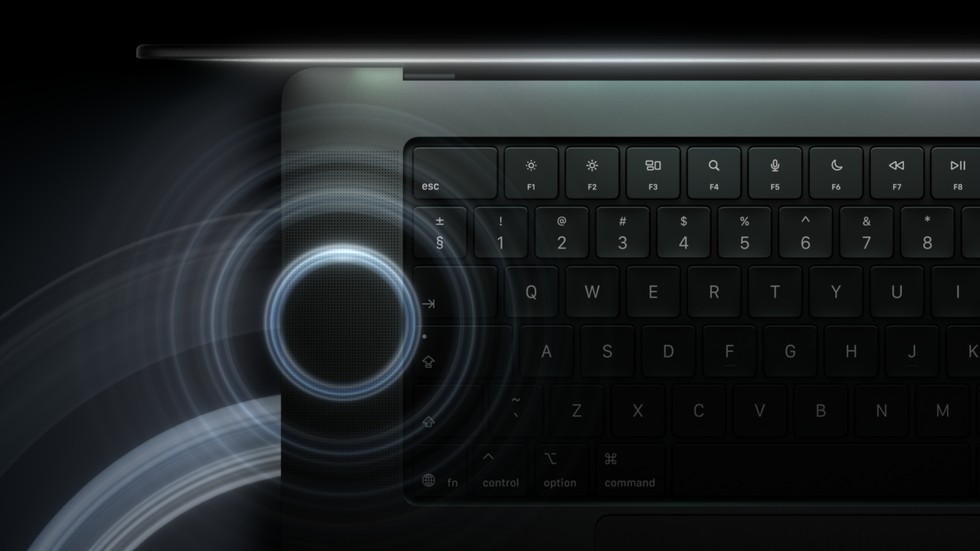
The six-speaker sound system has undergone a radical upgrade via completely new Woofers that deliver 50% deeper Bass, with Tweeters that ensure stunning sound distribution and Spatial Audio technology with Dolby Atmos. For the first time ever, Apple has included a custom audio calibration mode that works intelligently when the laptop lid is closed and connected to an external monitor, to ensure that sound continues to output with the highest degree of purity without muffling frequencies.
The hardware is completed with three ultra-fast Thunderbolt 5 ports that support connecting up to three external displays with M5 Pro and up to four displays with M5 Max, an HDMI port, an SDXC card slot, and a MagSafe port for fast charging up to 50% in 30 minutes, along with the new N1 wireless connectivity chip designed by Apple that supports Wi-Fi 7 and Bluetooth 6 technologies. All this hardware harmony comes to life via macOS 27, codenamed Golden Gate, rich with Apple Intelligence features, and the Siri AI assistant that now understands personal context and screens thanks to Visual Intelligence, with a customizable Liquid Glass interface.
Pricing and Availability
Apple has opened pre-orders for the new MacBook Pro starting today, October 28, in more than 30 countries, with it arriving in stores and in the hands of buyers on Friday, November 6, 2026. The standard prices for the models are as follows:
- 14-inch MacBook Pro with M5 Pro processor: starts at $2,899 ($2,749 for education).
- 16-inch MacBook Pro with M5 Pro processor: starts at $3,399 ($3,199 for education).
- 14-inch MacBook Pro with M5 Max processor: starts at $4,499 ($4,199 for education).
- 16-inch MacBook Pro with M5 Max processor: starts at $4,799 ($4,499 for education).
Source:
Leave a Reply