The new M6 chip: Graphics muscle and doubled AI power
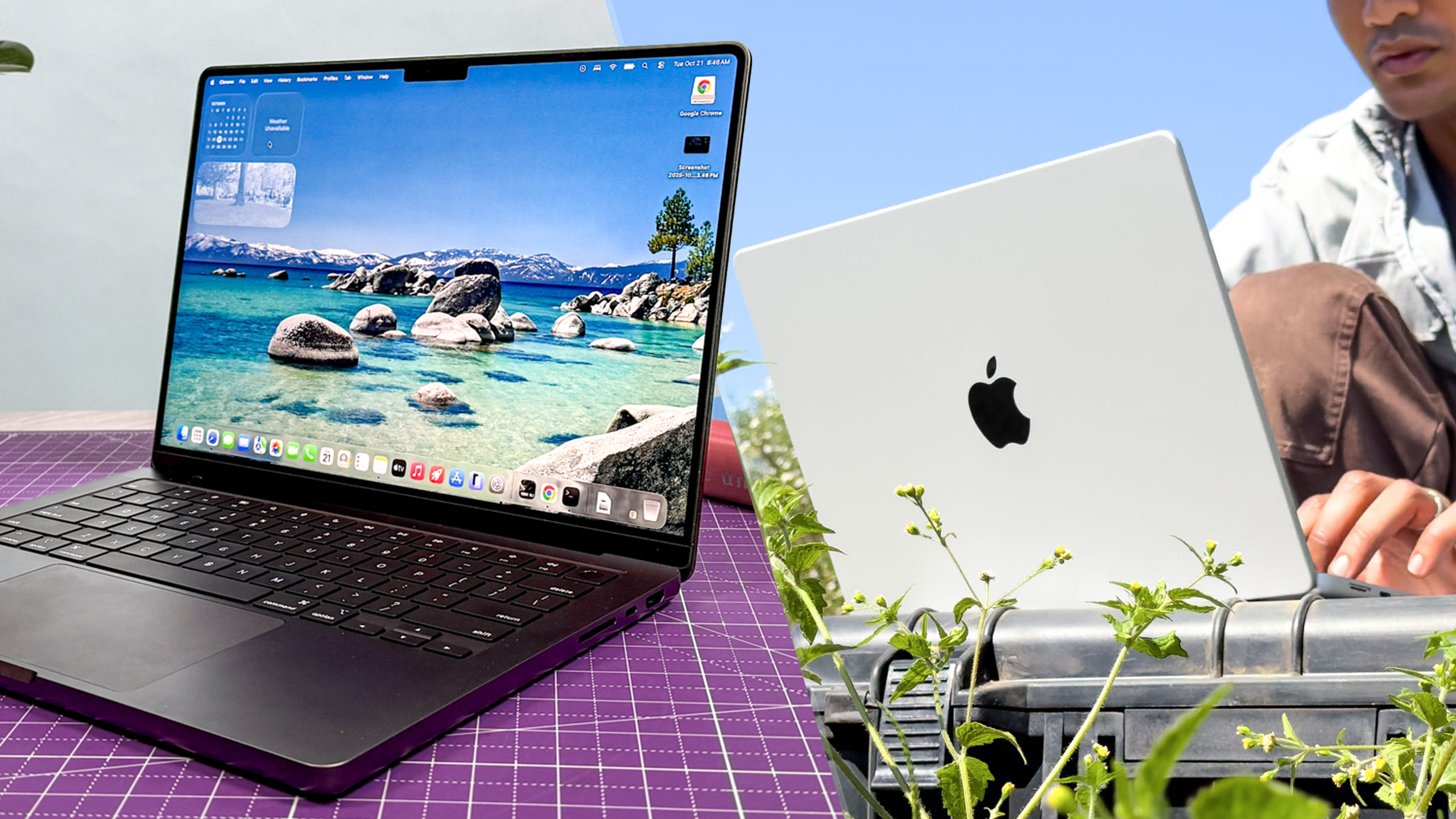
The primary upgrade undoubtedly lies in the heart of the device: the M6 chip, built with advanced architecture that outperforms the M5 chip we saw last year. The differences in technical specifications between the two processors are clear and tangible, as Apple introduces a completely new composition in core distribution and capabilities for daily data processing and complex professional tasks.
Key specifications of the new M6 chip:
-
A 12-core CPU divided into: 2 super cores, 4 high-performance cores, and 6 energy-efficient cores.
-
A 12-core GPU that offers a noticeable leap in graphics processing.
-
A 16-core dual neural engine to accelerate AI algorithm processing.
-
Unified memory bandwidth reaching 170 GB/s.
In comparison, the M5 chip in the previous generation was limited to 10 CPU cores (4 super cores and 6 efficiency cores), 10 GPU cores, a traditional 16-core neural engine, and memory bandwidth capped at 153 GB/s. These architectural adjustments in the M6 have practically translated into a 30% increase in graphics processing performance and a jump of up to 25% in processing speed for generative AI workloads.
Regarding real-world professional workflows, Apple explained that MacBook Pro M6 users will see tangible improvements, including:
- Up to 1.3x faster processing for time-to-first-token in large language models (LLMs).
- 1.3x faster rendering with ray tracing in the Blender app.
- Approximately 1.2x faster image processing in Affinity.
- Up to 1.3x faster build and compilation speeds for large software projects via Xcode.
N1 Wireless Chip: A revolution in connection speeds and ecosystem stability
The second pivotal change brought by the new MacBook Pro is its adoption of Apple’s custom N1 wireless chip, which we first saw in the iPhone 17. Integrating this chip represents a strategic move to take networking capabilities in Mac computers to a whole new level compared to the M5 generation.
The N1 chip grants the device two fundamental wireless infrastructure upgrades:
- Support for Wi-Fi 7 networks instead of the previous Wi-Fi 6E standard, ensuring ultra-fast transfer speeds and significantly lower latency.
- Upgrade to the modern Bluetooth 6 technology instead of the Bluetooth 5.3 version in the previous generation.
Beyond raw numbers, Apple confirms that the presence of the N1 chip directly reflects on the stability and speed of ecosystem features, most notably AirDrop file transfer speeds and the speed and reliability of Personal Hotspot connections, enhancing seamless connectivity between the Mac and iPhone without any interruptions.
A purely hardware upgrade: Is it worth switching to the new generation?
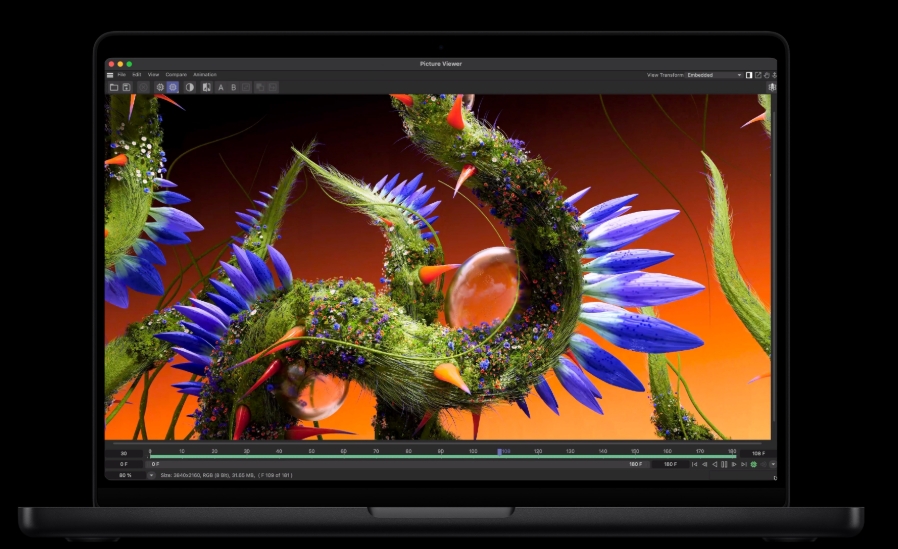
What is surprising about the MacBook Pro M6 update is that the list of changes stops completely at these two chips: the M6 processor and the N1 connectivity chip. There are no screens with a different design, no new color options, and no changes to the ports or keyboard. At its core, the device is a purely internal spec upgrade without any renewal in the exterior appearance.
Despite the limited aesthetic changes, the 14-inch MacBook Pro remains an exceptional computer for anyone who needs Apple’s latest processors with a stunning Liquid Retina XDR display and industry-leading battery life that is hard to compete with at this size. However, if you already own a MacBook Pro with an M5 chip, the upgrade is by no means urgent, especially with expectations of more powerful categories with completely redesigned aesthetics in the near future.
Source:

Leave a Reply