Apple unveils the first MacBook Pro with an OLED touchscreen, the return of the glowing logo and Dynamic Island to the Mac, the most expensive MacBook Pro at $14,549, an iPad mini with an OLED screen for the first time, iMac and MacBook Pro with the M6 chip, smart Siri speaking new languages in iOS 27.2, selfie age verification, iPhone Duo screens cracking and Apple’s response, South Korea fines Apple, Anthropic files for an IPO, Google launches Gemini 4 Carbon, and other exciting news on the sidelines…

Apple unveils first MacBook Pro with a touchscreen
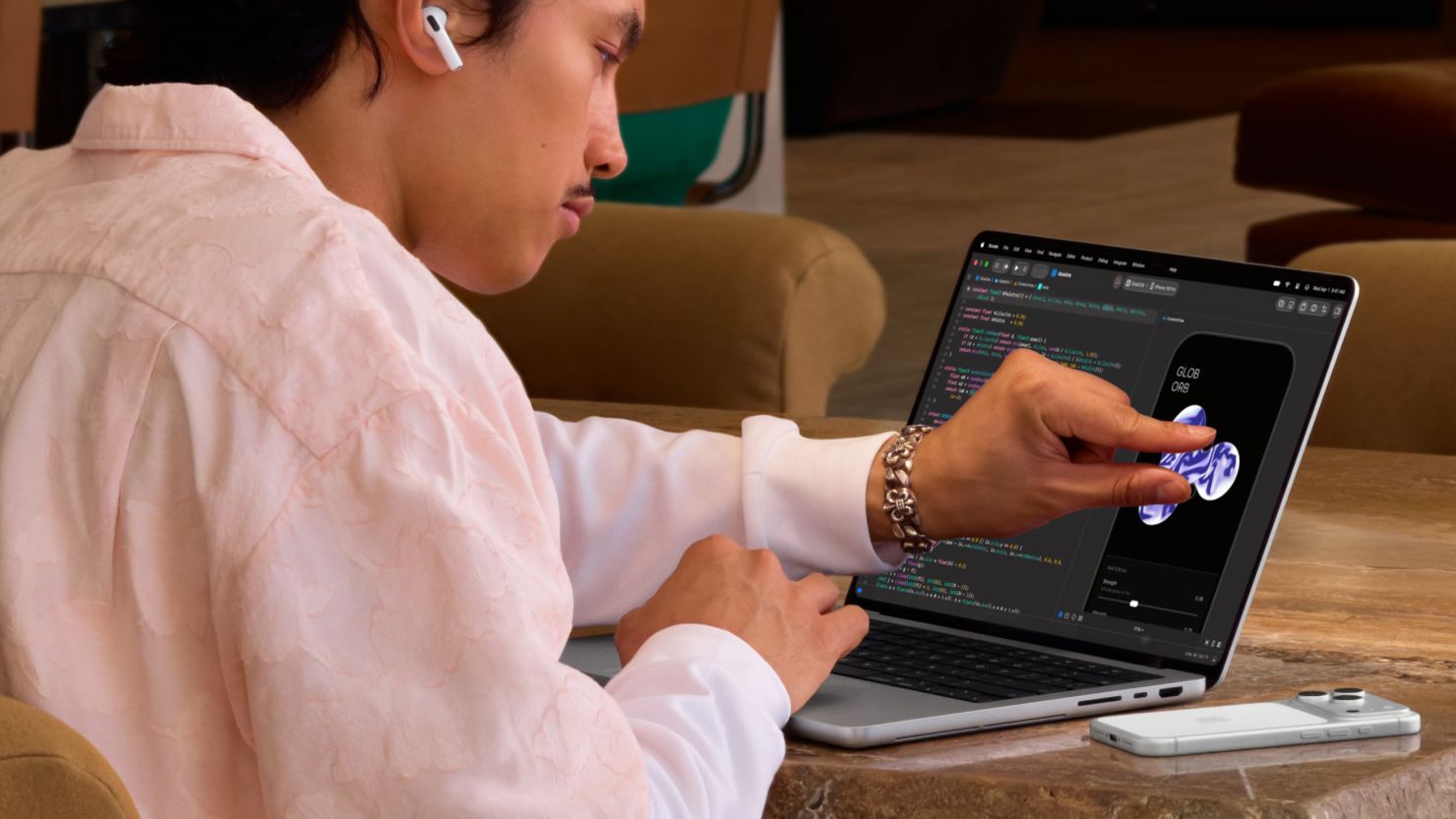
On October 28, Apple unveiled a new MacBook Pro in 14 and 16-inch sizes, featuring a dual-layer OLED PROLED XDR display, the first Mac screen to support touch. The screen brightness reaches 2,000 nits, with a 10 million to 1 contrast ratio, ProMotion technology from 10 to 120Hz, and an optional anti-reflective nano-texture glass.
The device is powered by M5 Pro or M5 Max chips, with up to 128GB of memory and up to 16TB of storage, six speakers with 50% deeper bass, and up to 24 hours of battery life. The 14-inch version weighs 3 pounds (about 1.36 kg), half a pound lighter than its predecessor.
Prices start at $2,899 for the 14-inch version and $3,399 for the 16-inch version. Pre-orders began in 30 countries and regions, with availability starting November 6. Apple has discontinued the previous mini-LED versions.
Dynamic Island and the glowing logo arrive on the Mac
The new MacBook Pro has abandoned the notch, with Apple placing the Dynamic Island in its place for the first time on a Mac, following its debut on the iPhone 14 Pro in 2022. The island displays Spotlight, Live Activities, and Siri, and can be used to answer calls, control music, and accept AirDrop files.
The glowing Apple logo has also returned to the back of the lid after being removed about 10 years ago in the 2016 design. The logo previously lit up using the LCD screen’s backlight, and because OLED screens lack backlighting, Apple needed a new lighting method.
The most expensive MacBook Pro costs $14,549

With top-tier specs—an 18-core M5 Max chip with 40-core GPU, 128GB of memory, 16TB of storage, and nano-texture glass—the new 16-inch MacBook Pro reaches $14,549, and the 14-inch version reaches $14,249. Upgrading storage to 16TB alone costs $7,000, and upgrading memory to 128GB adds $2,000.
The good news is that the touchscreen did not affect battery life; the 16-inch version with the M5 Pro chip reaches 24 hours of video playback and 17 hours of browsing, the same figures as previous versions.
Why did Apple change its mind about Mac touchscreens?
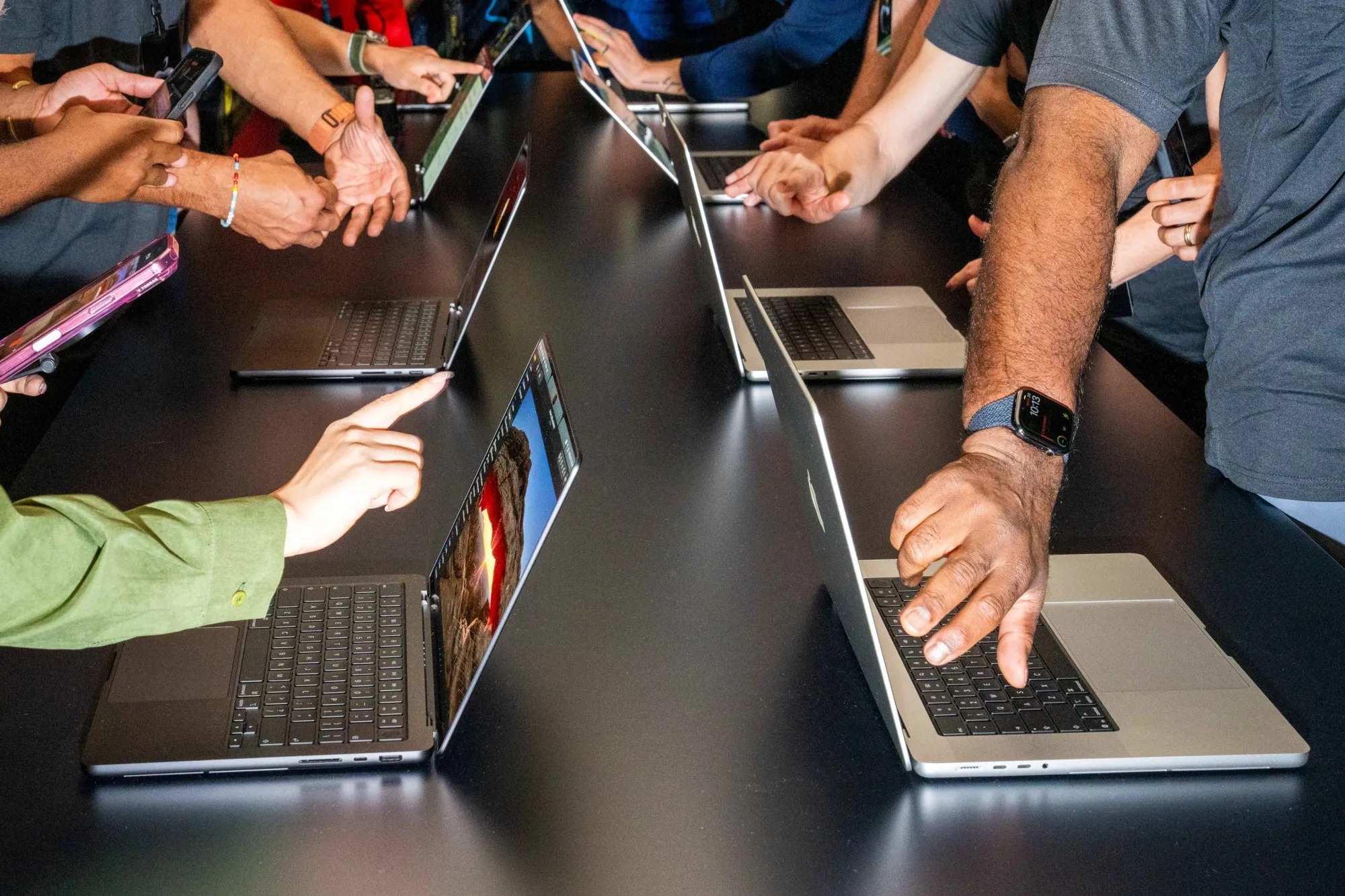
In an interview with Steven Levy of Wired magazine, CEO John Ternus was asked about Apple breaking its long-standing stance against touchscreens since the Steve Jobs era. He replied, “Who knew?” He explained that the Mac remains primarily an indirect input device relying on the trackpad and keyboard, but there are times when touch is convenient, and Apple waited until touch would not make the product worse in any way.
Johnnie Srouji said that display technologies, Apple chips, and software have matured over the past decade, and Greg Joswiak added that professionals requested touch, and a generation of young creators expects it. To solve issues, Apple redesigned the cooling system so the screen wouldn’t heat up and strengthened the hinge to prevent wobbling when touched.
14-inch MacBook Pro with M6 chip at the same price
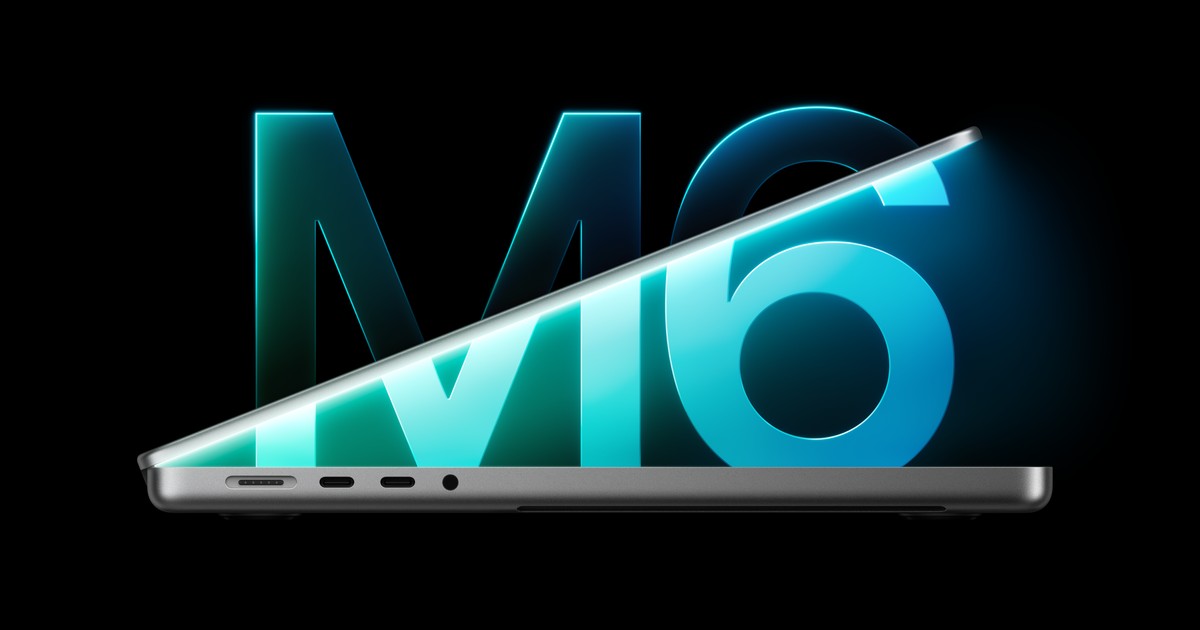
Apple announced on October 27 a 14-inch MacBook Pro with the new M6 chip, featuring a 12-core CPU (2 performance and 4 efficiency cores, plus 6 for performance), a 12-core GPU, and a 32-core dual Neural Engine. Apple says it is 30% faster in graphics and 25% faster in AI compared to the M5 chip.
Prices start at $1,999 with 16GB of memory and 1TB of storage, the same price as the previous generation. Battery life is up to 24 hours, the longest in Mac history, and the device is available on November 6 in Space Black and Silver.
New iMac with M6 chip and seven colors
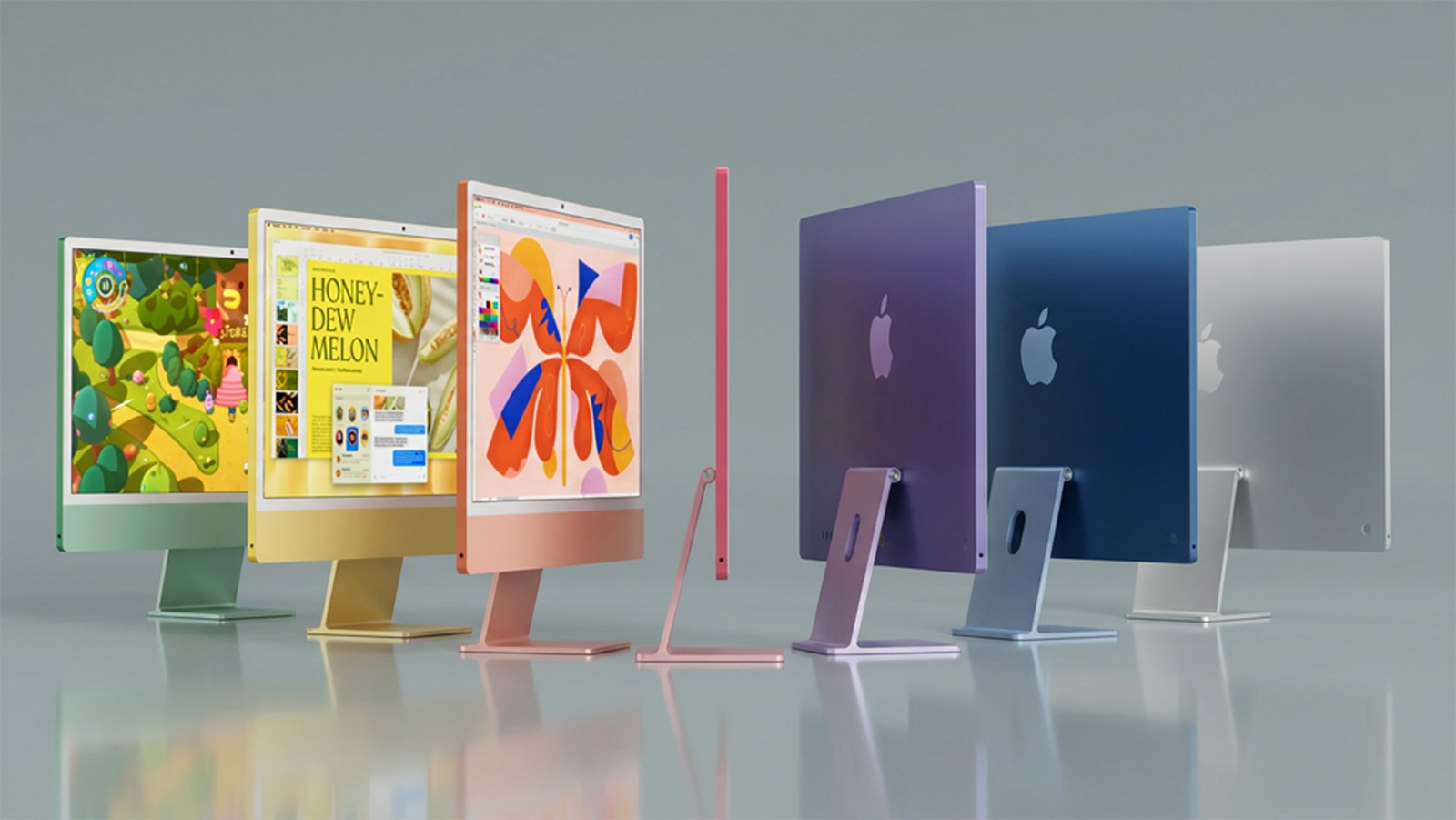
Apple updated the 24-inch iMac with the M6 chip, with prices starting at $1,499 for the 10-core CPU/GPU version, and $1,699 for the 12-core version. Apple says it is up to twice as fast in graphics and 5 times faster in on-device AI compared to the M4 chip.
The device supports Wi-Fi 7, Bluetooth 6, and two external 6K displays, and comes in seven colors: Blue, Green, Pink, Yellow, Purple, Orange, and Silver, available on November 6.
iPad mini with OLED screen in its biggest update ever
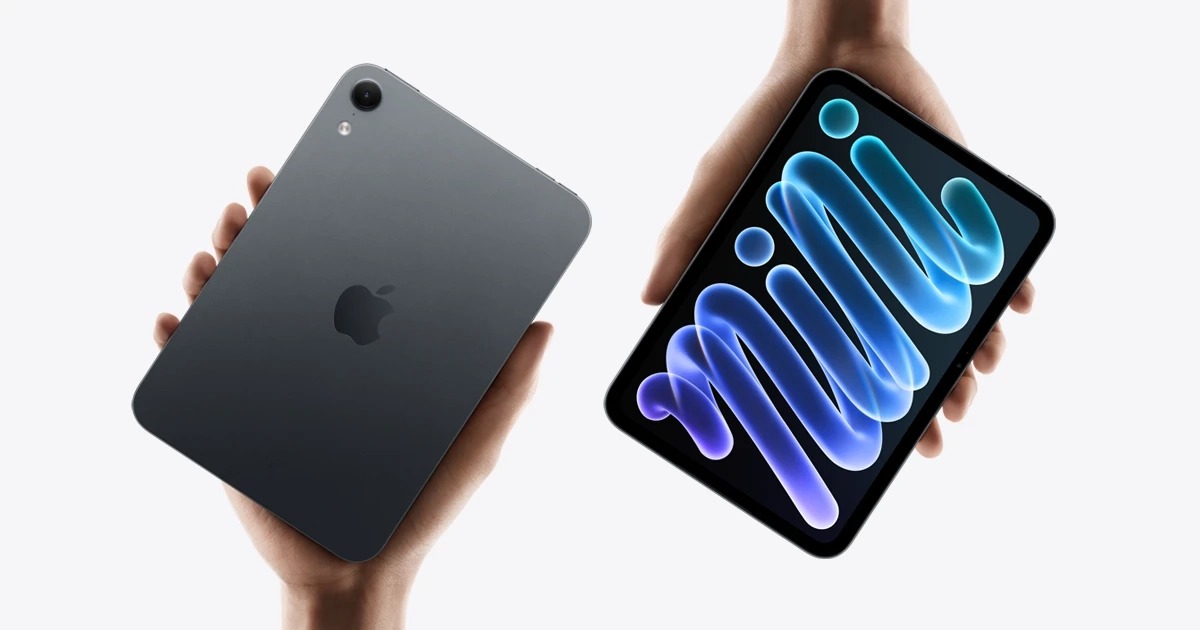
Apple unveiled on October 26 a new iPad mini with an 8.5-inch OLED screen, 24% thinner bezels, and brightness up to 1,200 nits, more than double the previous version. It is 5.4mm thin, IP67 water and dust resistant, and powered by the 2nm A20 Pro chip.
Apple says it is up to 4.5 times faster in AI and 2.7 times faster in graphics. Prices start at $699 for the Wi-Fi version and $849 for the cellular version; pre-orders are available, and it will be available on November 6.
iOS 27.2 is available and smart Siri speaks new languages
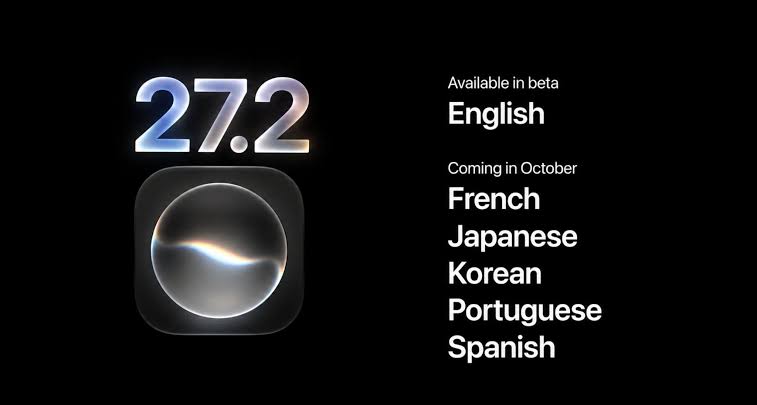
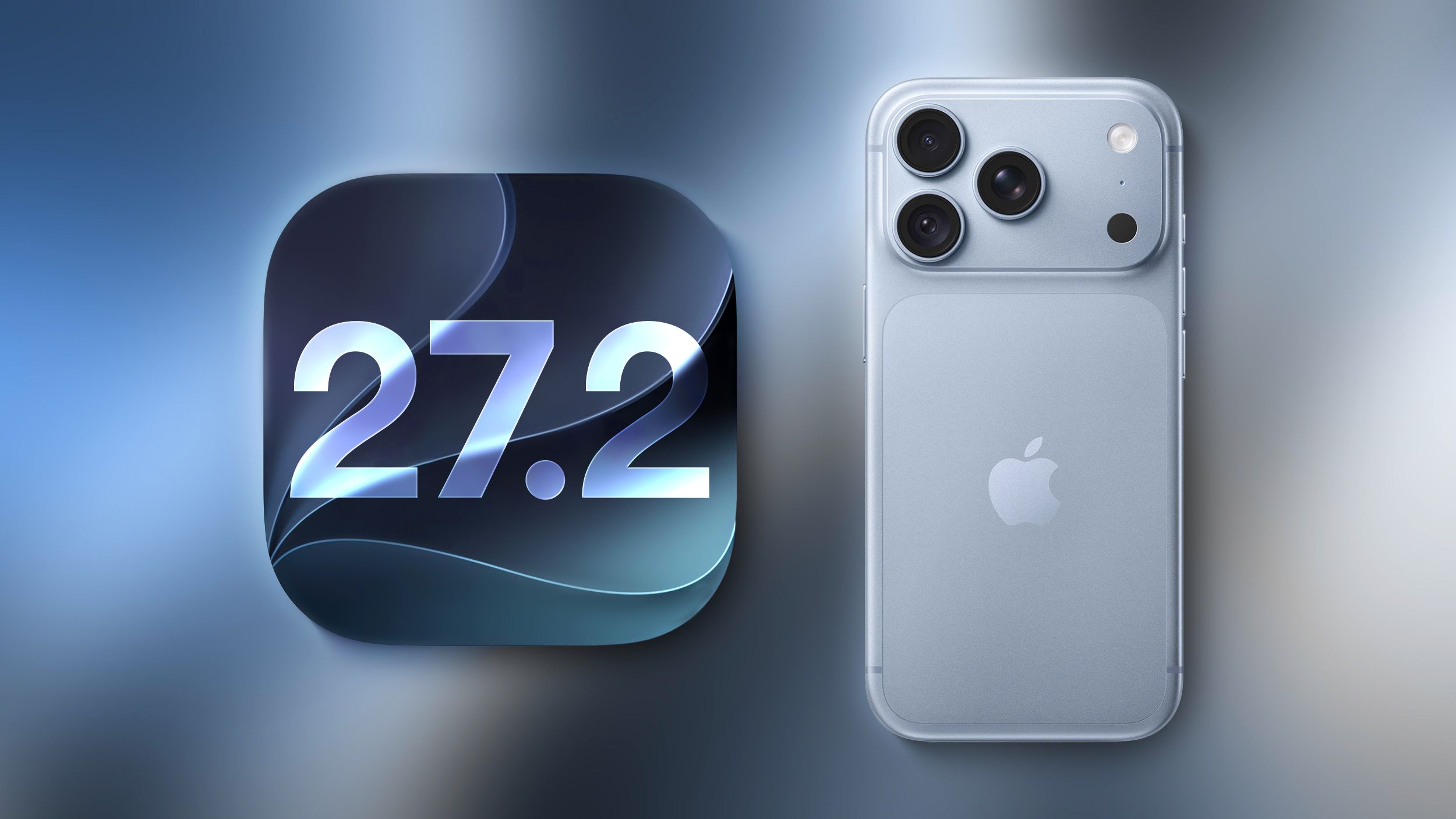
Apple released the iOS 27.2 update on October 26, with which smart Siri now remembers previous conversations and uses greater personal context such as photos attached in messages, calendar event attendance, voicemail, and Safari history, with a new setting to exclude specific apps.
Smart Siri previously only supported English; now it supports French, Japanese, Korean, Portuguese, and Spanish. Apple promises Traditional Chinese, Norwegian, Turkish, and Vietnamese before the end of the year, though it is not available in the EU and China. The update also adds support for the USB-C Apple Pencil on the iPhone Duo and a new icon for the Apple Music app.
Selfie age verification in iOS 27.2
iOS 27.2 added a way to prove that a user is an adult without a credit card or government ID, by moving the head to capture 4 angles of the face, which a model analyzes to estimate age. Processing is done between the device and Private Cloud Compute servers, and Apple says no one sees the photos, "not even Apple," and they are deleted after verification.
The feature may be requested when creating an Apple account, downloading apps for those over 18, or changing security settings, and is not requested again after verification. It is available in "supported regions" only, and a card or ID can be used if verification fails.
Smart assistant in Keynote, Pages, and Numbers
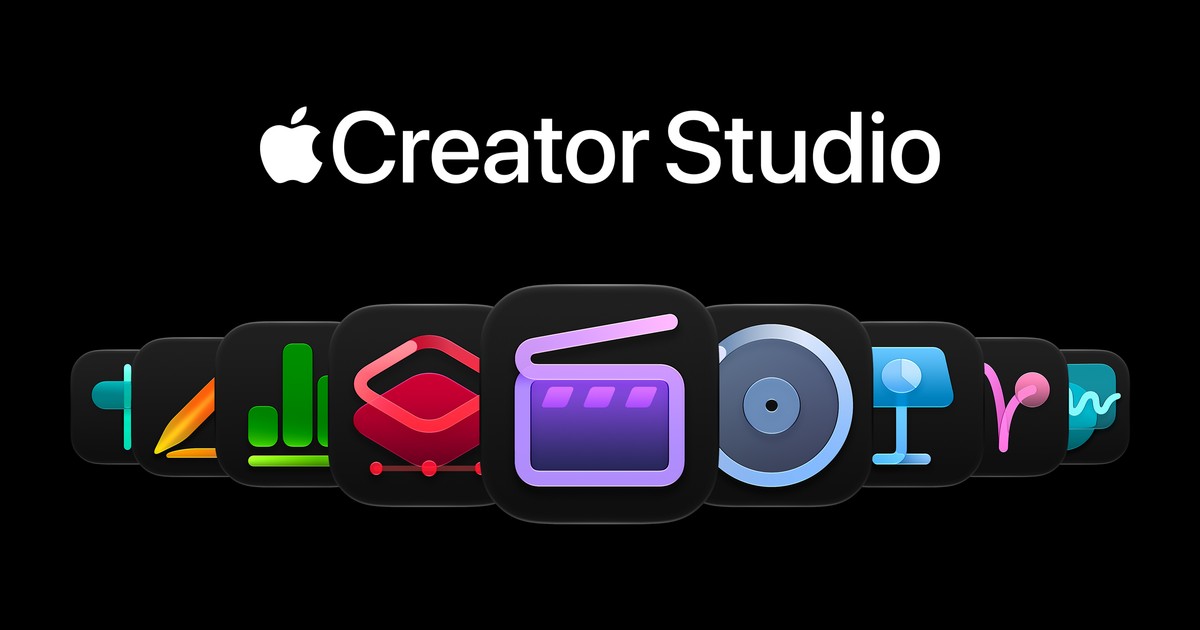
Apple announced on October 27 an update to the Creator Studio suite arriving in November, most notably a beta assistant in Keynote, Pages, and Numbers based on Apple and OpenAI models, which designs slides, writes text, suggests charts, and builds tables. The apps on Mac also support the MCP protocol to be controlled by external AI agents.
Final Cut Pro gets MotionVFX effects and text-to-image generation, and Logic Pro gets a beta assistant and a Splice library. The Creator Studio subscription is $12.99 per month or $129 per year; Keynote, Pages, and Numbers remain free, and the assistant is in US English only.
Two new features for Apple Watch 12 and Ultra 4
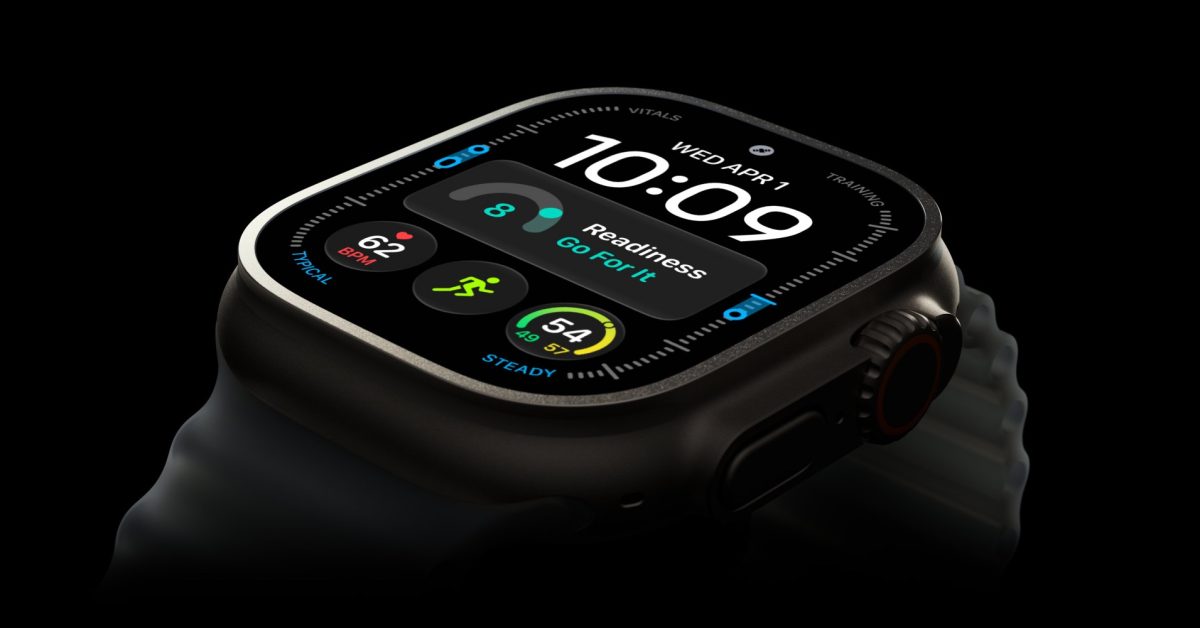
Apple published a support page revealing two features within "Voice Intelligence" coming with watchOS 27.3: the first is Siri Recap, which takes notes of conversations in the background and writes summaries that are automatically deleted after 7 days if not saved; the second is Live Rewind, which displays text for the last 15 seconds of speech with two presses on the Digital Crown.
Both features require smart Siri and an iPhone 16 or later, start in English, will not be available initially in the EU, and are not available to those under 13.
iPhone Duo internal screens crack and Apple responds
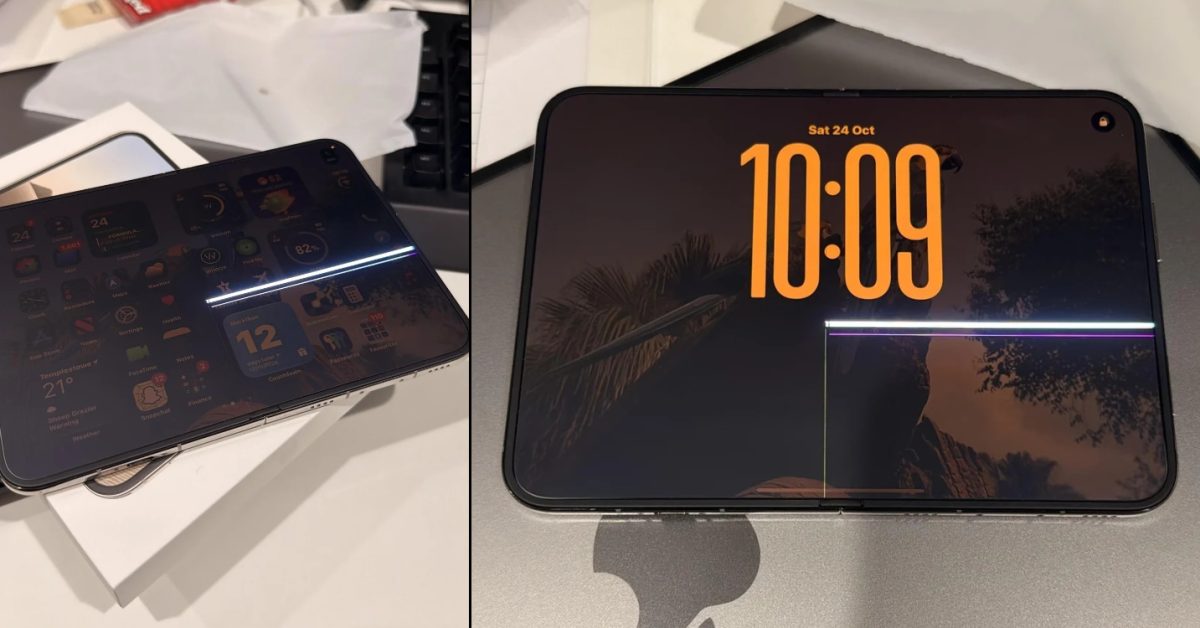
About 10 cases have appeared on Reddit of the iPhone Duo internal screen cracking along the hinge line, followed by a horizontal row of white pixels, some after hours of use. Apple said it is aware of an issue affecting a "small number" of devices and asked those affected to contact AppleCare for replacement, without requiring an AppleCare+ subscription.
In an iFixit teardown, the iPhone Duo received a 5 out of 10 for repairability, the highest score the site has given a foldable phone, but warned that repairing the internal screen out of warranty costs $999.
South Korea fines Apple $15.5 million
The Korea Communications Commission imposed a fine of 20.81 billion won (about $15.5 million) on Apple and 42.9 billion won (about $32 million) on Google because they effectively forced developers to use their own payment systems, imposed a 26% commission on external payments, and blocked payment links outside the store.
The commission demanded that external payment methods and links be allowed and that app review delays be fixed. It also found that Apple calculated a 30% commission for Korean developers between 2015 and 2023 on the price including tax. Apple said it disagrees with the decision and is considering its legal options.
Apple and OpenAI trial in July 2027
Judge Edward Davila set July 19, 2027, as the trial date for the case filed by Apple in July 2026 against OpenAI, io Products, and two of its former employees, accusing them of using confidential information to help OpenAI develop its devices.
Apple had won two decisions on October 27 that accelerate evidence disclosure, and the window for basic evidence disclosure closes on March 12, 2027.
Apple brings back travel adapter kit and new power adapters
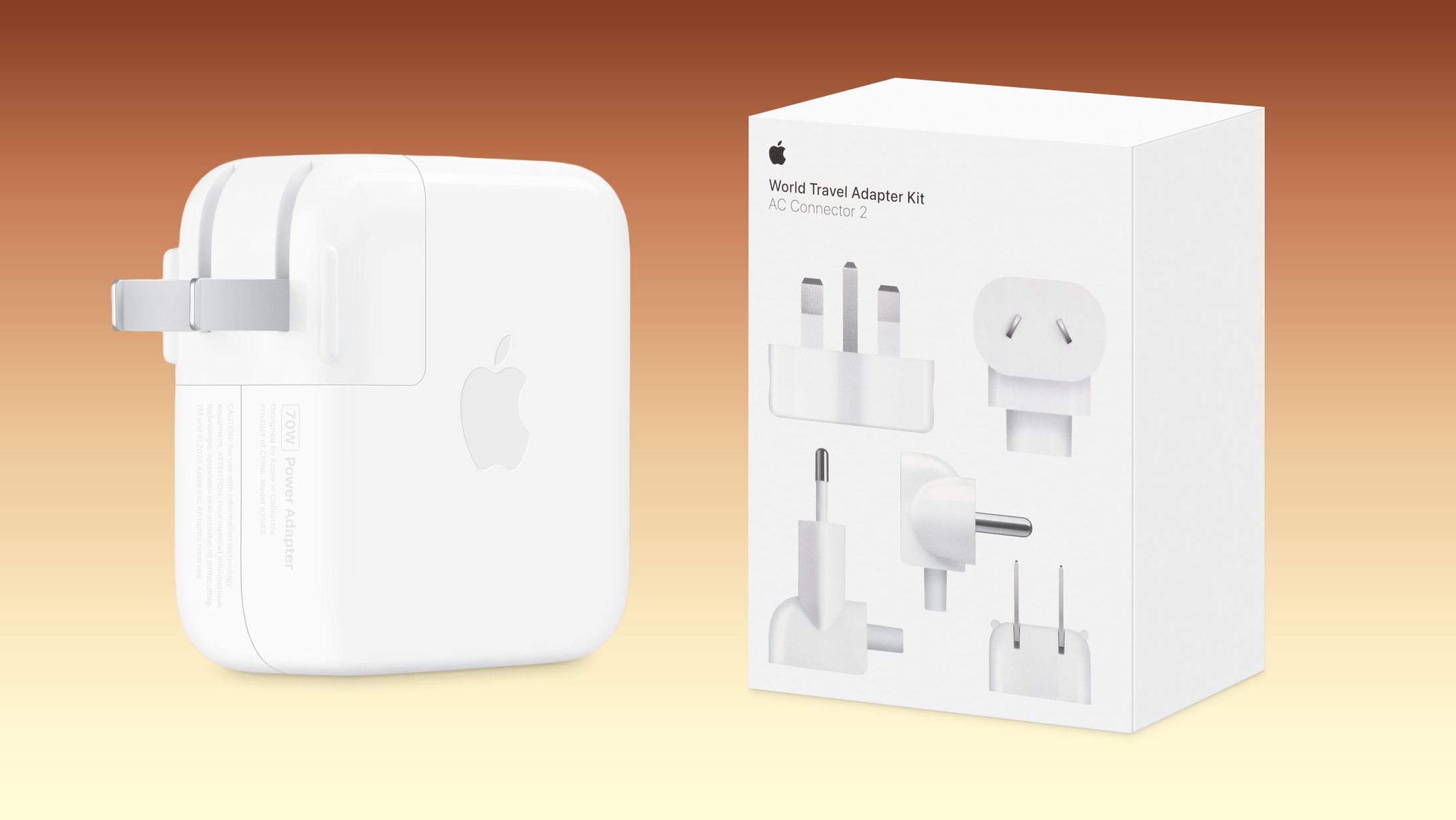
Apple brought the World Travel Adapter Kit back to its store for $39, with five plugs covering North America, Japan, Europe, Brazil, India, Britain, the UAE, Saudi Arabia, Singapore, and Australia.
It also launched new 70W and 140W power adapters and an extension cable with the new pill-shaped AC Connector 2, after users discovered that this connector does not work with old extension cables and travel kits.
Anthropic files for an IPO
Anthropic, developer of Claude, published on October 26 the public offering document to list its shares on the Nasdaq exchange under the ticker ANT, without specifying the number of shares or the price yet. The document reveals $16.3 billion in revenue in the first half of 2026, compared to about $1.2 billion a year ago, and its first operating profit in the second quarter.
The company recorded a net loss of $80.7 billion in the first half, mostly accounting charges of $72.4 billion to revalue convertible bonds, and it has $112.4 billion in cash. Reports mention a possible listing in the week of November 16.
Google launches Gemini 4 Carbon

Google announced on October 28 Gemini 4 Carbon, describing it as its most powerful model, which topped the Artificial Analysis Intelligence Index v5.0 with 59 points. It excels in cybersecurity, as Google says it is more than twice as good as Gemini 4 Argon at generating secure code.
The model is available first to a group of cybersecurity experts, at an introductory price of $2 per million input tokens and $10 per million output tokens, with a wider launch "soon" without a date.
OpenAI launches GPT-6.1 Terra at half the price
OpenAI launched on October 26 its mid-range model GPT-6.1 Terra, with a focus on speed, visual reasoning, computer use, and writing, at a price 50% lower than GPT-5.6 Terra.
The company says it completes tasks more than 3 times faster than GPT-6 Astra, and its score in the Terminal-Bench 4.0 test rose to 50.3% from 21.5%. It is available in ChatGPT, Codex, and via the API.
Alphabet revenue jumps to $127.6 billion

Alphabet, Google’s parent company, announced $127.6 billion in revenue in the third quarter, a 25% increase, and Google Cloud revenue doubled to $30.7 billion, growing 103%. However, net profit fell to $26.2 billion from $35 billion due to an $8.7 billion loss on stock investments.
Sundar Pichai said the Gemini app reached one billion users, and capital expenditure reached $51.4 billion in the quarter, an 114% increase.
Microsoft: $10 billion from OpenAI in one quarter
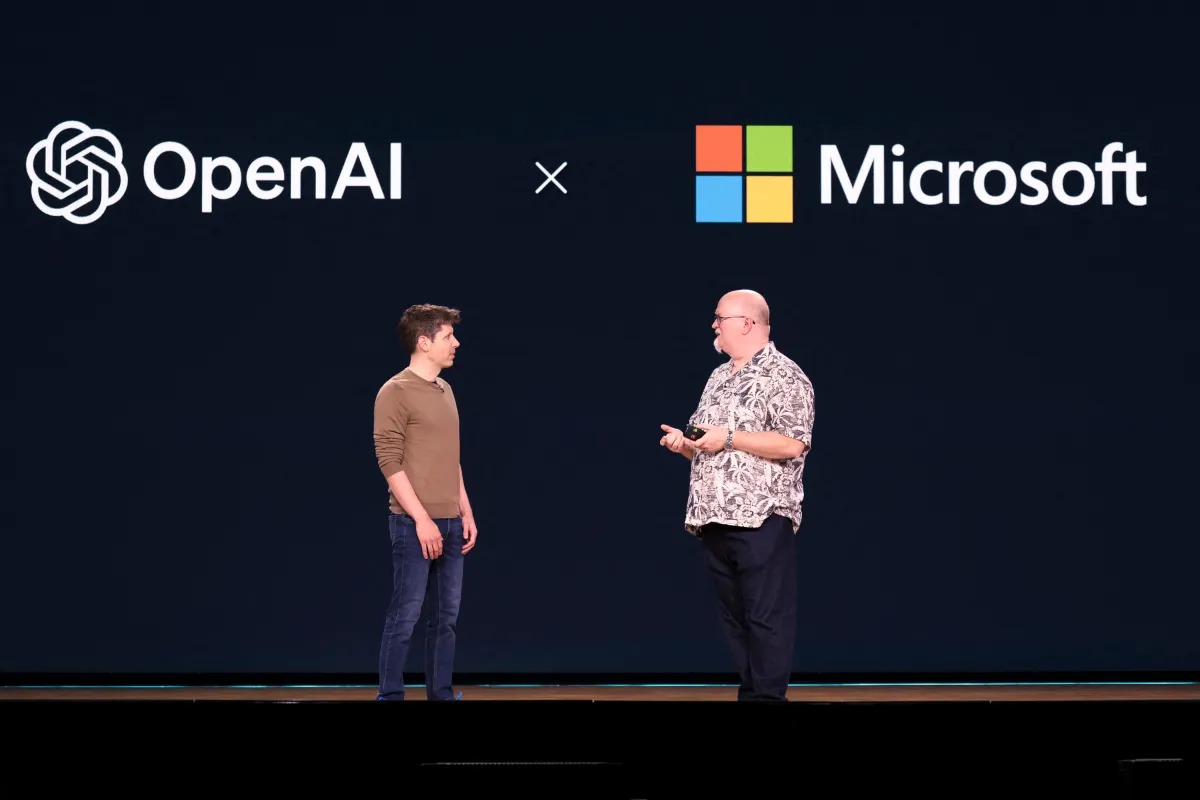
Microsoft recorded $92.3 billion in revenue in the first quarter of its 2027 fiscal year, growing 19%, and a net profit of $36.6 billion, growing 32%. Azure grew by 48%, and the company revealed its dollar revenue for the first time: $33.2 billion.
Company documents showed that about $10 billion of the quarter’s revenue came from agreements with OpenAI, about 11% of the total, and that it has $7.2 billion in receivables from OpenAI.
Samsung achieves record profits thanks to chips
Samsung announced revenue of 195.25 trillion won in the third quarter, and a record operating profit of 107.44 trillion won (about $75 billion), about 99% of which came from the chip division thanks to demand for AI memory.
In contrast, the device division, which includes phones, recorded an operating loss of 800 billion won for the second consecutive quarter.
Amazon launches five new Alexa devices
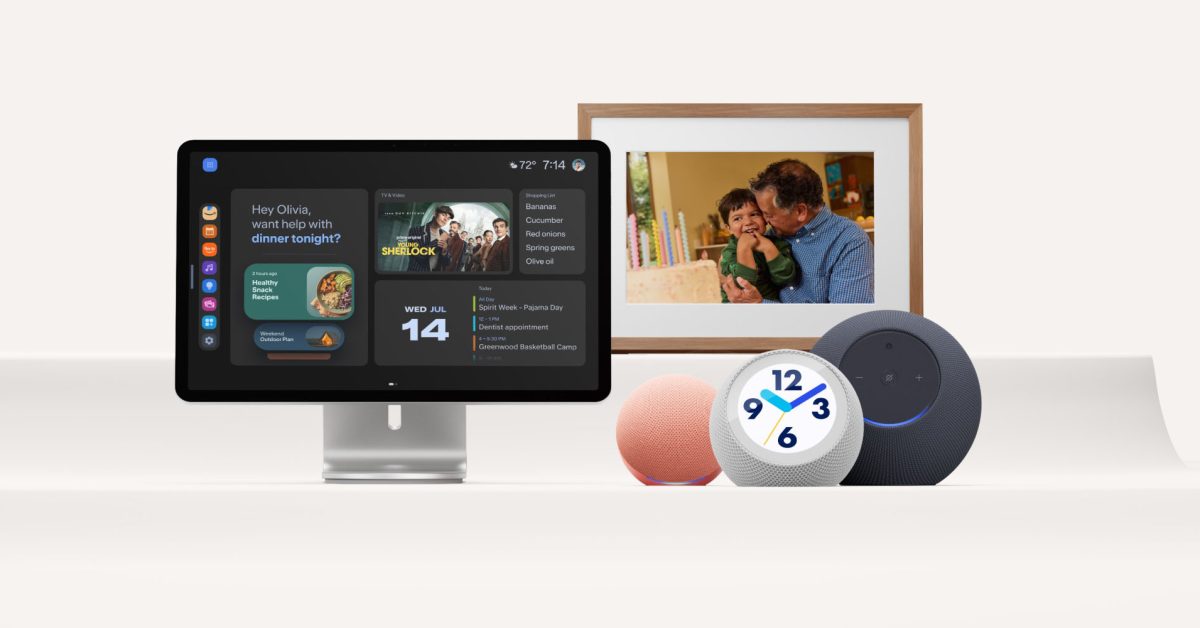
Amazon unveiled a new Echo Dot for $99.99 that acts as a smart home hub and Wi-Fi range extender, an Echo Studio with a home camera for $249.99, an Echo Time bedside clock for $199.99 that monitors sleep and wakes you before the alarm, and a 10-inch Alexa photo frame for $199.99.
The Echo Show 16 is priced at $499.99, is about 40% thinner, includes Fire TV, and ships before the end of the year, while the other devices are available now.
Xreal Aura glasses with Android XR
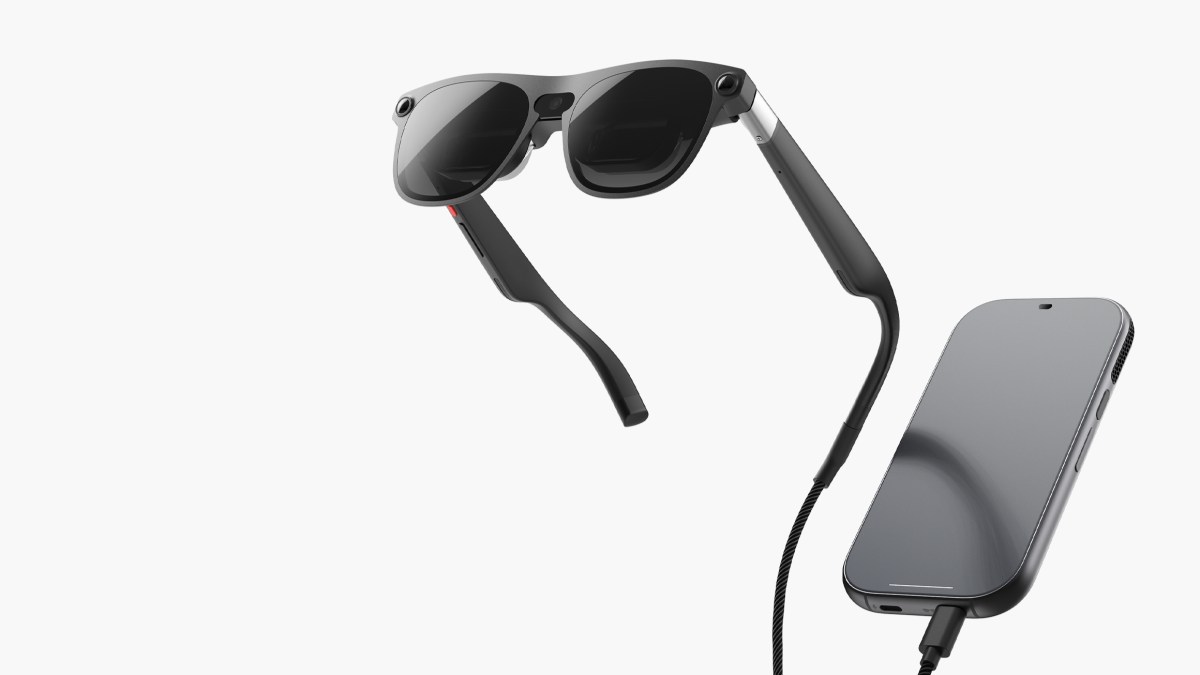
Xreal launched Aura glasses with Google’s Android XR system, featuring a Sony micro-OLED screen with 1200p resolution and 120Hz refresh rate, a 95-degree field of view, and a weight of 95 grams. They connect via a cable to a phone-like unit, with a Gemini assistant.
The price is $1,279 for the 12GB memory and 256GB storage version, dropping to $1,099 as an introductory price until December. Orders are available in the US, Canada, Japan, and South Korea, with shipping by mid-November.
Nvidia and AMD invest in Meta

Nvidia announced a $3 billion investment in Meta’s stock offering and expanded cooperation on Muse models, then AMD announced a $1 billion investment. Meta raised the common stock offering to $25 billion at $625 per share and is seeking to raise about $98 billion in total to fund AI infrastructure.
Genie 4 creates interactive worlds with sound

Google DeepMind unveiled Genie 4, its first "world" model that also generates sound in real-time: music, ambient sounds, and character dialogue. The user moves with the keyboard and changes the scene with text, such as weather or adding people and objects.
The model is available as a research preview for trusted testers, then later arrives for Google AI Ultra subscribers, and all its outputs carry the SynthID watermark.
Miscellaneous news
◉ The Russian watchdog Roskomnadzor added Apple and Microsoft on October 2 to the register of "information dissemination organizers," requiring them to store the correspondence of Russian users, their voice and video messages, and hand them over to security services upon request. Data must also be stored inside Russia for three years, otherwise the companies face fines and then restrictions on their services.
◉ Apple overtook Nvidia as the world’s most valuable company on October 23, the day of the iPhone Duo launch, after its stock surpassed $351 to reach a market value of about $5.12 trillion. Nvidia came second and Google third.
◉ The Mac Studio with M5 Ultra chip became available with 512GB of memory starting at $22,299 in the US, on the date Apple promised. The M5 Max version remains capped at 128GB.
◉ Apple raised trade-in values for iPads and Macs on October 26 for the second time in about two months, with the largest increase being for the Mac Pro from $2,195 to $2,560. The MacBook Pro rose to $1,435 and the MacBook Air to $795, while iPhone and Watch values remained unchanged.
◉ Apple raised the price of the MacBook Neo in the US education store to $649, after it was $499 at launch in March and $599 in June, so the student discount shrank to only $50. Apple attributes the increases to memory chip shortages.
◉ Apple’s recent updates addressed at least 329 unique security vulnerabilities across all its systems, and Apple did not mention that any of them were exploited. Most notably, a vulnerability in CoreMedia that allowed an app to access the camera without permission.
◉ Counterpoint said sales of the iPhone 18 Pro series in the first 3 weeks fell 4% in the US and 27% in Japan compared to the iPhone 17 Pro, but rose strongly in China. The Pro Max makes up 56% of the series’ sales.
◉ According to Counterpoint, smartphone shipments in China fell 10% in the third quarter to the lowest level in 14 years, while Apple’s share rose to 19.5% to take second place after Huawei (21.3%), after being sixth a year ago.
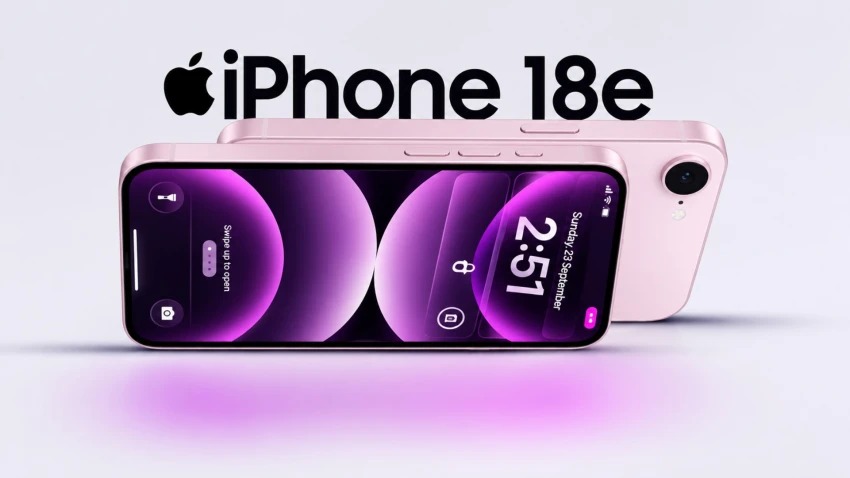
◉ Rumor: Leaker Digital Chat Station said on Weibo that the iPhone 18e will come with an A20 chip, a 6.12-inch OLED screen at 60Hz, and a single 48MP rear camera, and is expected to launch in the spring of 2027.
◉ TrendForce expects, according to 9to5Mac, that the iPhone Duo will capture 29.8% of the foldable phone market in 2027, in second place after Samsung (31.9%). It estimates Apple’s shipments of it in 2026 at about 5 million units.
◉ Apple said in a WebKit blog that it is studying ways to improve Safari’s display on the iPhone Duo’s 5.4-inch external screen, after reviewers complained that the browser buttons take up too much space on the page, and it asked for ideas from developers.
◉ Instagram launched an app for Apple TV devices that works with tvOS 26 or later, displaying Reels, long-form videos, and live streams, with the ability to continue watching between devices.
◉ Instagram began expanding the long-form horizontal video feature up to 90 minutes to selected creators in the US after testing it in Brazil, with the ability to link short clips to the full video, in a clear move to compete with YouTube.
◉ OpenAI added iCloud Mail and Calendar plugins to ChatGPT for all plans, allowing searching messages, reviewing events, and editing them. Linking requires creating an app-specific password from an Apple account.
◉ ChatGPT users can now message the "dot" agent via iMessage or RCS in the Messages app, and send tasks by text, photo, or voice note for it to respond with updates on its own. OpenAI says it does not access your other conversations.
◉ Perplexity updated its Mac app with a voice mode powered by OpenAI’s gpt-live-1 model, which can listen while it speaks and manage tasks and projects by voice, available to Pro and Max subscribers.
◉ Samsung launched in South Korea on October 27 Galaxy Buds On, its first open-ear earbuds that attach to the ear with a clip, for 299,000 won (about $220), with up to 9.5 hours of battery and hands-free Gemini Live support. Global launch is later.
◉ Pixel Watch 2 and Pixel Watch 4 users are complaining of battery drain of up to 20% every few hours, and it is suspected that the cause is the September or October update. Google has not acknowledged the issue yet.
◉ Microsoft offered voluntary buyouts to about 60,000 employees, nearly 27% of its workforce, in the US, Canada, Britain, and India. The company said it is the first time it has made such an offer, at a time when its AI spending is accelerating.
◉ Reddit added a home interface with two feeds: "For You," which suggests content based on interests, and "Following," for communities the user has joined only, which will roll out globally over the coming weeks.
◉ Beats 360 headphones received their first price drop to $329 on Amazon instead of $349, and AirPods 4 with noise cancellation returned to $99 on the Woot website.
Sources:
1 | 2 | 3 | 4 | 5 | 6 | 7 | 8 | 9 | 10 | 11 | 12 | 13 | 14 | 15 | 16 | 17 | 18 | 19 | 20 | 21 | 22 | 23 | 24 | 25 | 26 | 27 | 28 | 29 | 30 | 31 | 32 | 33 | 34 | 35 | 36 | 37 | 38 | 39 | 40 | 41 | 42 | 43 | 44 | 45 | 46 | 47 | 48 | 49 | 50

Post Comment