Before you start looking for anti-wrinkle creams or feeling like time is running faster than M4 processors, let me tell you a fact that might shock you: today we are celebrating a full quarter-century since the launch of a system. Yes, 25 years have passed since Apple laid the foundation for everything we see today in modern Mac devices. It wasn’t just an ordinary update; it was the revolution that saved Apple from being lost at the turn of the millennium and redefined our relationship with personal computers in a way no one imagined at the time.
The Future of the Mac That Steve Jobs Saw
On March 24, 2001, Apple officially launched Mac OS X, to be the legitimate successor to the classic Mac system. At that time, the late genius Steve Jobs said his famous words: “Mac OS X is the future of the Mac, and we hope our customers will be delighted with its unparalleled power and ease of use.” Jobs was betting everything on this system, especially since it was built on the robust UNIX technologies he brought with him from his company.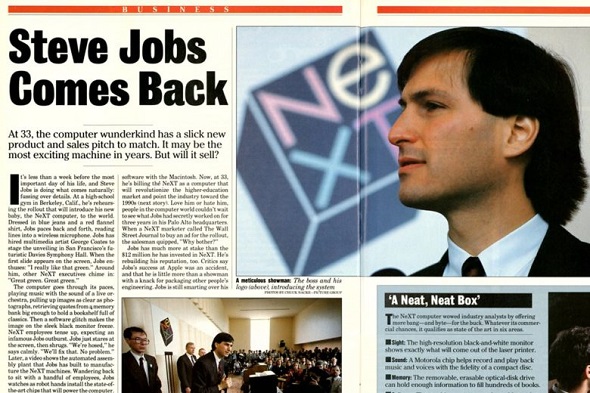
The system represented a quantum leap in performance and stability. While previous systems suffered from sudden crashes (which made us mutter some unkind words), Mac OS X arrived to provide a professional work environment that supported true multitasking. It wasn’t just about code; it was an official announcement of Apple’s return to the innovation arena through the front door.
The Aqua Interface and the Birth of the Dock
Do you remember those glossy icons that looked like pieces of candy you wanted to taste? That was the iconic “Aqua” interface that Apple introduced with this system. Apple introduced visual concepts that we still use today, most notably the famous Dock where we place our favorite applications, and the improved Finder application that made navigating between files extremely smooth.
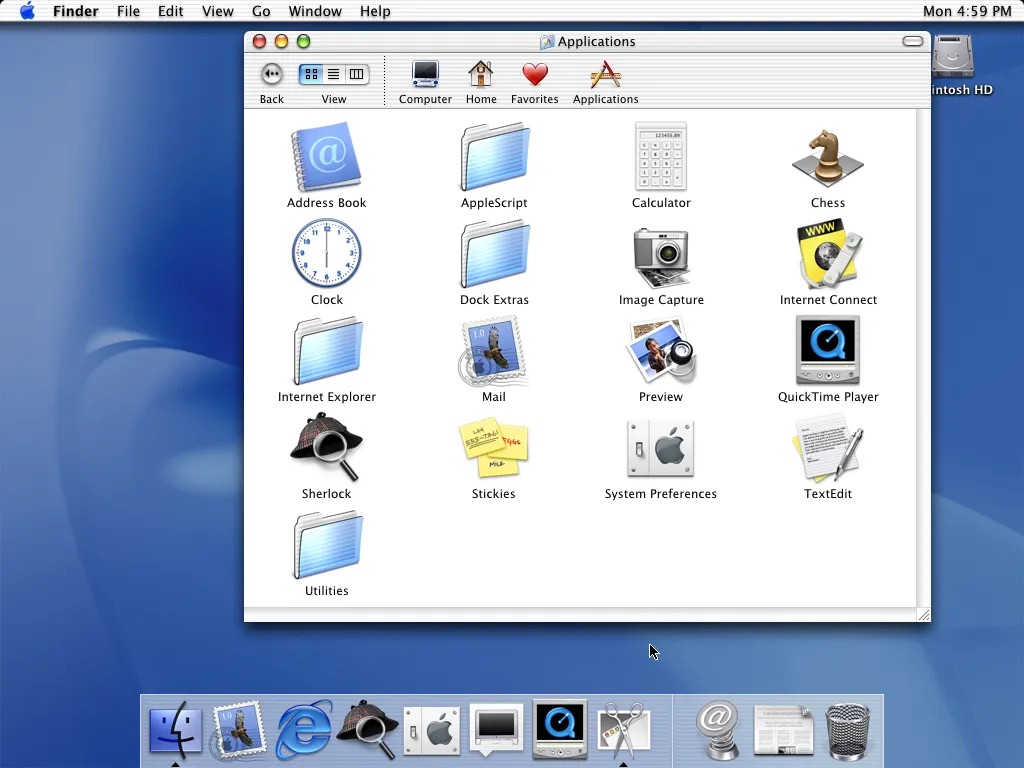
That interface wasn’t just for aesthetics; it was a completely new visual language that made competitors at the time look like they were from the dinosaur age. The goal was to make advanced technology look friendly and accessible to the average user, an approach Apple has maintained over the past years in all its products, from the iPhone to the iPad.
From Fierce Tigers to California Mountains
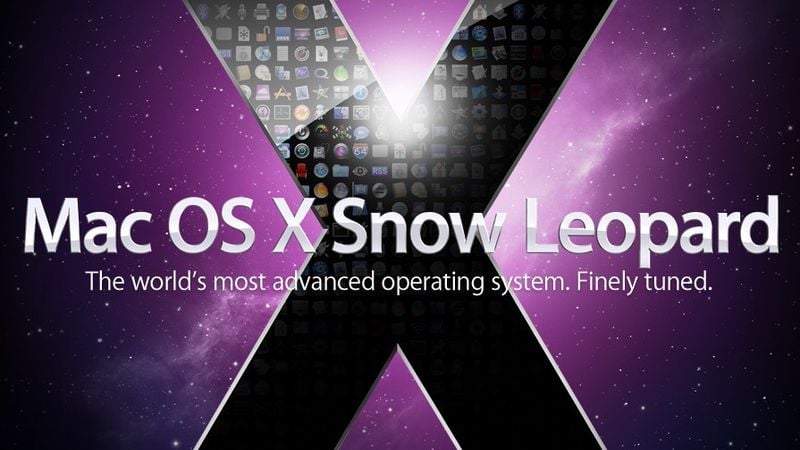
The journey began with big cat names, as we saw versions like Cheetah, Puma, and Jaguar, all the way to Snow Leopard, which many consider the best stable version in the system’s history. In 2012, Apple decided to simplify the name from Mac OS X to just OS X, and later in 2016, it changed to macOS to align with Apple’s other system families like iOS and watchOS.
Pricing policy also changed radically; while the system cost $129 in its early days, Apple shocked the tech world in 2013 when it released the Mavericks version completely for free. Since then, we have been waiting for the free annual updates that take us from “Yosemite” to “Sequoia” and up to the latest expected version, “Tahoe”.
Apple’s Great Renaissance
The launch of Mac OS X was part of a broader genius plan led by Jobs after his return to the company. That period saw the birth of products that changed the face of the world; alongside this revolutionary system, we saw the original iMac in 1998, the iBook in 1999, and then the iPod in the same year the system launched, 2001. All these pieces came together to create the image we see today of Apple as the richest and most powerful tech company in the world.
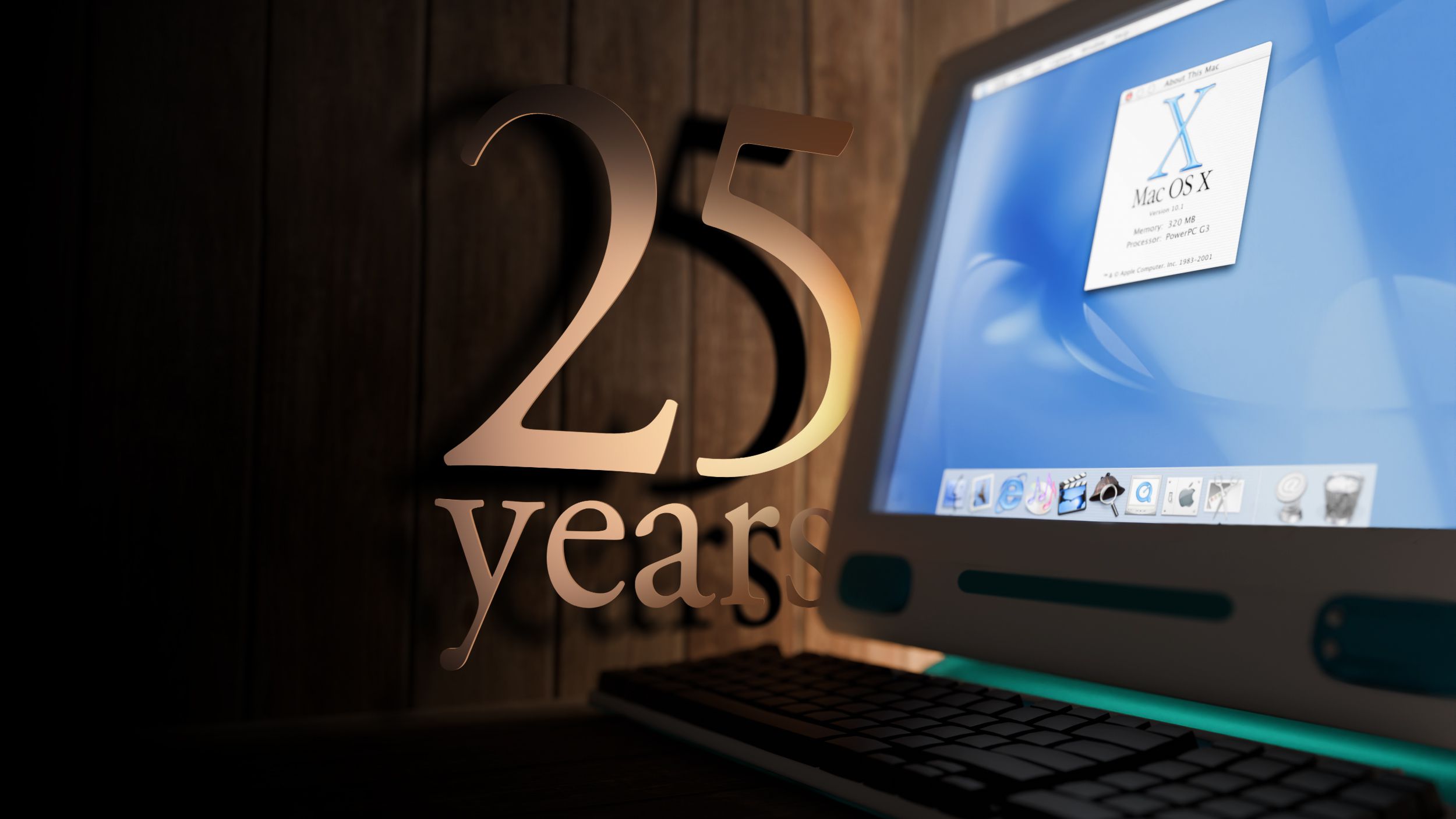
It is truly nice that this 25th anniversary comes just one week before the 50th anniversary of Apple’s founding. It has been a long journey of innovation, and the beautiful thing is that we still see the features of that system, which was born a quarter-century ago, in every move we make on modern Mac devices equipped with powerful Apple Silicon processors.
Source:


Leave a Reply