For over a decade, the iPhone and the Apple Watch have sat on the throne of wearable technology without any real competitor threatening their reign. However, market winds have begun to blow in new directions that may not please the Cupertino giant; users today are increasingly interested in health and fitness devices that are screenless and AI-powered, offering interactive advice rather than just cold numbers on a color screen. This shift has placed Apple under increasing pressure to completely rethink its health and wearable strategy amidst fierce competition seeking to provide simpler, more focused alternatives.
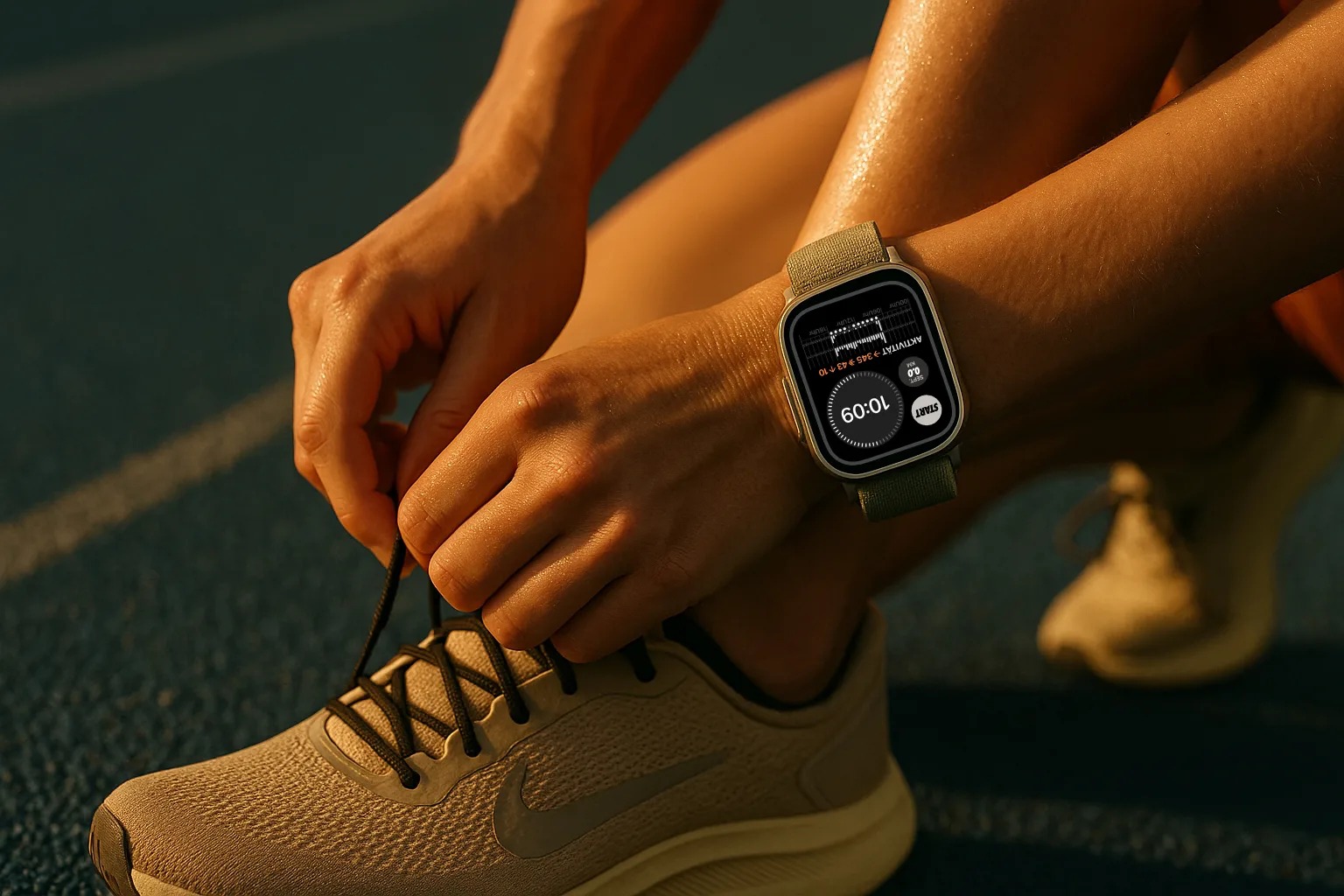
The Rise of Screenless Devices: Simplicity Wins the Bet
According to recent reports from renowned journalist Mark Gurman, Apple faces a real risk of falling behind in a sector it helped shape and lead for years. While the Apple Watch remains a massive financial contributor to the company, more users are gravitating toward simpler options that lack screens that distract and drain battery life.
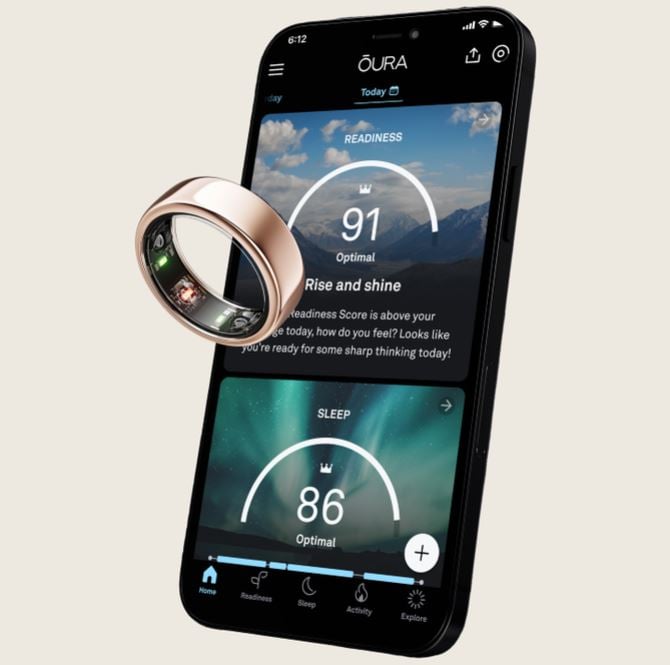
Startups like Oura and Whoop have succeeded in building multi-billion dollar empires centered around simple smart rings and bands that focus entirely on sleep tracking, physical recovery, and providing personalized, actionable health guidance to users in a quiet, daily manner without hundreds of annoying notifications.
The competition hasn’t stopped with startups; it has extended to other tech giants. Reports indicate that Google plans to enter this sector aggressively with its new screenless device, the Fitbit Air, powered by a health coach that relies entirely on generative AI to accompany the user and provide personalized health advice based on their physical readings.
Brain Drain and Apple’s Obsession with Caution and Slowness
It seems the problem lies not only in the evolution of competitors and changing consumer preferences but also within Apple’s own hallways. The company has recently suffered from the loss of prominent leadership and engineering talent in the health and hardware sector to its competitor Oura, including Apple’s former head of home devices, Brian Lynch. This ongoing brain drain reflects a real gap in future vision and health product development within the company.
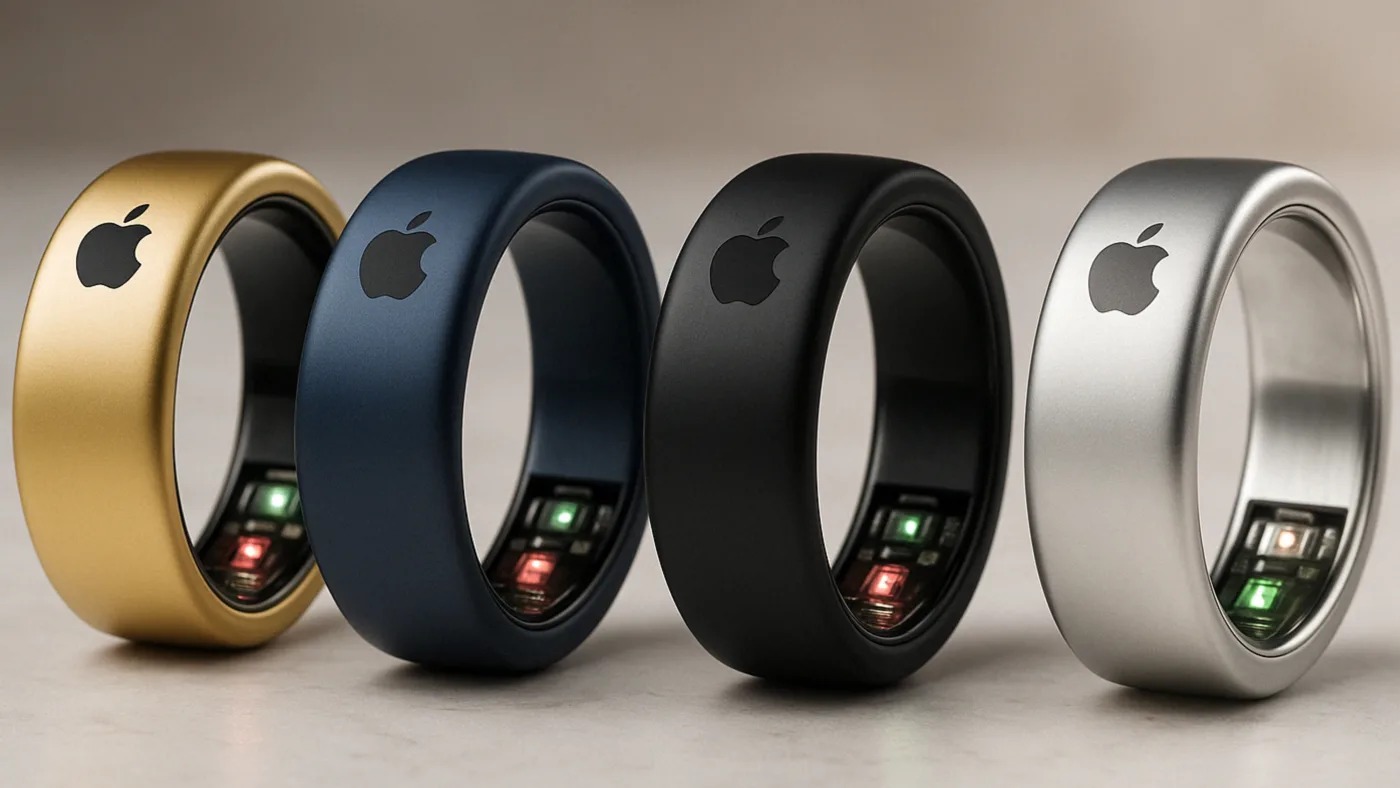
Although Apple has internally explored alternative categories of wearables to try to keep up with the smart ring and band market, none of these projects seem close to an official launch due to the strict and cautious approach the company takes—the same slowness and conservatism that has also cast a shadow over the development of software and smart solutions that users are eagerly awaiting.
This decline in the pace of innovation has increased criticism of the official Health app on the iPhone, as some officials within the company believe the current app now lacks useful and simplified guidance, appearing cluttered and dryly medical, rather than being a smart daily companion that helps the user build healthy and positive habits in a simple and seamless way.
Software Regression and the Delay of the ‘Mulberry’ Smart Coach
Perhaps the most prominent evidence of this internal struggle is Apple’s recent downsizing of its ambitious project to develop a generative AI-based health coach, known internally as Project Mulberry. Instead of launching this smart coach as a separate, powerful service that would revolutionize physical health tracking, Apple decided to integrate its features gradually and belatedly into upcoming iOS 27 updates.
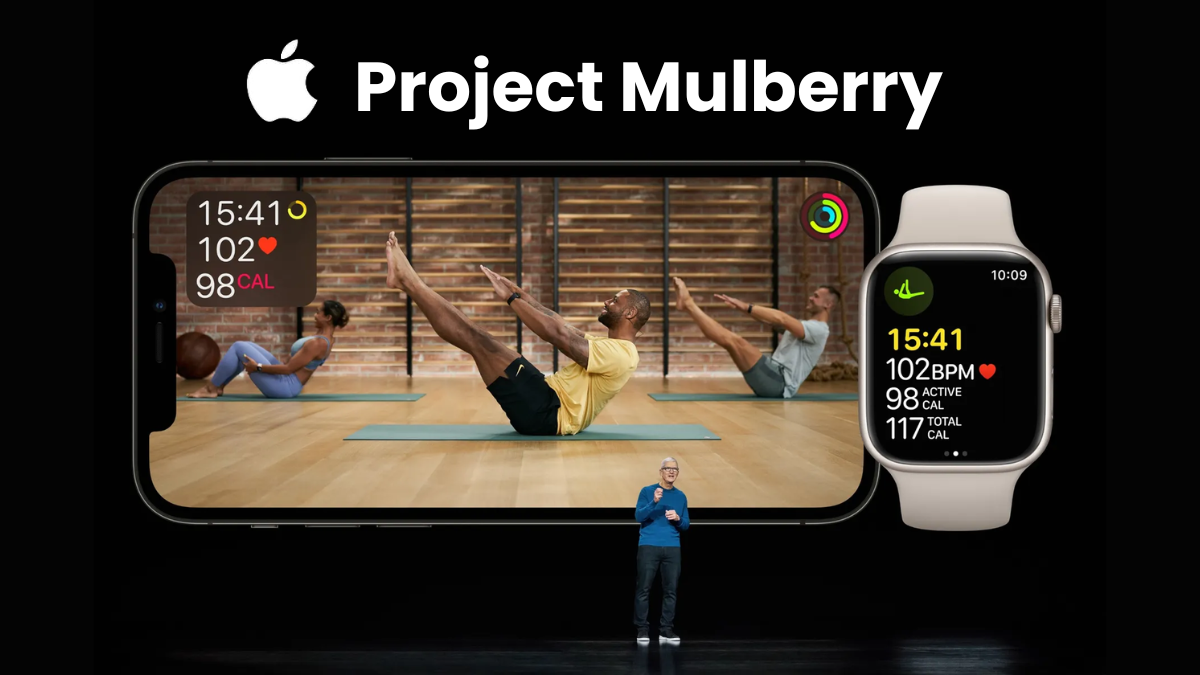
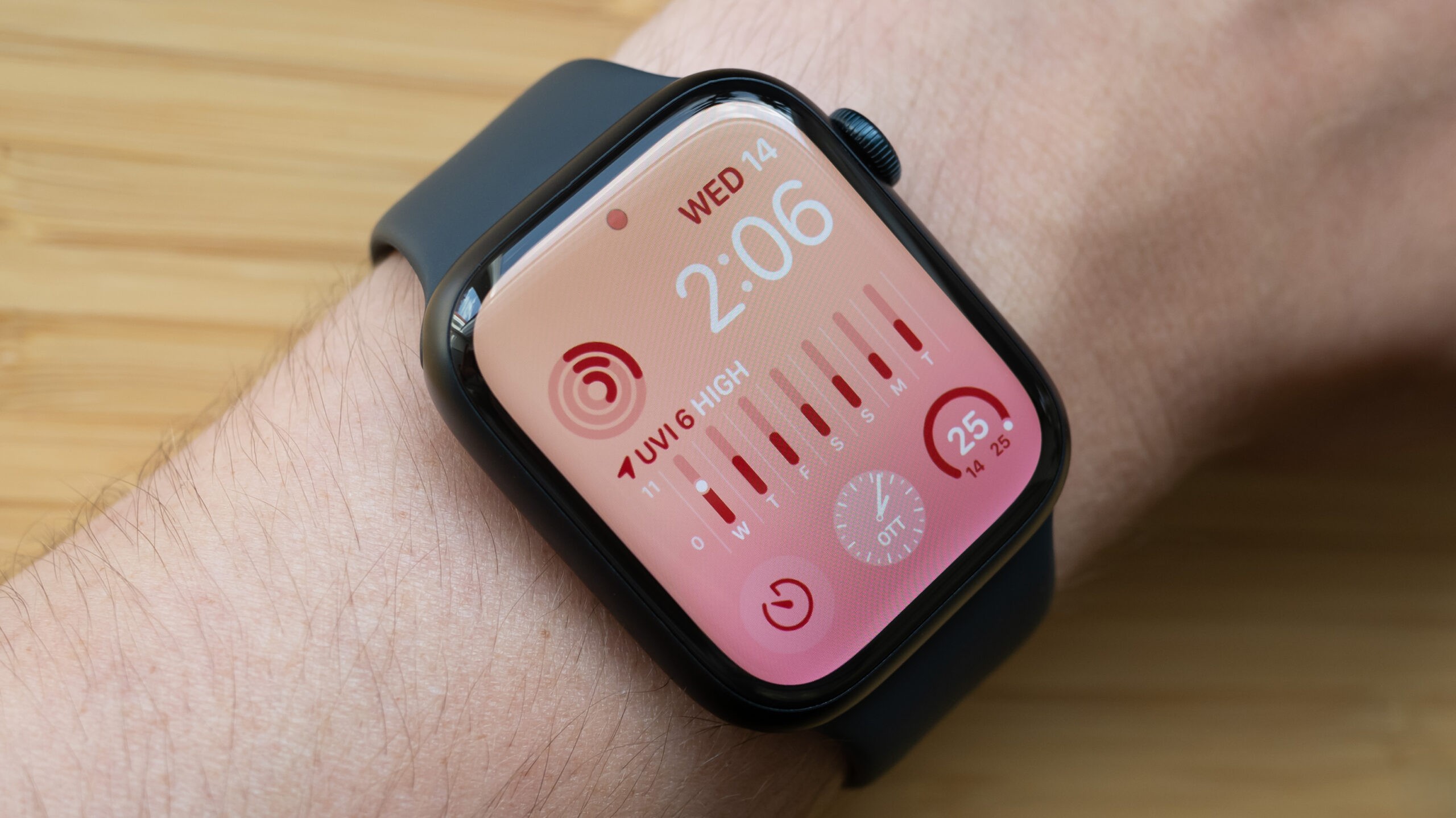
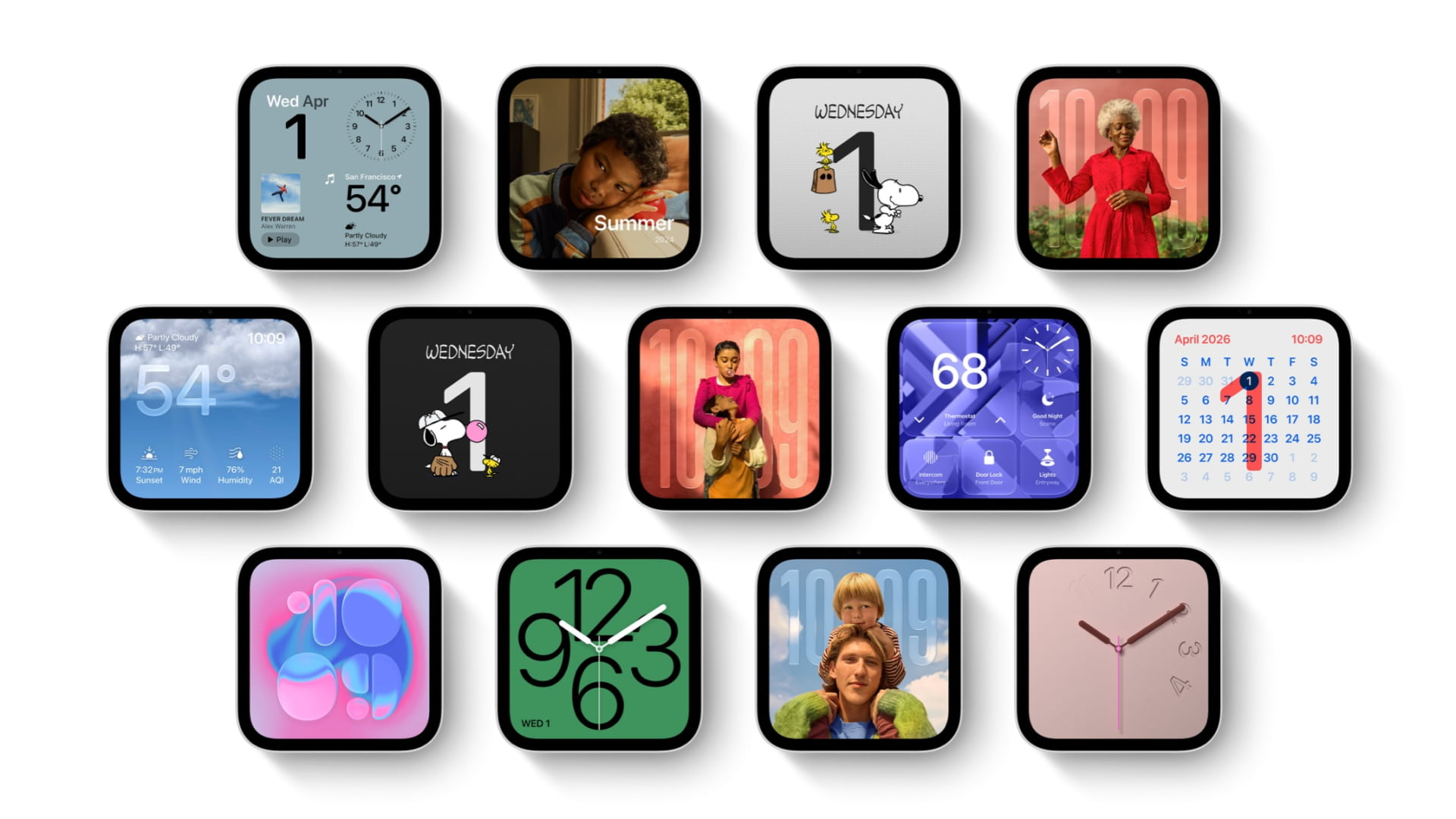
This long delay has pushed the company to focus on less revolutionary updates; it is said that the upcoming watchOS 27 will focus primarily on improving general system stability and introducing minor improvements to heart rate measurement accuracy and overall performance, without delivering the revolutionary and smart features that Apple Watch fans and users have aspired to for consecutive years.
This software slowdown raises big questions about Apple’s ability to keep pace with the new era of generative AI in fitness, where the greatest value now lies in providing contextual advice that understands the nature of the user’s day and circumstances, rather than just collecting silent data.
Administrative Earthquake in the Health and Sports Sector and the Post-Tim Cook Era
This slowdown in development coincides with a major wave of administrative changes and critical resignations within Apple’s Health, Sports, and Hardware division. Former COO Jeff Williams has retired, Apple Watch marketing head Stan Ng has stepped down, and the company’s fitness and sports sector leader, Jay Blahnik, is preparing to leave soon.
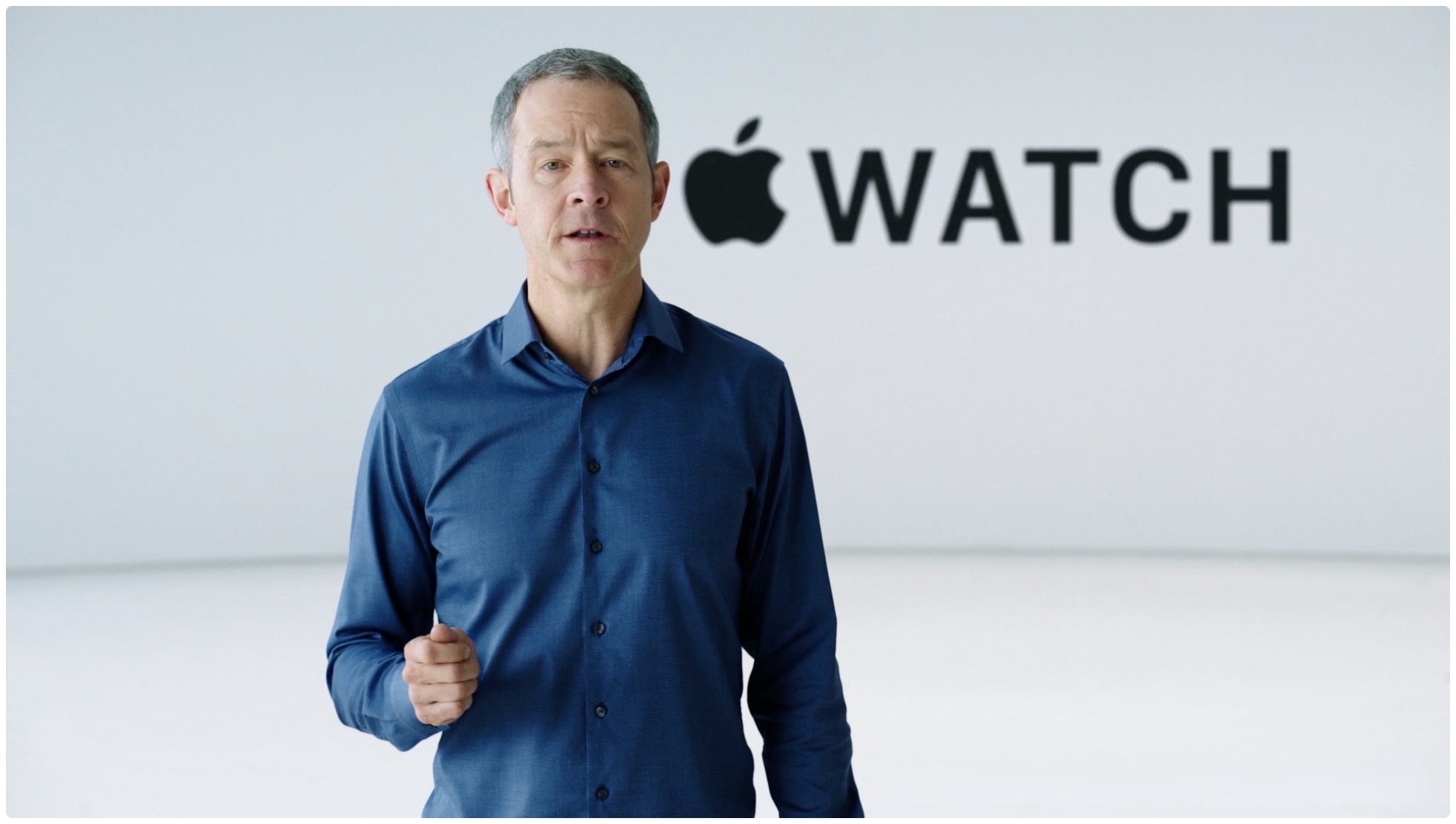
These pivotal shifts come at a very sensitive time for the company, as current CEO Tim Cook prepares to officially hand over leadership this coming September to the next CEO, John Ternus, who will bear the burden of keeping health and fitness at the forefront of Apple’s hardware and software strategy and finding an effective way to reignite user passion for the Apple Watch.
Restructuring and a Glimmer of Hope for Non-Invasive Glucose Monitoring
To face this pressing situation and attempt to correct the course, Apple has already begun a broad reorganization of its internal teams. The marketing file for the Apple Watch and health products has been transferred to Kaiann Drance, a veteran executive who successfully managed the marketing of iPhones for many years, illustrating Apple’s desire to inject marketing blood that possesses extensive experience in managing the company’s best-selling devices.
On the engineering side, responsibility for developing non-invasive blood glucose monitoring technology (the secret and promising technology Apple has been working on for many years to help diabetics) has moved from Platform Engineering head Tim Millet to engineering leader Zongjie Chen.
Some insiders within the company see this transition as a clear positive signal indicating that this highly complex technology has finally begun to overcome research and theoretical obstacles, moving into the actual engineering and production development phase as a real product that may see the light of day in the near future; this is the true secret weapon that could restore Apple’s leadership and absolute dominance in the digital health and wearable technology sector.
Source:

Leave a Reply