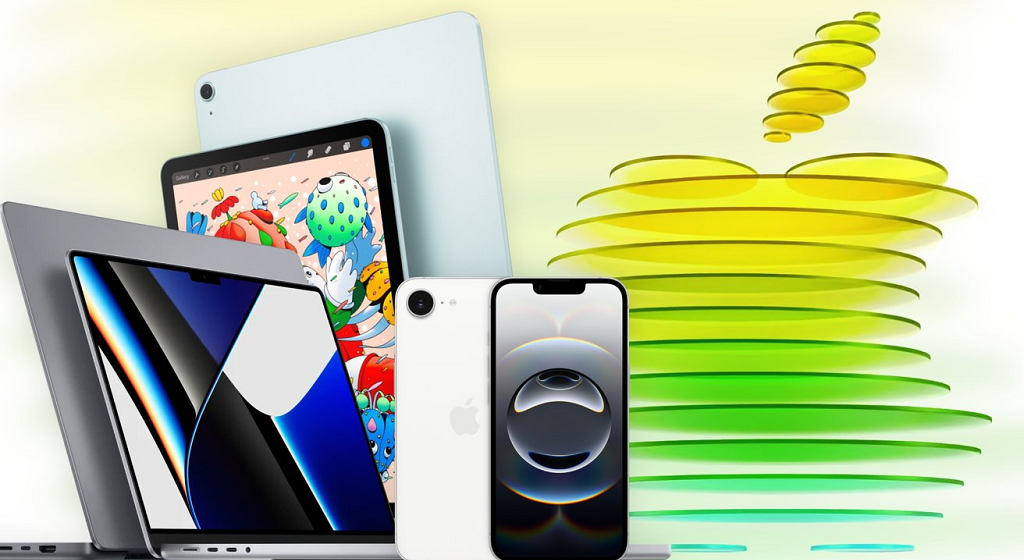
Apple kicked off March week with a broad release campaign, featuring advanced M5 chips, the affordable iPhone 17e, the new Studio displays, iPad Air with M4 processor, and MacBook Neo with A18 processor. This move is not just a technical update, but a strategic announcement reflecting Apple’s shift toward full reliance on Apple Silicon, focusing on performance, efficiency, and artificial intelligence. In the fiercely competitive market context, this launch demonstrates Apple’s commitment to strengthening its ecosystem, especially as macOS Tahoe for Intel devices approaches its end.
Main Releases: Overview
Apple announced this week seven new or updated products, with pre‑orders starting on March 4 and release on March 11. They include:
◉ M5 Pro and M5 Max chips with Fusion architecture that combine 6 high‑performance “Super” cores with 12 efficiency cores, delivering a 30% increase in multi‑threaded performance, and offering up to 128 GB of memory with a bandwidth of 614 GB/s.
◉ MacBook Pro and MacBook Air with M5 processor starting at $1,099 with double the base storage, while the Pro supports 120 Hz on XDR displays.
◉ iPhone 17e with A19 processor, MagSafe supporting 15 W charging, Ceramic Shield 2, and a base storage of 256 GB priced at $599.
◉ Studio and XDR display with Mini‑LED technology, 2000 nits brightness, 120 Hz refresh rate, and DICOM support for medical imaging, priced at $3,299, with Thunderbolt 5.
◉ “MacBook Neo”, a brand‑new device that redefines the value‑for‑price concept in the laptop world. Starting at just $599.
These releases coincide with iOS 26.3.1 and macOS 26.3.1 updates, and the discontinuation of compatibility for the new displays with Intel‑based Macs.
What Does This Mean for Apple?
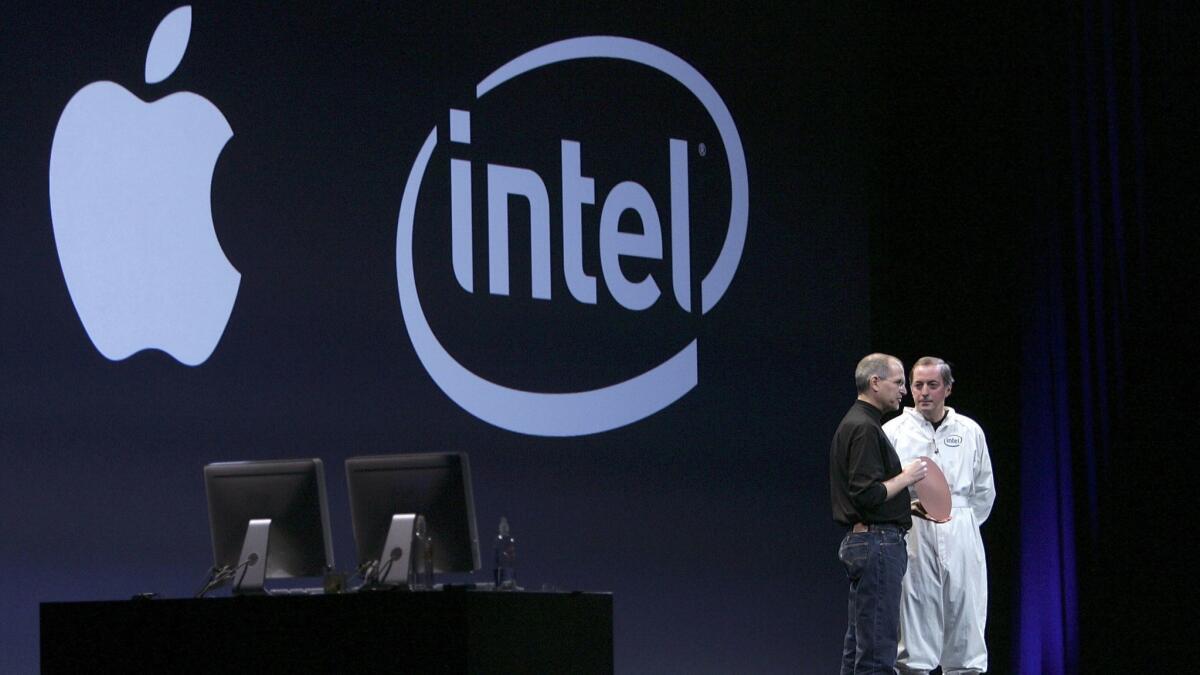
This launch marks the complete end of the Intel era, as macOS Tahoe 26 will be the last release supporting only four Intel models from 2019‑2020, with three additional years of security updates. Compared with the 2020 transition, which took five years, Apple is now accelerating its focus on Apple Silicon, which delivers 4–6× higher GPU performance for artificial intelligence.
Strategically, this strengthens control over the supply chain, reducing costs and improving energy efficiency, as the M5 outperforms the M4 by 15‑45% in graphics. Financially, it preserves Apple’s dominance in the mobile device market, with revenue expectations from the iPhone 17e as an affordable alternative to the older SE.
How Does This Affect Users?
For Intel‑Mac users, the upgrade becomes mandatory; the new displays are incompatible, and macOS 27 will require Apple Silicon. Current users also gain massive performance, as the M4 processor in iPad Air delivers 17% higher single‑core performance than the M3, with partial 120 Hz support.
For professionals, the Studio XDR display supports DICOM medical imaging, offering a cheaper alternative to specialized monitors at $3,299 versus thousands.
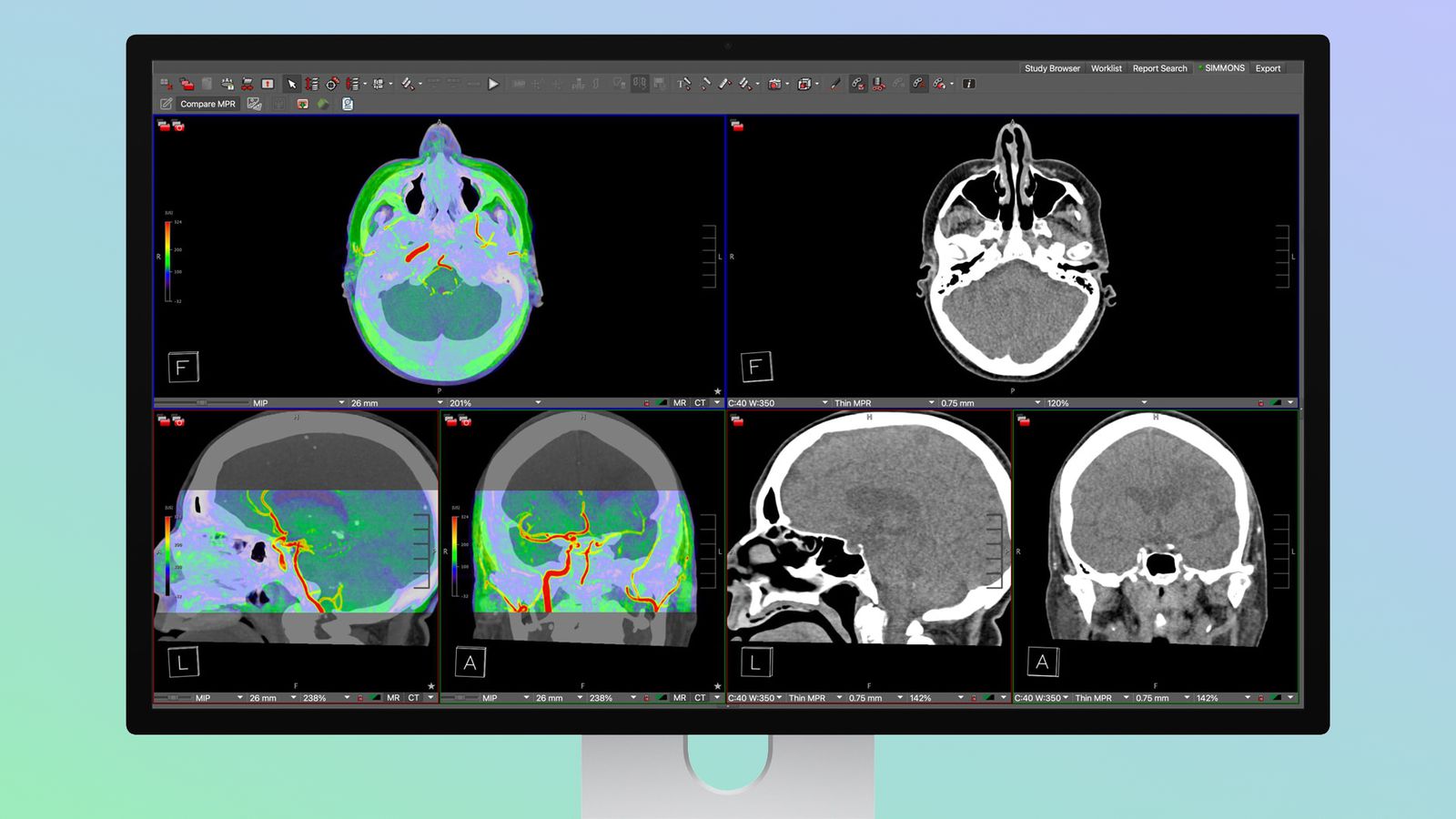
DICOM medical imaging is a simple global standard for digital medical imaging, used to store and display X‑ray, CT, and MRI images with consistent accuracy across devices. It ensures precise grayscale and brightness to avoid diagnostic errors, as the Studio Display XDR supports it for physicians at a lower cost without needing expensive dedicated medical monitors that can cost up to twice as much.
The iPhone 17e doubles wireless charging and adds MagSafe, improving the daily experience for budget‑conscious users.
Impact on the Market and Competitors
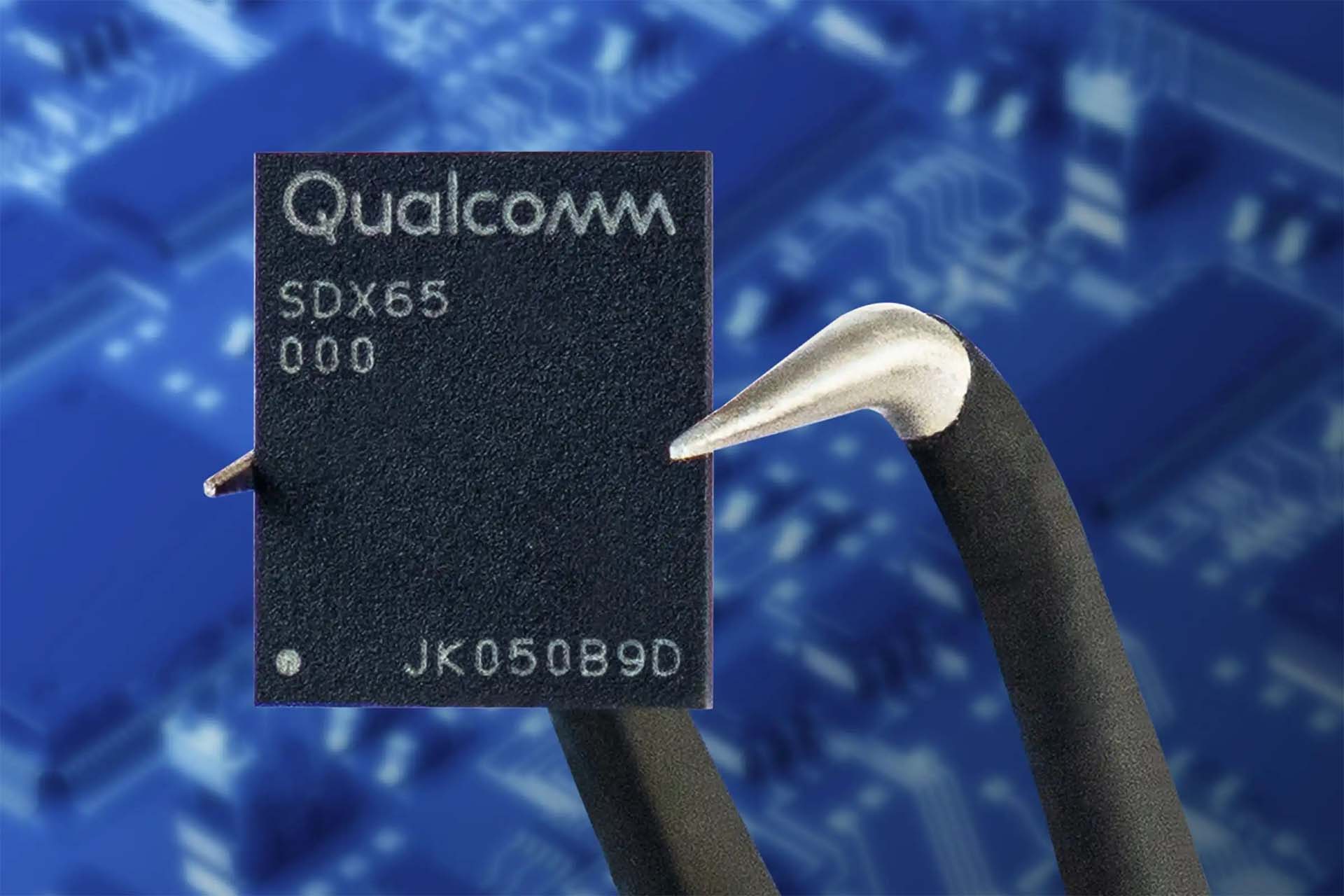
This puts pressure on competitors such as Qualcomm in modems; with the C1X chip in the iPhone there is no longer a need for Qualcomm modems, and the partnership with Intel ends, as does Samsung’s role in budget phones. The medical market is also shifting, as the Studio XDR display enters a space previously dominated by expensive monitors.
Globally, with events in New York, London, and Shanghai, Apple is targeting emerging markets with the iPhone 17e and the anticipated MacBook Neo priced at $599‑$799. Analysts forecast Apple’s computing share to grow by 5‑10% this year.
Reading on Apple’s Strategy

These releases reveal a “full integration” strategy: internal chips, professional displays, and affordable phones like the iPhone 17e designed specifically to attract new users at low cost, with the A19 processor and advanced features such as MagSafe. This raises the number of active devices to “around 1.2 billion currently,” boosting subscriptions to Apple services like iCloud, Apple Music, and Apple TV+, as more users become part of the paid ecosystem.
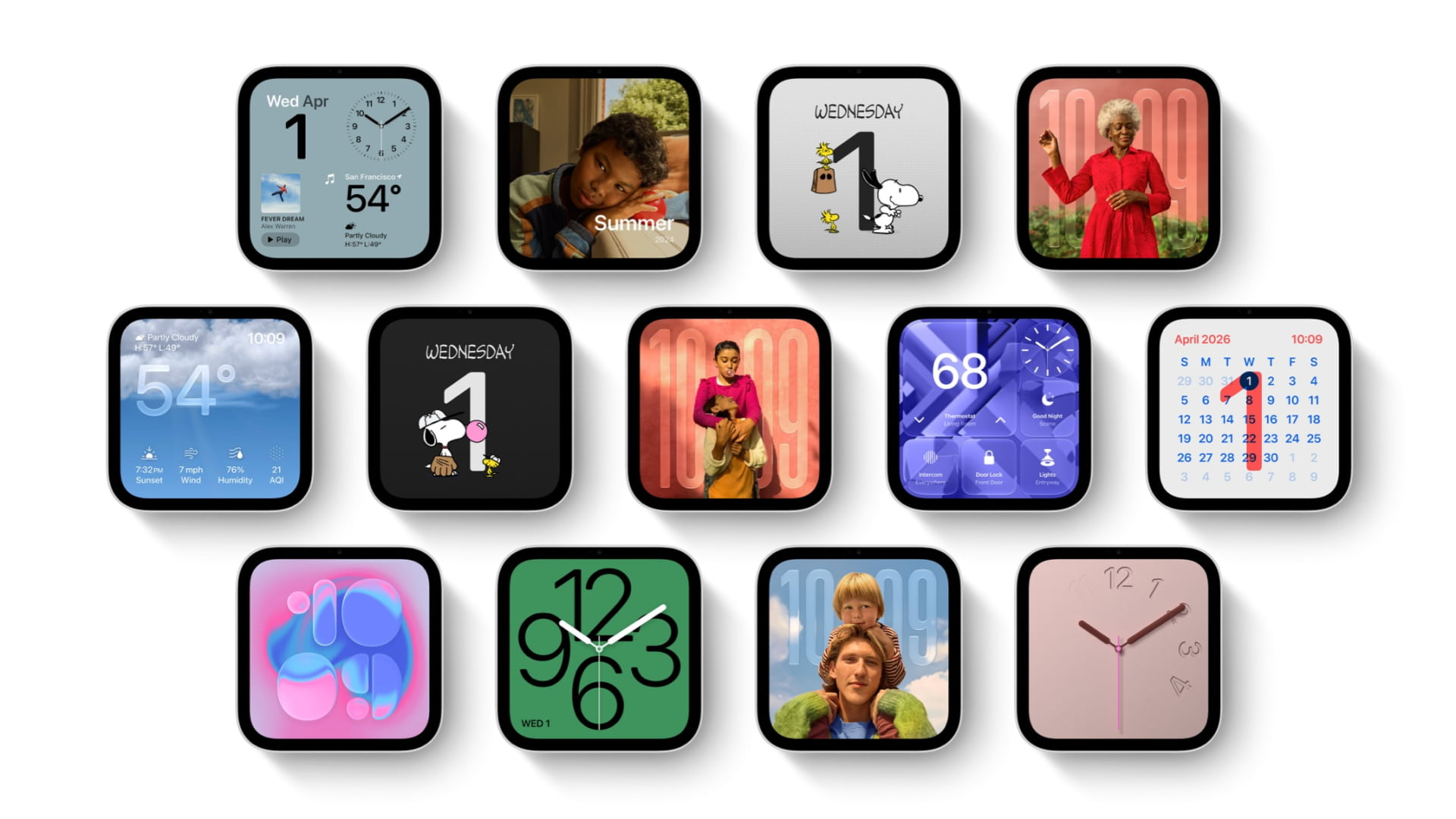
By comparison, at Apple’s WWDC 2025 developer conference, Apple announced that macOS 26 Tahoe would be the final release supporting Intel Macs – “end of official support” – with a full focus on Apple Silicon. The March 2026 releases are the practical implementation of that announcement, featuring the new M5 chips and products that work only with Apple Silicon. In the future, Visual Intelligence will be integrated into Apple Watch and wearables to analyze images with advanced AI.
Apple is reducing its reliance on external partners such as Intel and OpenAI, preferring to develop its own technologies like Ferret‑UI, an Apple‑specific visual AI model for understanding user interfaces from images. This reflects Tim Cook’s vision of visual intelligence as a third major growth engine after the success of Apple Watch in fitness and health and the Vision Pro headset.
What to Expect in the Future?
The main challenge is ensuring the new updates remain compatible with roughly 2.5 billion active Apple devices worldwide (iPhone, iPad, and Mac), to avoid alienating legacy users. Apple Silicon addresses this by offering long‑term support of more than seven years of security and OS updates, compared with Intel’s end‑of‑life. Strategically, this reinforces Apple’s grip on its ecosystem while maintaining a market value exceeding $3 trillion, making it the strongest contender against competition.
Sources:

Leave a Reply