While Silicon Valley giants rush to build massive “digital cathedrals” of AI servers, Apple seems to sit calmly in its own corner, watching the race with a cryptic smile. As competitors pour hundreds of billions into data centers, Apple decided to take a completely different path, one that renowned analyst Horace Diedio describes as possibly the smartest corporate move in history—or the most risky. In the tech world, everyone follows the rule “build the servers and intelligence will follow,” but Apple puts it this way: “Why build servers if I can put intelligence in the user’s pocket?”

The $650 Billion Trap: Digital Spending Madness
The numbers currently circulating in the halls of Amazon, Google, Microsoft, and Meta make one dizzy. These companies are expected to collectively spend up to $650 billion this year alone on AI data‑center infrastructure. We are talking about directing roughly 94 % of their operating cash flows toward these massive projects. To fund this frenzied expansion, the five largest tech firms raised $121 billion in bonds in 2025 alone, and Morgan Stanley predicts that they could accumulate tech debt of up to $1.5 trillion in the coming years.
Amid this financial hurricane, Apple kept its capital budget at a relatively modest $14 billion. This figure does not fluctuate based on a desire to build giant server farms; it is tied to the natural cycle of developing device tools and hardware. Apple simply refuses to enter this war of attrition, preferring to keep its cash liquidity for something entirely different.
Hybrid Strategy: Why Buy the Cow When Milk Is Available?
Diedio believes the industry may be over‑investing in infrastructure that could soon become obsolete or easily replicated. Instead of building its own servers from scratch, Apple chose a clever route: partnership. Through its agreement with Google to license access to the Gemini model for an estimated $1 billion per year, Apple obtained the technology without the financial headache of building and operating the servers. This hybrid strategy gives Apple extreme flexibility; if a stronger or cheaper model appears tomorrow, it can simply change course without being locked into billions of dollars of hardware that may become useless.
This approach does not mean Apple is lagging; it means it is betting that real value lies in the “platform” rather than the “server.” While others are busy figuring out how to cool their processors in data centers, Apple is busy figuring out how to make the device you hold in your hand the true center of power.
Local Processing Power: The Beast Hidden in Your Pocket
Instead of relying entirely on cloud processing, Apple is betting its weight on on‑device computing. The company now has an established base of over 2 billion active devices worldwide, each representing a potential processing unit. With the launch of the new M5 processor family, Apple has raised expectations sky‑high.
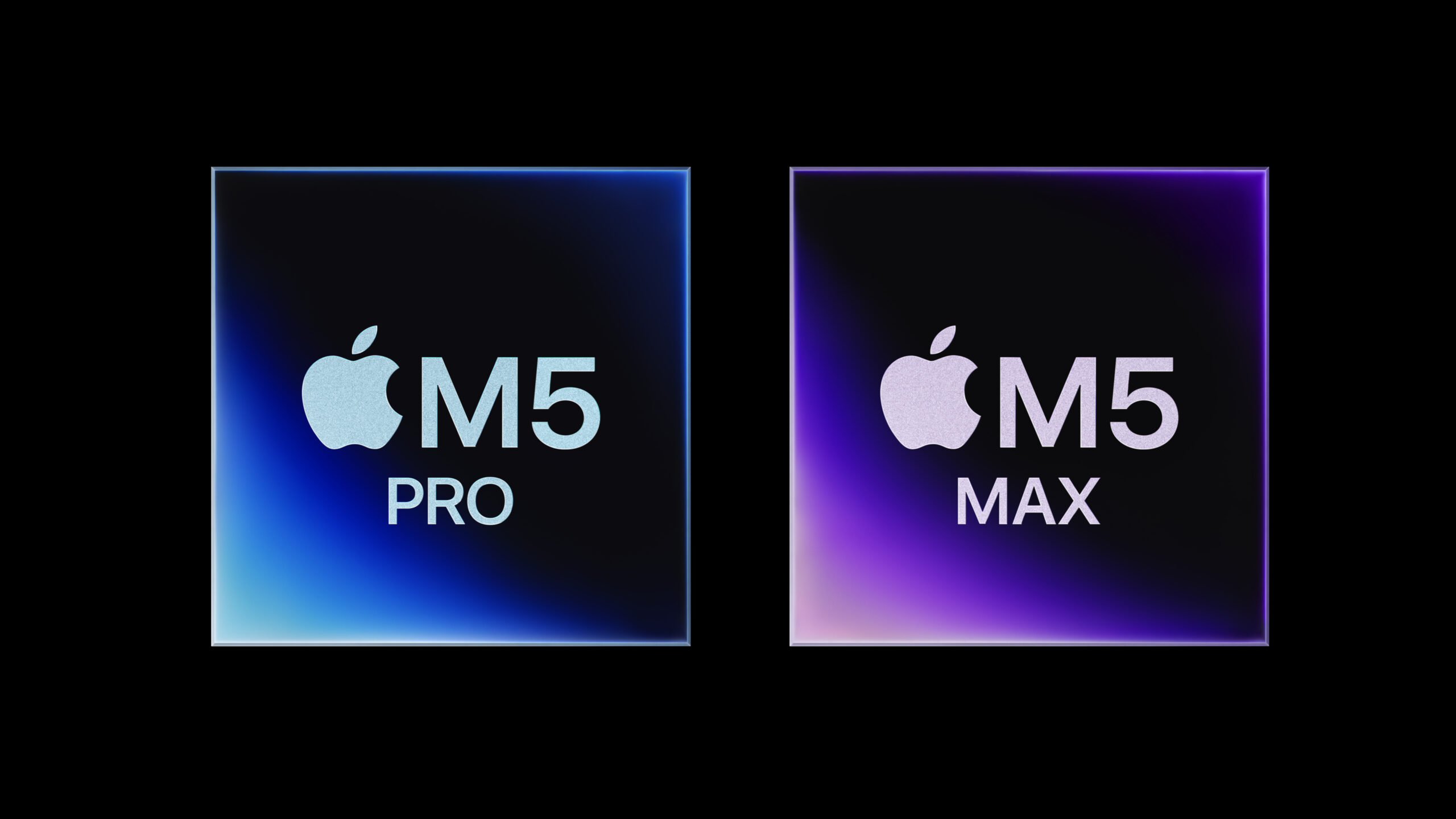
The M5 Pro and M5 Max chips come equipped with a 16‑core Neural Engine and neural accelerators integrated directly into each GPU core, delivering AI performance up to four times that of the previous generation. This means your iPad or MacBook can run language models with tens of billions of parameters locally, without sending your data to a server somewhere in the Arctic. This not only protects your privacy but also saves Apple billions of dollars in server‑operating costs.
Financial Philosophy: Stocks Over Bonds
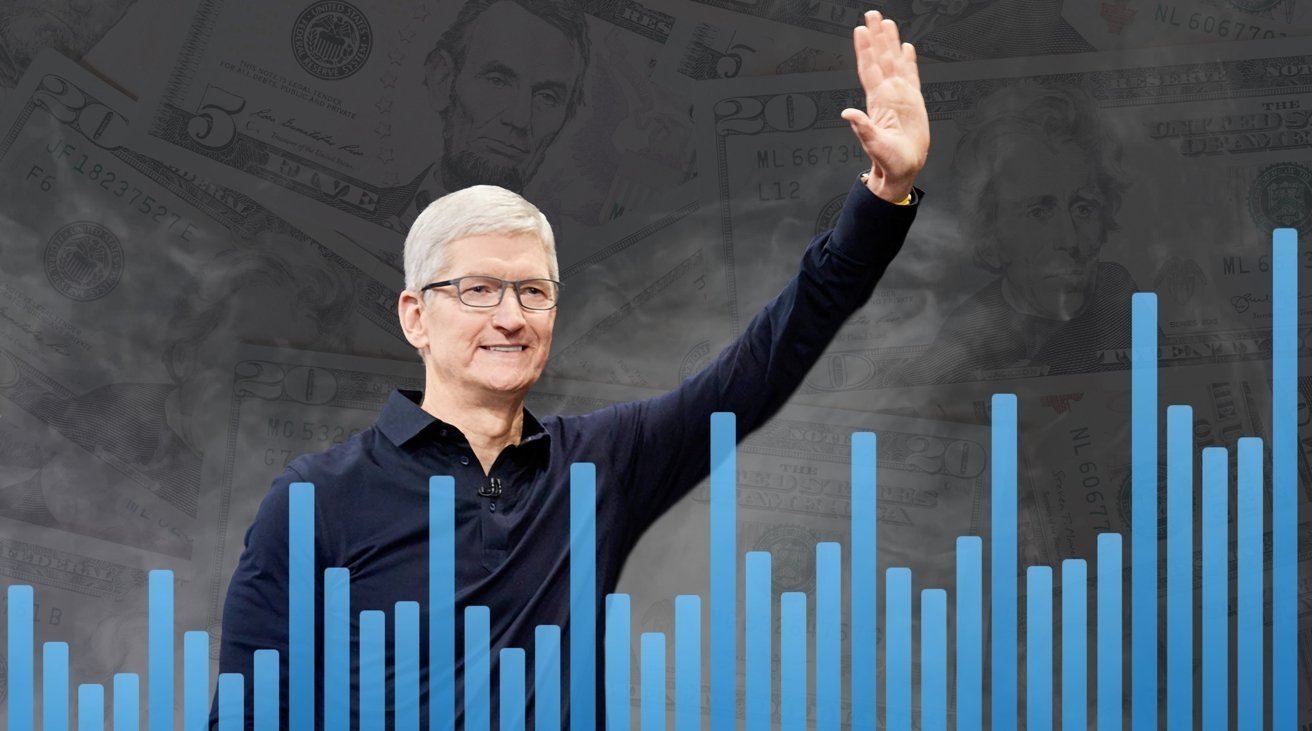
The financial contrast between Apple and its rivals is starkly humorous. While competitors cut back on share‑repurchase programs to free cash for building data centers, Apple spent $90.7 billion on share buybacks in the last fiscal year alone. Apple is betting that the long‑term winners in the era of generative AI will not be those who own the servers, but those who control the devices people carry and the direct relationship with the customer.
In the end, Apple seems to be following its old philosophy: simplicity and focus. Why enter an arms race to own infrastructure when you can control the interface the world uses? If this bet pays off, Apple will be ahead in owning profits without debt, while others may find themselves with forests of servers that consume more electricity than they generate in profit.
Source:

Leave a Reply