Apple’s pricing strategy for the accessories it sells rarely allows their prices to drop, and you can find a cleaning cloth alongside 17 other Apple-branded products on the company’s website, consisting of a mix of charging cables, dongles, and adapters. Each product is priced at $19, and you might wonder: doesn’t selling cables, adapters, and cleaning cloths that cost less than $20 place them in a cheap segment, contrary to what everyone knows about Apple’s products being luxury items that no one can afford? Keep reading to learn about Apple’s magical strategy for selling its products and the secret behind the number 9 that appears in the price of every product.

The secret in the number 9
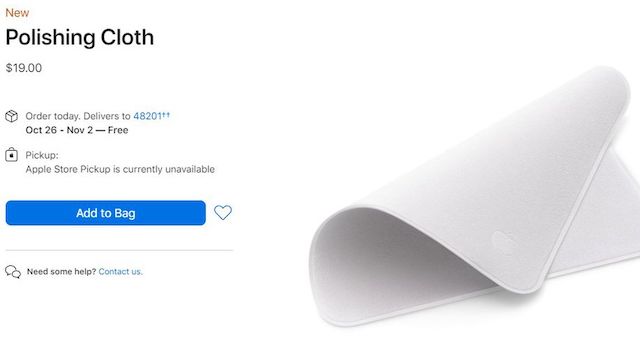
Apple products priced at $19, alongside the Apple Watch, AirPods, and other accessories, are part of the wearables and home product categories that generated over $8 billion in revenue for Apple in the quarter ending in October.
According to economics and marketing experts, the $19 price is neither too high nor too low to deter the company’s target customers. When you purchase an expensive item like an iPhone 13 or a MacBook Pro, you won’t hesitate to buy an Apple cleaning cloth for $19. However, analysts say the price is high enough to suggest you are buying a premium product even if it isn’t. So what’s the contradiction— is the price high or low?
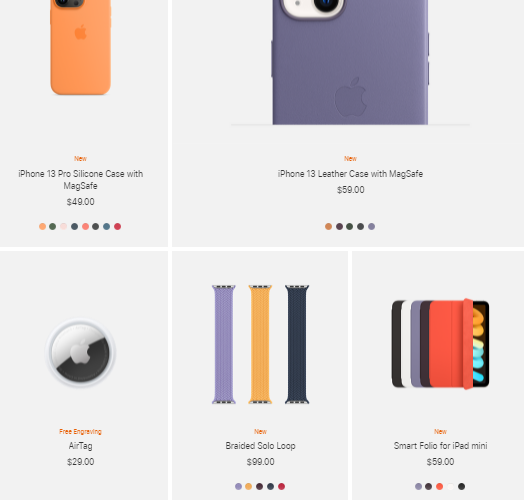
Let me explain: there are two marketing strategies that have been developed over decades, and Apple has mastered them skillfully:
First is the “charm pricing” or price‑ending‑with‑9 strategy, which gives buyers the feeling that they are getting good value. This strategy is based on consumer emotions and psychology, which is why you’ll see that every product on Apple’s website—from a Mac Pro to a power adapter—ends its price with a 9. Even the cheapest Apple‑branded accessory, a 3.5 mm headphone adapter, costs $9, and that seemingly low price is enough for people to purchase it while feeling special and elite.
According to a study published in the Journal of Consumer Research, prices ending in 9 are perceived as lower than a higher price. So while two products priced at $29 and $30 are roughly the same price, seeing a “2” at the beginning of the first price makes the difference feel like $10 rather than just one dollar.
Second is the signaling or implication that these are high‑quality, top‑tier products because their prices are higher than competing alternatives. Apple also targets affluent users who are willing to pay more for core tech products and services. These customers won’t hesitate or think twice; they will buy the extra item—such as a cleaning cloth priced under $20—even if it costs just a dollar elsewhere.
Finally, there’s nothing wrong with paying a premium for an advanced Apple device because you receive value for your money. As for the cheap products, the company’s experiment has been highly successful—Apple excels at marketing, understanding its users’ emotions, knowing when to influence them, and when to make them feel satisfied with a purchase.
Source:

Leave a Reply