When Apple first launched the AirTag years ago, everyone thought it was just a small metal trinket for keys to be found under the living room sofa. But the reality was much bigger than that. Today, the “Find My” network has transformed into a massive ecosystem that includes everything from affordable flashlights to electric bicycles priced over $3,500. It seems Apple’s obsession with tracking lost items has spread to everyone, and here at Phonegram, we are here to explore this diverse world with you—a world that will make losing your belongings a thing of the past, or at the very least, make finding them a fun technical adventure.
The Necessary Distinction: Devices or Items?
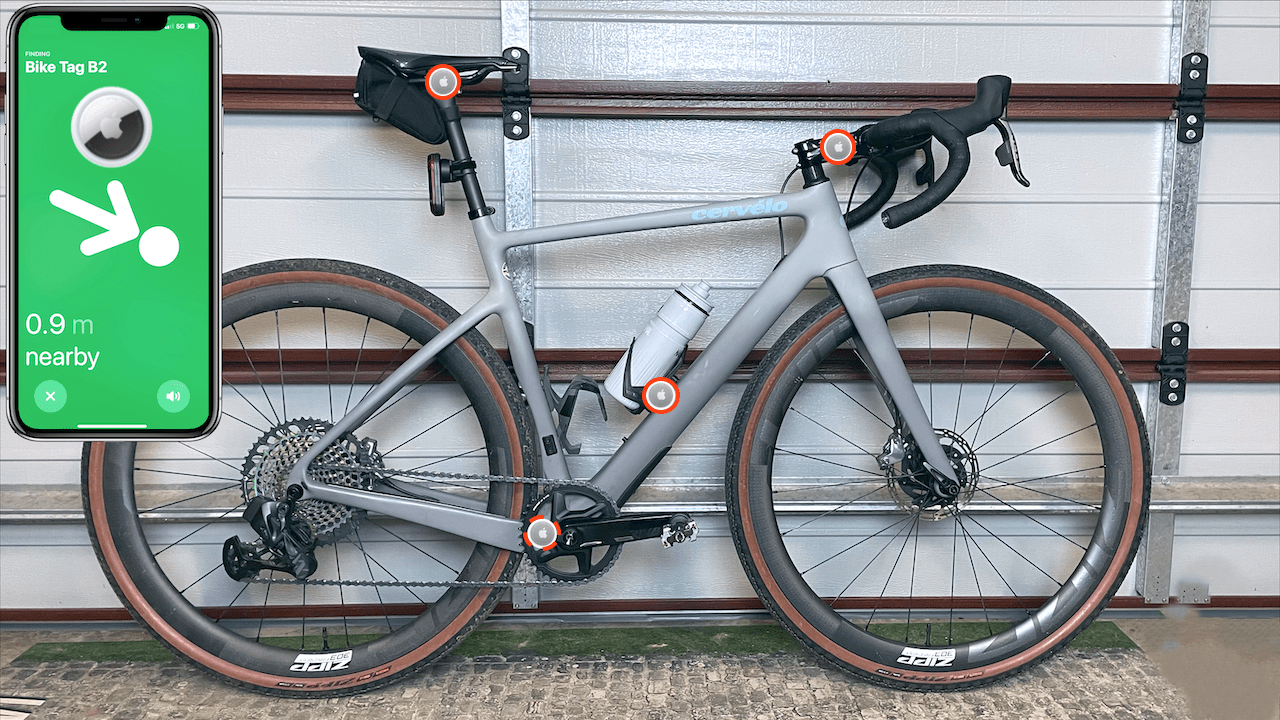
We must first distinguish between “devices” and “items” in Apple’s dictionary. A device is something that can connect directly to the internet, like an iPhone or iPad. “Items,” on the other hand, are silent objects that rely entirely on Bluetooth to send their signals to any passing stranger’s Apple device, which then secretly reports the location to Apple without the owner even knowing. The great advantage here is battery life; while traditional GPS trackers pant for a charge every few days, “Find My” items can work for a full year on a single small battery because they simply save the trouble of connecting to satellites and settle for “chatting” with nearby Apple devices.
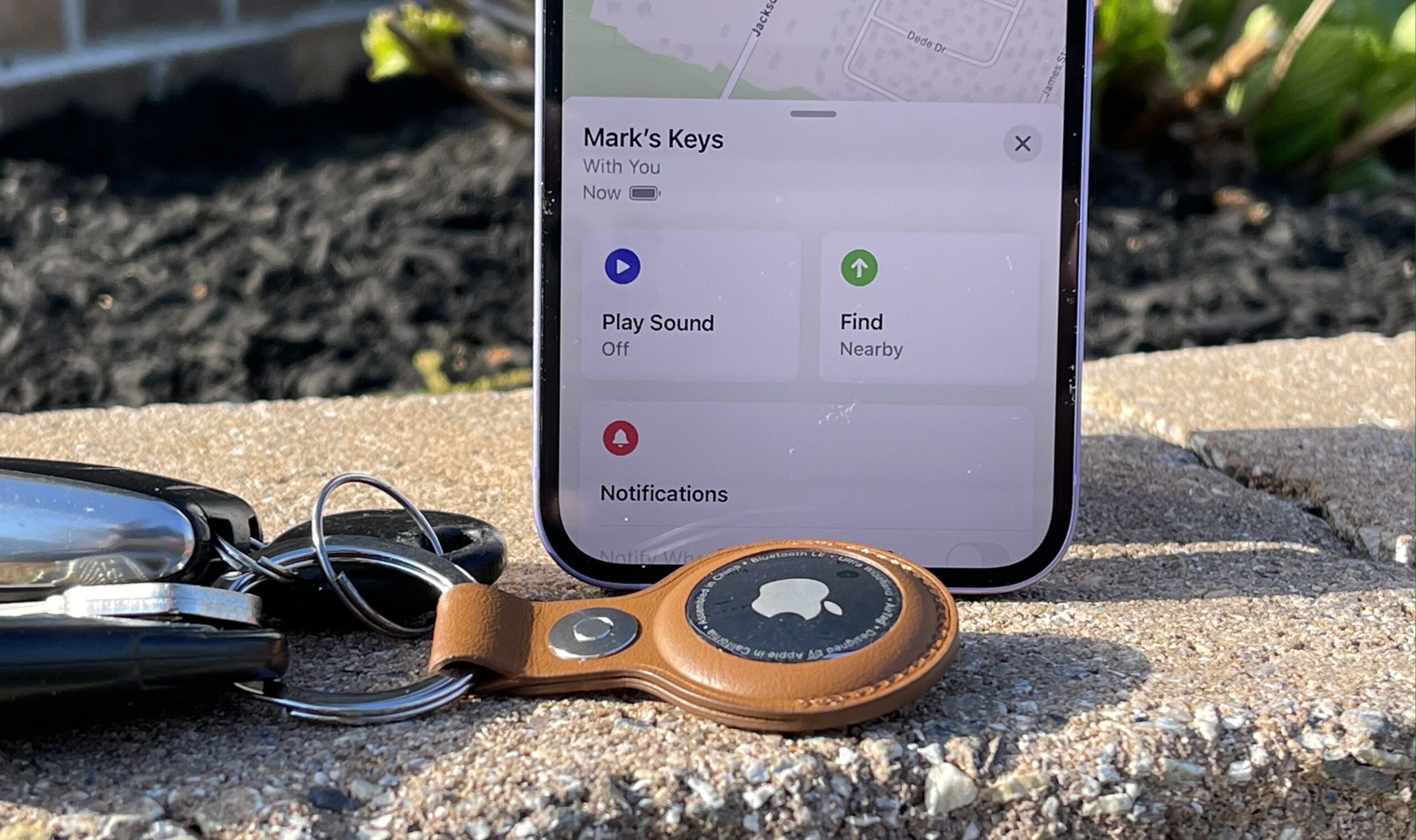
This crowdsourcing system is what makes Apple’s network the strongest in the world. Instead of relying on a GPS signal that weakens inside buildings, Find My items rely on location tracking via Wi-Fi and cellular towers picked up by nearby Apple devices, making finding your keys inside a mall much easier than finding a stolen car in the wilderness.
The Wallet Obsession: Apple is Absent, Companies are Present
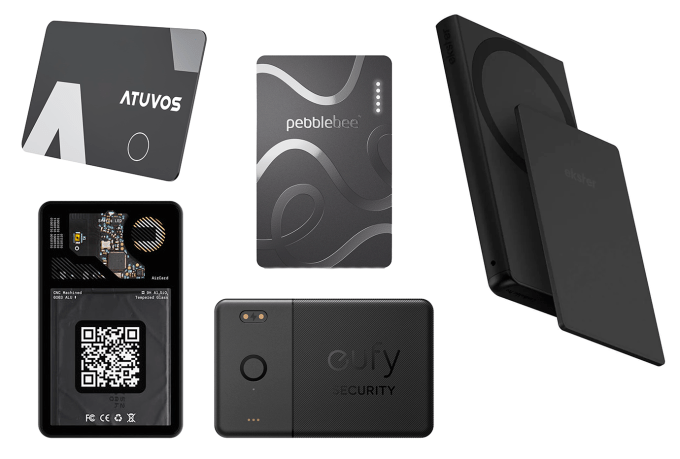
It is very strange that Apple, with all its brilliance, has not yet provided a credit card-sized version of the “AirTag” to fit slim wallets. But as the saying goes: “One man’s loss is another man’s gain.” Third-party companies have exploited this absence to flood the market with 18 different types of cards compatible with the Find My network. Some are incredibly thin, some are rechargeable via magnetic connectors, and others offer batteries that last for three years with eco-friendly replacement programs.
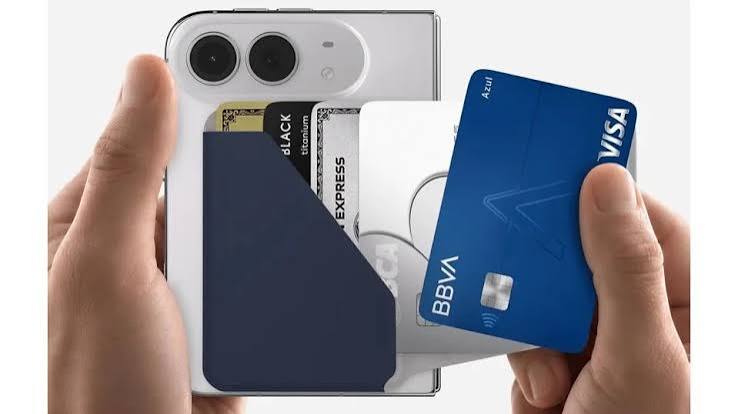
And even if you prefer wallets that come with the technology built-in, there are options like the Nomad leather wallet that supports MagSafe and sticks to the iPhone like a shadow, ensuring you never leave it anywhere. Apple offers its own FineWoven wallet, but unfortunately, it lacks the crowdsourced tracking feature and only notifies you of the last place it was detached from the phone, which we call “tracking lite”—it provides little help if the wallet moves from its location.
Strange Items You Never Imagined Tracking

Have you ever imagined searching for your phone charger via the Find My app? Twelve South did just that through its “PlugBug” charger product line, which includes the technology inside. How many times have you left your charger in a cafe or hotel and wished it would shout out to you? Satechi also introduced a smart vegan leather glasses case that protects your expensive glasses from being lost, which is a very smart investment compared to the cost of buying new prescription glasses.
The list goes on to include small flashlights for $25, and advanced Insta360 cameras that now support tracking to avoid losing them during adventures. Even in the world of personal transport, companies like Segway and Specialized are integrating the technology into the frames of bicycles and electric scooters, making it possible to track them after theft. Most importantly, the thief will not be able to remove the tracking piece without destroying the bicycle itself.
Source:

Leave a Reply