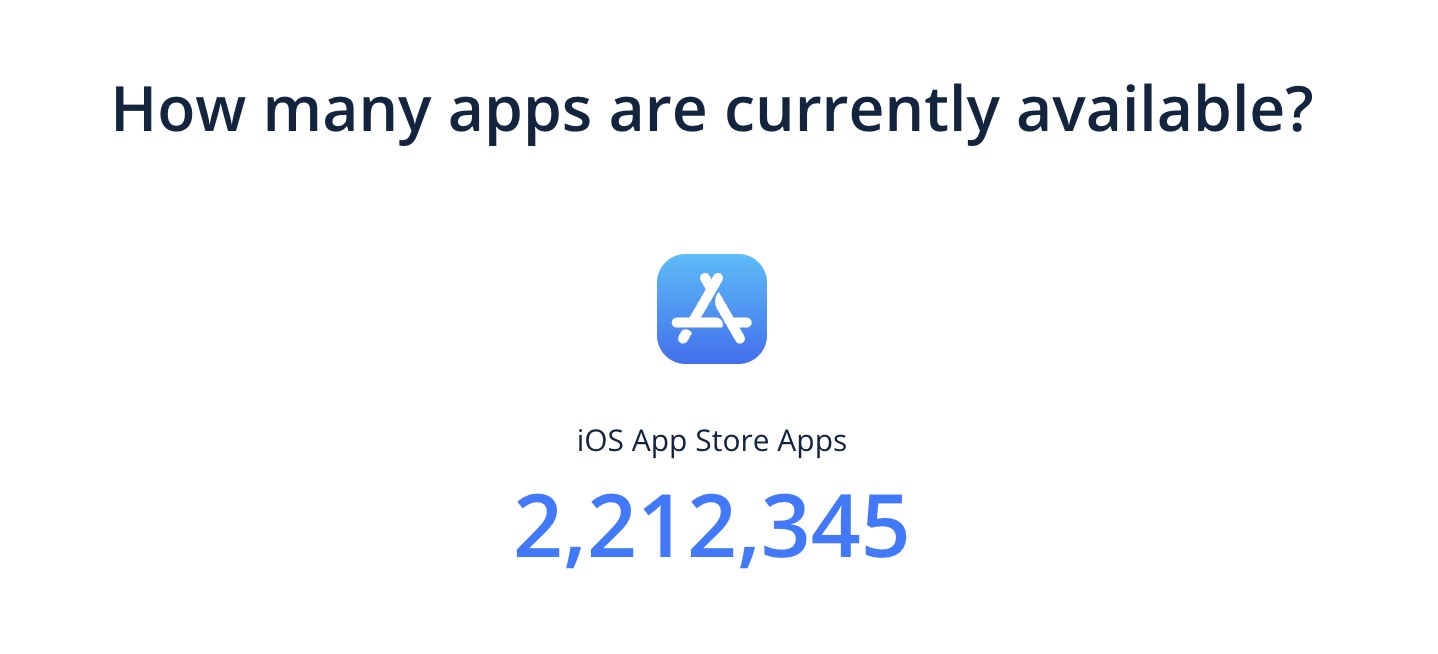
It seems the Apple App Store has suddenly awakened from a deep three-year slumber. After a period of relative stagnation in the number of new apps since 2022, 2025 witnessed an unprecedented explosion in the number of programs submitted to the store. The secret isn’t magic; it’s artificial intelligence, which has decided to put on a programmer’s hat and give everyone and their dog the ability to launch their own app. This sudden surge is not just a passing statistic, but a radical shift that could change the face of the App Store as we know it, whether for the better or… for the worse.
The Real Numbers Behind the Programming Explosion
During 2025, the number of new app submission requests for iOS grew by 24%, but the real peak occurred in December of the same year, where numbers jumped by 60% compared to the previous year. Although some reports circulated an exaggerated figure reaching 84%, documented data from sources like Sensor Tower and Wells Fargo Securities confirm that the increase remains staggering even without exaggerations. This sudden break in the three-year plateau indicates that we are not looking at a mere incidental increase, but a structural change in how apps are made.
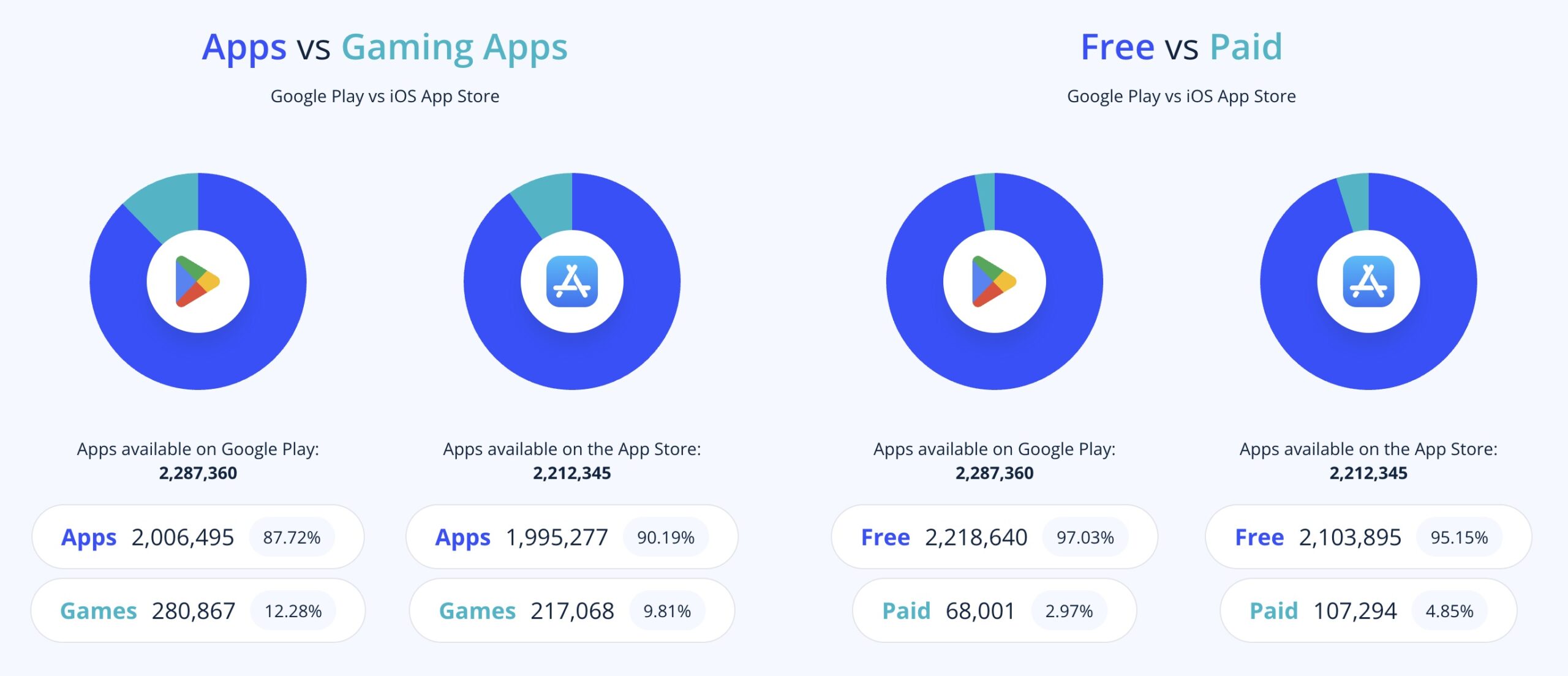
It is important here to distinguish between “new apps” and the number of downloads or revenue; what we are talking about here is the “supply” or the number of programs trying to reserve a spot on your devices. Apple, as usual, does not publish transparent data about the number of rejected requests or the categories experiencing this growth, which forces us to rely on third-party market tracking tools to understand what is happening behind the scenes of app reviews in Cupertino.
The “Agentic Coding” Revolution: The Programmer Who Never Sleeps
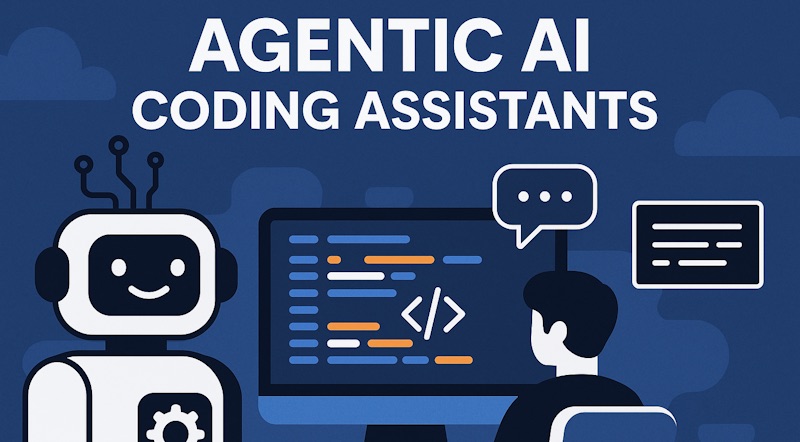
The most logical explanation for this flood is the emergence of “Agentic Coding” tools—AI tools that don’t just suggest code snippets but build entire functional applications based on natural language descriptions. The developer’s role has shifted from writing complex lines of code to being a “product manager” who dictates to the machine what needs to be done. The timeline for the evolution of these technologies matches perfectly with the store’s jump; from Anthropic’s open protocols in late 2024 to OpenAI’s launch of its own app store, all roads led to December 2025.
Some try to compare this moment to 2008, when the App Store first launched with only 500 apps and reached a million downloads in a single weekend. But the fundamental difference is that in 2008, we were in a programming desert thirsty for anything, whereas today, we are in an ocean already crowded with millions of apps competing for user attention, making “abundance” as much of a problem as it is a feature.
Quantity vs. Quality: The Risks of Canned Code
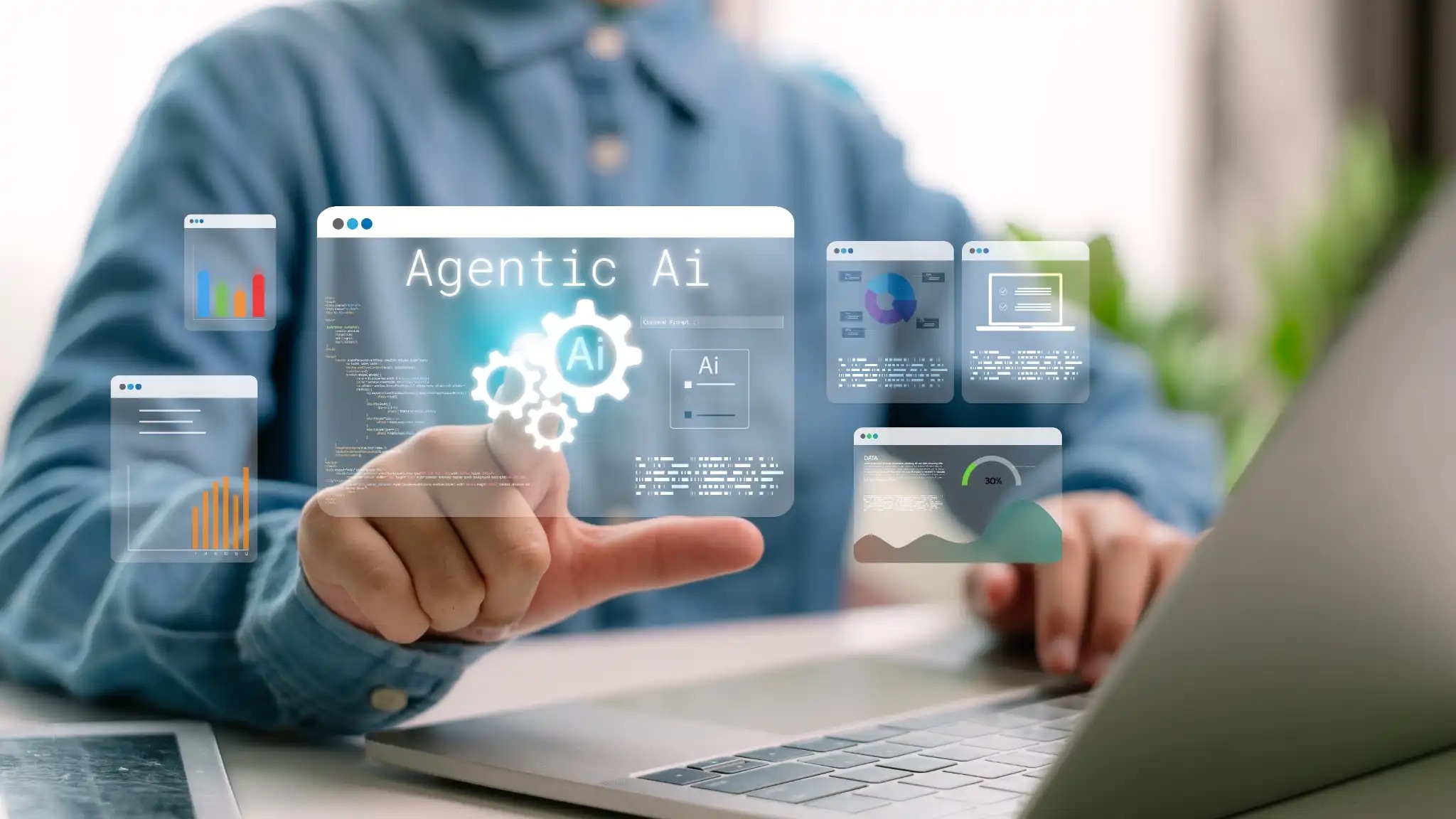
Even worse is the “trust gap” among new developers; studies show that programmers who use AI often trust the security of their code more than they should, even though it may be less secure than code written manually. This puts enormous pressure on Apple’s app review system, which was designed in an era where building an app required a significant technical investment that acted as a natural filter for quality. Now, with that obstacle gone, we may see a wave of apps that even Apple cannot check for deep vulnerabilities fast enough.
The Future of the App Store in the Age of Abundance
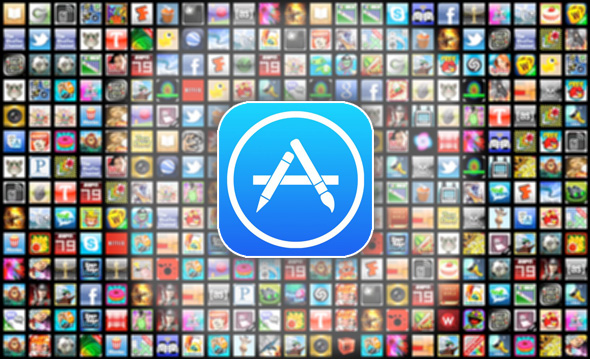
Ultimately, we are facing a puzzle that Apple has not yet publicly solved: Does it see this explosion as an opportunity to revive creativity, or is it just a stress test for its ecosystem? The success of this phase depends on Apple’s ability to develop search and discovery algorithms; adding thousands of apps daily without a precise filtering system will make finding a real “gem” amidst the pile of duplicate apps nearly impossible.
Source:
Leave a Reply