Apple abandons Vision Pro and iPad Ultra and considers removing MagSafe from the iPhone, iPhone memory costs quadruple, the code editor Notepad++ arrives on Mac after 20 years, YouTube tests an AI search feature, iOS 27 adds new AI photo editing tools, Apple Vision Pro is used in the world’s first cataract surgery, and other exciting news on the sidelines…

Apple introduces a new monthly subscription with an annual contract to facilitate payment
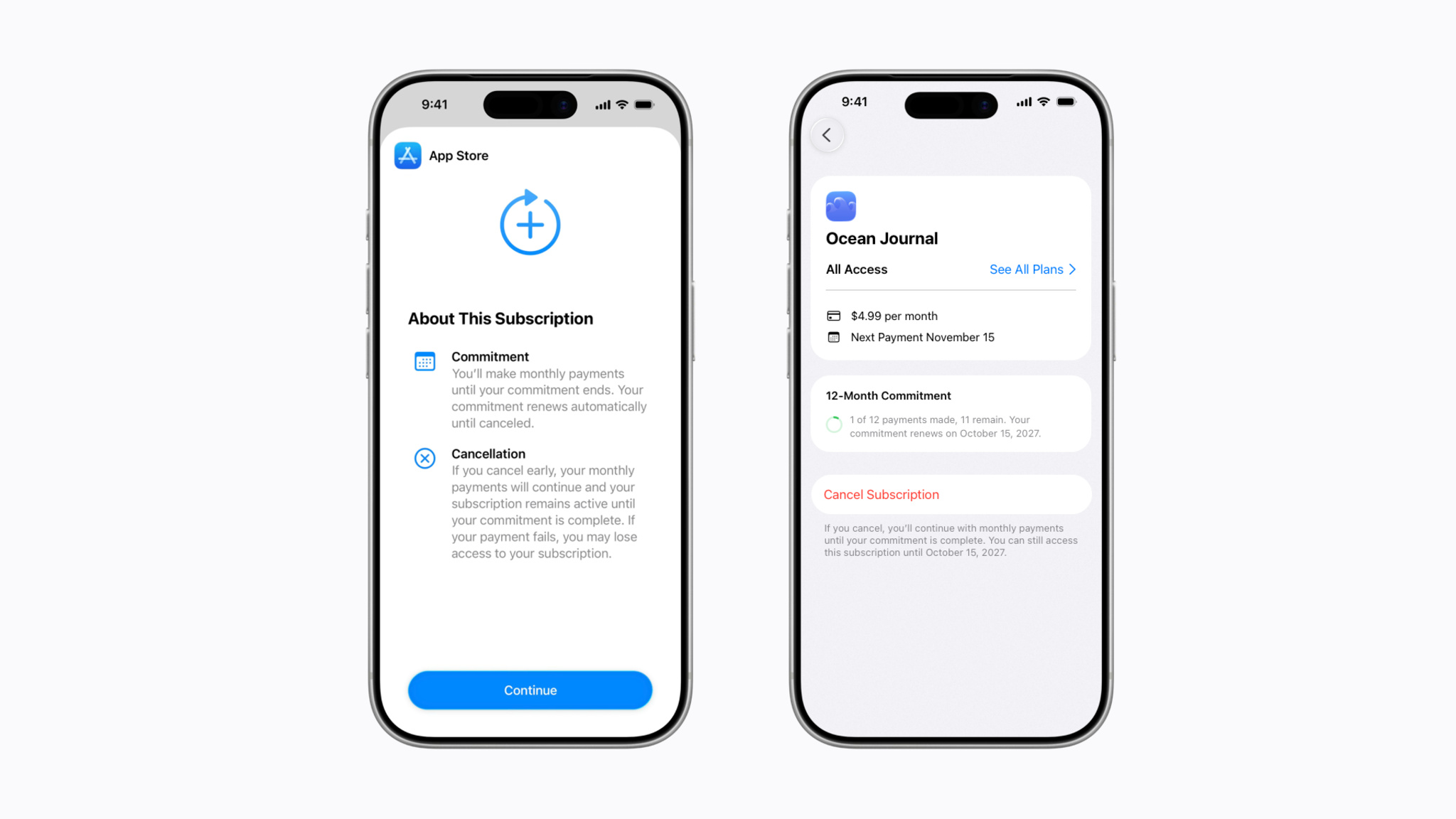
Apple has announced a new method for in-app subscriptions that allows users to pay fees monthly, but with a full-year commitment. The idea is simply that you get the discounted annual subscription price, but instead of paying it all at once, it is split into 12 fixed monthly payments. In return, you cannot cancel the subscription immediately as with regular monthly subscriptions; rather, you are committed to completing the year. This move helps users reduce the financial burden while providing developers with a steady income. Apple has also ensured transparency, as users can easily see the number of remaining payments from their account settings, with reminder notifications before renewal. The feature will be available soon with the iOS 26.5 update, but it will be launched in most countries around the world except for the United States and Singapore initially, without a stated reason.
Apple’s upcoming smart glasses may rely on gestures instead of a screen

Apple is developing AI-powered smart glasses to compete with Meta Ray-Ban smart glasses, and leaks indicate that they will rely heavily on hand gesture control rather than having a screen. The glasses will contain two cameras: one high-quality for capturing photos and video, and another wide-angle, low-resolution camera for reading hand movements and providing inputs to Siri. Although future versions may support augmented reality, the first version will come without a screen or heavy technologies like LiDAR to preserve battery life and keep the weight light. Apple also plans to use lightweight materials like acetate to provide a comfortable design, with a more intelligent version of Siri integrated, expected with iOS 27, allowing users to take photos, record video, make calls, and ask questions about what they see in front of them. These glasses are expected to be unveiled soon, with an official launch in 2027.
Apple retreats from “Vision Pro” and looks for simpler ideas

Apple has halted development of the Vision Pro device after the M5 version failed to attract user interest. Despite adding a faster chip, a higher screen refresh rate, and a slight increase in battery life, the device continued to suffer from issues such as heavy weight and a high price tag of $3,499. Since its launch, it has not achieved significant success, with only about 600,000 units sold and a high return rate compared to other Apple products. As a result, the company has redistributed the team to other projects such as Siri development, while now focusing on smart glasses similar to Meta’s Ray-Ban glasses, but without a built-in screen. Although Apple is still selling the M5 version, it does not plan to launch a new model soon unless it can innovate a lighter and cheaper virtual reality device in the future.
Apple abandons “iPad Ultra” plans
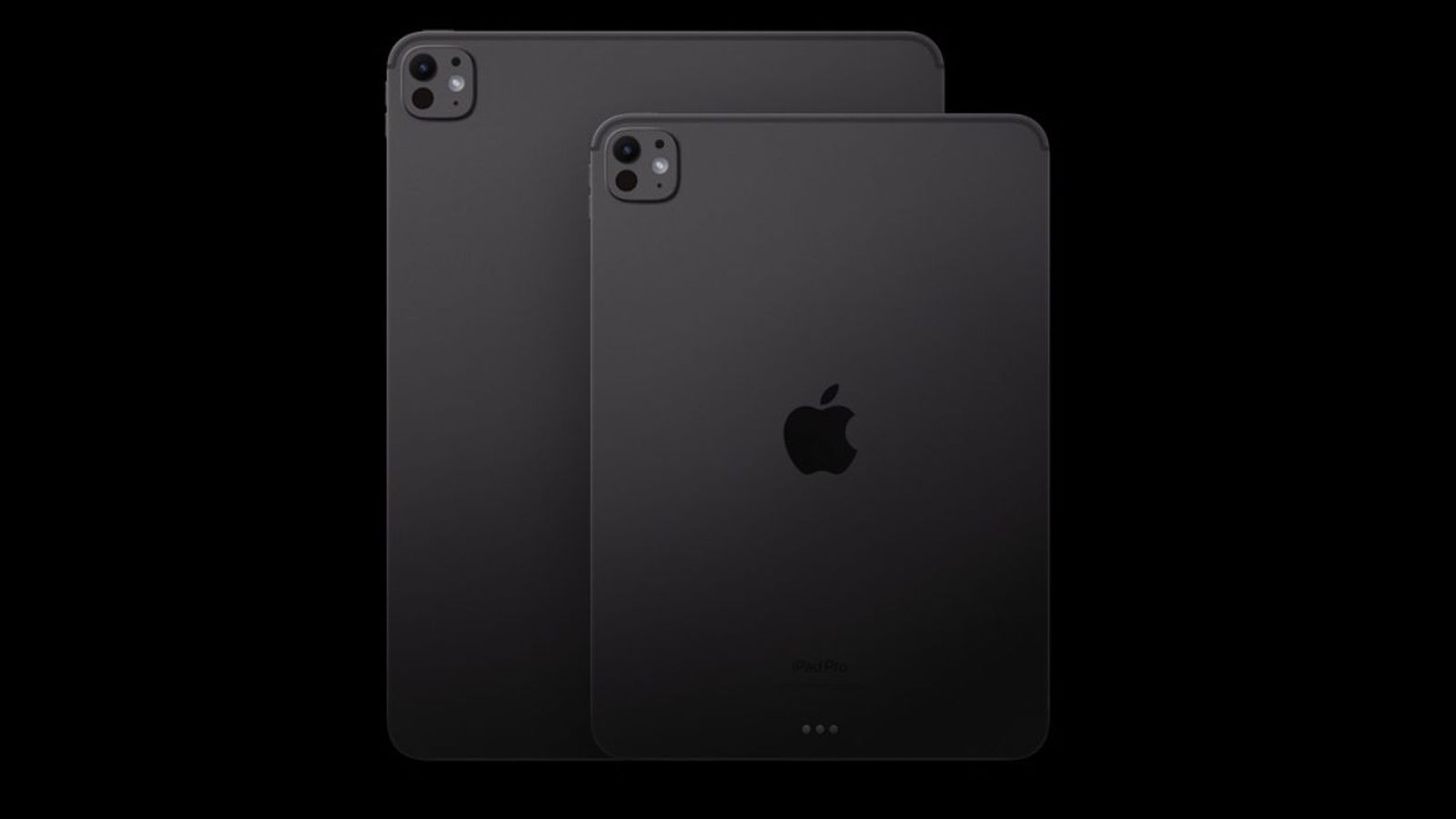
Apple has abandoned the idea of launching a foldable “iPad Ultra” after years of weak iPad Pro sales. Although the company expanded the “Ultra” brand to include products like the Apple Watch Ultra, M Ultra chips, and iPhone Ultra, the poor performance of the iPad Pro led it to exclude the device from this category. Previous reports indicated that iPad Pro sales declined due to high prices, with the 11-inch version starting at $999 and the 13-inch at $1,299, which led many to consider the device secondary to a phone or laptop.
The foldable version also faced technical challenges related to weight and screen, and it was expected to cost around $3,900, making it impractical for consumers. At the same time, Apple continues to work on other devices bearing the “Ultra” name, such as a foldable iPhone, a MacBook with a touchscreen OLED display, and AirPods with smart cameras, while the iPad Ultra project remains stalled with no plans for release.
Apple considers the future of MagSafe on the iPhone
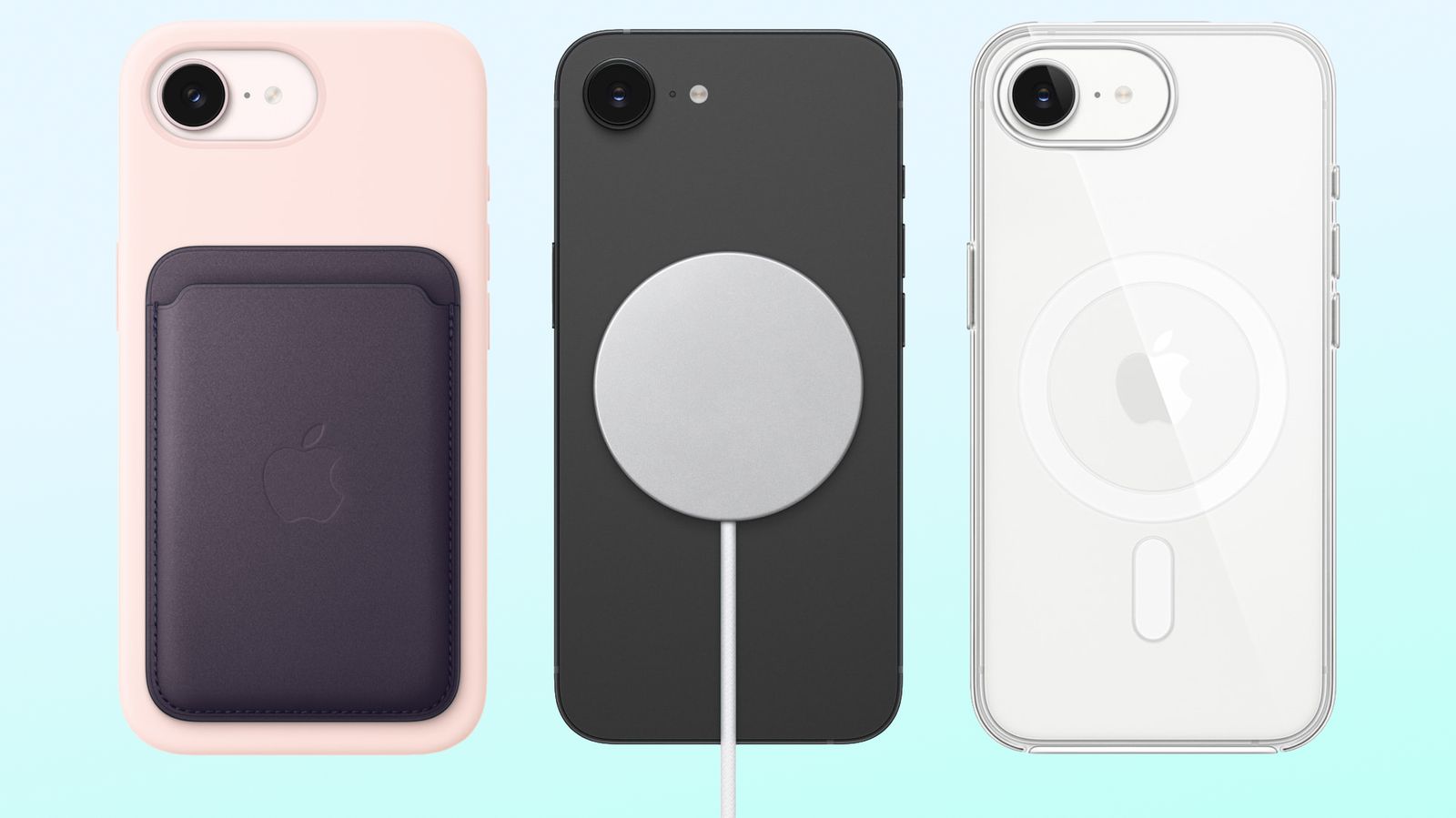
New reports indicate that Apple is internally discussing whether to continue including MagSafe in future iPhones. This technology first appeared with the iPhone 12 in 2020, relying on a magnetic ring behind the device to facilitate wireless charging and attach accessories like wallets, covers, and chargers. Although the system expanded significantly with broad support from third-party companies, some models like the iPhone 16e were released without MagSafe, which sparked widespread criticism and prompted Apple to bring it back in the iPhone 17e.
The current debate centers on the cost of adding magnets versus the importance of the accessory ecosystem, especially with the trend toward new devices like the foldable iPhone Ultra, which may be too thin to accommodate the feature. While removing MagSafe entirely seems unlikely due to the reliance of the Qi2 wireless charging standard on it, Apple may make it exclusive to higher-priced devices or rely more on cases equipped with magnets instead of integrating them directly into the device.
Significant increase in iPhone memory costs to quadruple
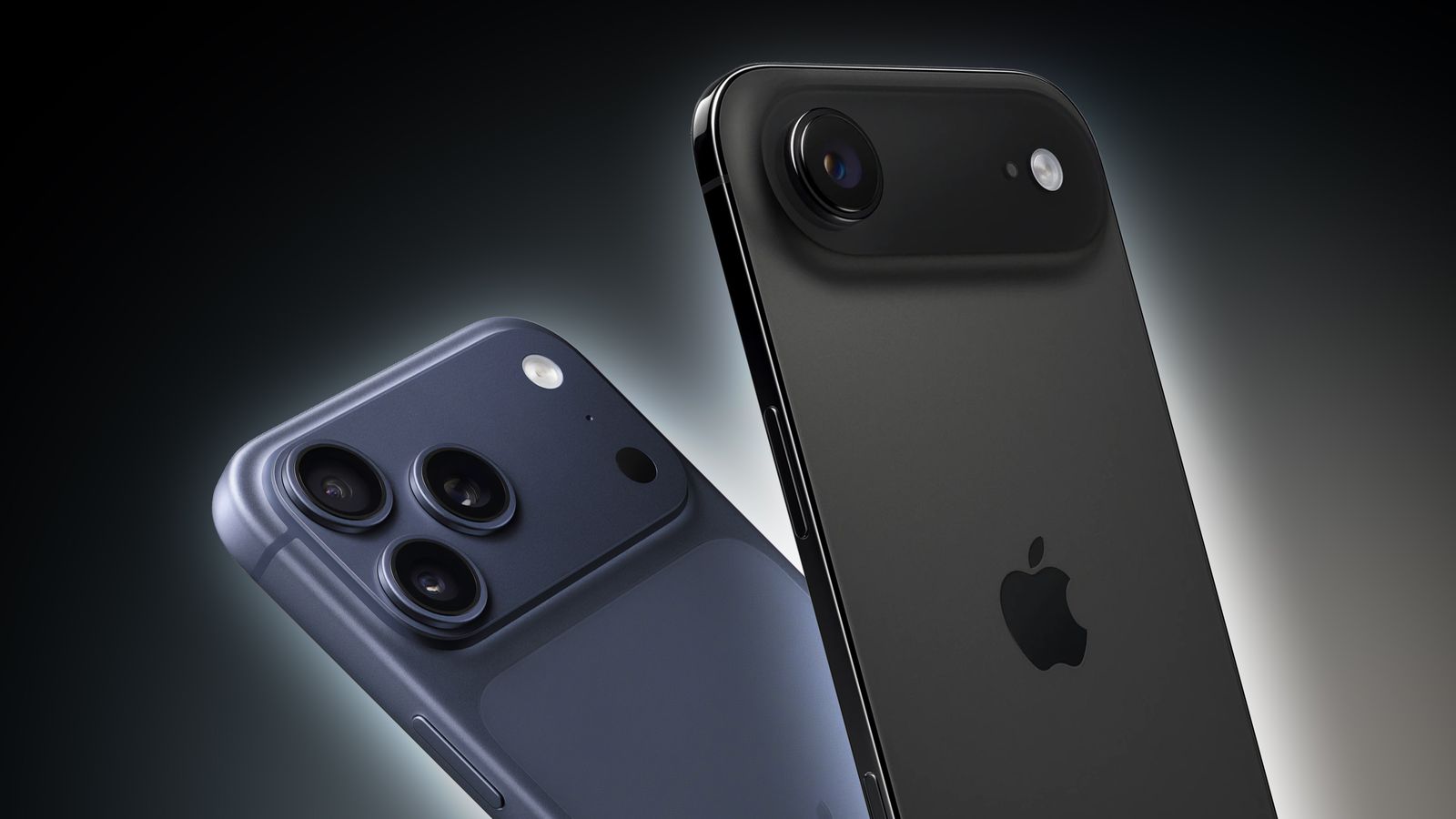
Banking reports indicate that the cost of memory in iPhones will rise significantly by 2027, accounting for about 45% of component costs instead of just 10% today. The main reason is intense competition with AI companies that are paying billions of dollars upfront to secure limited supplies from companies like Samsung and Micron, which has caused Apple to lose its previous ability to dictate its terms in the market.
This pressure is reflected in Apple’s future plans, as it is expected to launch the iPhone 18 series gradually, with the cheaper model delayed until spring 2027, while the Pro versions will be released in September alongside a foldable iPhone. With leadership transitioning to John Ternus as the new CEO, the decisive question will be whether Apple will absorb these costs or raise prices for consumers, especially in markets like India and China where competition is strong.
Notepad++ arrives on Mac

After more than 20 years of waiting, the famous code editor Notepad++ is now available as a native app on macOS. Previously, Mac users had to run it via compatibility tools like Wine or CrossOver, but now they can use it directly on Apple Silicon and Intel Macs.
The experience on Mac is almost identical to the Windows version, with support for over 80 programming languages, Tabbed Editing, search and replace, Macro recording, and Plugin support, but with an interface based on Apple’s Cocoa APIs. The app is completely free and open-source under the GNU GPL license, and it can be downloaded from the Notepad++ for Mac website without any ads or hidden costs.
YouTube tests “Ask YouTube” feature

YouTube has announced a trial of a new AI-based search feature, aimed at making searching feel more like a natural conversation rather than just entering keywords. Users can type complex questions in simple language, such as “Plan a 3-day road trip between San Francisco and Santa Barbara,” to get results that include AI-generated text summaries, short clips, and long videos with the most relevant parts highlighted.
The feature is available within the YouTube Labs program, which gives YouTube Premium subscribers in the United States a chance to try experimental features before their official launch. Among these features are also “Beyond the Beat” in the YouTube Music app, and “VibeCheck,” which provides tips for Shorts before they are published. The test is ongoing until June 8, and it may mark a significant step toward making search on the platform more interactive and intelligent.
AI photo editing tools in iOS 27

Apple is working on adding new tools based on Apple Intelligence within the Photos app in iOS 27, iPadOS 27, and macOS 27. These tools will allow for intelligent photo enhancement, such as adjusting colors and lighting, expanding the borders of an image to add extra scenery, or re-adjusting the capture angle after shooting.
The new tools include Extend for expansion, Enhance for automatic improvement, and Reframe for recomposition, alongside the existing Clean Up tool that removes unwanted elements. Although some tools may be delayed due to technical challenges, they will be officially showcased at the WWDC 2026 conference on June 8, where Apple will also reveal other updates such as Siri development.
Vision Pro used in the world’s first cataract surgery

The Apple Vision Pro headset has achieved a new medical milestone after an ophthalmologist in New York used it to perform the first cataract surgery using mixed reality technologies. Dr. Erik Rosenberg from the SightMD center developed a surgical platform called ScopeXR, which transmits 3D images directly to the device, allowing the surgeon to have a precise view of the surgical field while integrating pre-surgical diagnostic data, in addition to the possibility of immediate remote collaboration between doctors.
This usage reflects Apple’s focus on specialized professional applications such as medicine and industrial training, especially with weak consumer demand due to the high price and heavy weight of the device. Although Apple launched an updated version of the Vision Pro with the M5 chip in October 2025, reports indicate that development of any new versions has stopped, with the company focusing on lighter and more practical smart glasses.
High demand delays MacBook Neo shipping despite availability at other stores

The MacBook Neo continues to achieve strong success since its launch, to the extent that high demand has caused shipping delays via the official Apple website to reach two or three weeks in many countries. However, the device does not suffer from the same problem at stores like Amazon and Walmart, where it can be obtained very quickly within a day or two, sometimes with small discounts. The MacBook Neo is considered an economical option from Apple, with a price starting at $599, and reaching $699 for the higher version, with additional discounts for students. This high demand reflects the trend of users toward lower-cost Mac devices while maintaining performance suitable for daily use.
OpenAI enters the phone race to rival the iPhone
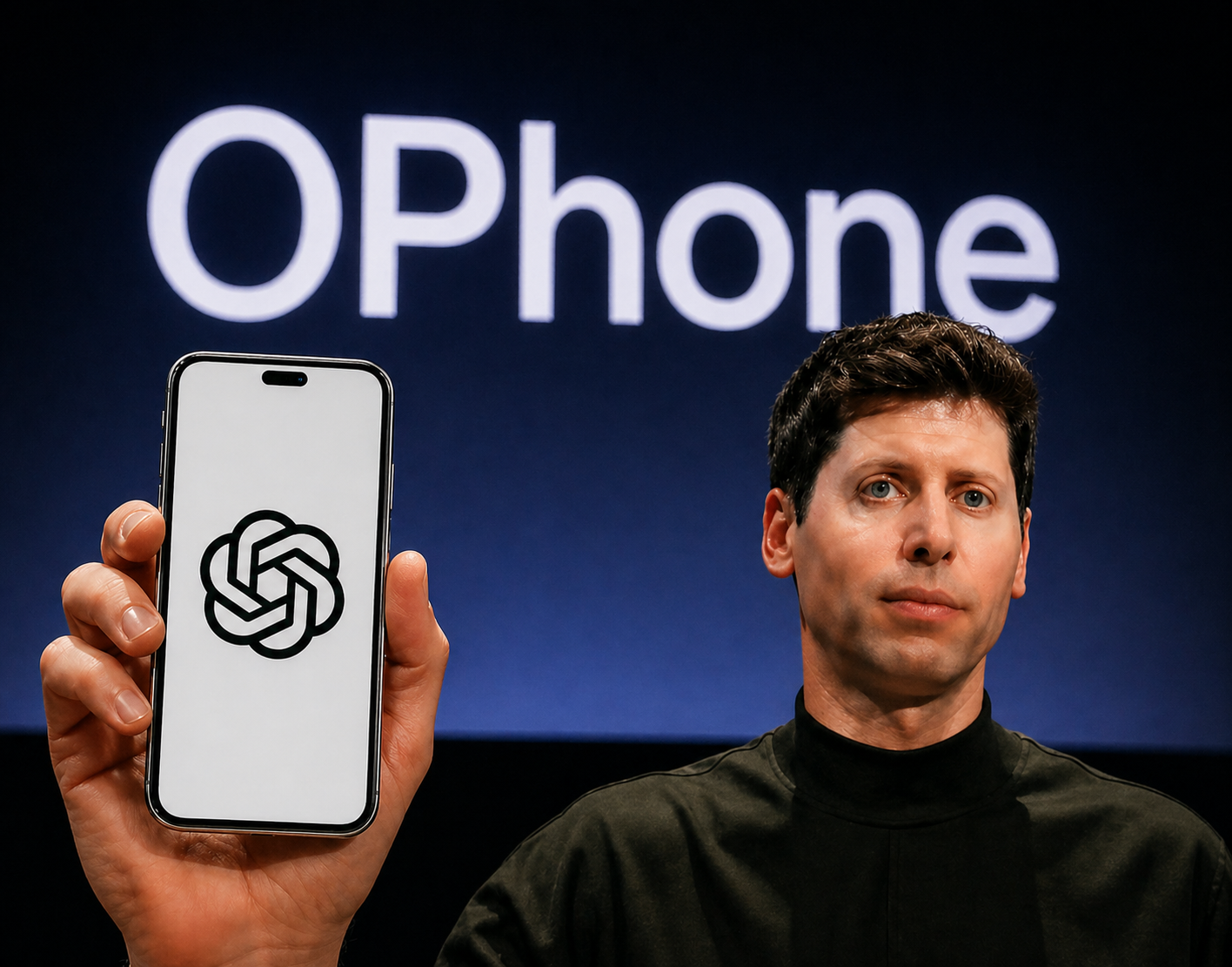
OpenAI is preparing to enter the smartphone market with a new device that relies primarily on artificial intelligence, in a surprising move after previously ruling out this direction. According to leaks, the company will collaborate with Qualcomm and MediaTek to provide processors, while Luxshare Precision Industry will handle manufacturing, with a production plan for 2028. The core idea of the phone is to rely on “AI agents” instead of traditional apps, so that the device understands the user and their context continuously and executes tasks directly without the need to open different apps.
The company believes that the phone is the best device to achieve this because it accompanies the user all the time and collects important data such as location, activity, and communication. This approach may change the way we use phones entirely, and puts the device in direct competition with the iPhone, especially with OpenAI’s ambition to control the system and the entire experience and offer subscription-based services.
XChat app arrives on iPhone as a new competitor to chat apps

X has launched a new messaging app called XChat that works separately from the main app, allowing users to chat privately with ease away from the platform’s clutter. The app supports individual and group messages, voice and video calls, and file sharing, with the company confirming the existence of full end-to-end encryption for messages and additional protection with a PIN code, without ads or tracking. It also provides features such as disappearing messages, editing or deleting messages, and alerts when someone attempts to take a screenshot. The app is free and works on iOS 26 and later, offering multiple customization options, with a quick button to return to the main app. Currently, it is available on iPhone and iPad in the United States, while a release date for the Android version has not been set yet.
Miscellaneous News
◉ Apple lost its attempt to delay the case with Epic Games, as the Court of Appeals decided that the case should return to the lower court to determine the fees that Apple can charge developers when directing users to external payment options. This decision ended Apple’s strategy of buying time and confirmed that the Supreme Court might not even hear the case. Now, Judge Yvonne Gonzalez Rogers will determine whether Apple has the right to charge any commission on these external links.
◉ Leaks indicate that the iPhone 18 may get 12GB of memory, a significant jump for the standard category to keep up with upcoming AI capabilities. It is also expected to run on a new 2nm processor that offers better performance without consuming extra power, which enhances the overall user experience. It is likely that the launch of the standard version will be delayed until 2027, with Apple focusing on strongly supporting new AI features in this generation.
Sources:
1 | 2 | 3 | 4 | 5 | 6 | 7 | 8 | 9 | 10| 11| 12| 13| 14



Leave a Reply