In the world of smartphones, the battery has always been a weak point that has never been fully resolved. For years, a capacity of 5000 mAh remained a ceiling that was difficult to exceed, with incremental improvements that the user could barely feel. But suddenly, the landscape changed. Silicon-carbon batteries emerged, and battery capacity began to jump unprecedentedly. Phones like the OnePlus 15 (7300 mAh battery) and Honor Power 2 (10080 mAh battery) broke the rule, offering massive batteries within slim and elegant designs. This raises a puzzling question: why do companies like Apple, Samsung, and Google still stick to traditional lithium-ion batteries in their smartphones?
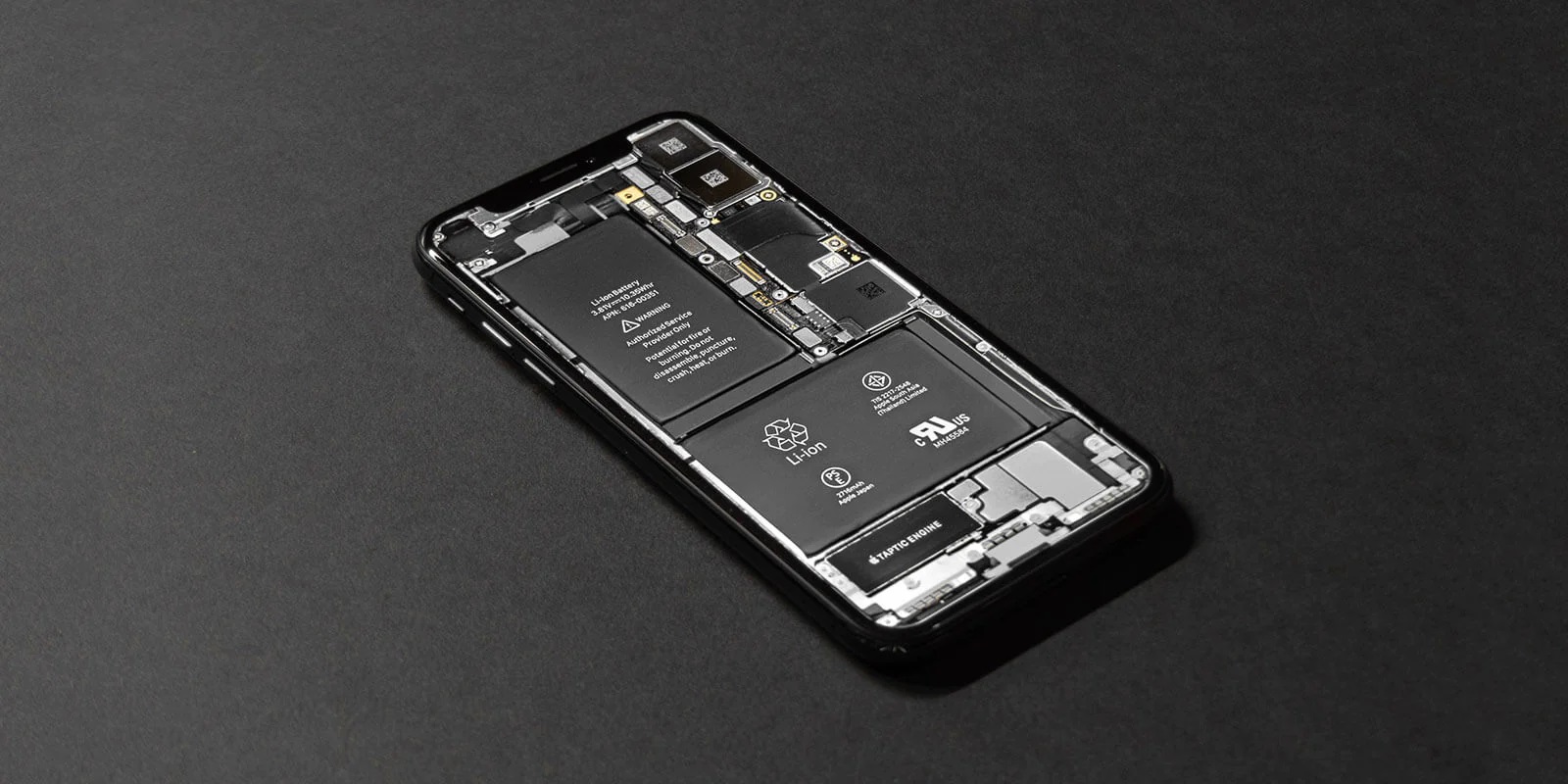
Why does Apple ignore silicon-carbon batteries?
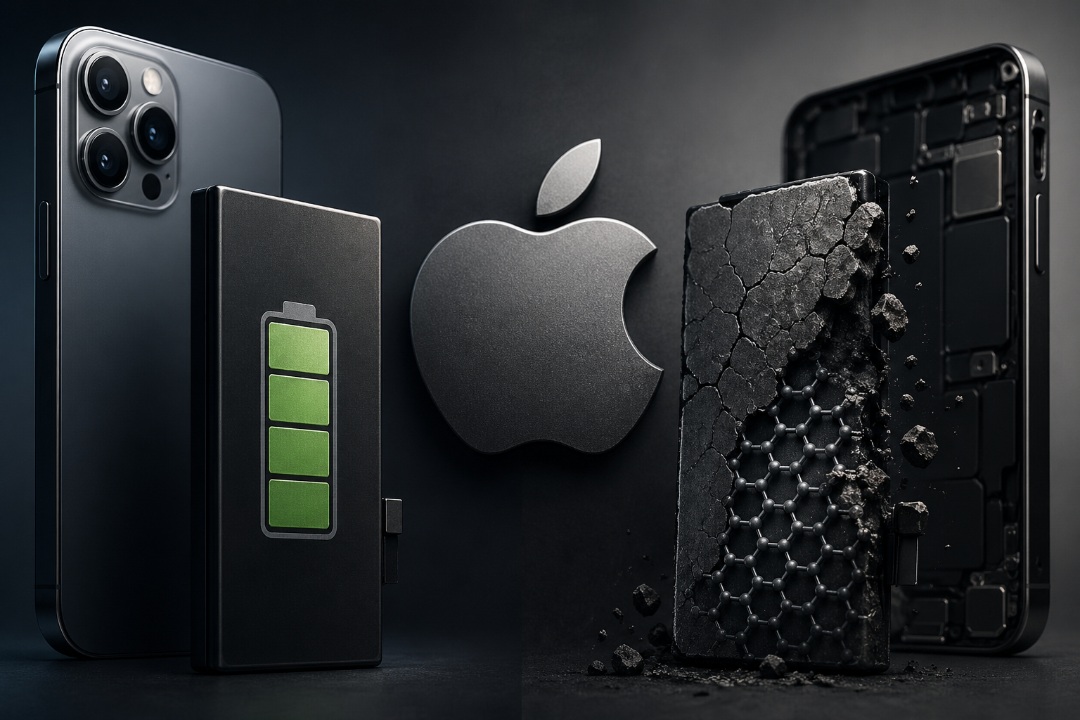
When we talk about companies like Apple, Samsung, and Google, it’s not just about specs; it’s about reputation. These companies don’t just sell a phone; they sell trust to their users. Any error in a sensitive component like the battery could turn into a disaster. The biggest example of this is what happened with the Galaxy Note 7, which turned into a global crisis due to battery issues. From here, the decision becomes more complex: do you risk a new, not fully tested technology? Or do you wait until it matures, even if you are late? Of course, no one wants to repeat the battery explosion disaster that cost Samsung billions of dollars and a terrible historical reputation. Big companies prefer to arrive late rather than risk launching a product that might swell or explode in users’ pockets.
Industry experts’ opinion
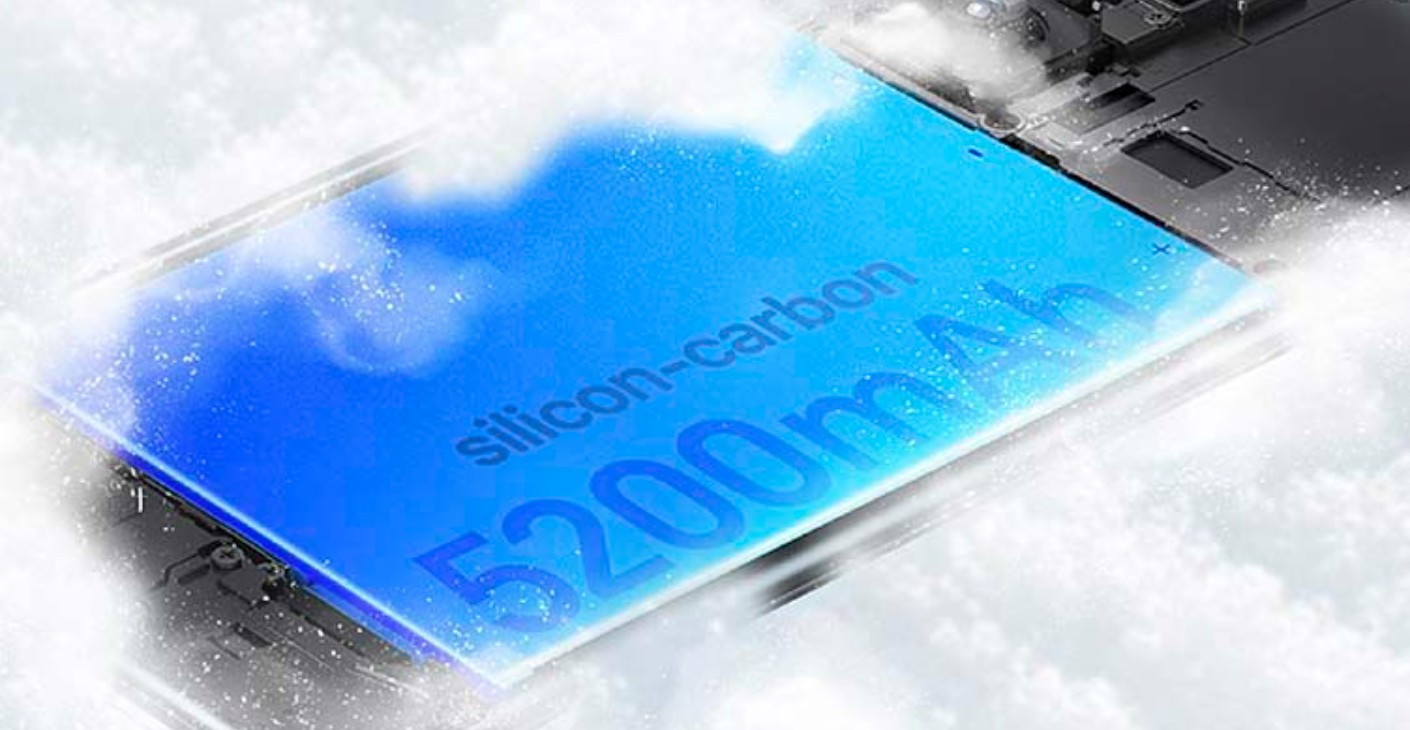
YouTuber Marques Brownlee tried to answer the question of why Apple refuses to give you a battery that lasts 3 days in the iPhone, noting that caution is the primary factor. He explained that Apple and other companies have concerns regarding silicon-carbon batteries and their long-term stability.
Perhaps the reason lies in the nature of these types of batteries. Silicon and carbon batteries expand and contract more than traditional lithium-ion batteries during charging and discharging. This natural movement could lead to faster degradation over time or even issues like swelling and subsequent explosion. In other words, these new batteries offer amazing performance, but their stability has not been tested enough yet.
A different perspective
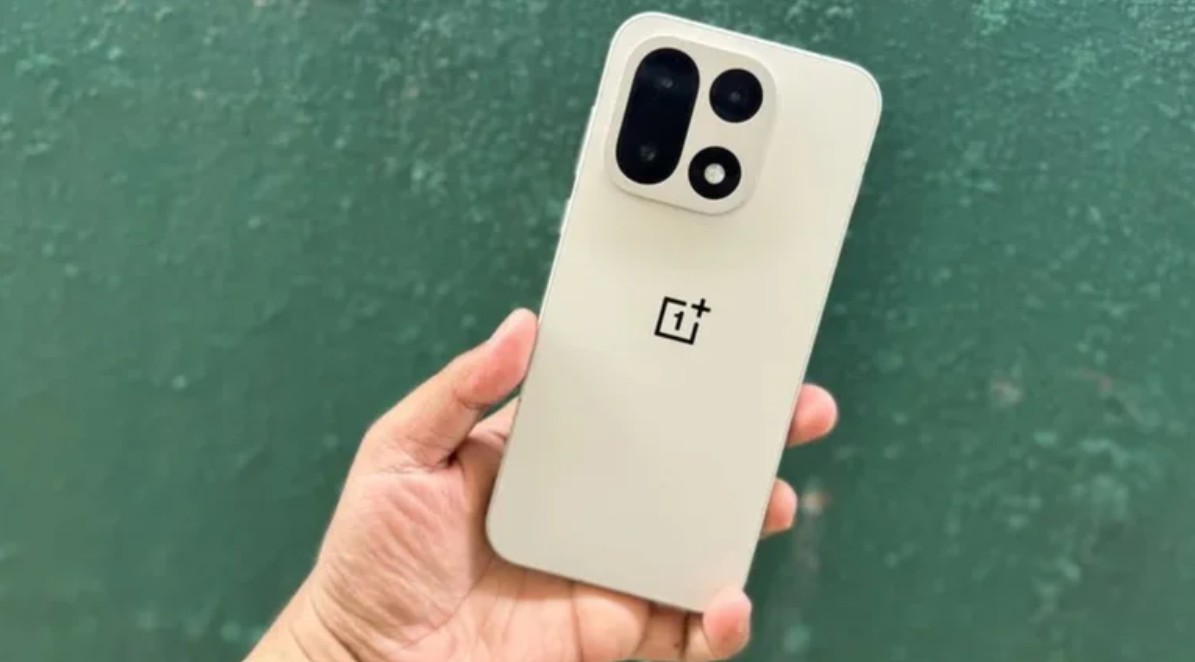
Unlike Apple, which treats these batteries with caution, Chinese companies have already adopted the technology and pushed it into the market aggressively. If there were serious problems, they would have appeared clearly by now. This opens the door to another interpretation: perhaps it is not about the risk as much as it is about strategy. Large companies prefer to play the long game, while smaller companies are willing to take risks to attract attention and achieve a quick leap.
Finally, it can be said that a user looking for a battery that can last for a long time should turn to new Chinese phones and enjoy a battery that doesn’t run out. As for the user who wants a safe and guaranteed device for many years, they will have to live with limited lithium-ion batteries until Apple decides that the time has come to increase the battery capacity in the iPhone more than usual.
Do you think Apple’s ignoring of silicon-carbon batteries is a calculated decision or an unjustified delay? Let us know in the comments!
Source:


Leave a Reply