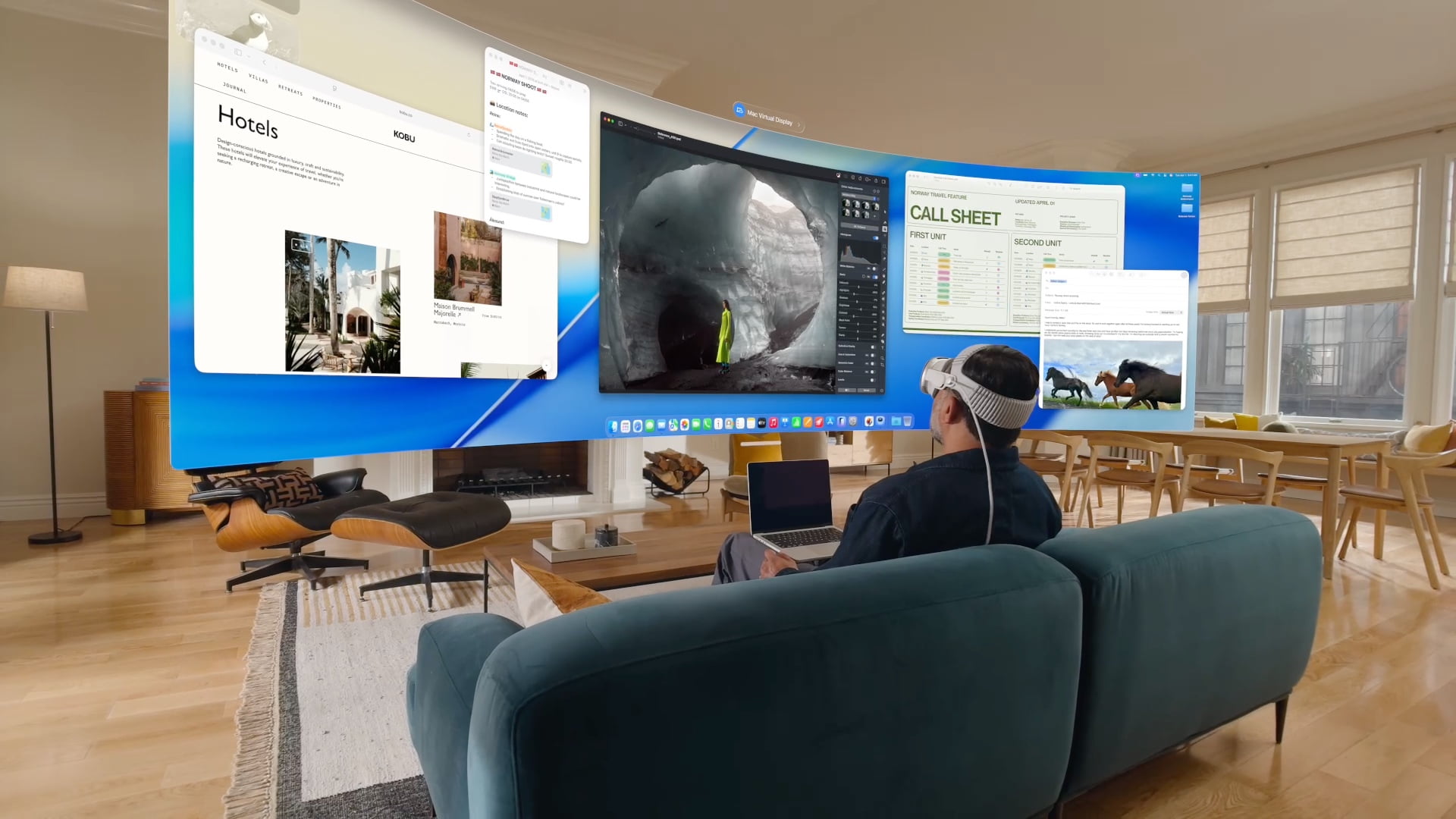
It seems Apple has finally realized that wearing a “giant screen” on your face all day might not be the future everyone currently desires. In a quiet strategic shift, the company has decided to reduce its focus on developing bulky, enclosed virtual reality headsets, steering its engineers toward lighter and more wearable devices, led by smart glasses. This change does not just mean delaying the launch of a new version of the Vision Pro; it also suggests that upcoming software updates for the platform may not be as exciting as we had hoped.
Dismantling Teams and Restructuring… Where Did the Vision Engineers Go?
Behind the scenes, Apple dismantled the “Vision Products Group” over a year ago, merging its staff into the broader hardware and software engineering departments. Mike Rockwell, the man who led this ambition, now spends most of his time overseeing Siri and visionOS as a single entity. According to Mark Gurman, most of Rockwell’s talented deputies have moved with him to focus on artificial intelligence and the voice assistant, leaving the development of the headset in more of a “maintenance” mode rather than radical innovation.
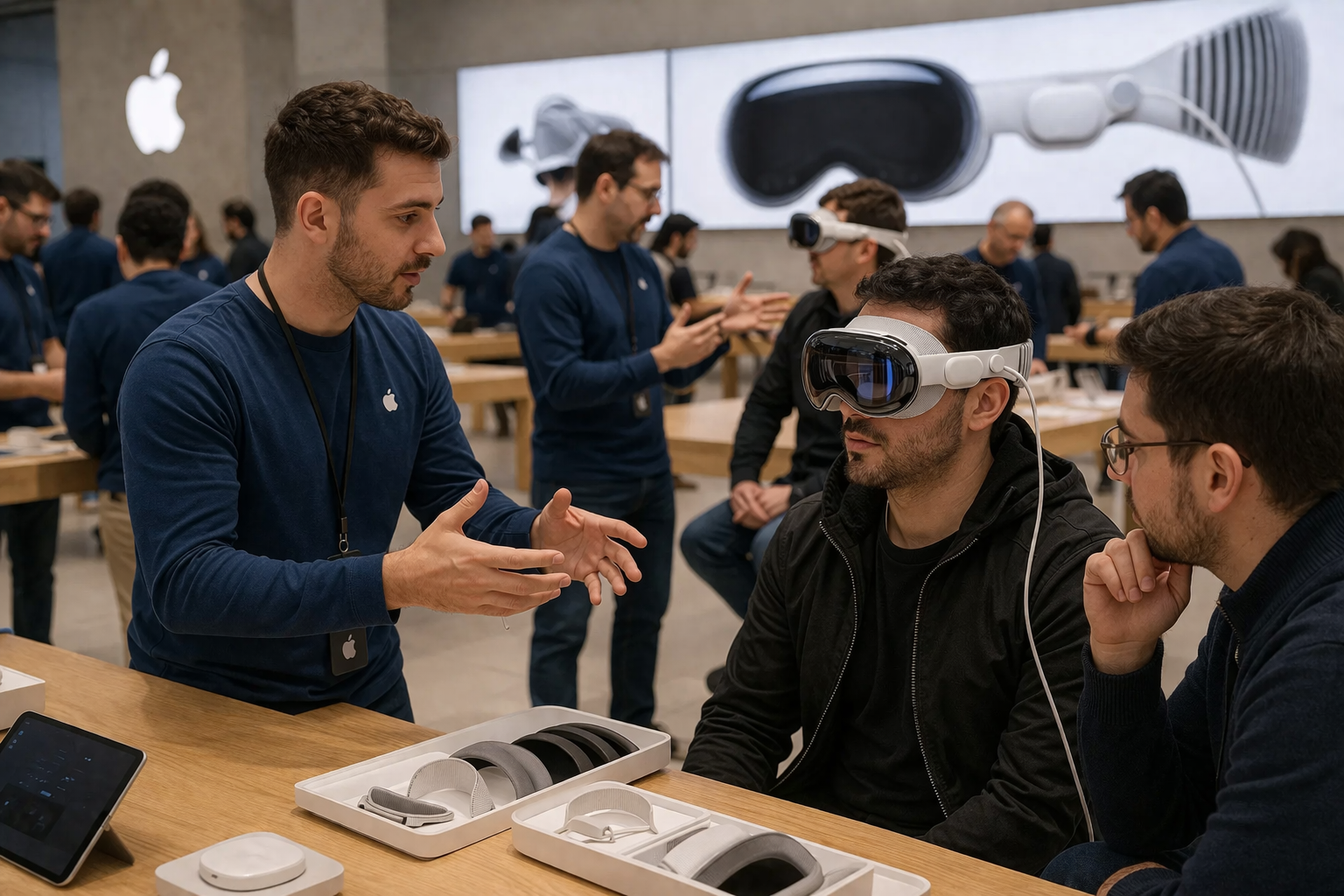
This structural change came as a direct result of a harsh reality; the $3,500 Apple Vision Pro did not achieve the desired adoption, prompting the company to scale back production. Although Apple is still posting engineering jobs related to spatial computing, insiders confirm that these roles are actually targeting Apple’s bigger and more difficult dream: lightweight augmented reality glasses that resemble traditional eyewear.
Canceling the Budget Version and Searching for Smart Alternatives
There were hopes for the launch of a cheaper version known as “Vision Air,” but reports indicate that Apple canceled the development of this model last year. Any new enclosed headset will not see the light of day for at least two years. Even John Ternus, the man seen as a potential successor to Tim Cook, was not known for having great enthusiasm for the Vision Pro project during its development stages, though he views it as a “necessary technical step” to reach the ultimate goal.
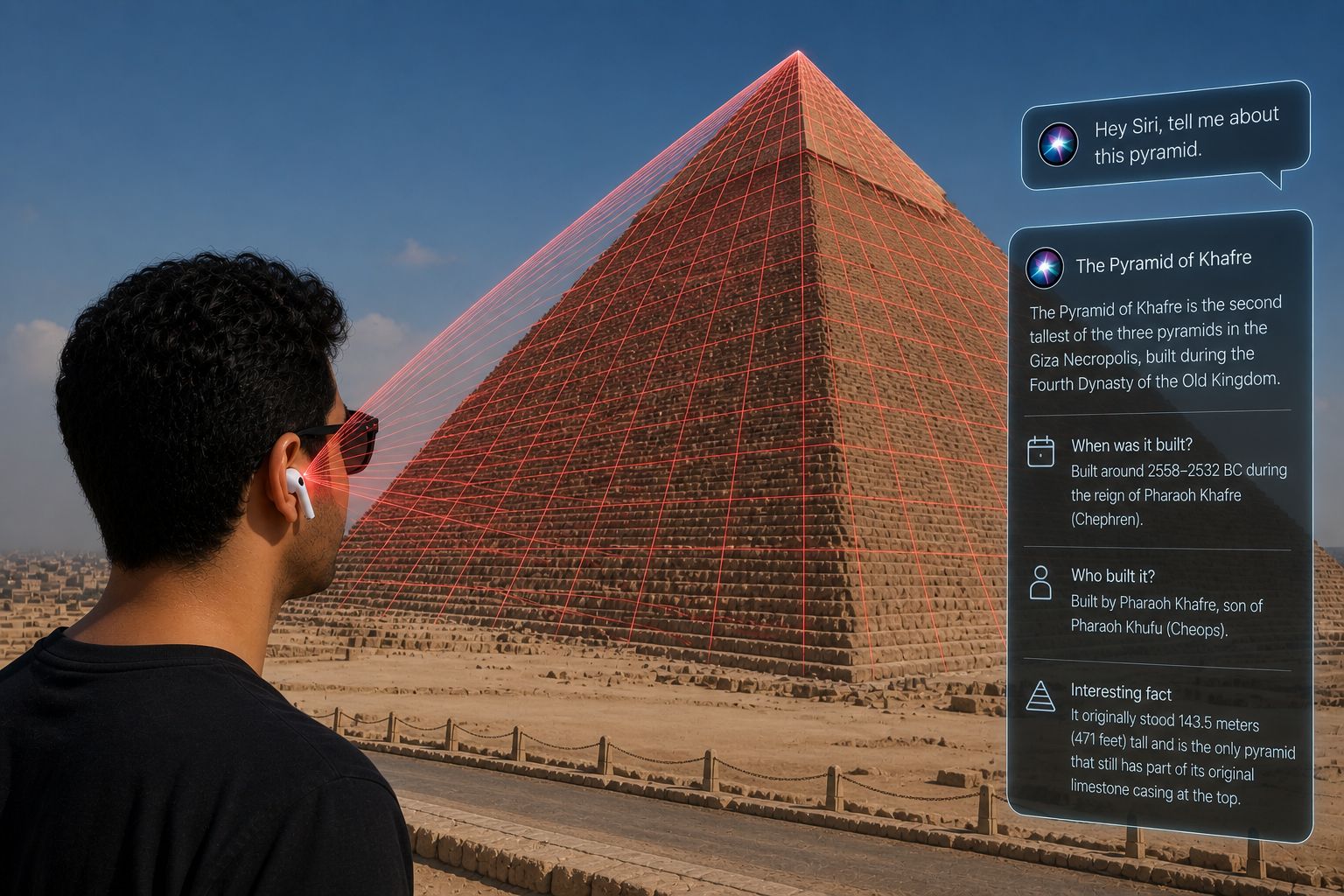
Instead of focusing on heavy headsets, Apple is now putting its weight behind smart devices powered by artificial intelligence. We are talking about AirPods equipped with cameras and other products aimed at giving Siri and “Apple Intelligence” visual context of the user’s surroundings—a direction that seems more practical and profitable than trapping the user behind isolated internal screens.
visionOS 27… An Update for Parity, Not Innovation
Since engineering interest has shifted, it is expected that visionOS 27 will be an update primarily focused on bug fixes and performance stability. The goal here is to achieve “feature parity” with iOS 27 and macOS 27, especially regarding new Siri and AI features, rather than introducing entirely new and revolutionary spatial computing experiences.
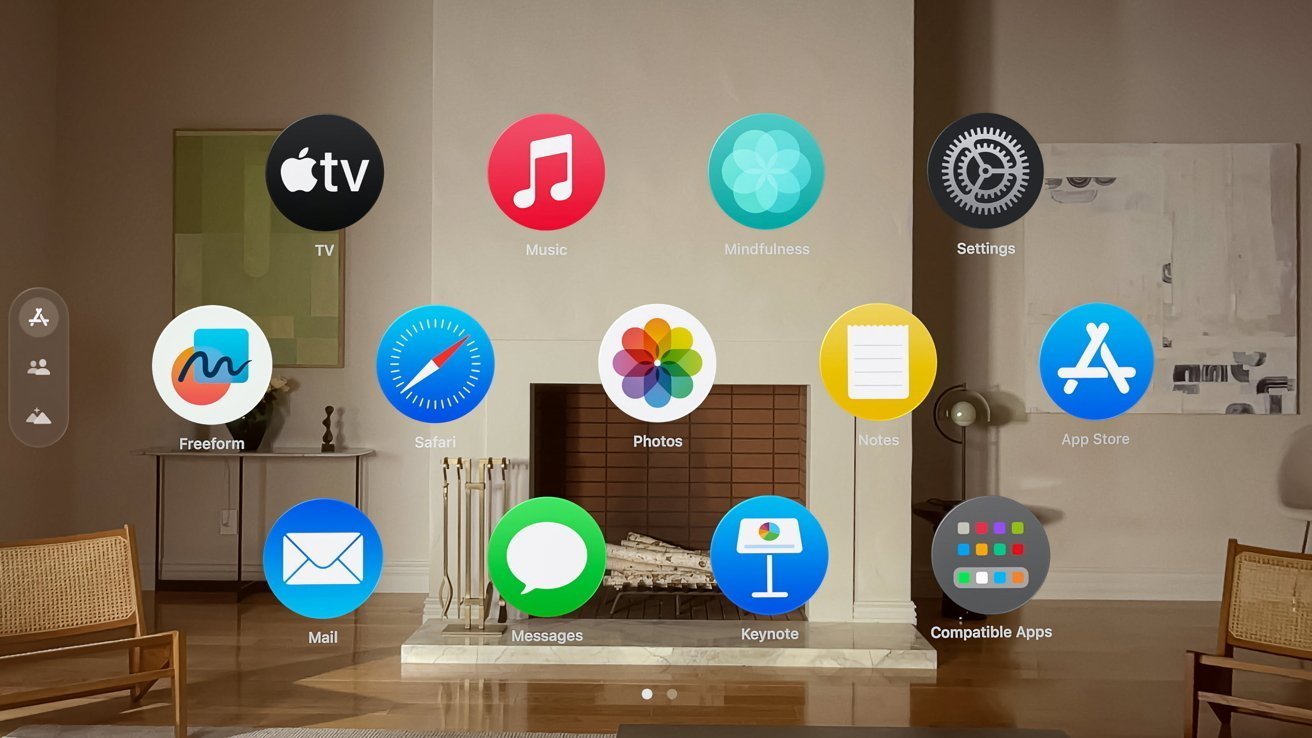
Apple wants to keep its system interface consistent across all devices, which means Vision Pro users will receive interface improvements similar to those found in the new macOS, while addressing previous complaints regarding usability. However, do not expect any fantastical leaps in how we interact with virtual reality in the near term.
Apple’s Long-Term Vision: Are Glasses the Solution?
Leadership at Apple still believes that the Vision Pro was necessary to develop core technologies, such as eye and hand tracking and 3D content display. But the current trend leans toward integrating these technologies into simpler frameworks. Instead of offering an expensive home cinema device, the focus seems to be shifting toward enhancing daily life with an intelligent assistant that sees what you see through lightweight glasses or even upgraded earbuds.
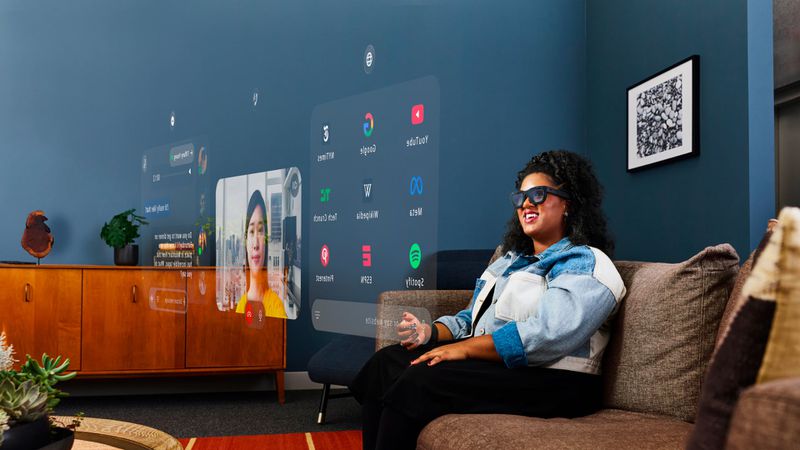
Ultimately, it seems Apple is following a “step back to leap forward” policy. Deprioritizing enclosed headsets is not a surrender, but an acknowledgment that the technology has not matured enough to make everyone wear something that looks like a helmet in a coffee shop, while smart glasses and camera-equipped earbuds may be the winning horse in the upcoming AI race.
Source:
Leave a Reply