It seems the battle of the giants in the world of artificial intelligence is no longer limited to who writes better poems or who codes faster; it has now moved to the grand digital battlefield: cybersecurity. OpenAI has officially announced the launch of the “Daybreak” initiative, a strategic defensive move aimed at redefining the concept of software protection using the capabilities of its advanced language models. This initiative is not just a passing project, but a direct and clear response to the “Glasswing” project launched by rival company Anthropic, confirming that artificial intelligence has become both the shield and the sword in the face of increasing digital threats.
Daybreak vs. Anthropic’s Ambitions
If you follow tech news, you have certainly heard of Anthropic’s Glasswing project, which relies on the yet-to-be-announced Claude Mythos Preview model. This project has recently demonstrated amazing efficiency; the Mozilla Foundation revealed that this model helped it discover and fix 271 security vulnerabilities in the famous Firefox browser. OpenAI, which usually does not accept second place, decided to raise the bar of the challenge through Daybreak, utilizing its arsenal of advanced models, led by the specialized security agent, Codex Security.
The philosophy of Daybreak is based on a core principle: cybersecurity should not be just a reactive process or a search for vulnerabilities after the damage is done, but rather an essential and integrated part of the software development process from the very first line of code. Through this initiative, OpenAI aims to reduce the long hours of analysis spent by human experts to mere minutes, with the ability to generate and test software fixes directly within code repositories, providing results documented with evidence and ready for audit.
The GPT-5.5 Arsenal in the Service of Digital Security
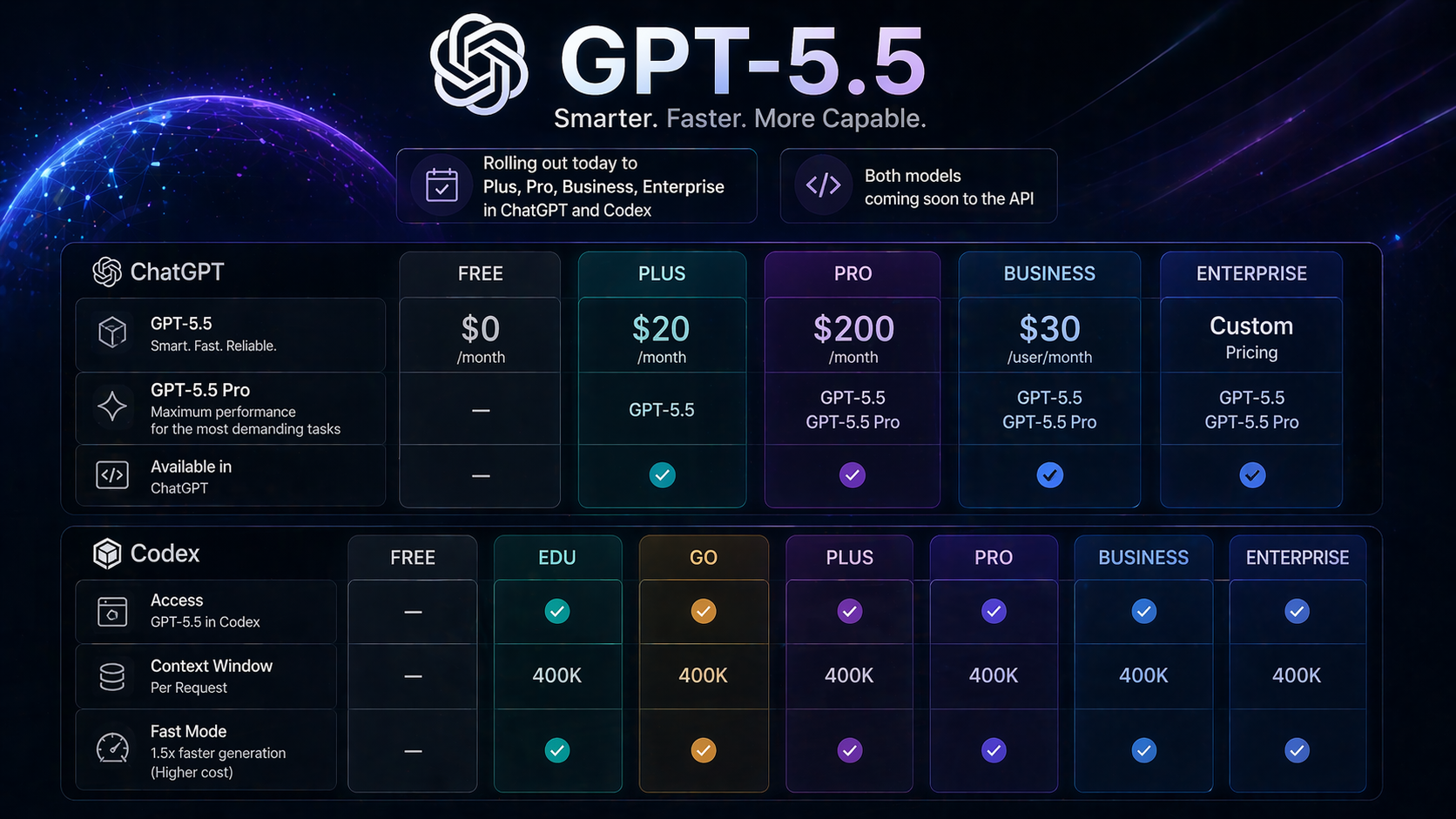
What distinguishes Daybreak is its reliance on the latest technologies developed by OpenAI. The general-purpose GPT-5.5 model will be used, while a special version called “GPT-5.5 with Trusted Cybersecurity Access” will be employed to handle complex defensive workflows. This includes secure code review, vulnerability classification based on severity, malware analysis, threat detection engineering, and even verifying the validity of software fixes before they are approved.
OpenAI did not stop there; it also introduced the GPT-5.5-Cyber model, dedicated to more specialized operations such as authorized “Red Teaming,” penetration testing, and controlled system verification. These tools are designed to act as a security expert that never sleeps, monitoring code, analyzing high-risk vulnerabilities, and fixing them in the blink of an eye, as demonstrated in the company’s presentation where Codex scanned a software database and secured it completely.
Major Alliances to Secure the Future
OpenAI realizes that powerful artificial intelligence needs strong partners on the ground, which is why Daybreak did not launch alone. The initiative is already backed by partnerships with giants in the networking and security fields, including Cloudflare, Cisco, and Palo Alto Networks, in addition to Oracle, Akamai, and CrowdStrike. This alliance aims to ensure that defensive AI tools are compatible with the systems that manage global data flow.
In the end, it seems we are entering a new era where software is built, fixed, and protected by intelligent algorithms that far exceed human speed. The question now is not whether artificial intelligence will change cybersecurity, but who will possess the most powerful intelligence to protect our digital world from attacks that will, in turn, use similar artificial intelligence.
Source:



Leave a Reply