Beware: The Google Chrome browser is downloading a 4GB file without your permission, the announcement of Android 17 and Gemini intelligence, a massive hack of Foxconn with Apple’s secrets at risk, leaks revealing 8 new Apple products, Apple defending Google before the European Union, the brightest iPhone screen is still a long way off, the iPhone 18 Pro may come at a competitive price, a US commemorative coin honoring Steve Jobs, Apple secretly acquiring the color grading tool Color.io, the foldable iPhone Ultra to be released in only two colors, Apple boosting iPhone sales in America, Samsung beating Apple to the launch of AI glasses by months, and other exciting news on the sidelines…

Android 17 arrives with a massive suite of AI features
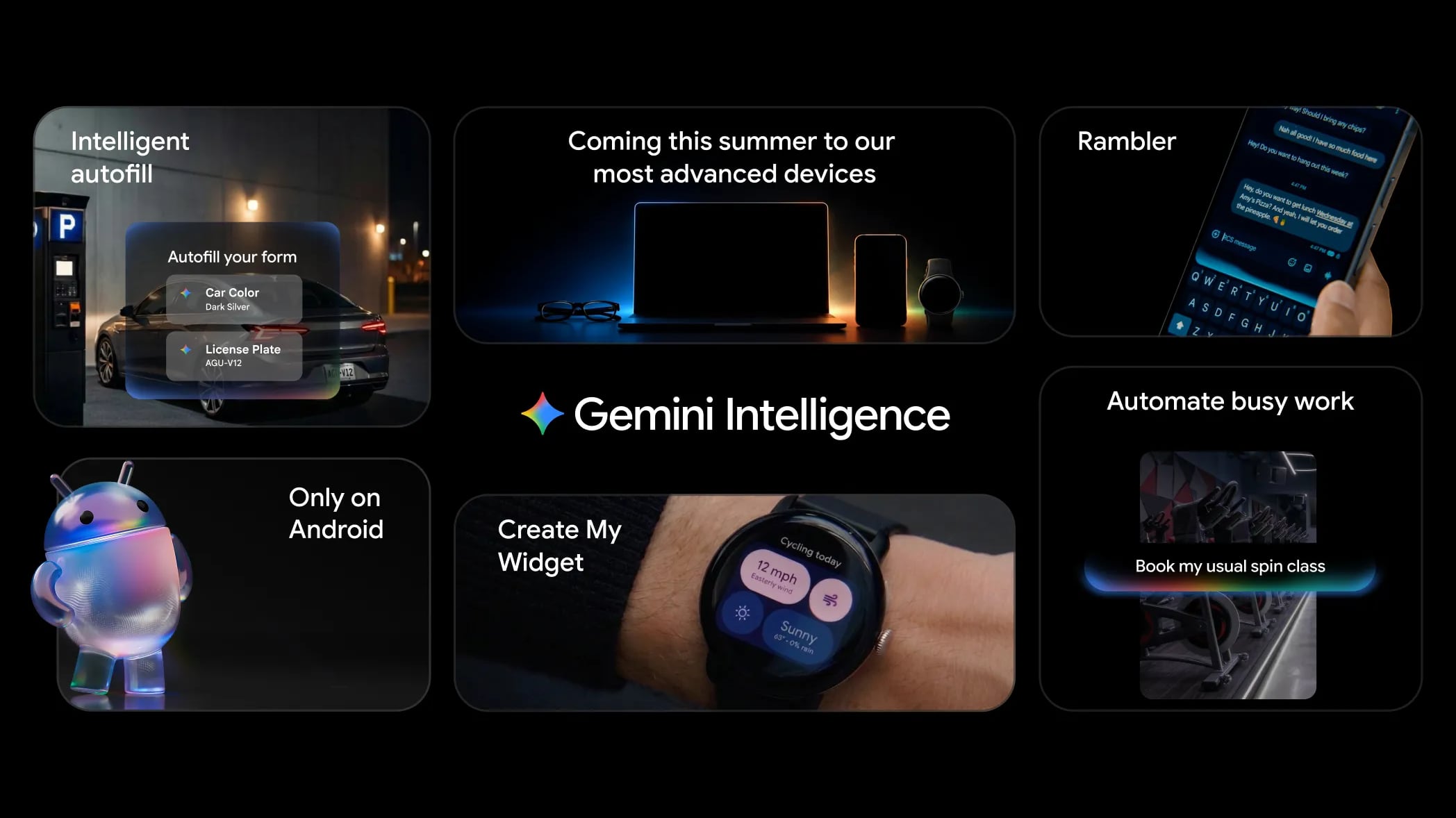
Google has unveiled Android 17, which represents a fundamental shift in the company’s philosophy, as it no longer describes it as an operating system but as an “intelligence system” under the name “Gemini Intelligence,” in a clear signal to compete with Apple Intelligence. This announcement comes about a month before Apple’s announcement of iOS 27 with its new smart features. The new features are led by expanding Gemini’s capabilities to perform tasks independently, such as booking appointments and completing purchases, as well as understanding and interacting with what appears on the screen, such as seeing a shopping list in a notes app and automatically adding the products to a delivery cart.
Other notable features include “Rambler” for smart voice dictation, which removes filler words and converts speech into concise, multilingual messages, and “Create My Widget,” which allows the user to create custom widgets on the home screen simply by describing what they want in natural language. Android 17 also supports smart text auto-fill using information from Gmail and Google Photos, along with improvements in the Chrome browser including search, summarization, comparison, and even automatically booking parking spots and scheduling appointments.
In terms of other improvements, Android Auto gets a new design, 3D map support, and deeper integration with Gemini to accomplish tasks while driving, such as replying to messages or ordering food. Google has also collaborated with Meta to improve the quality of photos and videos uploaded to Instagram from Android devices. Perhaps the most eye-catching feature is “Pause Point,” which gives the user a forced ten-second pause before opening apps classified as distracting, with options to breathe or set a usage time. Gemini Intelligence features will begin arriving on the latest Samsung and Pixel phones this summer, later extending to smartwatches, cars, glasses, and computers.
Apple boosts iPhone sales in America despite the smartphone market decline
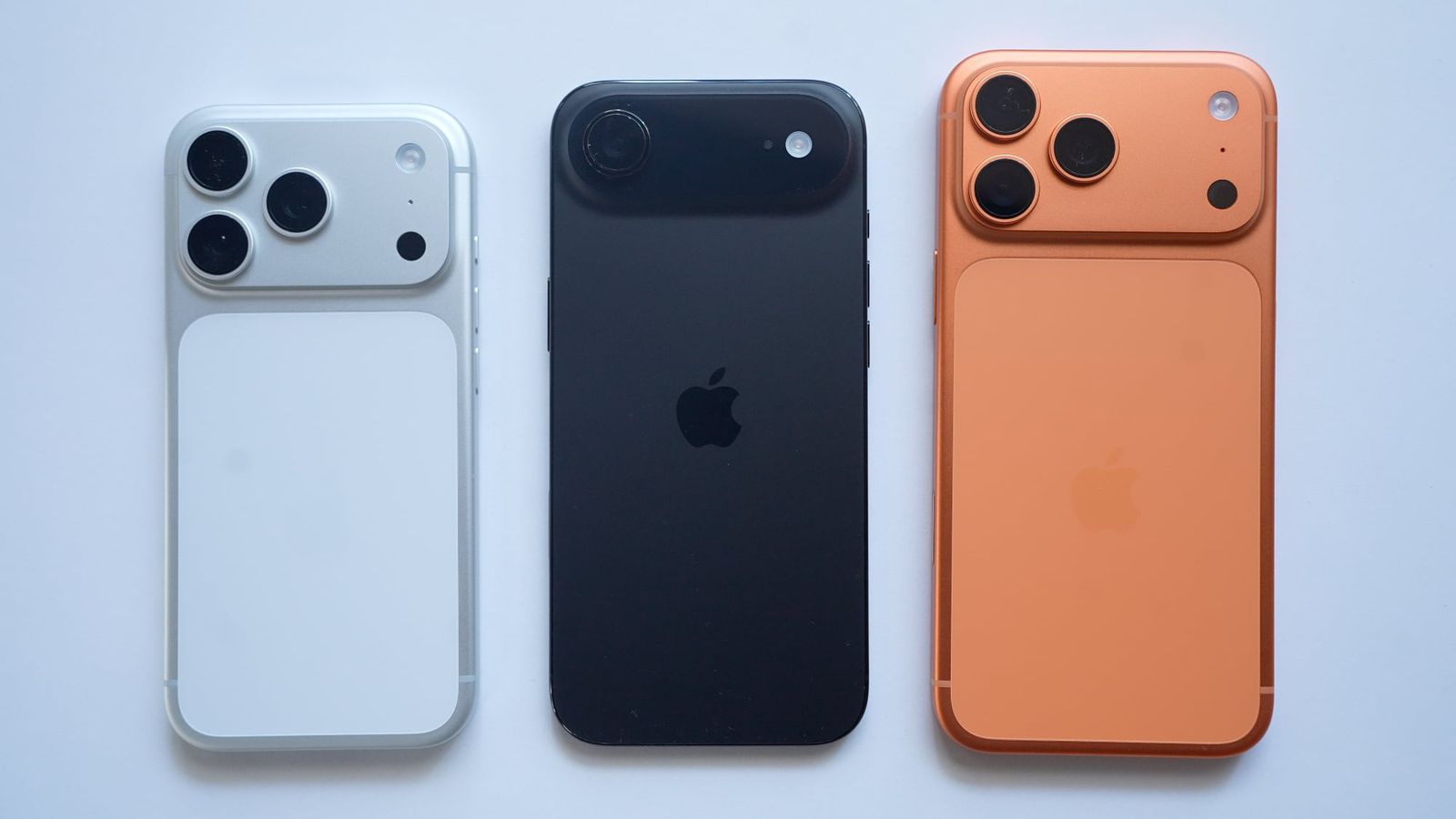
Apple succeeded in achieving a 1.3% growth in iPhone sales in the United States during the first quarter of 2026, while the overall US smartphone market declined by 5.7% and Android device sales fell by 14.4%, raising Apple’s market share to 75% of phone sales among major US carriers. Analysts attribute this success to the strong performance of the iPhone 17 and the delayed launch of its competitor, the Samsung Galaxy S26, as well as Apple’s decision to maintain iPhone 17e prices while increasing storage capacity at a time when its competitors are forced to raise their prices. However, the challenges are not over, as CEO Tim Cook expects the RAM shortage crisis and rising costs to cast a shadow over Apple in the second half of 2026, without disclosing plans for dealing with these high costs.
Meta launches “Incognito Chat” mode in its AI app
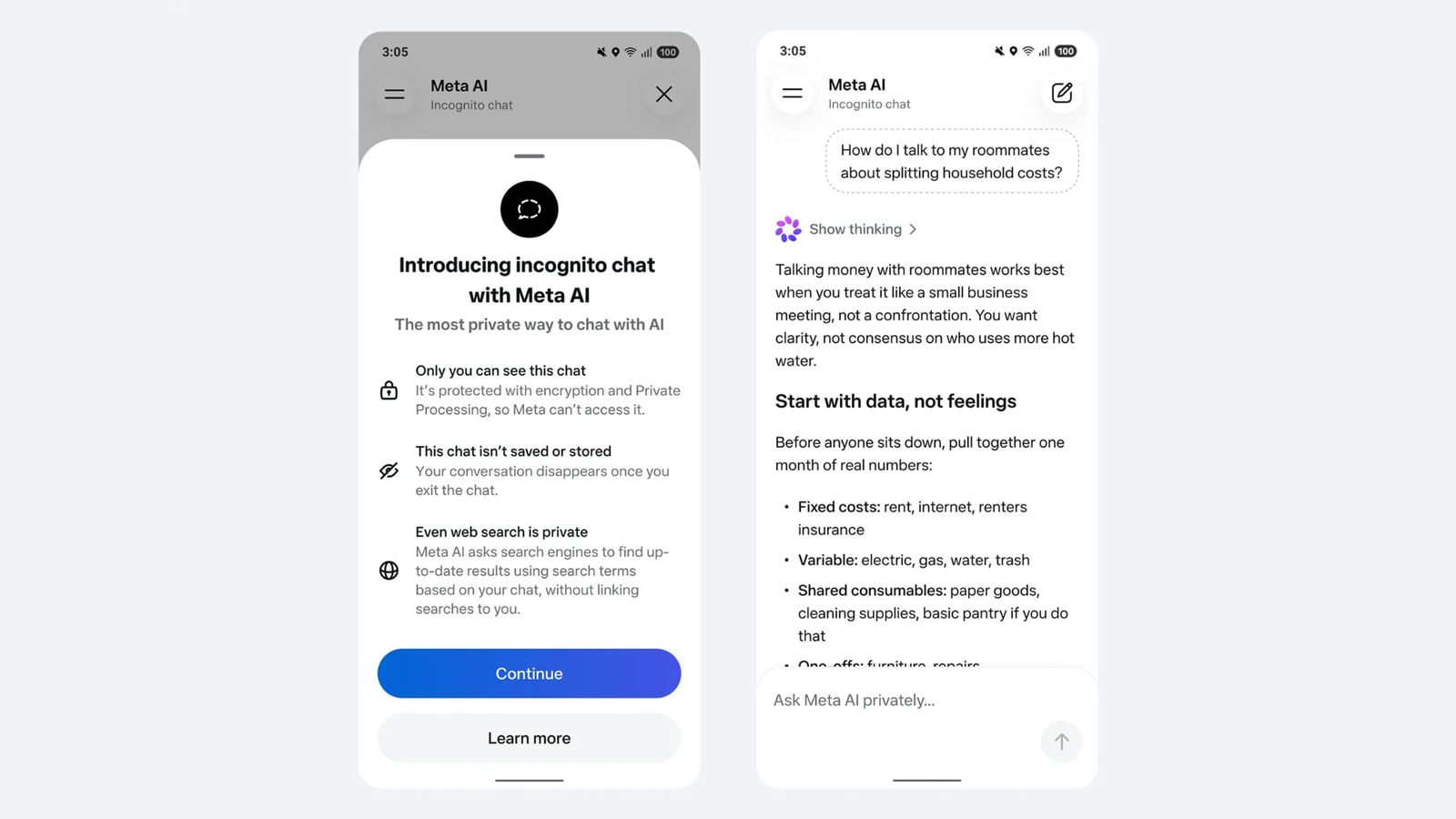
Mark Zuckerberg announced the addition of “Incognito Chat” mode to the Meta AI and WhatsApp app, describing it as the first major AI product that does not store any chat history on its servers. Conversations take place in an isolated environment that Meta itself cannot access, and they disappear automatically when the chat is closed without anything being saved. Internet searches are also conducted privately without being linked to the user’s identity. This announcement comes at a notable time amidst lawsuits facing OpenAI due to stored conversations in ChatGPT that were involved in death cases, while Google and OpenAI keep temporary chat logs for 3 and 30 days respectively, making Meta’s option the most private to date, to be rolled out gradually over the coming months.
Samsung beats Apple to the launch of AI glasses by months
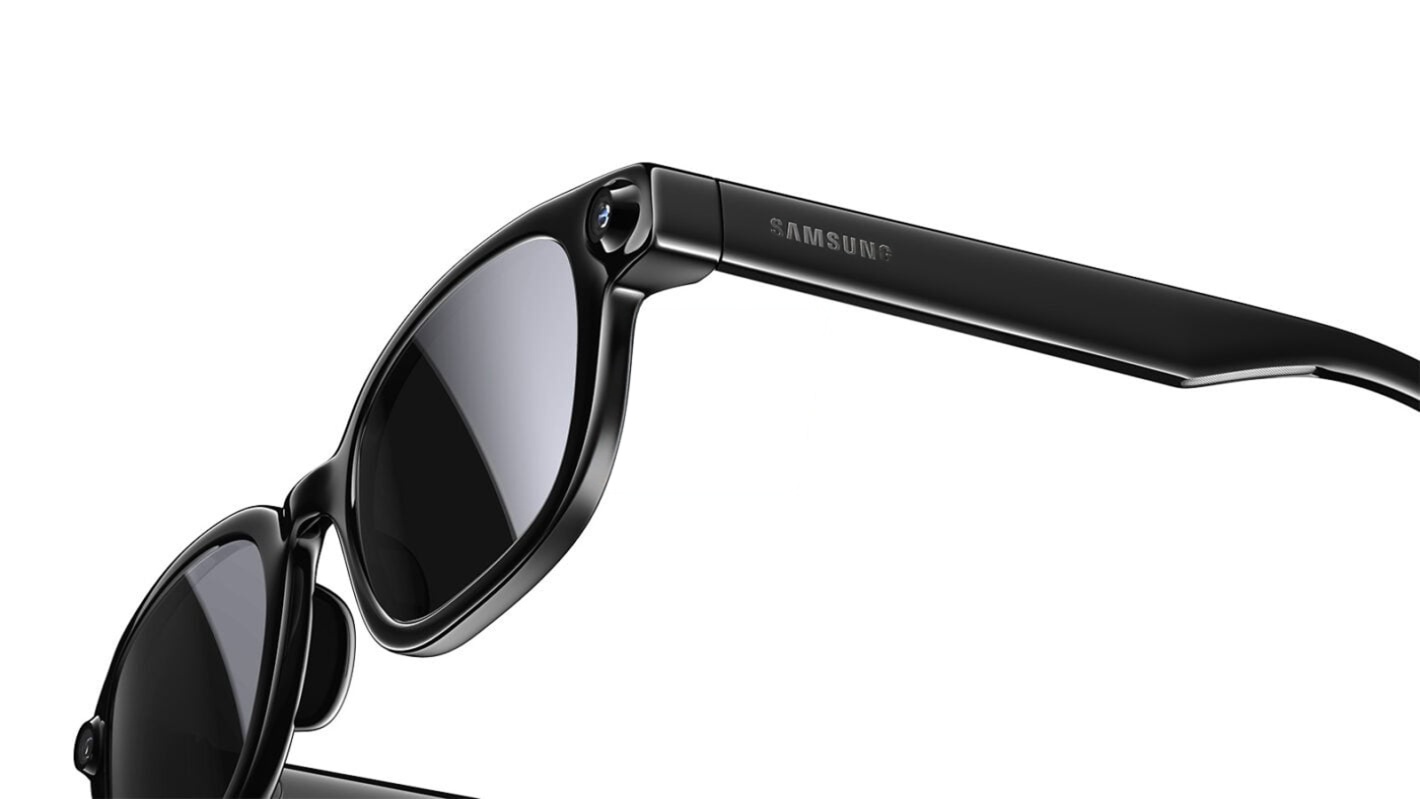
Samsung is preparing to unveil AI glasses under the name “Galaxy Glasses” at the Galaxy Unpacked event scheduled for July 22, surpassing Apple, which will likely not launch its smart glasses before 2027. The glasses will run on Google’s Android XR system with Gemini integration and will feature a high-resolution camera, speakers, and a microphone without a built-in screen, a design almost similar to what is rumored about Apple’s upcoming glasses that will rely on Siri instead of Gemini. In addition to the glasses, Samsung will unveil the Galaxy Z Fold8 and Z Flip8 foldable phones at the same event, weeks ahead of Apple’s expected launch of its first foldable iPhone in September.
Google says goodbye to Chromebook and launches Googlebook
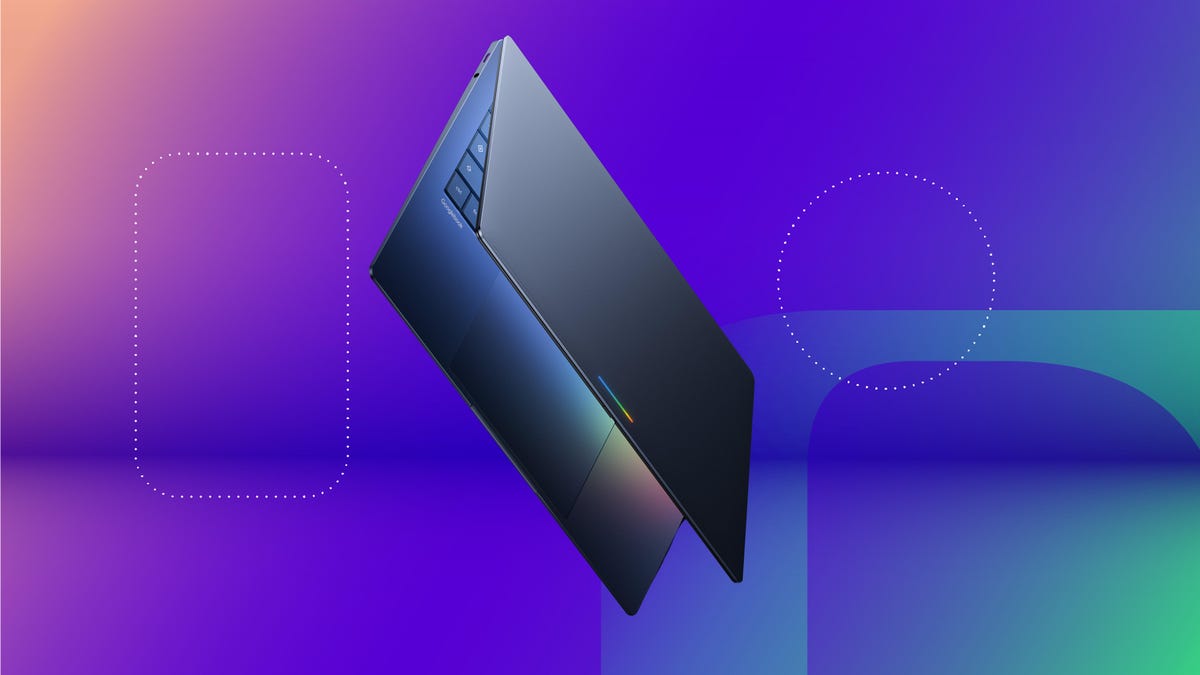
Fifteen years after the launch of Chromebook devices, Google has announced it is abandoning this famous name to begin an entirely new phase under the name “Googlebook.” This is not just a new name but a real transformation in how the computer works, as the “Gemini” AI has become the core of these devices instead of relying only on the browser. Among its most prominent new features is the “Magic Pointer,” which calls upon AI just by moving the mouse to help you understand what is on your screen or perform immediate tasks like scheduling a meeting with one click, in addition to a feature that allows you to merge several apps into one widget on the desktop.
Google also seeks to erase the line between an Android phone and a computer so that you can drag your files and apps from your phone directly to the computer screen without needing to hold the phone, similar to the integration Apple provides between macOS and iPhone. These devices will be manufactured in collaboration with major manufacturers such as Acer, ASUS, Dell, HP, and Lenovo, to cover various price categories, with price and availability details to be revealed at a special event this autumn.
Massive hack of Foxconn… and Apple’s secrets at risk

Piracy hits Apple’s largest partner, as a group of hackers known as “Nitrogen” managed to breach Foxconn’s systems and steal 8 terabytes of sensitive data, including engineering schematics and secret projects belonging to major tech companies like Apple, Google, and Nvidia. Foxconn has admitted that some of its factories in North America were subjected to a cyberattack that temporarily halted production. The major danger here is that Foxconn is currently responsible for assembling iPhones and is experimentally producing the first foldable iPhone, which means that leaking this data could reveal Apple’s secrets years before their official launch, while the group threatens to publish everything if the company does not pay the required ransom.
Leaks reveal 8 new Apple products at the upcoming developer conference
Leaks indicate that Apple is preparing for big surprises at the upcoming WWDC developer conference, as it is expected to unveil eight new products that combine power and artificial intelligence, most notably the Mac Mini and Mac Studio updated with the M5 chip, which promises a big leap in performance and energy efficiency, in addition to the launch of Siri 2.0, which will turn the voice assistant into a smart and natural chatbot, as well as the Apple Home Hub, a device with a 7-inch screen that combines iPad capabilities and HomePod sound quality to be the control center for the smart home.
The list of anticipated products extends to include the new generation of Apple TV 4K with a more powerful chip and Wi-Fi 7 support and advanced gaming technologies, as well as the HomePod Mini 2 with improved sound quality and new colors, and an update to the iMac coming with the M5 chip while maintaining its sleek design, and new versions of iOS, iPadOS, and macOS 27 focusing on AI tools and photo editing. All of this paints a picture of a new phase in which Apple redefines the integration between its devices and smart technologies.
Apple defends Google before the European Union
Apple has unexpectedly intervened to defend Google in the face of European Union proposals aimed at obligating Android to open its doors to competing AI services, within the framework of the Digital Markets Act (DMA), warning that these proposals pose a grave danger to user privacy, security, and device integrity. It also questioned the technical competence of the European Commission in drafting such decisions, which it described as aiming only at the unrestricted opening of systems. It is worth noting that Apple itself is subject to similar pressure from the European Union to open its own ecosystem on iPhone, iPad, and Mac, and has challenged this law in court and called for its total repeal. However, the European Union has confirmed its adherence to it, announcing that its final decision regarding Google’s proposals must be issued by July 27, 2026.
Apple expands hearing aid and blood pressure alert features to new countries
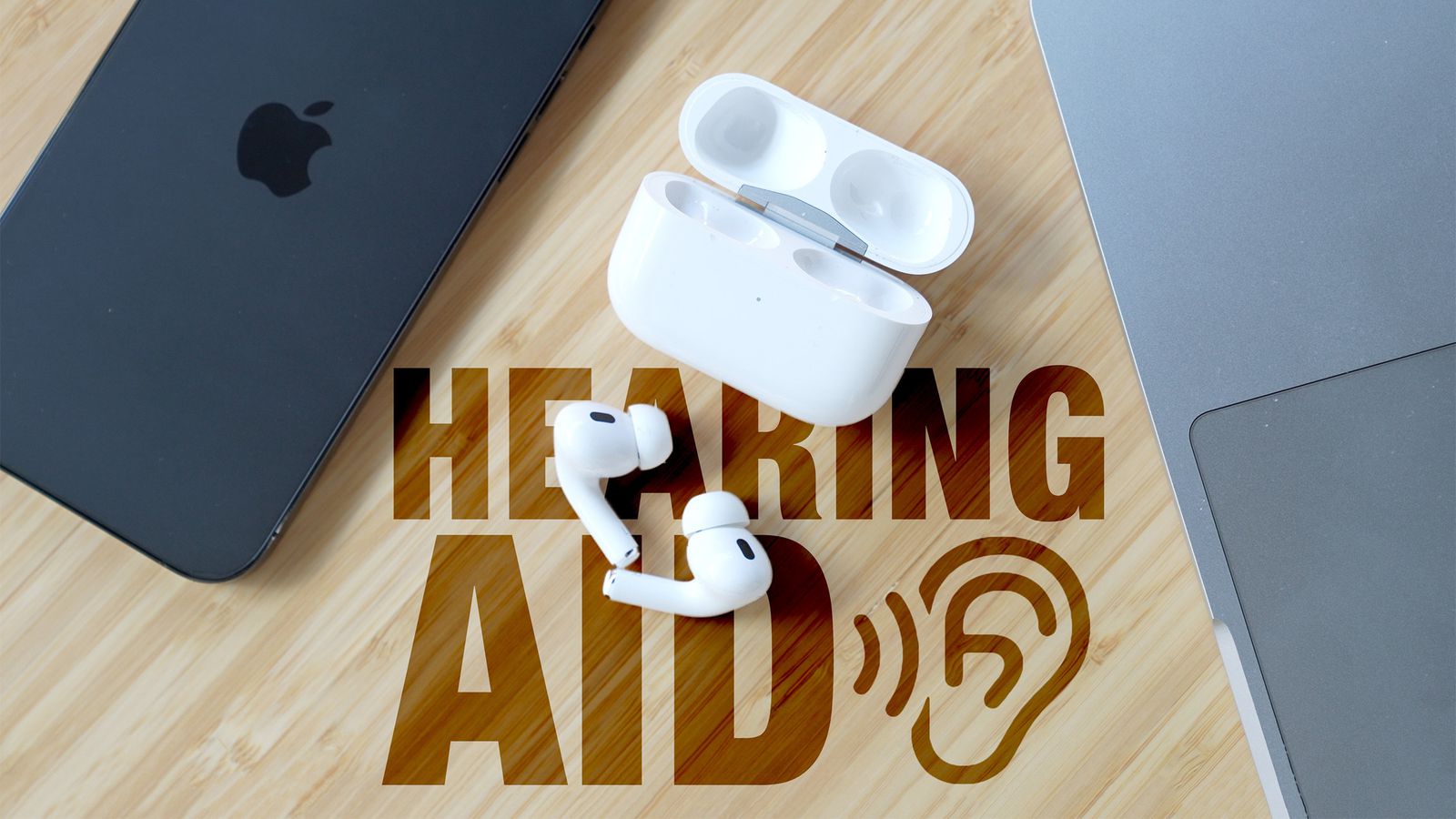
Apple announced the expansion of the hearing aid feature in AirPods Pro 2 and AirPods Pro 3 to include Italy, Romania, and the Czech Republic. This feature turns AirPods Pro into an alternative to traditional hearing aids by enhancing sounds and ambient noises for those suffering from mild to moderate hearing loss, with automatic volume adjustment based on a personal hearing profile created after a hearing test, in addition to a feature that reduces loud sounds to protect the ear from noise. In occupied Palestine, users of Apple Watch Series 9 and later and Ultra 2 and later can now receive alerts when signs of chronic high blood pressure are detected, relying on heart rate sensor data collected by the watch over 30 consecutive days.
Apple adopts virtual AI presenters in sales staff training
Apple announced that the “Apple Sales Coach” app, dedicated to training sales staff in its stores around the world, will from now on rely on virtual presenters generated by artificial intelligence to provide training content customized for each employee based on the products they work on, the language they speak, and their skill level, which was impossible to achieve using traditional methods with hundreds of thousands of employees in different markets. Apple confirmed that the content remains entirely human, as the training team writes every script and verifies every detail, while the role of AI is limited to presentation and delivery only, with a clear icon on the screen identifying the virtual presenter. It noted that this step will enable it to produce more training clips faster and update them more regularly.
The brightest iPhone screen is still a long way off
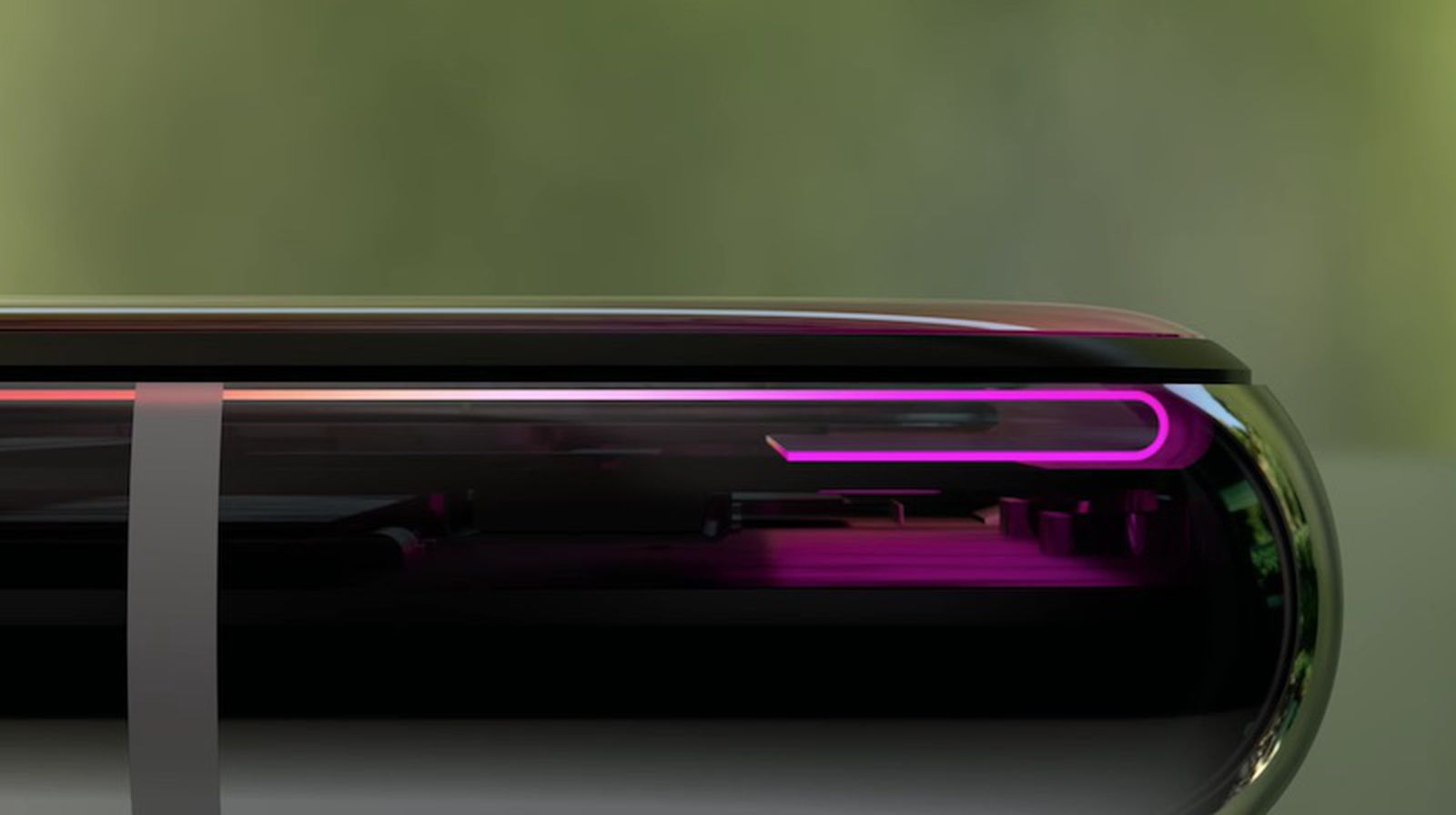
The well-known Chinese leaker “Instant Digital” confirmed that the iPhone 18 Pro will not get two-layer OLED screen technology, noting that Apple’s current method of heat management remains the main obstacle to achieving sustainable brightness outdoors, which is consistent with previous reports indicating that Apple will not adopt this technology on the iPhone before 2028 at the earliest. It is worth noting that two-layer screen technology solves the overheating problem because each layer operates at lower intensity to achieve the same brightness level, which reduces the generated heat, and Apple has already adopted it in the iPad Pro with the M4 chip. As for the iPhone 18 Pro, it will settle for a less ambitious upgrade, which is moving to LTPO+ technology that will improve battery efficiency without addressing the brightness or heat problem.
iPhone 18 Pro may come at a competitive price despite the memory crisis
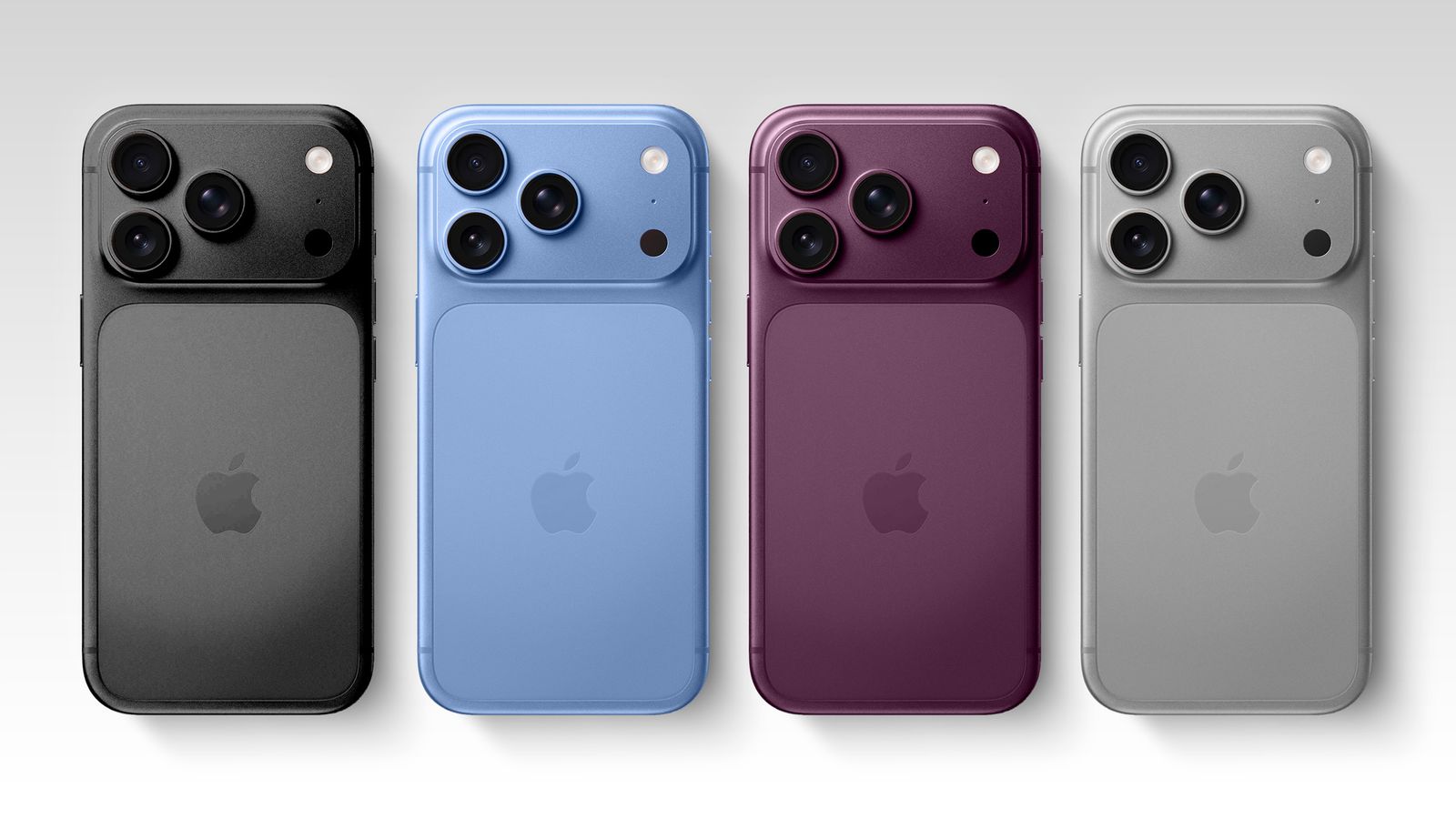
Analyst Jeff Pu from GF Securities expects Apple to adopt a “bold and competitive” pricing strategy for the iPhone 18 Pro and iPhone 18 Pro Max, taking advantage of the RAM shortage crisis that is pushing its competitors, Android phone makers, to raise their prices. He expects prices to remain the same or slightly higher compared to the iPhone 17 Pro, which starts at $1099. In terms of specifications, leaks indicate that the iPhone 18 Pro will feature a smaller Dynamic Island, a faster A20 Pro chip, a variable camera aperture, 5G satellite capability, and a new color called “Dark Cherry,” and it is expected to be unveiled next September.
A US one-dollar commemorative coin honors Steve Jobs

The United States Mint has begun selling a new one-dollar commemorative coin bearing the image of Steve Jobs, as part of the “American Innovation” program launched in 2018 to honor innovators in every US state. The coin depicts a young Jobs in his well-known look of a turtleneck, jeans, and sneakers, sitting in front of the nature of Northern California in a moment of reflection that reflects how he drew inspiration for his vision from the environment around him. California Governor Gavin Newsom praised Jobs’ legacy, saying that his innovative spirit embodied the best of California and made many people’s dreams a reality. The coin is sold through the US Mint website for $2.44 per piece, or $61 for a roll containing 25 pieces.
Google adds Gemini AI to Google Maps on CarPlay
MacRumors discovered in the Google Maps app code signs of upcoming Gemini AI support on CarPlay, which will allow car users to get detailed directions and answers to complex questions about destinations and places simply by addressing Gemini vocally while driving. This became possible after Apple allowed third-party voice chat apps to integrate with CarPlay starting from iOS 26.4, which Google exploited to add this feature, which already works in the Google Maps app on iPhone since last March, noting that other competitors like ChatGPT, Grok, and Perplexity are already available on CarPlay.
Apple secretly acquired the color grading tool Color.io last January
European Union documents revealed that Apple acquired last January the company Patchflyer, owned by developer Jonathan Ockman, the creator of the famous Color.io tool for color grading similar to cinema films. This tool was widely popular among photographers and filmmakers thanks to an advanced color engine and a rich library of color manipulation tools before it closed its doors at the end of 2025 after more than 200,000 users. Ockman, who ran his project alone for more than ten years, has joined the Apple team, which opens the door to the possibility of integrating Color.io’s capabilities into Apple’s future apps like Final Cut Pro or Pixelmator Pro. In the same context, the documents revealed that Apple also acquired the company PromptAI, which specializes in computer vision and smart surveillance camera applications.
Foldable iPhone Ultra to be released in only two colors
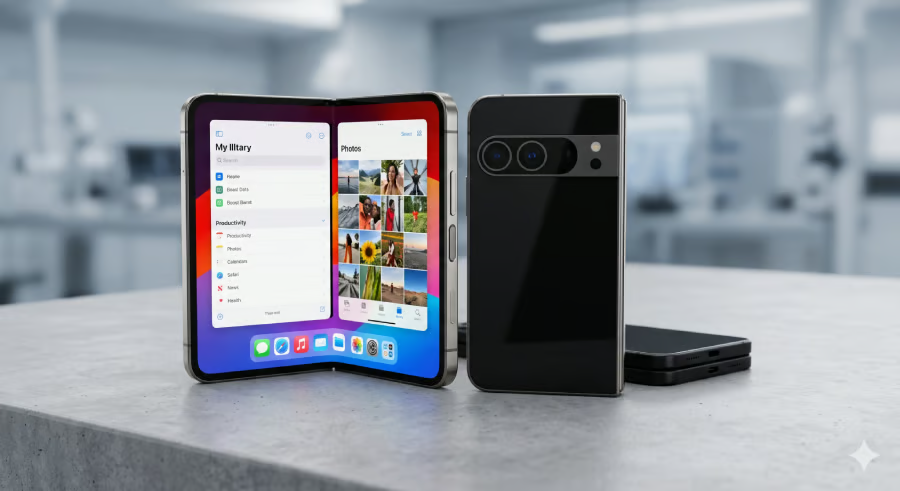
Multiple leaks indicate that Apple will launch its first foldable iPhone, expected to be called “iPhone Ultra,” in only two colors: white and indigo, similar to the dark blue in the iPhone 17 Pro, avoiding bold and eye-catching colors. This is an approach reminiscent of the launch of the iPhone X in 2017, which was released in only two colors before Apple added additional colors in the next generation. This decision seems to be driven by practical reasons, as the device faces production challenges that may lead to supply shortages until the end of 2026 and perhaps until 2027, making multiple colors an additional burden without commercial justification, especially since its expected price will exceed $2000. It is expected to be announced in September 2026 alongside the iPhone 18 Pro.
Miscellaneous news
◉ Apple announced the availability of the Tap to Pay service on iPhone in South Africa, where merchants can accept wireless payments using only an iPhone without needing additional devices. The service supports credit and debit cards, Apple Pay, and other digital wallets, and works via NFC technology in a secure and encrypted manner that maintains user privacy. iStore Pay and Yoco are the first to provide this feature in the country, with support for Mastercard and Visa cards, while American Express support will be added soon.
◉ Apple launched a new update for the Apple Developer app, including a redesign of the app icon and interface in a transparent “Liquid Glass” style, with the addition of interactive stickers for the WWDC 2026 conference that can be used in the Messages app. The update offers improvements such as filtering lists by viewed, saved, or downloaded, and improving the process of taking photos during recording, along with bug fixes. The new stickers vary between the 50th-anniversary design, a skull drawing with an Apple eye, juice, California flowers, and 3D messages like “Hello” and “WWDC 26”. The app is free and will soon show session details and the option to watch the keynote on June 8.
◉ The Reddit platform has started blocking its site on phones and pushing visitors to download the official app, which has angered many users. The company says that the experience inside the app is better and more personalized, but the move was considered an attempt to increase profits by tracking advertising activity. This policy comes within a series of controversial changes since the company went public, such as charging app developers and removing the option to turn off ad personalization.
◉ Journalist Mark Gurman revealed that Apple has not completely abandoned the Vision Pro device, but it will not launch a new version for at least two years. The company is working behind the scenes on developing materials and technologies aimed at producing a lighter and cheaper version, but the “Vision Air” project was canceled last year, and most of the mixed reality team was moved to other projects such as smart glasses and AI services. The last update for the device was in October 2025 with the addition of the M5 chip, but there are no current plans to launch a new model soon.
◉ OpenAI launched a Chrome browser extension that allows running Codex directly on Mac and PC devices, making it easier to test apps and use development tools within the browser without disrupting the user experience. The extension makes work faster and more flexible, especially after the company noticed that most tasks are done through the browser. Codex has more than 4 million active weekly users, and this step aims to make the tool more useful in daily work in addition to supporting developers.
Sources:
1 | 2 | 3 | 4 | 5 | 6 | 7 | 8 | 9 | 10| 11| 12| 13| 14 | 15 | 16 |17 |18| 19

Leave a Reply