The rise of Apple to the pinnacle of the tech hierarchy was not a coincidence or merely the result of fast processors; it was a journey of continuous innovation and a quest to make technology a magical experience for the average user. In his book, “Apple: The First Fifty Years,” veteran journalist David Pogue explores secrets from behind the scenes at Apple that reveal to us why the maker of the iPhone is different from any other company. In this article, we will take you on an enjoyable and quick tour as we review incredible stories from Apple’s history that reveal the genius mindset behind it.
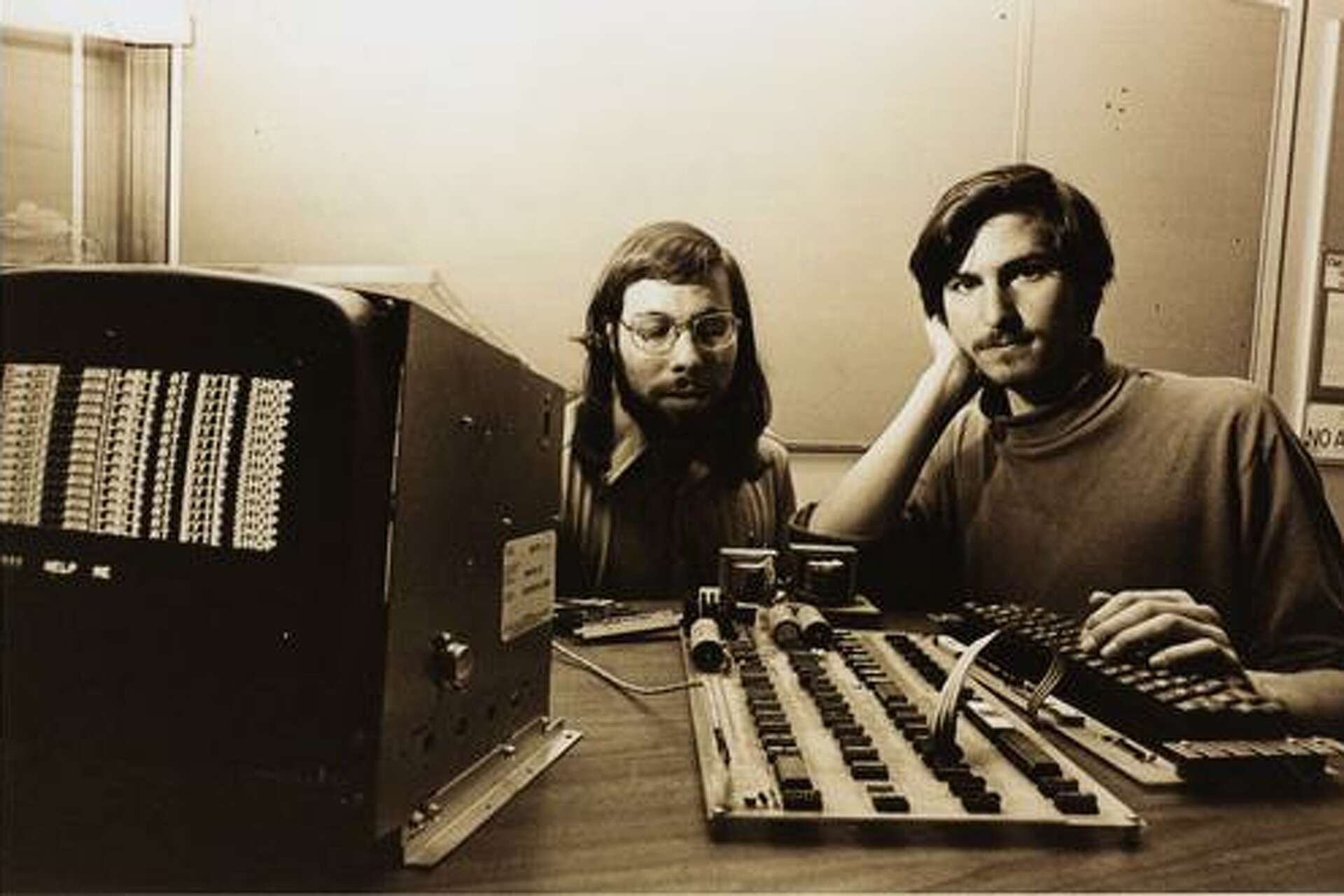
Apple’s Geniuses
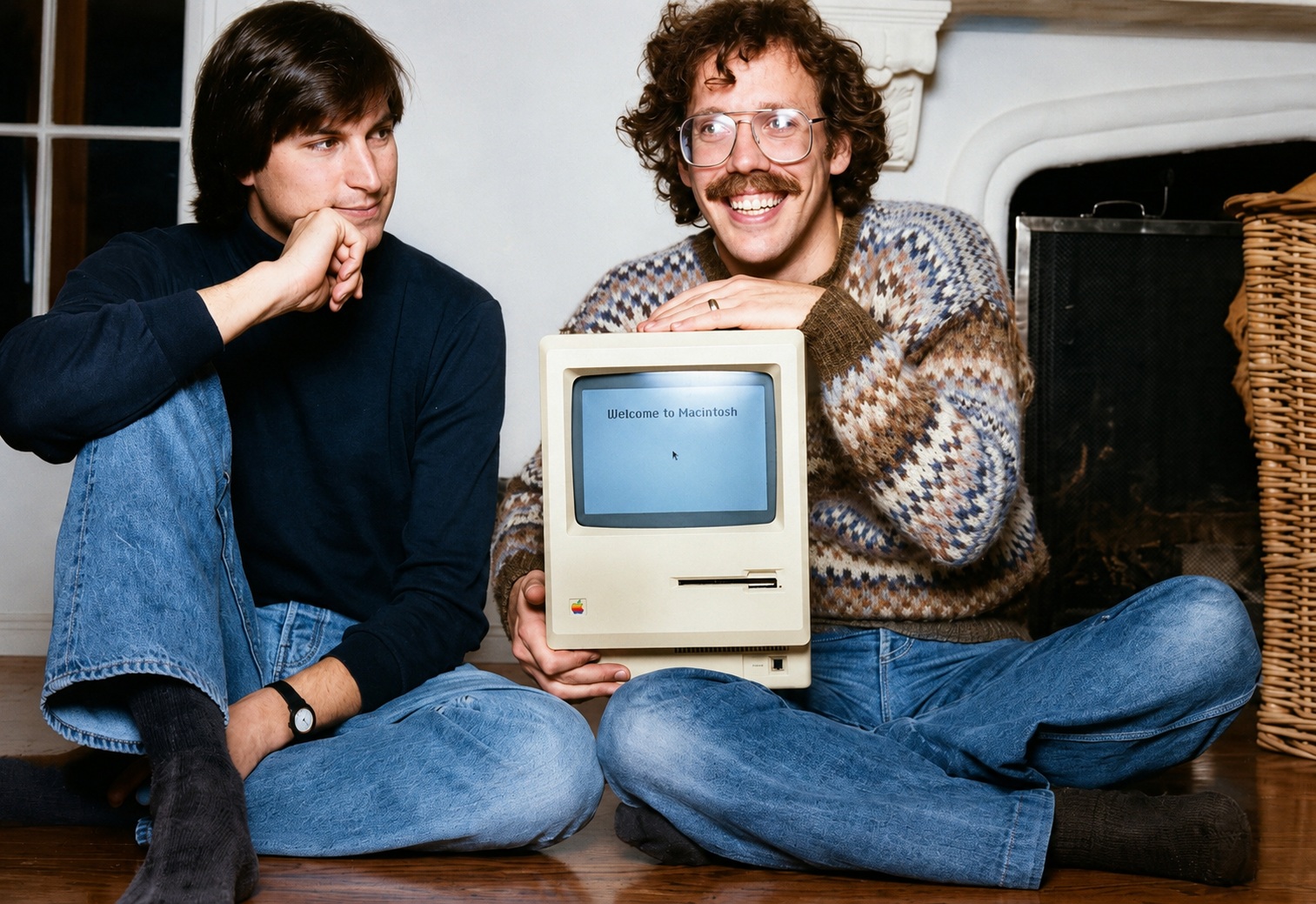
One of the most exciting stories dates back to the late seventies, when Steve Jobs and his team visited the famous Xerox research center (which was developing the next generation of computer products). There, they saw for the first time graphical computer interfaces and overlapping windows, which later became the foundation of modern operating systems.
However, genius programmer Bill Atkinson noticed a technical issue that wasn’t working as intended, related to moving windows over each other smoothly. After weeks of attempts, Atkinson succeeded in creating a technical solution on his own, only to discover later that the Xerox engineers themselves hadn’t been able to solve the problem at all. The irony is that Apple didn’t just copy the idea; it developed it to a level the original creators never reached.
Steve Jobs and the Fish Tank
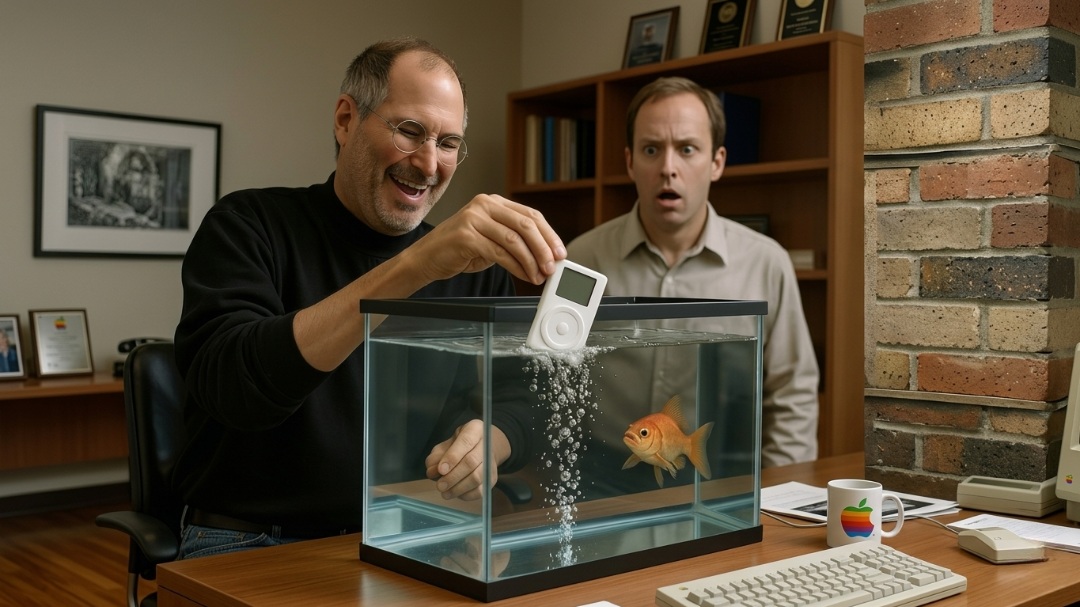
One of the most famous stories about Steve Jobs is that he dropped an iPod prototype into a fish tank after the team told him the device couldn’t be made any smaller. When air bubbles appeared from the device, Jobs famously said, “If there are air bubbles, that means there is space that can be utilized.”
Although this story has become a legend in the tech world, some close to Apple later confirmed that it didn’t actually happen, but it perfectly captured Jobs’ mindset, which was obsessed with the smallest details.
Testing Face ID Technology
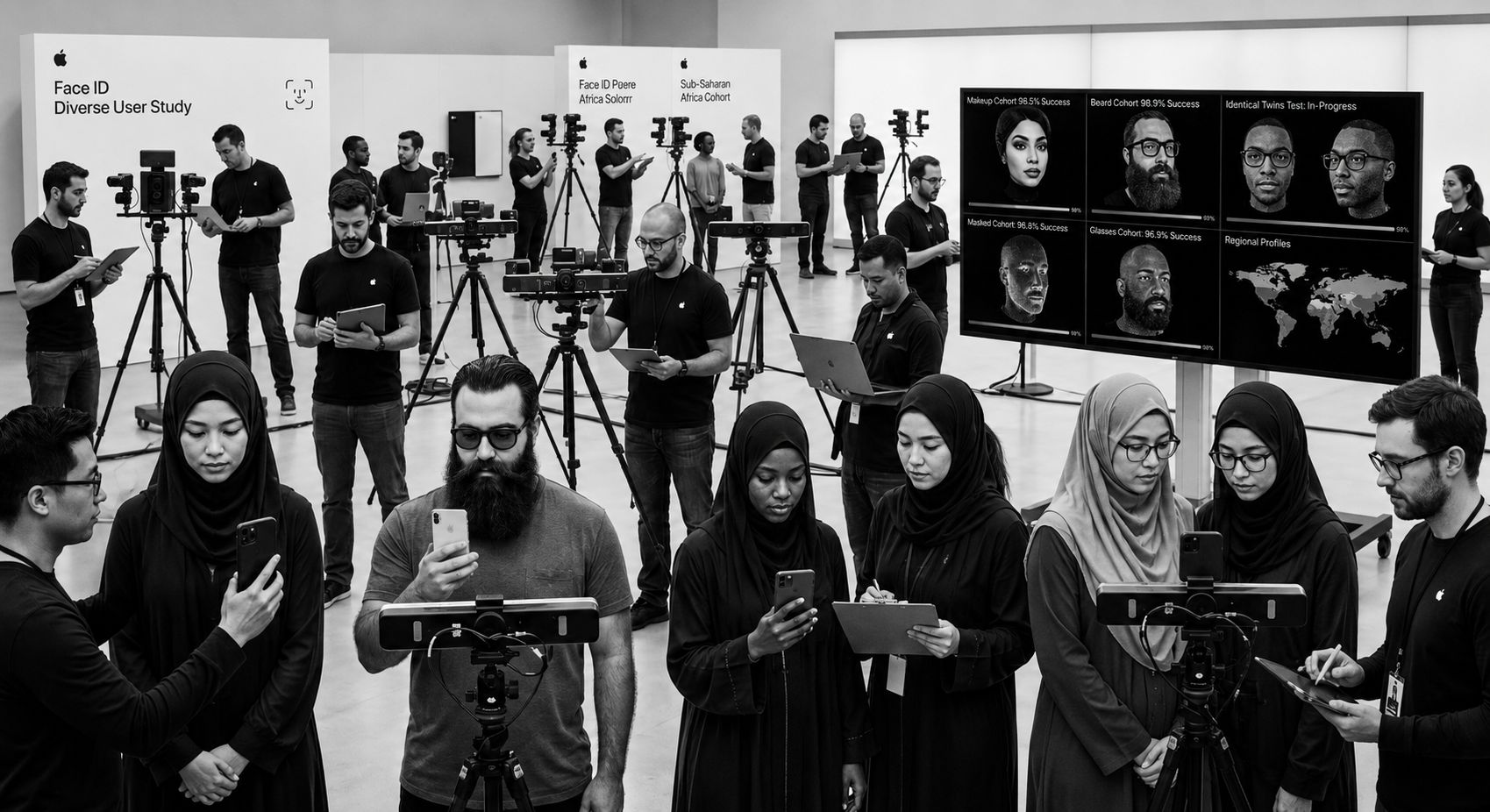
When Apple began developing the Face ID feature, it didn’t settle for traditional tests. According to accounts, the company organized special events for its employees, asking them to show up with unusual appearances—whether through makeup, beards, or wigs—just to see if the system would fail to recognize their faces.
The tests even extended to conferences for identical twins, motorcycle rider gatherings, and the company even decided to test the technology in different regions around the world, such as tribes in sub-Saharan Africa, where facial structure differs from European facial structure, to ensure that Face ID works with all human facial features. To ensure the system couldn’t be fooled, Apple hired Hollywood special effects experts to create hyper-realistic masks in an attempt to breach the new biometric system.
The Presentation That Dazzled the World
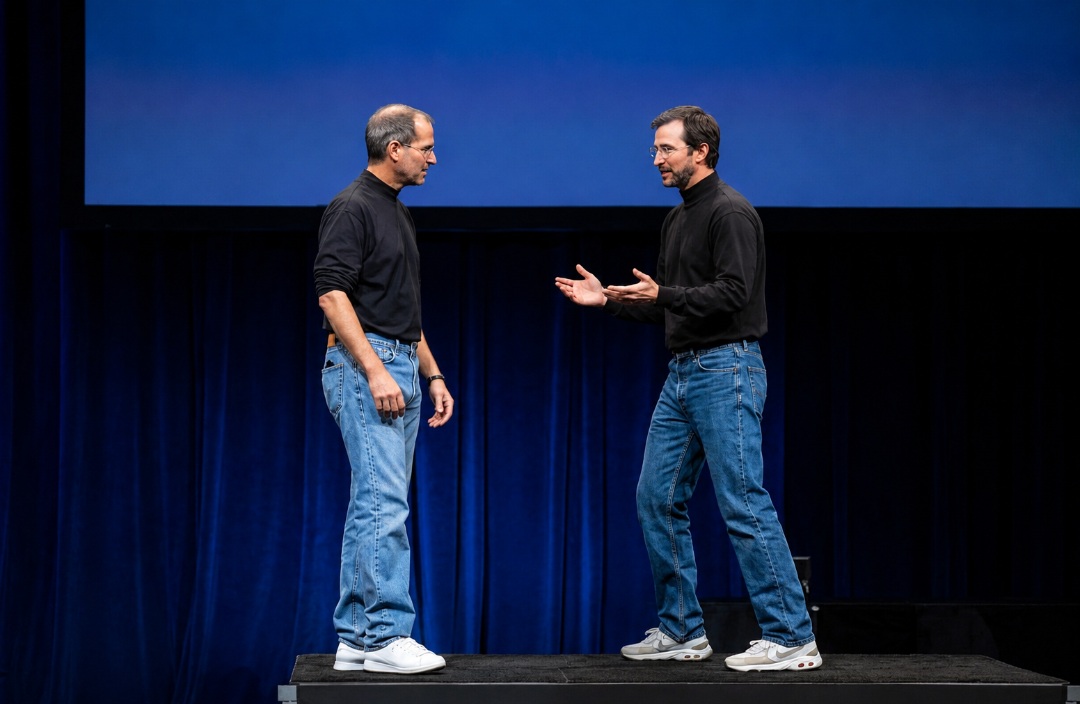
In the late nineties, wireless internet was still a vague concept for many people, but Apple decided to introduce it in an unforgettable, theatrical way. During a Macworld conference, American actor Noah Wyle went on stage pretending to be Steve Jobs to trick the audience before the real Jobs appeared later to the laughter of the attendees.
But the historic moment came when Jobs unveiled the new iBook, then began browsing the internet while walking freely on stage without any cables. To prove that the device was truly working wirelessly, Jobs passed a hula hoop over the computer in front of the audience—a simple demonstration that helped introduce millions to the concept of Wi-Fi for the first time.
The Pogue Feature
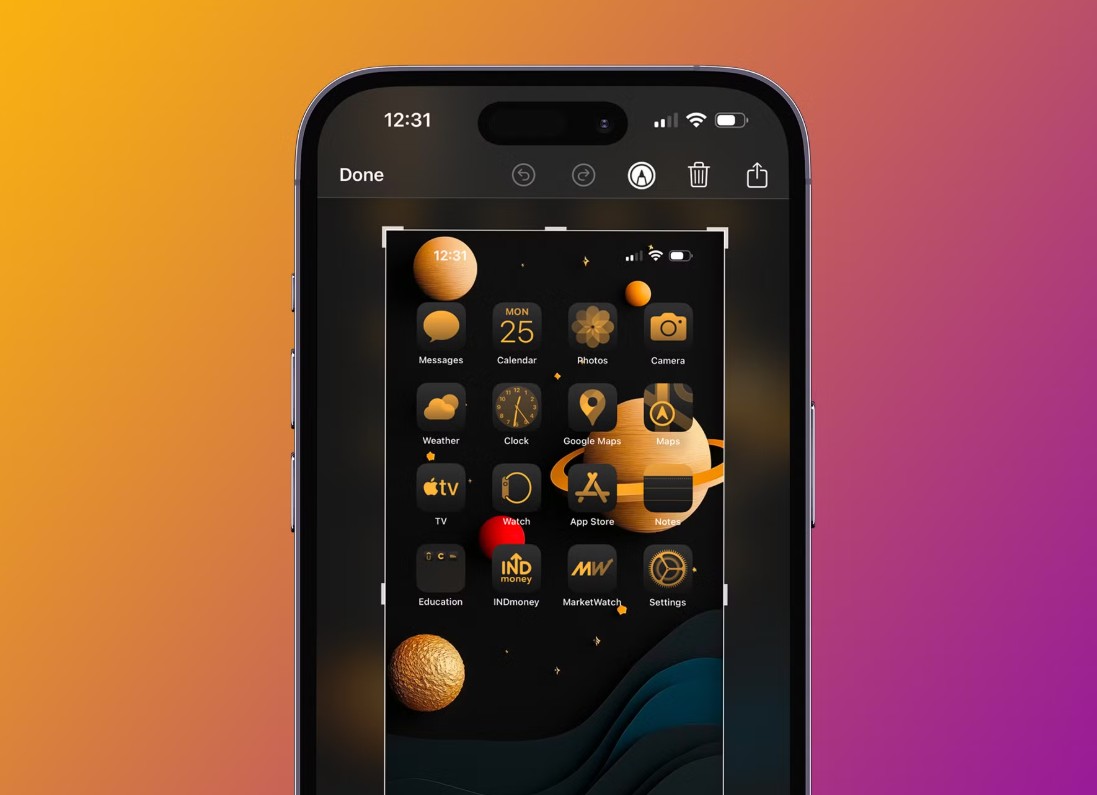
Among the funny stories inside Apple, there is the tale of a feature that seems very simple today but didn’t exist at the beginning: taking a screenshot. When the first iPhone was released, it didn’t support this feature, which put writer David Pogue in a bind while he was preparing a book explaining how to use the phone.
After a long series of discussions with Apple, the company agreed to an unusual solution: it assigned one of its employees to work for months creating hundreds of screenshots manually using internal tools not available to the public.
But the story didn’t end there; later, Apple decided to turn that secret tool into an official feature on the iPhone that allows the user to take a screenshot easily by pressing two buttons together. Funnily enough, this feature was known inside the company as the “Pogue feature,” in honor of the writer who pushed the company to develop it for users.
In the end, it can be said that what these stories reveal are not just funny anecdotes from inside the company, but an entire philosophy based on an obsession with details, user experience, and the constant search for ways to make technology simpler and more magical. For this reason, Apple was not just a company successful at selling devices, but one of the most influential companies in how humans interact with modern technology.
Which of these stories do you find the most strange and creative? Tell us in the comments!
Source:
Leave a Reply