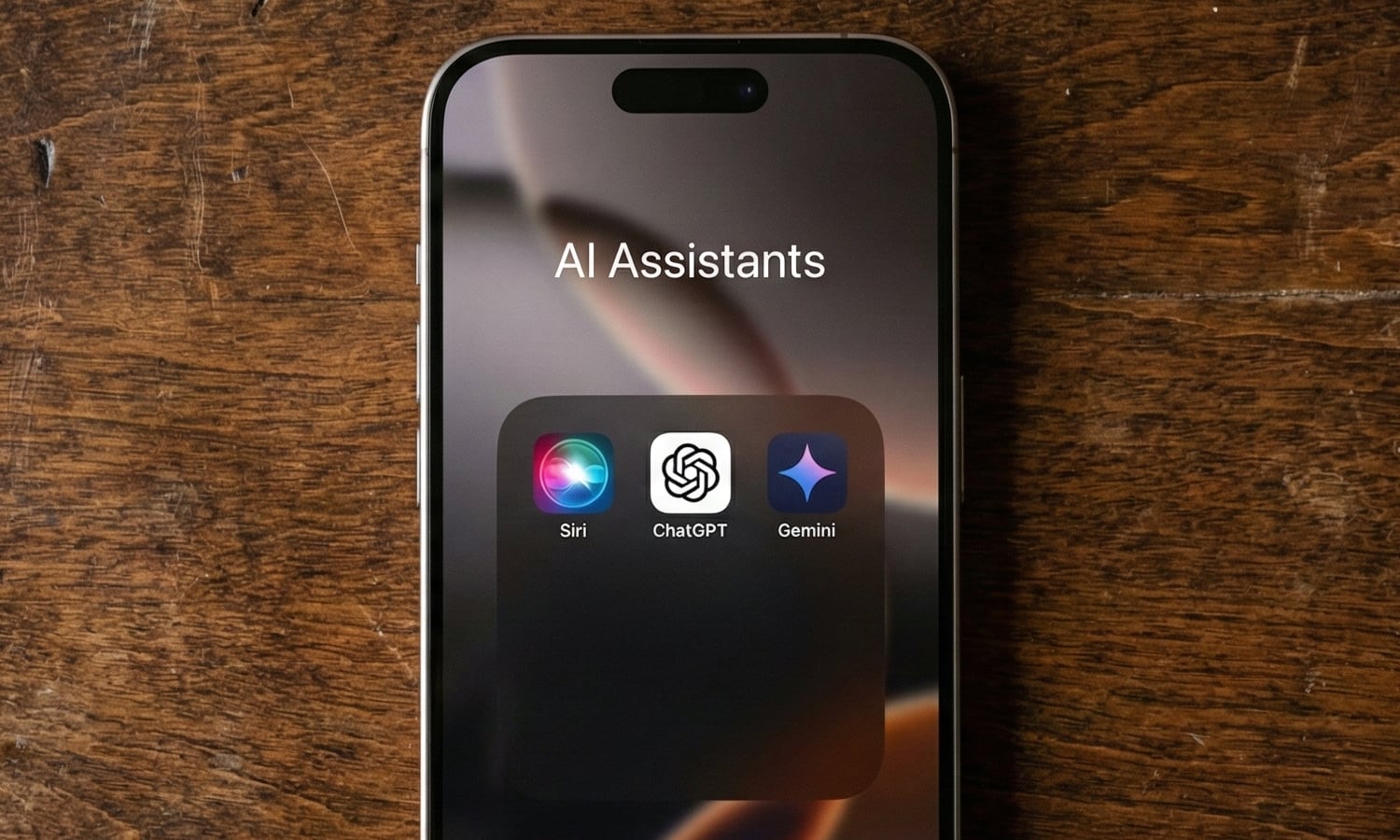
Apple is planning a new revolution in the world of artificial intelligence, and it seems they won’t be settling for just their own intelligence! According to an exciting new report from renowned journalist Mark Gurman, Apple has built a secret framework that allows users to freely choose between Siri, ChatGPT, and other third-party AI assistants in the upcoming iOS 27 operating system. This development opens the door wide for integrating third-party AI services directly into the heart of the operating system and through Siri.
The secret ‘Extensions’ system for AI integration
According to leaked details, Apple has developed an internal system they call ‘Extensions’, specifically designed to enable third-party AI assistants to work and integrate directly with Siri and the Apple Intelligence umbrella. Instead of relying exclusively on Apple’s own models, this new framework provides a standardized and scalable way that allows compatible services to connect to the system seamlessly, without Apple having to build separate integration software for each individual app.

Surprisingly, the core support for this feature is already present and embedded in the first developer beta of iOS 27. Although the feature is disabled in the system’s backend, Apple has actually built a complete settings panel to control this functionality, in addition to dedicating an entire section in the App Store to showcase AI apps compatible with this new framework.
Behind-the-scenes negotiations with tech giants
It didn’t stop at just the code; the report indicates that Apple has already held intensive discussions and meetings with major AI companies such as OpenAI, the creators of Claude (Anthropic), and Google. These discussions centered on the precise software permissions and privileges that developers would need to apply for in order to integrate their services directly and effectively within Siri and the operating system.
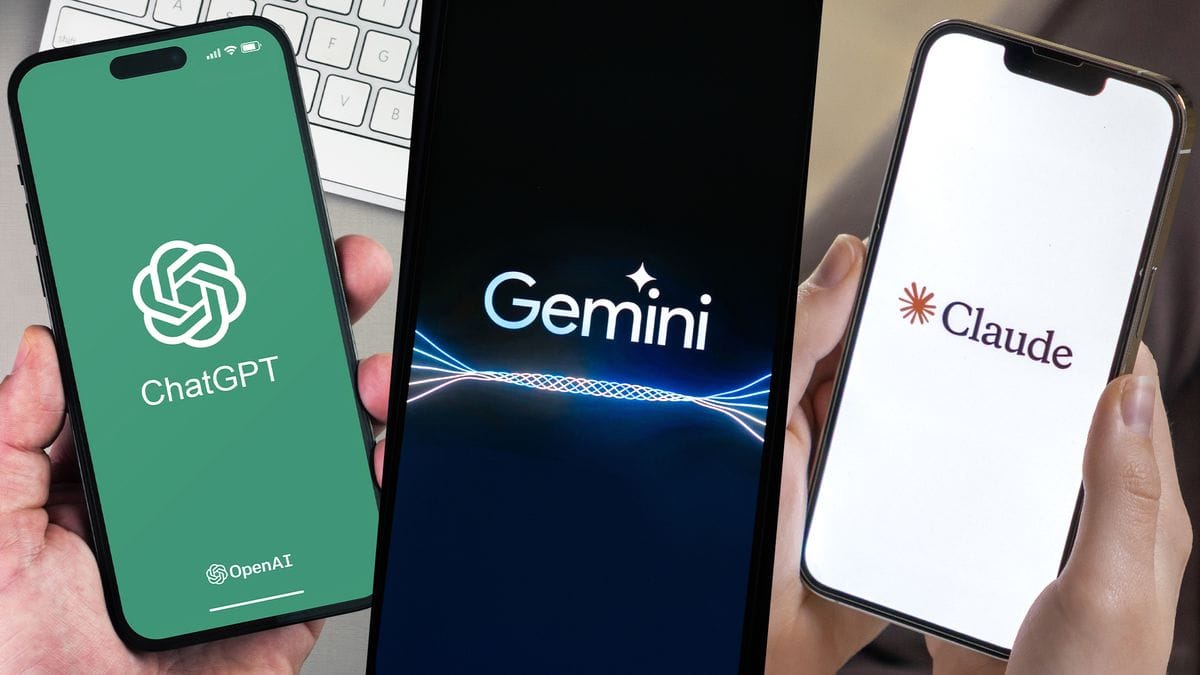
These conversations clearly show that Apple is actively preparing to provide a flexible and open infrastructure that supports multiple choices of smart assistants for its users, allowing for a personalized user experience and unprecedented freedom of choice within the typically closed iPhone ecosystem.
Why was Apple silent at WWDC?
Although the Worldwide Developers Conference (WWDC) saw massive announcements and a large focus on AI, Apple chose not to reveal the Extensions framework, which had already been active in internal testing for months. Experts believe this silence is due to several smart and tactical reasons: First, showing excessive flexibility in supporting third-party AI could weaken Apple’s legal arguments against antitrust accusations in the European Union. Second, announcing the integration of other services would have distracted from the new Siri update and its completely redesigned features.

Furthermore, explicitly announcing the end of ChatGPT’s general exclusivity at the conference would have put Apple in the face of potential challenges and legal issues with OpenAI. Finally, Apple’s marketing message would have become extremely complex for the average user while the company is already trying to explain how Apple Intelligence works in parallel with the integration of Google models and the rebuilt Siri.
Apple has not yet announced any specific date for launching this magical framework for developers or users in general, but the details available in the beta versions confirm that a new era of smart openness is coming to our devices soon.
These major updates put Apple back in the spotlight and prove that when it decides to enter the competitive arena, it does so on its own terms and in a way that completely changes the game for all parties involved in the global technology market.
Source:


Leave a Reply