Apple is raising iPhone prices, has permanently closed stores in the US, 48 Chinese developers have filed a complaint against it, an unpatchable security vulnerability has been found in its device processors, the reason for the end of “watchOS 27” support for many of its watch models, the addition of a recovery mode feature in iOS 27, the start of production for foldable iPhone screens, Meta is launching its new smart glasses, and other exciting news on the sidelines…

Apple raises prices of its products
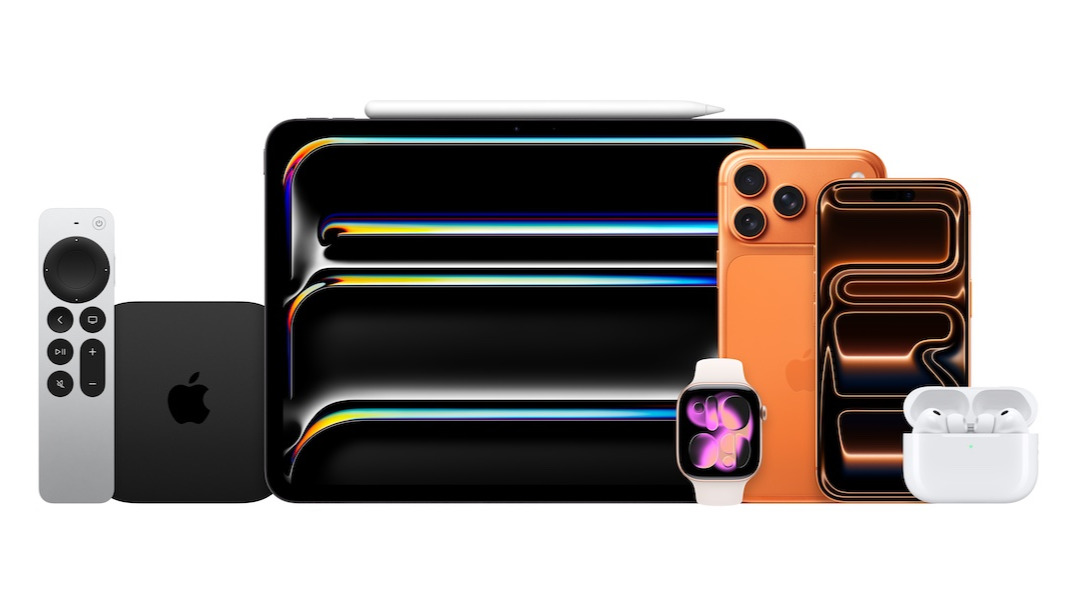
Apple has announced a wide wave of price increases covering most of its devices, justifying this by the record rise in memory and storage chip costs due to a severe global supply shortage. In a radical shift from its previous policy of absorbing component price fluctuations, Tim Cook confirmed that this increase has become “inevitable,” something the company has not seen in 40 years. This move sees Apple join other major tech companies like Samsung and Microsoft, which have already increased the prices of their products recently, noting that current iPhones, AirPods, and some accessories are the only products that have escaped this price wave.
The most notable price changes for the devices are as follows:
◉ Computers: The price of the MacBook Pro rose to $1,999 (instead of $1,699), the MacBook Air to $1,299 (instead of $1,099), while the price of the Mac Studio with the (M3 Ultra) processor jumped from $3,999 to $5,299, and the MacBook Neo rose to $699.
◉ Tablets and Home devices: The price of the iPad Pro rose to $1,199, the iPad Air to $749, the Apple TV price increased to $199, the HomePod mini to $129, and the HomePod to $349.
◉ The price of the Vision Pro headset rose to $3,699.
In light of this crisis, reports indicate that this trend may continue with future generations, as it is expected that the prices of future models like the iPhone 18 Pro will start at high amounts that could reach $1,399, placing users before a new phase of rising smart device costs globally.
Production of the foldable iPhone begins despite technical challenges
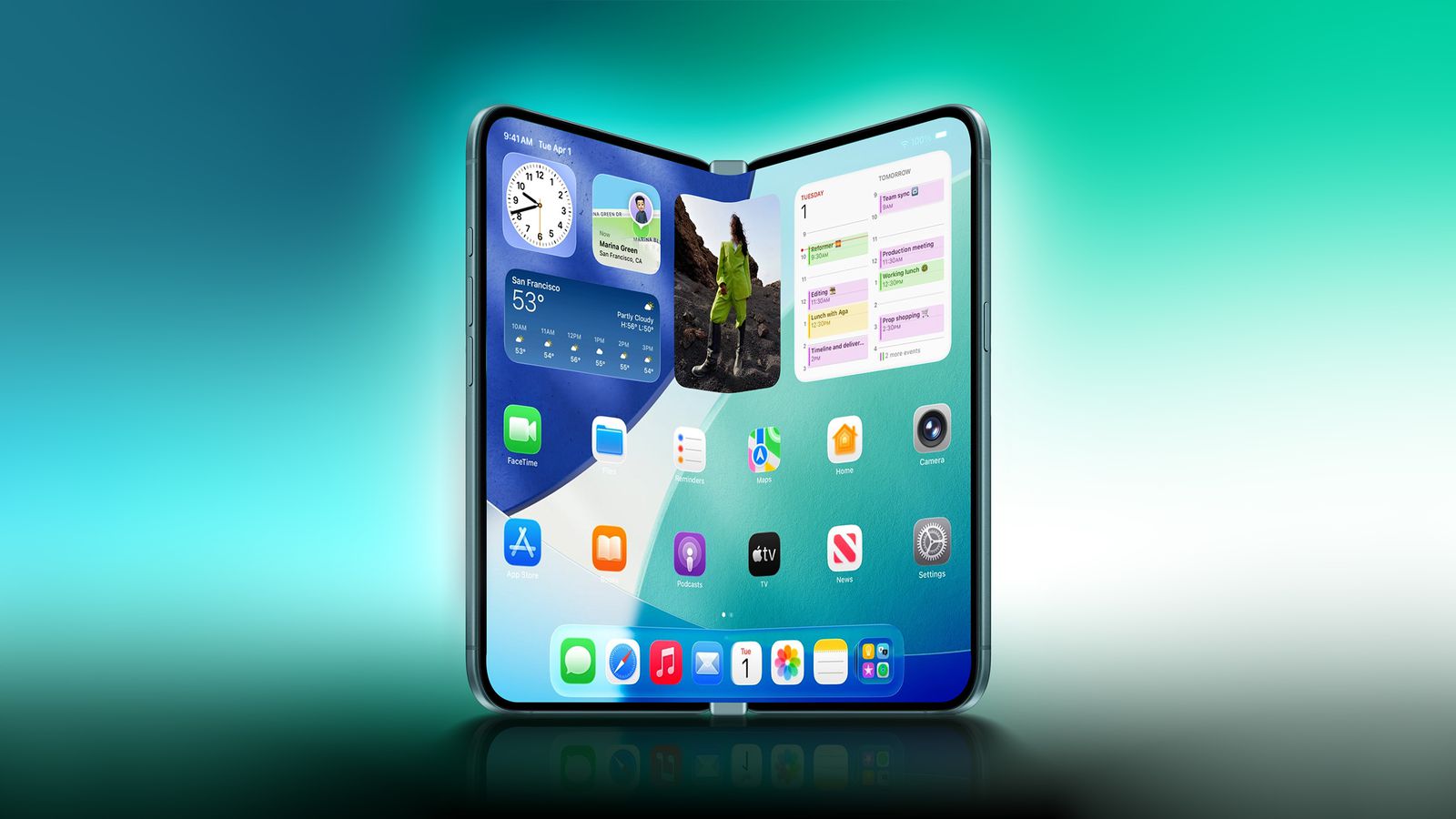
Apple is preparing to begin mass production of its new foldable phone, which is likely to be named the “iPhone Ultra,” at the end of next July, while maintaining its plans to launch it in the markets during September. Although the company faced some technical challenges related to the “hinge” mechanism that allows the phone to fold, such as minor noises during repeated durability tests, reports indicate that Apple has succeeded in addressing most of these issues. The phone will come with a book-like design and an advanced screen that provides high resolution and lighter weight, and it is expected to include modern technologies such as a powerful processor and a fingerprint sensor, amid expectations that its price will reach about $2,000, representing a bold step by the company to enter the foldable phone market.
Important changes in the “Google” app store

In response to legal cases, Google has decided to make radical changes to its app store around the world; it will soon begin reducing the fees it imposes on app developers, and will also allow them to provide alternative payment methods instead of limiting them to Google’s own system. Instead of the previous high fees, Google will adopt a new pricing structure based on the developers’ annual profit volume, to become more flexible and fair. While Google seeks to implement these changes gradually in various countries, experts believe that this step may increase pressure on Apple to modify its store policies similarly, opening the door to fairer competition in the global app market.
Apple closes a loophole that allowed skipping the waitlist for “Siri” intelligence
In the latest macOS 27 beta update, Apple closed a software trick that allowed Mac users to skip the waitlist and gain immediate access to the new, intelligent version of the Siri assistant. After users were able to activate this feature via a simple system command, many confirmed that this method no longer works with the new update; in fact, some who had previously activated the feature lost access to it and were returned to the waitlist. It seems that Apple is now relying on a centralized verification system via its servers, which suggests it is trying to regulate the flow of users to the new artificial intelligence gradually to avoid pressure on its systems. Despite attempts by some users to find other ways to access it, the best option currently is to wait a little, as Apple is opening the feature to new subscribers within just a few days.
Meta launches its smart glasses
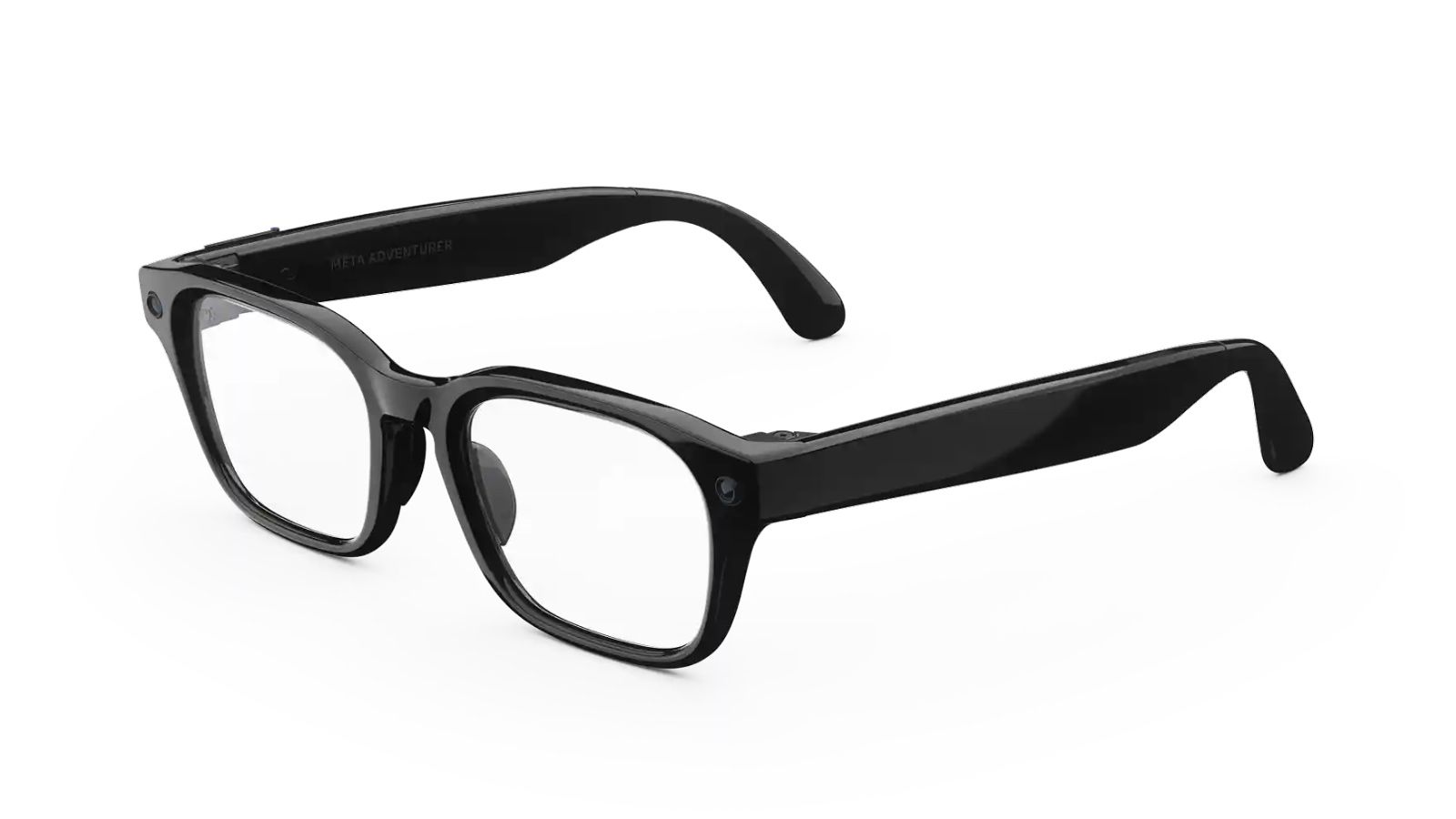
Meta has launched a new collection of smart glasses, with prices starting at $299, making them cheaper than its previous models. These glasses come in three models with varied designs and offer advanced technical features such as a 12-megapixel camera, a long-lasting battery, and support for an advanced artificial intelligence model that supports real-time translation for 20 languages, including Arabic. Through this step, Meta seeks to strengthen its leadership in this field before Apple’s expected entry into the smart glasses market next year.
Estimates indicate that Apple is preparing to launch its own glasses in 2027, which will rely on cameras, microphones, and the intelligent Siri assistant without a built-in screen, which will place it in direct competition with Meta’s products. In a comment on this competition, Meta officials acknowledged Apple’s strength in hardware design and providing a premium user experience, confirming that they are taking Apple’s plans seriously. Thus, the technology market is witnessing an intense race to provide wearable devices that blend artificial intelligence with modern, comfortable designs for users.
Study: The foldable iPhone may lose a large part of its value in its first year
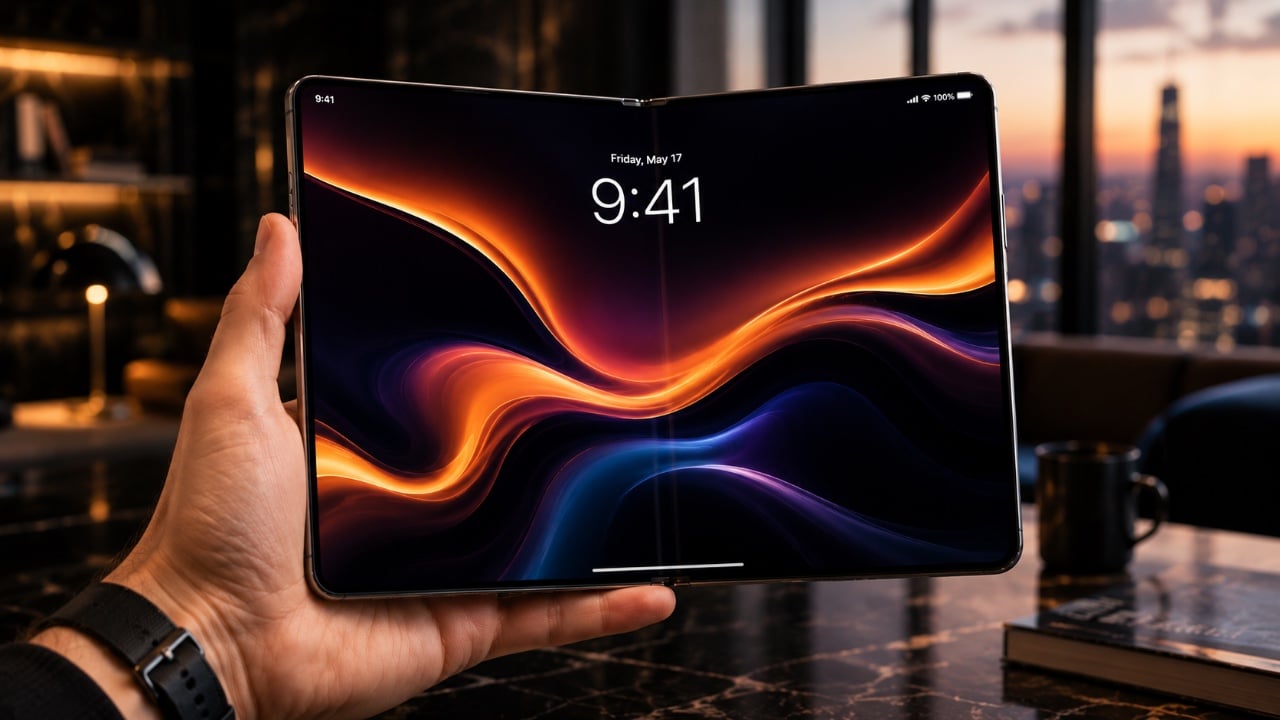
A recent study conducted by the “SellCell” website indicates that the price of the upcoming foldable iPhone, which is expected to be $2,000, may drop significantly during the first year of its release in the market. Based on the depreciation rates of current foldable phones in the market, the device could lose about $1,292 of its original value, as this category of phones tends to lose more than 60% of its price within one year, which is a much higher rate than that experienced by traditional smartphones.
However, the study clarifies that Apple devices are historically distinguished by their ability to retain their value upon resale compared to other manufacturers. If the foldable iPhone performs similarly to the current iPhone 16 phones, the loss in its value might be slightly less, reaching about $1,000. Despite this expected improvement thanks to the Apple brand, the fact remains that users planning to buy these expensive devices should keep in mind that the value of their investment may decline significantly within a short period of use.
New “Smart Dictation” feature in “iOS 27” requires manual activation

The first beta version of the iOS 27 system revealed that the AI-powered advanced voice dictation feature does not work automatically, but requires manual activation by users. This new feature relies on a very advanced AI model from Apple that works entirely on-device without the need for an internet connection, giving it superior ability to understand speech with high accuracy, correct punctuation, and format text much better than previous systems. Given the large size of this technical model, Apple has limited its availability to its latest high-spec devices, such as the iPhone 17 Pro models, iPhone Air, and some Mac and iPad devices that have strong RAM. Although this model also powers the new Siri voices, it currently remains an optional feature, and it is still unknown whether Apple will make it work automatically at the official launch of the system later this year.
Apple gives the green light to start production of foldable iPhone screens
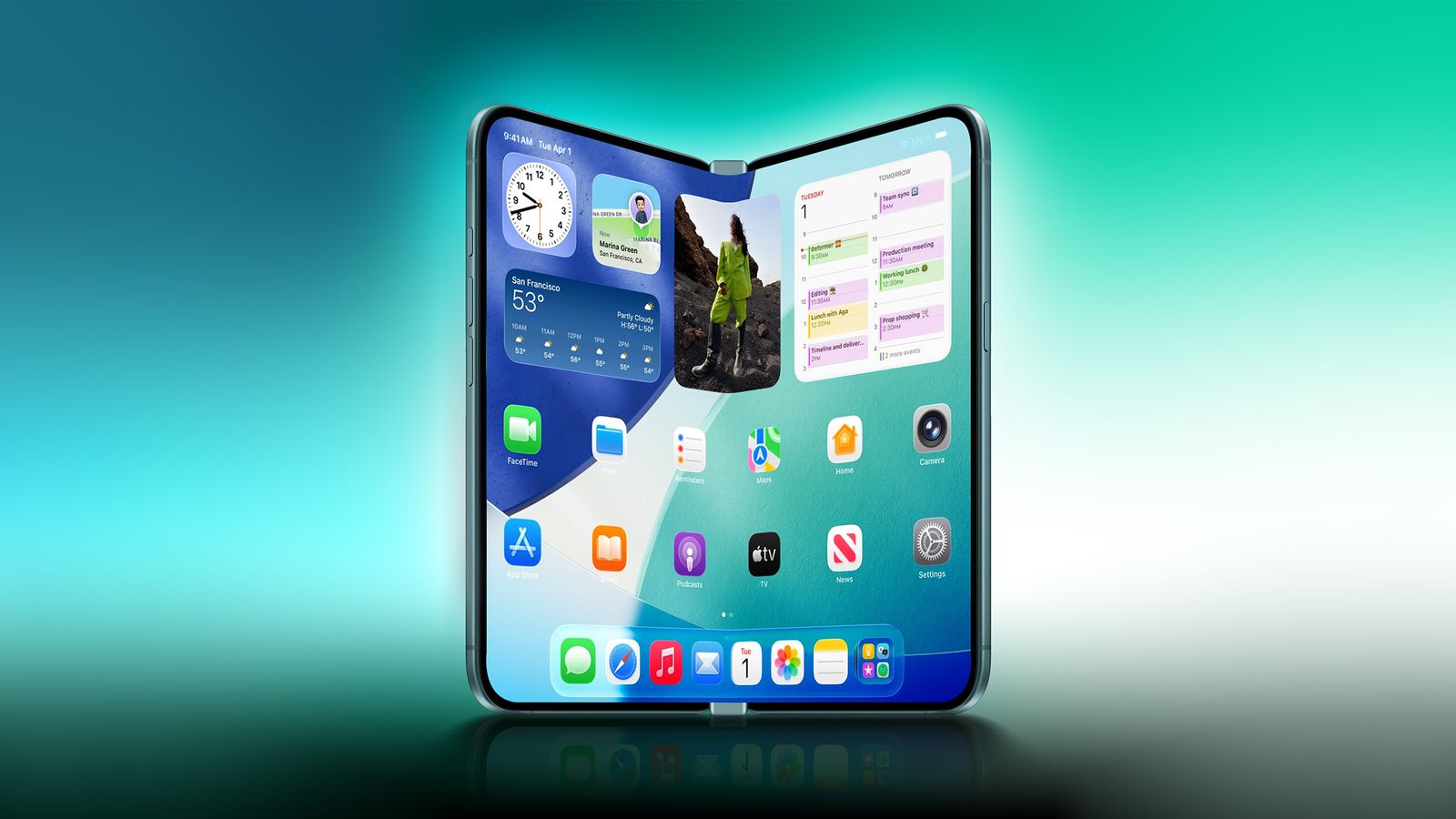
Apple has approved foldable OLED screens provided by Samsung Display to begin mass production, after the latter proved its ability to meet the required strict quality standards with a success rate exceeding 80%. Samsung is expected to produce about three million screens as an initial order for this year, under an exclusive agreement that makes it the sole supplier of this technology to Apple for three years. The final assembly stages of these screens are being carried out in Samsung’s factories in Vietnam, where control circuits and protective components are integrated to ensure the highest levels of performance.
These new screens rely on advanced technology that allows color filters to be integrated directly into the screen layers, which contributes to making them thinner and more energy-efficient, with a noticeable improvement in brightness and screen life. The foldable iPhone is expected to come with a 7.8-inch internal screen and a 5.5-inch external screen, supported by an A20 processor and Touch ID fingerprint recognition technology. With the launch date approaching at an estimated price of about $2,000, these technical steps reflect Apple’s strong readiness to enter the foldable phone market with high manufacturing standards.
iOS 27 adds “Recovery Mode” feature
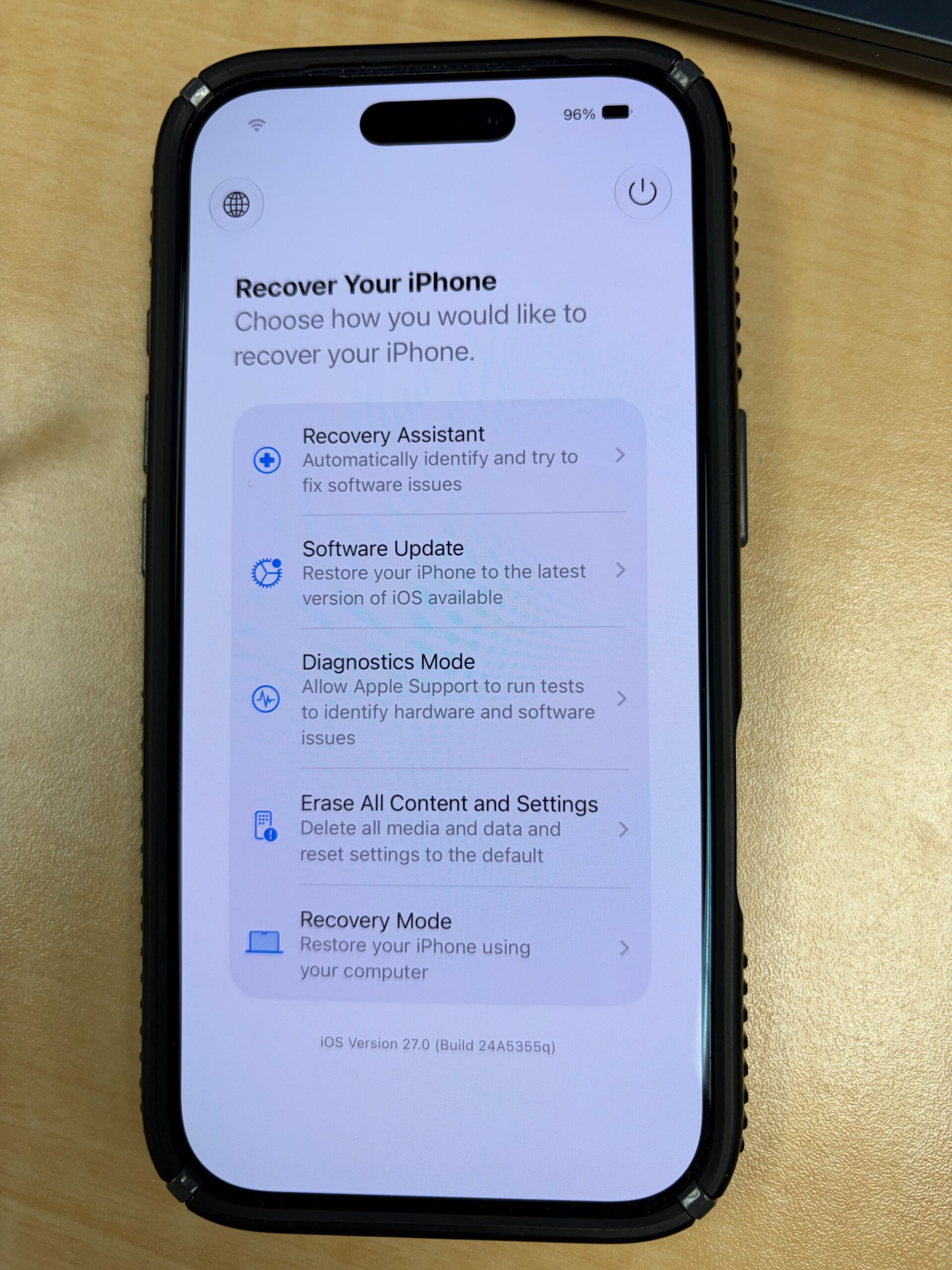
Apple has added a “Recovery Mode” feature in its new iOS 27 system that allows users to repair their devices via a light and simplified interface, without the need to resort to a computer as was the case previously. This feature is activated simply by a long press on the power button during startup, where a menu appears to the user allowing them to update the system, diagnose problems, or even erase the entire device, in addition to automated tools to help repair malfunctions. This addition is a smart and practical solution in software emergency cases, such as failed system updates, as it gives the user the ability to restore their device’s stability completely independently, a feature that was previously limited to modern Mac computers.
Apple explains why “watchOS 27” support stopped for many Apple Watch models

Apple explained that the reason behind watchOS 27 not supporting five models of its smartwatches, such as Apple Watch 6, 7, 8, and the original Ultra, is due to the high performance requirements of the new features, primarily Siri intelligence and new touch gestures.
Company officials confirmed that these features work efficiently only with the processing capabilities found in Apple Watch Series 9 and later, in addition to Ultra 2 and SE 3 models. Through this update, Apple aims to provide a unified and intelligent experience that connects the watch to the phone as an integrated partner, allowing the user to access their personal data via Siri consistently wherever they are. Although new features have stopped for these older models, the company reassured users that their watches will continue to work normally and will receive the necessary security updates to ensure their safety.
Unpatchable security vulnerability in old Apple processors
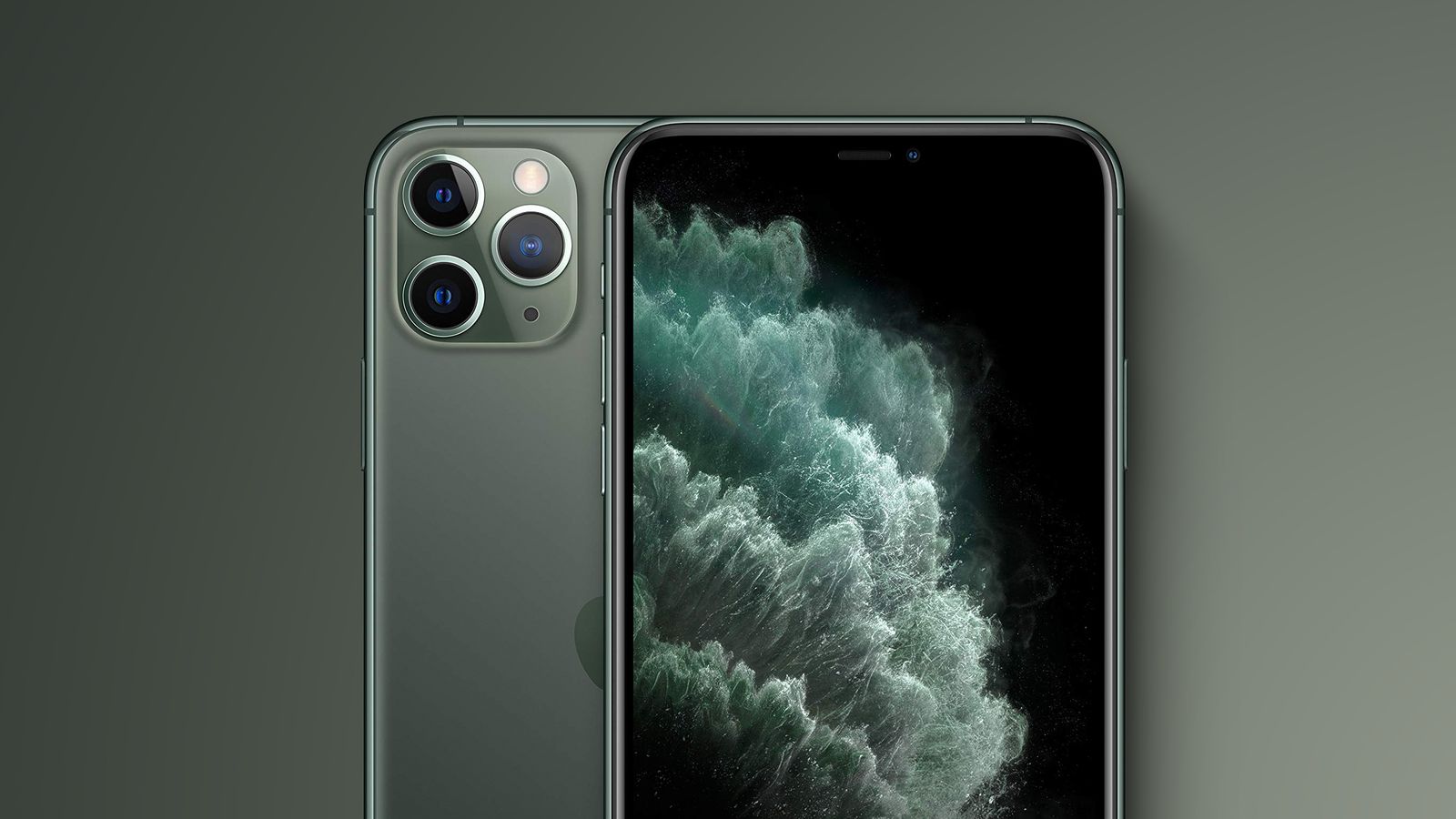
Paradigm Shift security research firm revealed a new technical vulnerability in the A12 and A13 processors that power iPhones released between 2018 and 2019, such as the iPhone XS and iPhone 11 series. The danger of this vulnerability lies in the fact that it resides within the “BootROM” (Read-Only Memory) which is programmed into the chip during manufacturing, meaning it is part of the device’s hardware and cannot be addressed or patched via regular software updates, leaving affected devices exposed to this type of hacking throughout their usage period.
This vulnerability, dubbed “usbliter8,” exploits a software error in the USB controller within the processor, where an attacker can manipulate the data path when the device starts up to access restricted areas in memory. Although this process is complex and requires high technical skills, its success gives the attacker full control over the processor, bypassing security barriers, and running software not authorized by Apple. Fortunately, newer iPhone models running A14 processors and later are not affected by this vulnerability, as they have been equipped with additional protection systems that address this problem fundamentally at the hardware level.
Miscellaneous News
◉ 48 Chinese developers filed a formal complaint against Apple due to app store fees, accusing the company of imposing high and unfair commissions reaching 25% on apps and in-app purchases. The developers demanded that Chinese authorities investigate and punish Apple, noting that the company reduced fees in other countries like Brazil and Japan, and even allowed alternative stores as it did in the European Union, which could reduce the commission to 5%. This case comes within a series of legal disputes against Apple in China and the world, where the company faces increasing pressure from regulators due to its app store policies, even though its system achieved huge sales exceeding $1.4 trillion in 2025, of which $562 billion was from the Chinese market.
◉ Tata Electronics in India, one of Apple’s most important manufacturing partners, confirmed it was subjected to a cyberattack that led to the leak of more than 200,000 secret files on the dark web, including design documents for iPhone components, emails, and employee data. The group responsible for the attack is believed to have demanded a ransom, while Apple has begun an internal investigation to determine the extent of the breach. This incident represents a new blow to Tata, which is also facing environmental investigations, and increases the pressure on Apple in light of its increasing reliance on manufacturing outside China.
◉ Apple announced that the AirPort Utility app will not be available in the App Store with the iOS 27 system, as it is no longer fully supported and may not work as it should. Users who have previously downloaded it can re-download it, but the company clarified that performance is not guaranteed on either iOS or macOS “Golden Gate.” This decision means that Apple has effectively ended support for older AirPort devices like Extreme and Time Capsule, especially after the Time Machine feature stopped working with them, confirming that the company no longer plans to update these devices.
◉ According to a new report by journalist Mark Gurman, Apple plans to unveil the Apple Watch Ultra 4 alongside the Apple Watch Series 12 next September with the new iPhone 18 phones. The fourth version of the Ultra watch may see a complete redesign and significant improvements in sensor capabilities, with rumors about testing a Touch ID feature for increased security. Apple is also working on future technologies such as a new OLED screen with HMO technology in 2027, while the watchOS 27 system will add new watch faces such as an upgraded version of the Modular Ultra interface.
◉ Apple closed three of its stores in the US today permanently: Trumbull in Connecticut, North County in California, and Towson Town Center in Maryland, with the latter being the first Apple store to join a labor union. The company clarified that the decision was due to the declining conditions of the shopping centers, while the closure sparked controversy because the unionized employees in Towson did not receive transfer opportunities like their colleagues in other stores, and were only given severance packages according to the collective agreement. This step raised concerns that joining unions may not always protect employees, which may work in Apple’s favor, as it has long opposed unionization efforts.
◉ Apple announced important adjustments to the App Store on iOS in Brazil, where developers can now distribute iPhone apps via alternative stores while accepting payments from external platforms, but with certain fees still imposed. The commission within the App Store has dropped to a maximum of 21%, and can reach 10% for some programs, while apps outside the store will pay 5% as a basic technical fee. This step came in response to pressure from Brazilian regulators and is similar to what Apple previously did in the European Union, Japan, and South Korea, with warnings about risks to privacy and security, especially for children.
Sources:
1 | 2 | 3 | 4 | 5 | 6 | 7 | 8 | 9 | 10 | 11 | 12 | 13 | 14 | 15 | 16 | 17 | 18



Leave a Reply