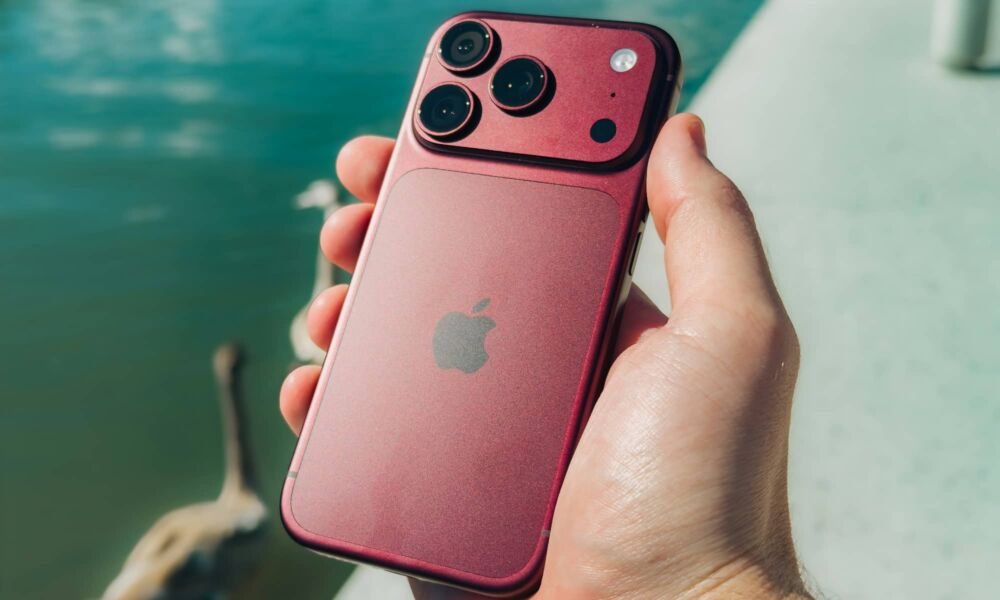
What if the iPhone you’ll be waiting for in two years is radically different from what we are used to today? While Apple hasn’t even revealed the details of the 2028 iPhone yet, rumors and leaks have already begun to sketch the first features of this highly anticipated device. These speculations gain importance from the reality of the smartphone market, as users planning to acquire an iPhone 18 within the usual two-year upgrade cycle will find the 2028 iPhone to be their next direct upgrade option. This is why eyes are turning early toward the 2028 iPhone, which may bring a set of striking changes that pave the way for a new phase in Apple’s phone design. In this article, we will take you on a quick tour as we review 6 anticipated upgrades in the 2028 iPhone.
A more advanced curved screen
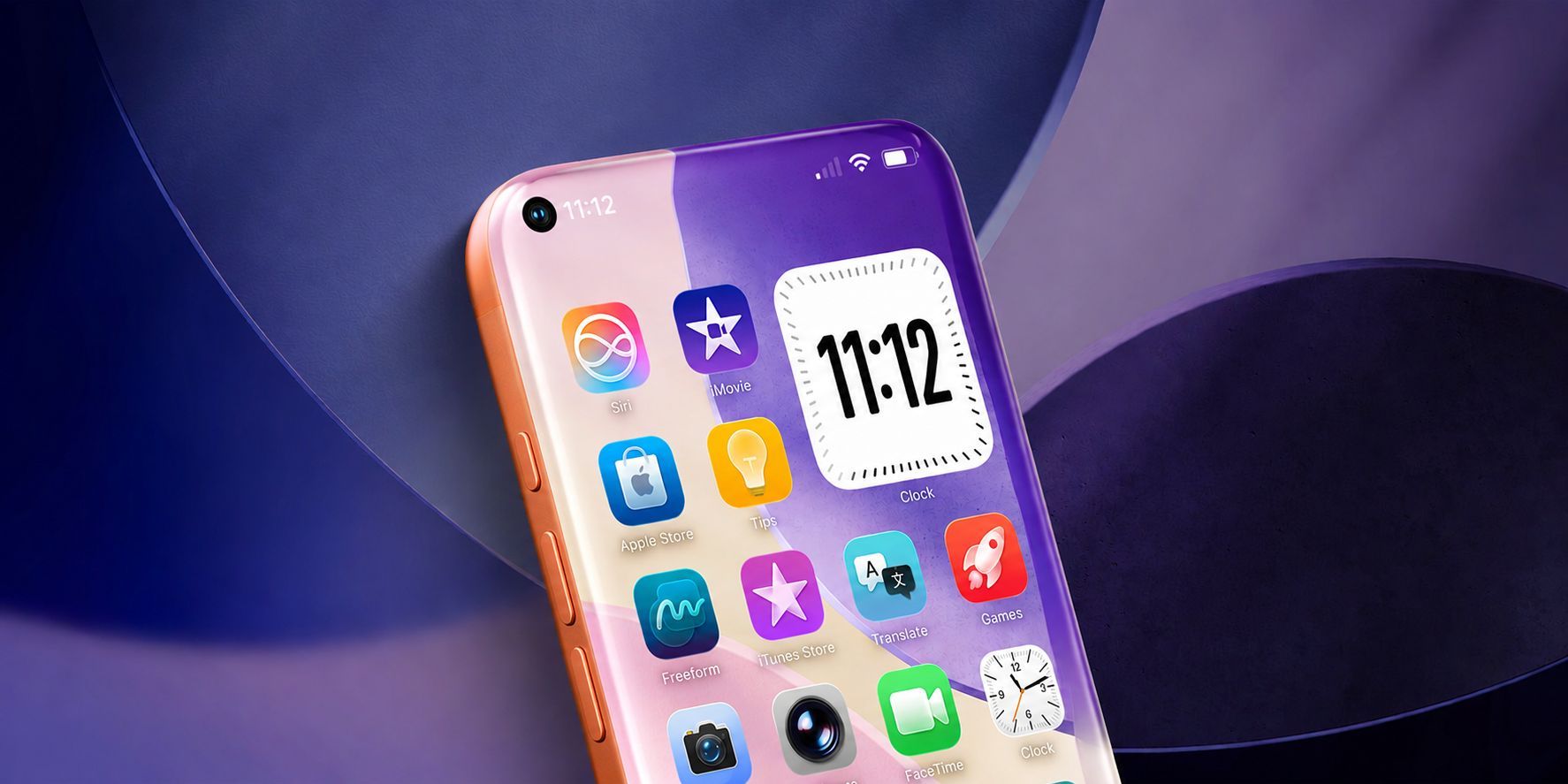
Leaks indicate that Apple will continue to rely on a curved screen that wraps around the four edges of the phone, but with improvements aimed at the display quality itself. Instead of using a cathode layer based on a magnesium-silver alloy, it is said that the company will move to a more transparent Indium Zinc Oxide material, which could reduce image distortion at the curved edges, maintain balanced brightness distribution, and improve heat management during use. It is also expected that a special light-distribution layer will continue to be used within the screen to maintain brightness uniformity across all its parts.
The Dynamic Island and selfie camera
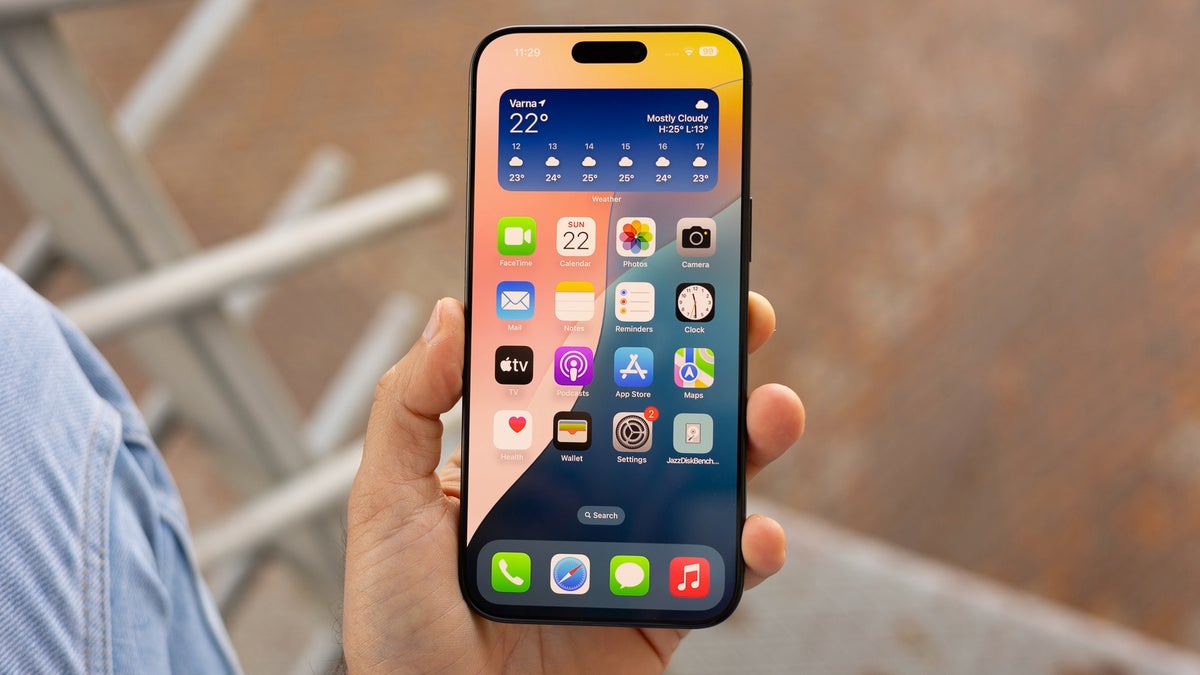
Apple continues to strive to hide all front-facing components under the screen, including Face ID technology and the front camera. Expectations suggest that this technology may not be fully ready for the 2027 phone, meaning the 2028 iPhone has a better chance of achieving a front interface that is almost free of any visible elements, whether by shrinking the camera cutout to a minimum or moving the Face ID sensors and selfie camera entirely under the screen.
Thinner bezels
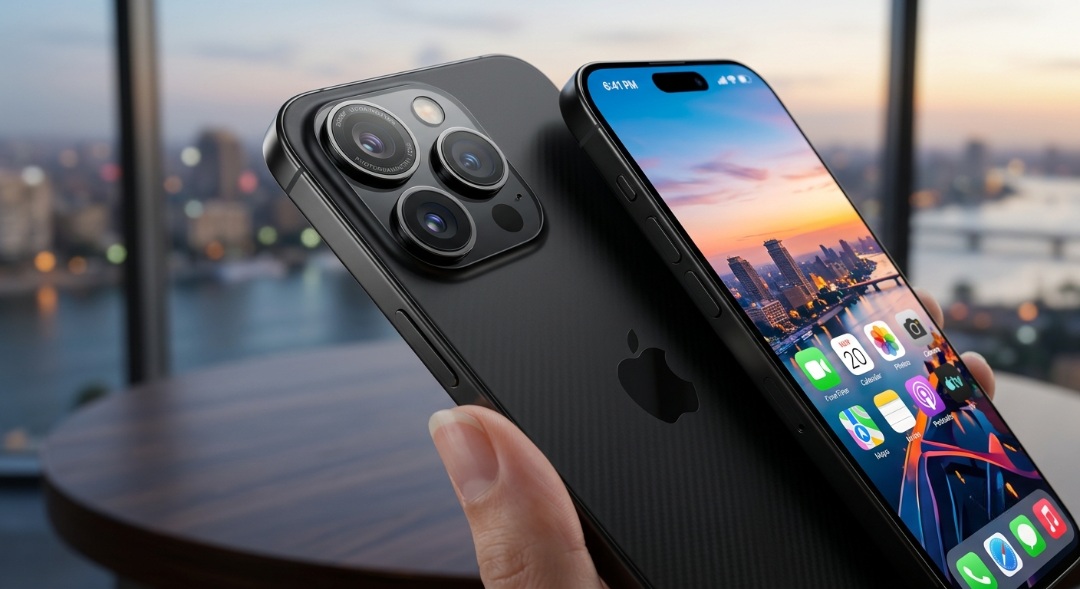
Another advantage associated with using Indium Zinc Oxide is the possibility of reducing the bezels surrounding the screen even further than the previous generation. This means Apple will take an extra step toward the concept of a screen that covers the entire front, while reducing the black areas surrounding it to the lowest possible level.
Tandem OLED screen
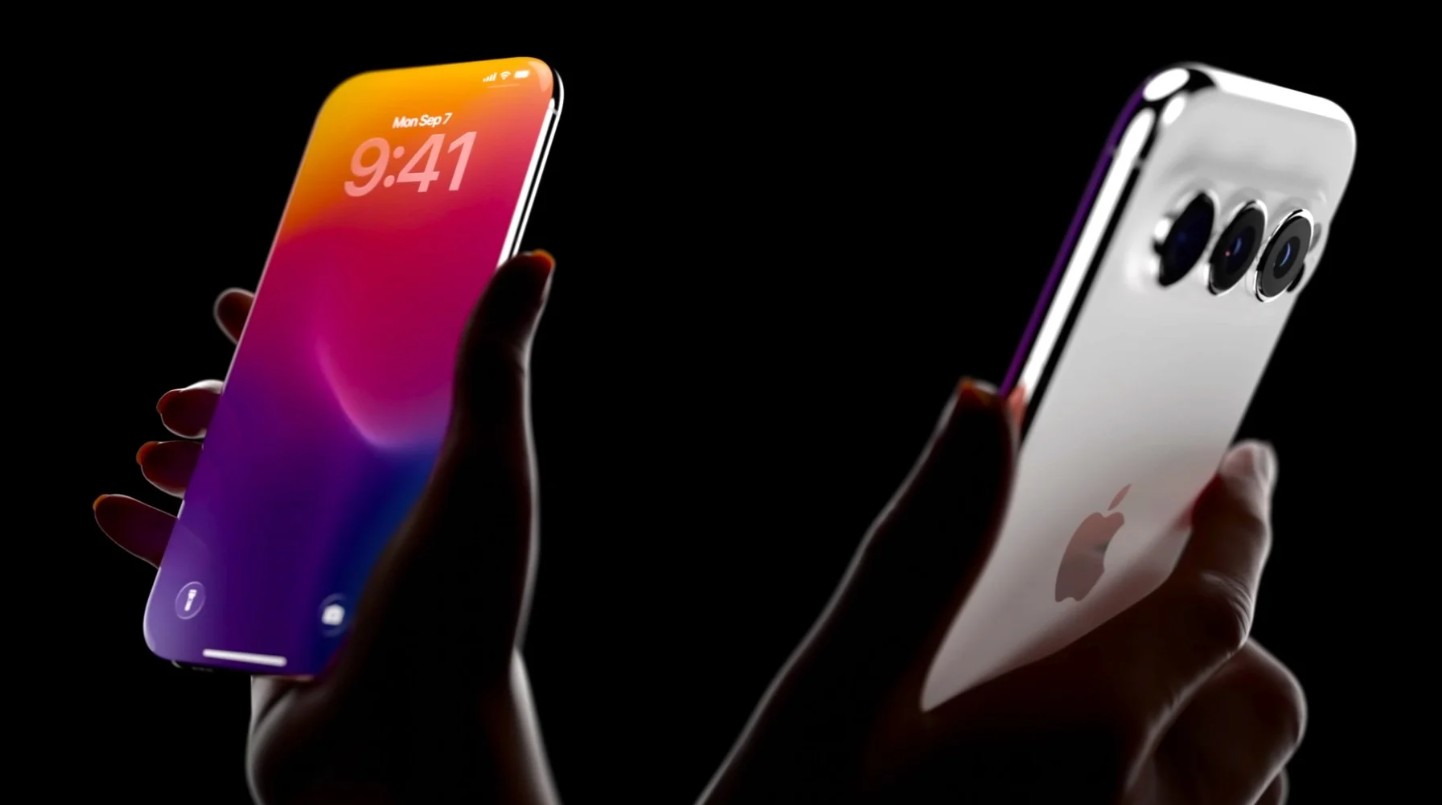
Apple is considering introducing Tandem OLED technology to the iPhone, having already used it in the iPad Pro with the M4 chip. This technology relies on merging two layers of light-emitting materials on top of each other instead of one, which provides higher brightness, a longer lifespan, and better energy efficiency compared to the single-layer panels currently in use. Reports indicate that LG has proposed a simplified version of this technology that relies on two layers for blue pixels only, but the final decision still rests with Apple.
A22 Pro processor with 1.4nm manufacturing process
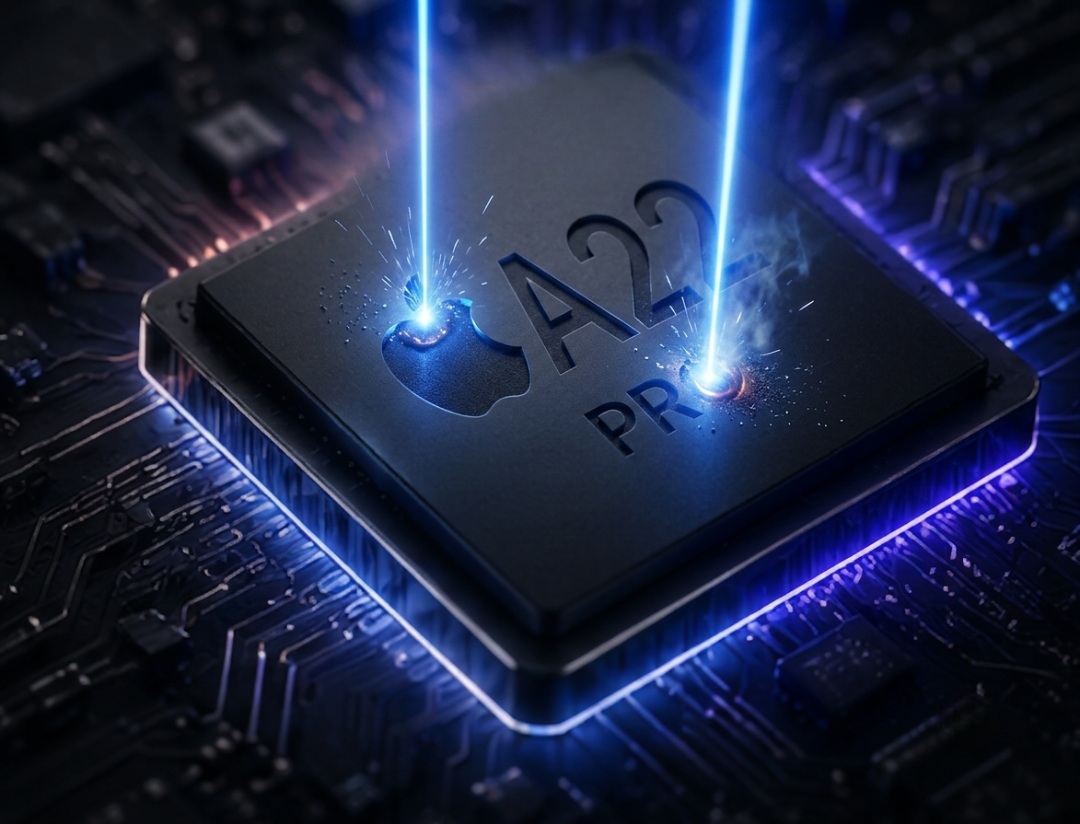
It is expected that the higher-end versions of the 2028 iPhone will move to the A22 Pro processor built on TSMC’s 1.4nm manufacturing process, following the use of 2nm processors in the previous generation. According to leaks, this processor may offer up to 15% higher performance compared to 2nm processors, or maintain the same performance while reducing power consumption by about 30%. The Taiwanese company is expected to handle the manufacturing of most chips, while Apple is considering the possibility of assigning part of the production to Intel.
200MP periscope camera
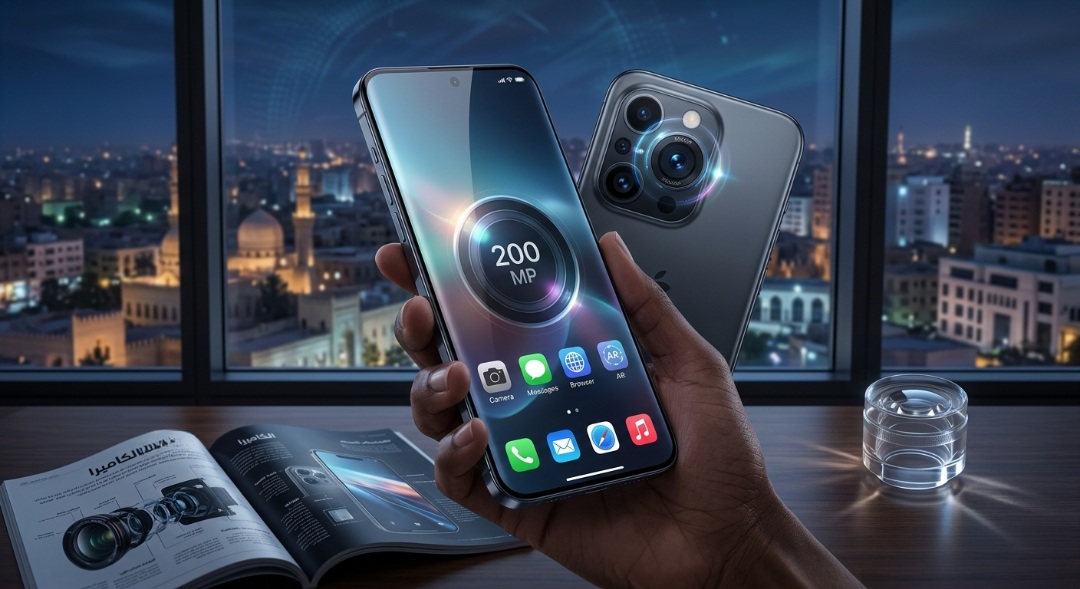
One of the most prominent upgrades being discussed is Apple’s testing of a 200MP periscope telephoto sensor. Information indicates that the company has already tested this technology in prototypes, but it is unlikely to reach iPhone devices before 2028. This sensor will allow for capturing more detailed photos, with the ability to crop large parts of the image or print them in larger sizes without losing quality. This could give Apple phones a major leap in zoom capabilities and professional photography.
In the end, it seems that the 2028 iPhone will not just be another annual update, but an important link in Apple’s journey toward redefining the shape of the phone we know today. Between a screen that gets closer to the concept of a full-face display, thinner bezels, advanced display technologies, a smaller and more efficient processor, and a 200MP telephoto camera, the features of an upgrade are taking shape that may give Apple the advantage and make it sit on the throne of smartphones.
Do you think the 2028 iPhone will be the phone that returns Apple to the throne of smartphones? Let us know in the comments!
Source:
Leave a Reply