After five years of relative stability in design, Apple is preparing to launch the biggest update in the history of its professional laptops. The new device, expected to be named “MacBook Ultra,” will not be just a traditional update, but a complete shift that includes the screen, the design, and even the way you interact with the macOS system itself. Here is the most important information leaked so far about this highly anticipated device.
When will the MacBook Ultra be released?
According to journalist Mark Gurman from Bloomberg, the device is expected to arrive between late 2026 and early 2027, with an increasing likelihood of the later date due to the global memory chip shortage crisis. Conversely, analyst Ming-Chi Kuo believes that mass production could begin by late 2026.
A new name above the “Pro” category
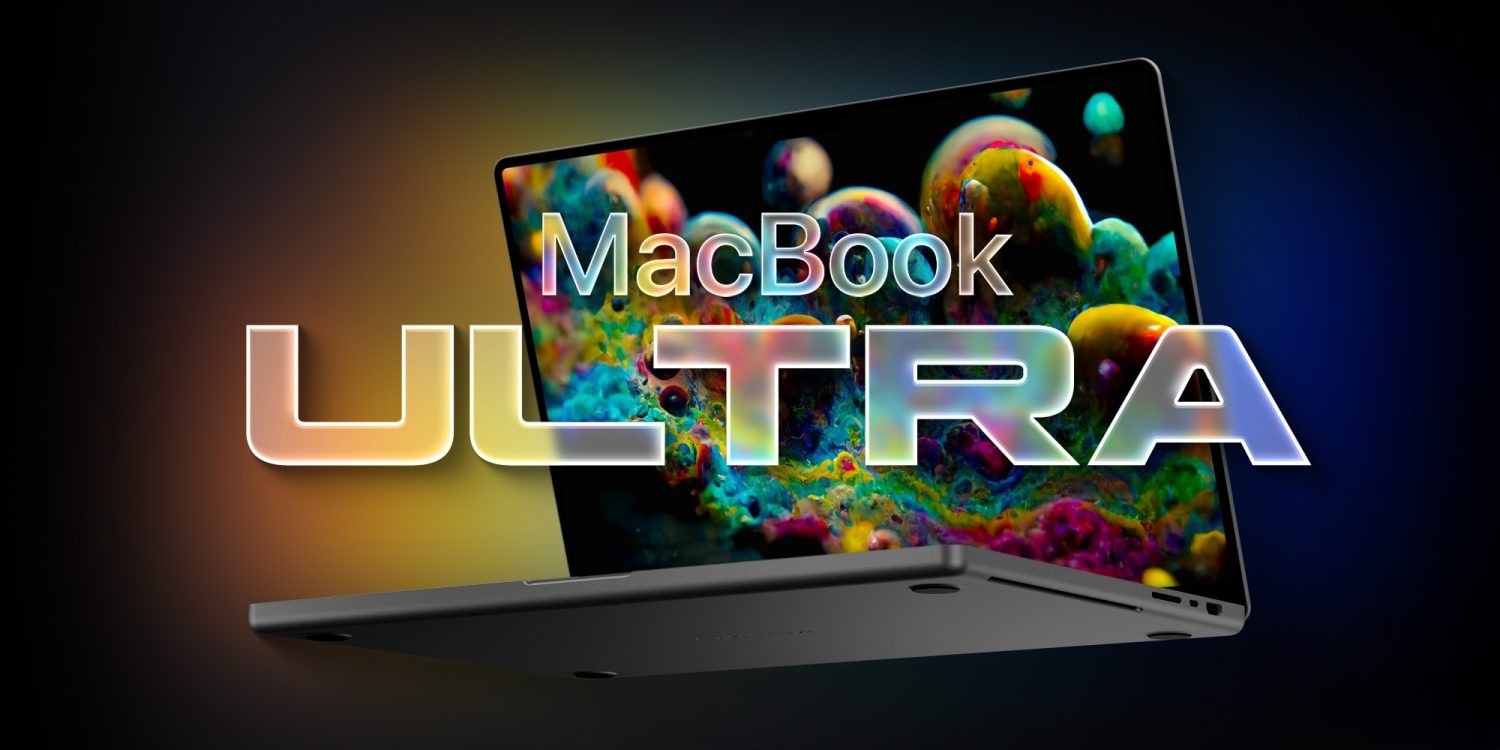
For the first time, Apple plans to launch the “Ultra” classification for one of its laptop products, having previously used this name with its M-series chips. Although the final naming has not yet been confirmed, and Apple may retain the “MacBook Pro” name, all current indicators suggest that “MacBook Ultra” will become a new category above the current model.
The first OLED screen in Mac history
The most prominent feature of this device is that it will be the first Mac computer to adopt OLED technology instead of the mini-LED backlight technology currently in use. This screen will offer deeper colors, a higher contrast ratio with true blacks, better brightness, and higher energy efficiency. Apple will rely on the same hybrid OLED technology used in the iPad Pro, which combines a metal oxide TFT layer with a dual-layer structure, giving the screen a longer lifespan.
A touchscreen for the first time on a Mac
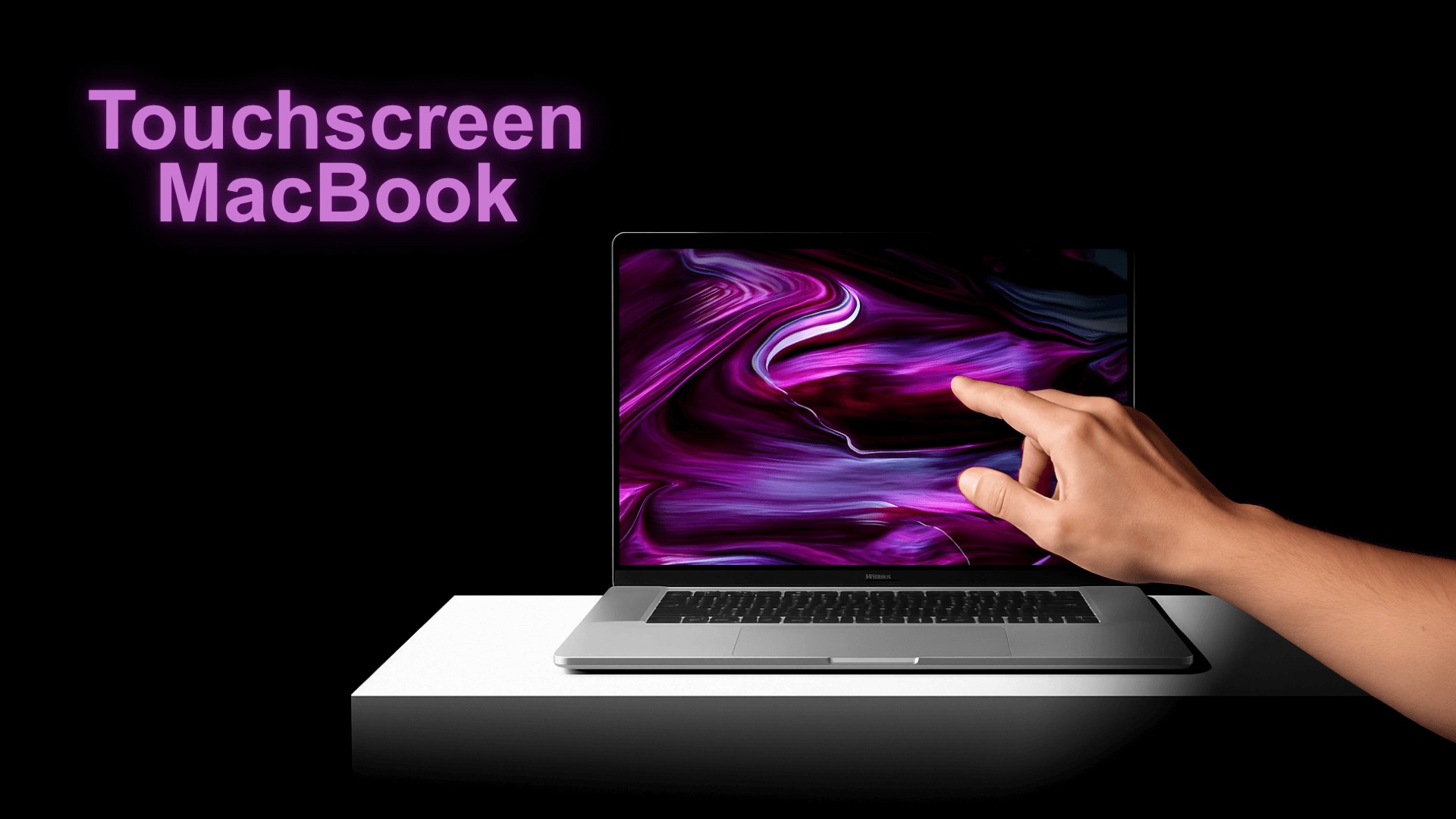
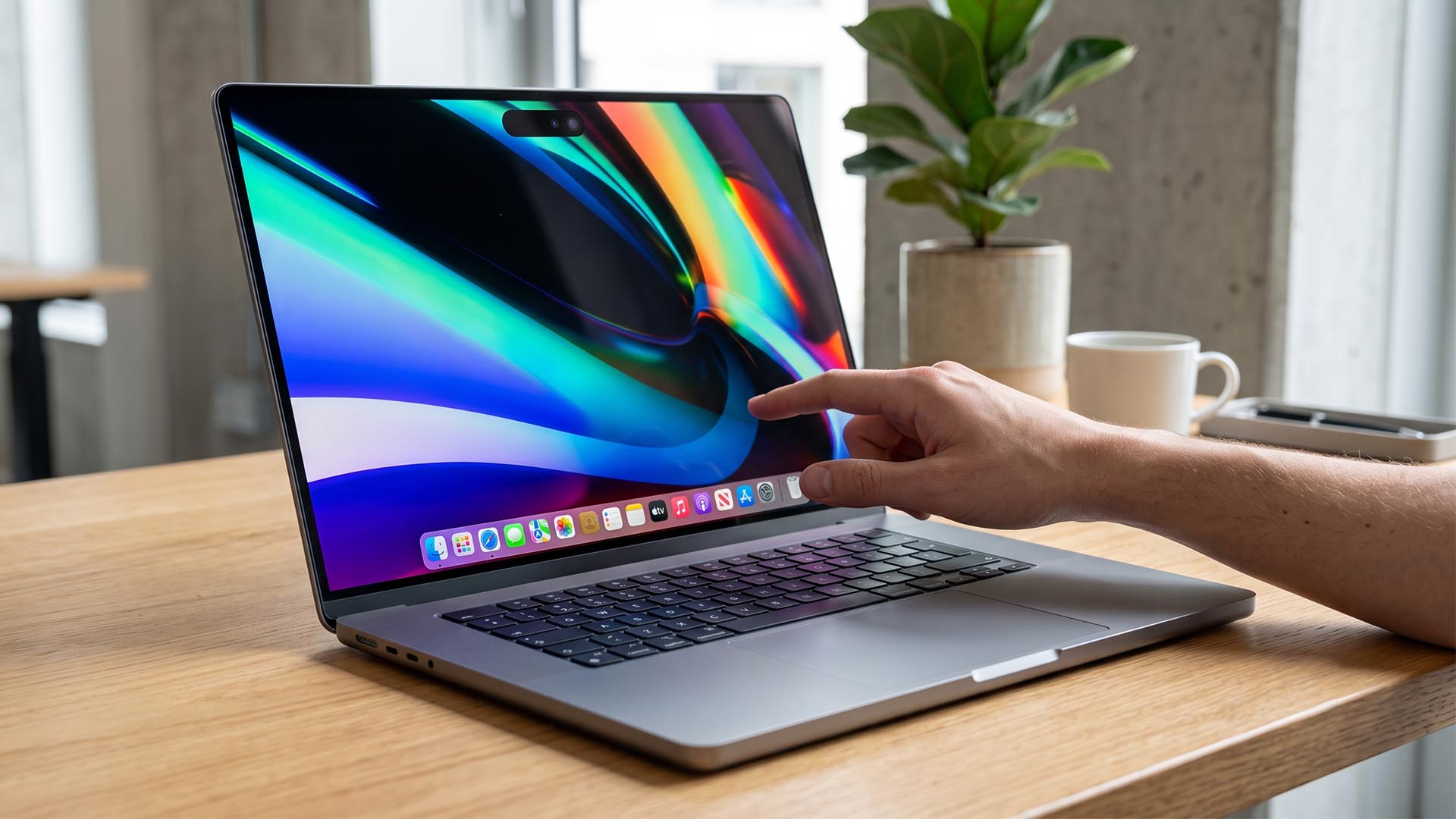
After years of Apple rejecting the idea of touchscreens on Mac devices, it seems the company has finally changed its stance. Both Kuo and Gurman, as well as the Chinese leaker “Instant Digital,” have confirmed that the new screen will support direct touch. However, Apple does not plan to turn the device into an iPad-like experience entirely, but rather describes it as “touch-friendly, not touch-first,” so that the user can navigate freely between touch, the trackpad, and the keyboard. The device will remain in the traditional “clamshell” design without any detachable or convertible form factor.
macOS adapts to touch
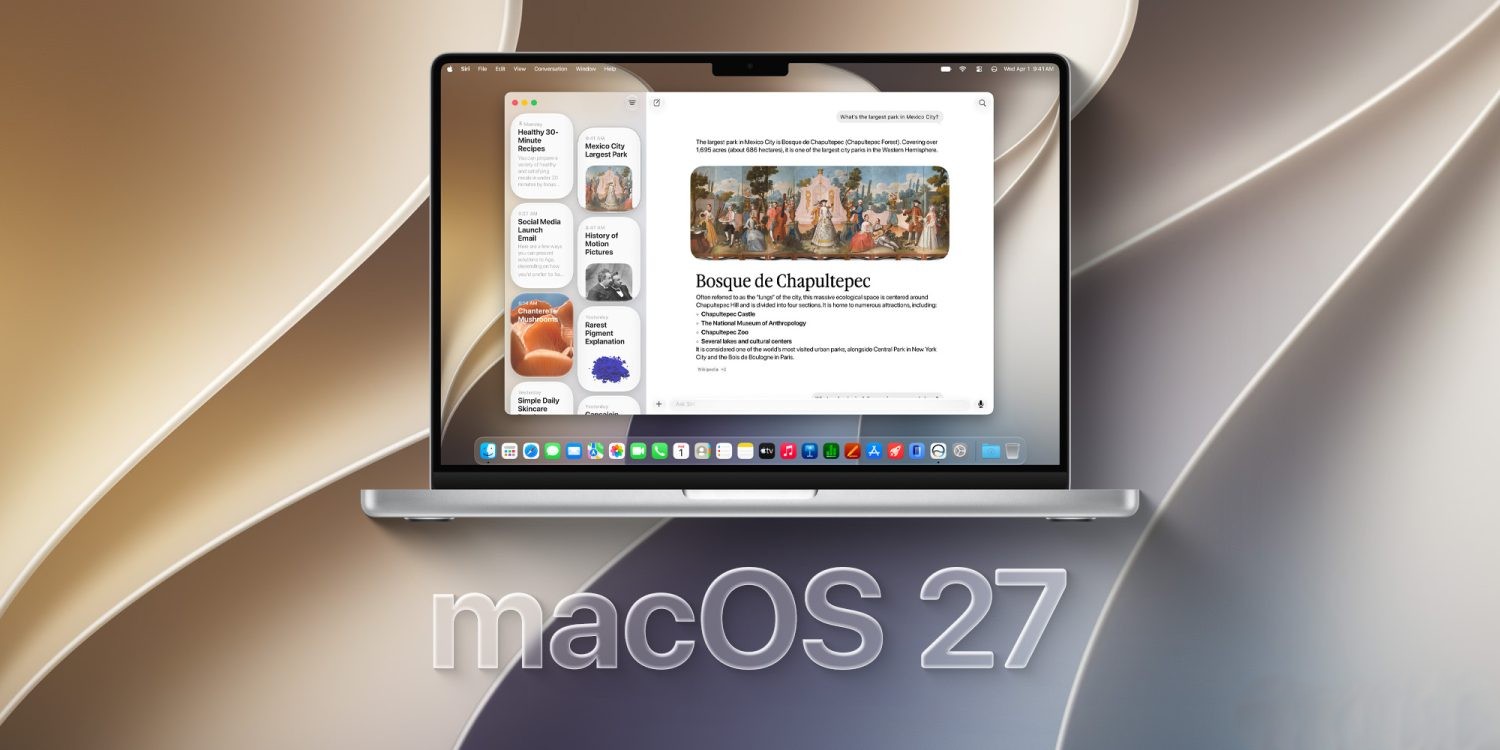
To support this feature, Apple is developing a version of macOS where control elements adapt according to the method of use. As soon as a menu bar element is touched, larger touch-specific controls will appear, with support for gestures similar to those found on the iPad, such as two-finger zooming and quick scrolling. These features will be integrated throughout the system and not limited to specific applications.
Reinforced hinge to withstand touch

Since the screen will be touch-capable, Apple needs a more rigid hinge that prevents the screen from wobbling when touched, as the current hinge in the MacBook Pro moves relatively easily and does not tilt backward to a significant degree.
Goodbye to the notch… Hello to Dynamic Island
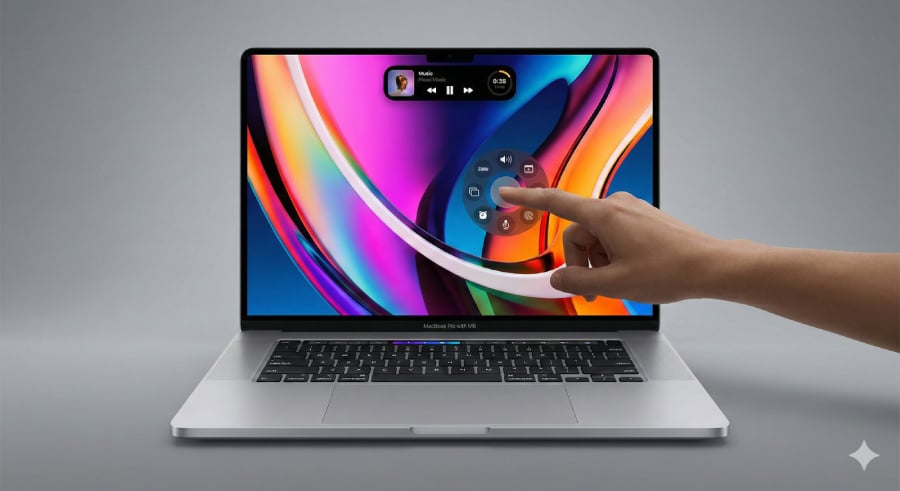
The “notch” we have become accustomed to seeing in modern MacBooks is expected to disappear, replaced by a small, hole-punch camera. This change will provide more space for the menu bar and bring the design closer to the concept of an uninterrupted, edge-to-edge screen.
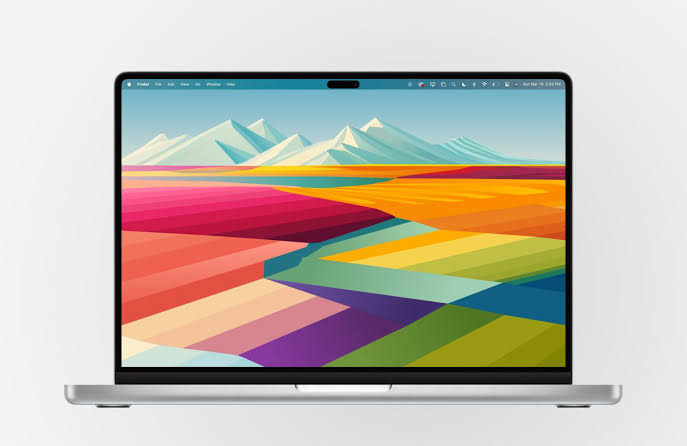
More excitingly, this hole will expand digitally to function like the Dynamic Island found in the iPhone, where interactive notifications such as Siri, low battery warnings, and AirPods connection indicators will appear, depending on the context and the application being used.
Processor: An unexpected surprise
Contrary to previous expectations, the device will come with the same current M5 Pro and M5 Max processors found in the MacBook Pro, as Apple has apparently decided to abandon the “M6 Pro” and “M6 Max” processors entirely. Instead, the company will move directly to M7 Pro and M7 Max processors, specifically designed to improve the performance of intensive AI workloads, with updated neural accelerators, graphics improvements, and increased memory bandwidth. Reports indicate that a second generation of the device with these processors could arrive by late 2027.
Thinner design in two familiar sizes
The MacBook Ultra is expected to be significantly thinner and lighter, which the new OLED screen will facilitate. The device will be available in two familiar sizes: 14 and 16 inches (codenamed K114 and K116), with slightly thinner bezels thanks to slightly larger display panels from Samsung Display. Fortunately, there are no signs yet of removing ports like HDMI, MagSafe, or the SD card slot, a decision that was extremely unpopular in the past.
Built-in cellular connectivity?
One of the most unconfirmed features is the possibility of built-in cellular connectivity support, a feature never before offered in any Mac device. If this comes to fruition, Apple is likely to rely on the current C1X modem or the next-generation C2 modem to support 5G and LTE networks.
Indicators from macOS 27 Golden Gate
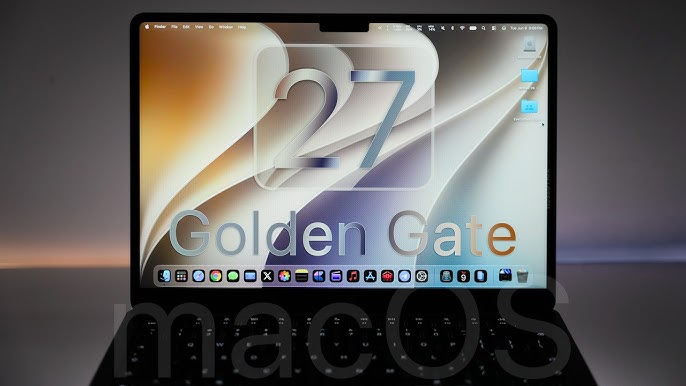
There are already software clues hinting at the arrival of this device. macOS 27 Golden Gate adds direct touch support to the Sidecar feature and introduces a pull-to-refresh feature similar to the iPhone in apps like Safari, Mail, and Calendar. Additionally, the new “Search or Ask” interface for Siri in Spotlight adopts a dark, oval design that seems perfectly consistent with the Dynamic Island concept.
Price: The biggest question mark
The price remains the most mysterious point in this story, but all indicators suggest it will be high. After Apple raised the prices of its entire Mac lineup in June, the price of the 14-inch MacBook Pro now starts at $1,999, reaching $2,499 with the M5 Pro processor, while the 16-inch model starts at $2,999. The MacBook Ultra is expected to be positioned above all these prices.
It seems Apple has been preparing to introduce an ambitious redesign for its laptops since 2021, with an OLED screen, touch support, and an entirely new Dynamic Island concept for the Mac platform. But the irony is that this revolutionary design will initially come with processors that are not the latest, meaning a subsequent generation with M7 processors could appear in less than a year. Is it worth the wait, or will this first version be enough for most users?
Source:
Leave a Reply