The discovery of code within the iOS 27 beta has sparked concern and debate among tech enthusiasts; leaks pointed to a digital restriction system acting as a “software bailiff” capable of disabling iPhones and other equipment in the event of missed lease payments. Fortunately, Apple quickly broke its silence to put these fears to rest and clarify its stance on this feature.
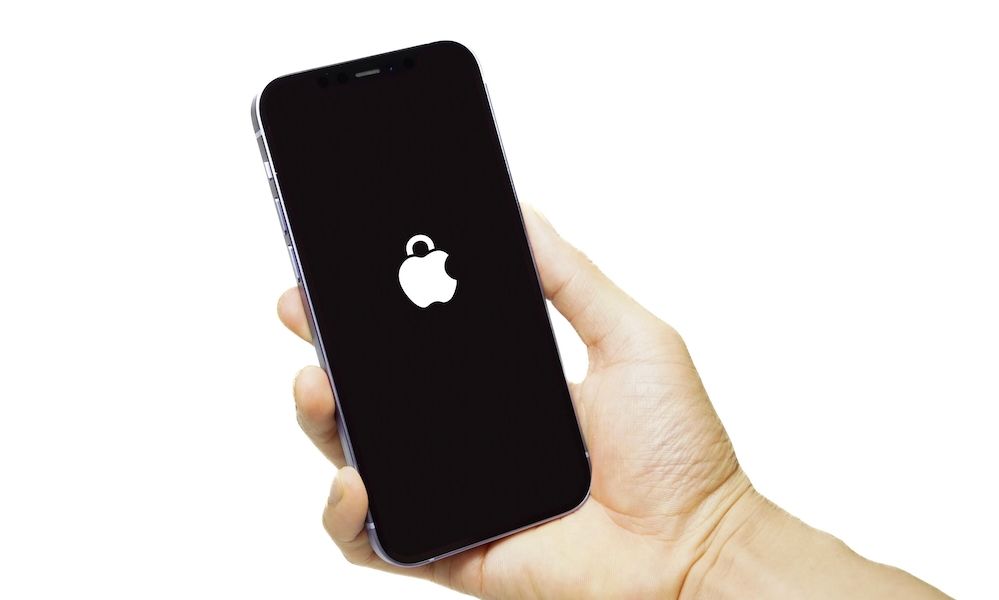
The Ghost of Digital Locking in iOS 27
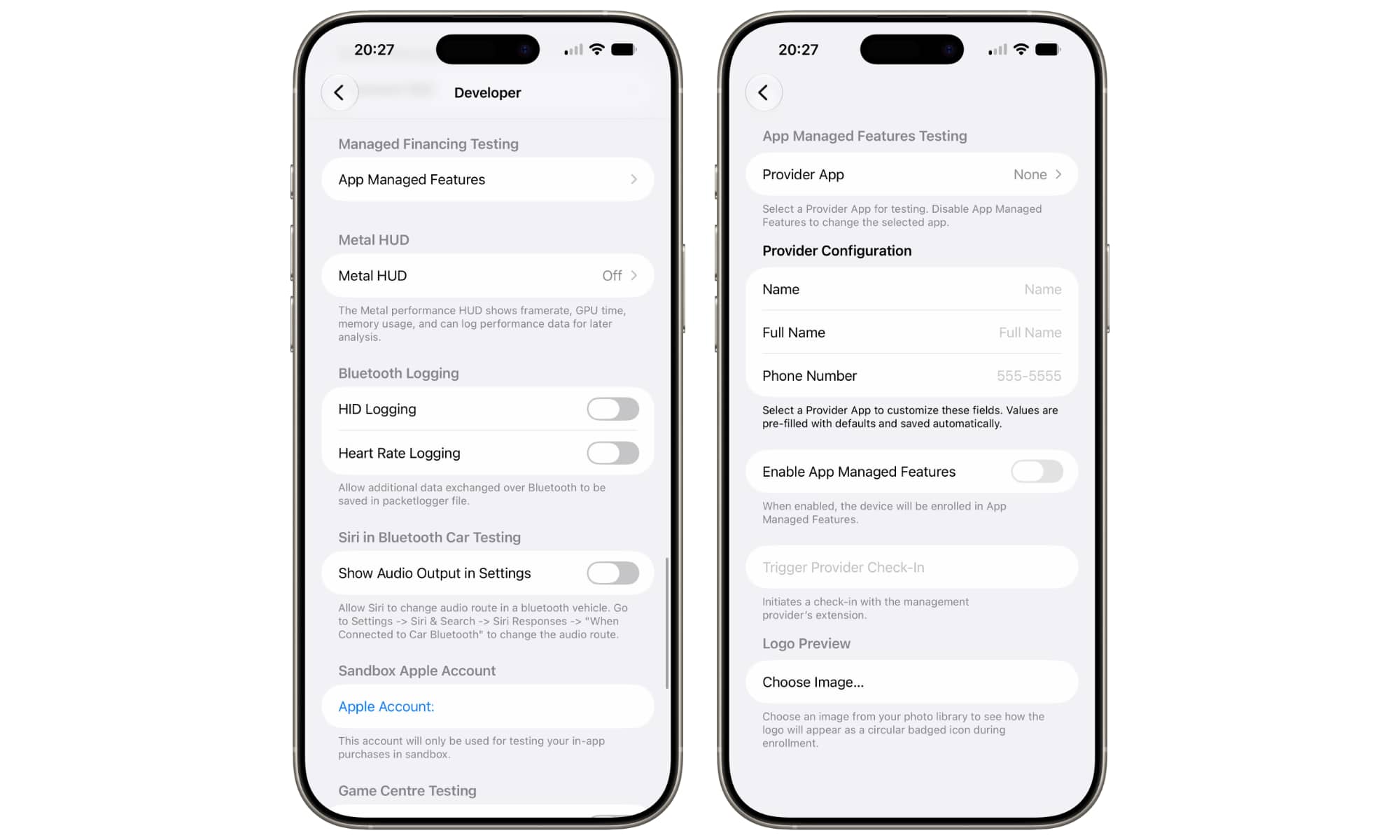
The story began when Apple announced a new upgrade program allowing users to lease iPhones, Apple Watches, iPads, and Macs at an affordable monthly cost. Although the news was widely welcomed, the spotting of a software feature called “App Managed Features” in the beta version raised many questions.
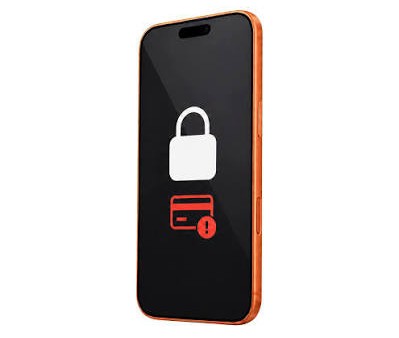
This feature allowed authorized financing institutions to restrict iPhone functionality if a customer fell behind on payments, disabling all third-party apps while keeping only essential functions active, such as making phone calls, using Wallet app cards, viewing health data and passwords, and receiving important notifications. The software also included a “Partner Finance Lock” feature that prevents the device from being wiped or reset, much like the Activation Lock feature.
Apple’s Official Response: No “Restriction Mode”
In light of these speculations, an Apple spokesperson provided a definitive statement, confirming that the company will not use any restriction mode and will not impose any limitations on device functionality due to non-payment or default within its own upgrade program.
Based on this statement, handling delinquent accounts will be managed by the financing partner “Klarna” through legal means and traditional collection methods accepted in the financial sector. In the event of three consecutive months of non-payment, the lease agreement will be terminated, and the customer will be required to pay the total remaining balance, without resorting to software-based device immobilization.
Why does this feature exist in the system then?
In some global markets, locking financed phones in the event of default is a common and accepted practice. It is worth noting that these restrictions will not be imposed on any user without their consent; it requires activating a specific app from the financing company on the user’s iPhone, a procedure that requires explicit consent when signing the financing option with third-party entities.
Source:



Leave a Reply