The AirTag might seem like just a small, coin-sized piece of hardware, but this device is capable of turning your phone into an effective tool for finding things you constantly lose. With the evolution of the AirTag in 2026, it has become more accurate, louder, and better at reaching lost items, but behind these advantages lie limitations that may only become apparent after use. So, is the AirTag still the best choice, or have competitors started offering real reasons to choose them? This is what we will explore in the following lines as we examine why the AirTag might be the best and worst tracking device at the same time.
Why might you choose the AirTag tracker?
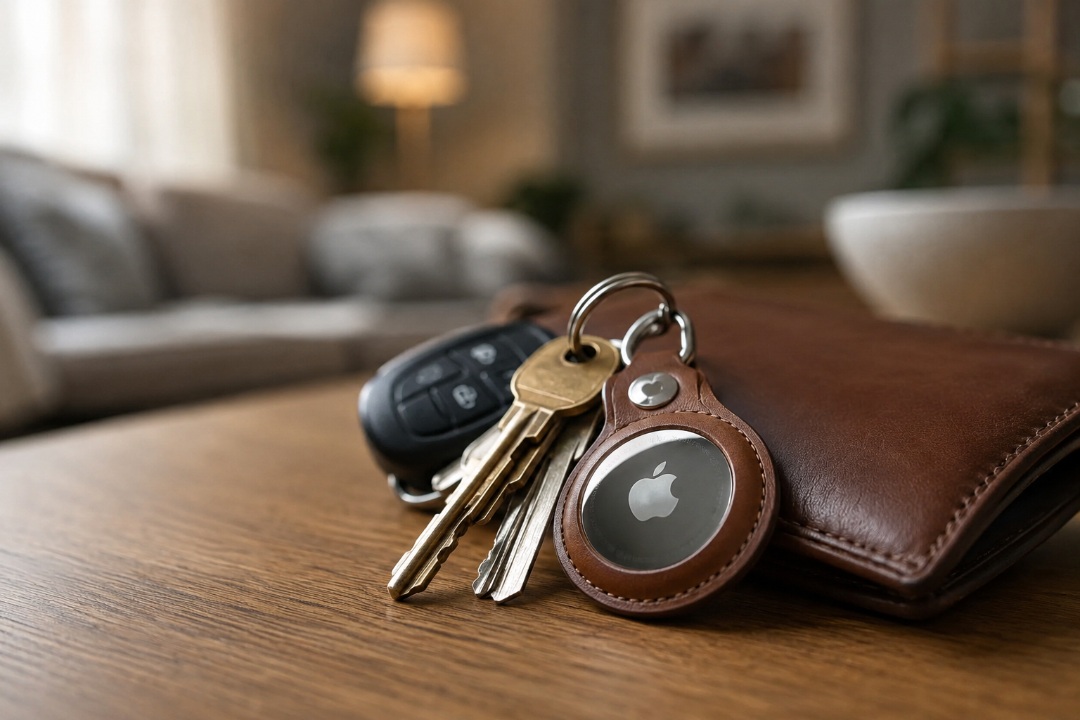
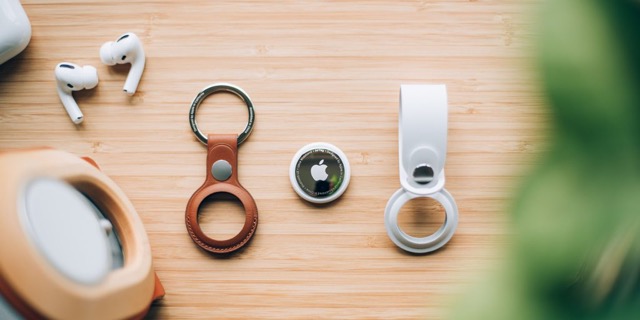
The most prominent strength of the AirTag is its ease of integration with Apple devices. The device only works with the company’s products, but this limitation turns into an advantage if you use an iPhone, as it can be paired quickly and integrated directly with the Find My app without complex settings. After placing it inside a suitable holder, you can attach it to keys or a wallet, and it can also be placed inside a suitcase or a glasses case.
Although Apple does not design the AirTag to track people or animals, some people use it in their children’s school bags or pet collars as a low-cost way to give them an extra measure of peace of mind. The device also features dust and water resistance, allowing it to be used anywhere without any issues.
Furthermore, you can hide it inside a car to help determine its location or the area where it is if it gets stolen. In some cases, a thief might not receive an alert about the presence of an AirTag until about 24 hours later, which may give the car owner time to locate it and report the available information to the authorities.
High accuracy in finding items
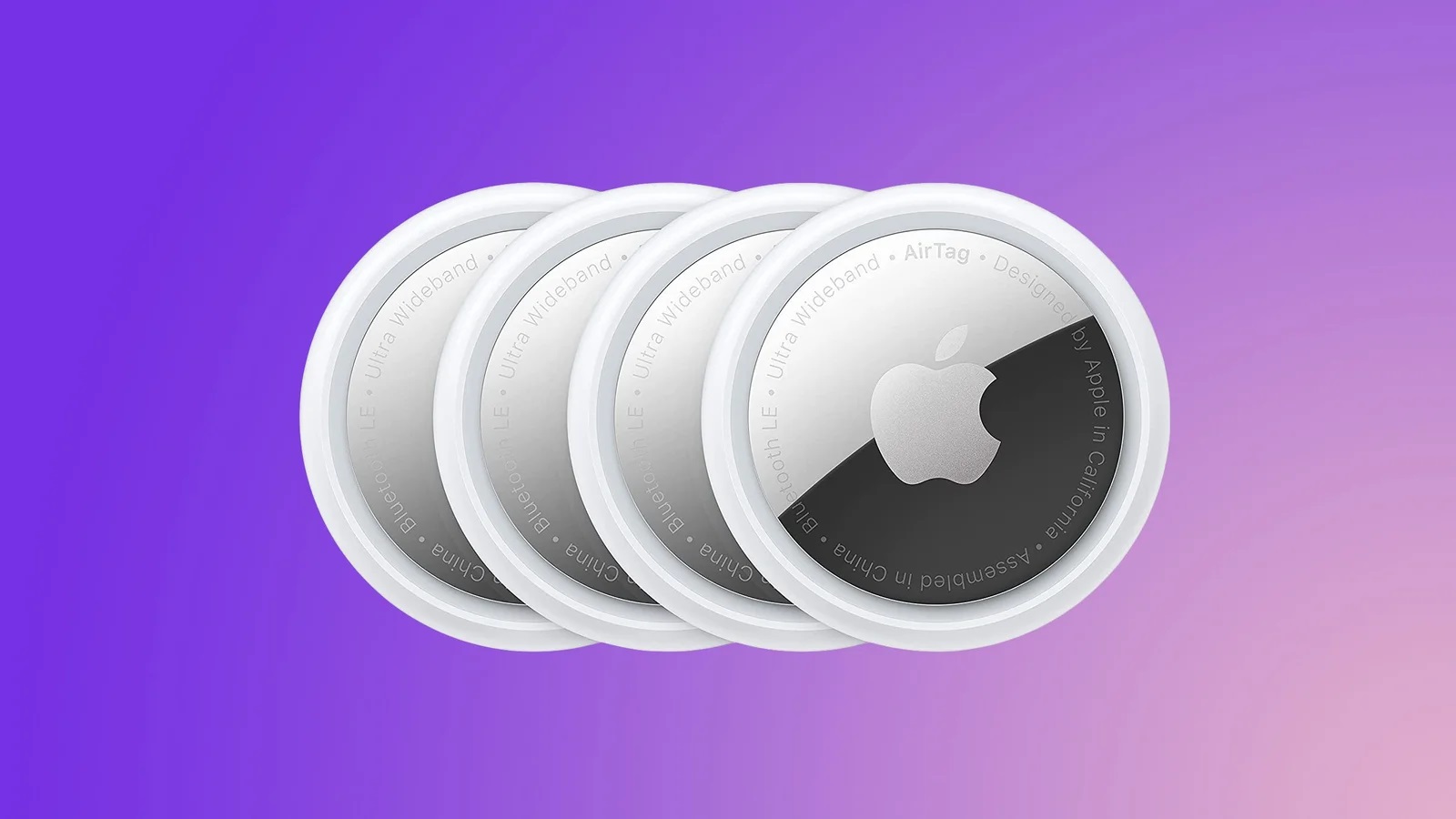
The Precision Finding feature is one of the AirTag’s greatest strengths, helping you pinpoint the device’s location when it is near you. If your keys fall under the sofa cushions or you put your wallet inside a jacket you threw in the laundry basket, this feature can save a lot of search time.
An AirTag can be shared with up to five family members, making the device suitable for tracking shared items like house keys or a child’s bag. If the lost item is nearby, you can play a sound from the AirTag to reach it, and the speaker has become louder in the newer version, making the process of finding your belongings easier.
If the device is left in a distant place, such as an airport, office, or cafe, the power of the Find My network comes to the fore. Nearby devices such as the iPhone, iPad, and Mac can help determine the tracker’s location through a secure Bluetooth signal that sends the location via Apple devices in its vicinity.
Additional privacy and alert features
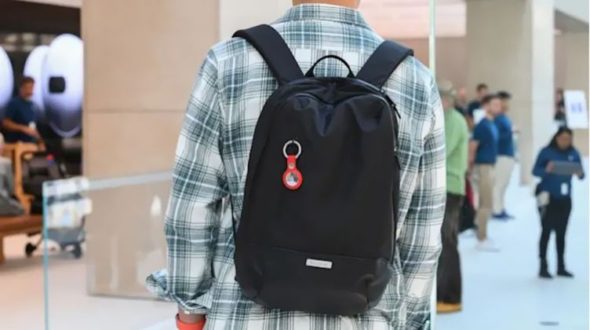
The AirTag provides a set of settings that give the user greater control. For example, you can receive a notification when the device is detected, along with the ability to add your contact information so that the person who finds the item can contact you and return it.
You can also enable an alert that notifies you as soon as one of your items moves away from you. For example, if you leave the car and leave your bag behind, the device can alert you instead of discovering it when it is too late.
On the other hand, Apple has focused on the security aspect through features designed to limit the misuse of AirTag for surveillance and covert tracking of people.
As for the battery, it needs to be replaced rather than charged, but it lasts for nearly a full year and uses a small coin-type battery, which is cheap and widely available.
Where do the AirTag’s flaws lie?
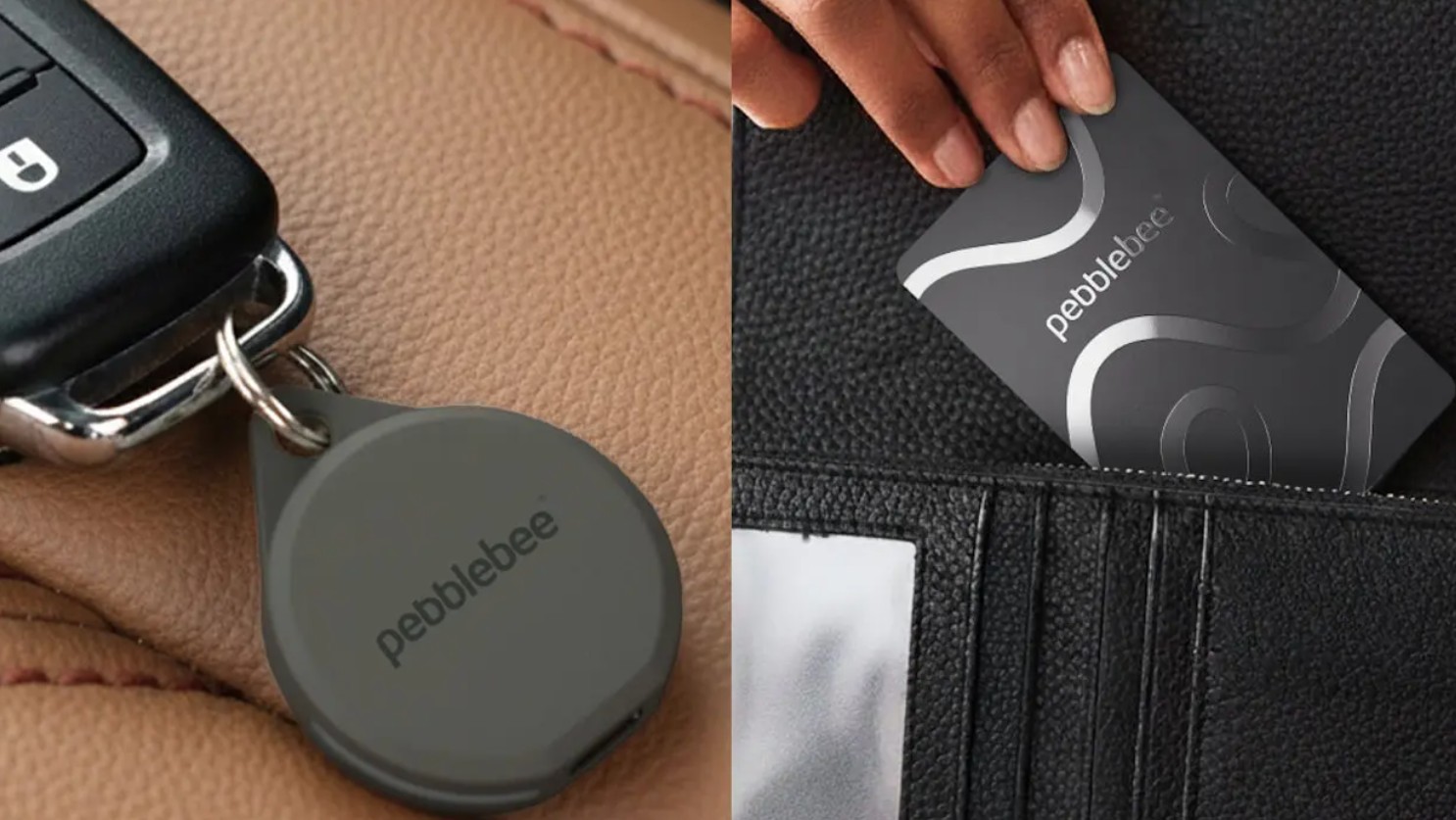
Despite the power of the AirTag, its closed design within the Apple ecosystem is a problem for those who use Android devices or want a device that works across more than one system. There are also alternatives from other companies that can take advantage of the Find My network, and some also support the Google Find Hub network. Among these options are devices from Chipolo and Hyper, in addition to Tile by Life360.
This is where design becomes an advantage; for example, the Chipolo Card comes in a credit card-like design, making it suitable for a wallet, while it is difficult to place an AirTag inside a wallet comfortably due to its circular shape and thickness. There are also products like the Tile by Life360 Sticker that can be easily attached under a skateboard or inside a glasses case.
Another drawback is that buying an AirTag does not necessarily mean you get everything you need. If you don’t buy a bundle that includes a holder, you will have to buy the holder separately, especially since the device does not have a built-in loop to hang it on keys.
Although the AirTag battery lasts a long time and can be easily replaced, it is not rechargeable, which is a point that might matter to some users even though coin batteries are cheap and easy to find.
What about Bluetooth range?
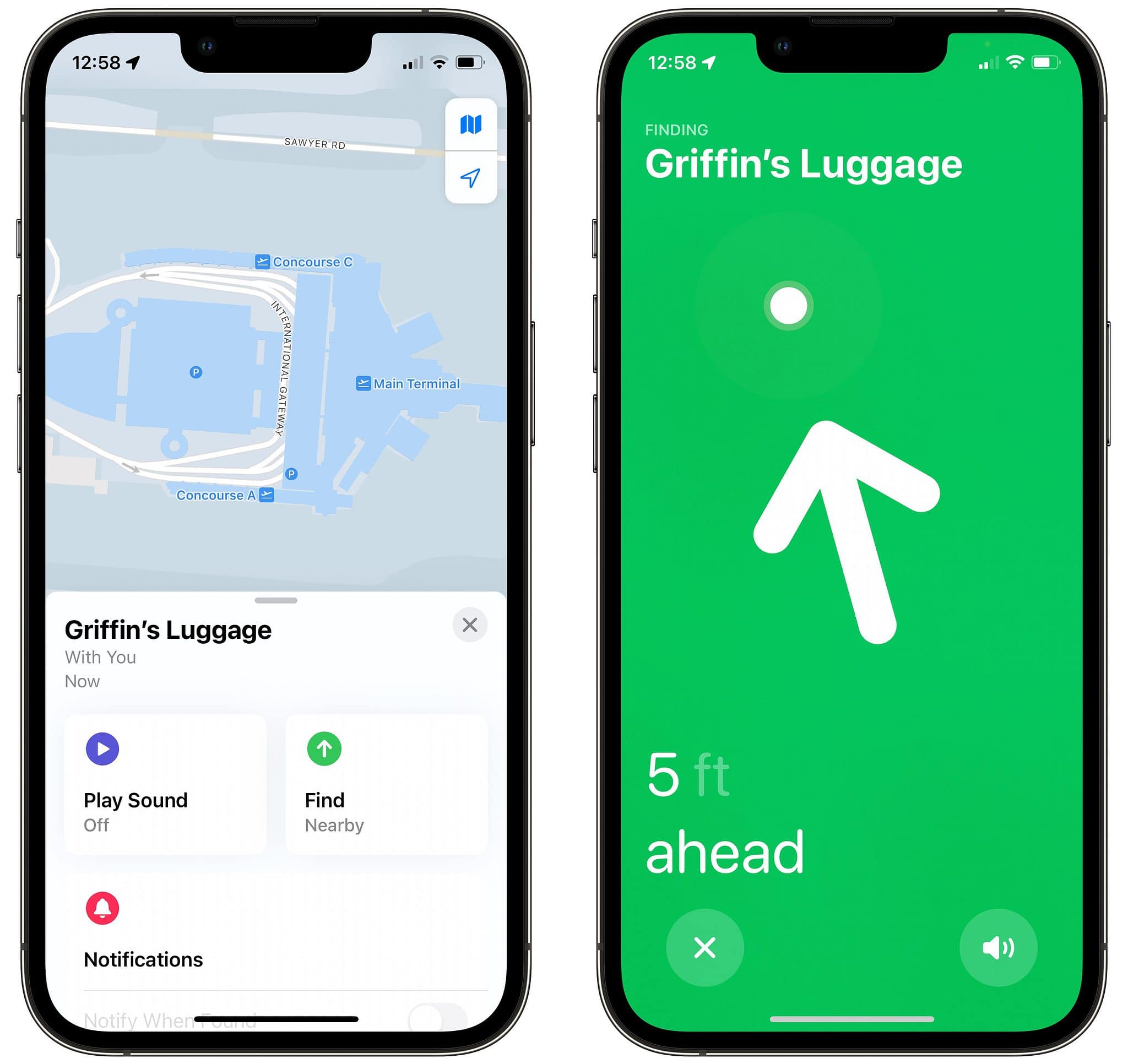
Although Apple has improved the Bluetooth range in the new AirTag, the range for finding nearby items is approximately between 30 and 100 feet (9 and 31 meters).
In contrast, some competitors offer a much larger range. For example, the Chipolo Pop reaches about 300 feet (approximately 92 meters), while the Pebblebee Clip 5 range extends to about 500 feet (about 150 meters). Both devices also work with both iOS and Android systems. This gives the user greater flexibility that Apple’s tracker does not provide.
Is the AirTag the best choice?
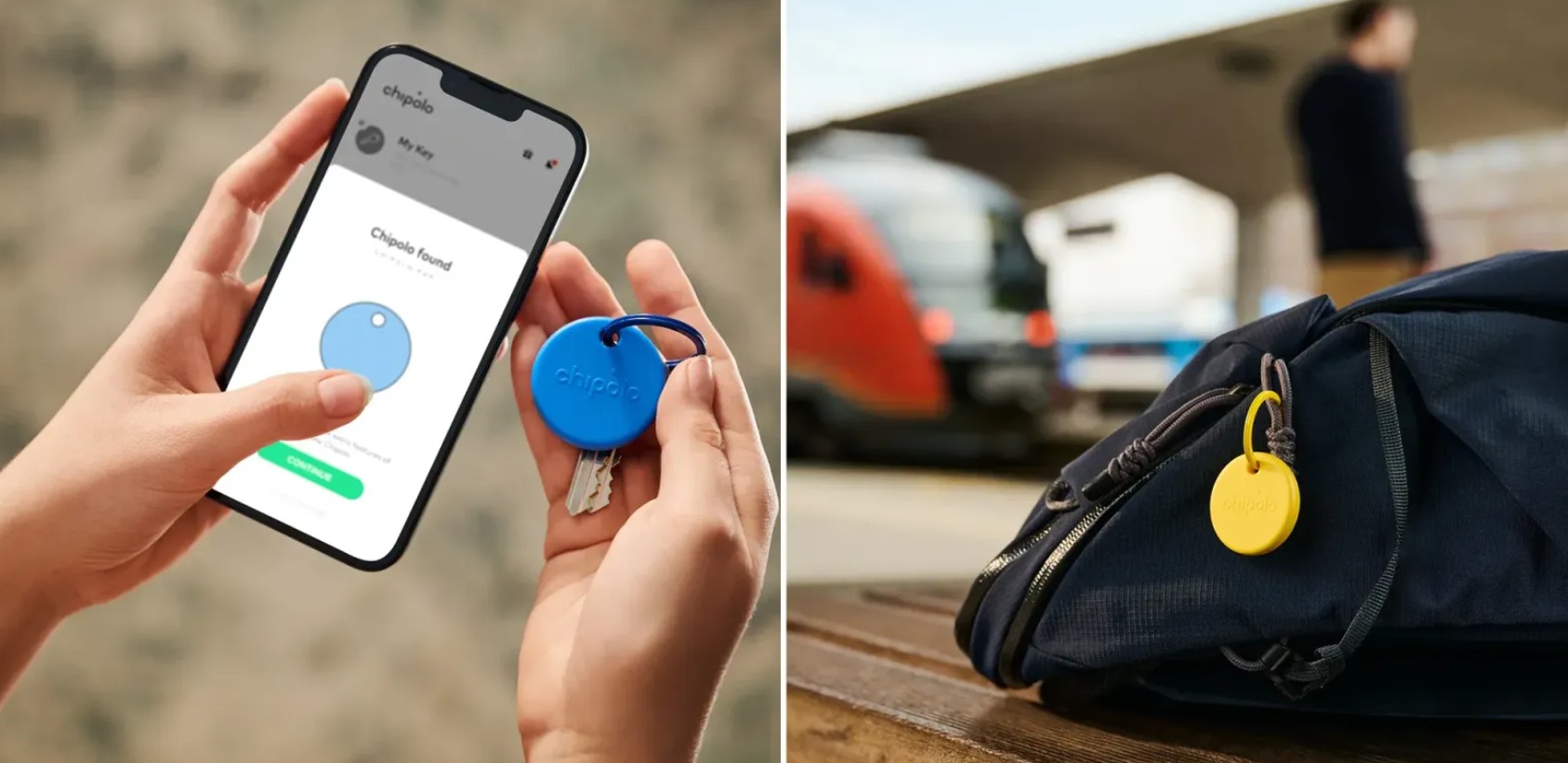
If you use an iPhone and other Apple devices, it is hard to ignore the ease of the AirTag. Setup is simple, integration with Find My is seamless, and the Precision Finding feature is extremely useful, especially when looking for small items lost inside the house or office. However, the picture is different if you are looking for a more flexible device. There are competitors that offer different designs that fit wallets or tight spaces, longer Bluetooth range, and some work with both the Find My and Google Find Hub networks, with the need to choose one network at a time. You must also account for the cost of an additional holder when buying an AirTag, because its circular and relatively thick design makes it less suitable for some uses, not to mention the ease of losing it if it is not attached inside a holder.
In the end, it cannot be denied that the AirTag offers one of the smoothest tracking experiences for Apple device users, especially thanks to its integration with the Find My network and the accuracy of finding items. But the competition is no longer far behind. More flexible designs, longer range, and support for different platforms make some alternatives more attractive in certain cases. Therefore, before buying, you should consider that the most suitable tracker for you is the one that is compatible with your phone, your way of use, and the place where you want to attach it.
What do you think of the AirTag? Do you see it as the best tracker, or do you prefer one of the competing alternatives? Share your experience in the comments!
Source:

Leave a Reply