Apple’s exciting “Surprise and Shine” event just concluded, and it was undoubtedly the most significant event this year, marking the official debut of the foldable iPhone Duo after years of speculation. But the list didn’t stop there; they also announced the iPhone 18 Pro series, Apple Watch 12, Apple Watch Ultra 4, and the new AirPods 5. In this article, we walk you through the highlights of the event.

Opening Remarks and Apple’s Vision for the Future of AI
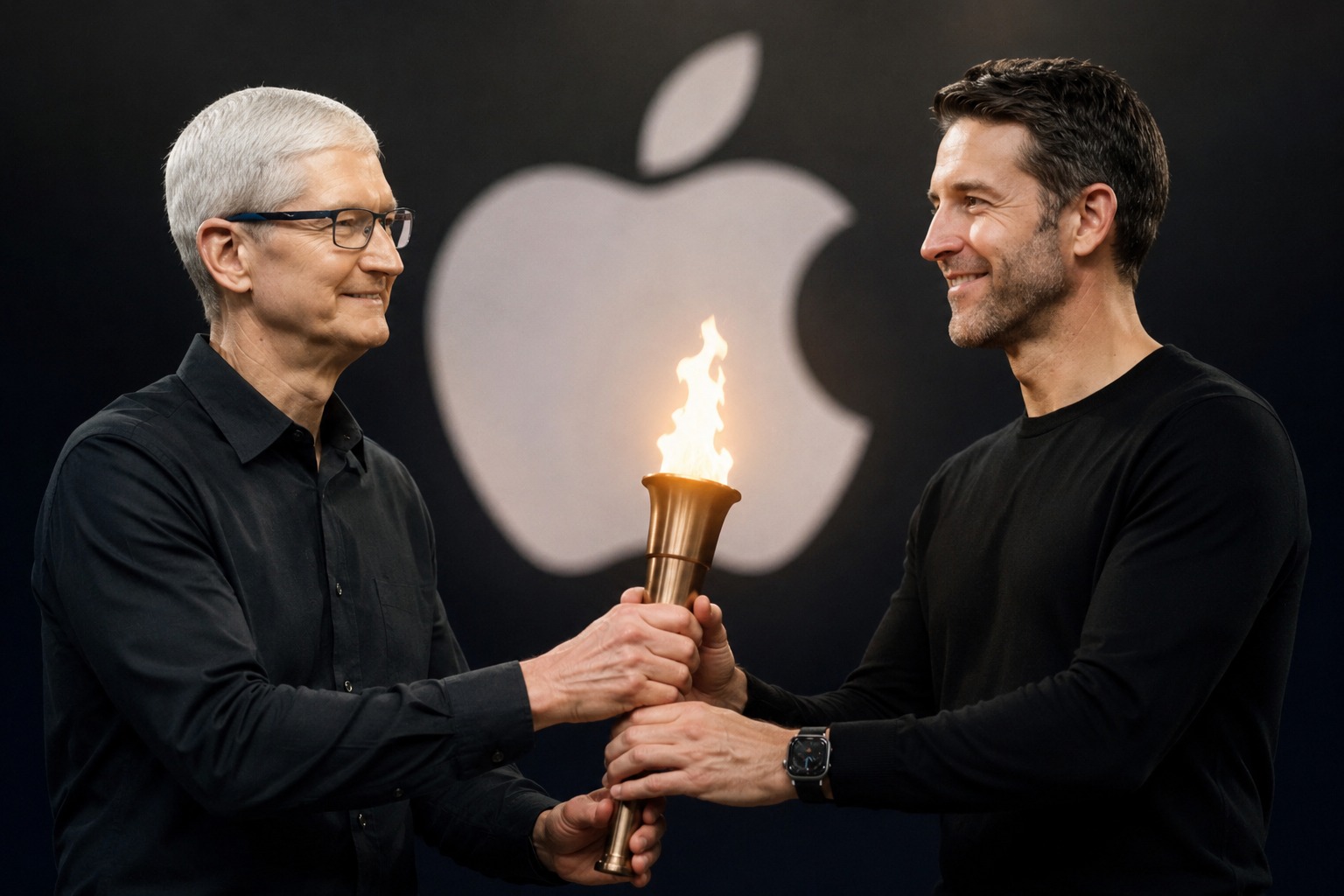
The event began with a video shot entirely on an iPhone, showcasing cinematic scenes with high quality and color contrast. Afterward, former CEO Tim Cook appeared briefly, saying, “It’s not me”—meaning who would present the new devices—”but him,” and officially handed the task over to John Ternus.
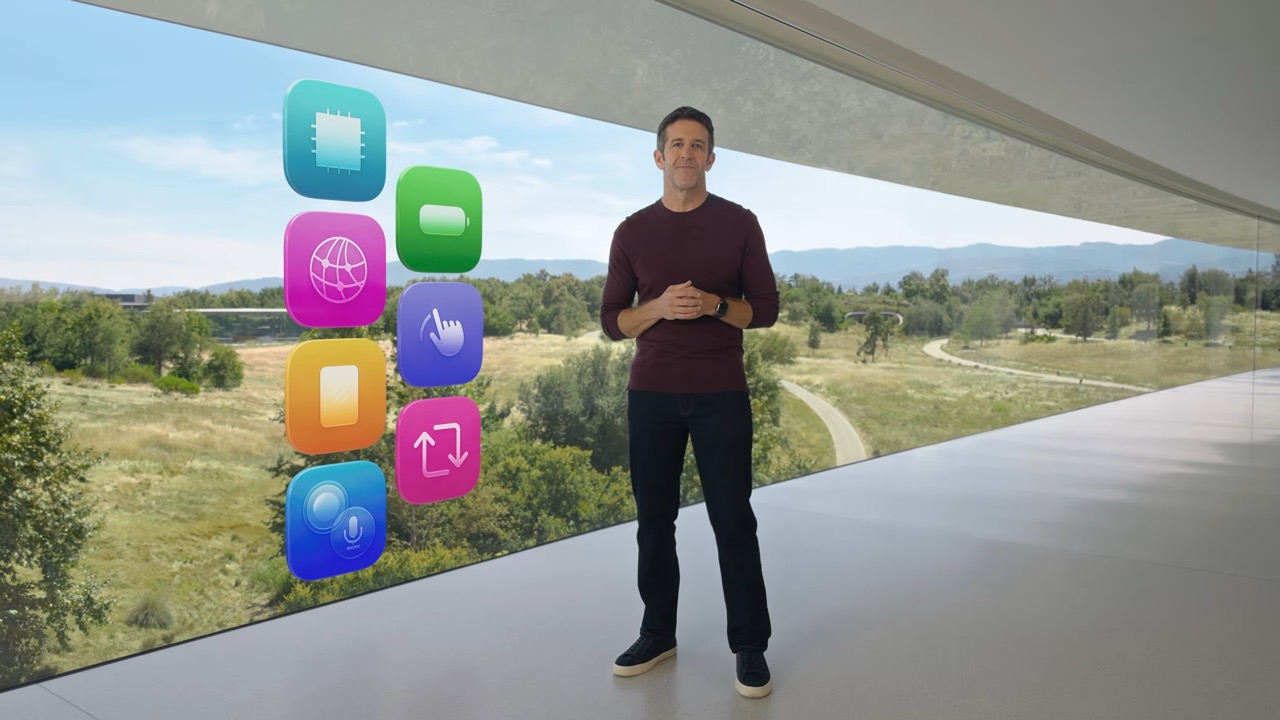
Ternus spoke about Apple’s vision for what he called the “Intelligent Personal Hub,” explaining that the iPhone is the most suitable product for this role thanks to its powerful processor, display, cameras, long battery life, and seamless integration with other devices. He also emphasized that privacy will remain at the core of Apple’s focus, an indirect jab at competing companies that rely on collecting user data and processing it on their own servers.
iPhone 18 Pro
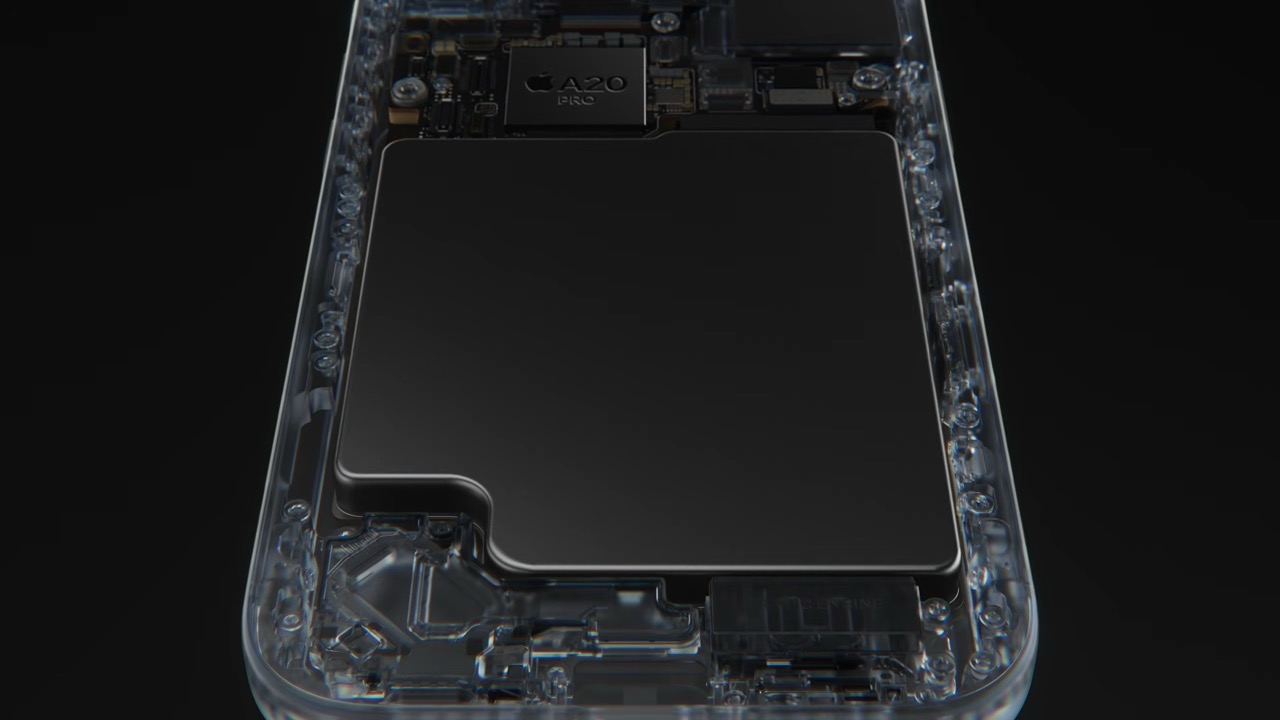
Ternus then began unveiling the new devices with the iPhone 18 Pro series, instead of the standard phone as is customary. The iPhone 18 Pro comes equipped with the A20 Pro processor, built on 2nm manufacturing technology for the first time. The processor includes:
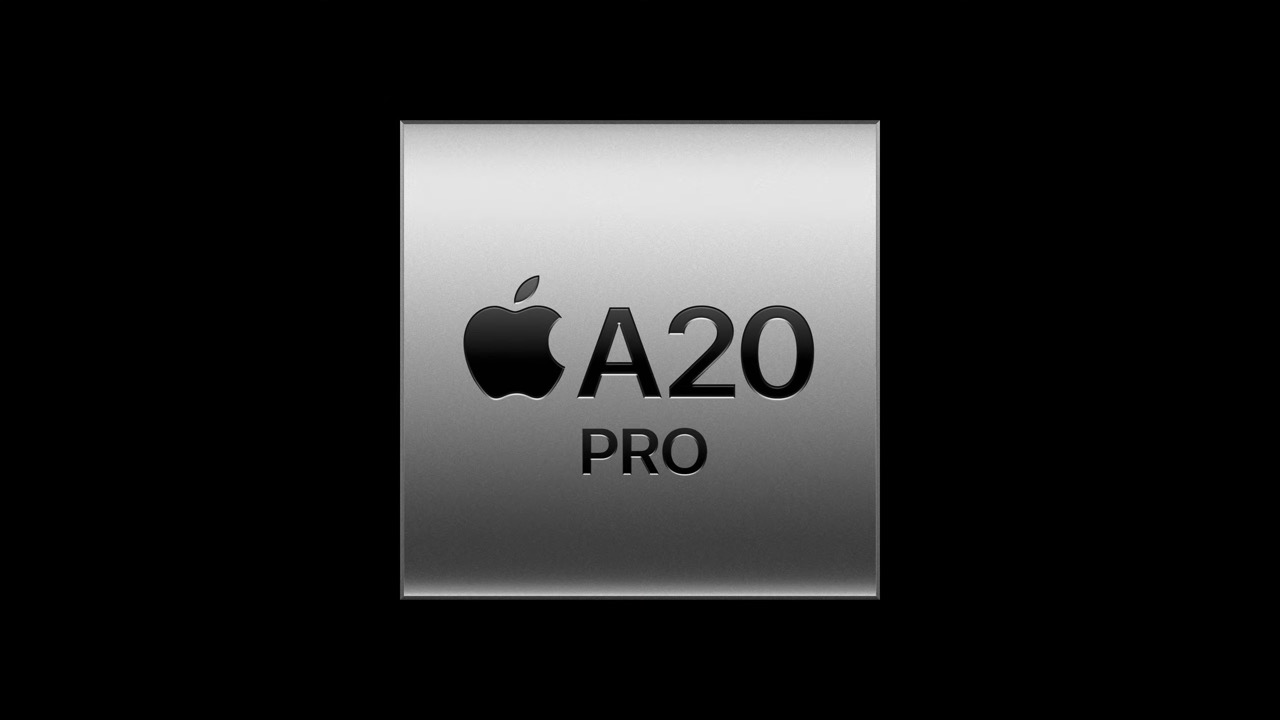 – A six-core CPU, including two high-performance cores that are up to 20% faster, which Apple described as the “fastest in any smartphone.”
– A seven-core GPU, providing up to 40% faster graphics performance.
– A doubled Neural Engine with a total of 32 cores, designed specifically to run advanced AI models directly on the device.

To manage the heat generated by this high performance, Apple introduced a new-generation vapor chamber with three times the surface area of the one in the iPhone 17 Pro, with continuous circulation of deionized water within the system to improve heat distribution, in addition to a redesigned chip packaging inspired by the M-series chips Apple uses in Mac devices, where the chip and memory connect directly to the vapor chamber to improve thermal performance.
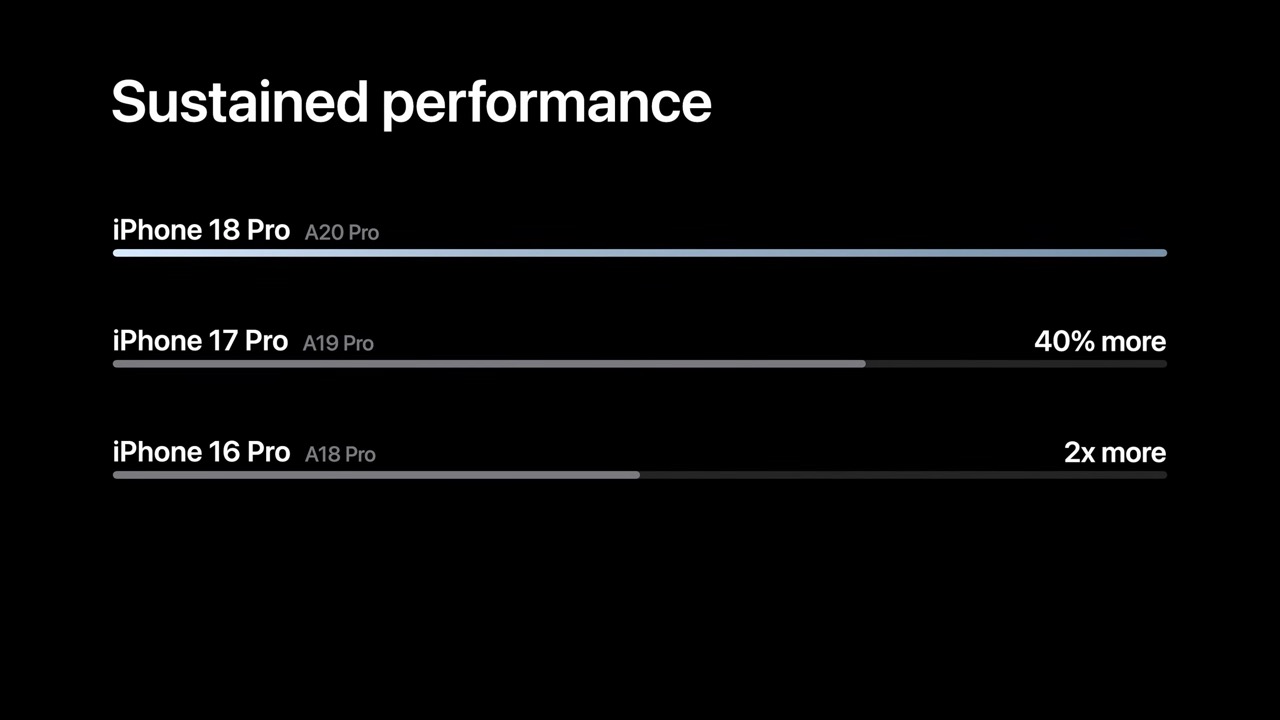
Thanks to these combined improvements, Apple confirmed that the iPhone 18 Pro achieves up to 35% higher Sustained Performance compared to the iPhone 17 Pro.
Camera with Variable Aperture for the First Time
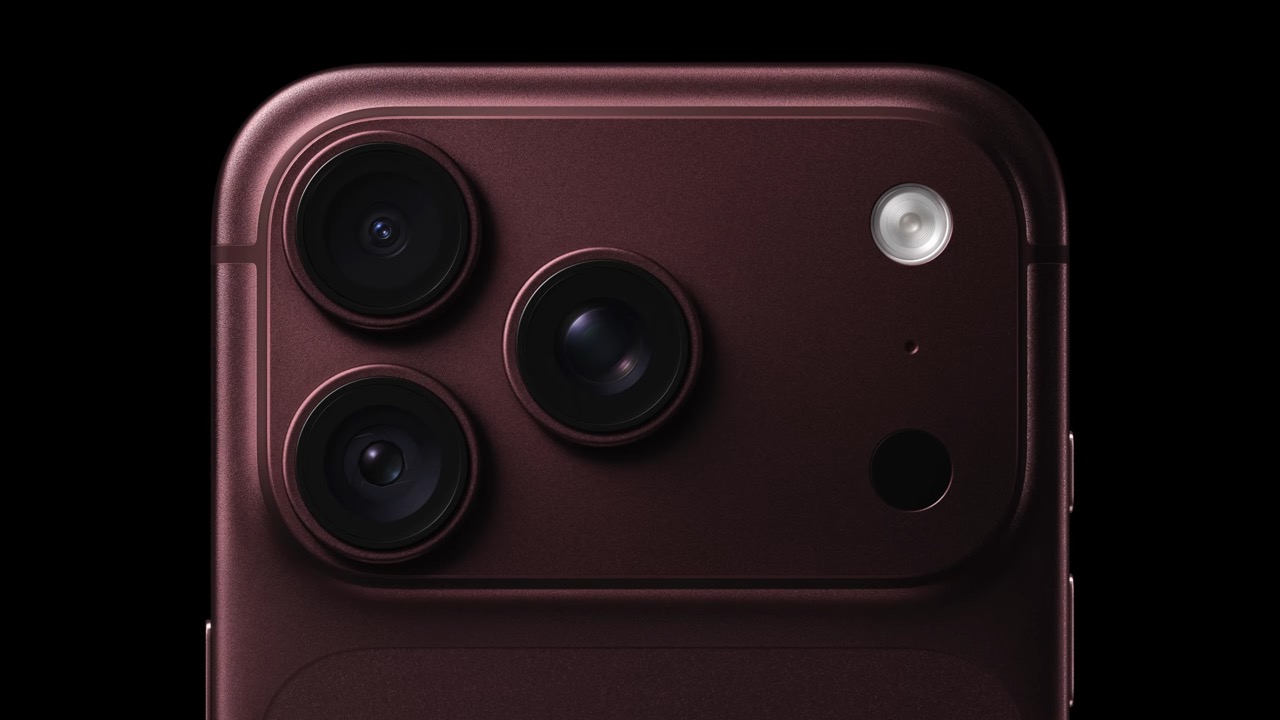
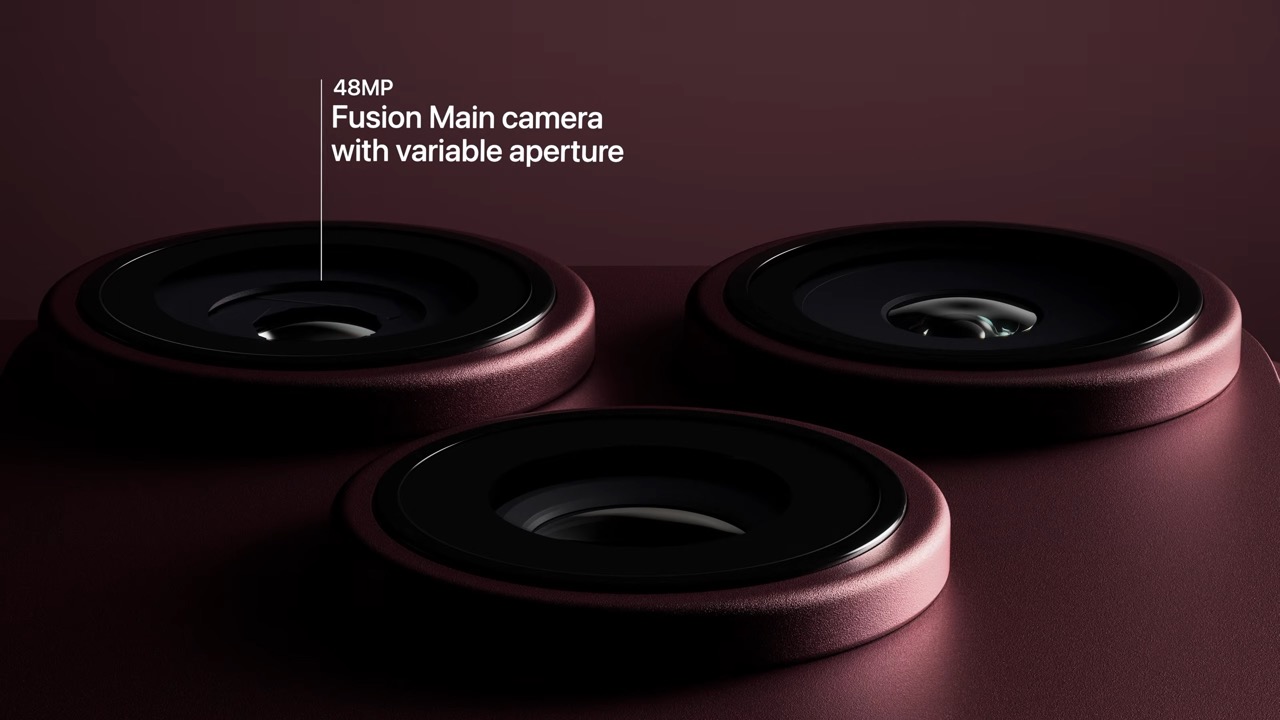
The most notable camera feature this year is the support for Variable Aperture for the first time on an iPhone, via the 48MP main Fusion camera. This technology relies on a system of six laser-cut blades, thinner than a human hair, that automatically control the amount of light entering based on ambient lighting, providing more detailed photos in low-light environments.
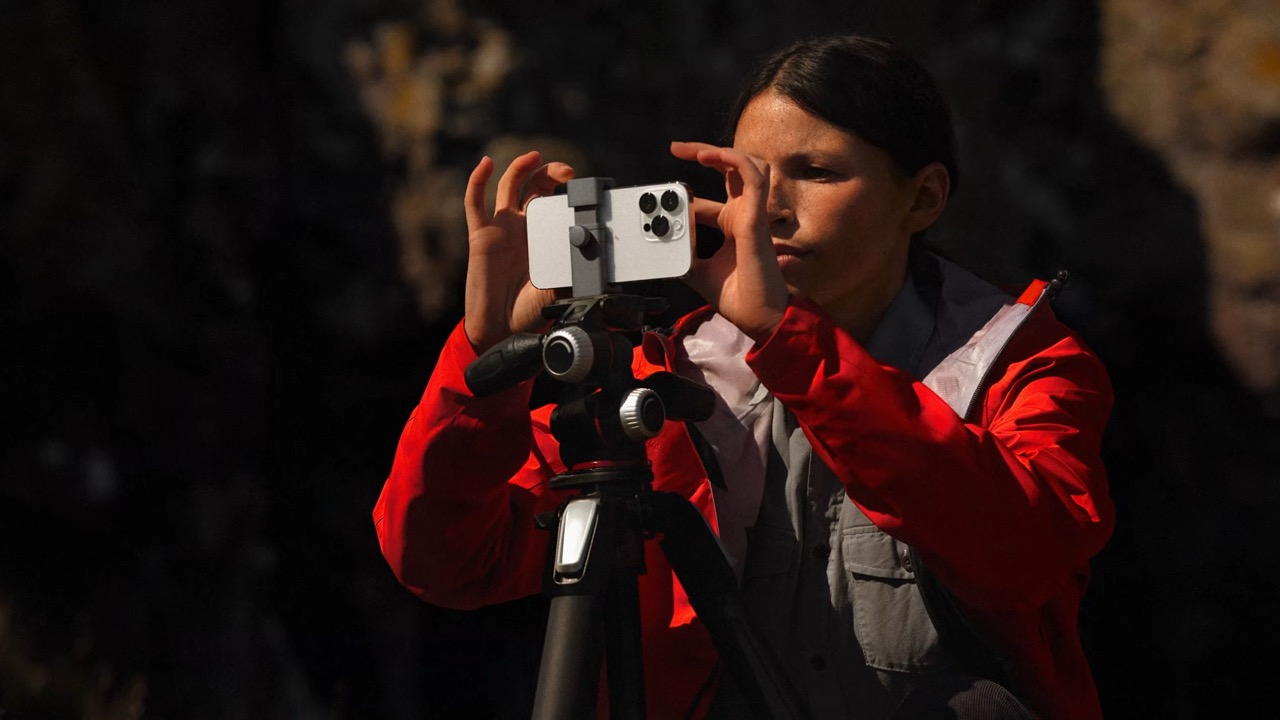
Apple also added “Pro Controls,” which allow professional photographers to adjust white balance, view the histogram, and manually modify aperture and shutter speed, in addition to smart focus tracking that relies on AI models to follow the subject even if they move out of the frame and return.
Another striking feature is the “Apple Reference Image” property for verifying photo authenticity, where the camera signs image data at the pixel level the moment it is captured, making it akin to an uneditable “digital negative.”
Battery and Charging
Thanks to the efficiency of the A20 Pro processor, the iPhone 18 Pro has achieved a significant leap in battery life despite its smaller size, reaching the same runtime as the iPhone 18 Pro Max. Here are the battery details:
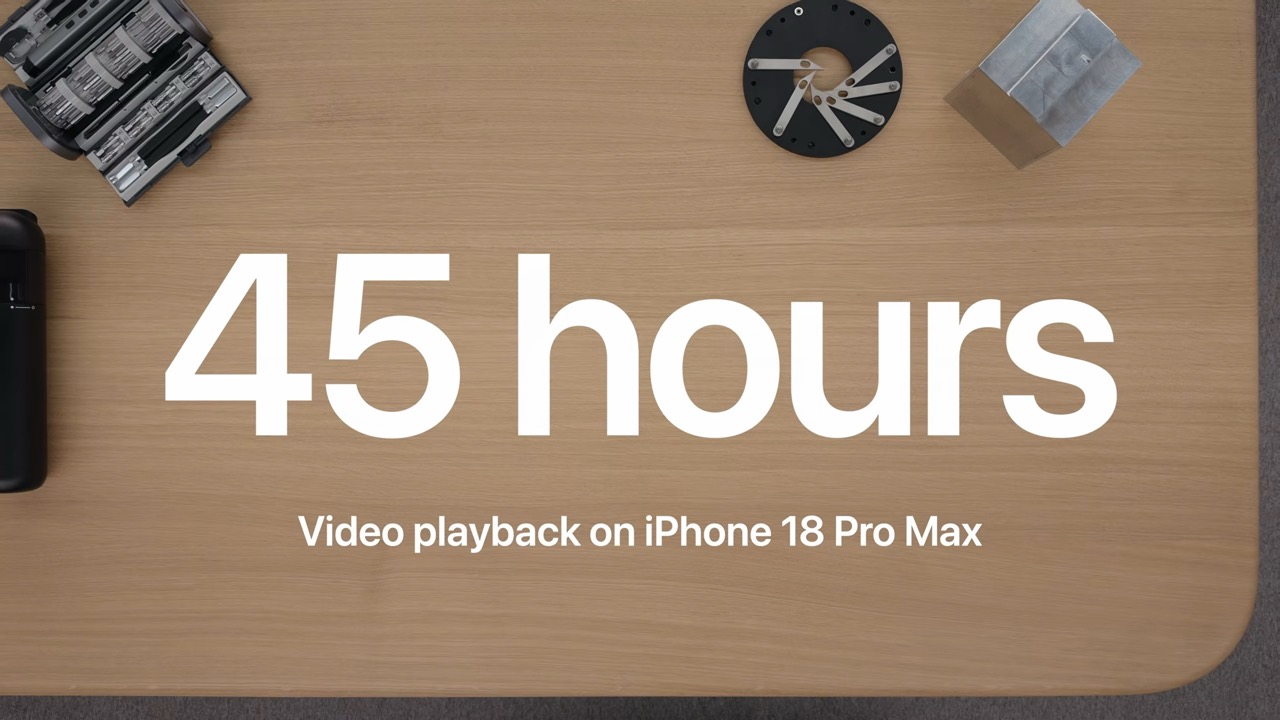
– Up to 36 hours of video playback on the iPhone 18 Pro, and 45 hours on the Pro Max.
– Faster charging, with the battery reaching 50% in just 15 minutes.
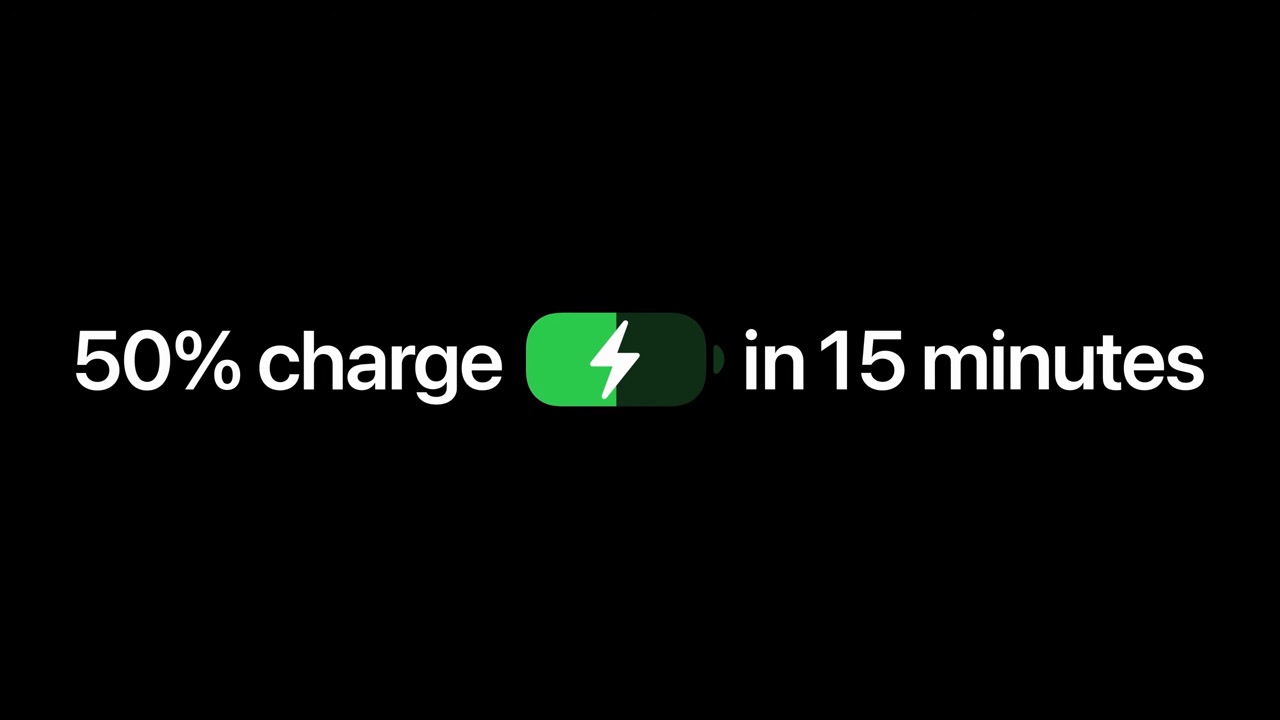
– Five minutes of wired charging provides up to 6 hours of video playback.
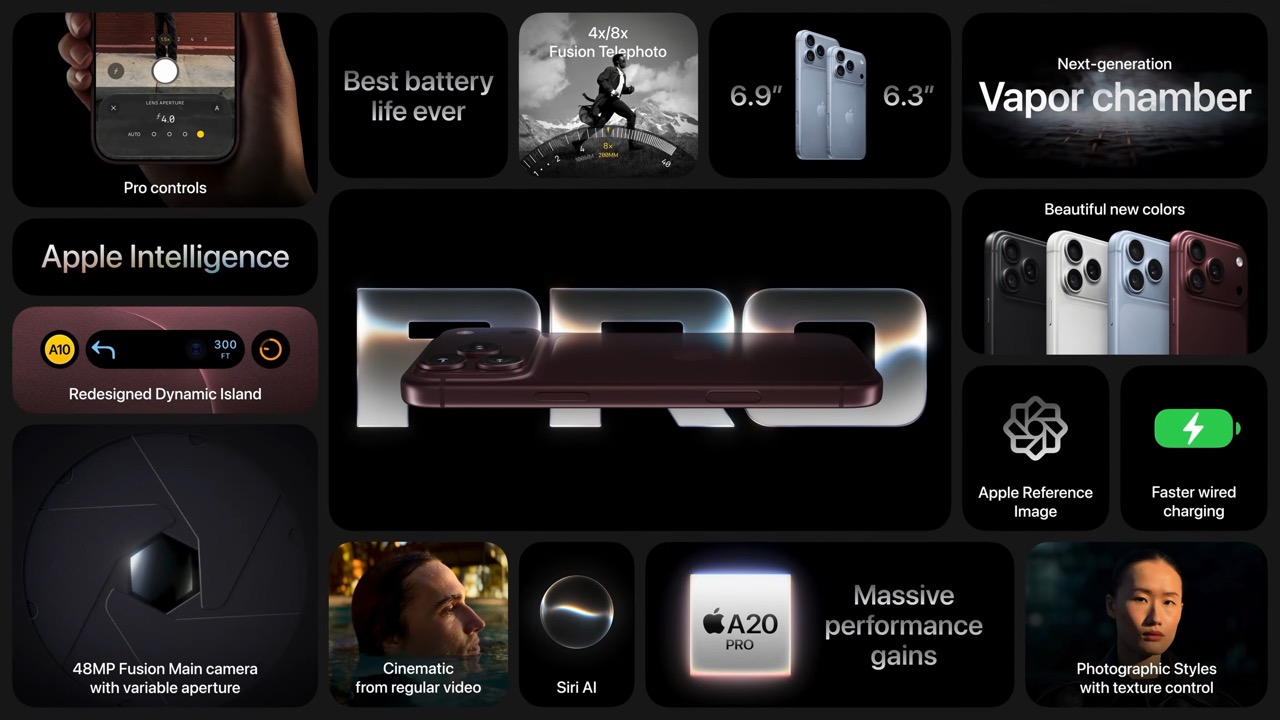
The iPhone 18 Pro comes in Deep Black, Silver, the new “Glacier” Blue, and Burgundy.
Pricing and Purchase Plans
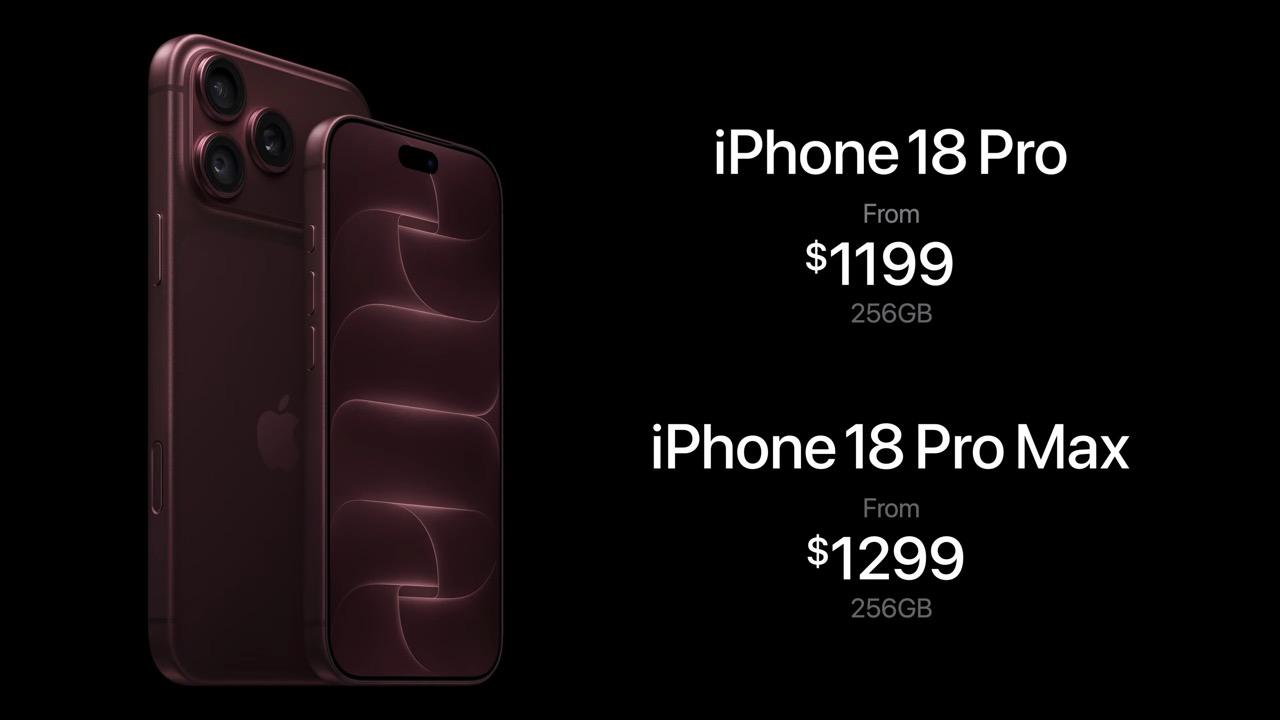
The price of the iPhone 18 Pro starts at $1199 for 256GB, while the Pro Max starts at $1299, with a new 2TB storage option available for the first time. Apple also added the new “AppleCare One Family” option, which covers more than one device within the same family under a unified plan.
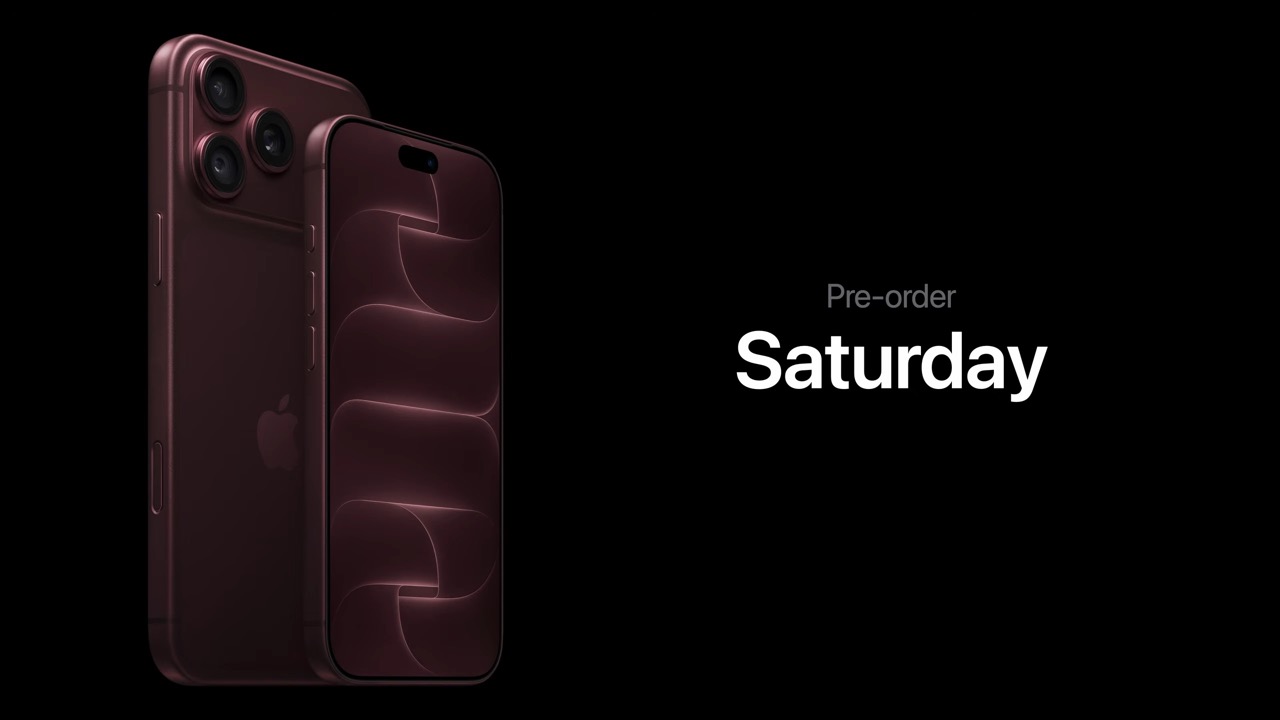
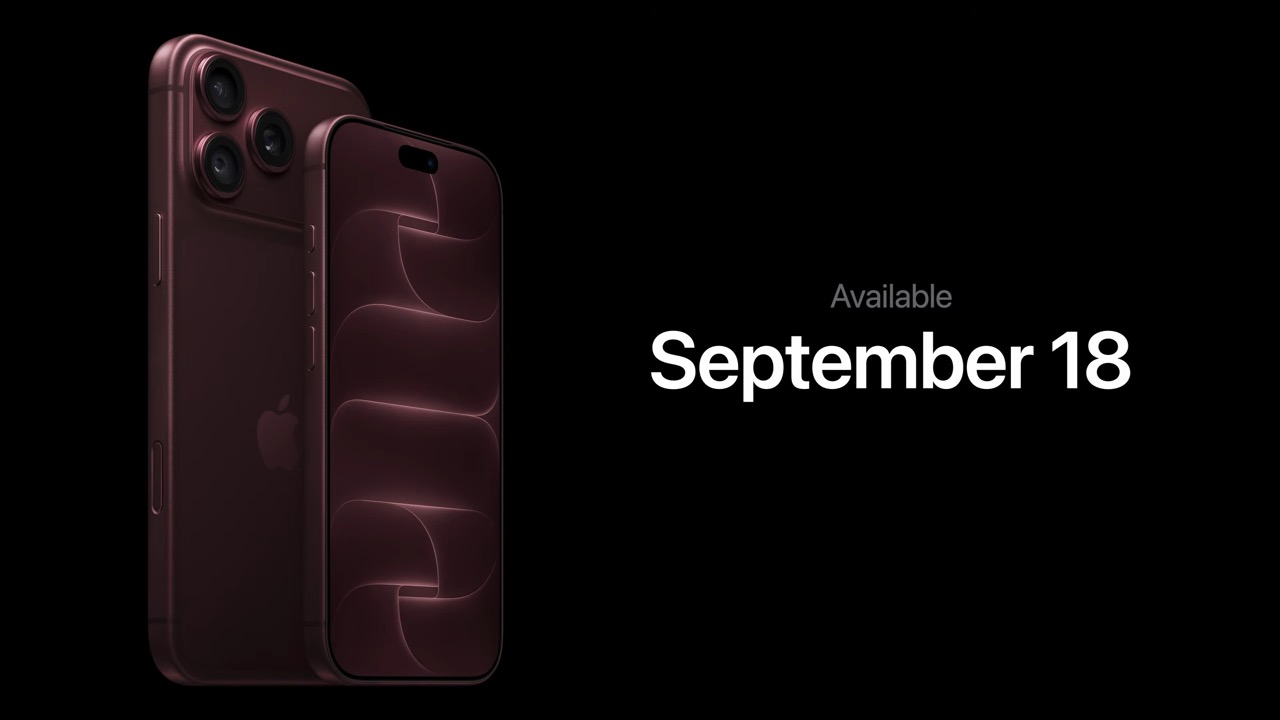
For those who prefer installments, the “Apple Upgrade” plan starts at $34.99 per month for 24 months, with the possibility of further reducing the installment by trading in an old device. Apple also offers a discount of up to $1200 when trading in an iPhone 14 or any newer model. Pre-orders begin next Saturday, September 12, and the iPhone will be available in stores starting September 18.
Apple also unveiled a new set of accessories to accompany the release, including an updated clear case, in addition to new colors for leather cases and wristbands currently available.
New Features in iOS 27 and Handoff via Cellular Networks
Before moving on to the rest of the devices, Apple quickly reviewed the highlights of the upcoming iOS 27 update, most of whose features were previously announced at the developer conference. Among the most prominent new additions is the improved Dynamic Island, which is now capable of displaying three Live Activities at the same time instead of just one.
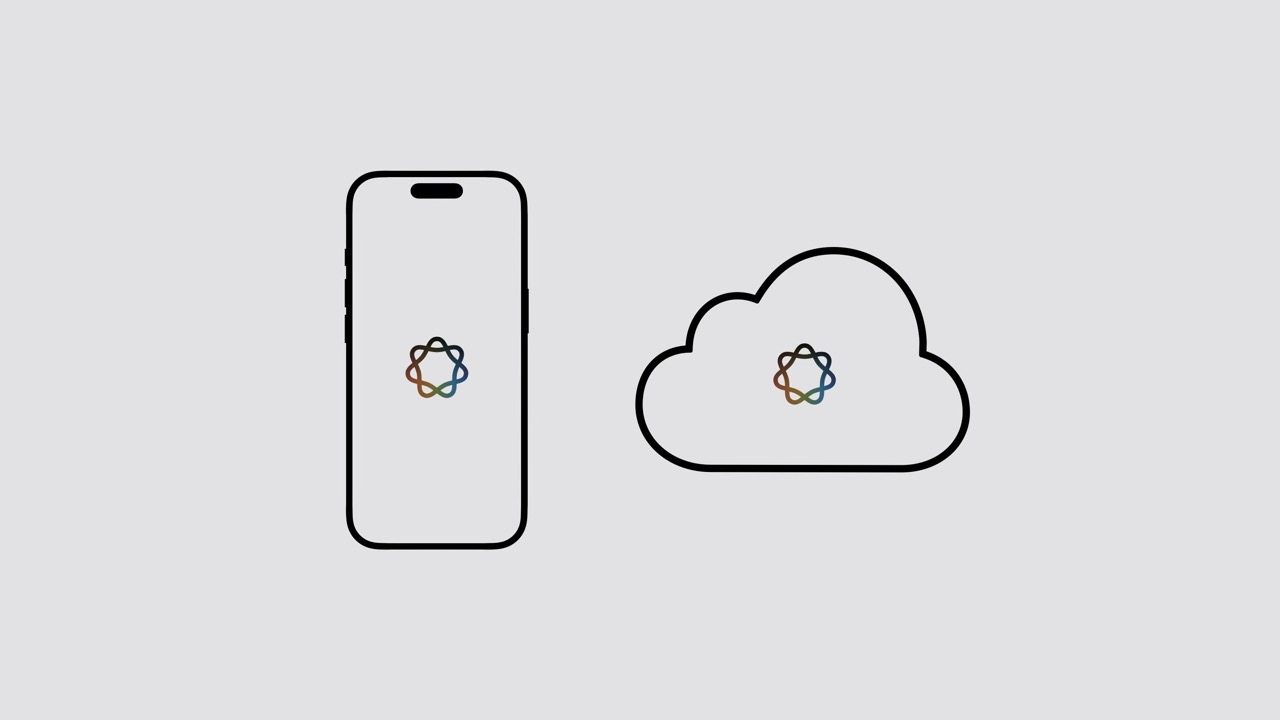
Apple also announced the “iPhone Handoff” feature, which allows for seamless transfer of calls and connectivity between devices directly over cellular networks. This feature launches first with T-Mobile and Deutsche Telekom, with Verizon and EE joining by the end of the year, and more service providers expected to join later.
Apple noted that the entire event was filmed using the iPhone 18 Pro, in further confirmation of the new camera’s capabilities.
The New Siri and Apple Intelligence Features

Apple dedicated a portion of the event to talking about developments in Siri and the Apple Intelligence ecosystem. Siri can now understand the user’s personal context across various apps like Mail and Messages, and perform actions within apps, including third-party apps.

Siri has also been integrated directly into the Camera app, allowing the user to ask questions or perform actions such as adding multiple appointments to the calendar at once. Siri is also available via a new standalone app on the home screen, allowing for rich conversations via voice or text.
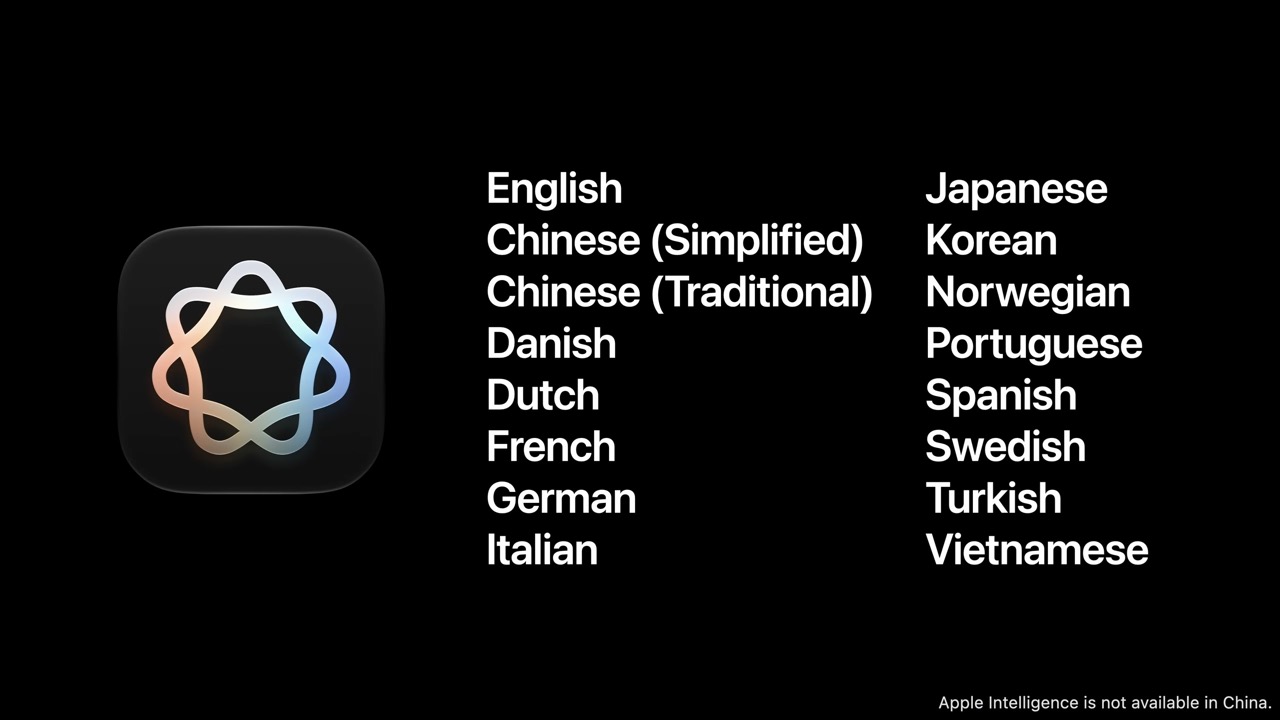
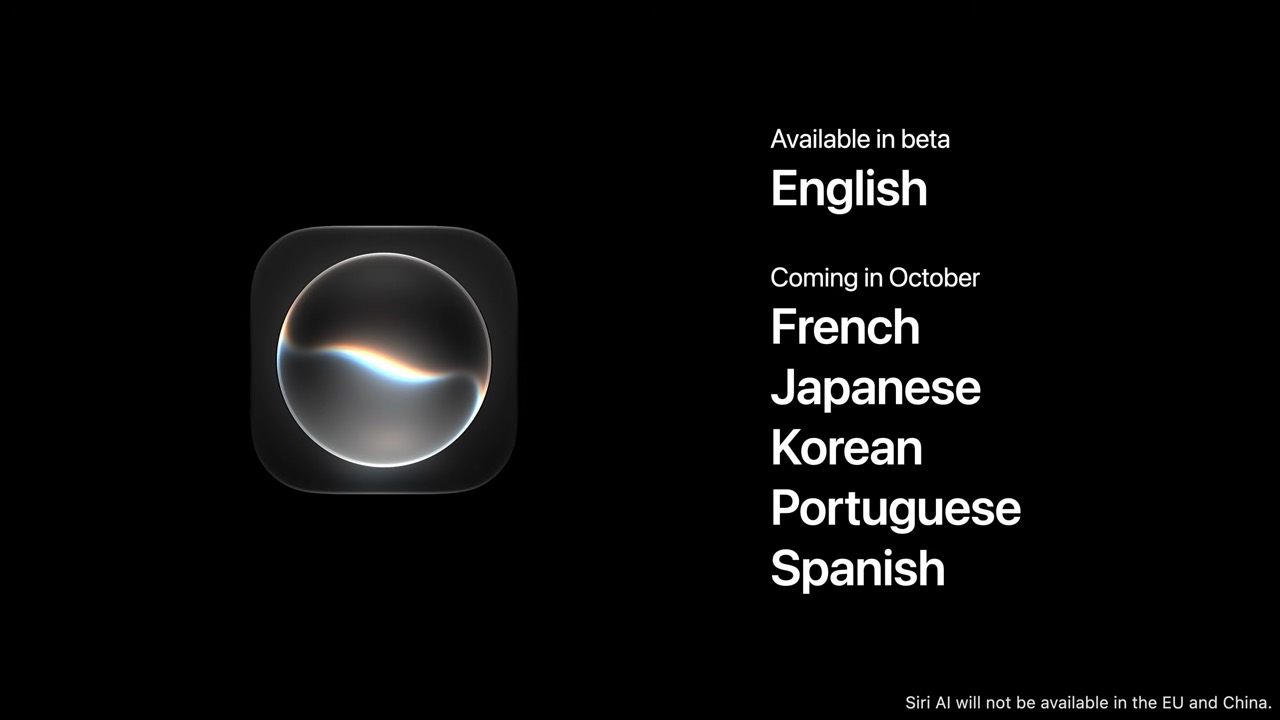
Among the most prominent updates are the new, more expressive and natural Siri voices, for which the user can choose the tone and speed thanks to the advanced model running directly on the device, which also contributes to improving the accuracy of Dictation on the device. Apple explained that some of these features will be governed by certain usage limits as they rely on more powerful models running on servers, with the possibility of obtaining more usage space through most iCloud+ plans.
Apple Watch 12 and Apple Watch Ultra 4
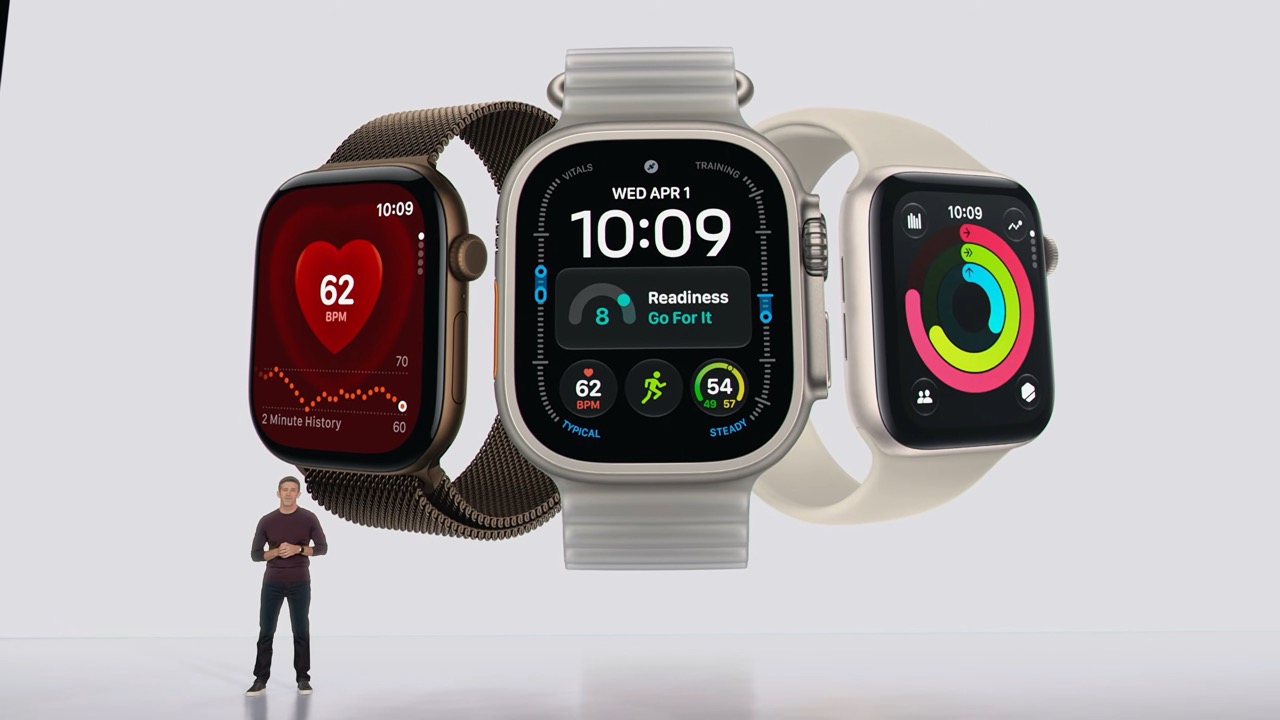
The conversation moved to Apple Watches, where the company unveiled the Apple Watch 12 and Apple Watch Ultra 4, which carry the biggest update in health sensing technologies in years.
A Leap in Heart Rate Measurement Accuracy
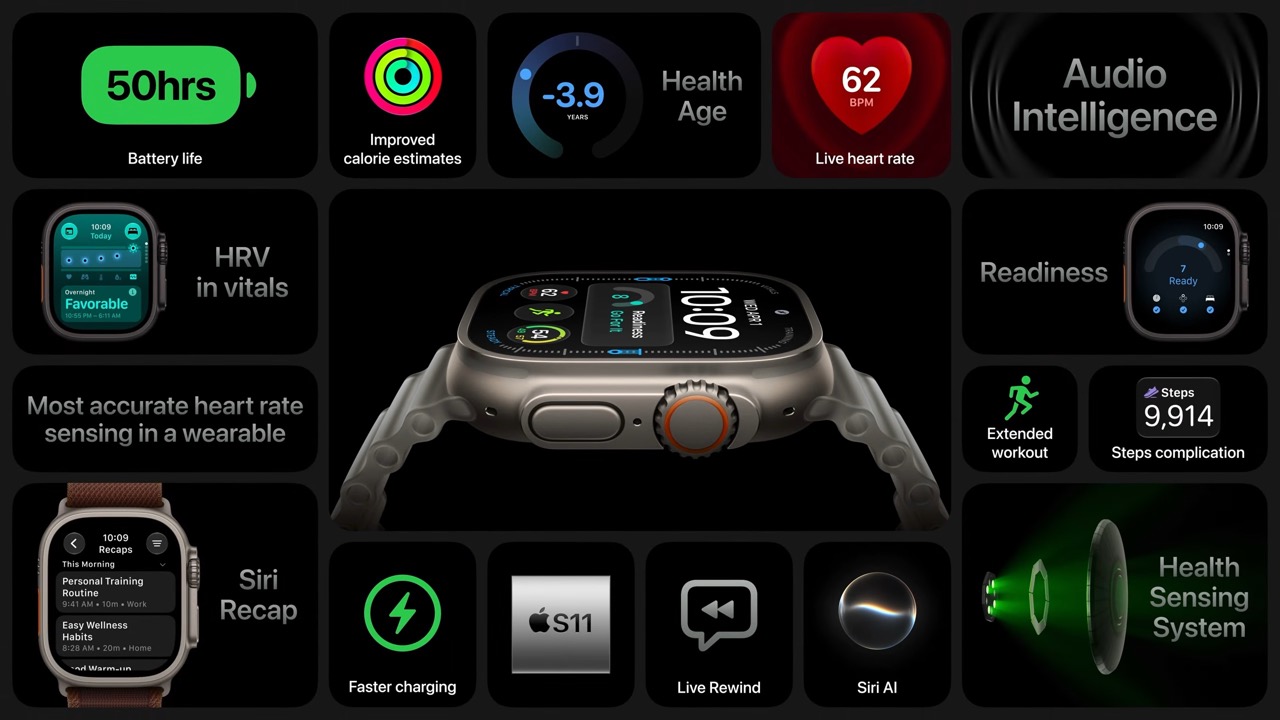
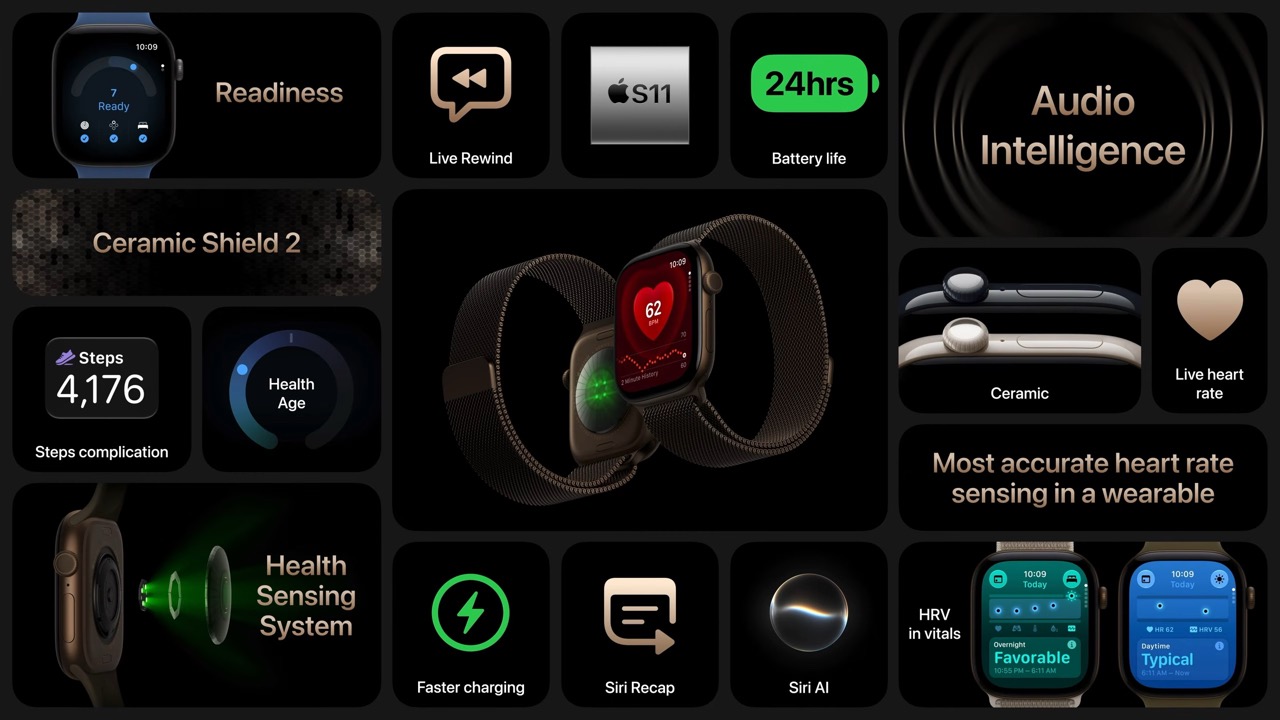
The new system relies on improvements in three core elements: a larger area for electrodes to improve skin contact during ECG readings, photodiodes rearranged in a ring shape to capture light more efficiently, and green LED lights that are more energy-efficient.
Practically, the result is heart rate readings every 5 seconds, which is 60 times faster than before, while heart rate variability is measured every 5 minutes, which is 24 times faster than before. According to Apple, a comparative study conducted against a reference ECG strap showed that the Apple Watch now has the most accurate heart rate measurement among smartwatches.
New Health App and “Health Age” Feature
The Health app received a completely new design this year, with a feature called “Health Age,” which measures how well the user’s key health indicators align with their actual age, based on data such as VO2 max and sleep, in addition to blood test results that can be synced or even requested as a full test package from Quest lab in the United States for $119.
New features were also added such as “Longevity” and “Readiness,” which analyzes the user’s activity, vital signs, and sleep every morning to give them a clear assessment of how ready their body is for the day.
Audio Intelligence
One of the most prominent additions this year is the “Audio Intelligence” feature, which works via the microphones built into the watch. It includes:
– Sound recognition, to help deaf or hard-of-hearing people perceive sounds like alarms, doorbells, and crying babies.
– “Live Rewind” feature, which allows you to “go back in time” 15 seconds to hear or read text of what was just said.

– “Siri Recap” feature, which records the most important points from daily conversations, such as work meetings, and automatically creates a summary and title for them via Apple Intelligence, with Apple confirming that this feature does not create or store any actual audio recordings, and the user can have full control over enabling it.
S11 Chip Behind Audio Intelligence Features

Apple explained that the entire Audio Intelligence feature set was made possible by the new S11 chip, designed specifically to run these features while maintaining the privacy and security of user data. These features rely on the always-on low-power processor within the chip, allowing them to run all day without significant battery drain.
Design and Colors
The Apple Watch 12 comes with an aluminum casing equipped with Ceramic Shield protection for the first time, making the screen up to 60% stronger. The watch is available in Space Grey, Black, Light Gold, and Dark Bronze, in addition to two versions with a polished titanium finish in Radiant Gold and Natural, as well as a ceramic version in Pearl White and Midnight Blue.
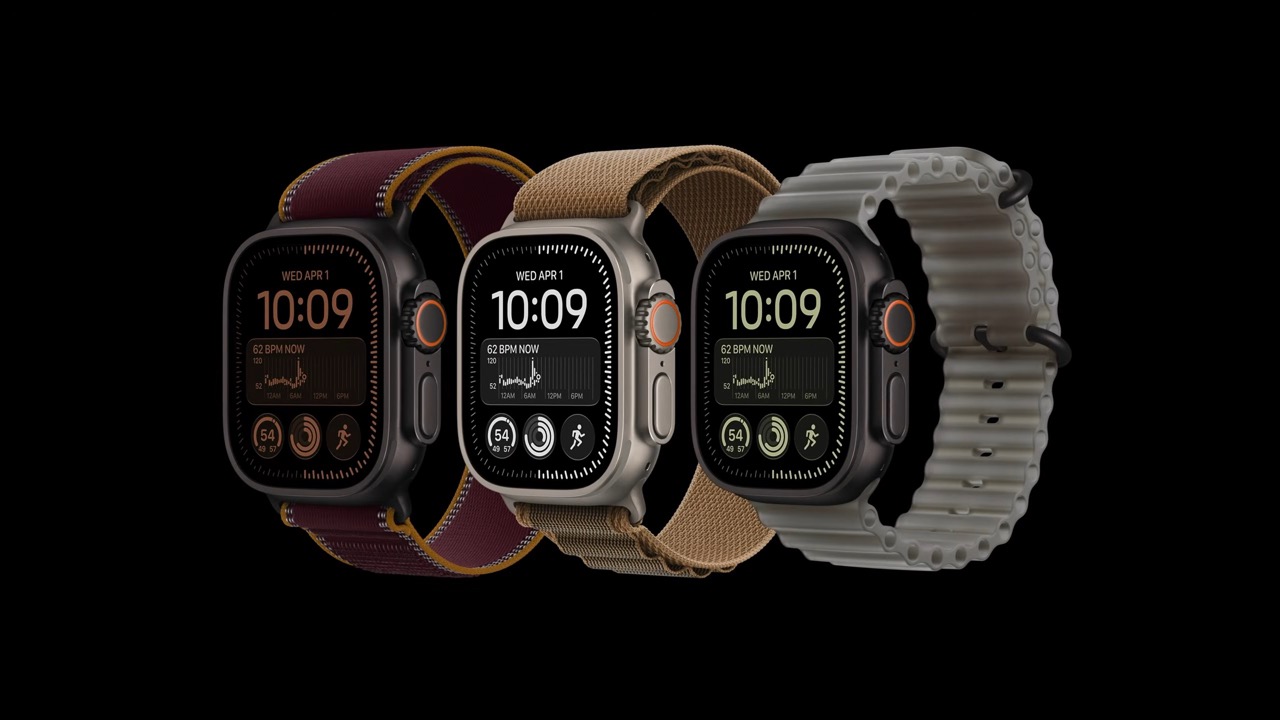
As for the Apple Watch Ultra 4, it received a larger battery and higher energy efficiency, providing two full days of normal use, or 18 hours with GPS exercise tracking and full heart rate monitoring, and up to 45 hours in extended exercise mode. It comes in two colors, Black and Natural Titanium, with new strap colors and a new Hermès strap made of titanium.
Pricing and Release Dates
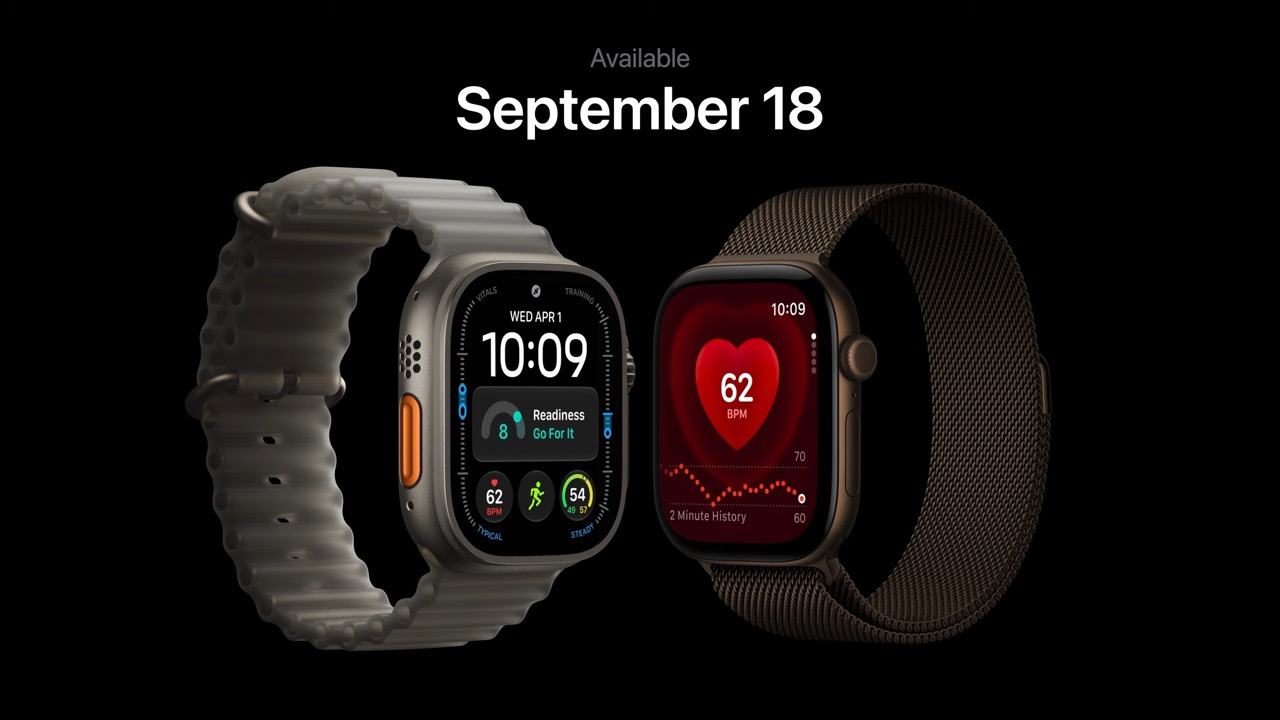
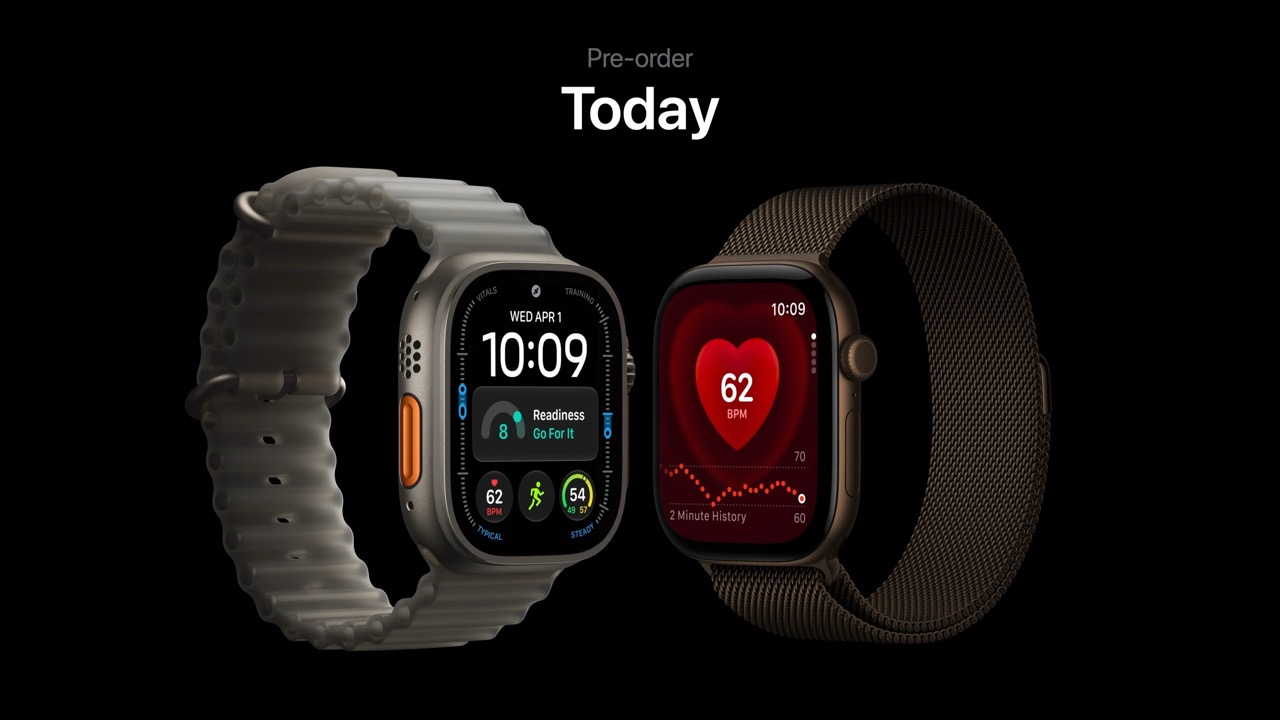
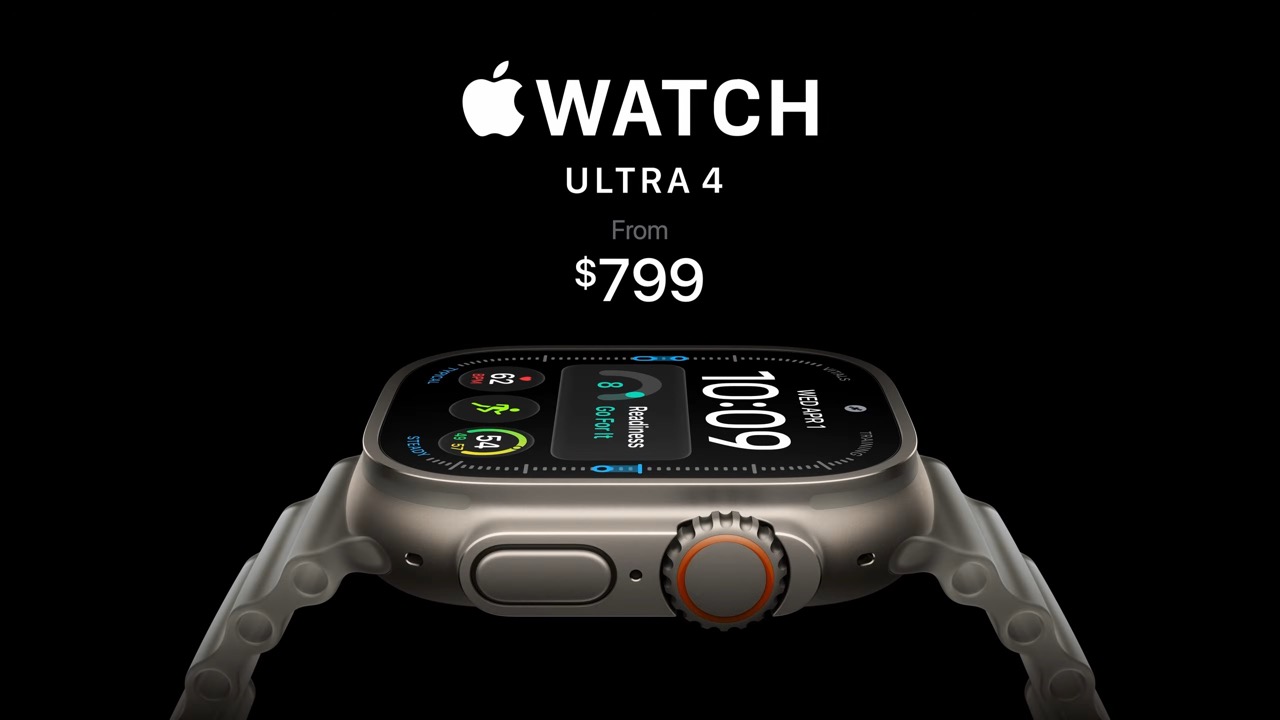
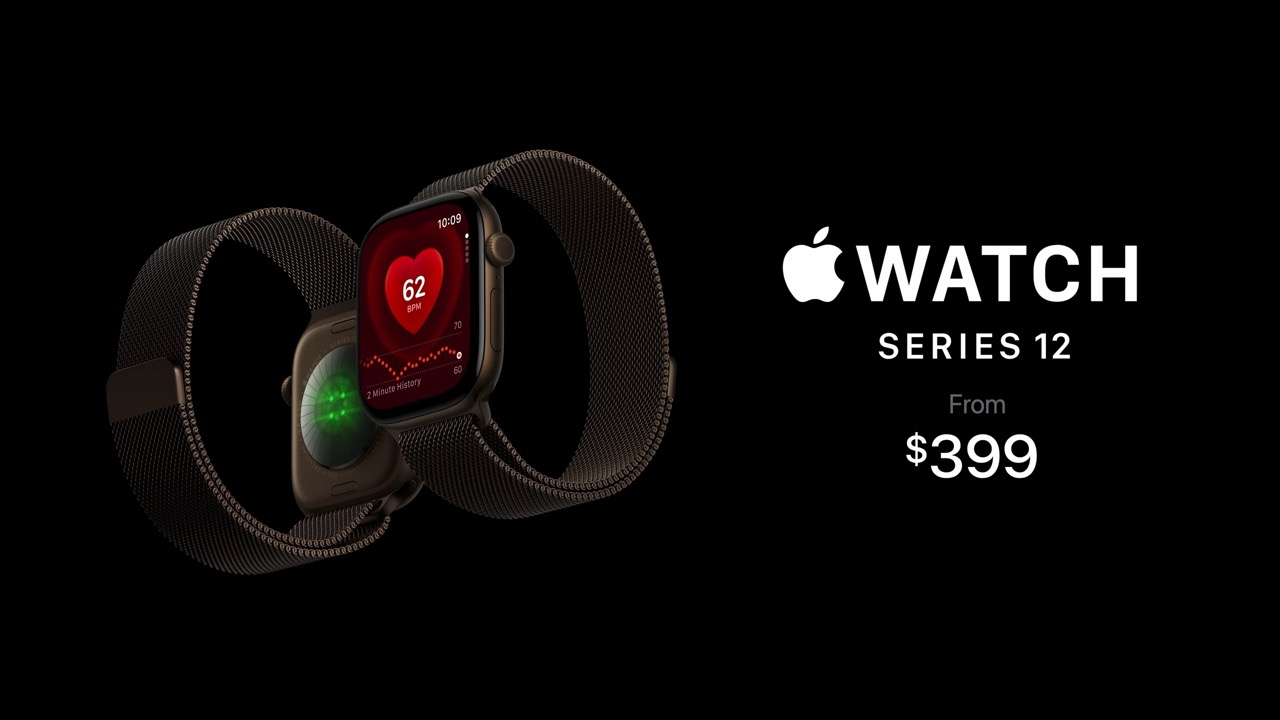 Apple Watch 12 prices start from $399, and Apple Watch Ultra 4 from $799, with pre-orders opening today and availability in stores starting September 18.
AirPods 5: 50% Stronger Noise Cancellation
In an unusual move, Apple moved directly after its watches to announce the new AirPods 5, instead of dedicating them to later as is customary.
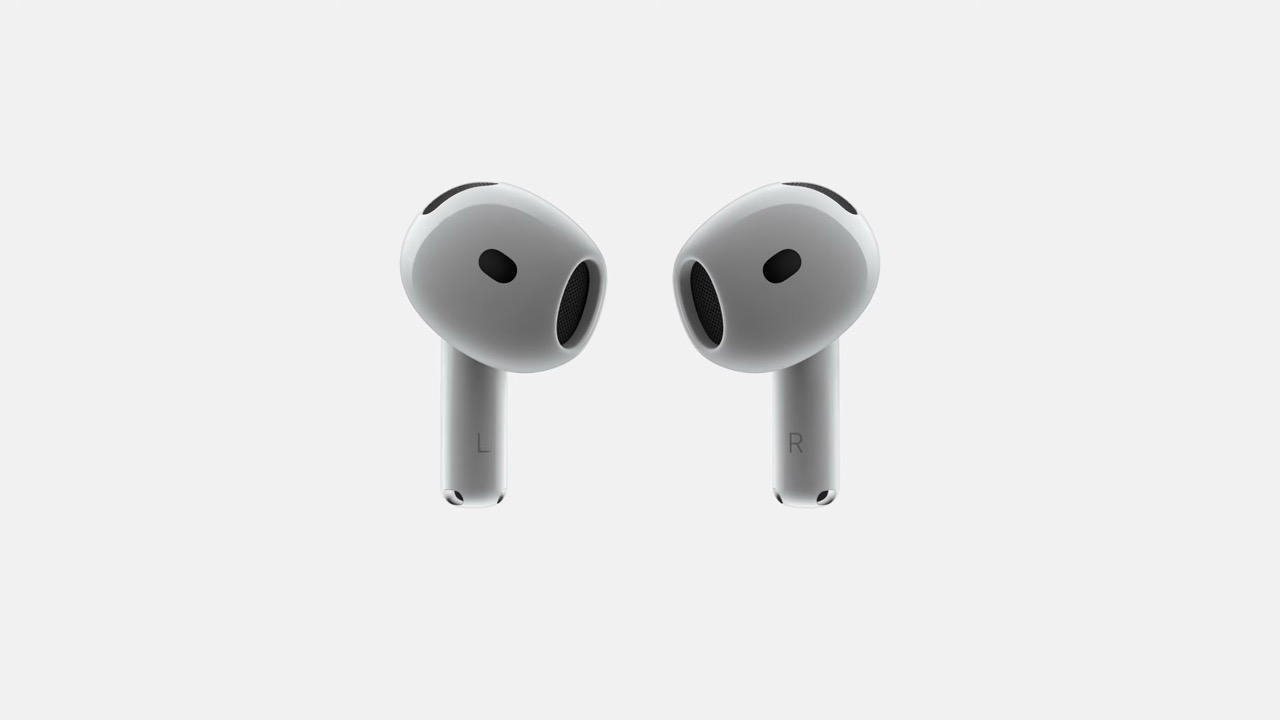
AirPods 5 retain their well-known open design, but come with new Active Noise Cancellation technology that provides 50% more noise reduction compared to AirPods 4, along with richer and more detailed sound quality that fits a wider range of ear shapes. The headphones also support activating Siri with the voice command “Hey Siri,” and the “Live Translation” feature.
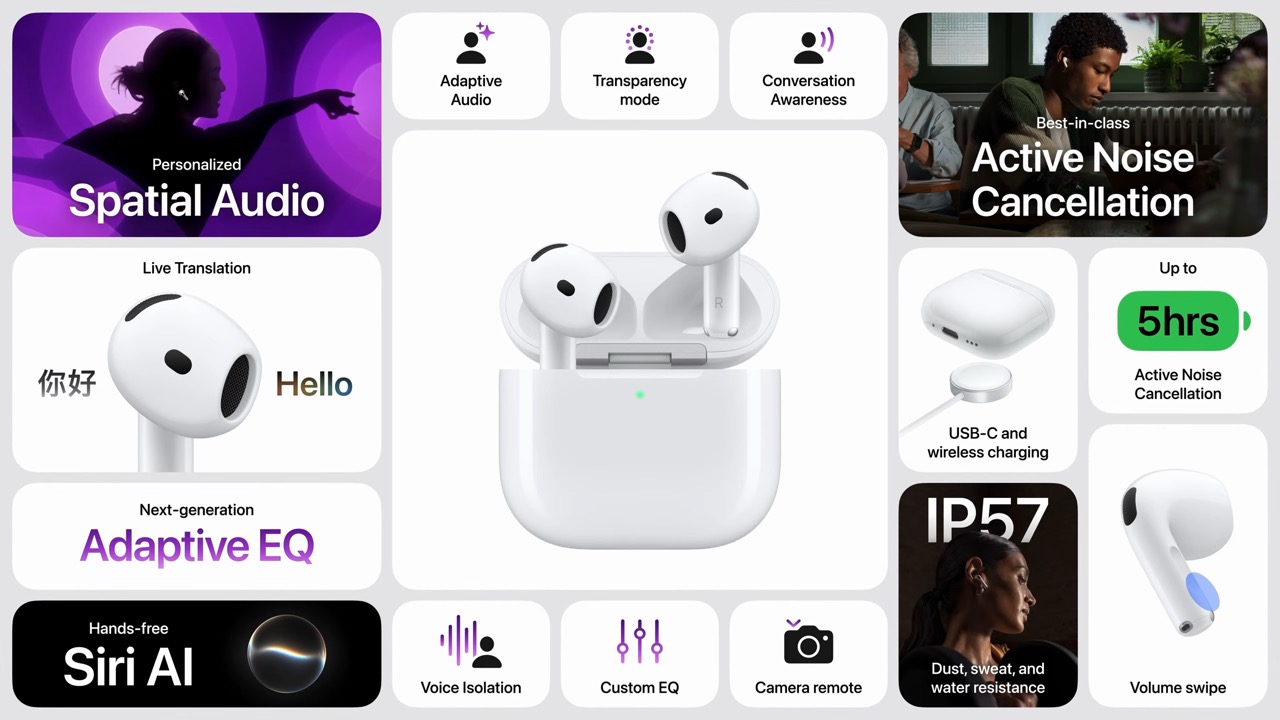
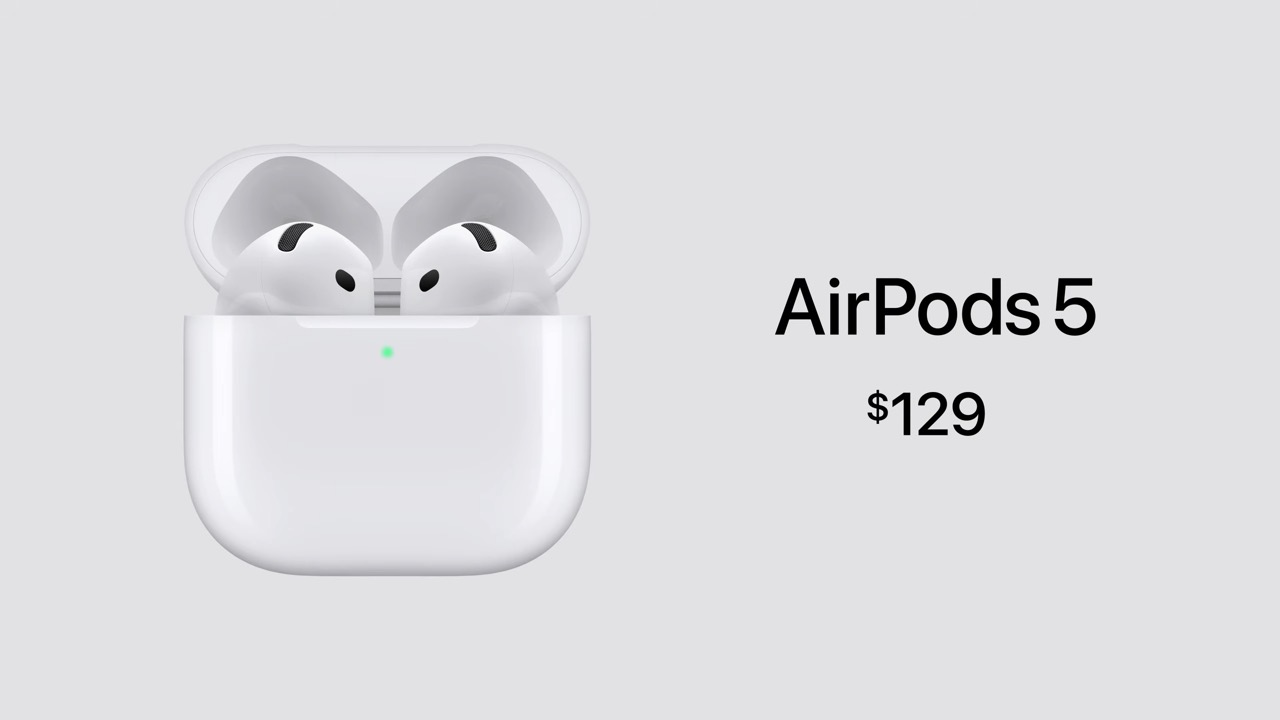
The standard version is priced at $129, with the same battery life that provides more than 4 hours of listening with noise cancellation enabled, and 20 hours total with the charging case.
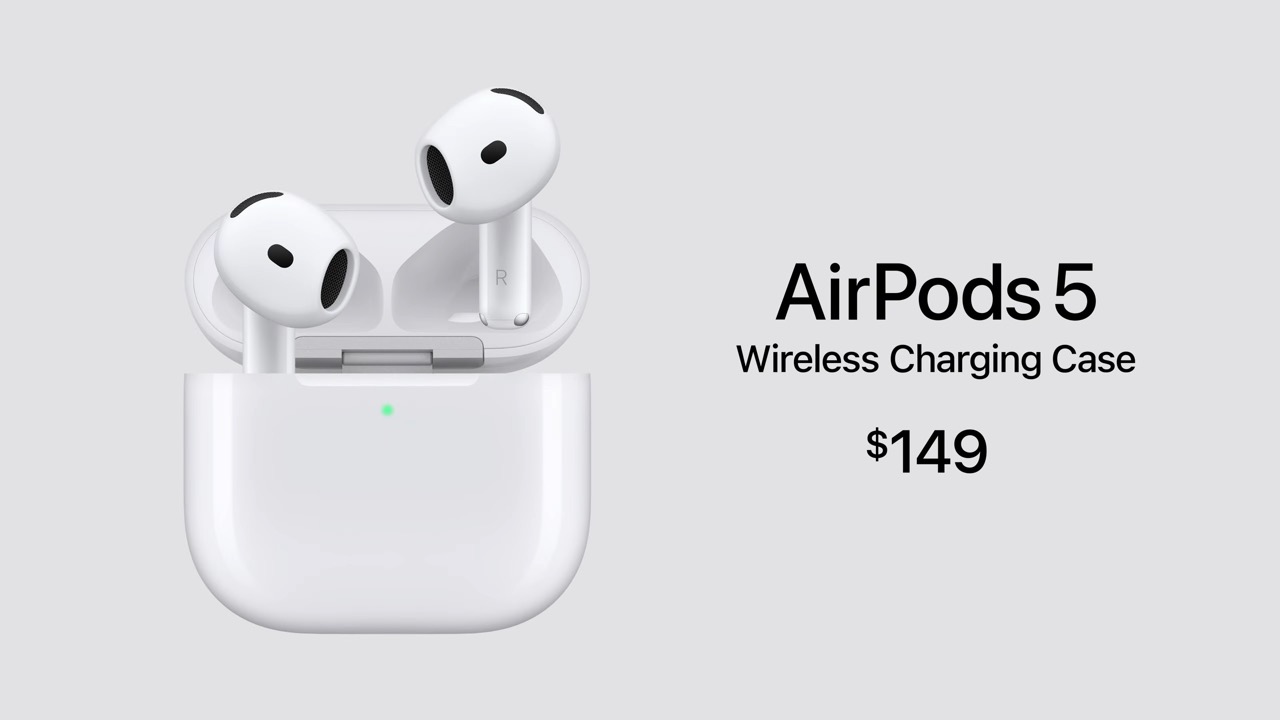
There is also a higher version for $149, which adds features such as volume control from the headphone stem, a longer battery life of up to 5 hours with noise cancellation, and a wireless charging case that supports Apple Watch chargers and Qi chargers.
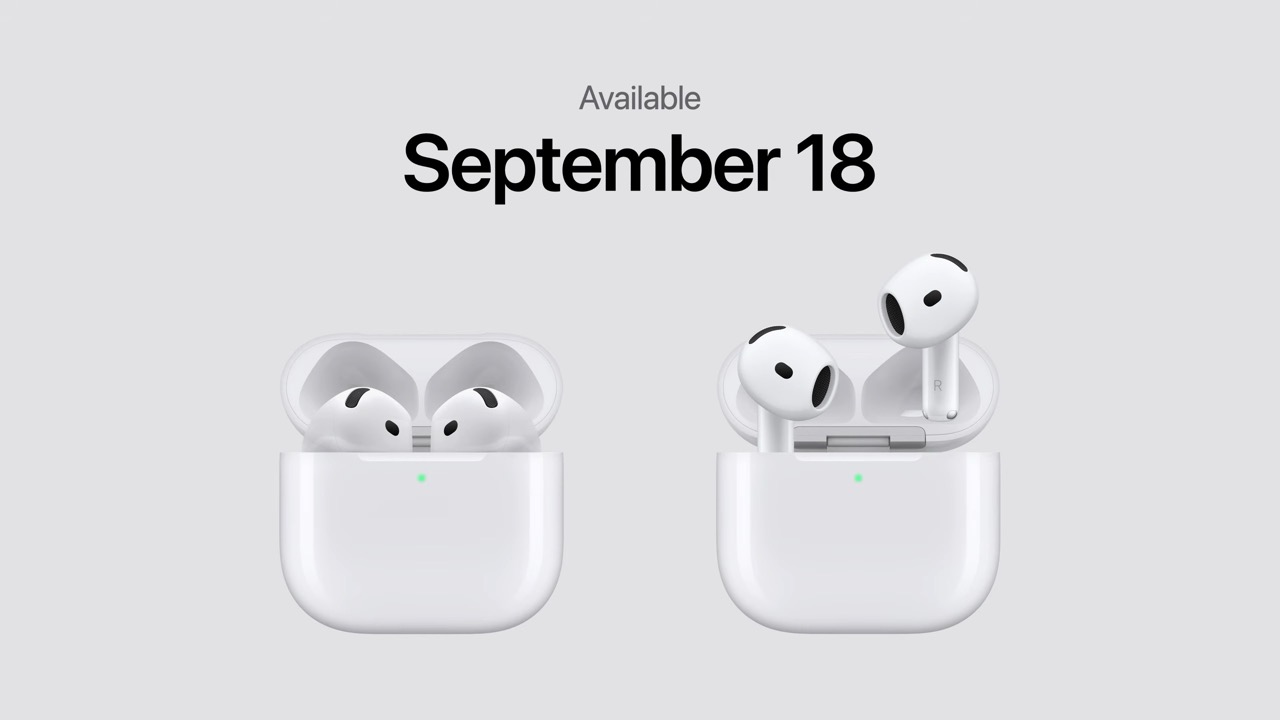
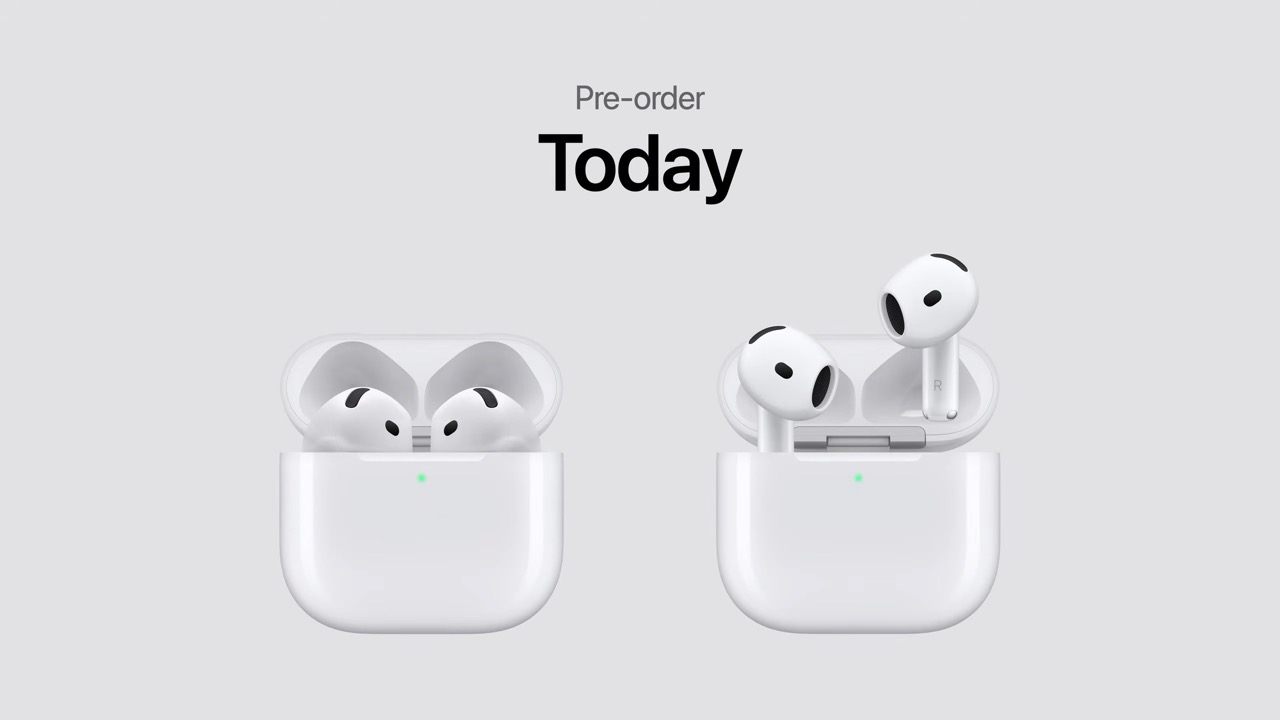
Pre-orders for both versions begin today, with availability in stores starting September 18.
Foldable iPhone Duo
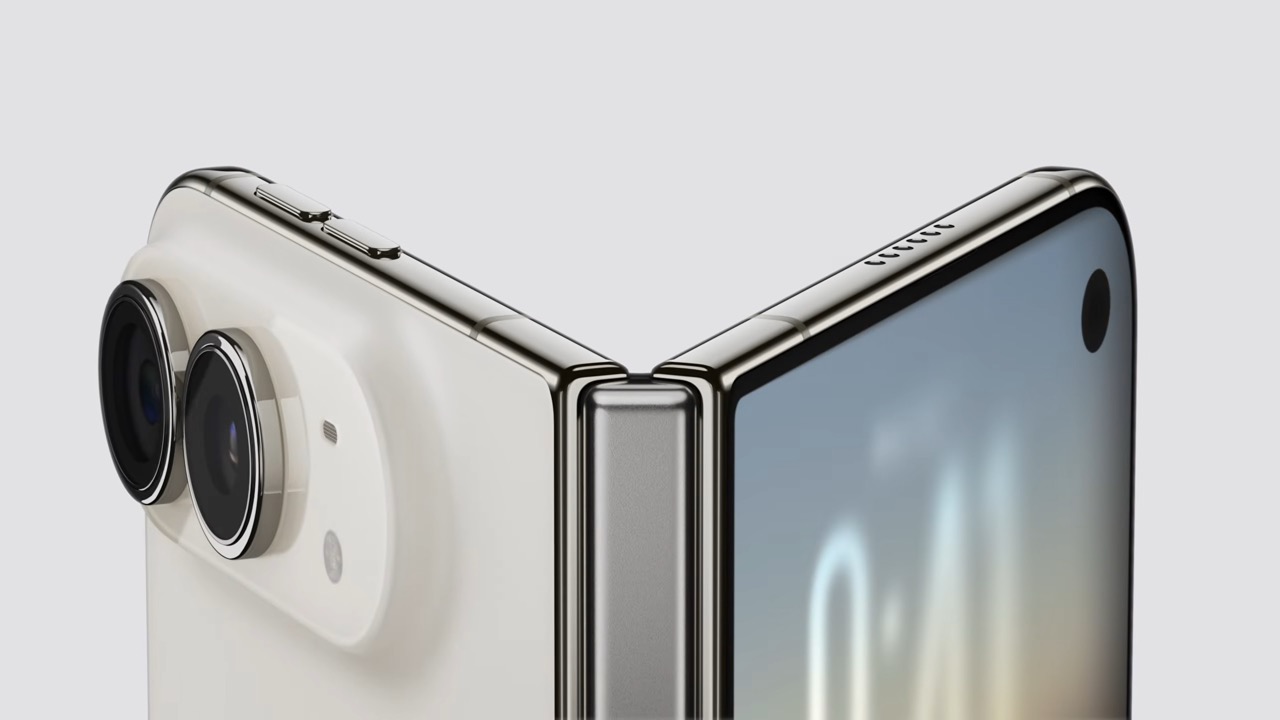
Then came the moment everyone was waiting for with great passion: the unveiling of the iPhone Duo, Apple’s first foldable iPhone.
A Design Aimed at Surpassing Current Foldable Phones
Ternus explained that the core idea behind the iPhone Duo was to provide a large screen that brings you closer to the iPad, while indirectly noting that competing foldable phones “look like two phones stuck together inconsistently.”
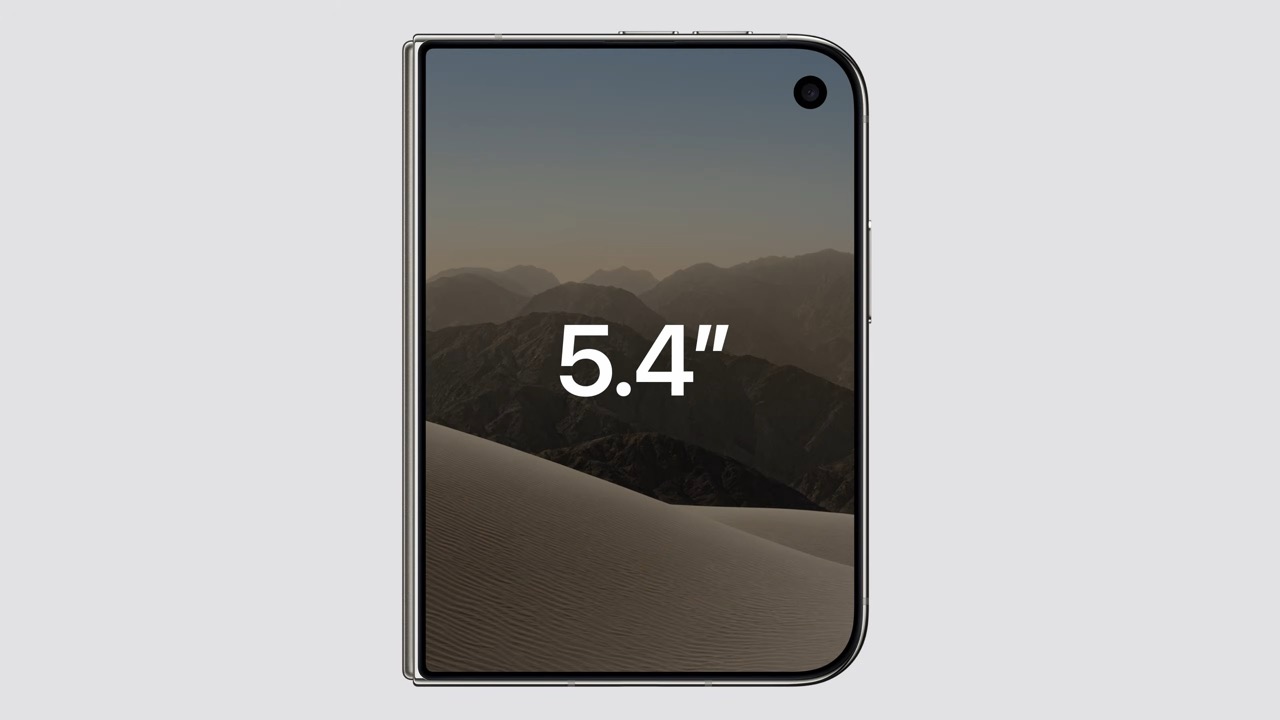
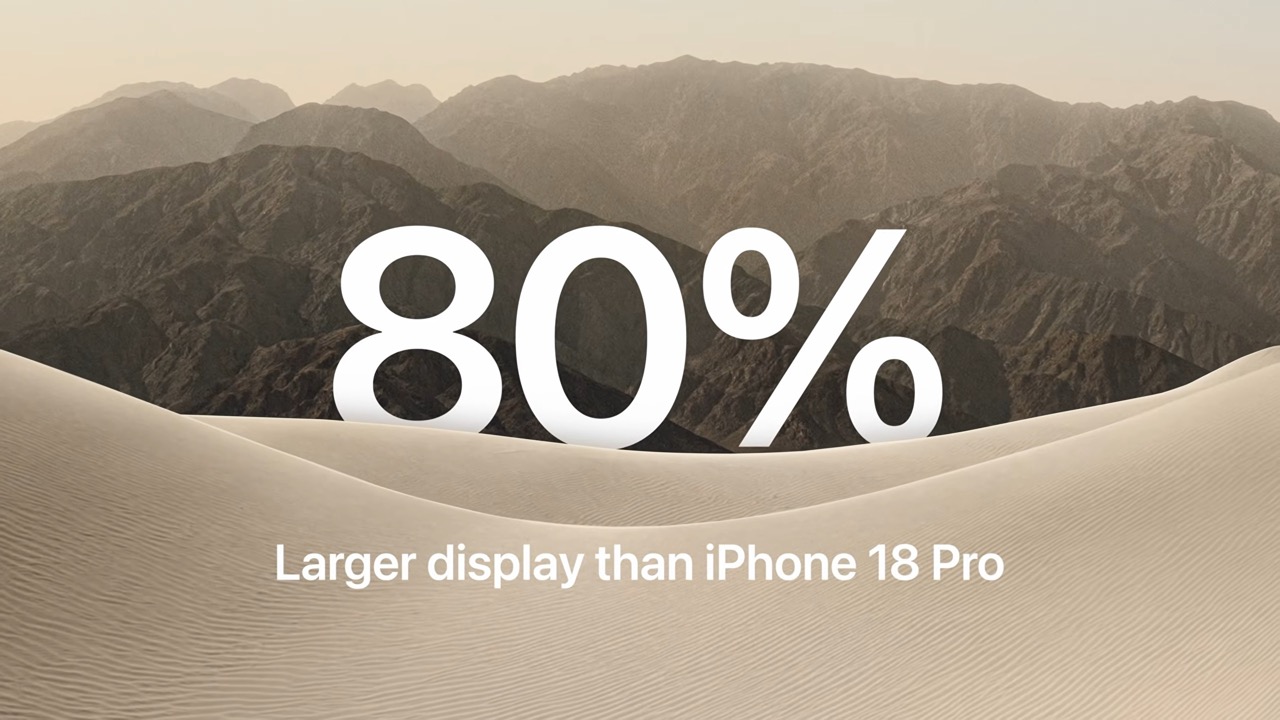
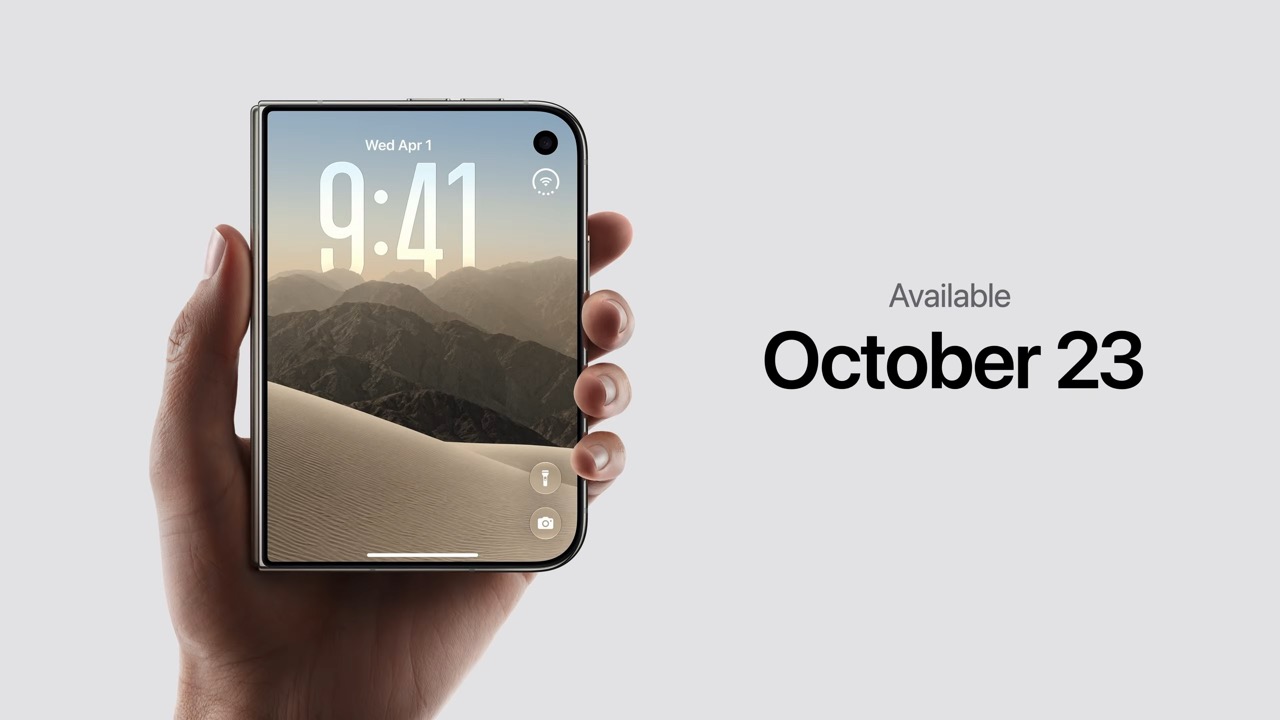
When opened, the internal screen area is 7.6 inches, which is 50% larger than the iPhone 18 Pro Max, and 80% larger than the iPhone 18 Pro. The external screen is 5.4 inches, providing 90% of the screen area of a standard iPhone 18 Pro.
Hinge Engineering and Foldable Screen
Apple relied on a multi-layer flexible structural system that allows the layers to slide over each other during folding like book pages without the surface deforming over time, in addition to a titanium plate in the bottom layer for durability, and carbon fiber support panels to keep the screen flat.
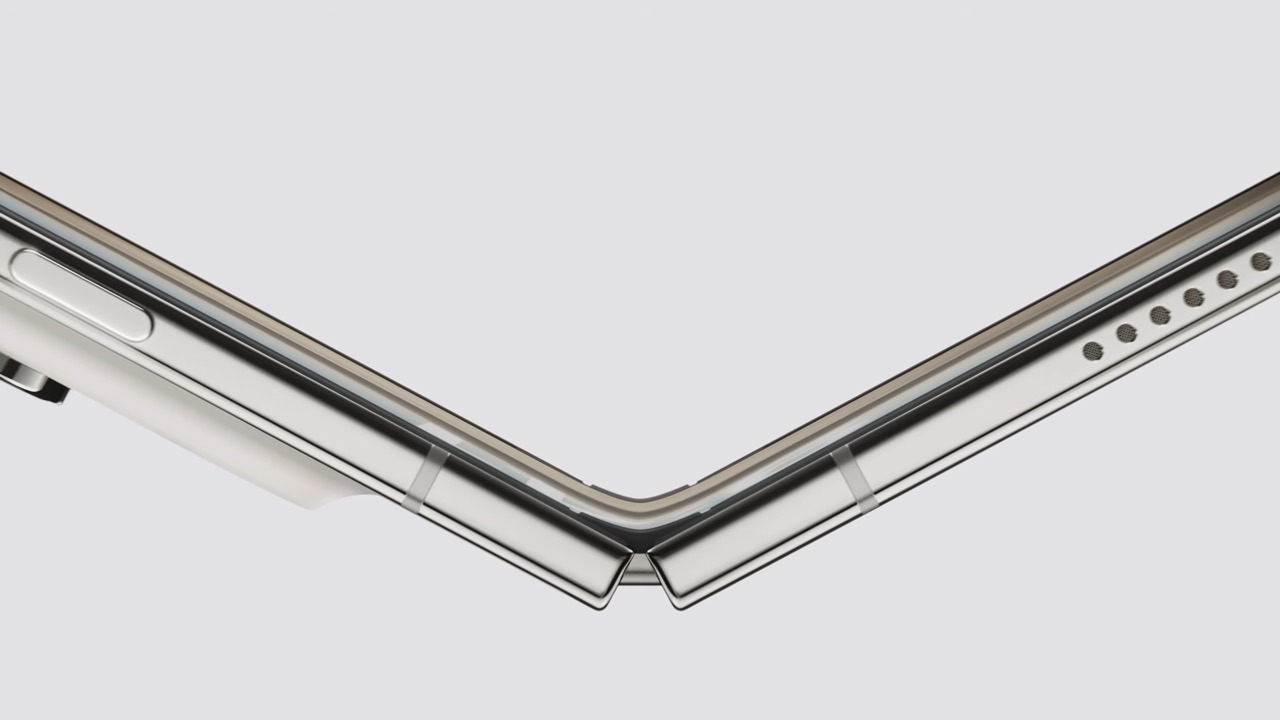
The hinge itself contains more than 100 precision components and maintains the screen’s flatness when opened, with precise control over the opening and closing movements.
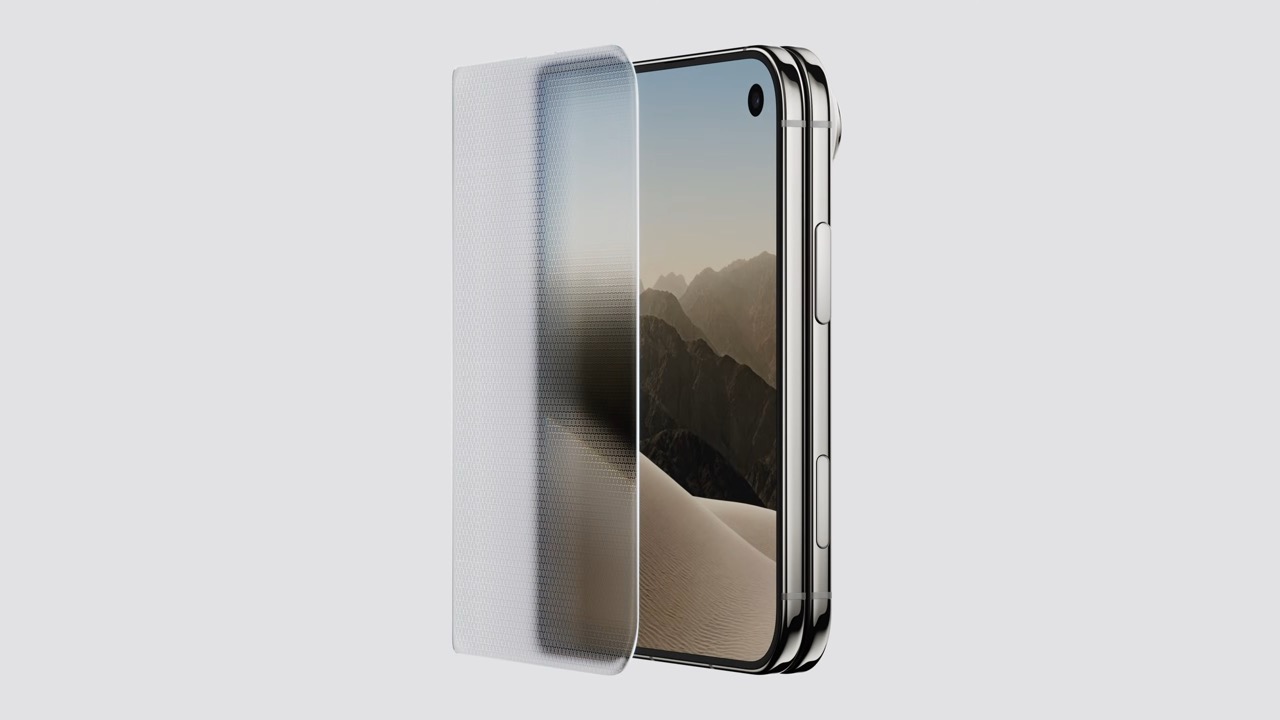
The outer frame of the iPhone is made of polished titanium, equipped with Ceramic Shield protection on the back, and Ceramic Shield 2 on the front, with an IP68 water and dust resistance rating.
Redesigned Operating System to Support Folding
Apple redesigned the iOS interface almost entirely to fit the two screens, where the Dock has become vertical, and control elements automatically move to the side to be within thumb’s reach, while the status bar adapts to different screen angles. The user can:
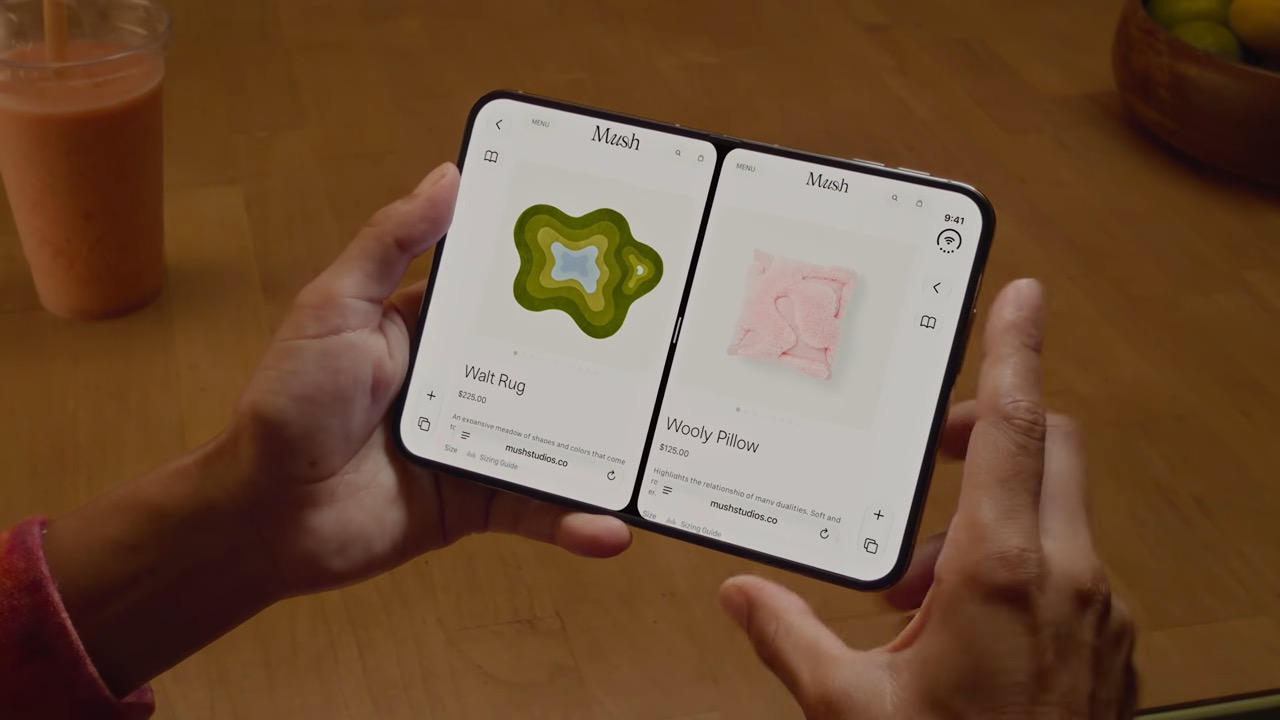
– Run two apps at once, or open the same app twice side by side.
– Use the phone partially folded, with content sliding away from the folding area to facilitate touch.
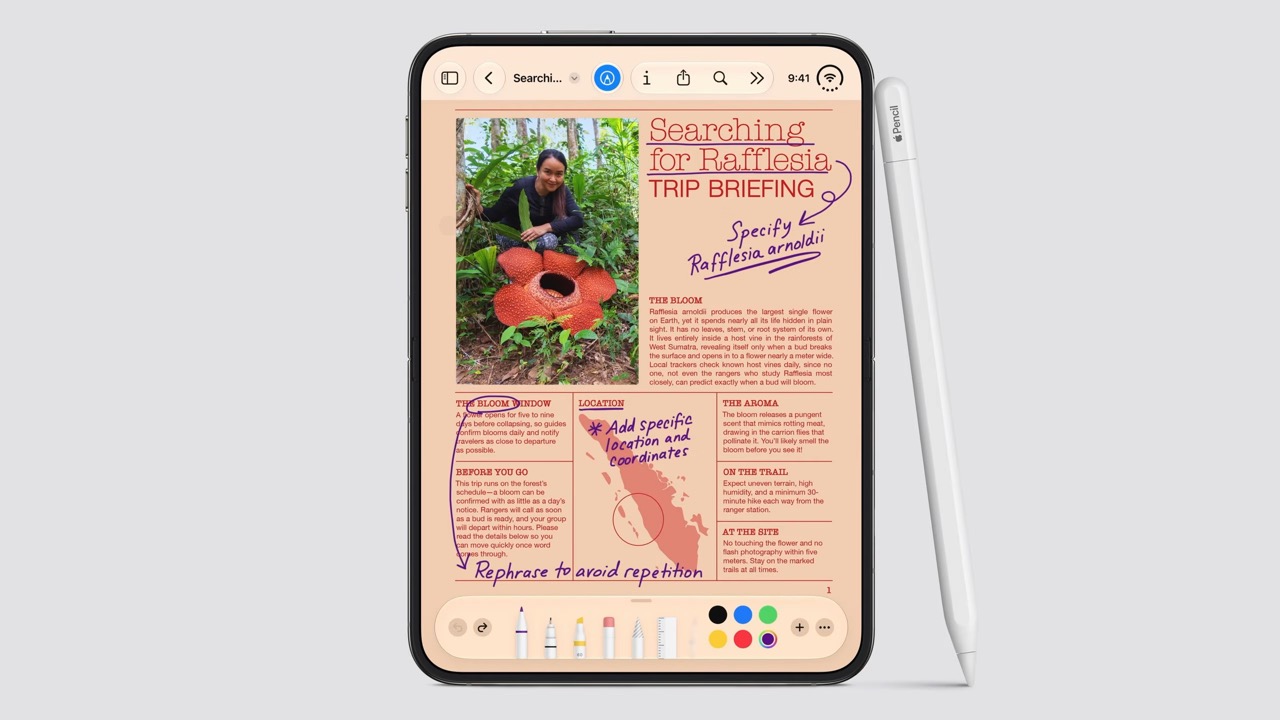
– Place the phone on a table and watch content without needing a stand, thanks to the device’s angle sensing.
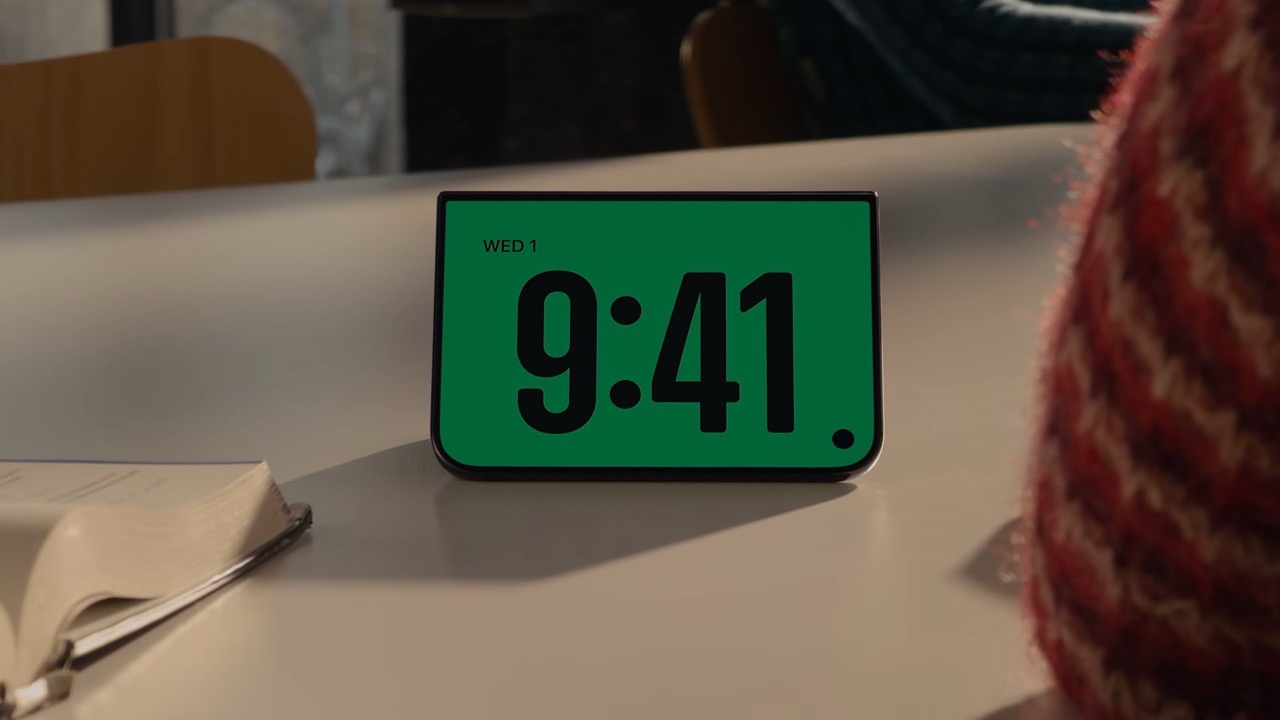
– Activate the new Standby mode to display widgets like time, calendar, and weather, turning the phone into an elegant clock.
Dual Camera and Battery

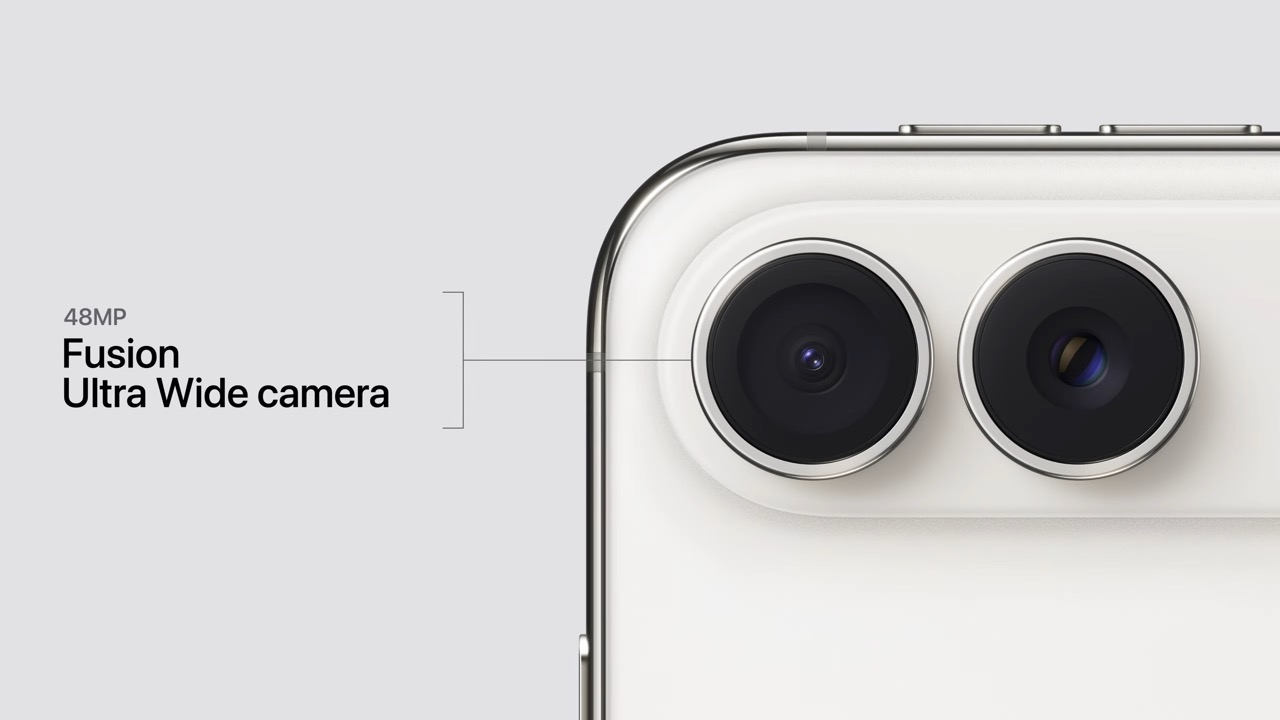
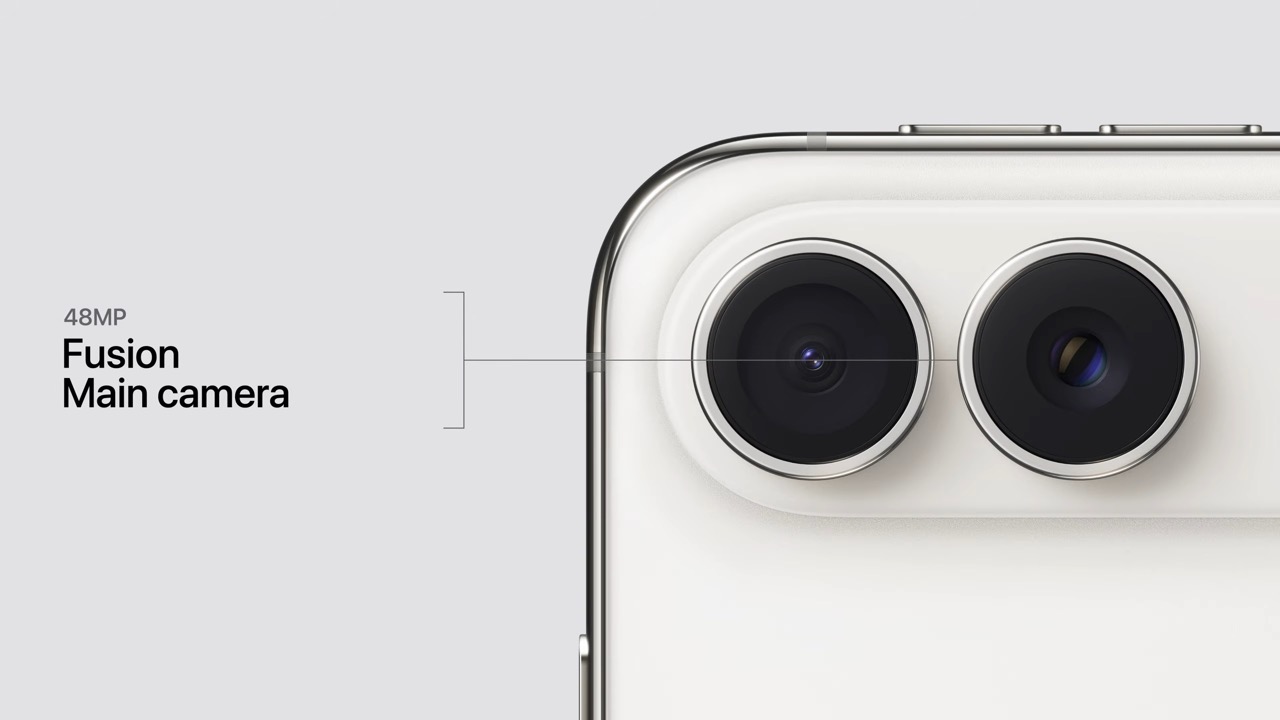
The rear camera includes the main Fusion lens alongside a 48MP ultra-wide lens, which is the same camera found in the iPhone 18 Pro. The front camera is 12MP with Center Stage technology, and it works whether the screen is fully open or positioned at an angle, with Dual Capture capability to capture the scene from the front and rear cameras at the same time.
One of the most prominent practical benefits of the foldable design is that the quality of selfies improves significantly, as the external screen allows the user to preview the shot directly while shooting using the high-quality rear camera.
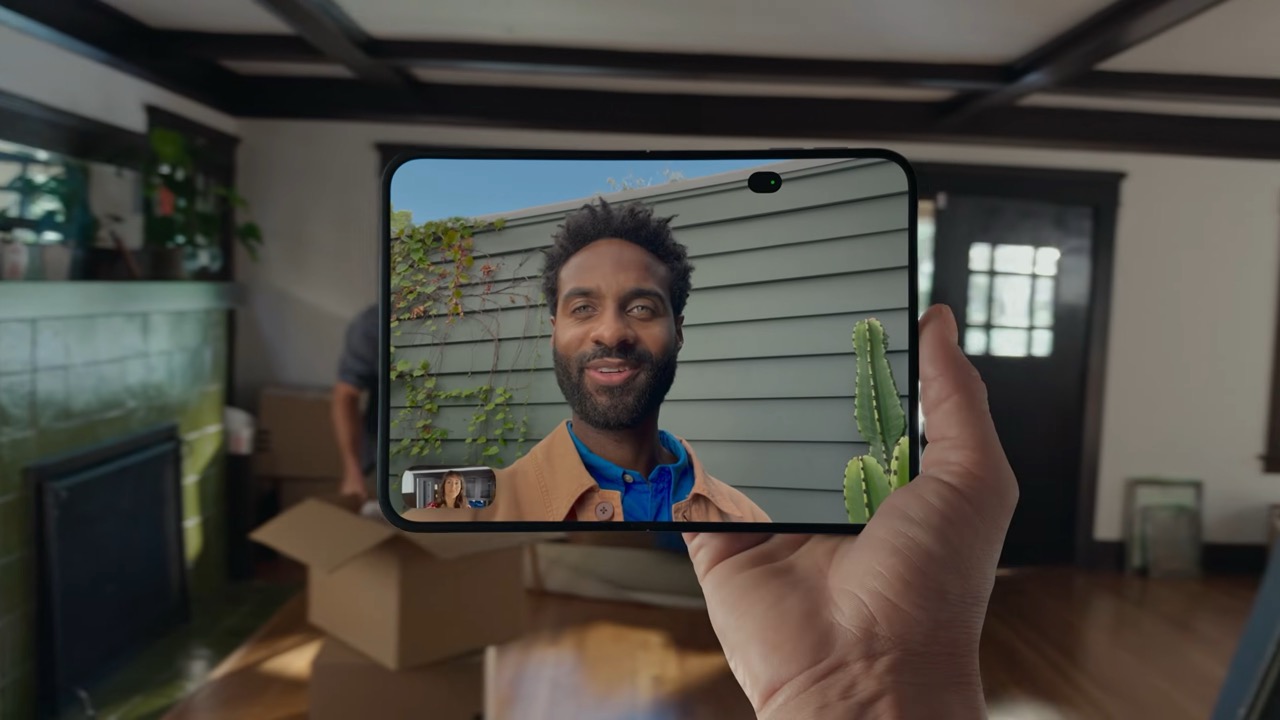
Apple also offers the “Duo FaceTime” feature, which makes video calls more interactive by allowing an additional person to join the call via the external screen. The screen also includes the ability to display animations to attract children’s attention while shooting.
Among the most creative features is the ability to capture Time-lapse shots in 4K quality and Dolby Vision HDR support, thanks to the phone’s ability to stand on its own without a tripod, in addition to the “Smart Take” feature that waits until the group of people is ready before taking the photo automatically.
As for the battery, it works as two separate units managed as one battery, to provide:
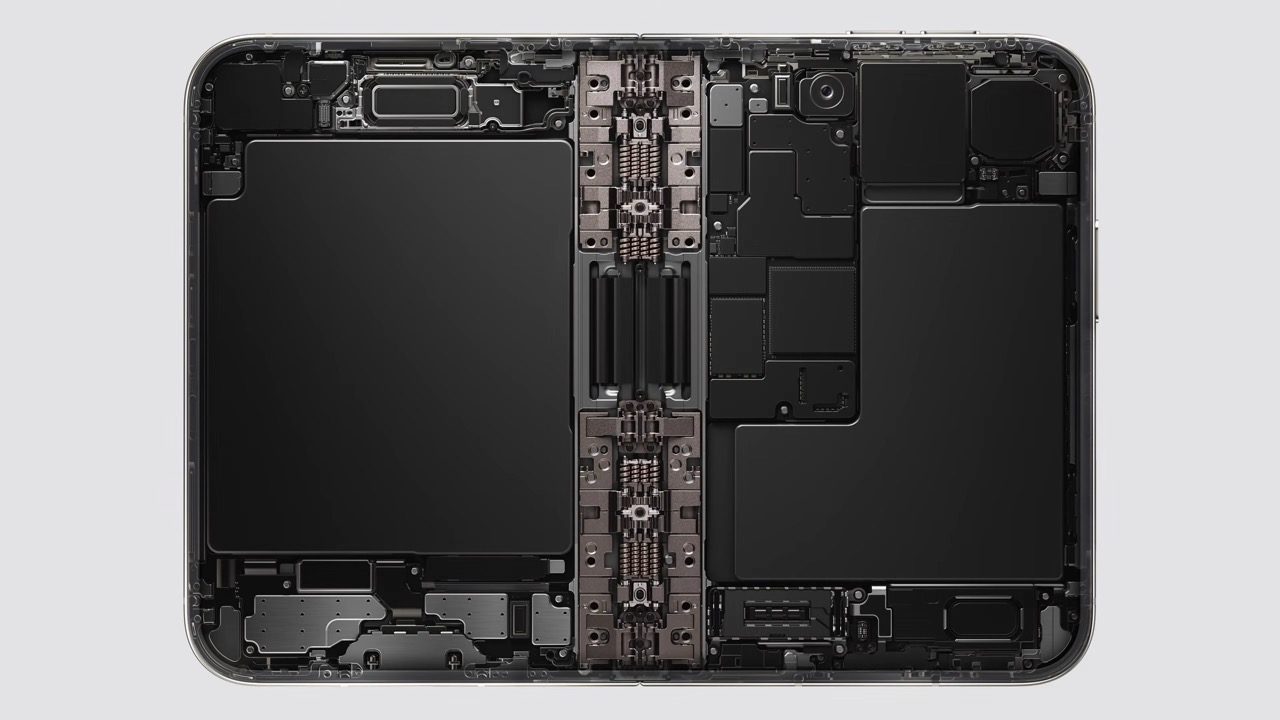
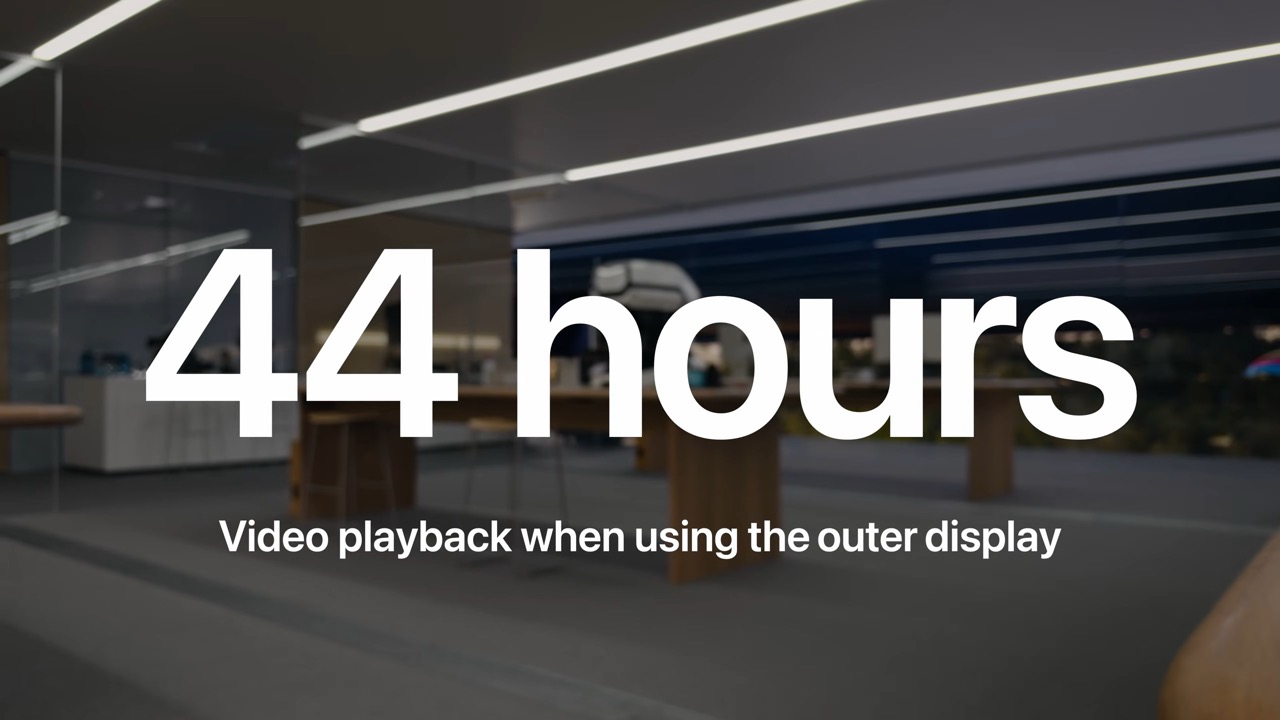
– Up to 31 hours of video playback on the internal screen, and up to 44 hours on the external screen.
– Fast charging reaching 50% within approximately 20 minutes.
The phone supports eSIM only globally, and comes with a new C2 communication processor, up to 50% faster than the C1X and adds support for 5G mmWave networks in the United States, with 15% lower power consumption.
Price and Availability
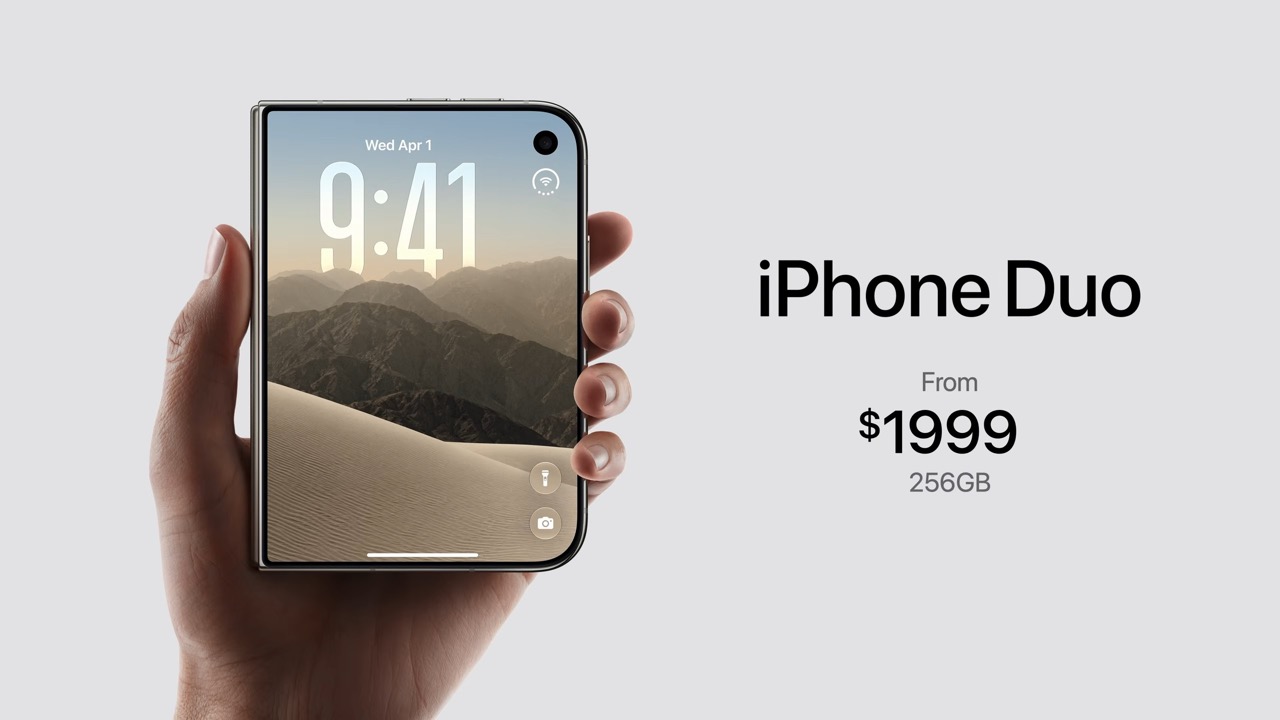 The iPhone Duo comes in only two colors: Star White and Night Sky, with a price starting from $1999 for 256GB of storage, up to a 2TB option.
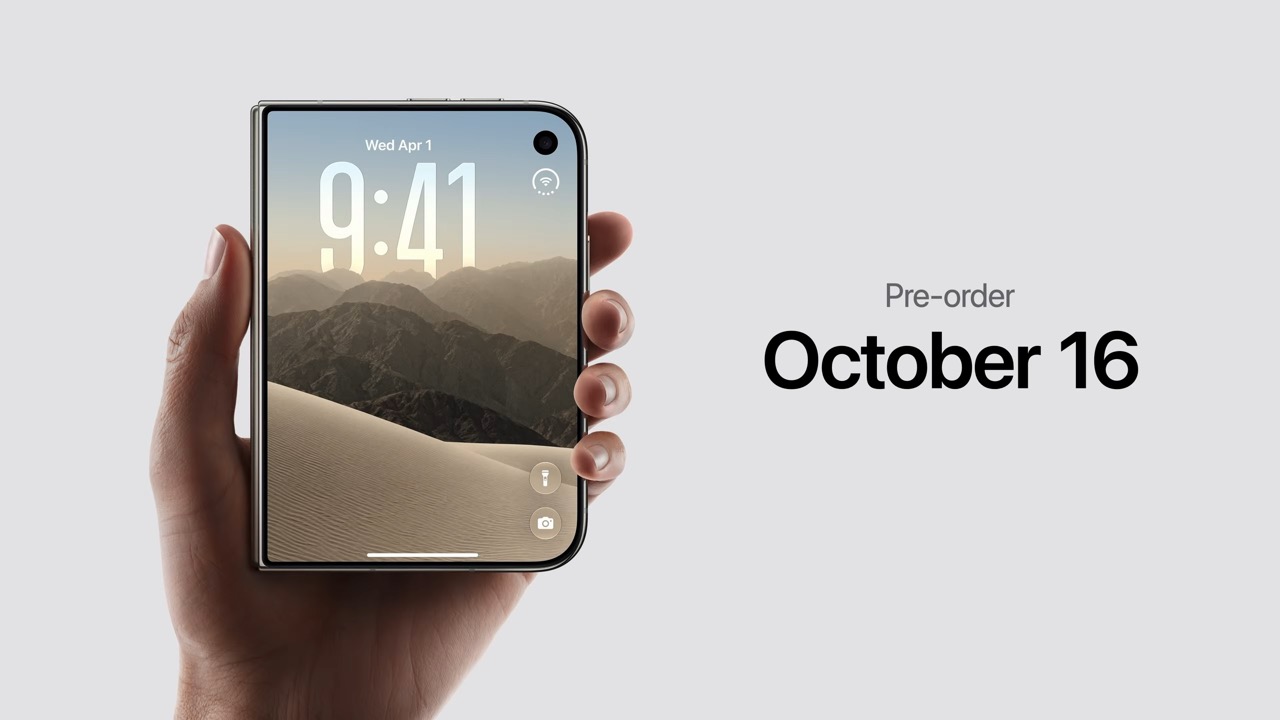
Pre-orders begin on October 16, and the phone will be available in stores starting October 23. Apple also announced new accessories dedicated to it, including the Duo Folio cover with a built-in stand, and a case consisting of two separate pieces, each wrapping around one of the phone’s halves.
Event Summary
Apple concluded its approximately 77-minute conference with an intensive announcement that included almost all of its main product categories in one session. But the iPhone Duo remains the undisputed star of the event, as it represents Apple’s first official entry into the world of foldable phones, after years of waiting for its final form.
While Apple is betting on its new design to provide an “iPad-like” experience that outperforms competing foldable phones, the coming weeks, specifically after the device arrives in markets on October 23, will determine whether this bet will actually succeed in convincing users of its high price, which starts at $1999.
New Phone Surprise
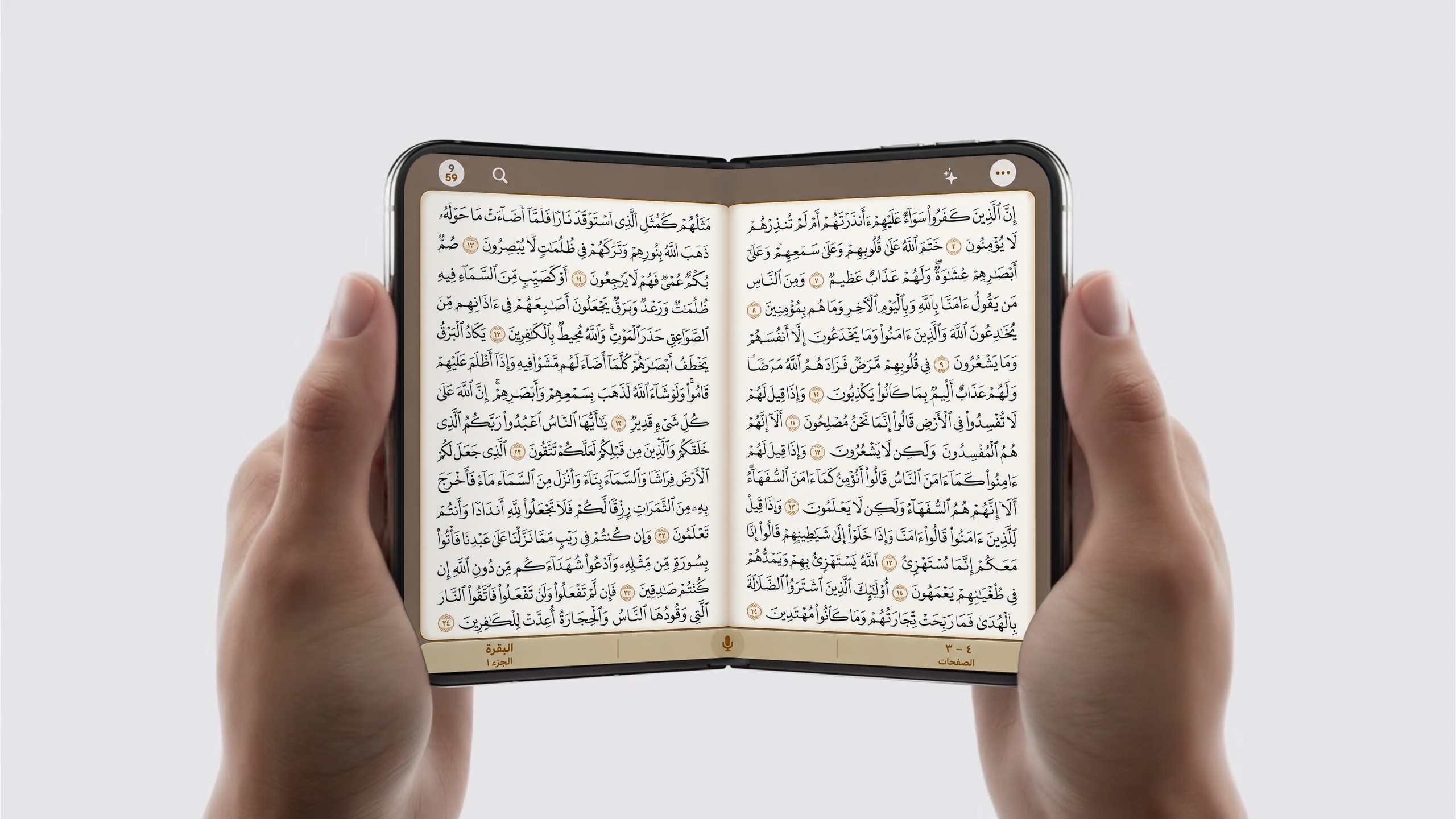
Insha’Allah, the “Al-Ketab” app is ready to be the first #Quran app to work on the iPhone Duo, with Quran recitation correction, with complete privacy on your device, without the need for an account or internet connection, and completely free of charge.


Leave a Reply