After Apple unveiled the iPhone 18 Pro and iPhone 18 Pro Max, the usual upgrade fever began to take hold of tech enthusiasts and followers of the company. Those who have already bought it have done so, but there is a segment that remains hesitant, feeling that an upgrade is not sufficiently justified, as the iPhone 17 Pro, iPhone 16 Pro, and even the iPhone 15 Pro are still enough. Most of these users prefer to wait a little and think about the bigger picture; because this year’s iPhone family has maintained the same design as the iPhone 17 Pro, with only incremental hardware improvements in processing, performance, and photography. However, there are real, radical changes expected that Apple is saving for next year, as it plans to launch a revolutionary phone to mark the 20th anniversary of the first iPhone—an event worth pausing for.
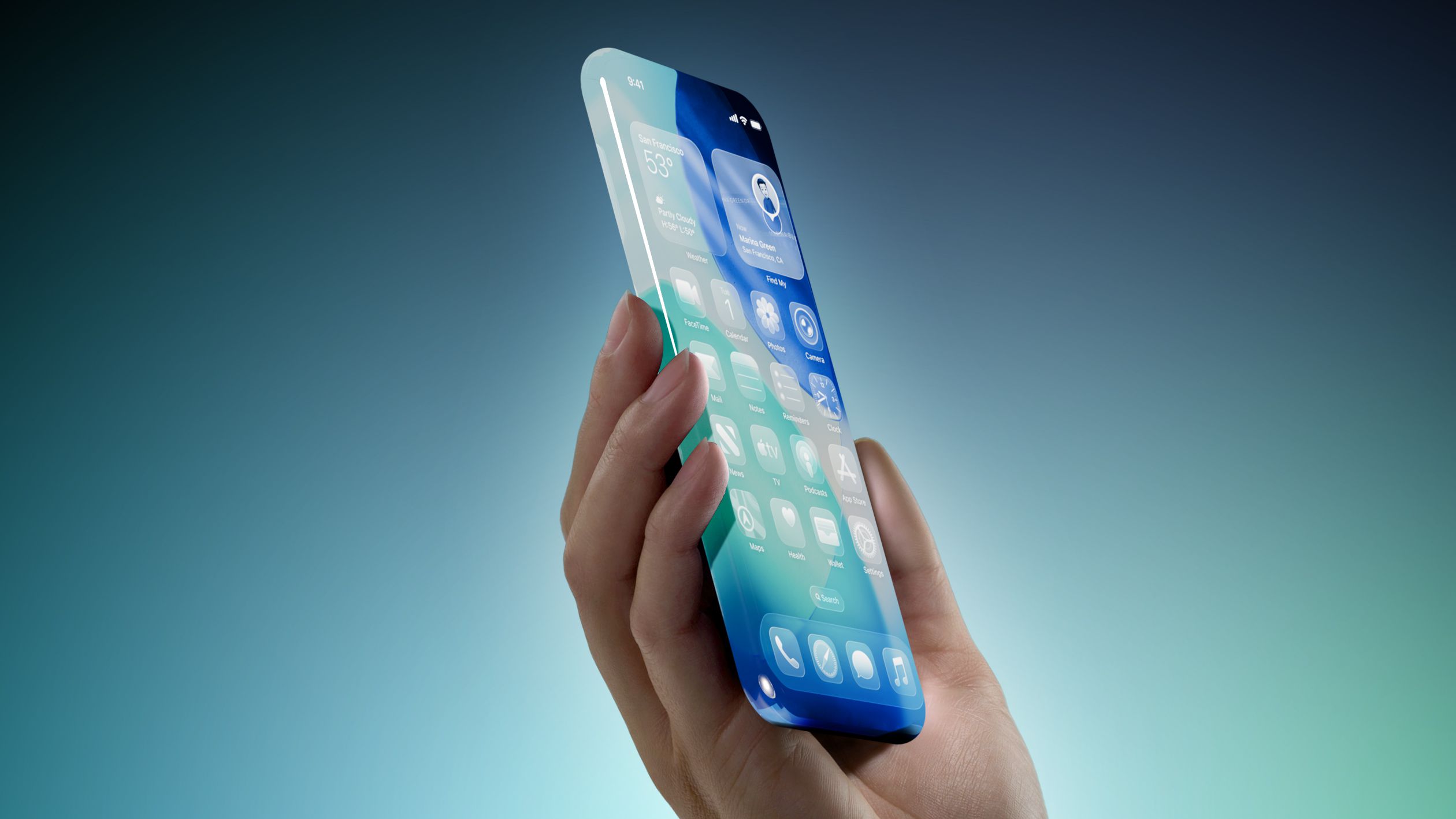
A Revolutionary Glass Design and a Screen That Wraps Around All Four Edges
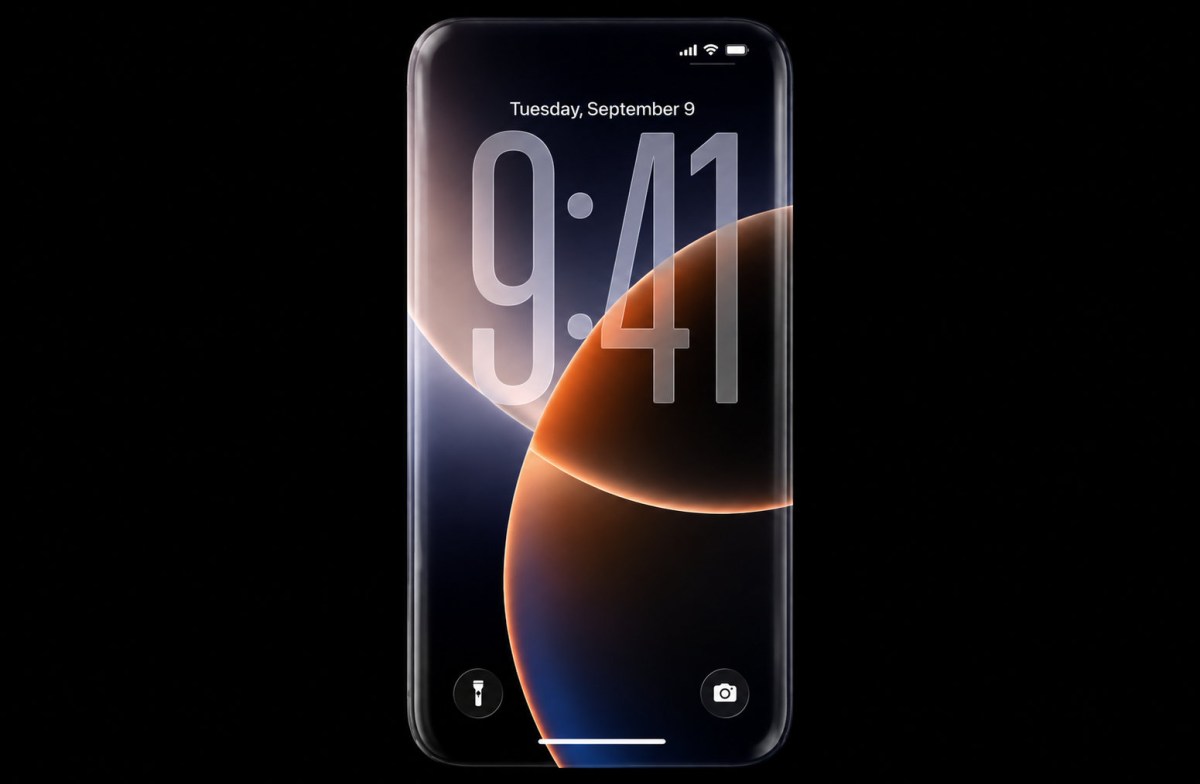
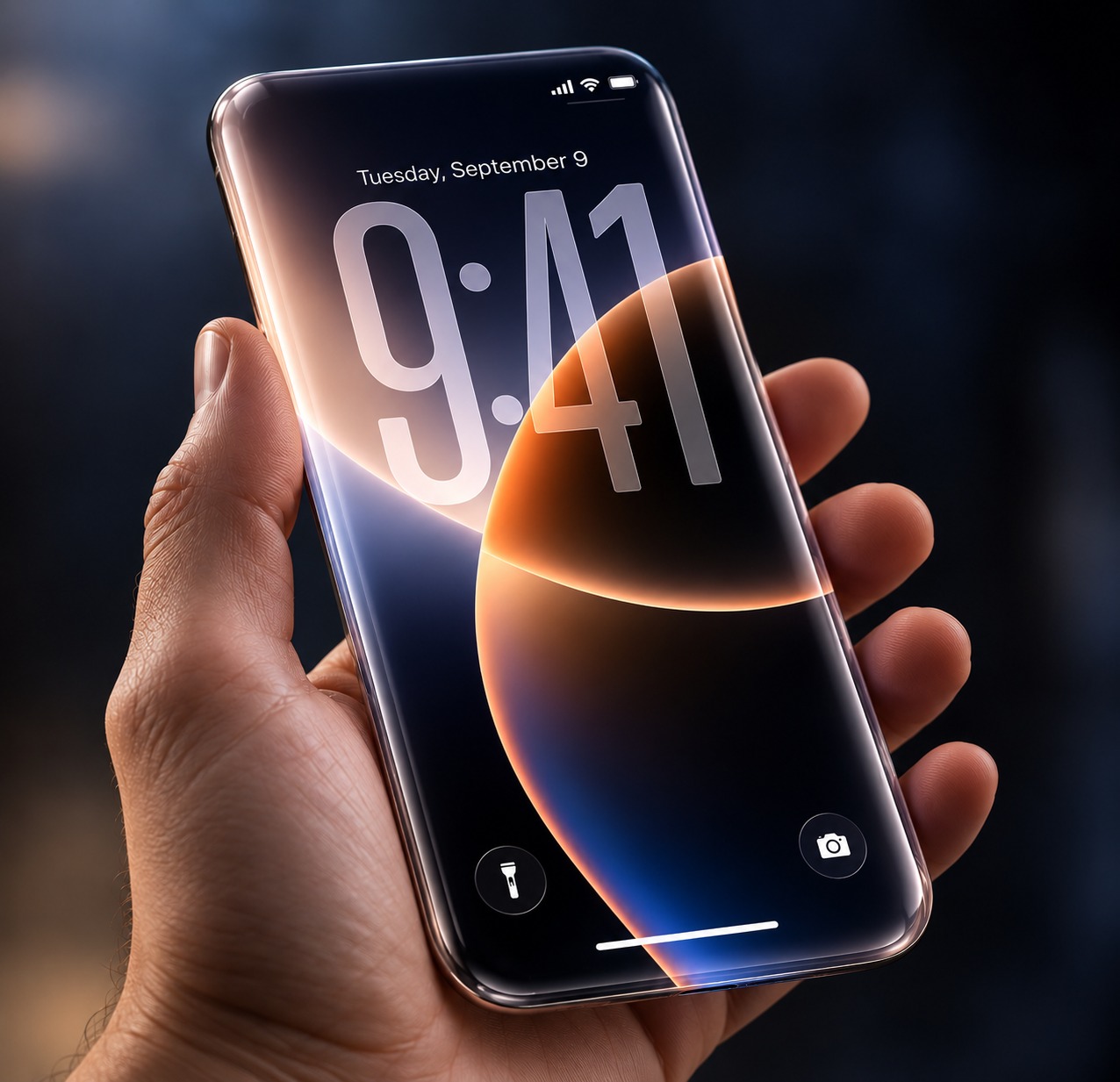
The latest reports indicate that the 20th-anniversary phone, which is expected to skip the number 19 to be named the iPhone 20—just as Apple did when it skipped the number 9 in favor of the iPhone X—will come with an all-glass design that curves seamlessly on all four sides. This uniform curvature in depth was developed in collaboration with Samsung to completely hide the metal frame during use, giving the phone a futuristic look as if it were a pure glass slab floating in your hands without any visible bezels.
This visual leap is not limited to the exterior; it will extend to the structure of the display panel itself. Apple plans to use more advanced and thinner OLED screens via Color Filter on Encapsulation (COE) technology. This technology allows for a reduction in screen layer thickness with higher light transmission, which translates directly into superior brightness under sunlight while significantly optimizing battery power consumption compared to traditional iPhone 18 Pro screens.
A True Full Screen and the First Apple-Designed Camera Sensor
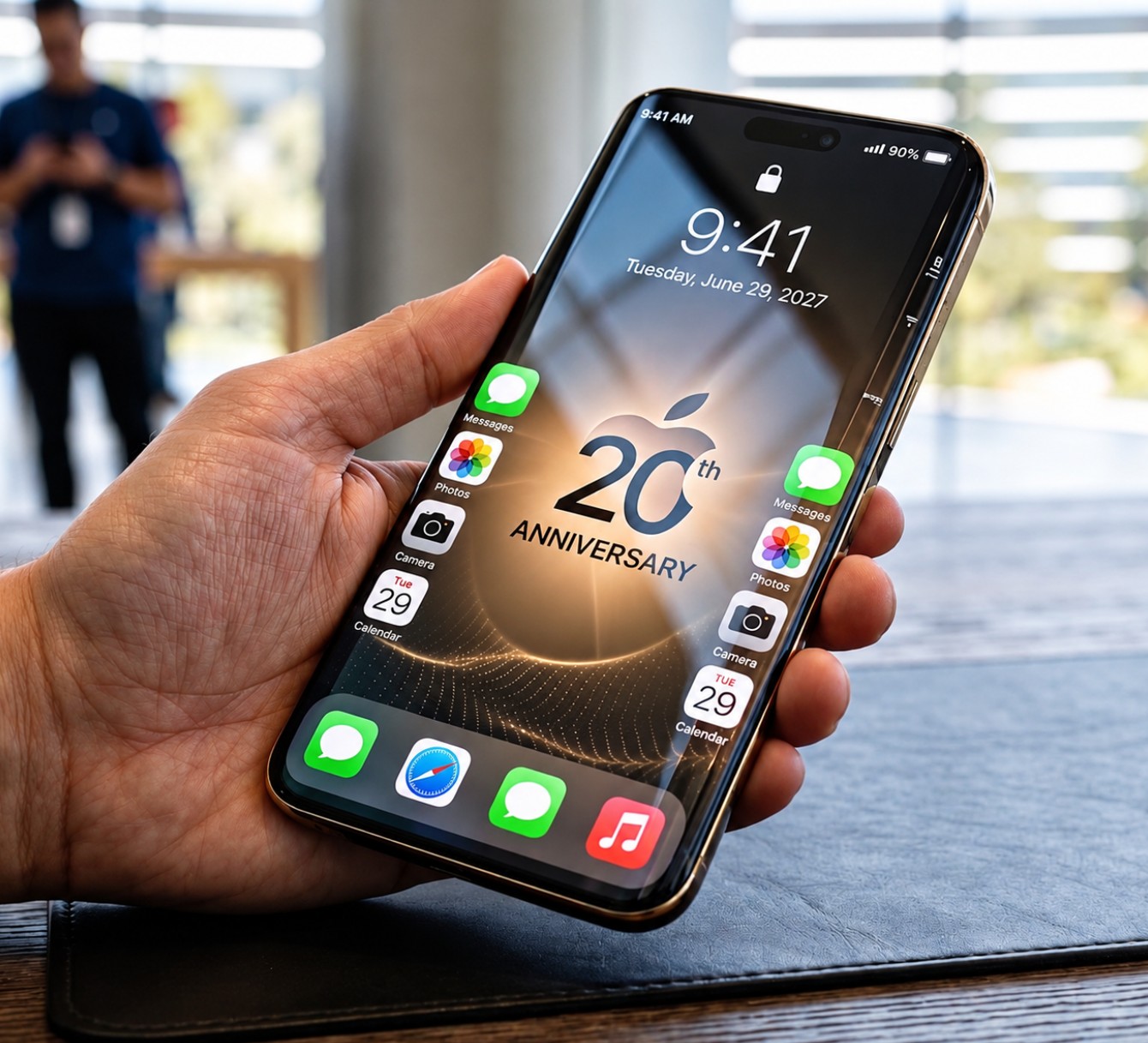
The dream that Apple fans have been anticipating for years may finally see the light of day in the 20th-anniversary model, as the company is working intensively to eliminate the Dynamic Island cutout and move the Face ID hardware and front camera entirely under the screen. While hiding sensors has been a recurring promise for a full decade, recent laboratory models have shown tangible progress that paves the way for a continuous, pure screen without any notch or hole to disrupt the viewing experience, with the selfie camera in the iPhone Duo being the first application of these tests.
In terms of photography, it seems Apple is preparing to end its historic reliance on Sony sensors in favor of a stacked imaging sensor designed entirely in-house. The prototype is already working with advanced LOFIC technology, which allows each pixel to absorb variable amounts of light with extreme precision, raising the dynamic range to about 20 stops. This incredible figure will move smartphone photography from the realm of digital processing to the level of specialized cinematic cameras, outperforming the iPhone 18 Pro cameras by a massive margin.
Solid-State Buttons and Silicon Anode Battery
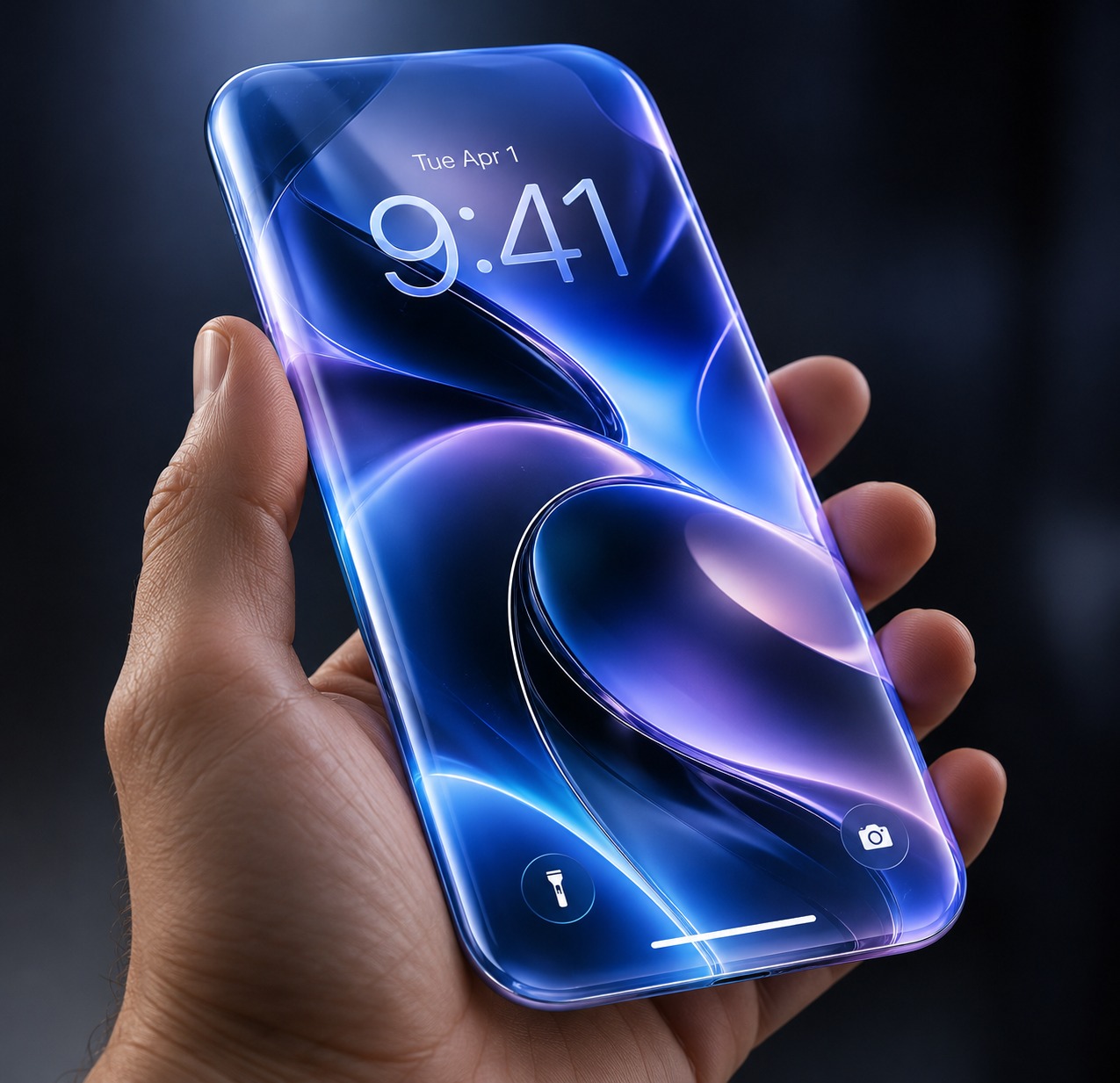
It seems the era of physical mechanical buttons is breathing its last inside the Cupertino labs. Apple is testing the replacement of all physical buttons—including the power button, volume buttons, Action button, and Camera Control button—with solid-state buttons integrated into the frame. These buttons rely on ultra-sensitive haptic engines that generate tactile feedback, perfectly simulating a real press without any moving gaps, which raises the device’s water and dust resistance to unprecedented levels.
As for the phone’s beating heart, it will receive a real chemical leap; Apple is exploring equipping the phone with batteries that use a Silicon Anode instead of the traditional graphite anode. This innovation significantly increases energy density by storing a larger amount of lithium ions per gram, which means achieving a significant jump in daily operating hours without needing to increase the phone’s thickness or sacrifice its lightweight feel.
A21 Pro Chip, AI Memory, and Larger Screen Sizes
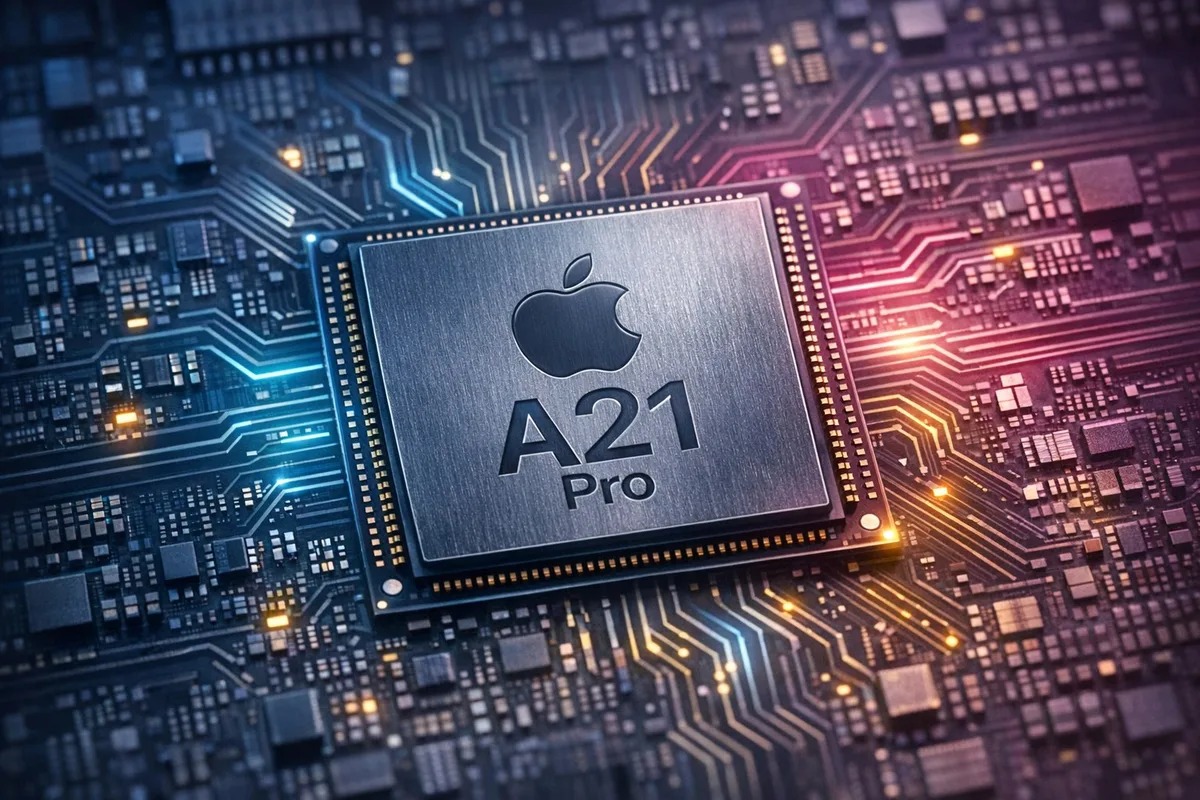
While the iPhone 18 Pro gets the A20 Pro chip manufactured with first-generation 2nm technology, the 20th-anniversary phone will move directly to the improved second-generation architecture via the A21 Pro chip. This chip will not just be about raw speed; it will connect to vertically stacked DRAM with ultra-high bandwidth (Mobile HBM), hardware specifically designed to double data transfer speeds and unleash generative AI capabilities to run entirely on-device with impressive immediacy and smoothness.
To complete this qualitative shift, leaks indicate that screens will see an expansion in their sizes compared to the current generation; after the iPhone 18 Pro screens settled at 6.3 inches and 6.9 inches, Apple is preparing to increase the sizes for the 20th-anniversary phone to 6.4 inches for the standard Pro model, and an unprecedented giant 7.0-inch screen for the Pro Max model.
While we are still about a full year away from this commemorative version, and Apple’s plans may change and schedules for complex hardware like under-display cameras might be delayed, the entire scene reminds us of what happened in 2017 when many skipped the iPhone 8 in anticipation of the iPhone X, which changed the industry’s balance. If your current phone is working efficiently, waiting might be the smartest tech decision you make this autumn.
Source:

Leave a Reply