Do you have a foldable phone or are you planning to buy a phone like the Galaxy Z Fold 8, the iPhone Duo, or even another model? If the answer is yes, you know perfectly well that a foldable phone is a luxurious and expensive device, so the first thing you will think about is protecting it. A case is the first thing you should buy to protect your phone from drops, scratches, and bumps, but choosing a case for a foldable phone is not that simple. This type of phone differs from traditional phones because it relies on a hinge that allows it to open and close, while the screen and moving parts need enough space to operate smoothly. Herein lies the problem: can a case protect the phone without hindering its movement? And more importantly, what parts does it actually protect, and what areas can it not protect? This is what we will find out in the following lines.

What do foldable phone cases protect?
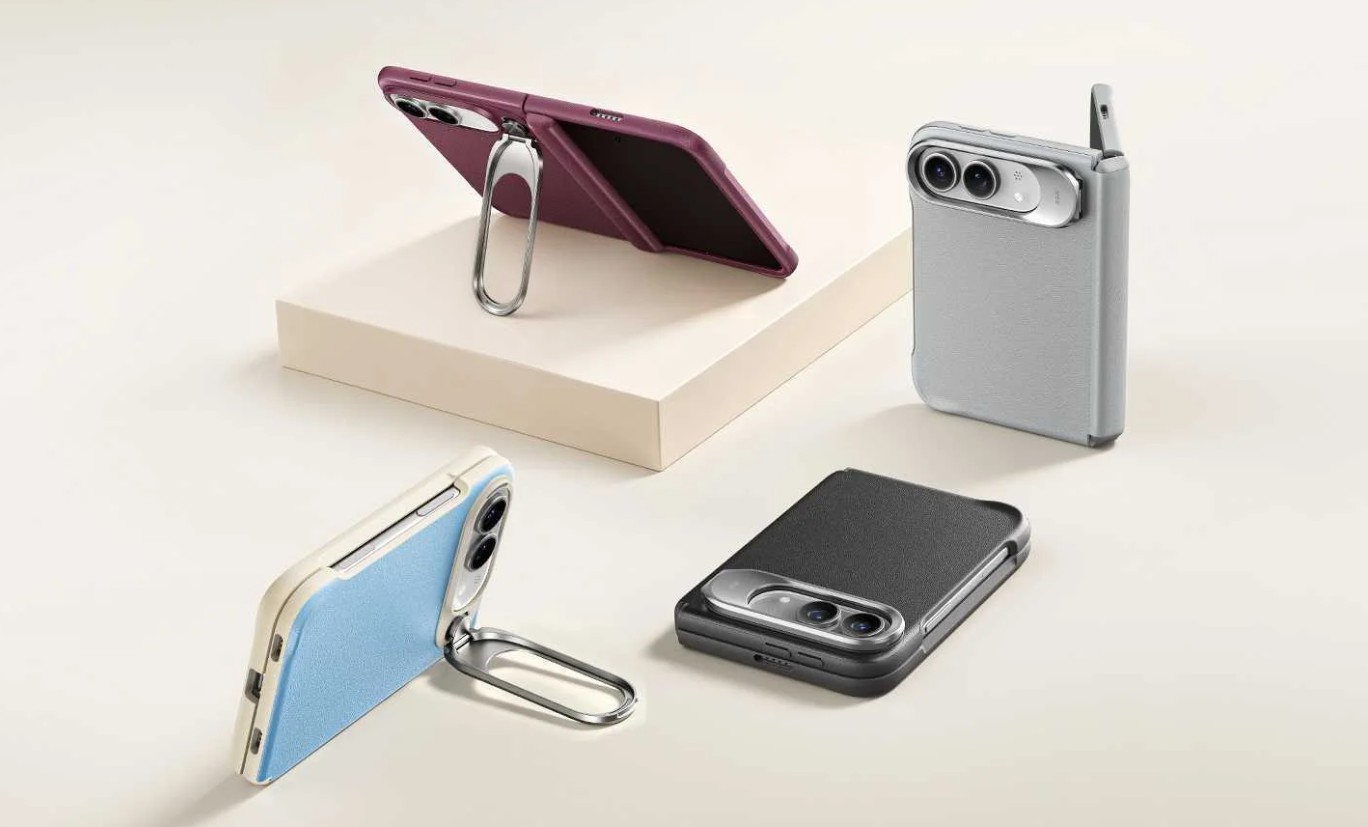
Cases usually cover the back and sides, extending to the front edges to protect the device from bumps and scratches. Since a foldable phone is practically made of two parts connected by a hinge, most cases come in two pieces. The first piece covers the back, sides, camera area, and charging port, with a slightly raised edge around the cameras to reduce the risk of direct impact to the lenses. The second piece surrounds the front and screen, protecting them with a prominent edge that surrounds the outer frame.
However, these covers usually do not provide full 360-degree protection, and the hinge remains exposed and unsecured. For example, the Samsung Carbon Standing Case for the Galaxy Z Fold 8 focuses on adding an anti-reflective layer and a built-in stand. This means it is designed for comfort and ease first, and protection second. In contrast, companies like Casetify offer cases more focused on durability, including the highly anticipated iPhone Duo case, which the company says uses technology to distribute the energy of impacts from drops, along with special hinge protection via the Duo-Lock system. Casetify also offers a similar range of covers for the Galaxy Z Fold 8, but hinge protection comes with an increase in the thickness and weight of the case.
What does the case not protect?
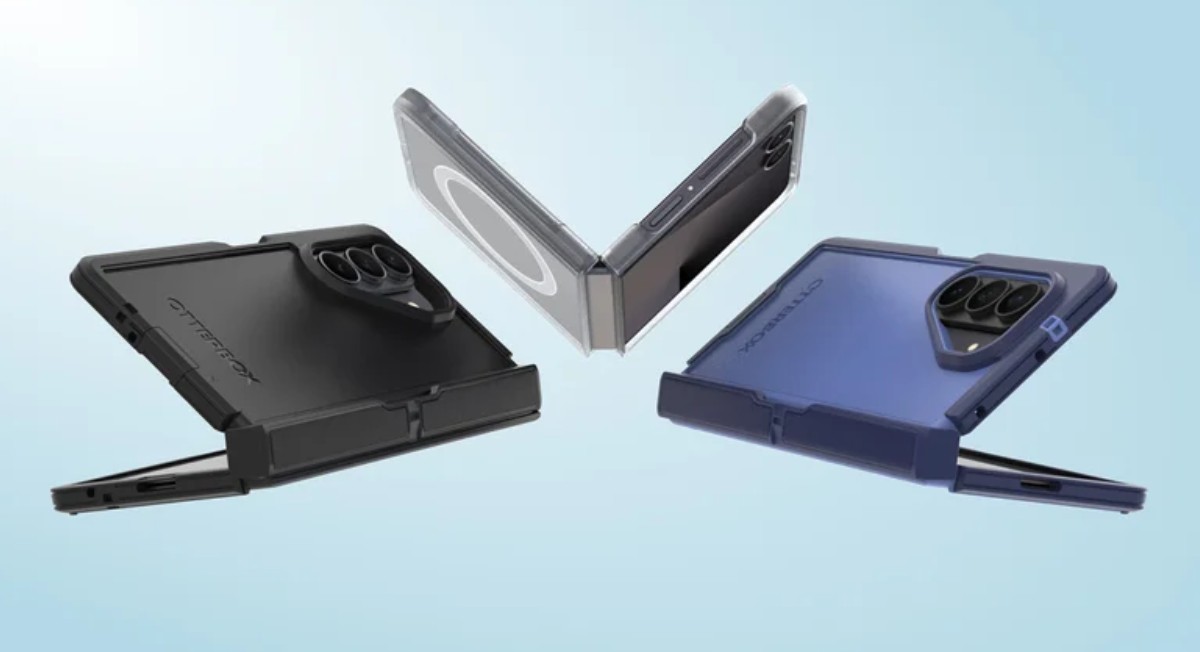
Dust is one of the biggest problems facing foldable phones. When closing the phone like a laptop, dust on the screen can get stuck inside the hinge area. Even invisible particles can damage the screen or cause it to crack and shatter. For this reason, many foldable phones have a lower dust resistance rating compared to traditional phones. But the situation is starting to change in modern devices. For example, both the iPhone Duo and the Google Pixel 11 Pro Fold have an IP68 rating, which is a higher level of protection compared to the Samsung Galaxy Z Fold 8, which has an IP48 rating, meaning that fine dust particles may damage the screen and hinge. The Motorola razr fold achieves an IP49 rating, which indicates the same thing (as the first digit in the rating expresses the level of protection against solid foreign objects 1 mm or larger). Unfortunately, there is no foldable phone case that provides protection to prevent dust from getting trapped inside the folded screen or in the hinge area.
Finally, you might ask, how do you protect your foldable phone? The answer is very simple: all you have to do to keep your foldable phone for as long as possible is to ensure the screen is free of dust before closing it, and clean the hinge gently using a soft brush every now and then. These devices require more attention than traditional phones, because dust entering the hinge or under the screen can cause problems that no case or cover can prevent.
Do you think a foldable phone case provides enough protection? Let us know in the comments!
Source:

Leave a Reply