OpenAI accuses an employee who returned to Apple of stealing device secrets, an Apple I signed by Wozniak sells for over a million dollars, Apple appeals a $5.7 billion judgment, rumors of production cuts for the iPhone 18 Pro, Apple Intelligence arrives in China in December, a company pulls a tool for silencing AirTags following stalking accusations, the iPhone Duo greets its buyers by name, an OpenAI employee plants a listening device in the management boardroom, Character.AI files for bankruptcy and Disney makes a bid, and other exciting news on the sidelines…
Apple achieves record share despite a 20% decline in the phone market
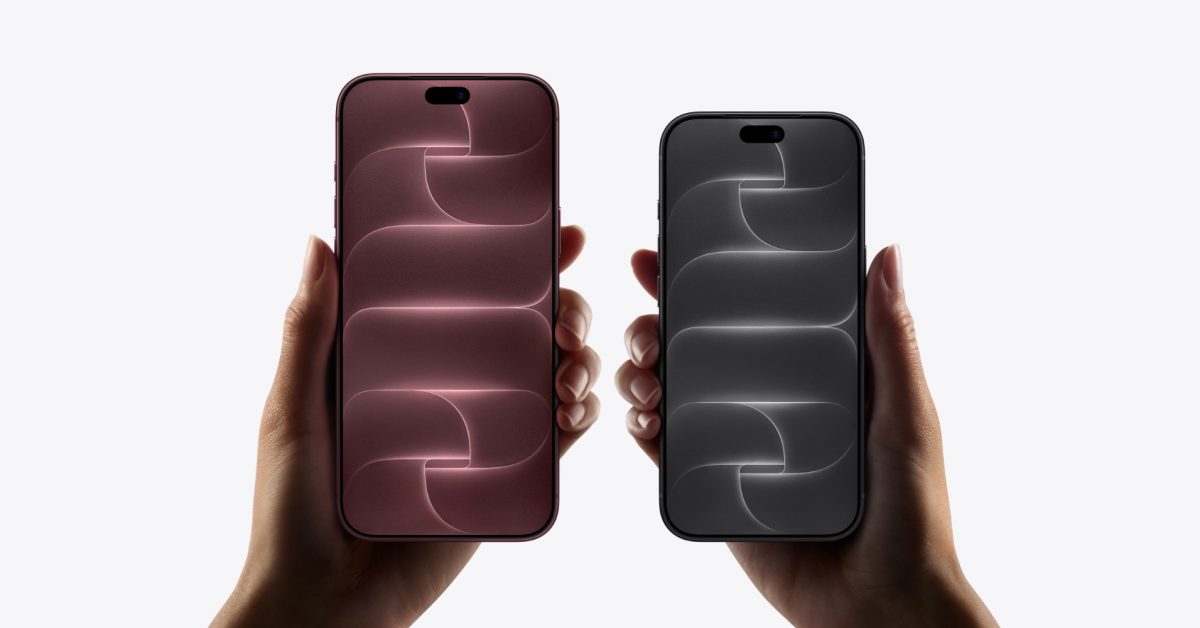
Counterpoint stated that global smartphone shipments fell by 20% in the third quarter of 2026 compared to last year. It was the weakest third quarter in 14 years, due to the memory crisis and rising prices. Retail phone prices have risen by about 20% since the beginning of the year.
Despite the decline in Apple’s shipments, its share rose to 22% from 18%, marking the first time it has exceeded 20% in any third quarter. Samsung maintained the lead with a 23% share, followed by Oppo at 9% and Vivo at 8%. Counterpoint does not expect a real recovery until costs decrease and supplies improve.
OpenAI accuses a former employee of leaking device secrets to Apple
On October 14, OpenAI filed a document in court regarding the trade secrets case brought against it by Apple. It states that an unnamed employee moved to them from Apple, worked there for about six months, and then returned to Apple. It alleges that on their last day of work, June 2, 2026, they sent over a hundred secret files to their personal accounts regarding at least one device that OpenAI has not yet announced. The files include images of the device, engineering and manufacturing data, and information about suppliers. It also says they gave a presentation about its product plans to senior Apple officials, and requested permission to investigate and potentially file a counterclaim.
Apple stated that it has found no evidence to support these allegations and that it has policies preventing new employees from using confidential information from their previous employers. Apple had filed the case in July, accusing its former employees Zhang Liu and Tang Tan of transferring trade secrets to OpenAI. In the October 14 hearing, Judge Edward Davila said he would likely grant Apple a preliminary injunction, and OpenAI voluntarily agreed, according to Bloomberg, not to use the alleged secrets until the case concludes. All of these remain mutual allegations that have not been settled by the court.
OpenAI employee plants a listening device in the management boardroom
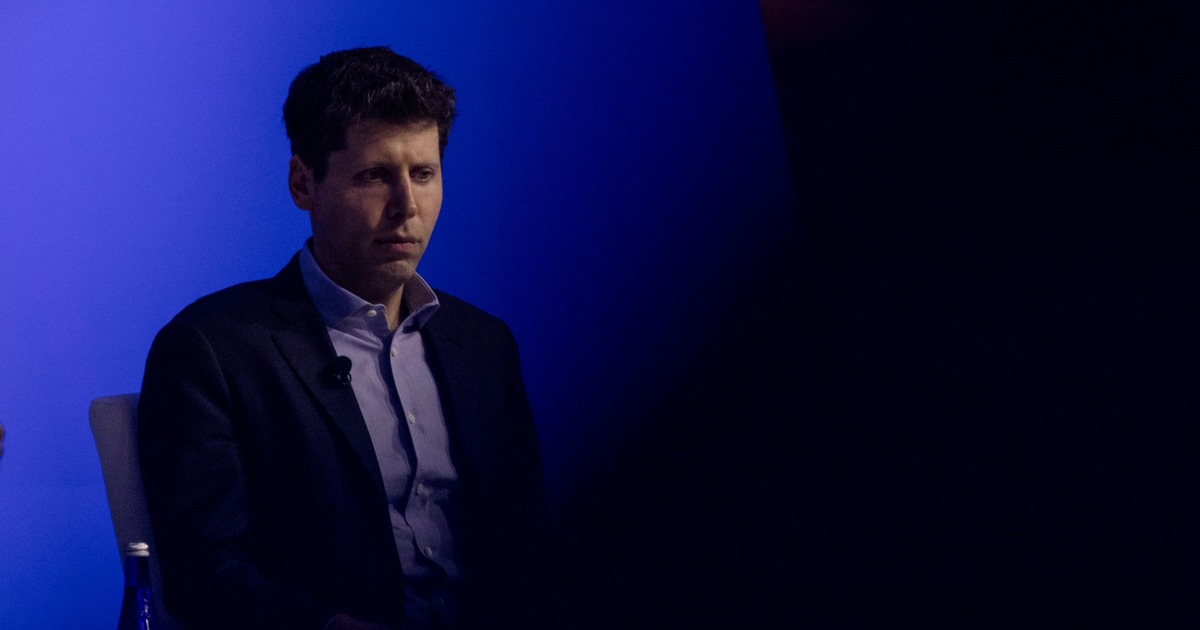
US prosecutors have charged an OpenAI engineer named Abdulrahman Al-Fozan, 35, with hiding an audio recording device behind a screen in the management boardroom at the company’s headquarters in San Francisco. The device was a small board the size of a thumb, priced at $23.99, and was wrapped in toilet paper. Prosecutors say it was planted around September 28, discovered by the security team on September 30, and a second device was found in a bag he left near the printers on October 5.
OpenAI said it used its models to identify the device and its source, and that there is no evidence of access to model weights, code, or customer data. The employee was fired on the day of his arrest, remains in custody, and has a hearing on October 19. The charge carries a penalty of up to 5 years in prison and a $250,000 fine; these are still allegations that have not been adjudicated.
A working Apple I signed by Wozniak sells for over a million dollars
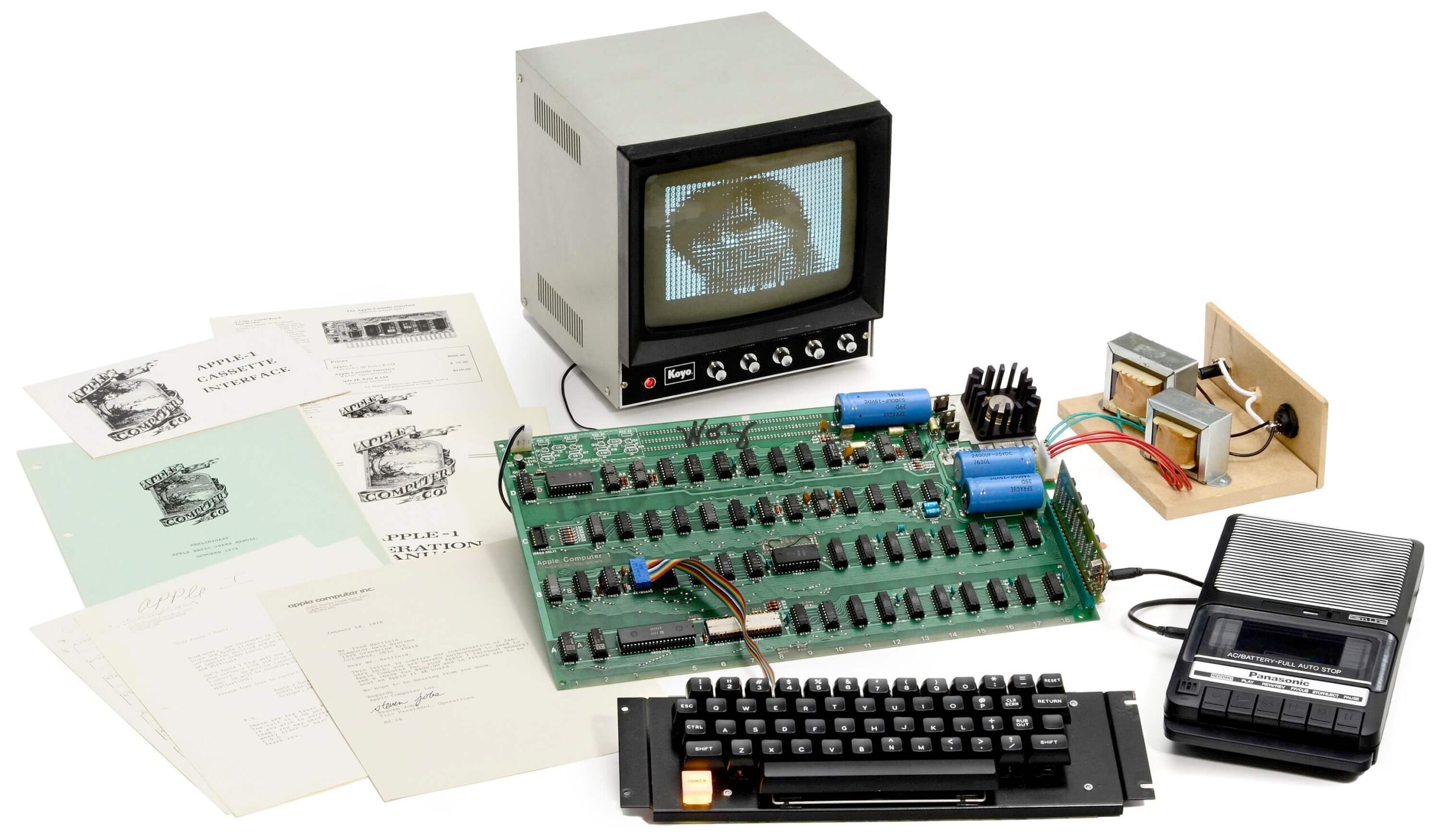
The Apple I device known as the "Hatfield" was sold at a Bonhams auction on October 14 for $1,148,200. The auction lasted 28 minutes and eventually narrowed down to two bidders. The device is one of the few remaining working units, and its motherboard is signed by Steve Wozniak.
The device comes with a letter signed by Steve Jobs dated January 1978. In it, Apple offered its first owner, Fred Hatfield, an Apple II device plus $400 in exchange for returning the Apple I. The same device had sold in 2013 for about $666,000, while other Apple I units have recently sold for prices between $375,000 and $475,000.
Apple appeals a $5.7 billion judgment to Taction
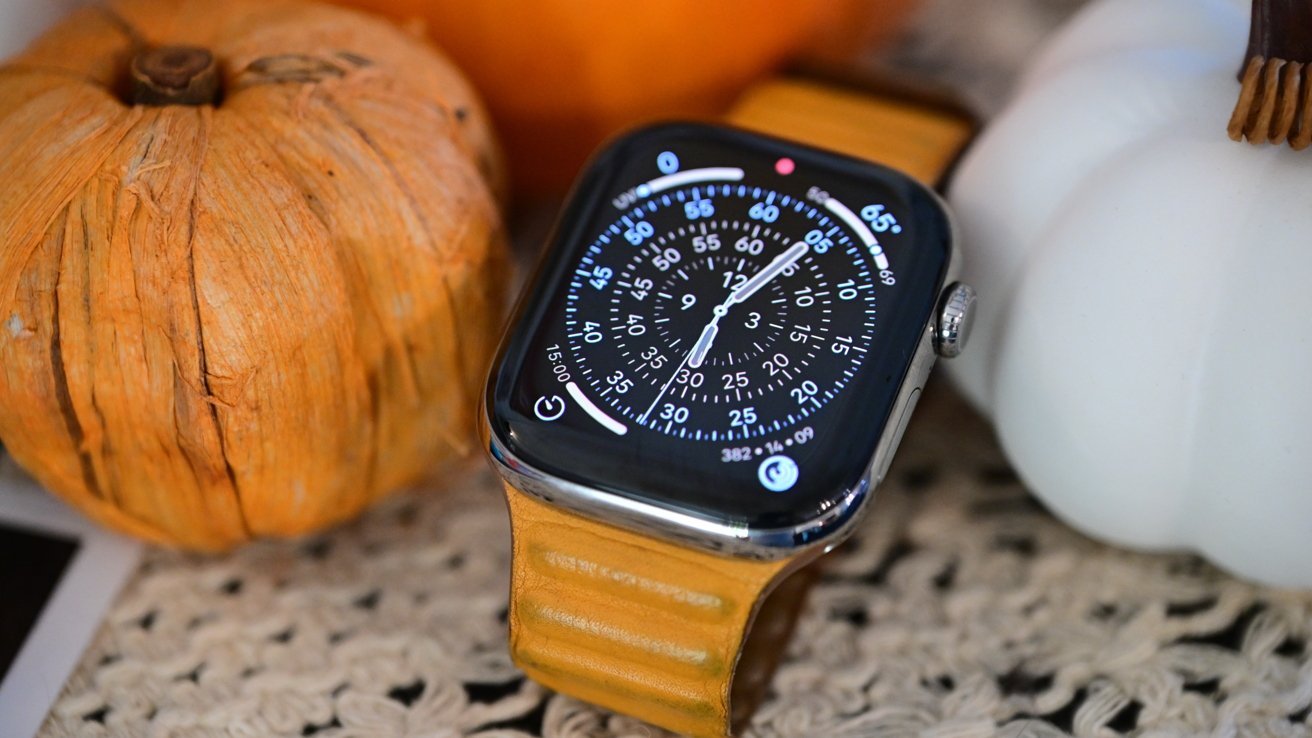
Apple has filed a post-trial motion against a jury verdict that ordered it to pay $5.7 billion to Taction, a company specializing in vibration technologies. Taction filed the lawsuit in April 2021, claiming that the Taptic Engine in the Apple Watch was a reverse-engineered version of its technology. In September 2026, the jury found that Apple had infringed on two patents, but not willfully.
Apple argues that it did not infringe on the two patents, that the jurors had no evidence to calculate the damages so the figure was a guess, that the verdict is contradictory, and that the patents are invalid to begin with. It is asking the court to rule in its favor directly or to order a new trial on infringement, validity, and damages.
Has demand for the iPhone 18 Pro declined?
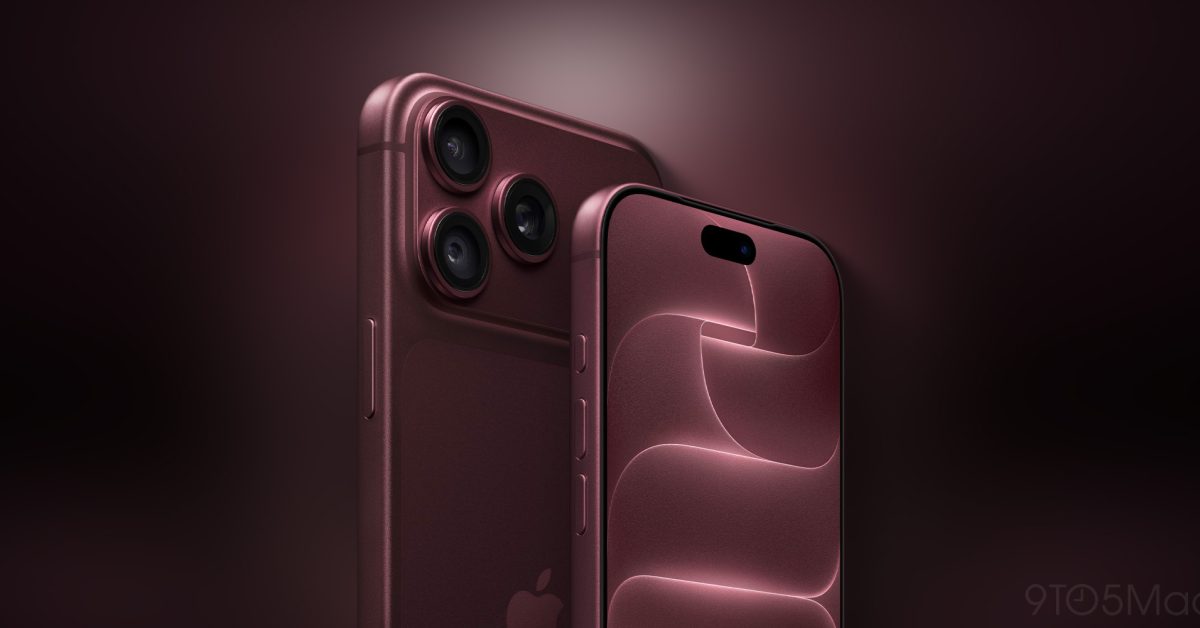
A report by Nikkei Asia stated that Apple has asked some suppliers to reduce production of iPhone 18 Pro and Pro Max components due to rising prices that have weakened demand. This is a report that Apple has not confirmed. Two sources said that October orders were cut by at least 15%, and an executive estimated it between 15 and 20%. It is not yet clear if the cuts will continue in November.
The two models are priced in the US at $1,199 and $1,299, an increase of $100 from last year. A supply chain source believes the absence of the regular iPhone 18 until next spring explains part of the decline. Conversely, the leaker Fixed Focus Digital claimed on Weibo that Apple is preparing a very large inventory of the regular iPhone 18 before production begins at the end of November.
Apple Intelligence arrives in China in December

According to a Bloomberg report, Apple plans to launch Apple Intelligence in China in December as part of the iOS 27.3 update, after about two years of delays due to regulators. China had approved the use of Alibaba’s Qwen and Tongyi Wanxiang models in the iPhone Duo, iPhone 18 Pro, and previous iPhone devices.
However, the Chinese version is limited. It will not include Siri’s smart features, nor Apple’s image generation tools, and text writing will be limited in some applications. The terms include a filter that allows the government to approve model updates. Apple is also working with Baidu on search features and some Siri features.
Company pulls a tool for silencing AirTags after stalking accusations
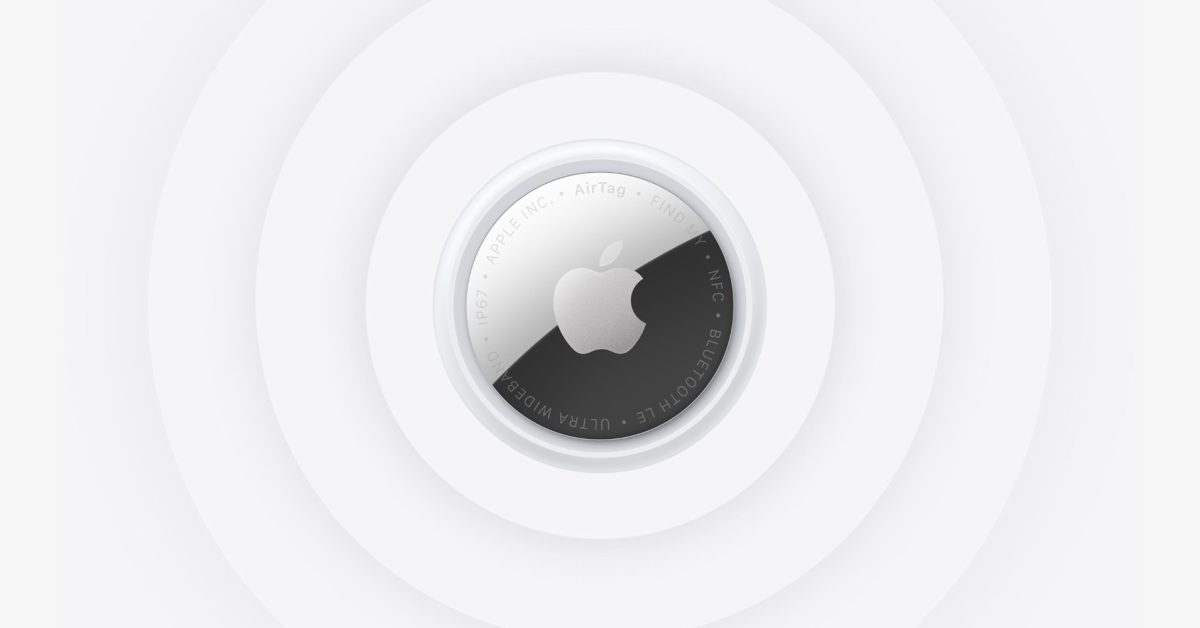
Accessory company ElevationLab announced on September 30 a tool called the AirTag Silencer for $9.99. The tool punctures the AirTag speaker, disabling it without damaging the rest of the device. However, writer Glenn Fleishman published a lengthy critique stating that silencing an AirTag helps stalkers and attackers, because the speaker sound is one of the alerts for those who do not receive phone notifications.
On October 13, the company pulled the product and published an apology, admitting that the tool could help "someone with bad intentions" track others. It said it originally designed it for its bicycles and pledged to use the patent to prevent others from making similar tools. It is worth noting that Apple made the second-generation AirTag speaker harder to remove for this very reason.
The iPhone Duo greets its buyers by name
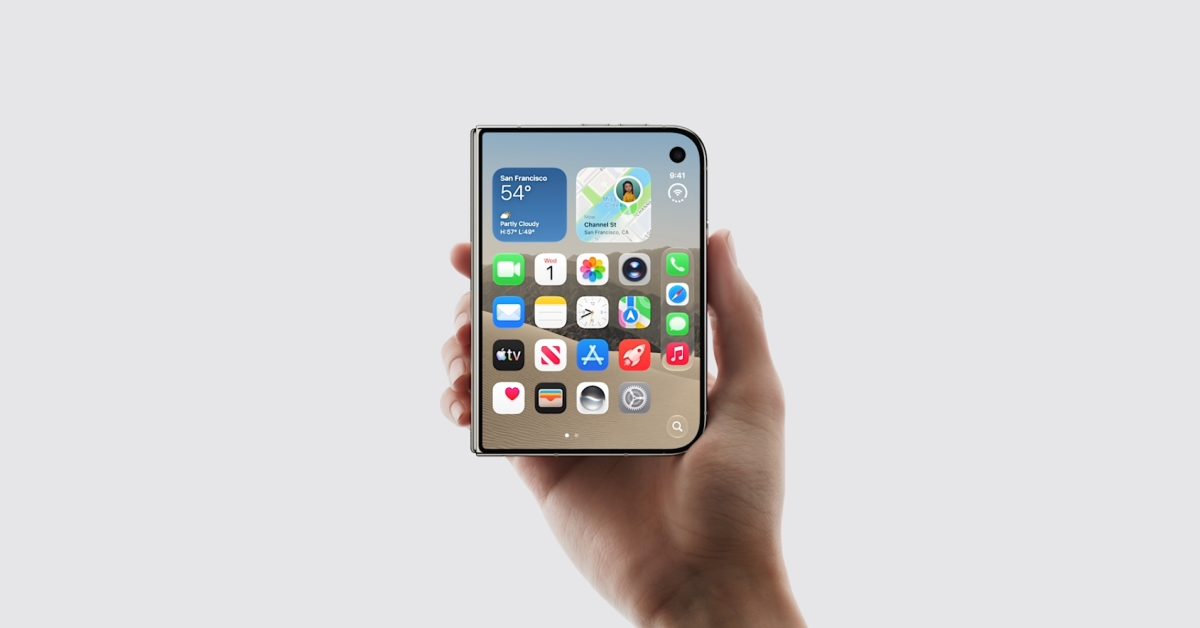
Mark Gurman of Bloomberg said that those who buy the iPhone Duo from Apple stores in the US will see a greeting by their name upon first startup, such as "Hello, Mark." The feature is exclusive to the US and the iPhone Duo only, and in English and Spanish.
Gurman added that Apple is preparing huge displays for the phone. The Fifth Avenue store in New York will feature over 150 display units, and regular stores about 20 units, with a new MagSafe stand that displays the phone open. Pre-orders begin on October 16, and it reaches customers on October 23 with a starting price of $1,999.
Apple prepares to launch new Macs in Los Angeles
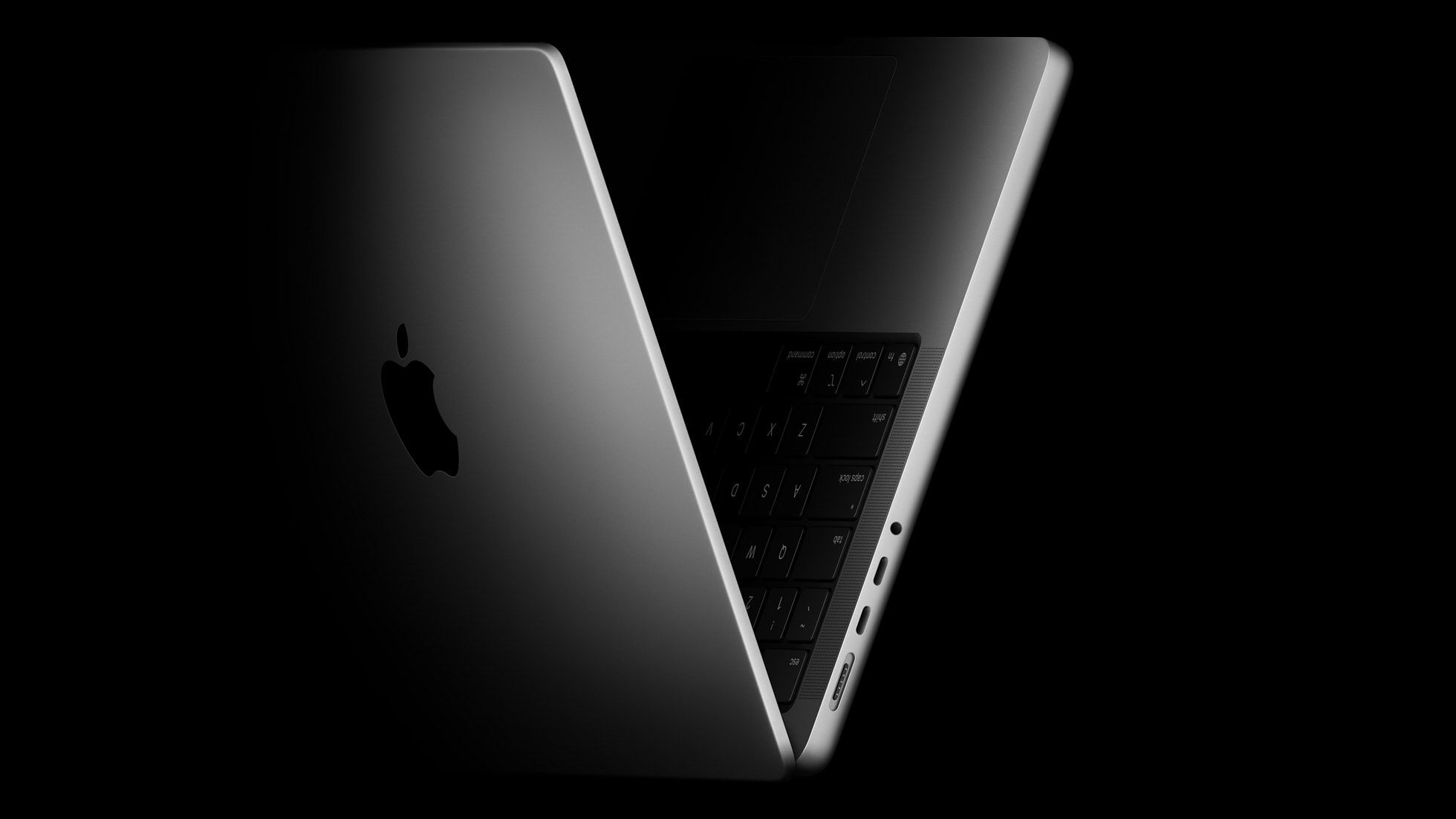
Mark Gurman said that Apple will invite content creators to an event in Los Angeles on October 27 and 28, instead of a traditional live conference. It is expected that Apple will announce on or around October 27 a MacBook Pro in 14 and 16-inch sizes with a new design, an OLED touchscreen, M5 Pro and M5 Max processors, and Dynamic Island.
Gurman also expects a 24-inch iMac with an M6 processor and new colors, a 14-inch MacBook Pro with an M6 processor, and an iPad mini with an OLED screen, A20 Pro processor, and water resistance. He sees this as Apple’s last major launch of 2026.
The HomeView device was ready two years ago
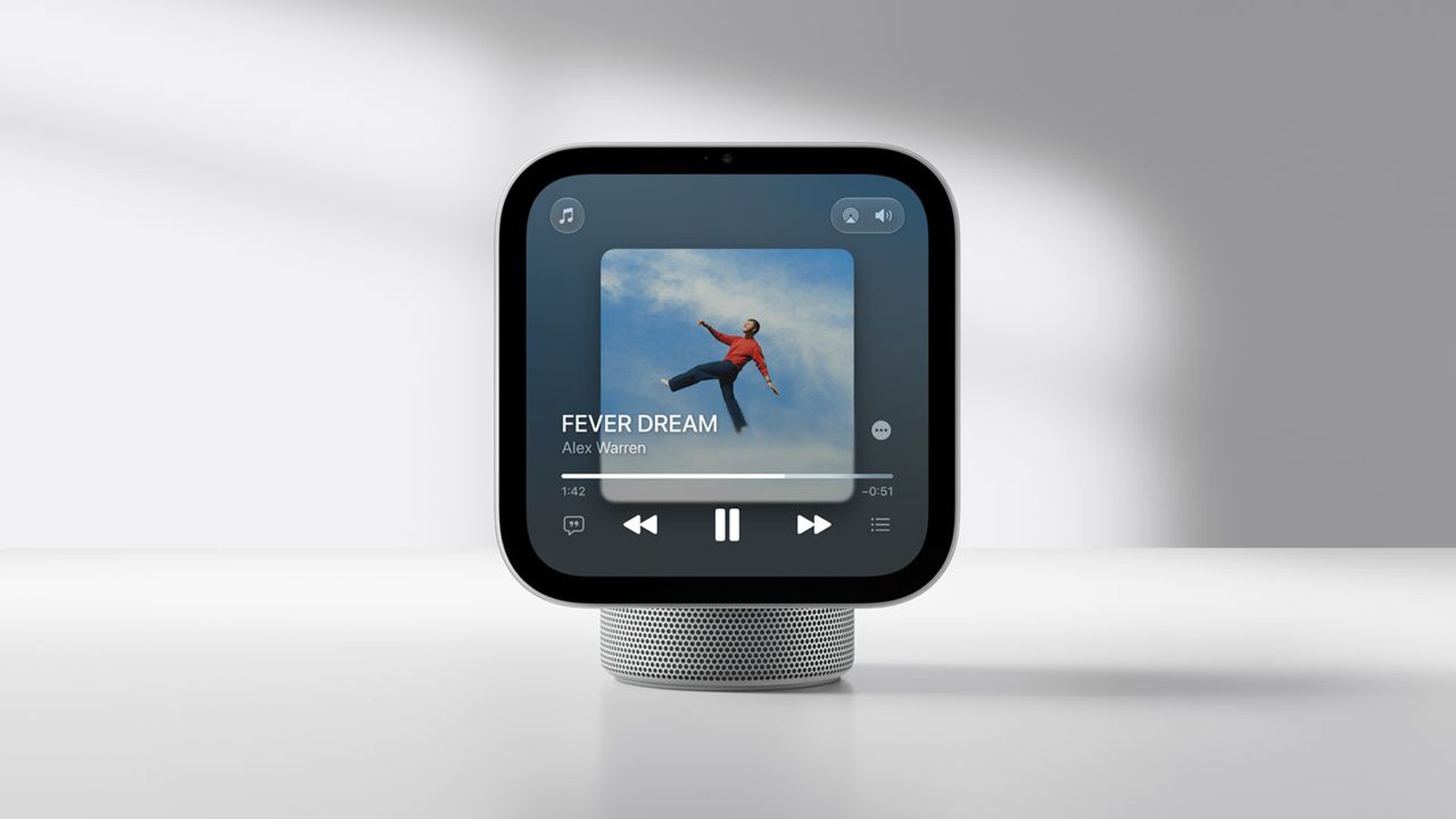
Apple announced the HomeView device for $299 on October 13. However, a document from the US Federal Communications Commission (FCC), found by Aaron Perris, indicates that the device underwent regulatory testing in October 2024. This is the clearest evidence yet that the device was delayed due to the smart Siri, which Apple unveiled in 2024 then postponed, and which did not arrive until September 2026.
Gemini 4 Argon arrives for AI Pro subscribers
Google made the Gemini 4 Argon model available in the Gemini app for AI Pro and AI Ultra subscribers, after it had been limited to Ultra since the end of September. Google says the model hallucinates less, repeats itself less, and follows style instructions better. The Antigravity smart API also arrived in the Gemini app on Mac.
Google mentioned that Argon helped separate code from a folder containing about 6 million lines within Chromium, and in reducing processor consumption for the YouTube comments interface by half. The price for use via API is $2 per million input tokens and $10 for output until November 30, then it doubles.
Leak: Samsung smart glasses weigh 41 grams and have a 9-hour battery
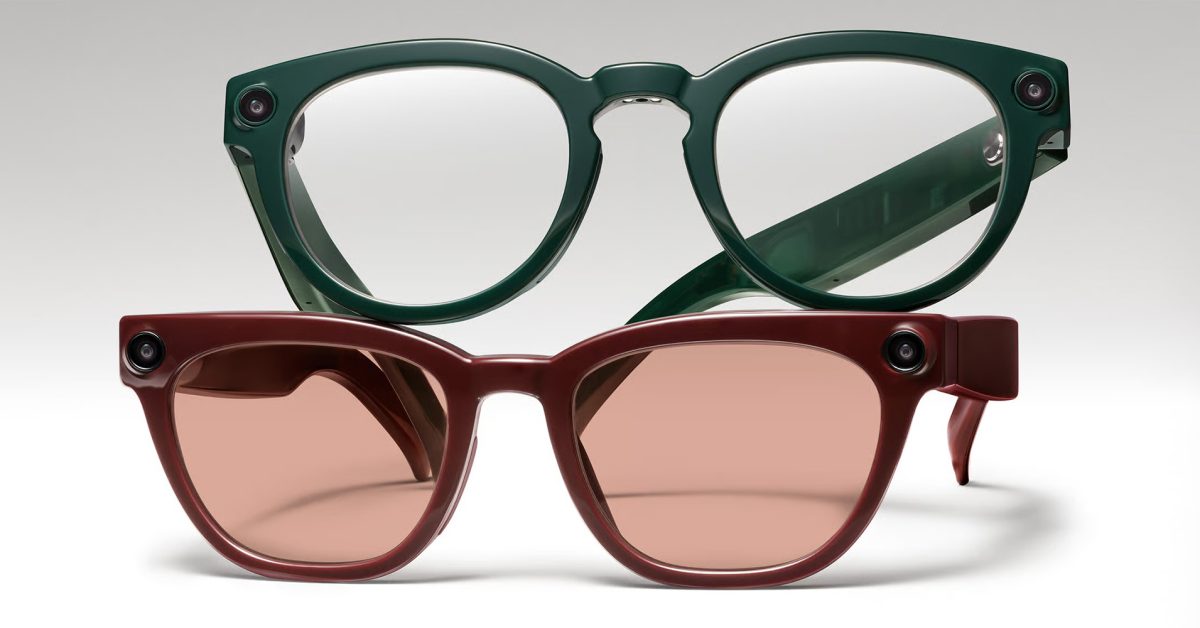
SammyGuru published a leak about Samsung’s first smart glasses with the Android XR system, citing unnamed sources. The glasses have no screen, start at a weight of about 41 grams, and run on a Snapdragon AR1 Gen 1 processor with 2GB of RAM and 64GB of storage, and a 12-megapixel camera that shoots 3K video.
According to the leak, the battery lasts 9 hours, and 72 hours with the case. They will be sold with frames from Warby Parker and Gentle Monster in the US and South Korea, and are expected to be launched in November. Basic features work with Android and iPhone, while Galaxy features require One UI 9.
Character.AI files for bankruptcy and Disney offers $20 million
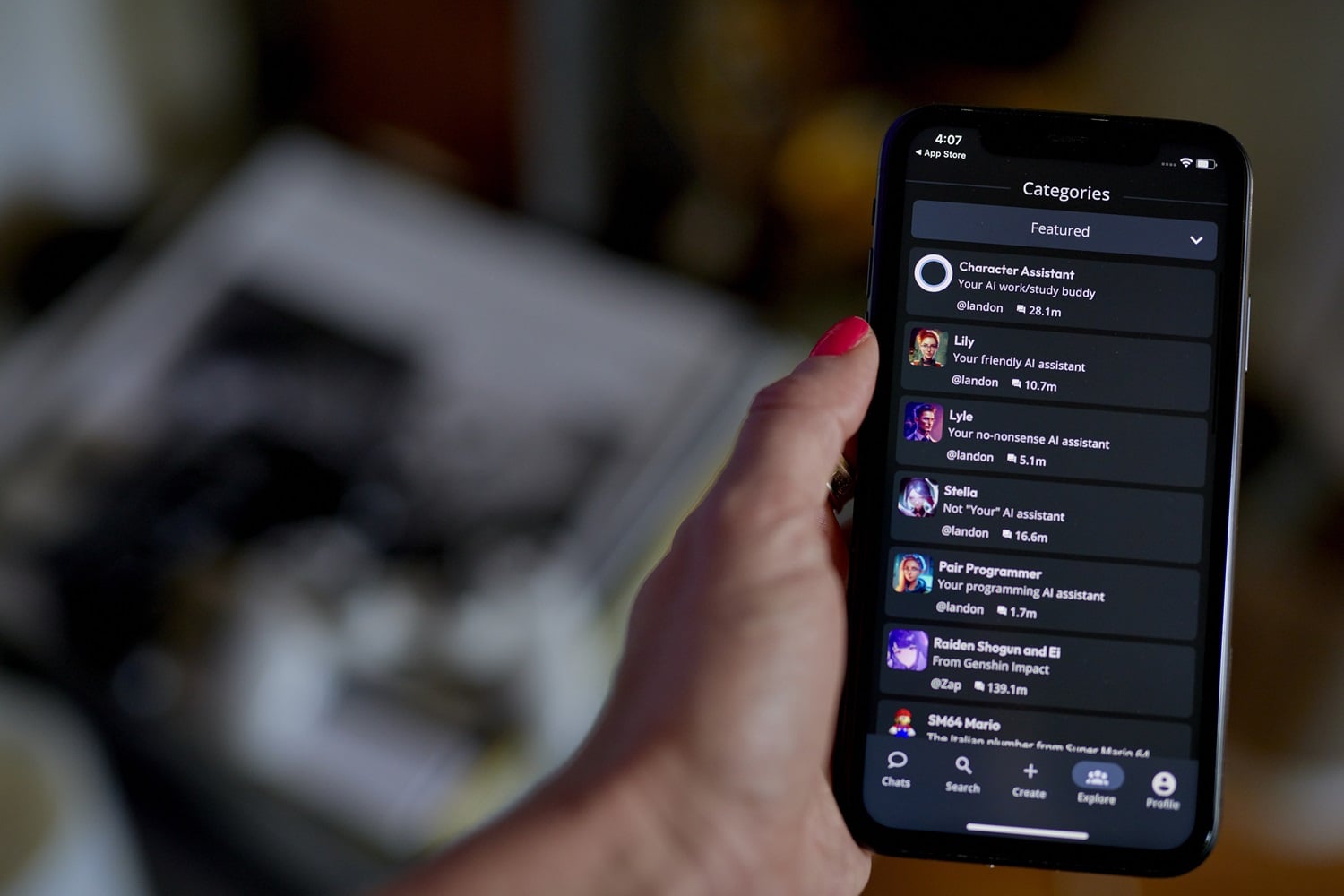
The company owning Character.AI filed for Chapter 11 bankruptcy protection in a Delaware court, with the goal of selling almost all of its assets. Disney made the first bid of $20 million for a perpetual, non-exclusive license for some intellectual property, and other buyers can submit higher bids.
Assets and liabilities are estimated between $50 and $100 million each. The platform continues to operate currently, but will shut down if no buyer is found to keep it running. The sale is expected to be completed between late November and early December. Disney had hired Character.AI’s former CEO Karandeep Anand as its first Chief Technology Officer in September.
Miscellaneous News
◉ Apple stock closed on October 14 at $342.96, bringing its market value to about $5.01 trillion. This is the first time Apple has closed above $5 trillion, becoming the second company to do so after Nvidia. It had exceeded this figure during trading in July, then retreated to $4 trillion.
◉ A European Commission registry revealed a deal between Apple and smart audio company Huxe, founded by Riza Martin, Jason Spellman, and Stephen Hughes from Google’s former NotebookLM team. The deal is not an acquisition, but a non-exclusive license for the company’s technologies with the right to offer jobs to some of its employees. The Huxe app used to create daily audio summaries from email and calendar, and stopped on May 28, 2026.
◉ Mark Gurman said that the upcoming iPad mini with an OLED screen will be much more expensive, priced near $799 instead of the current $599. This is higher than the starting price of the 11-inch iPad Air. It is expected to come with a thinner bezel, improved speakers, and an A20 Pro processor.
◉ Apple announced repair prices for the iPhone Duo, reaching $1,499 without AppleCare+ for other damages, which is 75% of the phone’s price. The cost of the internal screen is $999, and the battery is $229. With AppleCare+, the cost of accidental damage is only $99, and the subscription starts at $19.99 per month.
◉ The iPhone Duo appeared for the first time on Geekbench 7 under the name iPhone19,4, with a score of 3986 for single-core and 11067 for multi-core. The phone comes with 12GB of RAM, and its performance is close to the iPhone 18 Pro.
◉ Apple added the 2017 12-inch MacBook to the list of obsolete devices, meaning all 12-inch MacBook devices are now out of support. Joining it are the sixth-generation iPad and BeatsX headphones. Apple does not offer any repair services for obsolete devices.
◉ Apple launched a new page and two videos to convince Chrome users to switch to Safari. Apple says, according to its tests, that Safari on the Mac provides up to 5 additional hours of video streaming, and opens frequently visited sites up to 35% faster.
◉ 16 US states support driver’s licenses in Apple Wallet, but Florida and Rhode Island are still refusing. Florida Governor Ron DeSantis had said that the convenience of a digital license is not worth the risk of the government misusing it. As for the traffic official in Rhode Island, he believes it is not worth the funding yet, because the TSA is the main entity that accepts it.
◉ Apple and Epic are exchanging accusations in court regarding the delivery of documents in the external link commission case. Apple had proposed in August a commission between 5 and 15% instead of 27%. Epic says Apple has delivered almost nothing two months past the deadline, while Apple expects to finish delivery between November 1 and 25.
◉ Meta launched the Muse Wonder and Muse Wonder Full models for smart agent tasks. They feature memory that preserves context between conversations, and the ability to follow difficult goals and try alternatives while requesting permission before important steps. The first model is available to developers now, while the second is limited to Muse Code subscribers.
◉ Anthropic replaced the git system with a new internal system called Scion, after daily merges jumped from about 2,500 in May to over 30,000 in September due to smart agents. A team of seven people completed the transition in five months, so loading now takes seconds instead of minutes. The company will not release the system to the public.
◉ Microsoft unveiled its Maia 300 chip dedicated to running AI models, and plans to deploy it in 2027. It says it produces about 40% more tokens per megawatt compared to leading GPU systems. However, it will not be available to Azure customers, but rather for Microsoft’s own services.
◉ A Wall Street Journal report stated that Amazon is negotiating to buy the AI company Decart for about $7 billion. The company was founded in the occupied territories about three years ago, and develops software that runs models on different processors. It could help Amazon move customers to its Trainium 3 chips instead of Nvidia.
◉ Microsoft fixed more than 1,400 vulnerabilities in the October security updates, a record number after about 1,000 in September. Among them is a zero-day vulnerability in the Windows interface, and at least 78 critical vulnerabilities. Microsoft says AI models are the reason for this jump in vulnerability discovery.
Sources:
1 | 2 | 3 | 4 | 5 | 6 | 7 | 8 | 9 | 10 | 11 | 12 | 13 | 14 | 15 | 16 | 17 | 18 | 19 | 20 | 21 | 22 | 23 | 24 | 25 | 26 | 27 | 28 | 29 | 30

Leave a Reply