Buying a used iPhone is one of the easiest and smartest solutions to save money and own powerful Apple phones without paying their full price. Since iPhones are known for their superior build quality and ability to continue working efficiently for many years, it is very common to find a relatively modern model for hundreds of dollars less than its original launch price. Although the idea seems very tempting to anyone looking for a good deal, the used device market carries risks and challenges that can turn that attractive deal into a major loss if you are not sufficiently aware of what you are looking for.
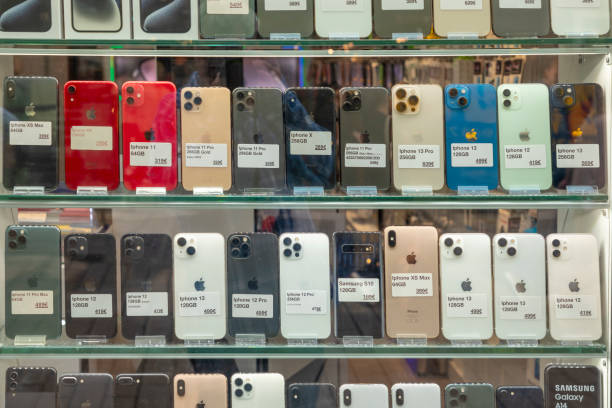
The trap of exterior appearance and worn-out batteries
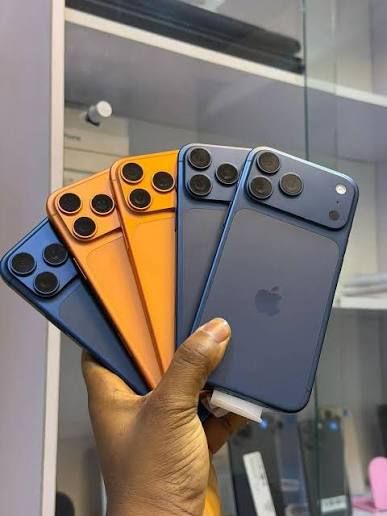
The first obstacle buyers face is being deceived by aesthetics; the iPhone in front of you may look perfectly clean and free of any scratches or drop marks, as if it came out of its box minutes ago, but the real test lies in what is under the hood. The battery is the primary consumable component in a phone, and having a heavily worn-out battery means the device will suffer from sudden power drainage and reduced performance, which will force you to pay extra costs to replace it immediately after purchase, reducing the savings you were aiming for.
Replacement screens and non-original parts issues
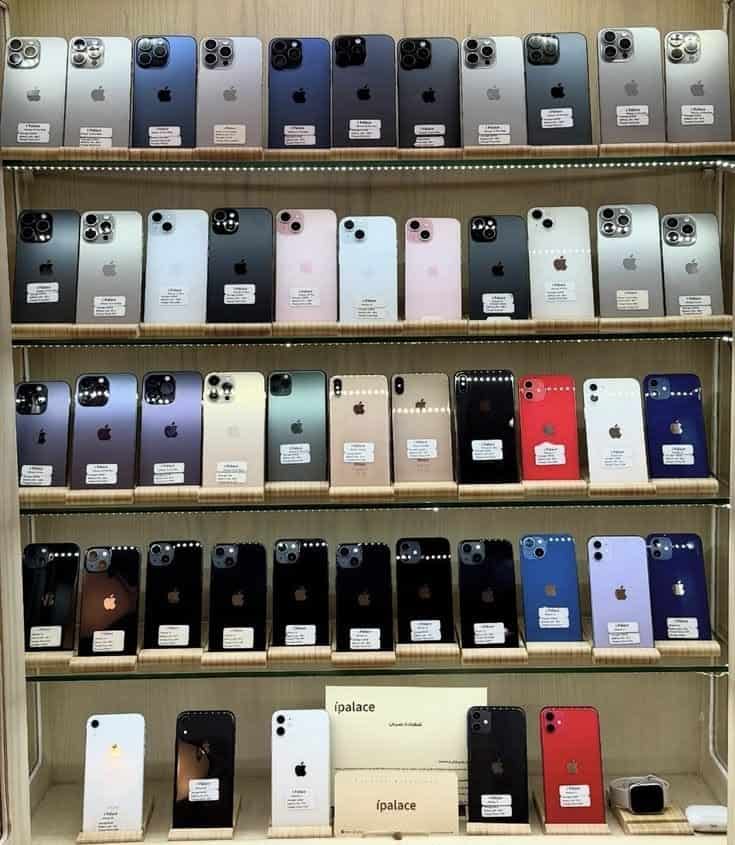
The second risk concerns previous repair operations and the quality of the parts used, especially the screen. If the phone was involved in a previous accident and its screen was replaced with a cheap commercial part, you may face annoying problems with touch responsiveness, noticeable weakness in brightness and color accuracy, or some vital screen functions not working as they should, which completely ruins the smooth experience that Apple screens are famous for.
Therefore, verifying the integrity of the screen and the efficiency of its responsiveness and quality is crucial before paying any money to the seller, especially since low-cost replacement screens are common in devices offered at suspiciously low prices.
Carrier restrictions and the fatal activation lock
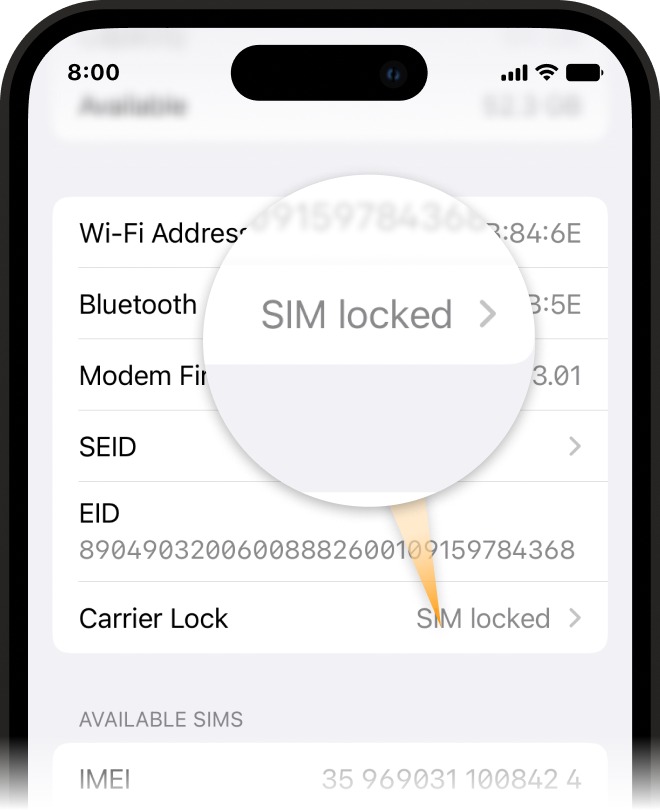
Beyond the hardware, there are software and network restrictions that can completely paralyze the phone. Sometimes, an iPhone may be locked to a specific carrier and not support working with your service provider, meaning you will not be able to make calls or use cellular data locally.
The biggest nightmare that cannot be fixed is buying a device that is still linked to the previous owner’s Apple Account; if the activation lock is active and the owner has not removed it, you will find yourself with a completely locked device that you cannot activate or use, turning the phone into a useless piece of junk. Whether you are buying from an unknown person or through refurbished electronics platforms, never compromise on a thorough check of these points to avoid falling into the trap of buying an unusable device.
Source:

Leave a Reply