Apple releases HomeView and the new Apple TV 4K to the market, daily usage limits for Siri AI with additional benefits for iCloud+ subscribers, Apple accused of silencing an iPhone Duo supplier over the screen cracking crisis, two designs for the 20th-anniversary iPhone with the return of titanium, Apple plans to launch 18 new products in 2027, Apple smart glasses rely on Siri, popular websites hacked to target iPhone users, France sends Apple to trial for planned obsolescence, Jensen Huang resigns from Nvidia and Trump nominates Tim Cook, OpenAI launches GPT-6.2 and Google launches Gemini 4 Neon, and other exciting news on the sidelines…

HomeView and the new Apple TV 4K reach users
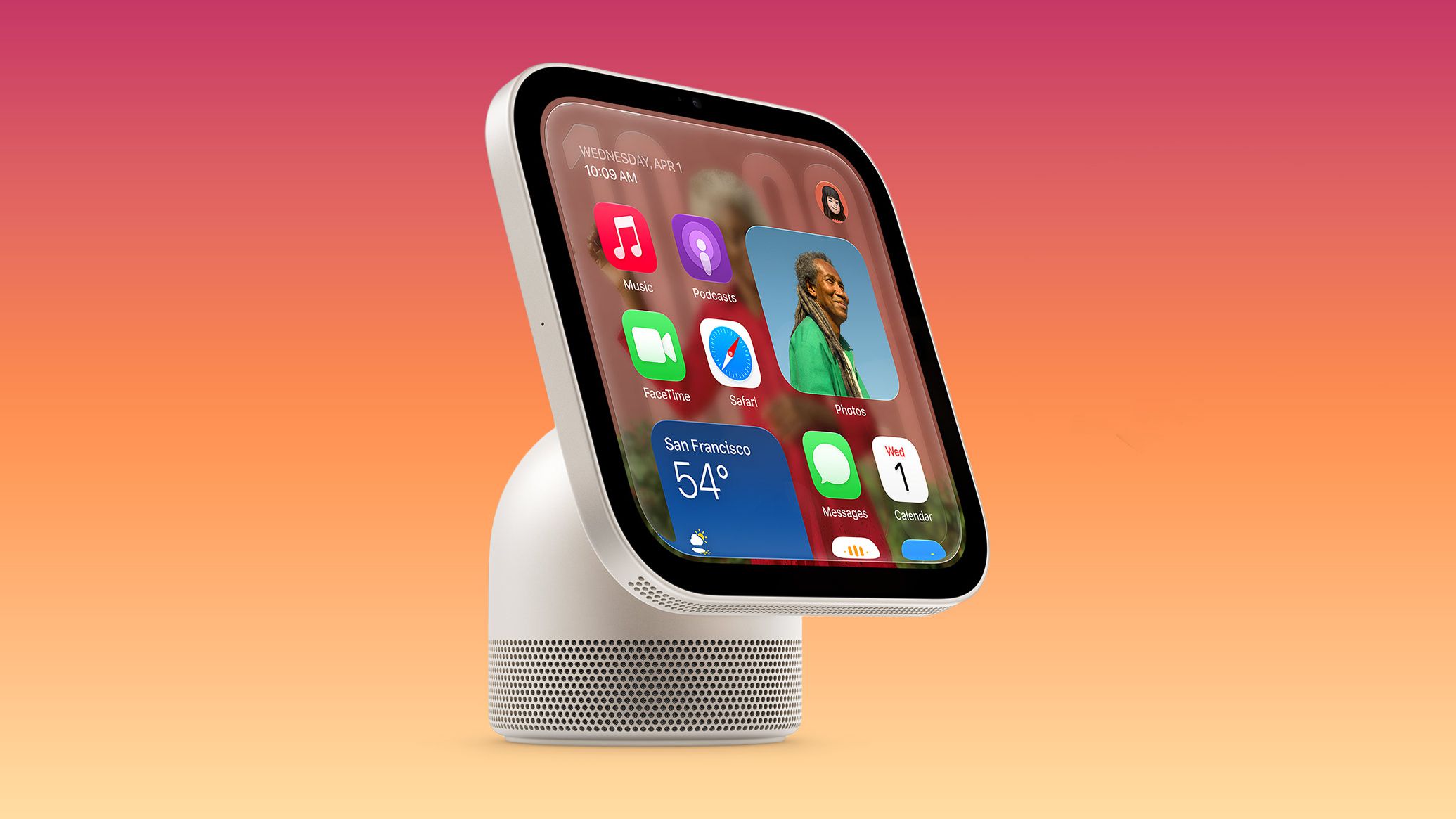
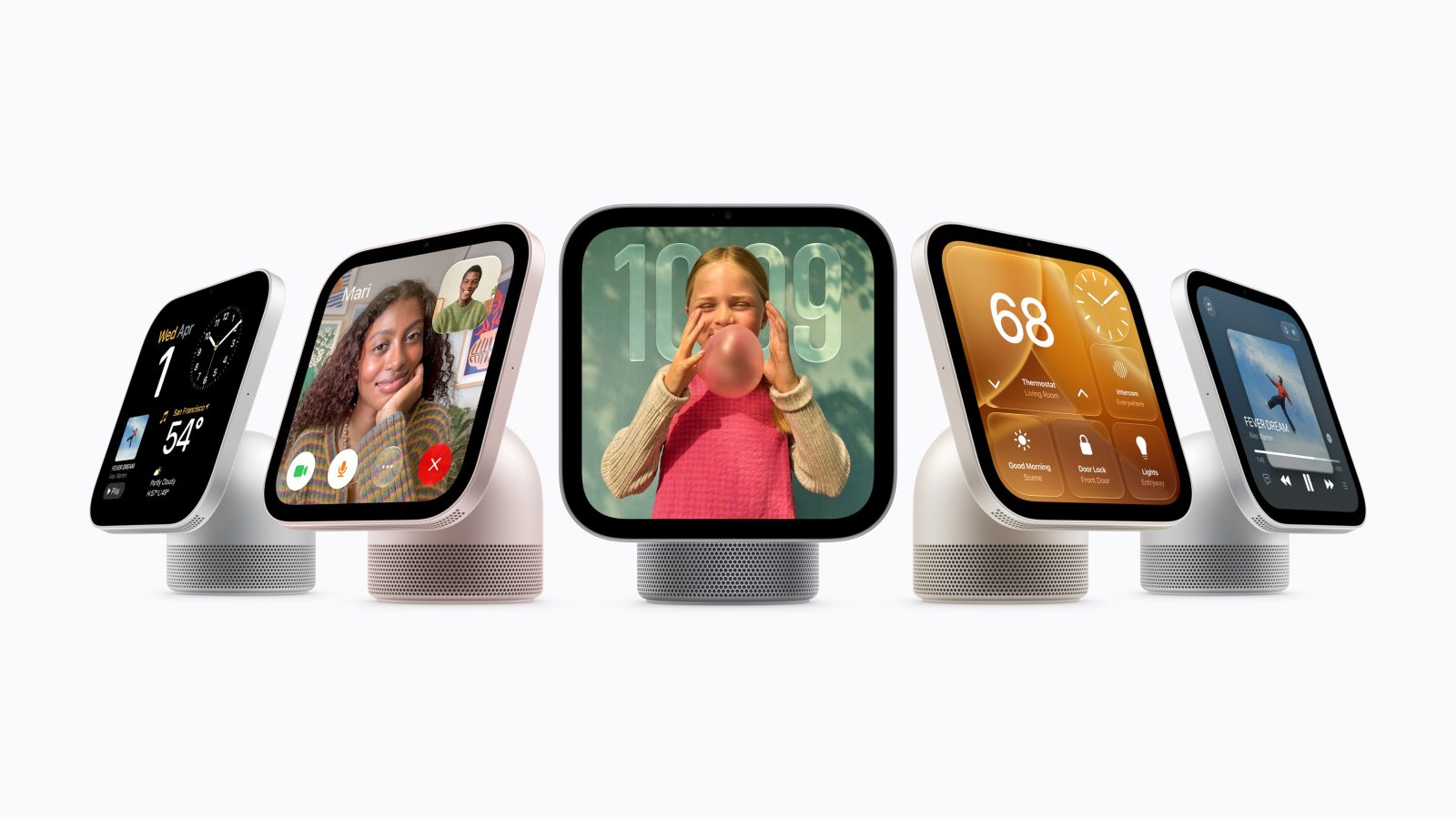
The first HomeView orders have begun reaching customers, with official sales launching on Friday, November 13, about a month after its announcement. The device combines a small iPad with a HomePod speaker, featuring a 7-inch square screen. It comes in a desktop model on a speaker base and a wall-mounted model that requires separately purchased mounting accessories, priced at $299. It uses camera and voice recognition to identify up to six people in the home and displays personalized data for each. It does not include an App Store, but rather pre-installed Apple apps with iPhone widgets, and relies on Siri AI for calls, video, calendar, music, and smart home control. It is available in the United States, UK, Canada, Australia, New Zealand, India, Singapore, and South Africa, and is not sold in the European Union due to the absence of Siri AI there. On the same day, Apple released the fourth generation of Apple TV 4K for $299, featuring an A19 processor, 128GB capacity, Wi-Fi 7 support, Siri AI, and a new remote supporting Find My, and it can be paired with four HomePod speakers for surround sound.
How did critics receive the HomeView?
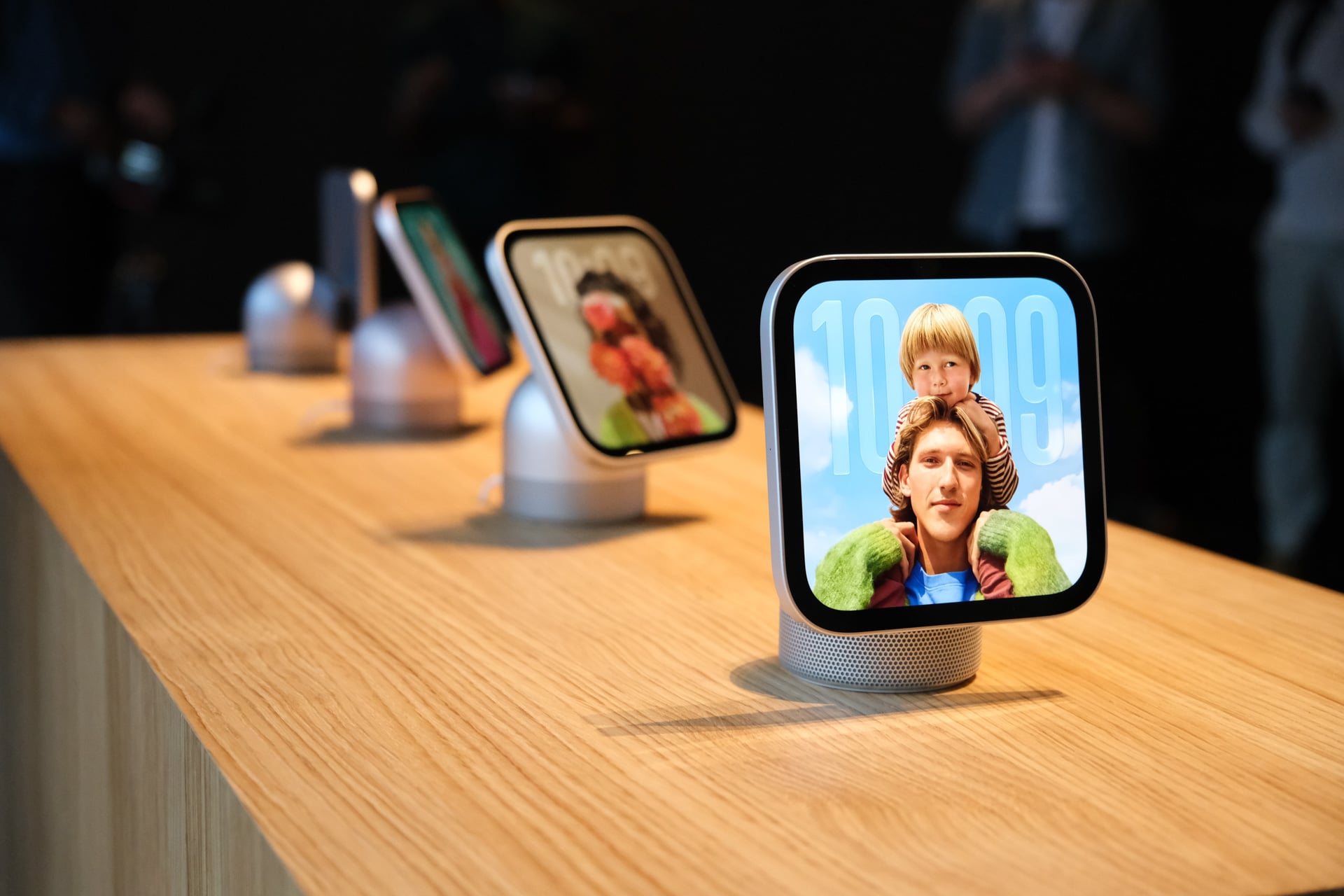
Early reviews praised the HomeView hardware but were divided on its software and Siri’s performance. Billy Steele from Engadget described Siri as “more natural” than before in follow-up questions, calendar tasks, and calculating driving times, and placed the desktop model’s sound quality between the HomePod mini and HomePod. Jason Snell from Six Colors said the device replaced his Google smart display in his kitchen. Conversely, Ajay Kumar from CNET failed to connect a smart lock and Eufy devices, despite successfully importing about 18 Hue bulbs. In a comparison test by Tom’s Guide, the Alexa+ assistant ordered pizza and booked an Uber, while Siri only offered to call the restaurant or open the app. Consumer Reports noted that children without an iPhone need a parent’s device to initiate FaceTime calls, and The Verge warned that it could sometimes read her daughter’s messages after she moved away from the device, calling for better privacy controls.
Apple explains how HomeView protects camera and microphone data
Apple published a detailed explanation in its security blog about Secure Exclaves technology, which processes camera and microphone data in environments isolated from the operating system, making them inaccessible to apps, the system, or even Apple itself. In HomeView, an isolated area continuously receives camera frames and works with another area containing face and voice recognition models and an identity database. The system only receives the person’s identifier, location, and confidence score, without any raw audio or image data, after which the sensor data is deleted. The technology operates in two modes: an ambient mode without an indicator that shares minimal metadata, and an active mode that passes full data while showing an usage indicator. Apple uses the same technology in the iPhone 18 Pro and iPhone Duo to protect camera and microphone indicators and the “Hey Siri” audio, and in the MacBook Neo to protect the camera indicator, describing the memory isolation for these areas as a “major engineering challenge.”
HomeView teardown: Glue makes repairs a nightmare
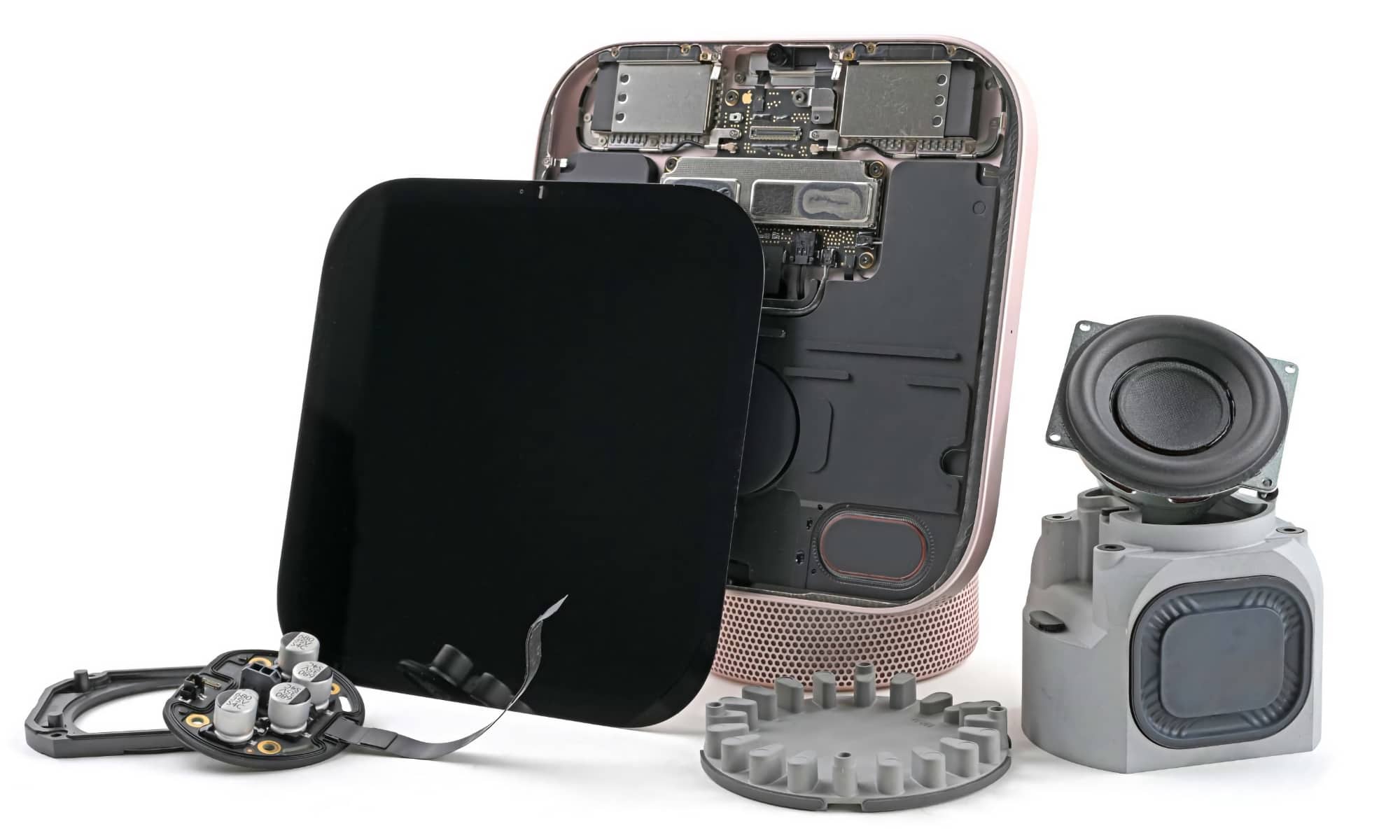
iFixit described the HomeView as an “iPad glued to a HomePod” and said that disassembling it was difficult. The screen is glued with more adhesive than an iPad, its cables pass through the hinge, screws are sometimes a mix of Phillips and Torx on the same bracket, the motherboard is fixed with thermal adhesive, and the speakers are glued so strongly that they broke an iFixit tool even after soaking in alcohol. The teardown revealed that the wall-mounted model includes capacitors inside instead of the base, leaving less space for speakers and requiring additional magnets and a USB-C port in the center. The out-of-warranty repair cost is $279, only $20 less than the price of a new device, while the AppleCare+ plan reduces it to $39 at $2.49 per month or $24.99 per year. Home devices are not included in the self-repair program.
Daily limits for Siri AI, and iCloud+ subscribers get more

Apple announced that the iOS 27.3 update, expected in December, will impose daily limits on Siri AI and Apple Intelligence features that rely on its servers, such as Image Playground, the Clean Up and Extend tools in Photos, and creating shortcuts in natural language, while simple requests remain unlimited. The iCloud+ subscription doubles the limit for the 200GB plan at $2.99 per month, increases it 5 times for the 2TB plan, 10 times for 6TB, and 20 times for 12TB, with access to the Cloud Pro model in the Shortcuts app starting from the 200GB plan, but this increase will not be available in the UK and other countries. Researcher pdfu revealed the criteria for an “advanced” request that counts toward the limit, including combining multiple requests in one sentence, using data from another app or the screen, summarizing photos and attachments, batch editing messages or files, writing new content, and deep searching.
New iPhone Duo orders arrive before the holidays

Apple has moved up delivery dates for the iPhone Duo in the United States, with new orders placed on November 16 arriving between December 16 and 23 instead of January 25, for all colors and capacities, while some existing order holders were moved to a date between December 14 and 21 or earlier. CEO John Ternus said in the Q4 earnings call that Apple is working to deliver the device quickly, without specifying a date for supply and demand balance. The phone hit the market on October 23, and days later reports appeared about screen cracking at the hinge, with Apple stating that a “small number” of units were affected. Conversely, a test conducted by CNET showed that the device’s hinge exceeded 300,000 opening and closing cycles without failure, equivalent to about 16.4 years at 50 times per day.
Did Apple silence the iPhone Duo supplier in the “Crackgate” crisis?
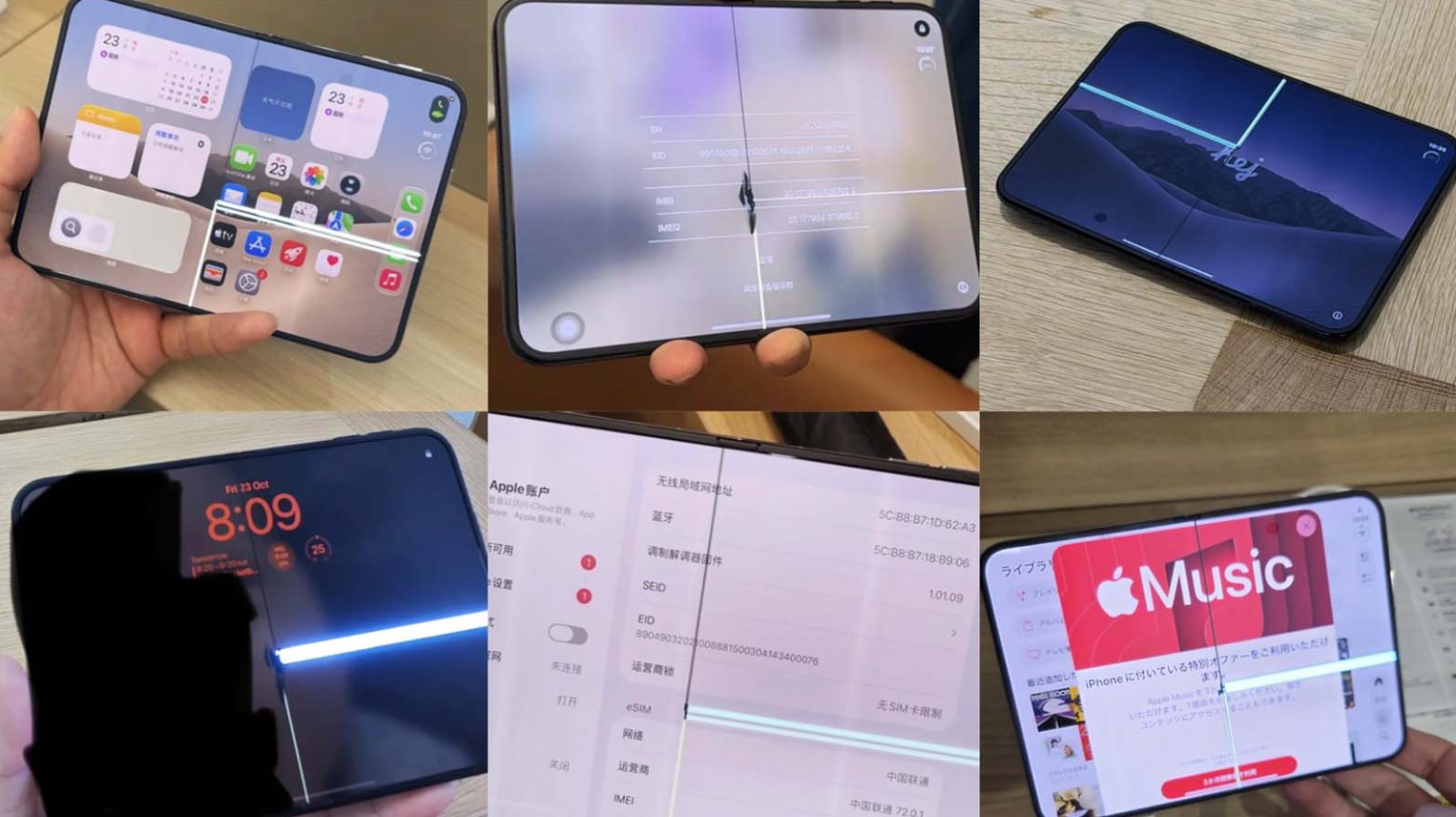
The Korean newspaper The Elec reported that Apple pressured Fine M-Tec, believed to manufacture the metal support plates for the iPhone Duo’s foldable screen, to withdraw a statement in which it denied responsibility for the screen cracking. The company published the statement on its website on October 26 without mentioning Apple or the device, saying it was facing accusations linked to speculators betting on its stock decline, then the statement disappeared by November 4, and DealSite reported that Apple pressured them to delete it. On November 17, journalist Kim Gyeon wrote that a company representative asked him to delete a previous article about the withdrawn statement because Apple objected to the supplier publicly denying its responsibility. Apple has not yet provided a technical explanation for the cracking and has not commented on the accusation, only offering replacements for affected units.
iPhone Duo 2: Face ID may be delayed and Touch ID remains
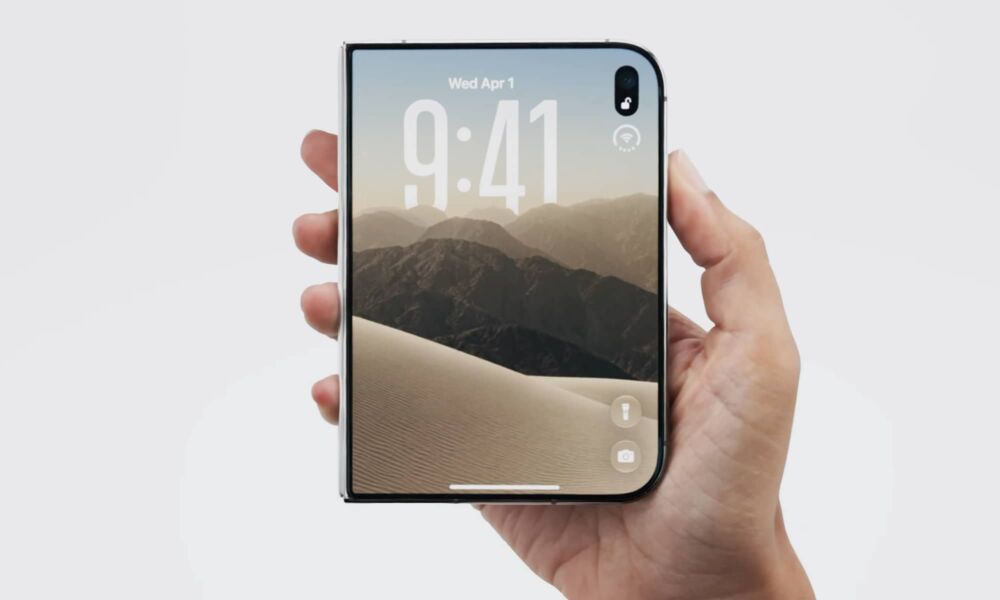
Mark Gurman from Bloomberg said that Apple is seeking to develop future generations of the iPhone Duo in four areas: Face ID, an action button, a telephoto lens, and a thinner and lighter design. He added that Apple created prototypes of the second generation with Face ID technology in the outer screen, but time is running out for its adoption, and it may be delayed until the third generation. In another rumor, leaker Digital Chat Station on Weibo said that the engineering units of the second generation retain the 7.6-inch inner screen, the 5.4-inch outer screen, and the side fingerprint sensor, without a clear indication of Face ID, questioning the utility of placing it on an outer screen that is far from the user when opening the device. The second generation is expected to launch in the fall of 2027.
iPhone 18, 18e, and Air 2 in spring 2027 with A20 processor

Mark Gurman reiterated on the Power On podcast that the iPhone 18 and iPhone 18e will be released in the spring of 2027 with the A20 processor, along with the iPhone Air 2, as part of Apple’s new strategy to split its phone launches after the release of the iPhone 18 Pro and iPhone Duo in September. The Korean newspaper ETNews reported that Samsung Display and LG Display are preparing to begin mass production of OLED screens for the iPhone 18 and Air 2 between late December and early January, in preparation for an expected launch in March, and that Samsung is the sole supplier for Air 2 screens. Rumors indicate that the iPhone 18 will get an A20 processor with 2nm technology, 9GB or 12GB of RAM, a smaller Dynamic Island, and a C2 modem, while the Air 2 adds an ultra-wide lens and a longer-lasting battery, noting that the standard and Air models usually represent more than 30% of iPhone sales.
20th-anniversary iPhone: Two designs and the return of titanium
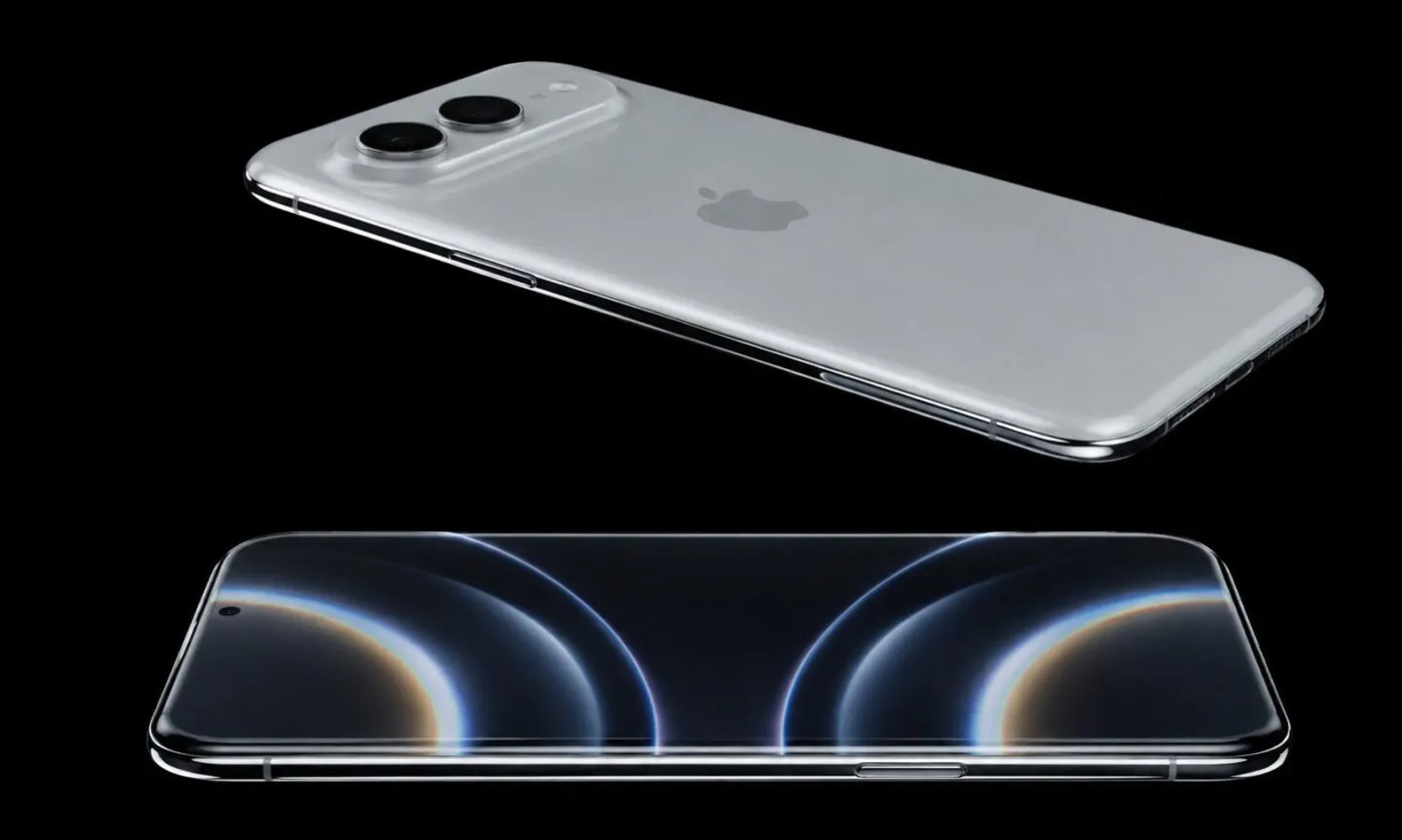
Leaker Ice Universe on Weibo said that Apple is developing four models for the 20th-anniversary iPhone with two designs: two models with flat glass, and two models with glass curved on all four edges with screen bezels of nearly 1mm, and that Apple has been experimenting with curved glass for about three years and has softened its curvature several times. Leaker Fixed Focus Digital added that the iPhone 20 Pro prototypes use a more rounded titanium frame similar to the iPhone Air, after Apple switched to aluminum in the iPhone 17 Pro. Ice Universe also said that the main camera might get a sensor with 17nm logic circuits, which could speed up reading and improve energy efficiency. Screen protectors allegedly for the device with curved edges and narrow bezels have also appeared, with the launch expected in the fall of 2027.
Rumor: Apple plans to launch 18 new products in 2027
MacRumors, based mostly on Mark Gurman’s reports, compiled a list of eighteen products rumored to be launched by Apple in 2027. In phones: iPhone 18e and iPhone 18 with A20 processor and 9GB RAM, Air 2 with A20 Pro processor, iPhone 20 Pro and Pro Max with A21 Pro processor, and iPhone Duo 2. In tablets: iPad Pro with M6 or M7 processor, iPad Air with OLED screen and M5 processor, and a standard iPad with A19 processor. In watches: Apple Watch Series 13 with a new design and Apple Watch Ultra 5. In Mac: MacBook Neo with A19 Pro processor, MacBook Air with M6 processor, and MacBook Pro with M7 processors. In addition to AirPods Pro with cameras, Apple smart glasses, and a HomeView Max device with a 9-inch screen that rotates 360 degrees on a robotic arm with a price that may start at $999.
Apple smart glasses rely on Siri and iPhone apps
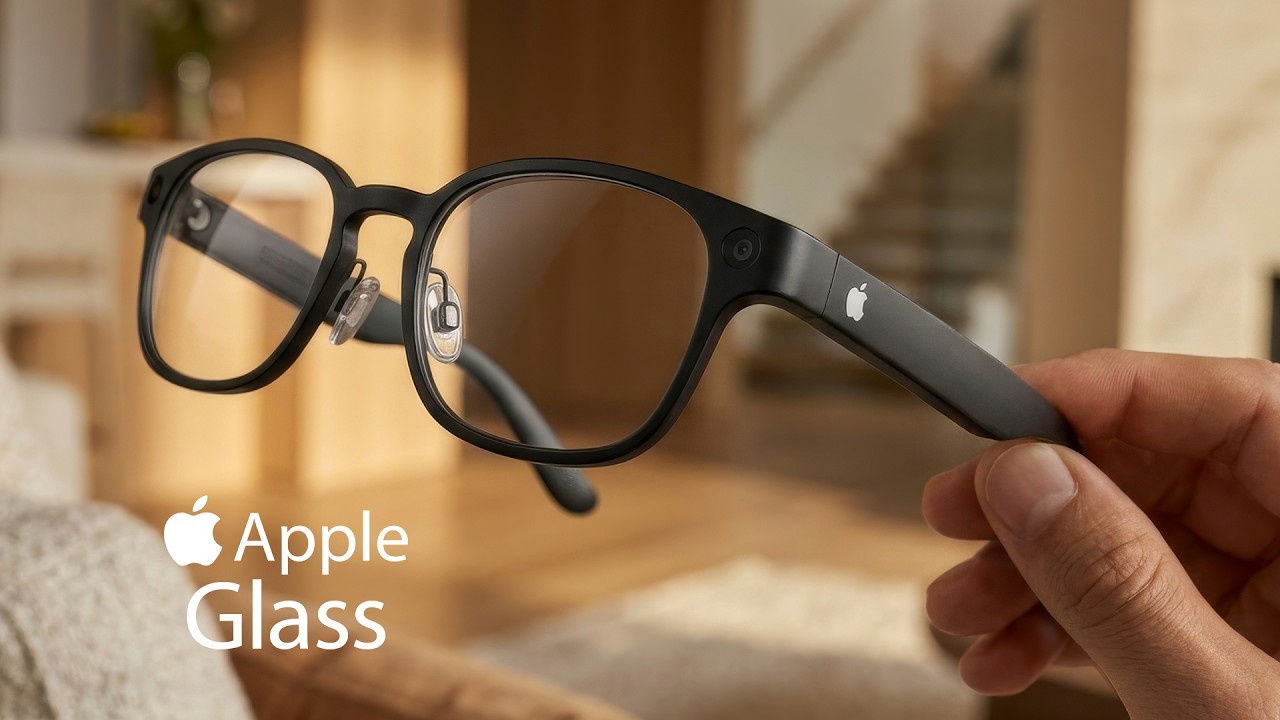
Mark Gurman said in the Power On newsletter that Apple plans to unveil its smart glasses, codenamed N50, at WWDC in June 2027 and ship them before the end of the year. The prototypes are slightly thinner than the second generation of Meta Ray-Ban glasses, featuring oval camera cutouts and a front light. They will not include an augmented reality screen in the first generation, but the user will interact with them via Siri, which uses the cameras to answer questions about the surroundings, translation, directions, and messages. Developers will not build apps specifically for the glasses, but will allow Siri to control features of their apps on the iPhone, such as booking a table or ordering a car. The glasses rely on a modern iPhone and do not support Android, running a stripped-down version of visionOS 28 and a processor derived from Apple Watch chips, but software and AI delays may postpone the launch, and AirPods with cameras are also expected to arrive in late 2027.
Popular websites hacked to target iPhone users

Security researcher Scott Helme discovered a massive attack on November 16 that exploited a vulnerability in the Optimizely platform, used by companies to test and personalize their websites, where attackers injected malicious JavaScript code into their clients’ projects. According to Reuters, 178 organizations’ websites were affected, including Zoom, BBC, CNN, HSBC, Salesforce, and IKEA. The code was capable of swapping cryptocurrency wallet addresses, stealing card data and cookies, and taking screenshots. It offered iPhone visitors one of two hacking tools upon visiting the site: Coruna for iOS 13 to iOS 17, or DarkSword for iOS 18, while it was limited to collecting device characteristics in iOS 26. Optimizely said the vulnerability was in the account registration process and that it had fixed it and removed the code, and it is unclear if any devices were actually hacked.
Apple seeks 200,000 participants for an AI health study
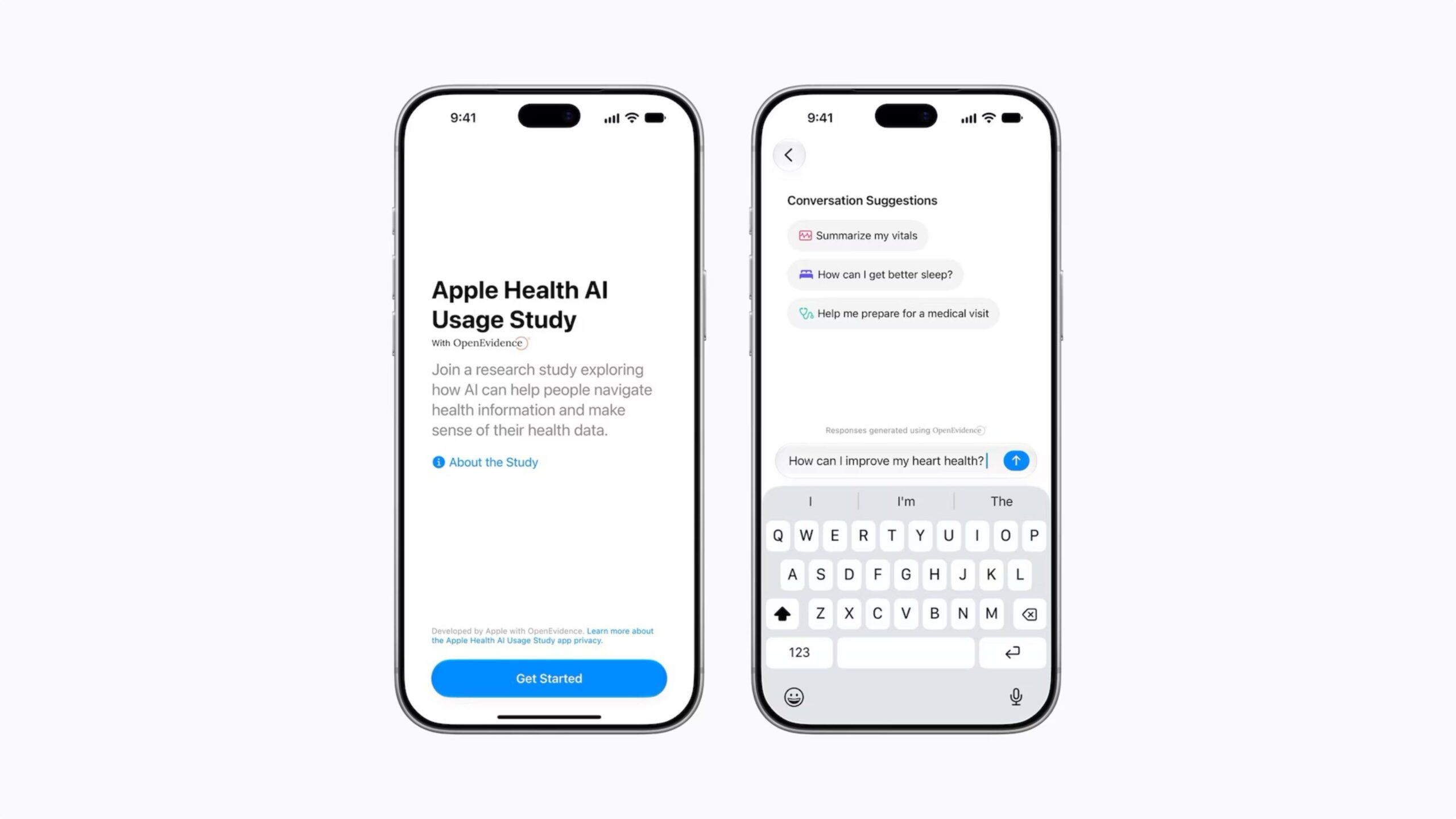
Apple launched the “Apple Health AI Usage Study” in collaboration with clinical AI company OpenEvidence, via a special app on the iPhone that answers health questions based on medical research, and can optionally use Health app data such as resting heart rate, activity, sleep, and lab results. The study is available in the United States for up to 200,000 participants who are 21 or older and own an iPhone that supports Apple Intelligence running iOS 26 or later. Questions reach OpenEvidence without identifying data and are deleted within 24 hours. Apple confirms that the data will not be used to train AI models, and that answers are linked to peer-reviewed sources such as NEJM, JAMA, and Nature, without being a substitute for a doctor.
France sends Apple to trial for “planned obsolescence”
French prosecutors have charged Apple with “obstructing repair and refurbishment,” and the company will appear before a Paris court in a four-day trial starting June 17, 2027. The case accuses Apple of adjusting its software to prevent the repair or refurbishment of several models outside its authorized network between November 2021 and July 2024, including the iPhone XS, the 12, 13, 14, and 15 series, and the 2022 iPhone SE, such as disabling Face ID after changing the camera at an unauthorized service provider or stopping the battery health feature, with the goal of increasing sales. The case came after a complaint from the “Stop Planned Obsolescence” association in December 2022, and the fine could reach 300,000 euros plus 5% of annual revenue, while Apple said it “strongly objects to these baseless accusations.”
Apple nears a rare long-term memory deal with Samsung
The Korean newspaper Maeil Business reported that Apple is nearing a deal with Samsung to supply DRAM memory chips for four to five years, starting in the first half of 2027, setting a minimum supply quantity, with prices to be determined later based on market conditions. This is an unusual move for Apple, which prefers short contracts and pressuring suppliers on prices, and it recently signed a similar deal with SK hynix with terms favoring the supplier, amid a worsening memory shortage that is raising component costs due to demand from AI data centers.
Morgan Stanley: iPhone to capture a quarter of the phone market in 2027
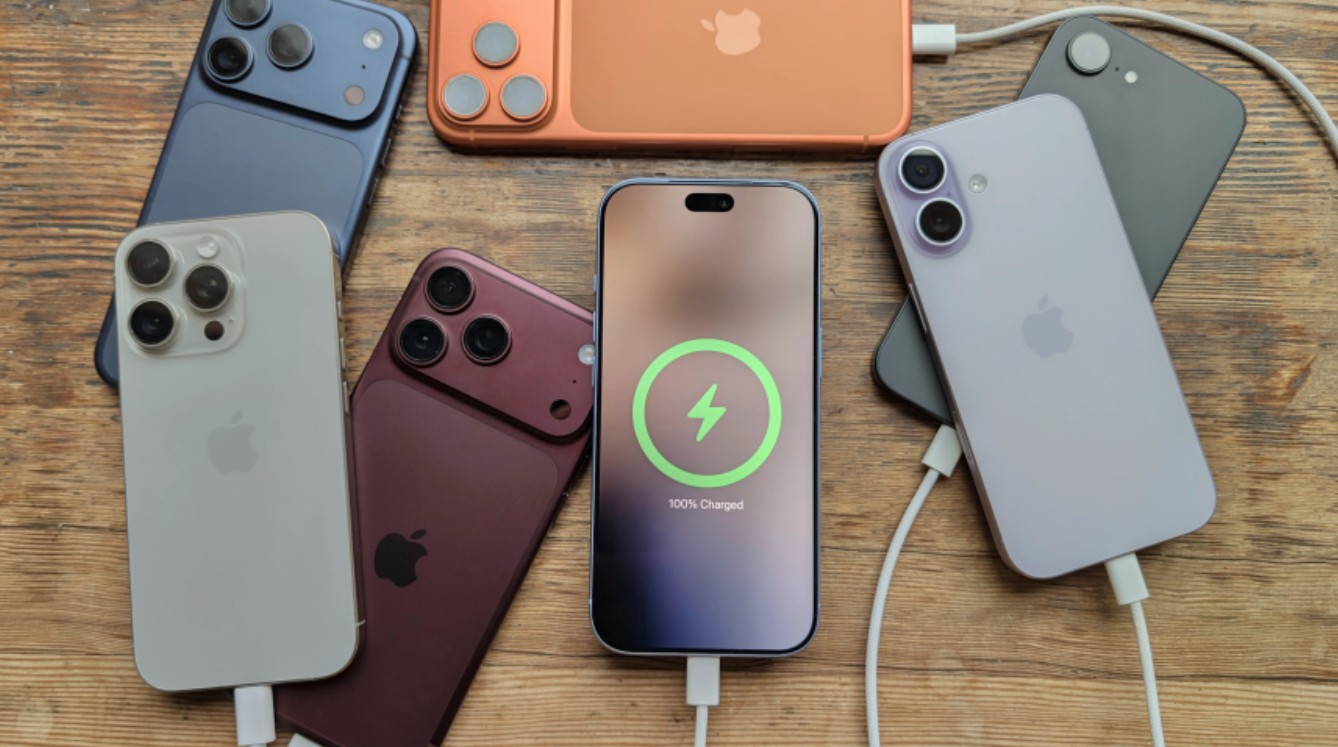
Morgan Stanley predicted in a research report that Apple will ship about 270 million iPhones in 2027, an increase of 7% over 2026, or about 26% of global smartphone shipments, at a time when the entire market is expected to shrink by 5%, after previously expecting 3.6% growth. Rising memory and storage prices are pressuring all companies, and Apple is better able to bear it despite raising iPhone prices in September. Apple’s customer retention rate rose to a record 93%, and 37% of iPhone users said they would likely upgrade their devices within a year, while 22% of other phone users expressed interest in the iPhone Duo, rising to 34% in China.
Jensen Huang resigns, and Trump nominates Tim Cook to lead Nvidia

Nvidia announced the resignation of its CEO Jensen Huang with immediate effect, following reports of two extramarital affairs, one of which the US government believes was with a spy working for the Chinese government. CFO Colette Kress was appointed interim CEO, and Harvey Jones as the first chairman of the board. President Trump wrote on the Truth Social platform that Tim Cook, Apple’s chairman who left the CEO position on September 1, should lead Nvidia, while Semafor reported that Johny Srouji, Apple’s senior hardware executive and processor architect, is among the candidates, but Srouji said in an internal memo that he loves his team and his work at Apple and does not intend to leave soon. The Nvidia board opened an investigation into the possibility that Huang disclosed company secrets, and the stock fell more than 8% in after-hours trading.
Nvidia doubles revenue and stops selling H200 in China

Nvidia announced on November 17 its financial results for the third quarter of its 2027 fiscal year, with revenue reaching $115.8 billion, a 103% year-over-year increase, including $107.6 billion from data centers, and a net profit of $65.3 billion. The company expects $130 billion for the next quarter without any computing revenue from China. In the first earnings call after Huang’s departure, interim CEO Colette Kress announced the suspension of H200 chip sales in China, ending an arrangement where sales passed through the United States so the government could collect a 25% fee. The board also established a committee to oversee national security and compliance with export controls, following new US rules issued on November 16 that prohibit the use of advanced chips in foreign data centers serving Chinese clients.
Google Wallet reaches the iPhone without tap-to-pay
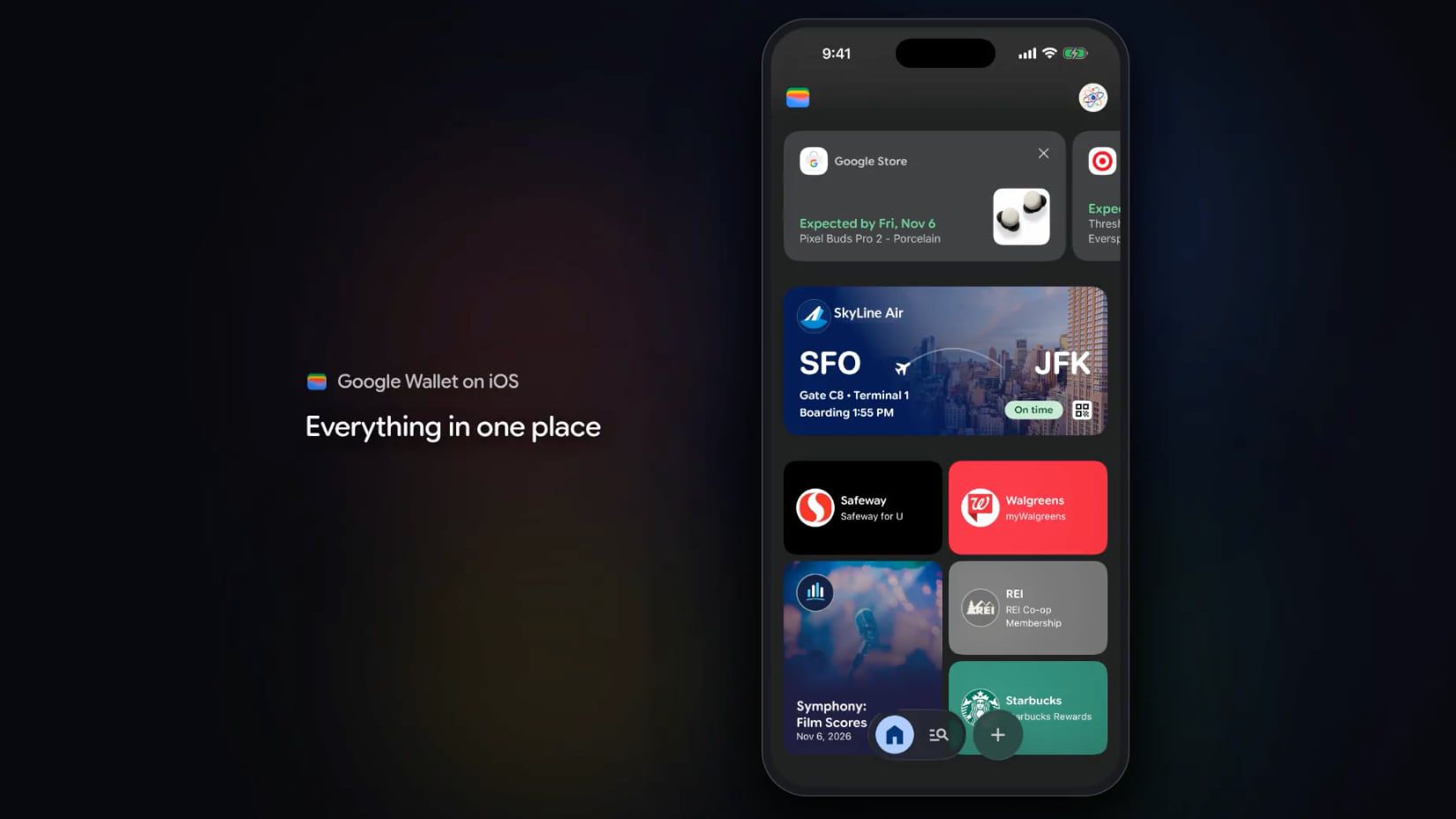
Google launched the Google Wallet app for the iPhone in the United States only, allowing the storage of payment cards for online purchases via Google Pay, saving tickets, boarding passes, loyalty cards, and gym memberships, and tracking shipments by integrating with Gmail, in addition to receipts for purchases made by Google’s smart agents. However, the app does not support tap-to-pay in stores, even though Apple has allowed other apps to use NFC since iOS 18.1, because that requires a commercial agreement with them and paying fees, which may explain the absence of the feature.
OpenAI launches GPT-6.2 Astra and Sol models
OpenAI launched the GPT-6.2 Astra and GPT-6.2 Sol models on November 17 in ChatGPT Work and Codex for Plus, Pro, and enterprise/education subscribers, and via the API. They say they complete difficult tasks with fewer tokens, which extends usage limits. Astra is its model for the most difficult projects, and it can use a slide snapshot as a template with the same formatting and colors, and writes cleaner code and more accurate tests in Codex, while Sol is a cheaper option for daily programming and writing. It came within half a point of Astra in the FrontierCode 2.0 test at about one-fifth the cost. OpenAI reduced Astra prices in the API by 20% and made the Ultrafast mode, up to 4.5 times faster, available to Pro subscribers.
Google launches Gemini 4 Neon and Genie 4
Google launched the Gemini 4 Neon model on November 18, a week after the Carbon and Hydrogen models, and says it approaches the performance of Carbon, its most powerful model, in programming, reasoning, and agentic tasks, with the speed of Flash models and a lower cost. Its price in the API is $3 per million input tokens and $15 for output, making it 25% cheaper than Argon and Carbon after their promotion ends on November 30. It is available in the Gemini app for AI Pro and AI Ultra subscribers instead of Argon, with Gemini 3.1 Pro being removed. On the same day, Google began making the Genie 4 model for generating interactive worlds available to AI Ultra subscribers, the first Genie model to add real-time audio that adapts to the scene, allowing the world to be changed during the session with text commands.
Samsung: New design for Galaxy S27 and paid subscription for Galaxy AI
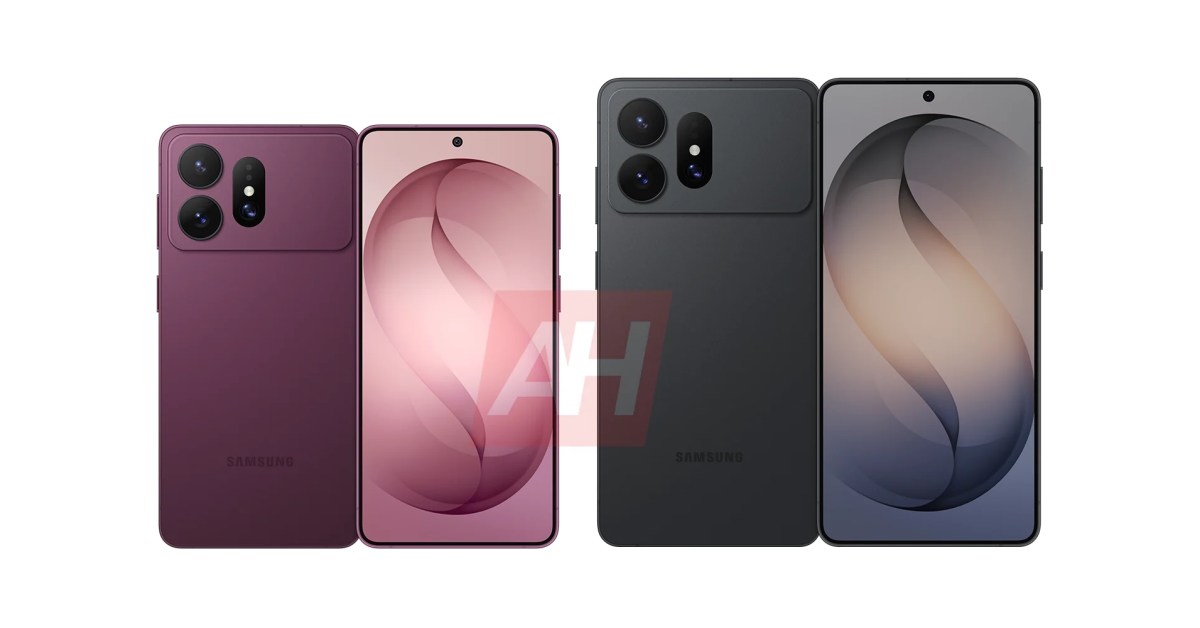
Leaker Ice Universe said that the redesign of the Galaxy S27 is “100% confirmed,” as the Ultra and Pro models get a horizontal camera island across the width of the phone instead of the known vertical arrangement, with two large lenses on the left and a smaller lens on the bottom right with the flash above it, noting that the vertical arrangement conflicts with Qi2 magnetic charging and its accessories. In other news, a leaked screenshot published by SamMobile revealed more details of the “Galaxy AI Premium” subscription expected at $5 per month, including features like Daily Briefing and Gen Video with additional credit bundles, while custom Now Brief cards remain limited to three cards without the subscription, and AI credit is consumed when creating them.
Apple Intelligence reaches iPad and Mac in China

The second beta versions of iPadOS 27.3 and macOS 27.3 brought Apple Intelligence features to China on the iPad and Mac, after arriving on the iPhone in the first beta of iOS 27.3. Alibaba’s Qwen model powers Siri, Writing Tools, and other features there, in a role similar to ChatGPT in other countries. The features support Mac and iPad devices with M processors and iPad mini with A17 Pro or A20 Pro processors, and include live translation, Writing Tools, Clean Up, Genmoji, and mail and notification summaries, while Siri AI and the new Siri app do not reach China. Public releases are expected in December.
macOS 27.3 restricts AI app permissions on Mac
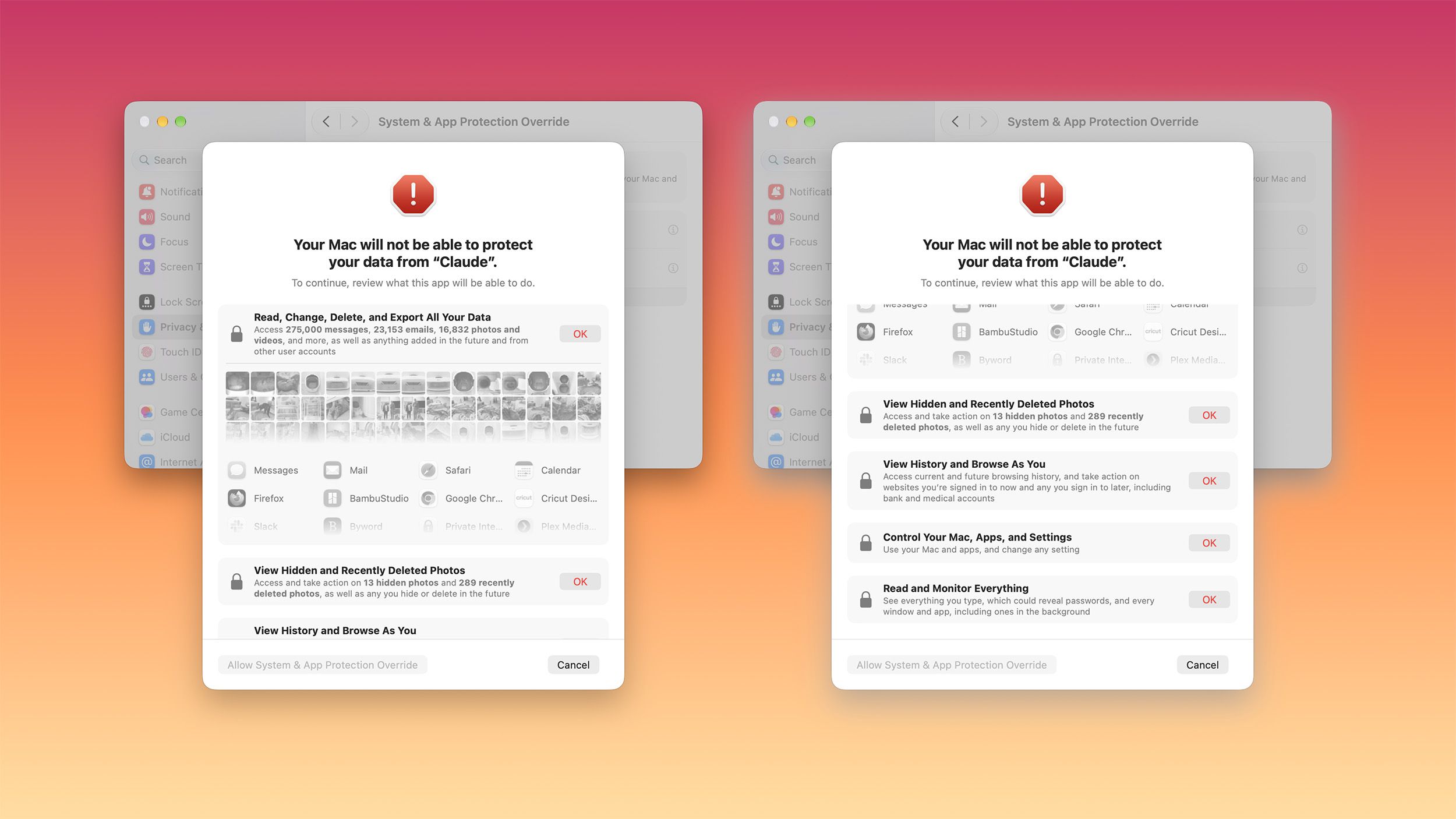
macOS 27.3 splits the device control and data access setting into two options: “System & App Protection Override” and “Accessibility,” and encourages the user to grant full disk access to specific folders instead of the entire disk, with the ability for the app to request permission each time, and a new indicator in the menu bar when one app controls another. Apple said some developers use full disk access in ways that put files, mail, messages, and browsing history at risk, and linked these controls to the risks of AI agents, while permissions granted before the update remain in effect, with exceptions for backup apps and accessibility tools.
Miscellaneous News
◉ Three accessories from the Apple Home Collection became available for order on November 13, the first smart home products in the collection compatible with HomeView: an LG indoor camera for $199.95, an outdoor one for $299.95, and a video doorbell for $249.95. The rest of the LG and Schneider Home accessories will arrive by early 2027.
◉ 9to5Mac revealed that the new Apple TV 4K includes 8GB of RAM, double the previous generation, but the tvOS system still limits each app to only 2GB and closes any app that exceeds it. This limit hurts games more than streaming apps.
◉ Researcher pdfu revealed that the A19 processor in the new Apple TV 4K operates with a disabled efficiency core, meaning a five-core processor: two performance cores and three efficiency cores, compared to six cores in the iPhone 17. It is likely that Apple is using chips with a defective core, as it did with the A15 processor in the 2022 Apple TV.
◉ Apple added a video podcast section to the Apple TV app available on more than a billion devices, and iOS 27.3 adds short vertical video clips to the app. Oliver Schusser, vice president of services, said the goal is “discovery and helping creators reach a new audience.”
◉ Apple is testing a softer touch for navigation bars in the Liquid Glass design in the second iOS 27.3 beta, where content fades under the top bar in a gradient blur instead of a sharp edge, similar to the iOS 26 look. The feature is disabled by default behind an internal setting and appears when setting Liquid Glass transparency to 25% or less according to researcher pdfu.
◉ Apple announced 45 finalists for the 2026 App Store Awards, including ElevenReader, (Not Boring) Camera, and Raylie for the iPhone App of the Year award, and BALL x PIT, DAVE THE DIVER, and Gambonanza for the iPhone Game of the Year. Apple will announce the winners in the coming weeks.
◉ Apple launched the all-new Apple Maps experience in India on November 18, with over 300 3D landmarks, place names in English and one of 11 local languages, and the Look Around feature for the first time there. It also includes route guidance, augmented reality directions, public transport in eight cities, and Indian Railways.
◉ Nintendo will stop logging into its accounts using Apple and Google accounts on January 26, 2027, and new accounts cannot be created with them. Users must verify their email and password or register a Passkey before the deadline.
◉ Apple added Samsung foldable phones to the trade-in program, with a value of up to $410 for the Galaxy Z Fold7 and $215 for the Galaxy Z Flip7. It adjusted the values of several devices, so the value of the iPhone 17 Pro Max dropped to $855 instead of $885, and the value of the iPhone Air and iPhone 17 rose to $615.
◉ Reports from employees at Apple stores stated that they were pressured to sign customers up for free trials of services like Apple TV and Apple Music that automatically turn into paid subscriptions, with a target of 40% of customers. After criticism, Apple stopped this metric, and the customer now has to accept or reject the trial terms on the screen.
◉ Apple launched Final Cut Pro 13 and Pixelmator Pro 5 on November 18 as part of the Apple Creator Studio bundle updates, with support for MotionVFX templates for subscribers, subtitle generation in 23 new languages, and the Generate Fill feature to edit images with text commands. The bundle price is $12.99 per month or $129 per year, with additional AI usage bundles for $49.99.
◉ A filing with the US Securities and Exchange Commission revealed that Arthur Levinson, Apple’s former chairman and current lead independent director, intends to sell 90,000 shares worth about $31.8 million. He had received these shares in February 2001.
◉ iCloud, App Store, Apple Music, iCloud Mail, and Apple’s business and school tools services were down for most of November 17, starting around 11:45 AM Eastern Time. Apple said the cause was an “internal update” and denied it was a cyberattack.
◉ Apple made iPhone Duo parts available in the self-repair program on November 17, just 25 days after its launch, the fastest date yet. The inner screen costs $999 before a $159.84 discount when returning the old part, the outer one is $379, and tool rental is $49 for seven days.
◉ Adam Mosseri, head of Instagram, said on Threads that designing the app for the iPhone Duo is “very challenging” because Instagram was designed for tall screens while the device is wider and shorter. He admitted that the stacking of navigation buttons and Reels buttons on the right side “doesn’t look good” and needs reconsideration.
◉ A 9to5Mac reader poll indicated that 1,791 out of 5,850 participants, or more than 30%, returned the iPhone Duo during the 14-day return period. Reports had stated that Apple expects to sell about 10 million units by the end of 2026.
◉ iOS 27 adds a custom equalizer for low, mid, and high frequencies to AirPods, supporting AirPods Pro 3, Pro 2, Max 2, and AirPods 4 and 5. It also allows sending heart rate from AirPods Pro 3 to sports equipment via GymKit, and locating the case precisely from an Apple Watch.
◉ The HomePod 27.2 software update added a “Lock Controls” option to lock the top touch panel, so music doesn’t play or volume doesn’t change when touched accidentally while cleaning. It is activated from the Home app via accessory settings and works on all four HomePod models.
◉ Mark Gurman mentioned that Apple chose Corey Fugman, who spent 26 years at the company, to lead Apple Pay, Apple Card, and Wallet, succeeding the retired Jennifer Bailey. Fugman reports to Eddy Cue and is involved in moving Apple Card from Goldman Sachs to JPMorgan.
◉ The US government agreed to a settlement that makes permanent an injunction preventing it from pressuring Apple and Facebook to remove the “Eyes Up” app, which publishes clips of ICE agency operations, and a Facebook group for monitoring them. The settlement came in a lawsuit filed by the FIRE foundation, which defends free speech, in February.
◉ Google will keep temporary Gemini chats and chats conducted with history off for about two months instead of 72 hours, saying it is “to improve safety and security.” It also splits the “Keep Activity” setting into two options: chat history, and using data for AI training.
Sources:
1 | 2 | 3 | 4 | 5 | 6 | 7 | 8 | 9 | 10 | 11 | 12 | 13 | 14 | 15 | 16 | 17 | 18 | 19 | 20 | 21 | 22 | 23 | 24 | 25 | 26 | 27 | 28 | 29 | 30 | 31 | 32 | 33 | 34 | 35 | 36 | 37 | 38 | 39 | 40 | 41 | 42 | 43 | 44 | 45 | 46 | 47 | 48 | 49 | 50 | 51 | 52 | 53 | 54 | 55 | 56

Post Comment