Once again, Steve Jobs is taking a medical leave from his busy role as CEO of Apple for the second time to focus on his health, as he has been suffering from pancreatic cancer for years. This came in an email he sent to his company’s employees, informing them of this emergency leave and delegating his duties to Tim Cook, while retaining the final say on major strategic decisions related to Apple.
Steve Jobs’ first absence, which was surrounded as usual by secrecy and consequently leaks and rumors, occurred in the first half of 2009. He later returned to the stage to witness the peak of his activity and frequent appearances in 2010, a year that was busy and strong for Apple, filled with many products, achievements, and successes—to the point that it perhaps exhausted him and brought back his old ailments.
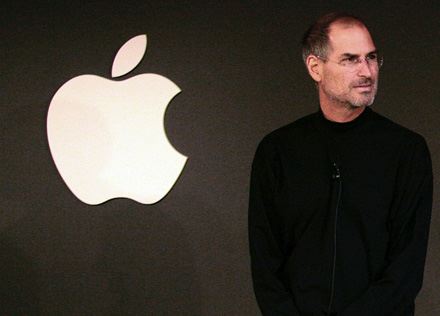
In professional institutions built on deep and disciplined administrative foundations, the absence of any individual—even if they are the president and founder—does not affect the workflow, production lines, or policies. This is well-known and clear, especially for Western institutions, companies, organizations, agencies, and entire nations that do not rely on the effort, opinion, or work of a single individual.
We have seen this in the technical field in many companies; Bill Gates left Microsoft voluntarily, and the company continued despite his symbolic status and his role in laying the first brick for that venerable software company. Similarly, HP, the computer hardware giant, saw its founders pass away, yet its work continued without any delay or disruption, and the examples go on.
Is Apple an exception to this rule, especially given its massive size, large administrative apparatus, and global reach?
A Rare Correlation Between Institution and Person
The answer is both yes and no, and this requires explanation! Steve Jobs’ serious illness—from which few recover and which is characterized by its return even after perceived recovery—raises many questions about his succession and the right person to lead such a large company. The possibility of a sudden death or even total incapacity to work due to the severity of the illness exists, and consequently, the company will not close its doors just because Steve Jobs, the founder and savior, has departed!
So, Apple is not an exception to other companies in this regard, but Steve also represents a milestone among CEOs in the corporate world, making the mere news of his absence cause Apple’s stock to drop in after-hours trading. As a person and as a CEO, he represents an exception in symbolism and success that made his name synonymous with his company and the famous apple. This exception stems from two important factors:
1. The first is the memory that never leaves anyone’s mind, and the fear that haunts those inside and outside the broad Apple community that any new absence will repeat the incident of the first absence resulting from his dismissal in the mid-eighties, which led Apple to rock bottom and turned it into a failing company that almost declared bankruptcy, were it not for Steve’s return in the late nineties and starting over to build the company until he made it, within ten years, the largest and most successful company in the world.
Therefore, the fear of this tragedy repeating with a new absence of Steve deeply worries shareholders, investors, and the entire broad Apple community.
2. The other factor is the insistence of investors, shareholders, and the board of directors on holding onto Steve, realizing that his name and appearance alone are a successful marketing sign that raises the company’s value and stock. This is an interesting exception that we have not noticed in many global and major companies, and we have not even noticed it with people who might be smarter and more practical than Steve Jobs. Bill Gates, despite his great works previously and subsequently and his founding of the largest software company in the world, did not attain this symbolism. The same goes for Google founders Sergey Brin and Larry Page, who did not attain this symbolism, and the same can be said about Larry Ellison, founder of Oracle, Michael Dell, and many others.
Hence, Steve Jobs was characterized by several traits that qualified him to attain this exception and this symbolism—traits that some might argue about their negativity or positivity, but they do not disagree that they led him to this fame and success and made the process of losing him a cause for confusion and a shake-up that Apple might suffer if he is not succeeded by a qualified and capable person who can lead the helm and achieve similar successes for Apple. These traits include, but are not limited to:
Traits of Success
1. The charisma that Steve displays, which we clearly see in the media’s interest in all his events, conferences, and meetings, to the point that last year Apple recorded a greater presence than any other company in the media.
2. Stubbornness: Regardless of whether it was negative or positive, it gave Steve a special character that made him err and succeed in some decisions he insisted on, but it undoubtedly earned him a distinctive trait.
3. Success: The story of pulling Apple up and rebuilding it from a bankrupt company to the second-largest company by market value in the whole world is undoubtedly a legendary story and a great lesson in success that only a few achieve over long periods.
4. Creativity: The products that appeared in Steve’s second era were unconventional, non-traditional, and did not exist previously, as we saw with the iPhone, iPod, and iPad.
So, there was a clear link between these creative Apple products and the person of Steve Jobs, and this is something we did not see in most tech companies. Whether this link was intentional or unintentional, it caused Steve to become an icon that cannot be separated from Apple and from the iPhone in particular, and perhaps this will lead to a future disaster for it upon the total absence of Steve from it.
Absence at the Wrong Time
The time at which Steve Jobs announced his absence confirms that the matter is serious and that his health is undoubtedly failing. Otherwise, leaving the scene at this particular time would mean a shake-up that might occur to Apple in the coming days, especially with the intensification of competition in the smartphone and tablet market and dozens of companies baring their teeth in the face of Apple. This year, we are waiting for important events soon, such as the announcement of the iPad in its second generation in two months or less or more, as well as the announcement of the iPhone 5 next summer. We are also waiting for many things related to the iOS system and the OS X system, and perhaps Apple will reveal new, unexpected products to us.
We know that Steve’s absence from the stage of those events will lose them a special flavor and will inevitably lead to a decline in media interest in covering them, and perhaps a decline in customer interest in buying some products. This is already present among many Apple Fans around the world, and this absence will also constitute a disappointment for Apple’s shareholders, investors, and the board of directors, whose pockets and accounts fill up with every appearance of Steve on stage and decrease with every absence.
Reactions
This announcement of the absence immediately affected Apple’s stock as we mentioned, as shares fell in after-hours trading by seven dollars, and we are waiting a few days to see its impact on the American market. But let’s take the opinion of the tech scene on this absence.
Tech analyst MG Siegler considered in TechCrunch that Steve Jobs’ presidency of Apple is not like the presidency of any company, and he is not like any CEO, as—and he agreed with our opinion on this—his absence will lead to bad expectations for Apple’s future and its financial results. He cites his first medical absence in 2009, which created a dark atmosphere around Apple and hit its stock hard—as has begun to happen now—which it was able to overcome with a number of strong products that were launched that year, then Steve Jobs’ return, which put everything back in its place.
Siegler considered that the same thing is repeating this year, 2011, as Steve is absent again at its beginning and before the launch of products stronger and richer than the 2009 products, such as the iPad, the Verizon iPhone, and the iPhone 5 as well, which might compensate for the negative impact of Jobs’ absence. Siegler also sees another factor represented in “Tim Cook,” Apple’s Chief Operating Officer, who is being delegated for the second time by Steve, which reinforces the possibility that he is the expected successor, as he succeeded in applying Steve’s principles, theories, and works at Apple and represented his right-hand man in many important matters within the company.
Siegler also pointed to a very important point represented in the timing of the announcement, which comes on a US national holiday when markets are closed (hence we saw the decline externally and not internally). Also, the results of the first fiscal quarter of Apple’s fiscal year, which includes Christmas sales, will be announced tomorrow, which will undoubtedly be a crushing success, which will greatly reduce the negative impact of Jobs’ absence on Apple as expected.

Management from Behind the Scenes
Steve will continue to make major strategic decisions at the company despite his absence. But even if he does not return, there is a roadmap for Apple’s long-term policy and products that has been set and worked on in a purely institutional way that will not be affected by an eternal absence of Steve Jobs. The series of ongoing and new products, perhaps for five years or less or more, definitely exists, and this includes the iPhone, iPad, iPod touch, Mac, and what we may see of new innovations. But as we said earlier: this absence will affect and not affect at the same time. It will affect with a short shake-up or perhaps confusion as a result of losing the person of Steve as an important icon for the company, its customers, and its investors. And it will not affect a pre-set plan for a major company that will not close its doors as a result of the departure of a person, and with a successor to Steve who seems to have been well-prepared for this succession. But we do not know if he can create new products as Steve Jobs did with the iPhone, iPod, and iPad after the latter’s mind stops working completely! We do not know, and time is enough to answer.

Post Comment