Over the past few years, foldable phones have seemed like a bold step toward a different future for smartphones, combining the traditional phone experience with a larger screen when needed. However, behind this new technology, two fundamental challenges have accompanied this category since its inception: poor durability compared to traditional phones, and the visible crease in the middle of the screen, which impacts both viewing and usability. Despite companies’ repeated attempts to improve this category, these flaws have persisted in one form or another. Now, as Apple prepares to enter this field, it seems the company intends not just to compete, but to completely reshape the experience. In this article, we will explore how Apple plans to solve the ‘elephant in the room’ for foldable phones.
Apple’s Usual Philosophy

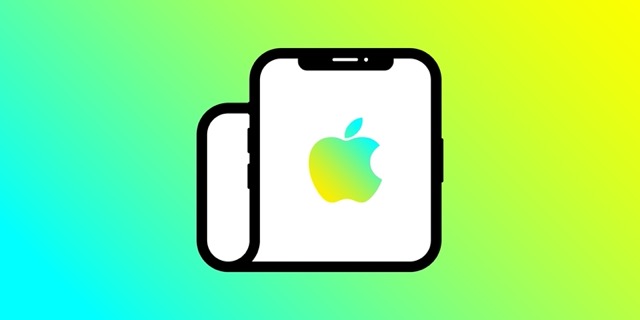
Unlike many companies racing against time to introduce new technologies, Apple follows a different approach based on waiting until the technology reaches a stage where a cohesive experience can be delivered. This happened previously with technologies like Face ID or large screens, and it seems the same scenario is repeating with foldable phones. Reports indicate that the foldable iPhone, or what is known as the “iPhone Ultra,” will not just be a foldable device, but an attempt to solve the two most prominent problems this category has suffered from since its emergence.
Problem One: The Screen Crease

One of the most prominent criticisms of foldable phones is the line or crease visible in the middle of the screen when opened. This crease not only affects aesthetics but can also impact the user experience, especially when watching videos or browsing.
What distinguishes Apple’s approach here is the focus on minimizing the visibility of this crease so that it becomes barely noticeable during use. Although some leaks suggest the crease will not disappear entirely, reducing it significantly may be enough to provide an experience closer to a traditional screen.
Problem Two: Durability

Foldable phones have long been associated with the idea of extreme fragility: screens more prone to scratches and hinges that may degrade over time. These concerns have made many users hesitant to adopt this category as a daily driver.
Here specifically, Apple seems to be prioritizing durability above all else. There is talk of improvements in material quality and the folding mechanism, aiming to deliver a device that withstands long-term use without the usual anxiety associated with this category.
A Different User Experience

According to expectations, the device will come with a design that opens like a book, which is the most common form factor currently, yet it remains practical in providing a large screen when needed. The large internal screen will provide an ideal space for viewing content or working on multiple apps at once, while the external screen allows for traditional phone use when closed. This balance between a regular phone and a small tablet is what makes this category attractive, but its success depends on how smoothly the transition between the two modes is, which is the real challenge Apple seeks to master.
It can be said that this is where the maker of the iPhone excels because it relies on the integration between the system and the design. The company has a well-known ability to improve the user experience through the iOS system, which may give it an advantage in effectively utilizing the large screen. Furthermore, Apple’s late entry may in itself be an advantage, as it benefits from the mistakes and experiences of competitors to deliver a more mature product.
Finally, despite all these expectations, the most important question remains: will users flock to this type of device if its main problems are solved? The answer depends on two factors: the price, which will likely be high, and the extent to which the user feels this experience adds real value, rather than just being a cosmetic innovation. It can be said that the iPhone Ultra, if the leaks are true, does not just represent a new entry for Apple into the foldable phone category, but an attempt to redefine it from the ground up.

Focusing on improving the screen and durability may be the step this category has needed from the beginning. But as always with Apple, success will not be measured by specifications alone, but by its ability to turn technology into a seamless daily experience that the user feels is worth the change.
In your opinion, can Apple solve the ‘elephant in the room’, or will these flaws remain no matter how much the technology evolves? Let us know in the comments!
Source:
Leave a Reply