Ever since Apple introduced titanium in the iPhone 15 Pro and later models, there has been a prevailing sense that aluminum had been consigned to the graveyard of history for good. With its incredible strength, light weight, and premium feel, titanium seemed like a logical and natural step to solidify the status of Apple’s flagship phones. However, recent reports and leaks suggest that the story of aluminum with the iPhone is not over yet, and that this metal might remain a fundamental part of the company’s future plans. In the following lines, we will take you on a tour to discover the secret that drives a company obsessed with design and excellence, like Apple, to move away from titanium and stick with a material that might seem less luxurious, like aluminum.
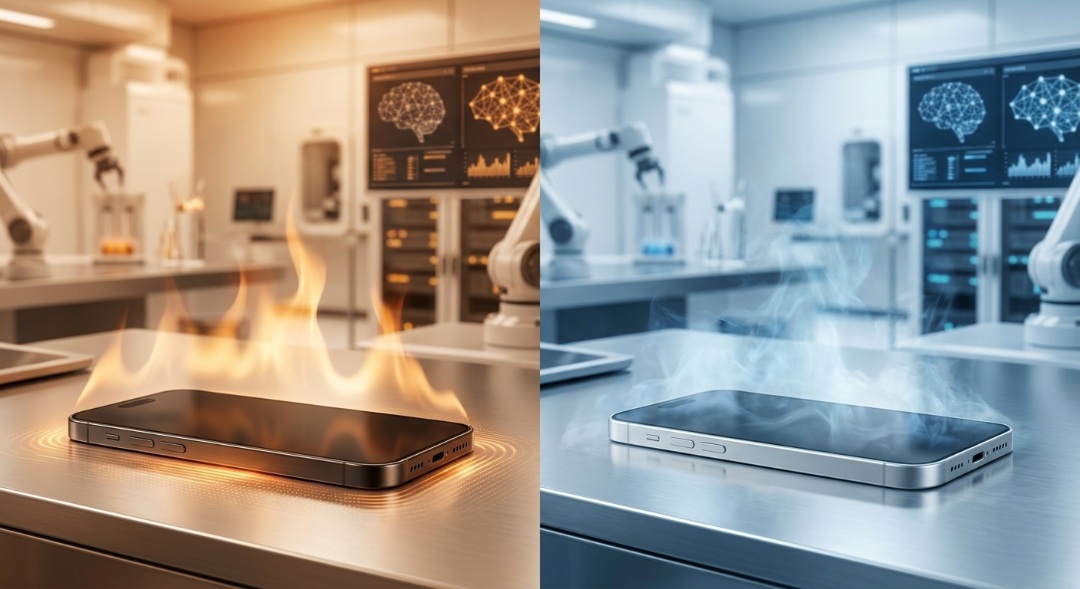
Luxury Does Not Always Mean Efficiency
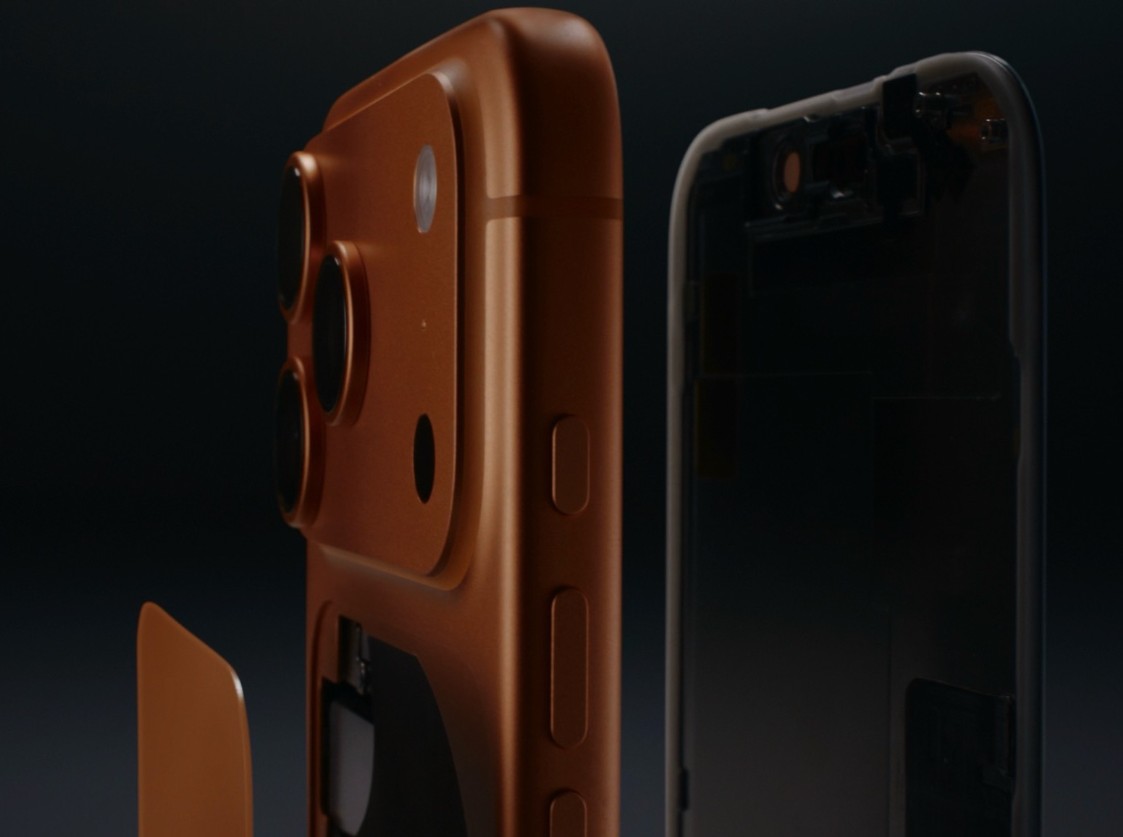
No one denies the visual and tactile appeal of titanium. But, as is often the case, beauty can hide practical flaws. Titanium, despite its strength and lightness, is not as good a heat conductor as aluminum. This simple physical fact became a headache for Apple with the launch of the iPhone 15 Pro.
Users faced noticeable overheating issues, and even after addressing some software problems, the heat felt higher than expected, and these concerns persisted even with the iPhone 16 Pro. In contrast, aluminum is an excellent material for dispersing and dissipating heat. For this reason, Apple returned to aluminum with the iPhone 17 Pro. They used a unibody aluminum chassis design with a vapor chamber, and the goal was clear: to create an integrated cooling system that allows heat to be drawn away from the processor and distributed efficiently without the iPhone overheating.
The Artificial Intelligence Dilemma
Modern artificial intelligence systems have become a heavy technical burden on smartphones, as they require very high processing power that operates constantly under significant pressure. This type of performance generates high heat that is difficult to ignore, and if not managed efficiently within the device’s chassis, the processor automatically begins to throttle its speed to protect internal components, which directly reflects on the user experience as slowness and a decline in performance. This highlights the importance of the materials used in manufacturing the outer casing, as many companies rely on aluminum because it is capable of distributing heat quickly, which helps maintain stable performance for longer without thermal throttling.
The Future of the iPhone Chassis
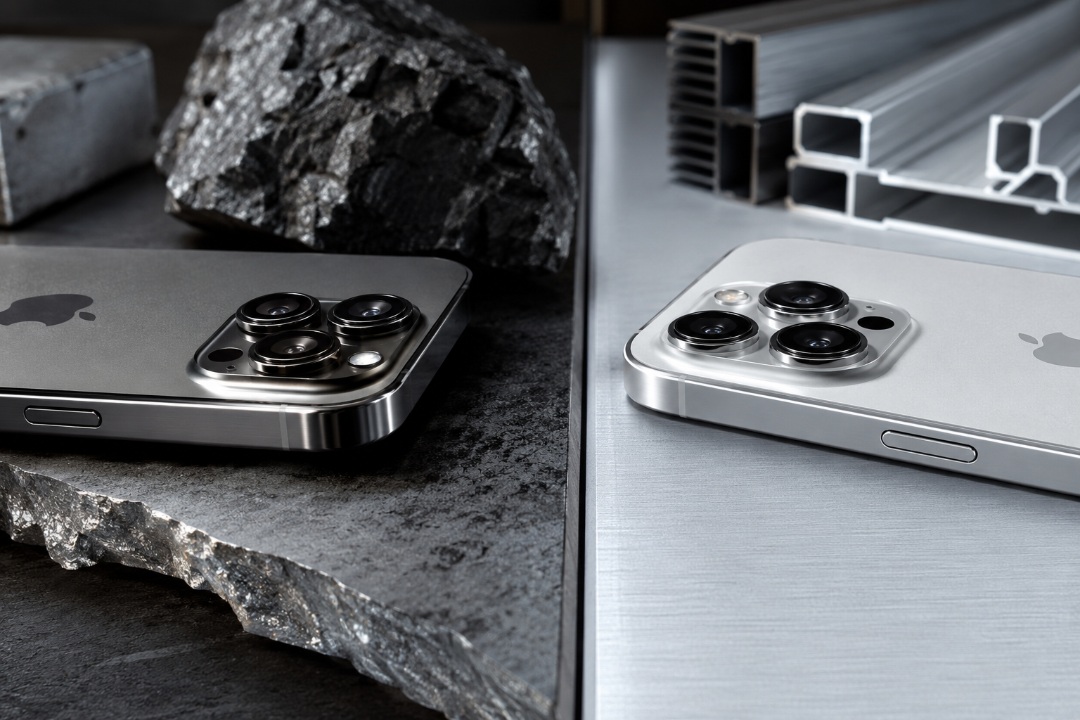
Amidst this development, conflicting reports have emerged regarding the future of iPhone design, especially concerning chassis materials. Some leaks indicated that the use of aluminum in models like the iPhone 17 Pro might only be a temporary solution during a transitional phase, pending more advanced materials (such as liquid metal). Conversely, other leaks clarified that Apple’s return to titanium in the near term seems unlikely, noting that aluminum remains the most efficient choice when it comes to heat dissipation, especially in light of the increasing reliance on on-device artificial intelligence technologies.
It can be said that this conflict in leaks does not necessarily mean there is an error, as much as it reflects the complex nature of work within Apple itself. The company does not move along a single fixed path, but rather explores multiple materials and technologies simultaneously, as part of long-term testing. The real challenge for the company lies in finding the perfect balance. This means finding a material that provides strength, durability, and light weight, gives the user a sense of luxury, and at the same time, is capable of dissipating heat while running artificial intelligence technologies.
Ultimately, Apple’s continued reliance on aluminum may not be just a temporary solution or a forced choice, but a calculated step within a broader vision that puts performance first. As we enter the era of artificial intelligence, luxury alone is no longer enough; the ability to maintain thermal performance stability has become the deciding factor. Based on its philosophy that focuses on the user experience first, Apple may lean towards preferring the material that ensures a practical balance between strength and heat, even if it comes at the expense of part of the luxurious feel that titanium provides.
Will Apple prioritize efficiency over luxury in the next iPhone? Let us know in the comments!
Source:

Leave a Reply