For many years, Apple has dreamed of the day it could declare “total independence” from third-party chipmakers and rely entirely on its own engineers in Cupertino. Indeed, the company began launching its own 5G modem last year, and a few months later, it surprised us by introducing an integrated wireless connectivity chip for Wi-Fi and Bluetooth in the iPhone 17 series. However, despite these impressive achievements, it seems that a complete decoupling from giants like Qualcomm and Broadcom is not as easy as some imagine, and that Apple still needs them—at least for the time being.
N1 Wireless Chip: The Hidden Hero in the iPhone 17
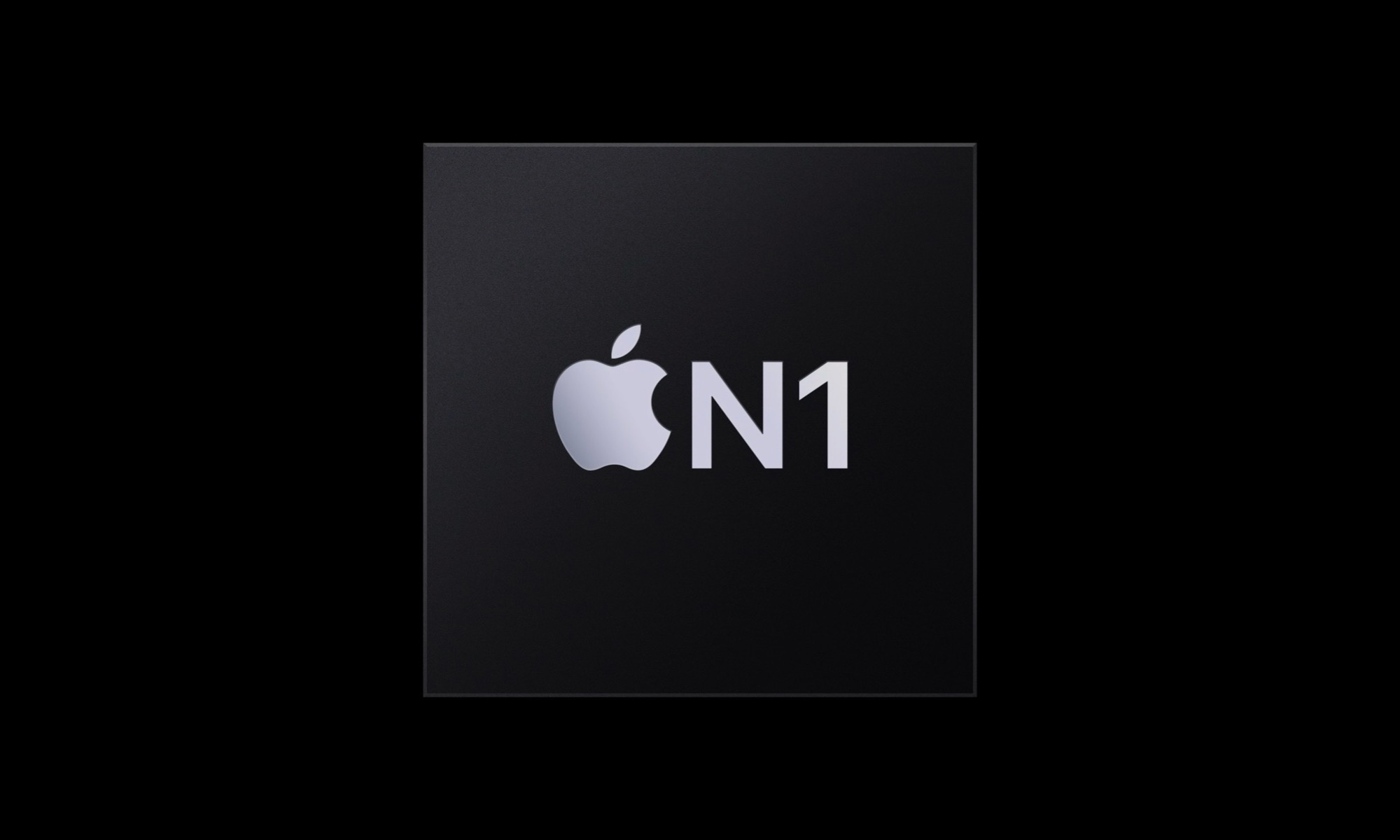
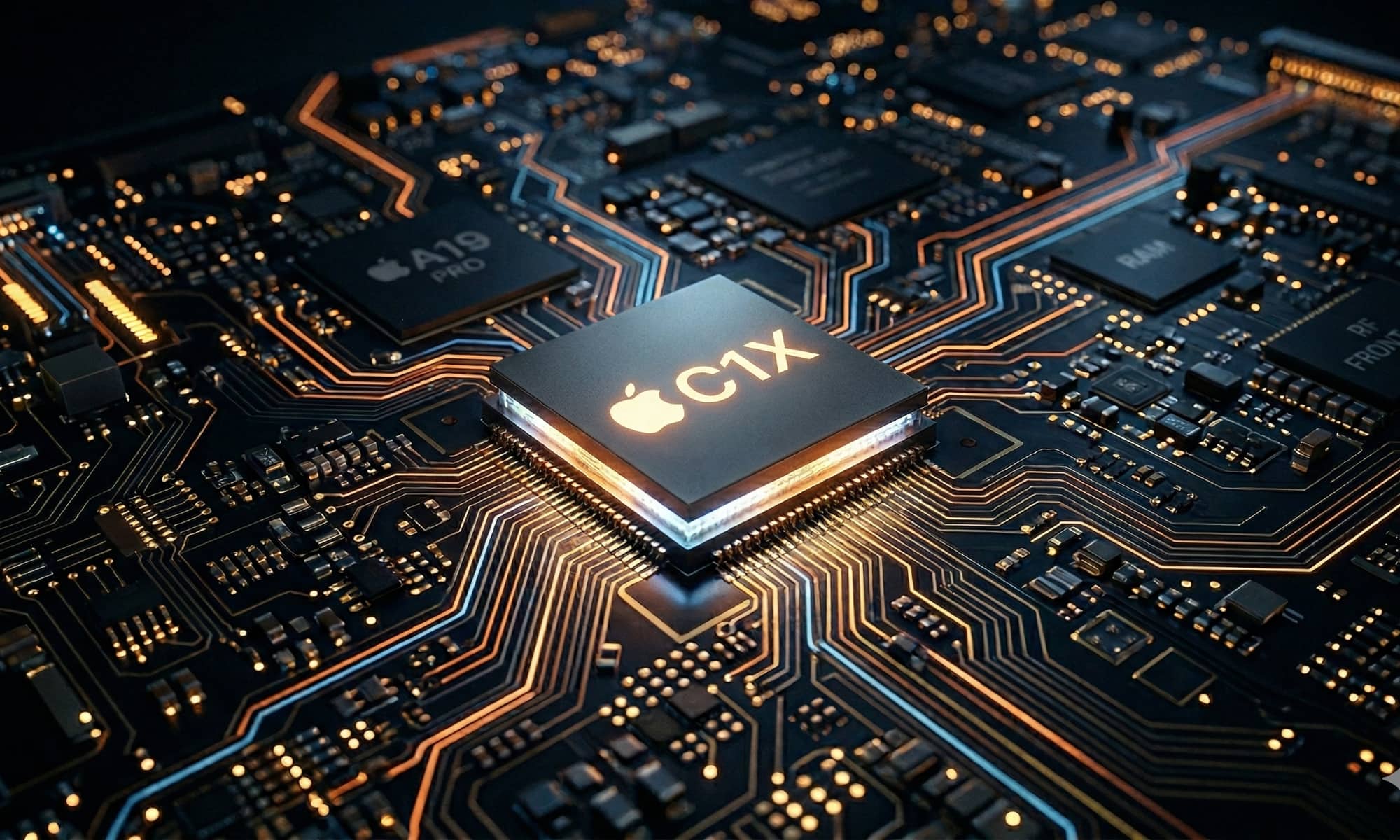
While the majority’s focus was on Apple’s C-series 5G modem, the company’s engineers were quietly working on another project of equal importance: the Wi-Fi and Bluetooth chip intended to replace the Broadcom chips that Apple has long relied on for its wireless devices. The big surprise came when the iPhone 17, iPhone 17 Pro, and iPhone 17 Pro Max retained the Qualcomm modem but ditched Broadcom in favor of Apple’s new N1 wireless chip.
The N1 wireless chip has proven to be the “hidden hero” in the new devices; it was designed to integrate directly with the A19 and A19 Pro processors to reduce power consumption by offloading data processing to more powerful and efficient chips. The result is faster and more reliable connectivity, especially when streaming audio instantly to AirPods Pro, and incredible responsiveness in proximity-based Bluetooth features, not to mention the powerful performance of Wi-Fi 7 networks.
Although this chip has been rolled out in most modern iPhones, iPads, and MacBooks, some budget models like the MacBook Neo have relied on MediaTek wireless chips instead. Analysts attribute this to Apple’s desire to reduce production costs to offer a budget-friendly device, proving that completely cutting ties with external partners involves complex financial calculations.
Five More Years with Broadcom: The Silent Multi-Billion Dollar Deal
Some optimists believed that the arrival of the N1 chip meant Broadcom would be permanently ousted from Apple’s supply chains, but the sobering financial reality proved otherwise. Reports revealed that Broadcom signed a new five-year supply agreement with Apple extending until 2031—a highly significant deal that alone accounts for about 20% of Broadcom’s annual revenue.
This extension does not mean Apple is backing away from developing its own wireless processors, but rather reflects the fact that wireless connectivity technologies do not rely on the main chip alone. The signed agreement includes the development of “5G radio frequency components,” which include antenna arrays and auxiliary secondary chips. For Apple, it is strategic intelligence to control the “brain” (the baseband modem and wireless connectivity chip) while leaving the manufacturing of auxiliary hardware components to specialized companies to avoid unnecessary engineering burdens.
Qualcomm and mmWave Networks: The US 5G Hurdle

On the other hand, Apple’s partnership with Qualcomm remains strong for technical and geographical reasons. The secret lies in high-speed, wide-bandwidth mmWave (millimeter wave) 5G networks. Recent leaks from Tata Electronics factories indicate that iPhone 18 Pro models intended for the US market may continue to rely on Qualcomm modems instead of fully transitioning to Apple’s upcoming C2 modem.
The reason for this is that mmWave networks are primarily used within the United States (by carriers like Verizon) to provide super-fast speeds in crowded urban areas, while the rest of the world relies on more common and practical mid-band and low-band networks. Since developing a modem that supports mmWave requires massive engineering effort and high costs for a technology that does not matter to most of the world, Apple finds it better to focus its efforts on the efficiency of its own modem in the global mid-band and low-band, while leaving the task of supporting specialized US networks to ready-made and effective Qualcomm chips.
Source:

Leave a Reply