It seems the dream of getting an affordable, lightweight version of Apple’s revolutionary Vision Pro headset has evaporated, or at least been postponed indefinitely. According to new press reports, Apple has decided to suspend work on developing the display for the low-cost version of the headset, which it had planned to launch within the next few years, reflecting a major shift in the company’s strategy toward the mixed reality market.
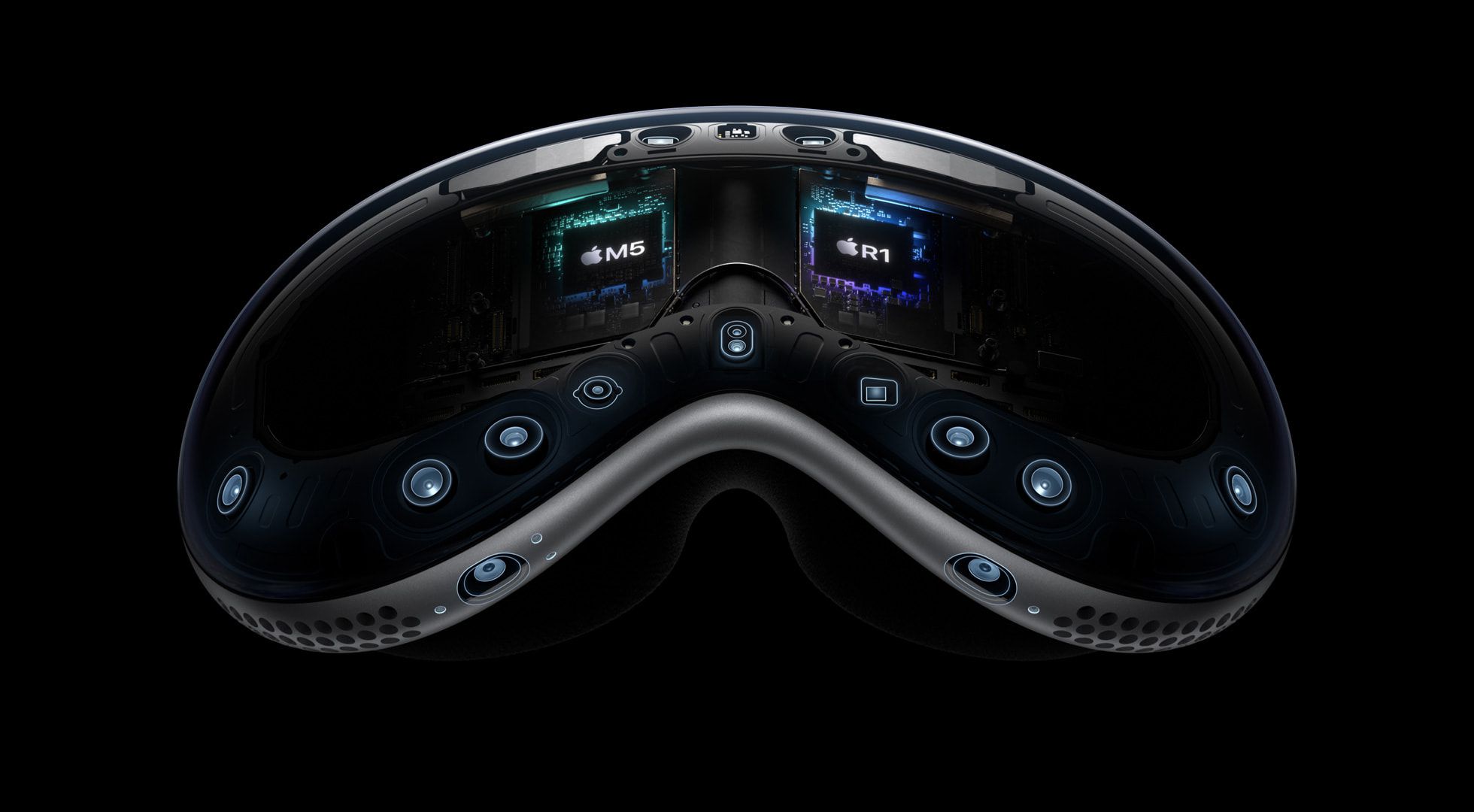
Project G-VR: A budget display that won’t see the light of day soon
A report from the Korean site The Elec stated that Samsung Display, Apple’s strategic partner, is preparing to end its internal development project for the budget headset’s display panel. This project, known in industry circles as “G-VR,” is scheduled to be officially and permanently halted by next September.
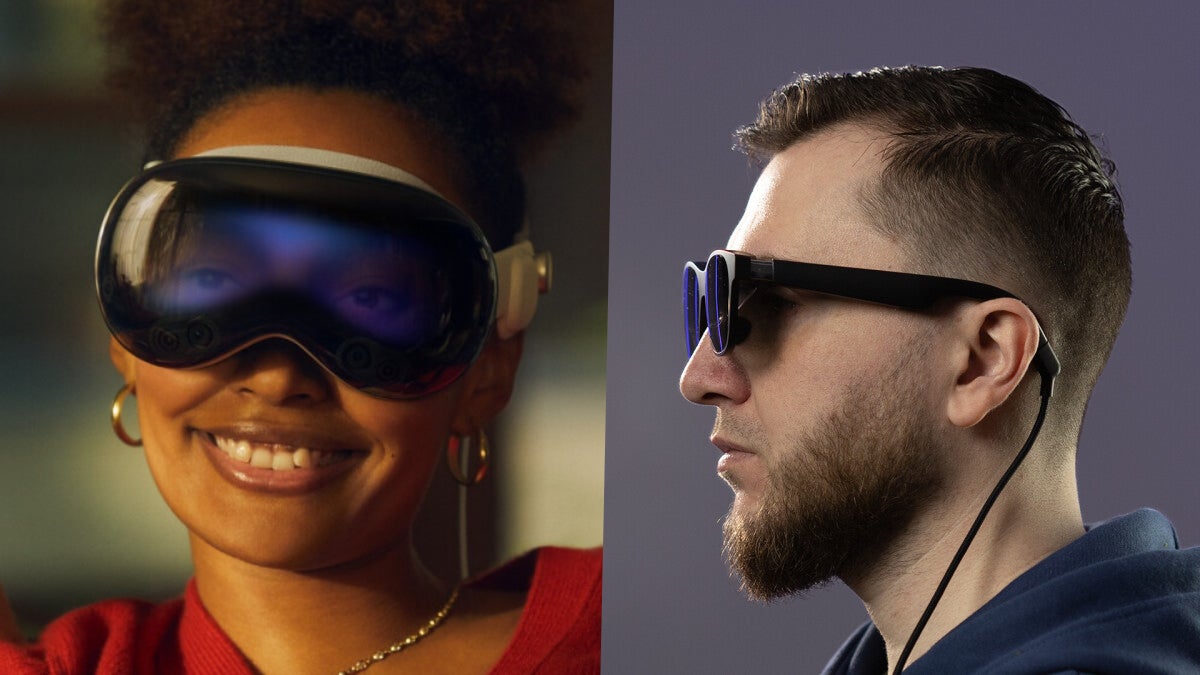
The “G-VR” project was based on glass-substrate Micro-OLED technology, a much cheaper alternative to the silicon-based OLEDoS technology currently used in Apple’s existing Vision Pro headset. The cancelled display was under development with a pixel density ranging from 1600 to 1700 pixels per inch, which is roughly half the pixel density of the current headset, which stands at 3386 pixels per inch. Commercial production of these displays was planned to begin sometime after 2028, but things did not go as planned.
The Big Shift: Smart glasses are eating up the development budget
The reason behind this sudden cancellation is not due to technical issues as much as it is due to a radical change in Apple’s investment compass. The American company has directed the bulk of its focus and resources away from large headsets, to focus its attention on developing lightweight and practical “smart glasses,” through which it aims to compete with Meta’s glasses developed in collaboration with Ray-Ban.

This shift in resources has consequently drained momentum and funding from the glass-based G-VR display project. Nevertheless, the report indicates that Samsung is still continuing to develop OLEDoS panels for its own mixed reality devices, meaning that the retreat here is a strategic decision specific to Apple alone, which chose to change its priorities.
An uncertain future for the large headset family
Renowned journalist Mark Gurman from Bloomberg had previously indicated in late 2025 that Apple had temporarily suspended work on the budget “Vision Air” headset to accelerate work on smart glasses that compete with Meta. In mid-2026, Gurman returned to confirm that the low-cost headset project had been completely cancelled in the form we knew.
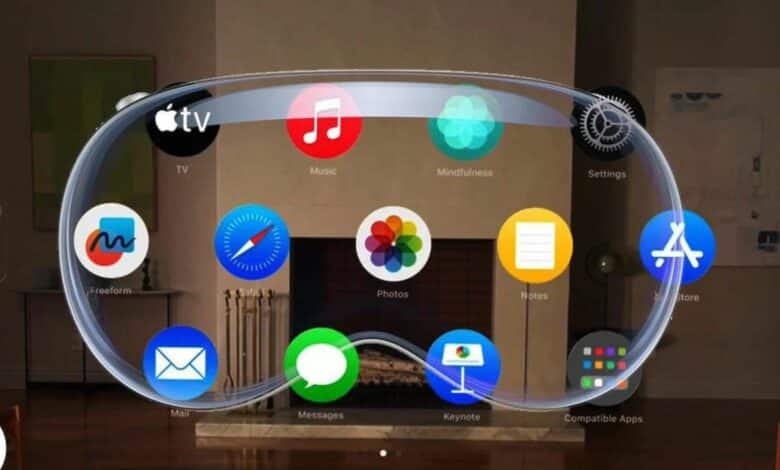
However, this does not mean that Apple has completely withdrawn from the mixed reality headset market; if the company decides to launch a new model in the “Vision Pro” category, we will not see it for at least two years from now, given that most of the talent and engineers in this department have been moved to work on the lightweight smart glasses expected to be launched in 2027. It is worth noting that Apple had updated the current Vision Pro with an M5 processor in October 2025, and recently raised its starting price to $3699 instead of $3499.
Source:

Leave a Reply