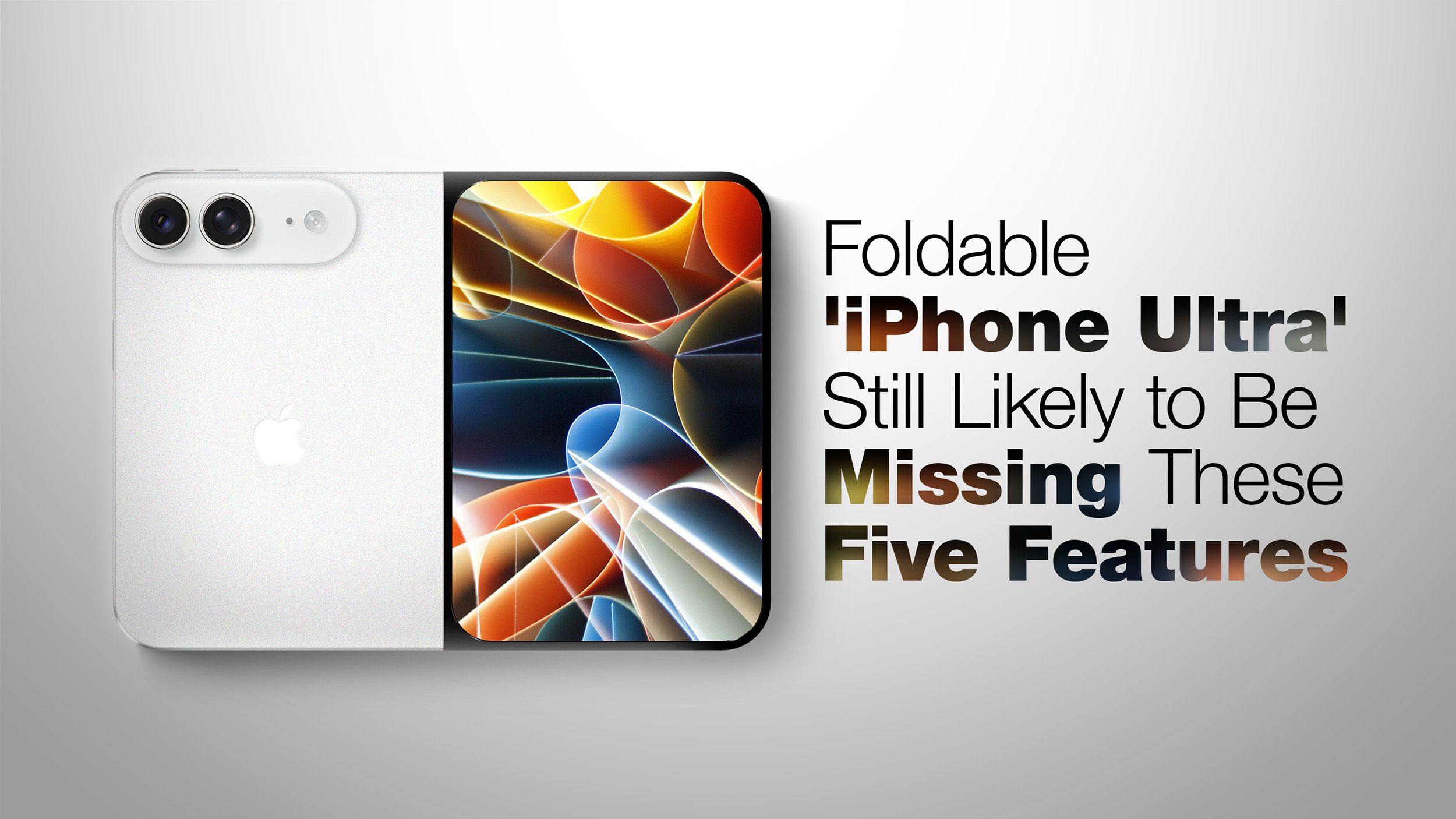
Tech enthusiasts have long awaited the moment Apple enters the foldable phone arena, but it seems this entry will not be without shocking technical sacrifices. The latest leaks and extensive reports indicate that Apple’s first foldable phone, likely to be named the iPhone Ultra, will feature an ultra-thin design and a titanium frame. However, it will lack five essential features already available in the iPhone 18 Pro models, all despite an expected price tag of at least $2,000.
1. Absence of Face ID and the Return of Touch ID
The biggest challenge Apple engineers faced with this device is its extreme thinness. Reports confirm that the iPhone Ultra’s chassis is so thin that the internal space cannot accommodate the TrueDepth sensor system responsible for Face ID. As a result, Apple is leaning toward bringing back Touch ID, integrated into the side power button, making it the first flagship phone to rely on fingerprint authentication since the days of the iPhone 7 in 2016.
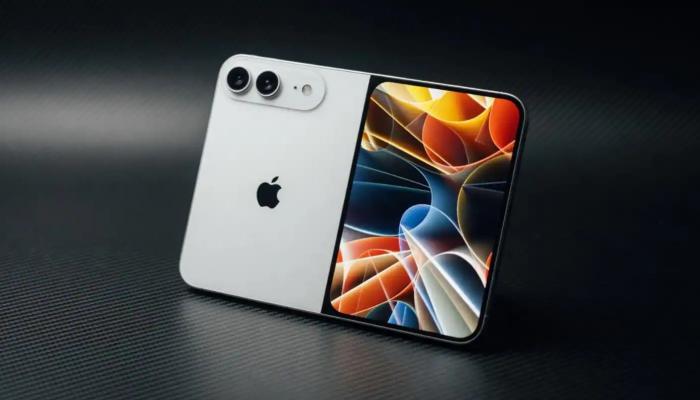
Although the internal screen will house a 24-megapixel front camera buried under the display, along with another camera for the external screen, biometric authentication will rely entirely on the finger. This comes at a time when the iPhone 18 Pro family is moving in the exact opposite direction by placing facial recognition sensors under the screen to reduce the size of the Dynamic Island.
2. Dual Camera System and the Loss of the Telephoto Lens
Leaked prototypes of the phone revealed that it will feature only two rear cameras: a 48-megapixel main lens and an Ultra Wide lens, completely abandoning the Telephoto lens standard in Pro models. This regression represents the biggest compromise for professional users and optical zoom enthusiasts.
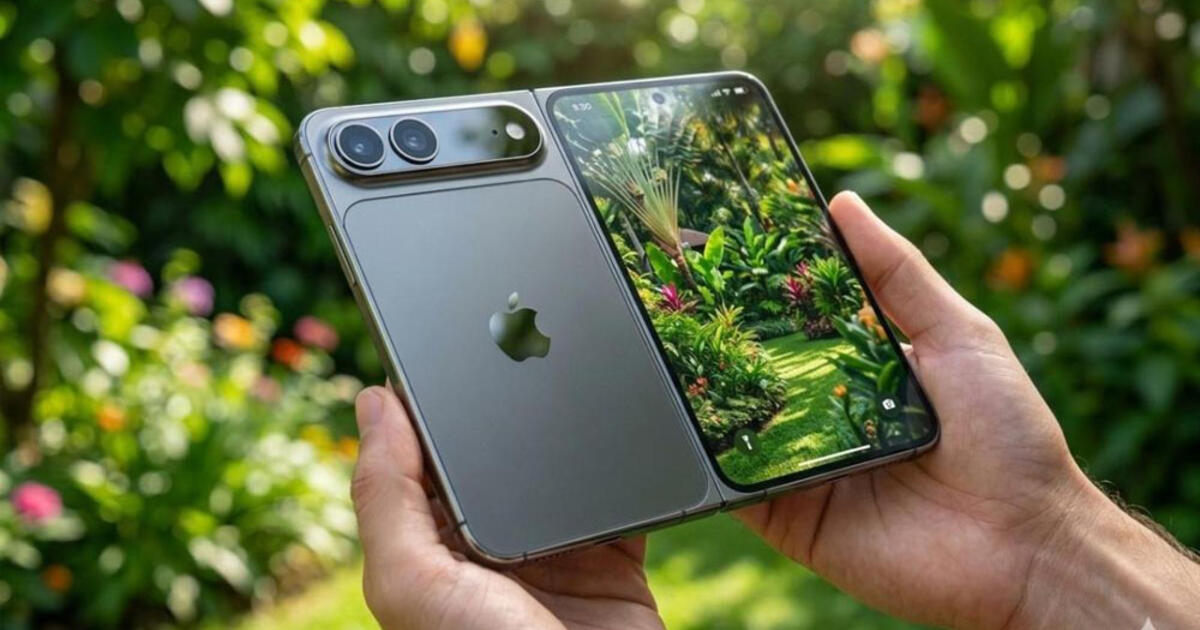
Bloomberg analyst Mark Gurman confirmed that those who tested the device’s prototype were highly impressed with its mechanical design, but he clearly noted that the camera system would be the most disappointing point for buyers, especially given its exceptional price category, which far exceeds the Pro Max models.
3. Exclusion of the Action Button and Reallocation of Volume Keys
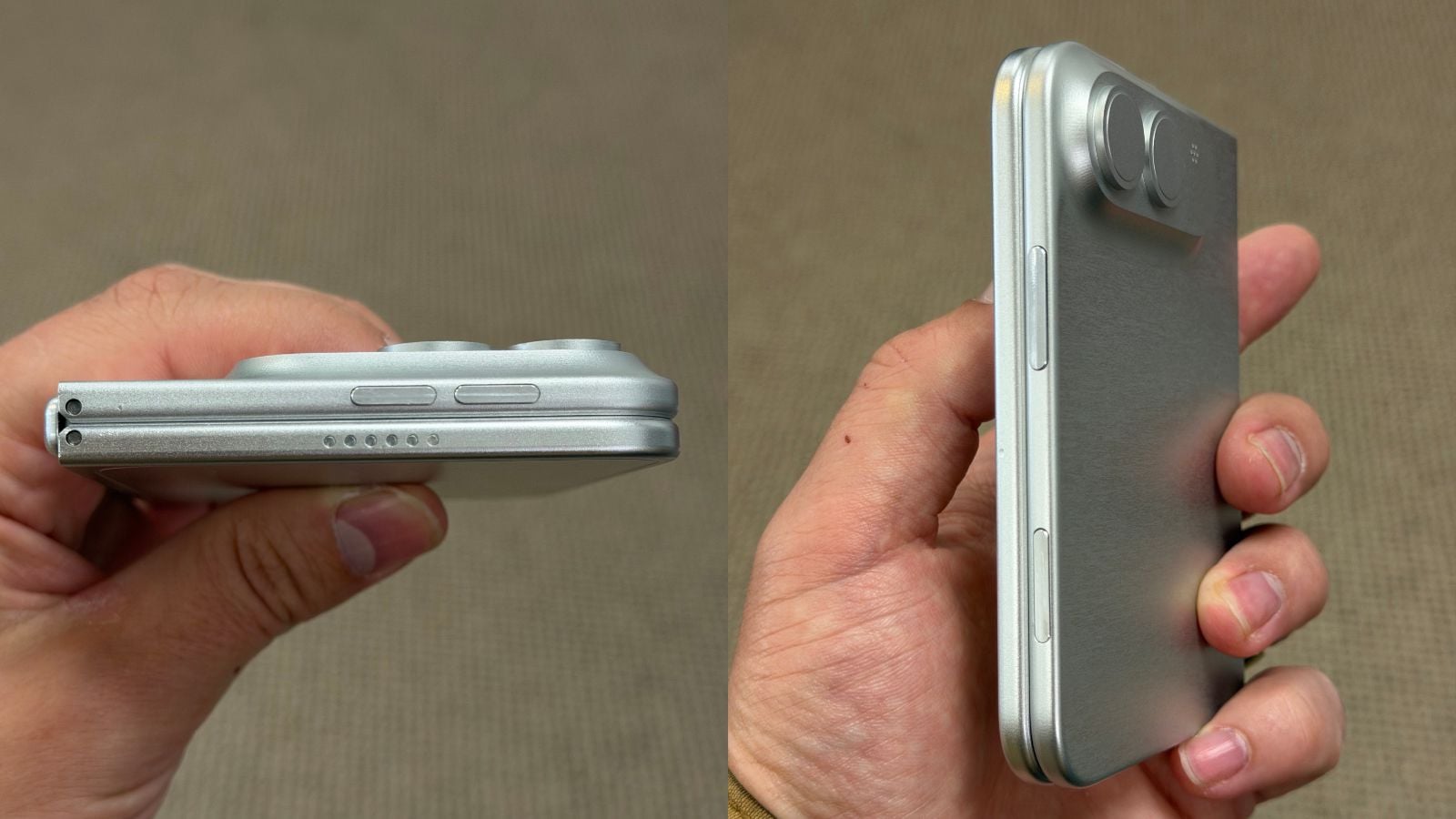
Dummy models of the phone showed a design completely unfamiliar in Apple’s design language, as the Action Button and even the traditional silent switch are entirely absent, leaving the left edge completely blank for the first time in iPhone history since Apple replaced the switch with the button upon the launch of the iPhone 15 Pro.
Surprisingly, the volume buttons have moved to the top edge of the device on the right side, similar to the button layout on the iPad mini. The reason behind this engineering change is the placement of the motherboard on the right side of the device, where Apple preferred to route wires upward rather than passing complex cables through the screen hinge to the left side, in order to save as much space as possible for internal components.
4. Goodbye to Traditional SIMs: Exclusive eSIM Support
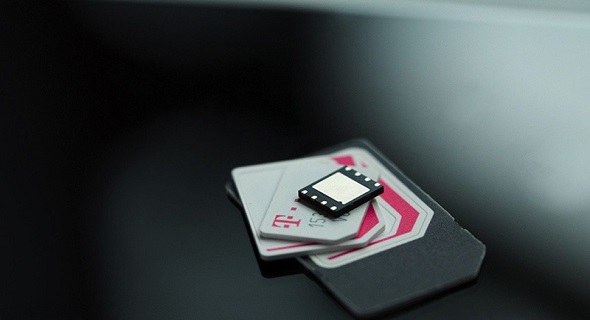
Following in the footsteps of the iPhone Air, the foldable iPhone Ultra will permanently abandon the physical SIM card slot. Prominent analysts, including Ming-Chi Kuo and Mark Gurman, agree that the phone will rely exclusively on eSIM in all global markets without exception to save every millimeter of internal space for the battery and the delicate hinge.
5. Absence of Ultra-Fast mmWave 5G Networks
Another engineering decision relates to connectivity and networks, as expectations suggest the phone will rely on the C2 modem chip developed internally in Apple’s labs, which still lacks support for ultra-fast mmWave frequencies. In contrast, iPhone 18 Pro models aimed at the US market will continue to rely on Qualcomm chips to support these high-speed bands.
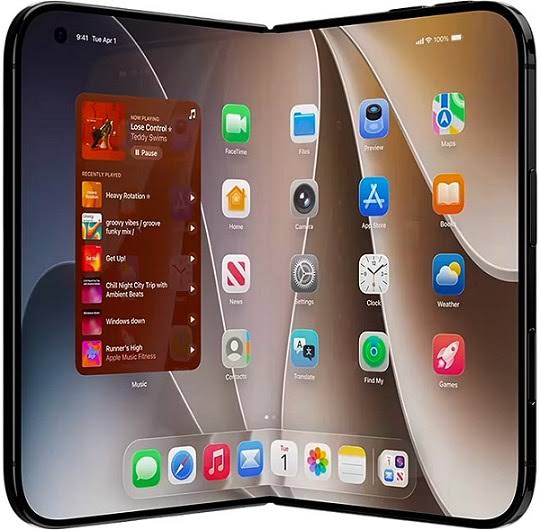
This means that iPhone Ultra owners will get 5G networks with standard sub-6GHz bands, a move that pushes Apple’s strategy for complete independence from Qualcomm, but it offers limited connection performance compared to the professional versions on 5G networks within the United States.
MagSafe Charger Support and the Reality of the Astronomical Price
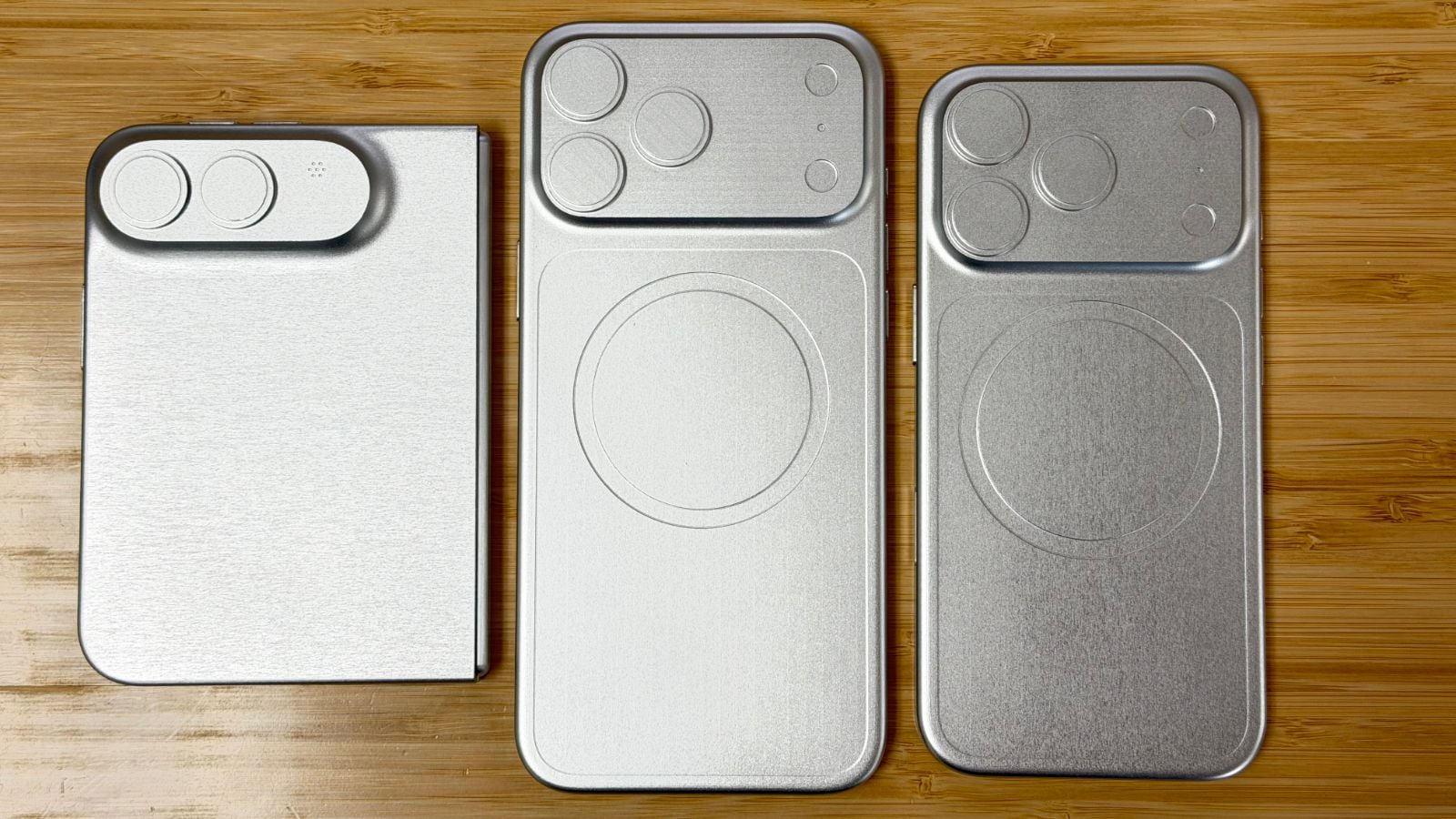
Despite the skepticism that accompanied the appearance of the prototypes due to their lack of an internal magnet ring, analyst Mark Gurman confirmed that MagSafe magnetic wireless charging technology will indeed be present, after the company succeeded in including the magnetic rings without affecting the thickness of the chassis, just as it did with the iPhone Air model.
As for pricing, expectations indicate that the price of the iPhone Ultra will be no less than $1,999 and may range between $2,000 and $2,500 depending on storage capacity. This high price puts the device in a very unique category; it asks the buyer to pay double the price of an iPhone 17 Pro while giving up half the advanced technologies in exchange for a flexible screen and a design that folds into the pocket, which we will witness officially at the upcoming Apple event.
Source:

Leave a Reply