Samsung mocks the iPhone Duo as usual, the iPhone Duo doesn’t rely solely on a fingerprint for unlocking, the iPhone Duo outperforms the Z Fold 8, Apple reveals details of the ten screen layers in the iPhone Duo, this is what Apple says about the crease in the iPhone Duo screen, the iPhone 18 Pro operates with eSIM only in these countries, the iPhone Duo supports the Apple Pencil with USB-C only, Apple reveals the battery capacities of the iPhone 18 Pro and 18 Pro Max, the iPhone 18 Pro Max is heavier than the iPhone 17 Pro Max, the iPhone 18 Pro and 18 Pro Max use different modems, the iPhone 18 Pro and 18 Pro Max come with 12GB of RAM, Apple discontinues the iPhone 17 Pro and 17 Pro Max, a lawsuit against Apple for patent infringement related to Face ID, Xiaomi unveils its foldable iPhone Duo competitor, and other exciting news on the sidelines…

Samsung mocks the iPhone Duo
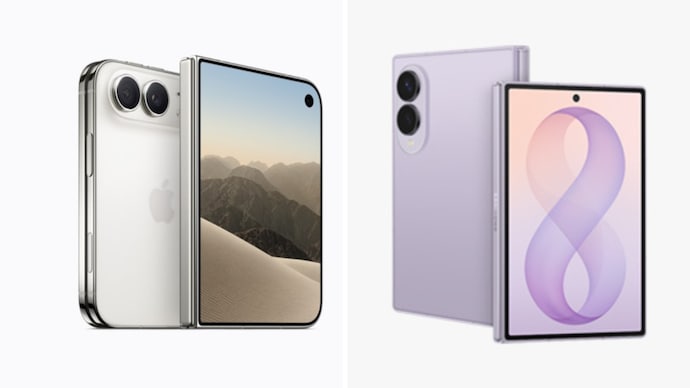
Samsung took advantage of the iPhone Duo announcement to mock Apple’s new foldable phone, posting a series of sarcastic comments on social media without mentioning Apple or the phone by name. Among these comments: «Tell us when you’re done reheating our leftovers», implying that Samsung believes Apple is late to the foldable phone market, and «Was it exciting? No. Did it actually happen? Yes.» Samsung also used the hashtag #ItsTimeToSwitch in some of its posts.
Fingerprint is not the only way to unlock the iPhone Duo
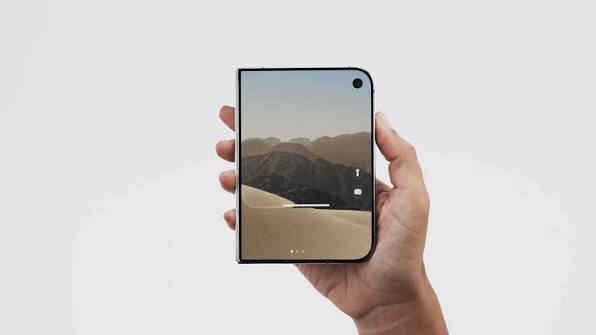
The new iPhone Duo lacks Face ID for facial unlocking, which might bother users accustomed to the ease of this method, but Apple compensated by adding one of the best security features found in Mac devices. The iPhone Duo comes equipped with a Touch ID sensor integrated into the side button, which can be used to unlock the phone whether it is open or folded. Even better, if you are using an Apple Watch, the watch can be set to automatically unlock the iPhone Duo without needing to press any button, just like with other iPhone devices.
The iPhone Duo is IP68 dust-resistant and outperforms the Z Fold 8
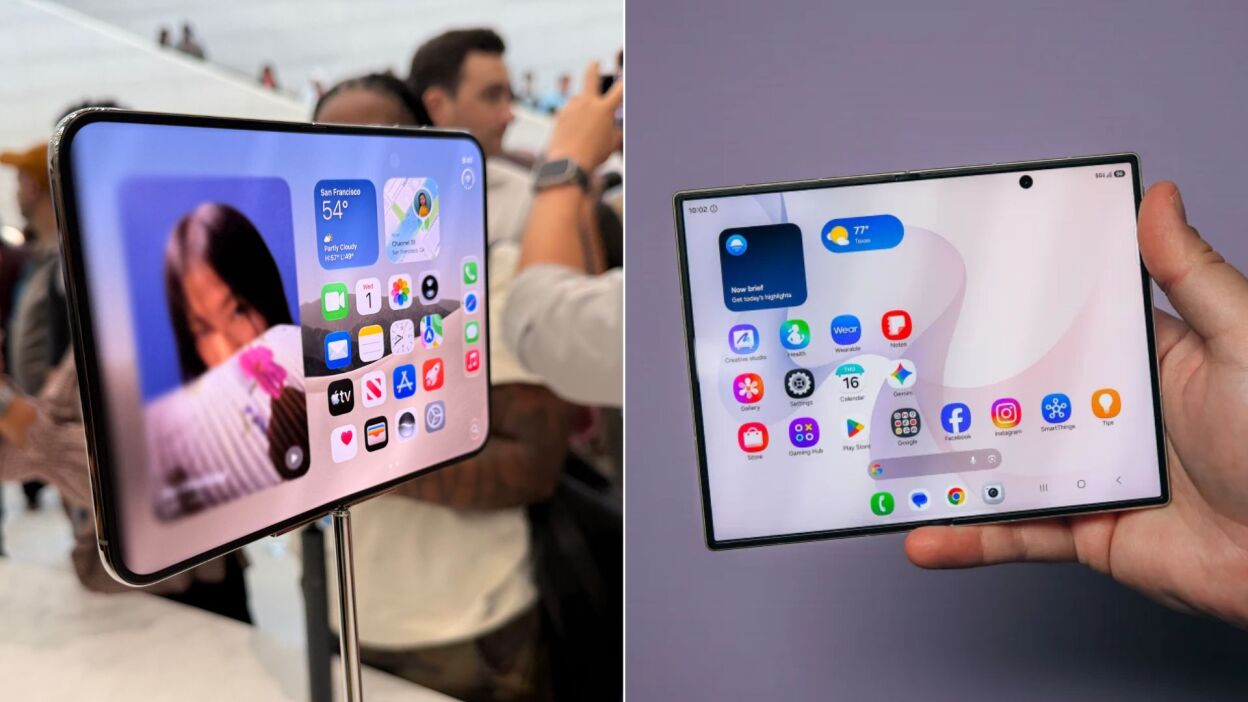
The iPhone Duo receives an IP68 rating for dust and water resistance, making it better than Samsung’s latest foldable phones and on par with the Google Pixel 11 Pro Fold. While the Galaxy Z Fold 8 comes with an IP48 rating, the iPhone Duo enjoys complete protection against dust ingress and can resist water up to a depth of 6 meters for up to 30 minutes according to Apple.
Dust resistance is particularly important in foldable phones because dust can enter the hinge and cause damage over time. However, Apple clarifies that water and dust resistance is not permanent and may decrease with normal use. To increase durability, the phone also comes with a titanium frame, a titanium hinge cover, and a 10-layer screen.
Apple reveals what’s inside the iPhone Duo foldable screen
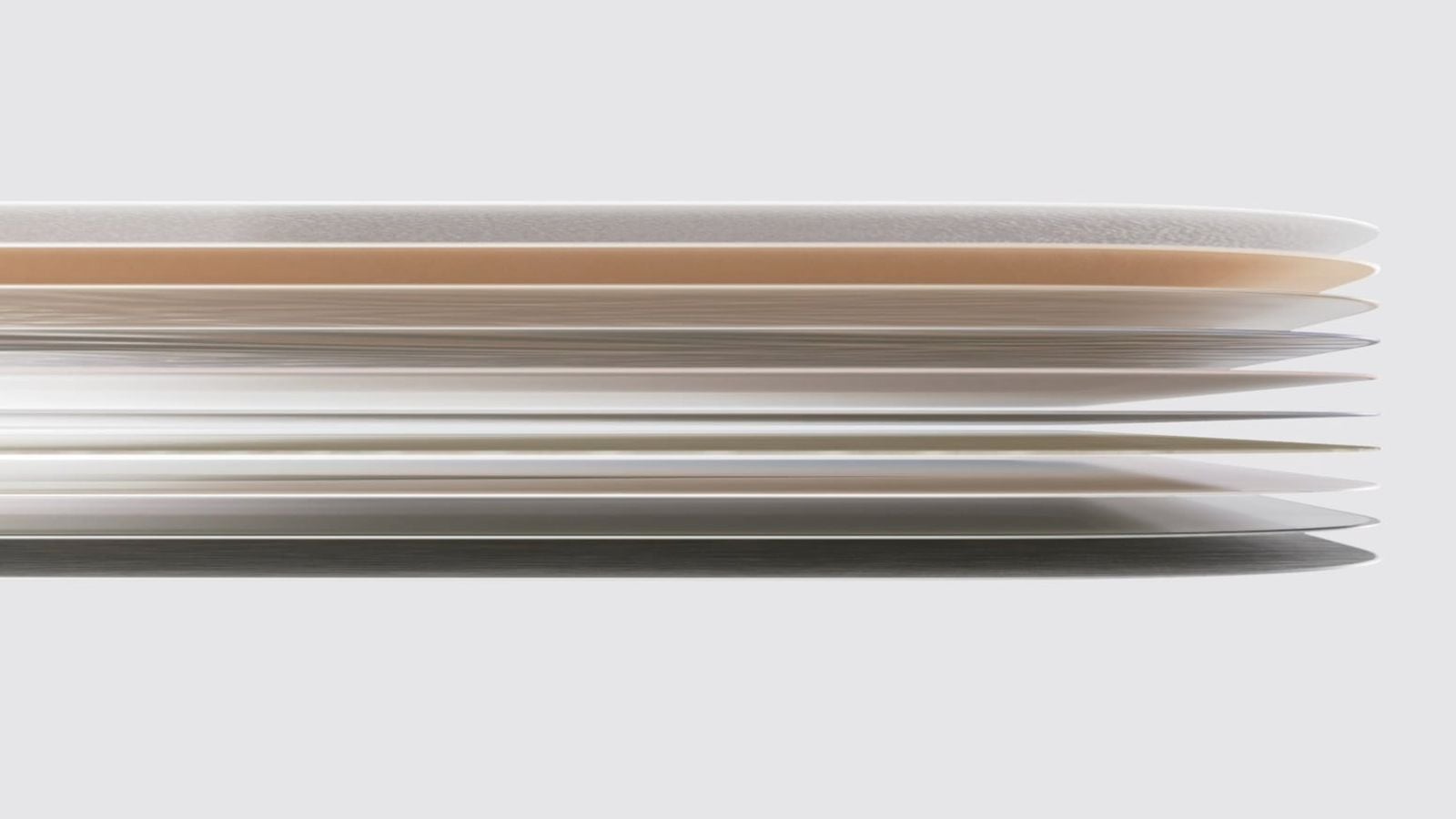
The internal screen in the iPhone Duo uses a 10-layer design, very thin, designed by Apple to withstand repeated use and folding. These layers include a cover made of a special material that is 40% more rigid compared to other materials used in foldable phones, along with layers of strong glass and a layer of titanium. Apple also used special adhesives that allow the layers to move smoothly over each other while opening and folding the phone, reducing pressure on the screen. The outer cover with its special texture helps reduce light reflection and makes the crease less visible, with an additional layer for scratch resistance. The external screen is protected by a Ceramic Shield 2 layer like the iPhone 18 Pro, while the back of the phone has a ceramic shield layer. Both screens support ProMotion, Always-On display, and True Tone features, with outdoor brightness reaching up to 3000 nits at peak levels.
This is what Apple says about the crease in the iPhone Duo
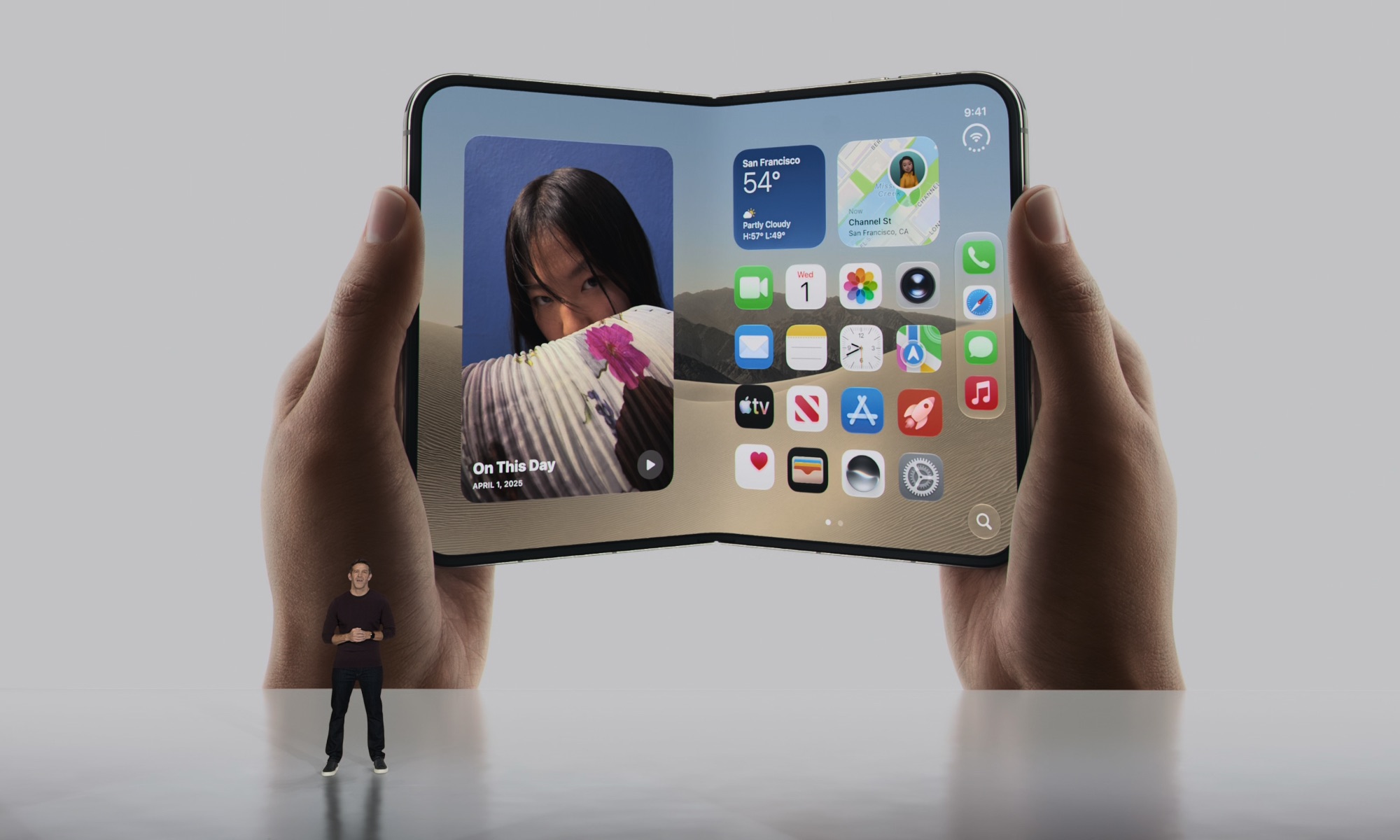
Before the launch of the foldable iPhone Duo, rumors indicated that Apple was working on minimizing the crease visible in the middle of the screen, which is present in all foldable phones and can become more visible with frequent opening and closing. When asked officially if the internal screen shows a crease in the folding area, Apple described it as wonderfully flat and smooth, but did not explicitly say the crease is non-existent.
Apple explains that using a layer with a special texture reduces light reflections and helps make the crease less visible, while transparent adhesives allow the internal layers to move smoothly while folding the screen, reducing pressure on it. Apple did not reveal how many folds the phone can withstand, but says the phone’s hinge is designed to work smoothly and reliably for a long time, consisting of over 100 components, with supports and a titanium layer beneath the screen. For comparison, Samsung mentions that the Z Fold 8 can withstand up to 500,000 folding cycles.
iPhone 18 Pro operates with eSIM only in these countries
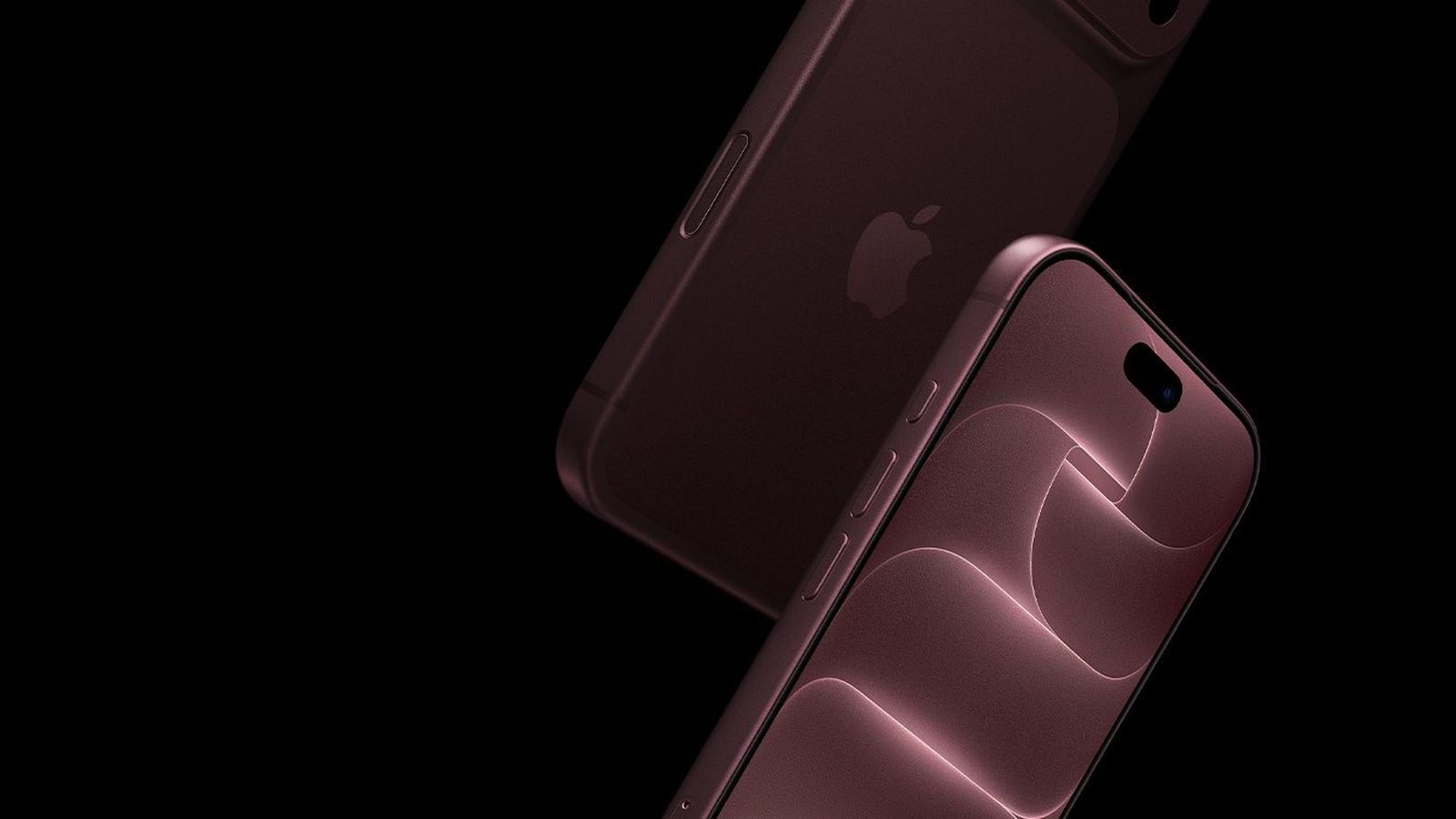
Apple continues to gradually abandon the traditional SIM card slot in iPhones. The iPhone 18 Pro and 18 Pro Max versions come without a physical SIM tray in Bahrain, Canada, Japan, Kuwait, Mexico, Oman, Qatar, Saudi Arabia, the UAE, the United States, and others, which are the same countries where the iPhone 17 Pro series relied on eSIM only, so there is no change this year.
In the rest of the world, including Britain and most European countries, the phone still contains a slot for a traditional SIM alongside eSIM support, while SIM options vary in China. eSIM is simply a digital SIM card embedded inside the phone instead of the usual plastic card. Apple says that removing the SIM tray allows for a larger battery, and it also sees eSIM as more secure because it cannot be easily removed from the phone in case of loss or theft, and multiple digital SIMs can be kept on the phone, making it easier to use different numbers while traveling. As for the foldable iPhone Duo, it comes with a design that relies on eSIM only worldwide.
iPhone Duo arrives with iOS 27.1
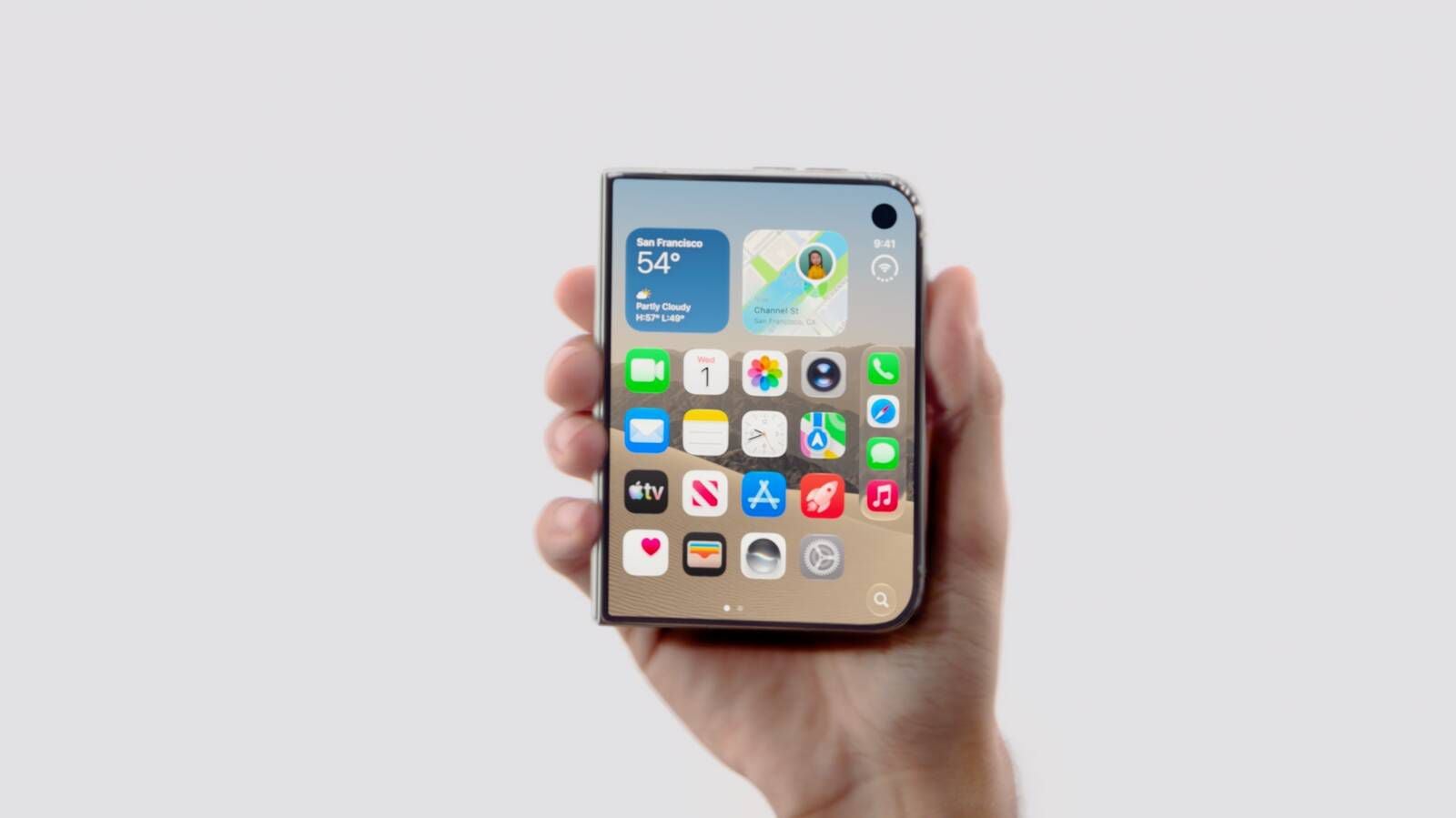
Apple announced that the iPhone Duo will be released on October 23, pre-loaded with iOS 27.1. The update will add special adjustments to suit the device’s dual screens with a new vertical dock interface, while iPhone 18 Pro models will arrive in September with the base version iOS 27. Thus, it appears that Apple is adopting a staggered schedule for releasing its devices and updates during the fall.
iPhone Duo does not support Apple Pencil Pro
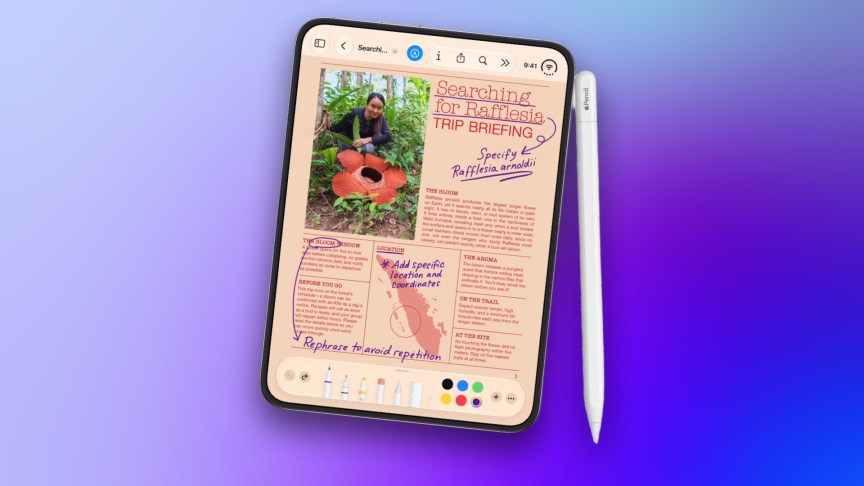
The iPhone Duo supports the use of the Apple Pencil equipped with a USB-C port, while it does not work with the Apple Pencil Pro. The reason is likely the lack of a magnetic surface on the phone to charge the Pro pencil, as this pencil relies on magnetic charging when attached to compatible iPads, whereas the USB-C version charges through a hidden port under a sliding cover. The USB-C pencil costs about $79, but it lacks some advanced features like pressure sensitivity, double-tap, and haptic feedback, while supporting tilt detection.
The iPhone Duo will be the first iPhone to support the Apple Pencil, and the pencil can be used on both the internal and external screens, but this feature will not be available at the phone’s launch and will arrive later this year.
Apple reveals battery capacities for iPhone 18 Pro and 18 Pro Max
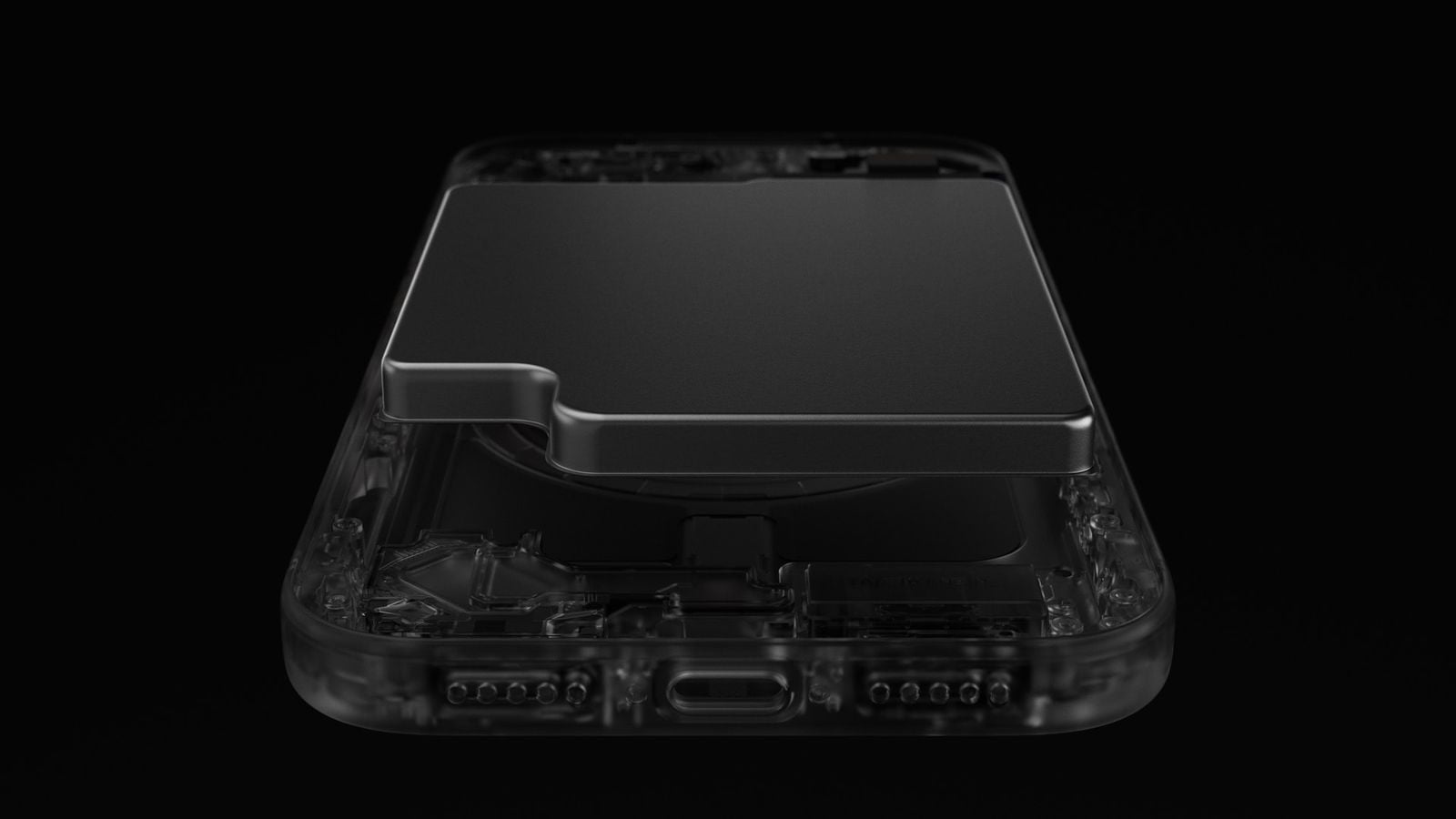
Apple officially revealed the battery capacities of the iPhone 18 Pro and 18 Pro Max through energy labels that European laws require to be displayed on product pages. According to data for versions containing a SIM tray:
– The iPhone 18 Pro battery capacity is about 4056 mAh, an increase of 1.7% over the iPhone 17 Pro.
– While the iPhone 18 Pro Max capacity reaches 5391 mAh, a significant increase of 11.7% compared to the previous generation. This means the Pro Max received a much larger increase in battery capacity compared to the Pro.
iPhone 18 Pro Max is heavier than the iPhone 17 Pro Max and not thicker
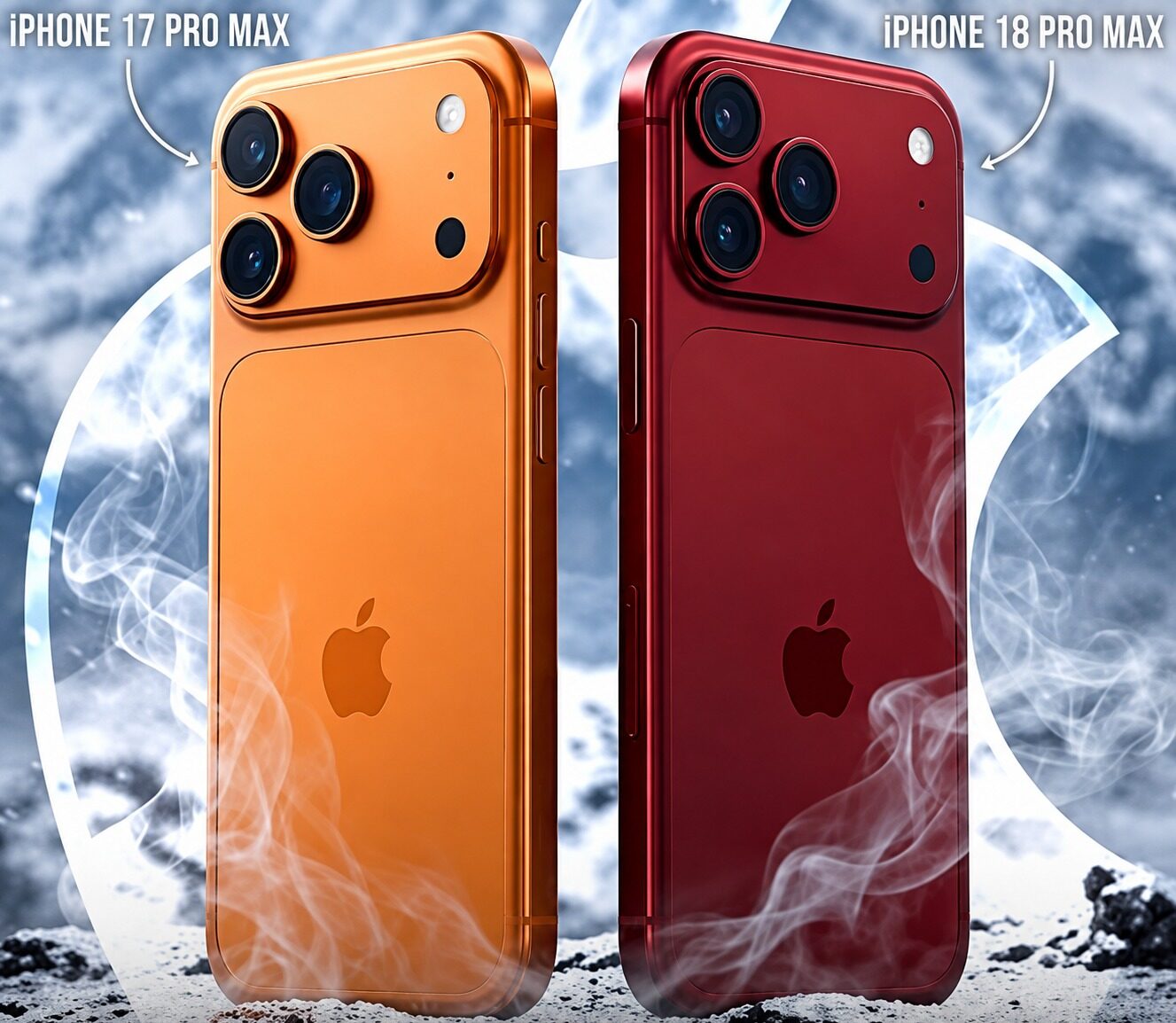
Contrary to rumors about an increase in phone thickness, the iPhone 18 Pro Max comes with the exact same dimensions as the iPhone 17 Pro Max, which are 163.4 × 78 × 8.75 mm, but it is 16 grams heavier. The iPhone 18 Pro Max weighs 249 grams compared to 233 grams for the previous generation, making it the heaviest traditional iPhone to date, surpassing the iPhone 14 Pro Max which weighed 240 grams.
As for the iPhone 18 Pro, it weighs 211 grams compared to 206 grams previously. The extra weight may be due to the increased battery capacity or the new cooling system, which is about three times larger for better heat dissipation, helping the A20 Pro chip deliver strong performance for longer. The 18 Pro Max battery also provides up to 6 hours of additional video playback compared to the previous generation. Despite its weight of 249 grams, the 18 Pro Max remains slightly lighter than the iPhone Duo, which weighs 254 grams, making it the heaviest iPhone Apple has ever made. Since the dimensions of the 18 Pro and 18 Pro Max have not changed, they should be compatible with iPhone 17 Pro and 17 Pro Max cases.
iPhone 18 Pro and 18 Pro Max use different modems
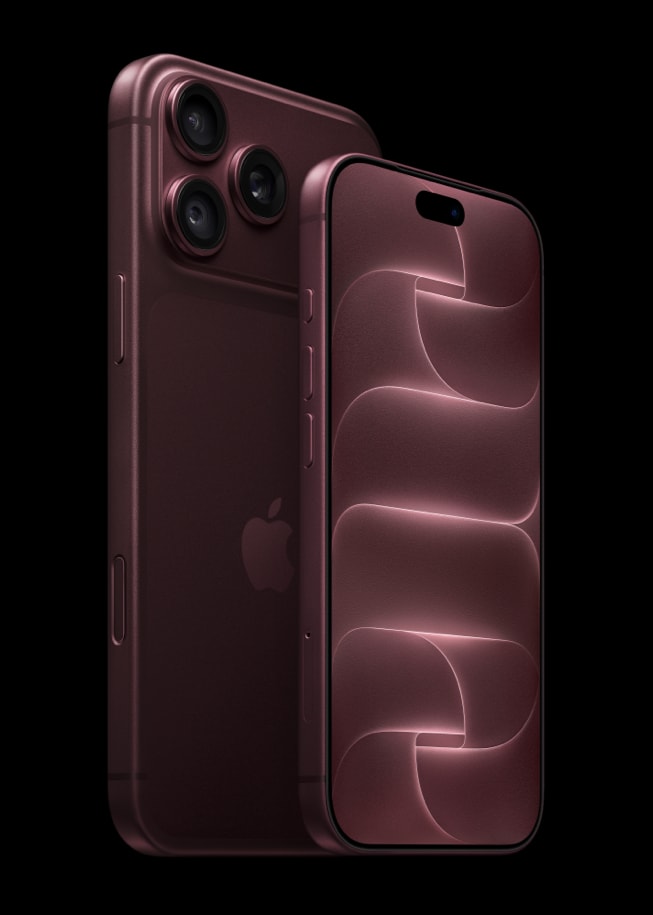
It seems that Apple is using different cellular modems inside the iPhone 18 Pro and 18 Pro Max, at least in the United States; the specifications page states that the iPhone 18 Pro uses Apple’s new C2 modem, while this modem name does not appear in the 18 Pro Max specifications. Both phones support the N1 chip designed by Apple, which provides Wi-Fi 7, Bluetooth 6, and Thread, while the C2 modem offers AI-based improvements to enhance call quality and stability, with support for 5G networks.
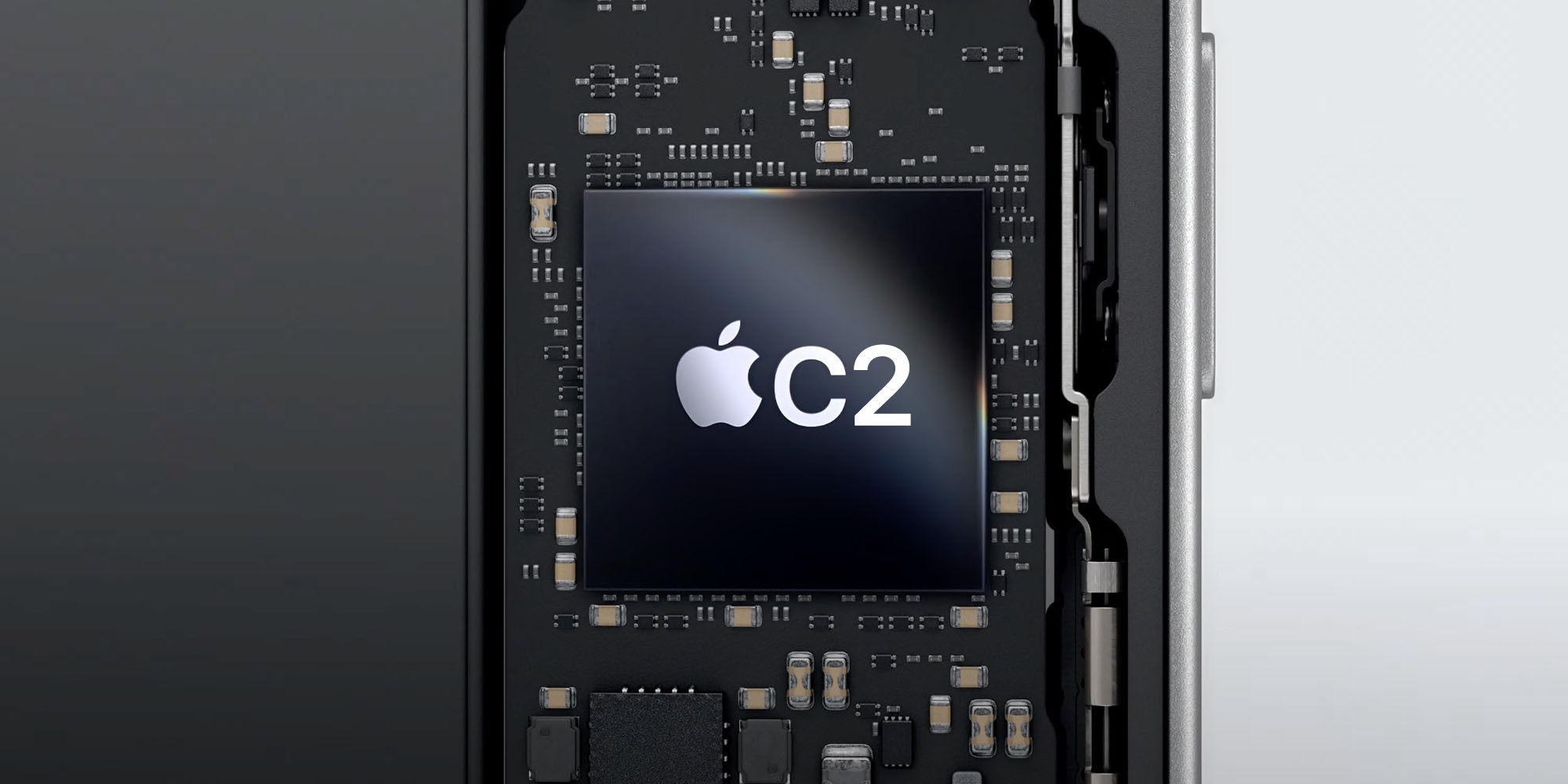
The reason for the difference in modems between the two phones is not yet known, but previous rumors indicated that some iPhone 18 devices might continue to use a Qualcomm modem, and the reason might be related to component availability. It is possible that versions sold outside the United States use the C2 modem in both models. The C2 also features higher speed and better power efficiency compared to the C1X modem, but it is not yet clear how its performance will compare to the modem used in the 18 Pro Max.
RAM capacity in iPhone 18 Pro and 18 Pro Max
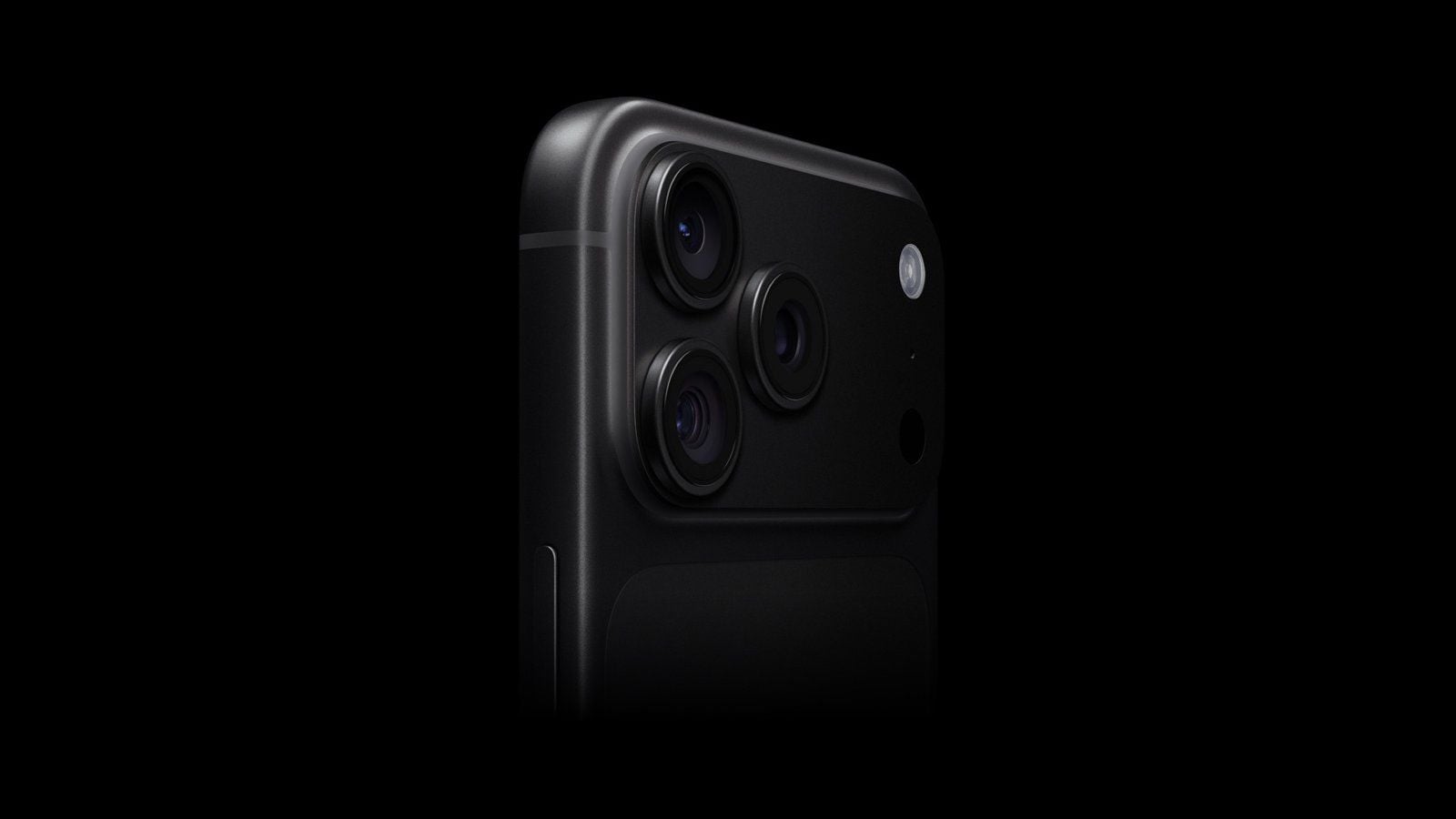
Apple usually does not reveal the RAM capacity in its phones, but the specifications of the iPhone 18 Pro and 18 Pro Max were confirmed through the latest version of Xcode 27, where both phones contain 12GB of RAM, which is the same capacity found in the iPhone 17 Pro and 17 Pro Max, meaning there is no increase over the previous generation.
As for the iPhone Duo, although Xcode does not support it yet, it uses the same A20 Pro chip found in the 18 Pro models, so it is expected to also come with 12GB of RAM.
Apple releases final test versions of iOS 27 and iPadOS 27
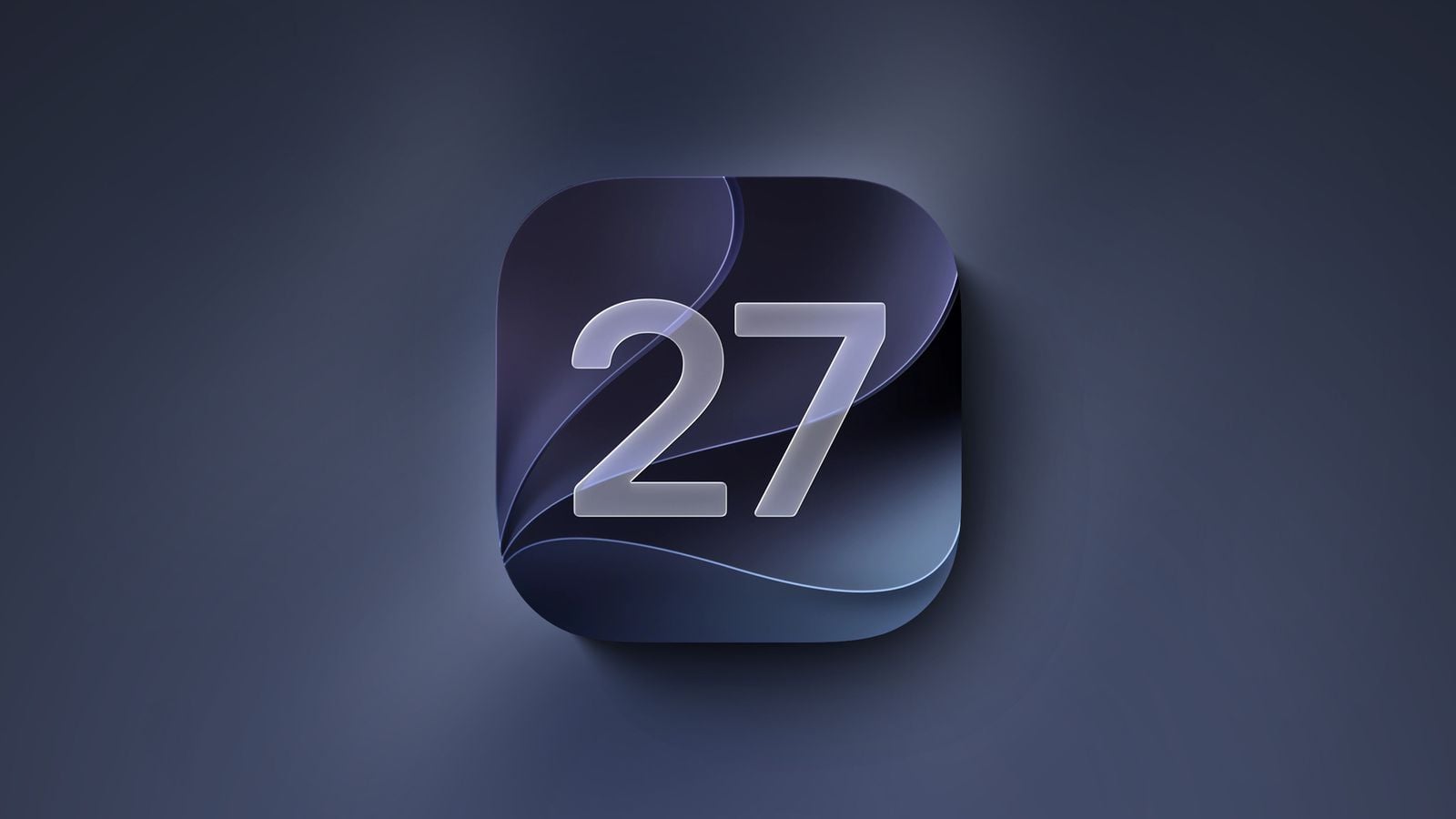
Apple sent the final beta versions of iOS 27 and iPadOS 27 to developers and testers, marking the last stage before the official release if no issues appear. The new update introduces a smarter version of Siri called Siri AI, with improvements in apps like Photos, Safari, and Wallet, in addition to a standalone Siri app and new writing and visual assistance features. Apple also improved system speed and performance, making app launching and file transfers faster even on older devices, along with appearance improvements such as clearer liquid glass and transparency control options.
Apple discontinues the iPhone 17 Pro and 17 Pro Max
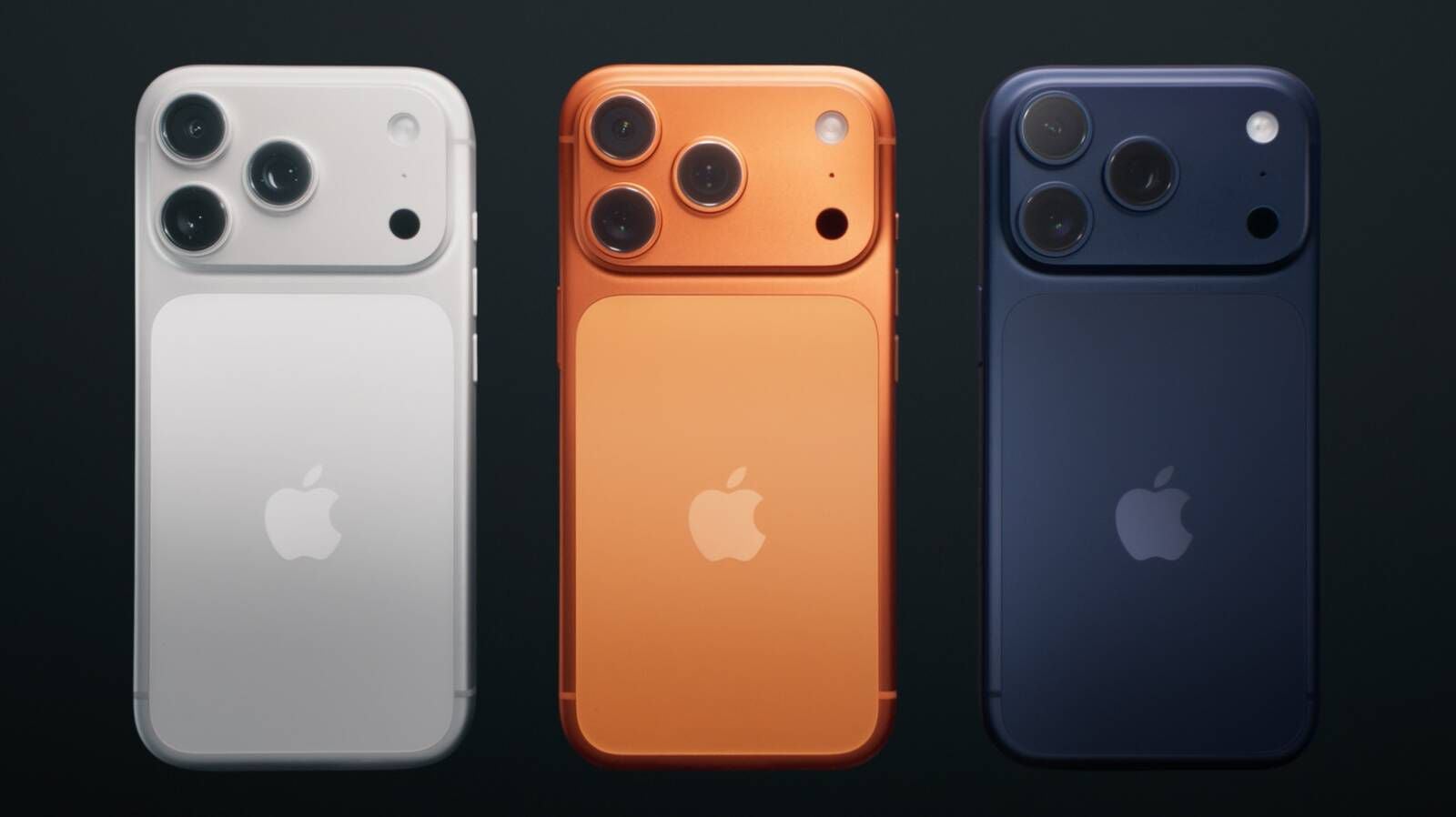
After announcing the iPhone 18 Pro and 18 Pro Max, Apple stopped selling the iPhone 17 Pro and 17 Pro Max through its official store, a standard procedure the company follows when launching the new generation of its professional phones. Both models were launched in September 2025 and were powered by the A19 Pro chip, with a triple rear camera system at 48 megapixels for each lens, alongside an 18-megapixel front camera. Apple also abandoned the titanium frame used in the previous generation, replacing it with a unified aluminum design that includes a new cooling system for the phone to improve performance during overheating, with 6.3 and 6.9-inch screens.
The iPhone 17 Pro price started at $1099, while the 17 Pro Max started at $1199 in the United States. With their discontinuation, the iPhone 18 Pro series became the latest generation, and Apple raised the prices of several other iPhone models on its online store.
Lawsuit against Apple for patent infringement related to Face ID

trinamiX, a subsidiary of the German BASF group specializing in chemical industries, filed a lawsuit against Apple in the United States, accusing it of infringing on seven patents related to the facial verification technology used in Face ID. The company says it spent years developing technology that prevents spoofing of facial unlocking systems using a photo, a fake mask, or a silicone copy of a real person’s face.
According to the lawsuit, the first version of Face ID that appeared with the iPhone X in 2017 did not use its technology, but Apple later began using similar techniques in some iPhones and iPads, as the technology can distinguish between real human skin and materials like photos and masks, which helps detect spoofing attempts that traditional facial recognition methods might not be able to detect.
The lawsuit includes a large number of Apple devices, including iPhone 15, 16, and 17 models, iPhone Air, and a number of iPad Pro devices. trinamiX is asking the court to stop Apple from manufacturing, selling, or importing devices that allegedly infringe on the patents, in addition to financial compensation and coverage of legal fees, with a request for a jury trial.
Xiaomi unveils its foldable iPhone Duo competitor
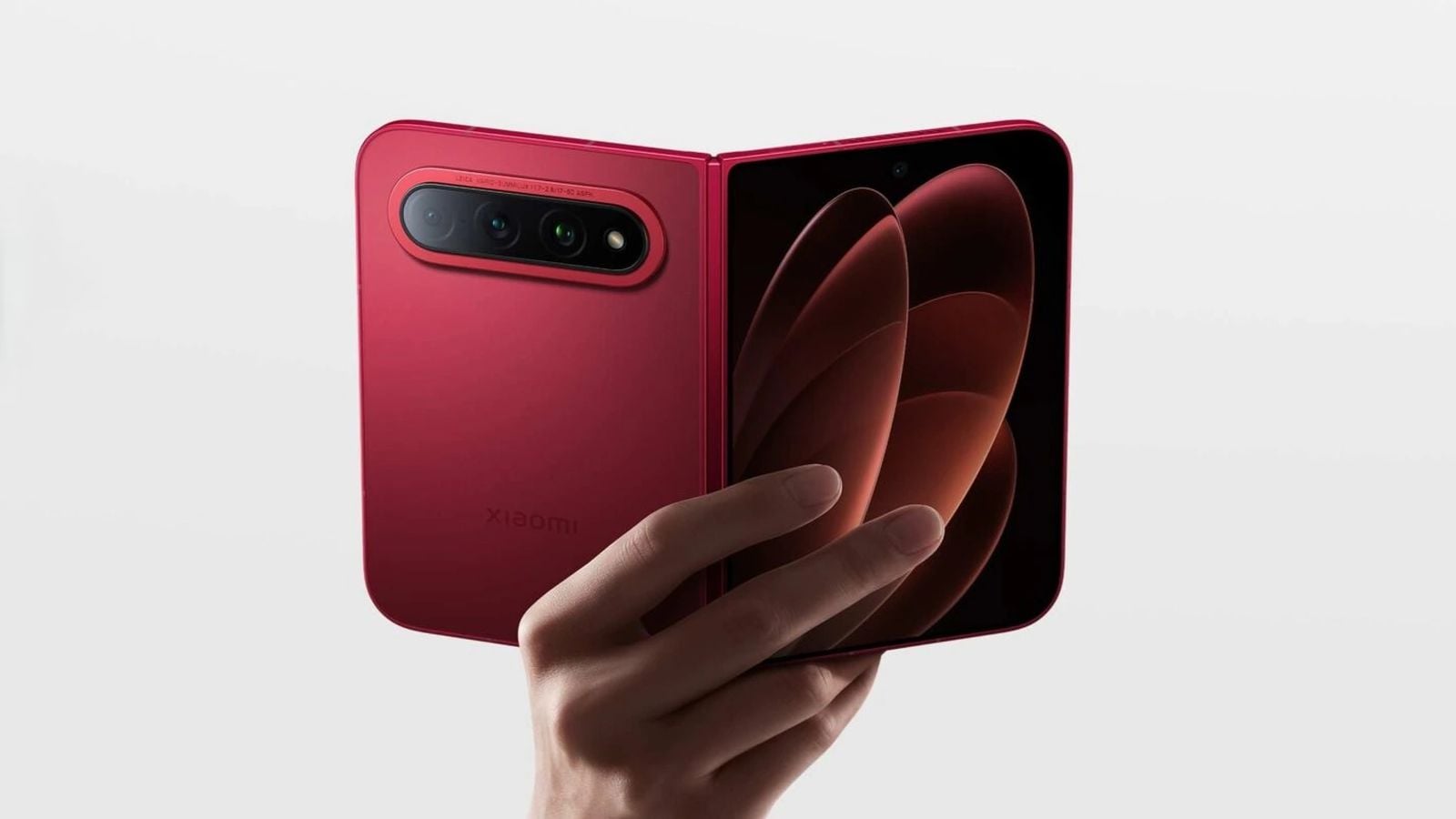
Xiaomi officially unveiled the Xiaomi 18 Fold, the company’s first foldable phone with a wide horizontal design, just a few days before Apple’s expected announcement of its first foldable iPhone. The phone comes with a 5.38-inch external screen and a 7.58-inch internal screen, both at 120Hz and brightness reaching 4000 nits, with protection by a two-layer ultra-thin glass.
The phone relies on a new hinge that Xiaomi calls “Dragon Bone”, which underwent hundreds of improvements to offer a more rounded design. It is also the first flagship phone from the company to use the Xring O3 chip made with 3nm technology, which Xiaomi says offers a significant leap in processor and graphics performance with lower power consumption, in addition to a dedicated unit for AI tasks.
On the back, there are three cameras developed by the company in collaboration with Leica, with 200 megapixels for the main camera, 50 megapixels for the ultra-wide, and 50 megapixels for optical zoom, while the iPhone Duo is expected to settle for two rear cameras without a dedicated zoom lens.
The phone runs on HyperOS 4 and includes a massive 6000 mAh battery with 67W wired charging and 50W wireless charging. Its price starts at about $1638, while the top version reaches about $2235, with a special ceramic version priced at nearly $2384. So far, Xiaomi has not announced a release date for the phone outside China, while expectations indicate that the iPhone Duo price will exceed $2000.
Miscellaneous News
◉ Anthropic added support for the Claude app on CarPlay, allowing users to talk to the assistant directly via the car screen without needing to use their hands. This feature came after Apple allowed in the iOS 26.4 update the integration of third-party chat apps with CarPlay, provided they adhere to official Apple templates and support voice control. Claude users can start a new conversation or continue their previous conversations from the CarPlay interface, with options to mute or resume the conversation, but the app cannot control car functions or the iPhone itself.
◉ Apple is facing a $2.7 billion lawsuit in London, accusing it of imposing stricter rules on app developers regarding the App Tracking Transparency feature compared to its own advertising services. The case was filed before the British Competition Appeal Tribunal after a previous ruling that ordered Apple to pay £1.5 billion due to App Store commissions, a ruling the company is still appealing. The new lawsuit needs court approval before its proceedings can officially begin.
Sources:
1 | 2 | 3 | 4 | 5 | 6 | 7 | 8 | 9 | 10 | 11 | 12 | 13 | 14 | 15 | 16 | 17



Leave a Reply