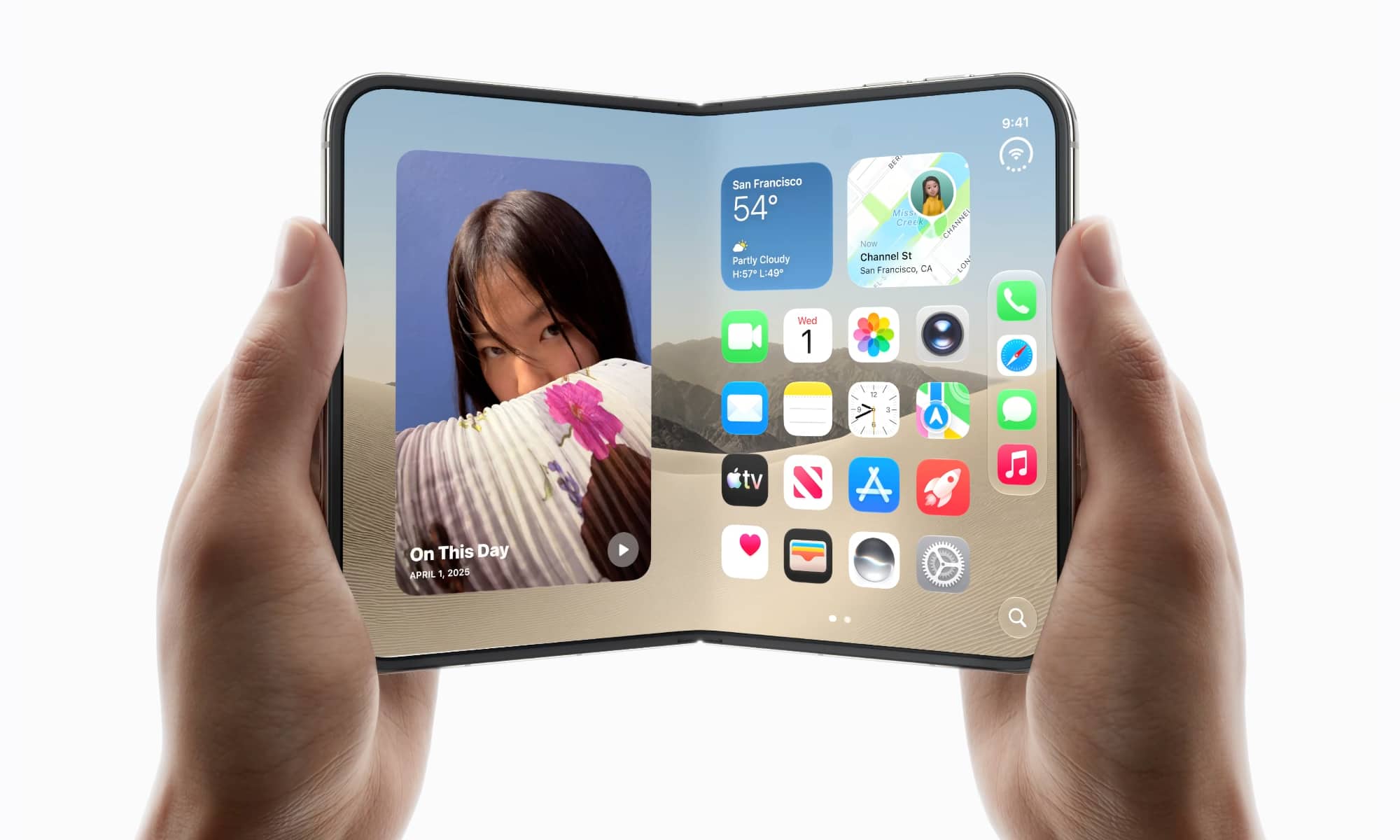
The new iPhone Duo is considered Apple’s boldest move since the launch of the iPhone X, and perhaps in the entire history of its mobile devices. While it is true that Apple was late to join the foldable phone trend, its entry was far from ordinary; it arrived with a strict and distinct vision of what a foldable smartphone should be, making it clearly stand out from competing Android phones. However, following in the footsteps of the iPhone 17 Air, this phone combines innovative engineering with a series of strange compromises. The only thing that truly seems superior is its high price, while the iPhone 18 Pro models outperform it in terms of hardware specifications, especially the cameras.
A Unique Phone with Unconventional Compromises and Details
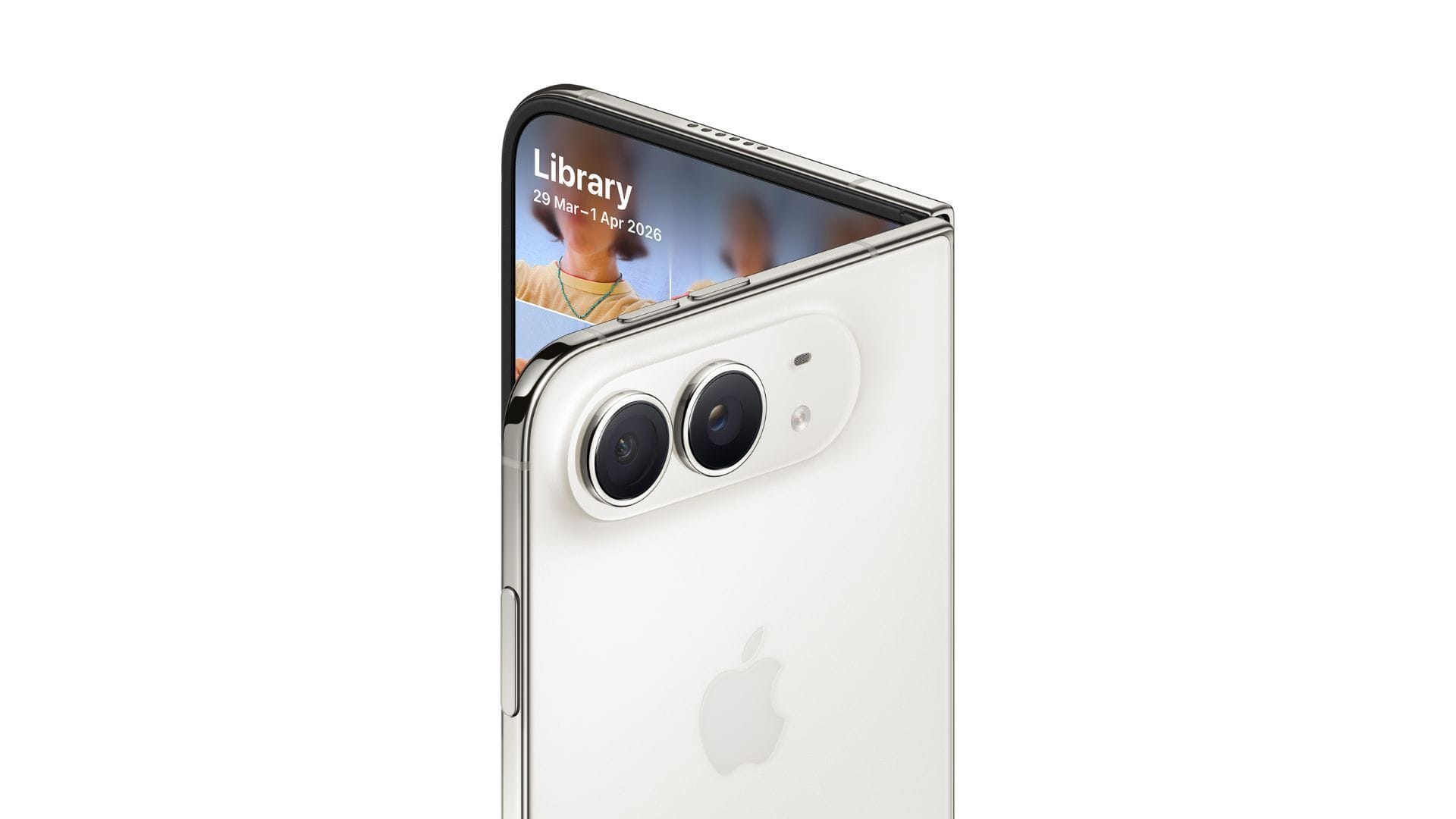
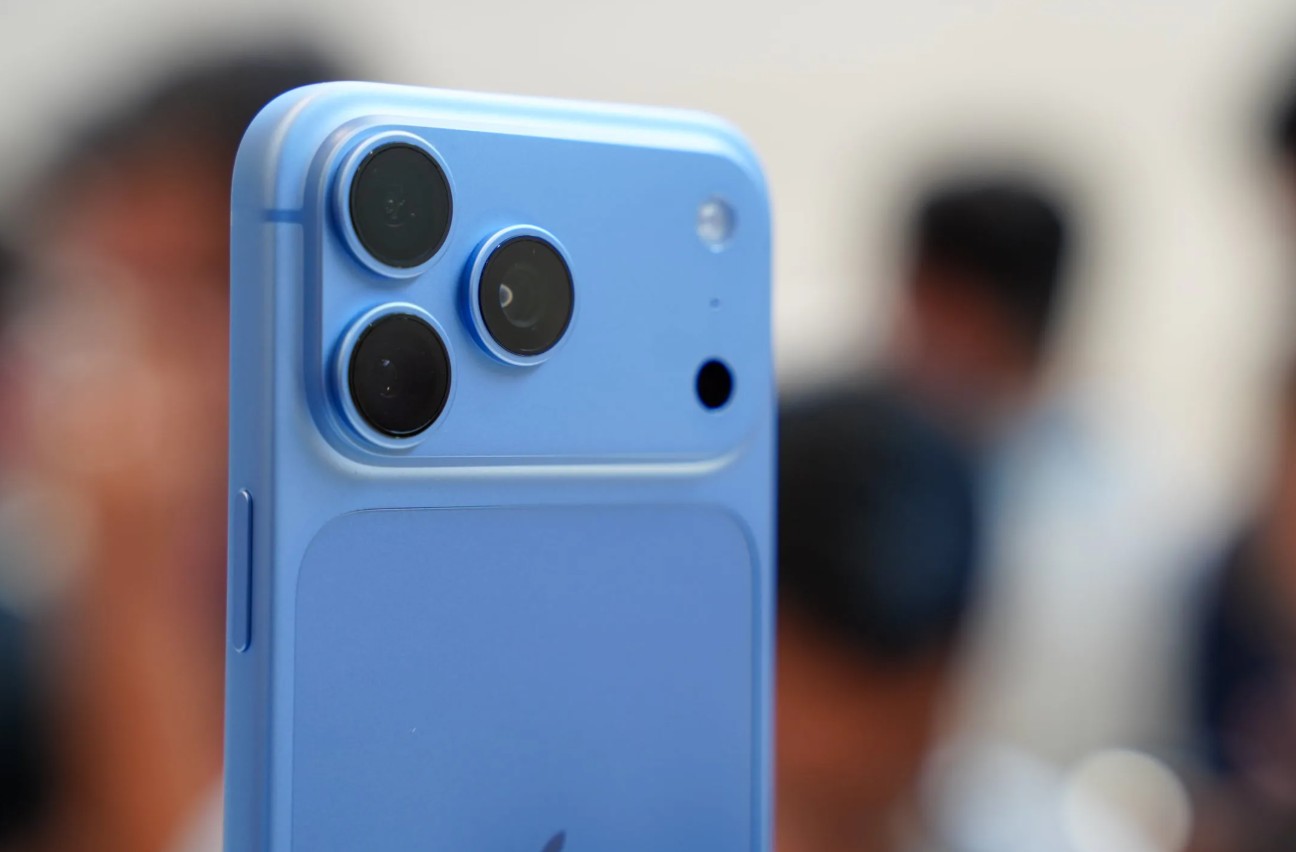
Looking at the rear camera system on the iPhone Duo, we find it makes do with just two lenses—main and ultra-wide—similar to the standard iPhone 17. Despite the sensor upgrade and the adoption of the A20 Pro chip for image processing and support for new photographic styles, it remains behind the Pro models. But beyond the cameras and the obvious external design, this device holds seven surprises and hidden details—some very positive and others puzzling—that make the user experience completely different from any traditional iPhone or even any other foldable phone on the market.
The Under-Display Internal Camera Remains a Mysterious Puzzle

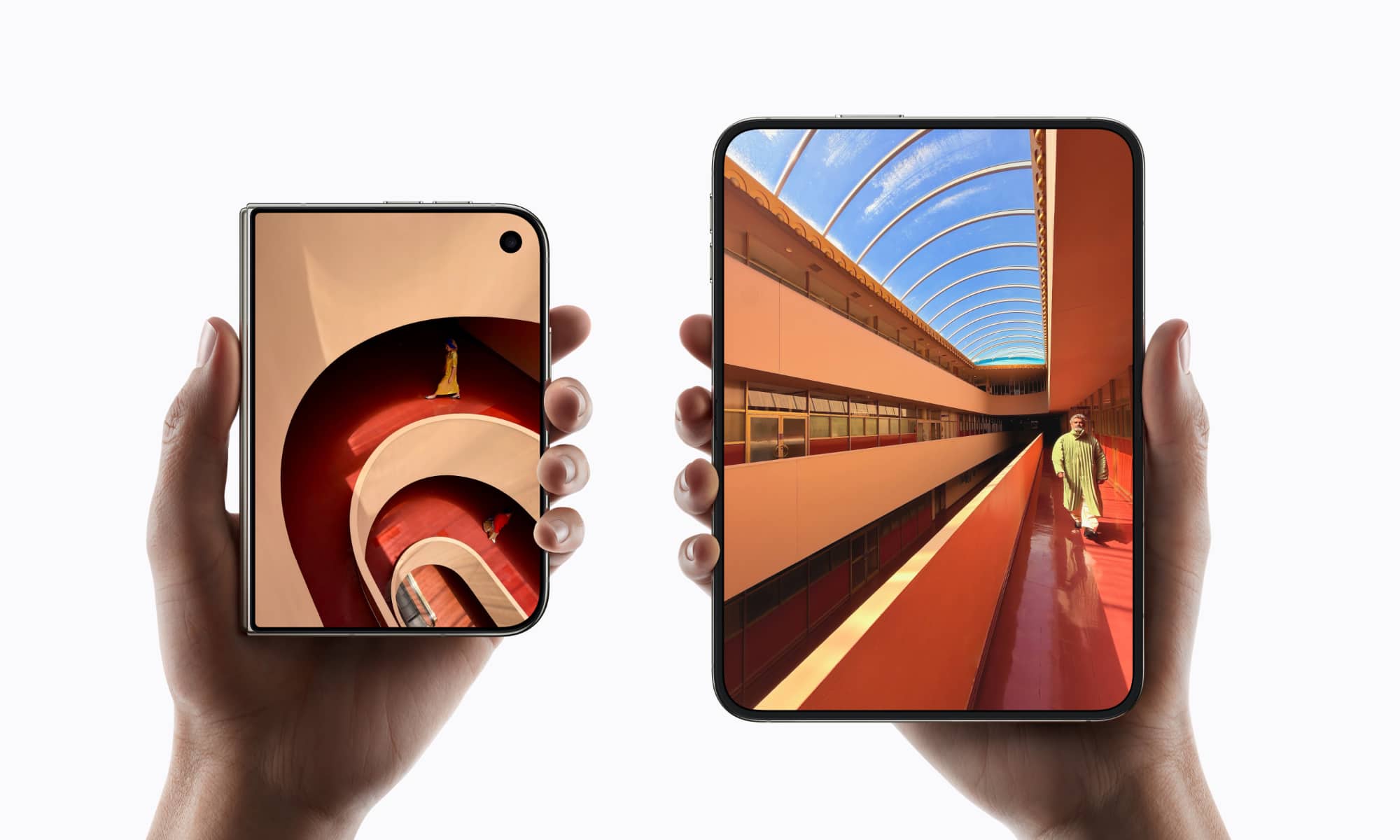
While the rear cameras are almost identical to the iPhone 17, the front cameras—both on the external and internal screens—come with lower-than-expected specifications. The primary front camera on the external screen is only 12 megapixels, the same resolution as previous generations, despite supporting the Center Stage feature that allows everyone to stay in the frame and capture horizontal group photos without needing to rotate the phone, thanks to the use of a square sensor. However, this resolution remains lower than the 18-megapixel selfie cameras found in the iPhone 17, iPhone 17 Air, and the iPhone 18 Pro series.
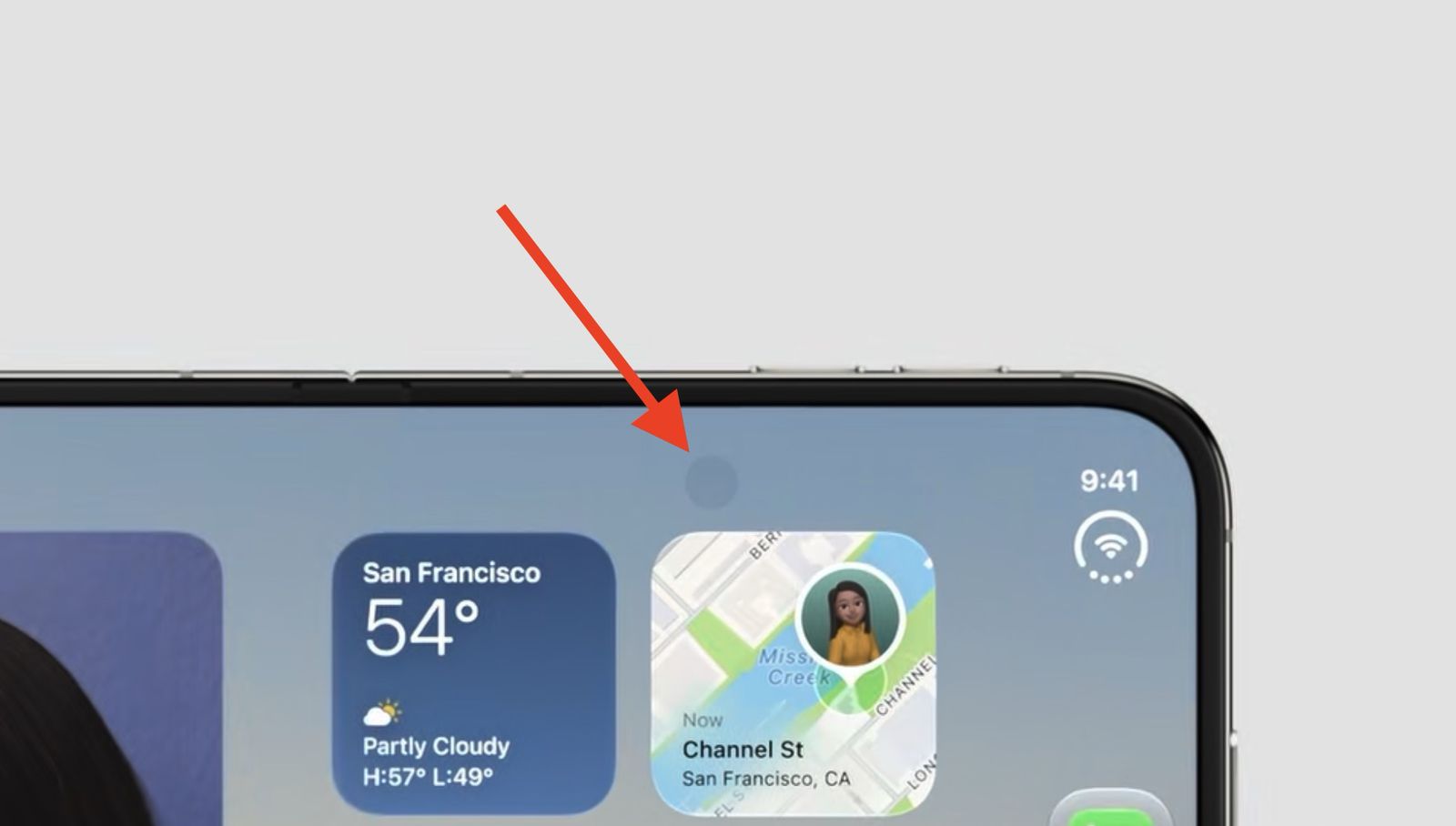
The most controversial aspect is the internal FaceTime camera buried beneath the foldable screen; Apple has not published any detailed specifications for it, except for its ability to record 1080p video at 30 or 60 frames per second, compared to the external camera which records in 4K Dolby Vision. Although it comes with an f/1.8 aperture to help capture light, it seems this wide aperture was an engineering necessity to penetrate the layers of the screen covering it, which suggests its resolution and actual performance are modest.
The Absence of the Action Button… and No Return of the Mute Switch
The iPhone Duo is the first iPhone released in two years without an Action Button. Some might think that giving it up is not a big deal for those accustomed to older phones, but the shocking truth is that the Action Button was originally introduced to replace the traditional ring/silent switch that had persisted since the first iPhone in 2007. With the removal of the Action Button on the iPhone Duo, Apple did not bring back the classic switch either.
This change means that muting the iPhone Duo now relies entirely on software controls within the system. Interestingly, Apple equipped the phone with the Camera Control button, which makes us wonder: wouldn’t it have been better for users to forgo the dedicated camera button in favor of the Action Button, which offers practical functions and much broader customization on a productivity-focused phone?
3. MagSafe Charging is Present… But with Physical Conditions
After months of debate about the possibility of supporting magnetic wireless charging, the conference brought good news: the iPhone Duo supports MagSafe technology with charging speeds of up to 25W, just like the iPhone 18 Pro, provided a suitable MagSafe charger and a 30W or higher power adapter are used. Electronically, the system operates at the highest possible efficiency for any magnetic charger.
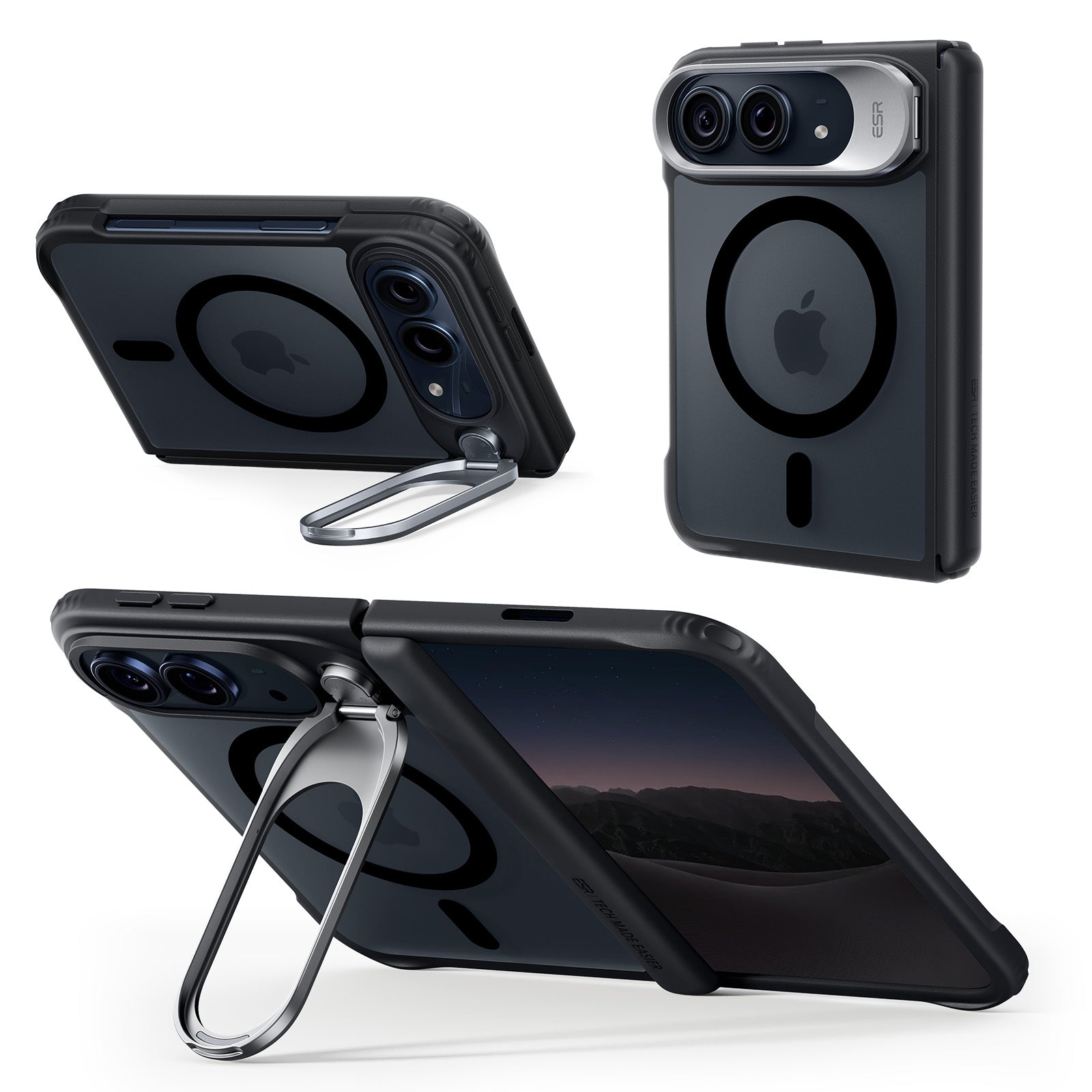
However, the dilemma lies in the physical space behind the device; its passport-like design leaves very little distance between the MagSafe ring and the protruding rear cameras. This means that many current accessories—especially magnetic power banks and card wallets—will not fit and may collide with the camera edge and fail to attach, a scenario we previously experienced with the iPhone 13 Pro, which will require waiting for accessories specifically designed for its new dimensions.
Full IP68 Standard for Water and Dust Resistance
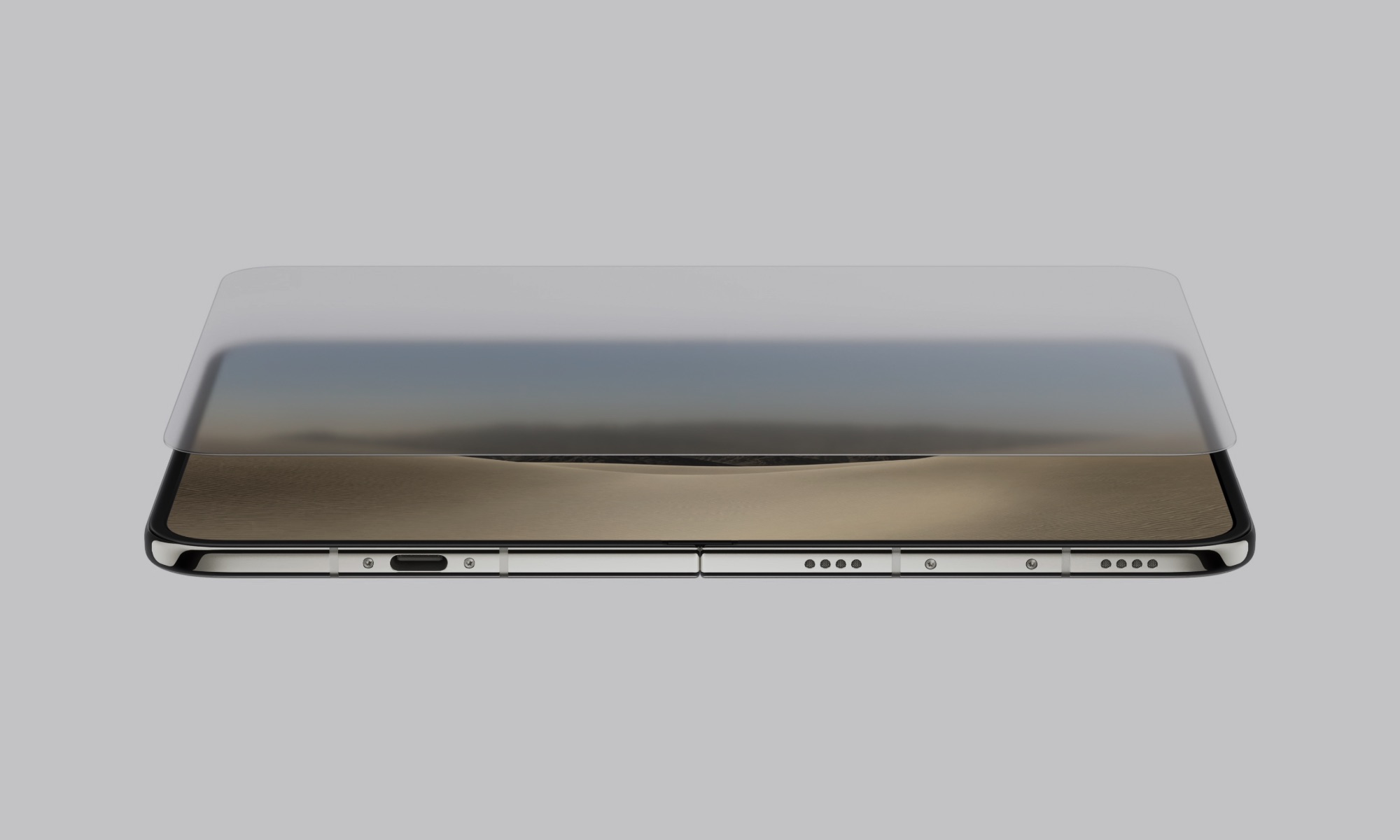
In terms of durability, Apple has achieved a qualitative leap that makes the iPhone Duo one of the rare foldable devices to offer the full IP68 standard for dust and water resistance, meeting the same strict Apple criteria as other iPhones: surviving up to 6 meters underwater for up to 30 minutes.
While water resistance is now available in some competing phones, dust resistance has historically been the biggest challenge in manufacturing hinges and flexible screens. The Samsung Galaxy Z Fold 8, for example, is limited to the IP48 standard and water resistance to a depth of only 1.5 meters, while it took Google generations to reach IP68 in its foldable phone. Apple providing this high level of protection in the first generation is a notable engineering victory for the hinge and the external chassis.
Apple Pencil Support
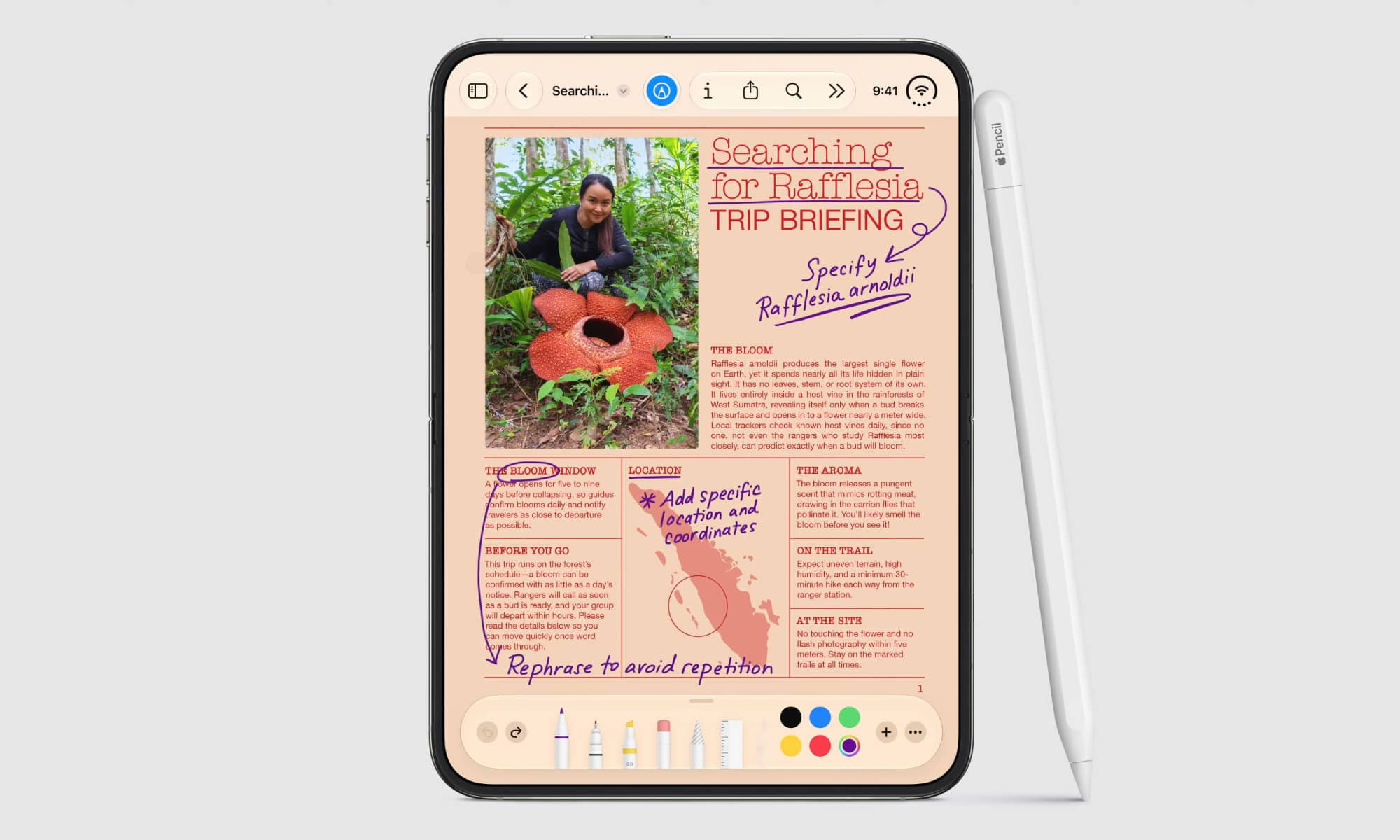
The long-awaited surprise that will delight productivity enthusiasts is bringing Apple Pencil support to the iPhone for the first time. Although previous rumors suggested Apple had backed away from the idea, the company decided to allow the use of the stylus to take advantage of the wide internal screen, which mimics the experience of mini iPads.
However, this support comes with clear limitations; the device only supports the USB-C Apple Pencil model, while it does not support the advanced Apple Pencil Pro. There is also no slot to store the pencil or attach it magnetically, making it a separate external tool that is difficult to carry, especially since the pencil is two inches longer than the folded phone. Furthermore, stylus support will not be available at the device’s launch, but will arrive later this year as part of the iOS 27.2 update.
Exclusive Software Features in iOS 27
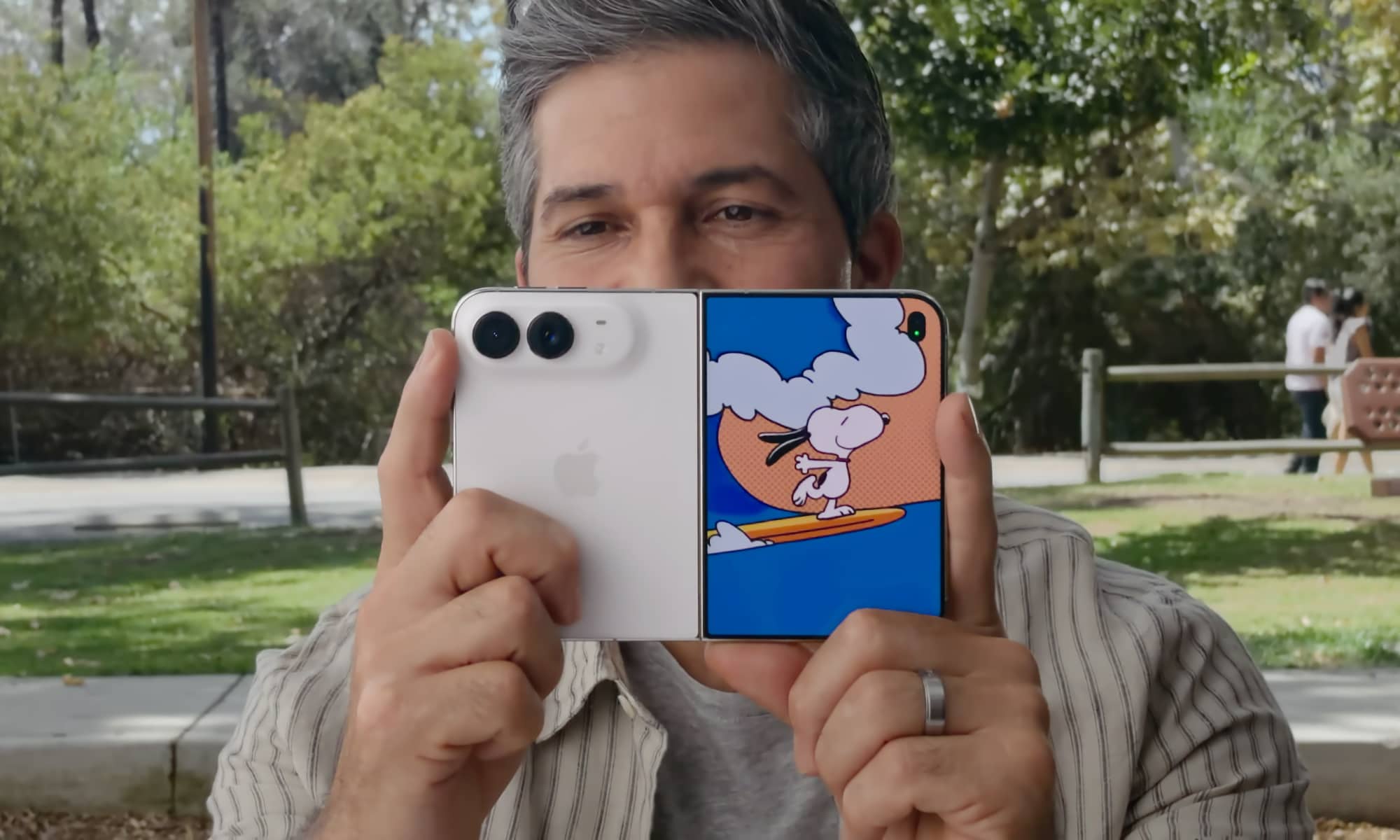
In addition to running iOS 27, Apple has equipped the phone with exclusive software features that leverage the dual hardware. One of the smartest features is the addition of “Kid Cue,” which displays animated Peanuts characters on the external screen while taking photos to encourage children to look and smile at the camera, a clever use of the additional screen and the intellectual property rights Apple owns.
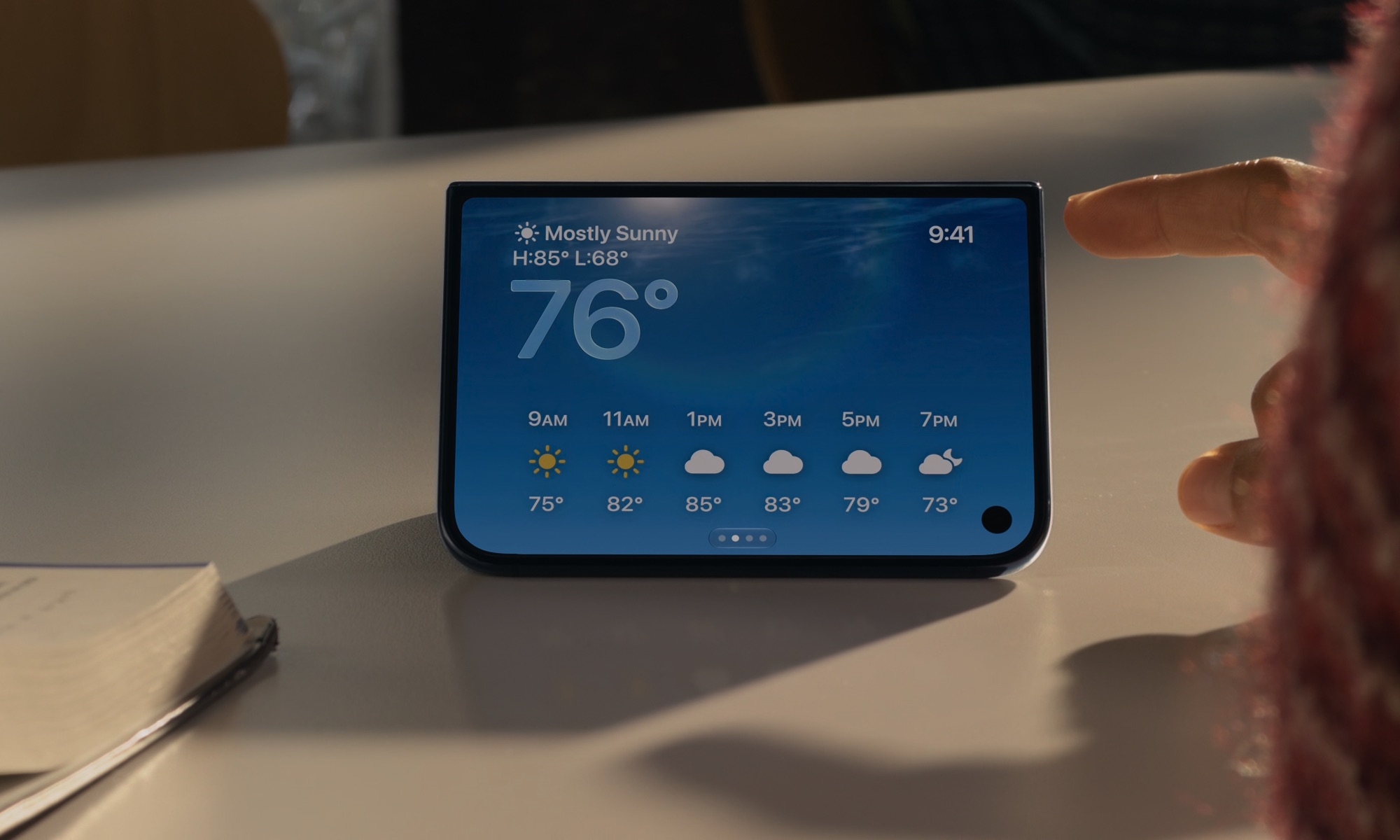
The device also enables the FaceTime Duo feature, which allows two people to appear together in a call using both cameras, and the Smart Take feature to automatically capture group photos as soon as people are steady in front of the lens. Additionally, StandBy mode works on the iPhone Duo without needing to be connected to a charger, thanks to the phone’s ability to stand at a right angle on its own on a table, alongside support for split-screen and true multitasking, which Apple is reserving for this foldable phone.
Apps Are in Dire Need of Rebuilding and Updating
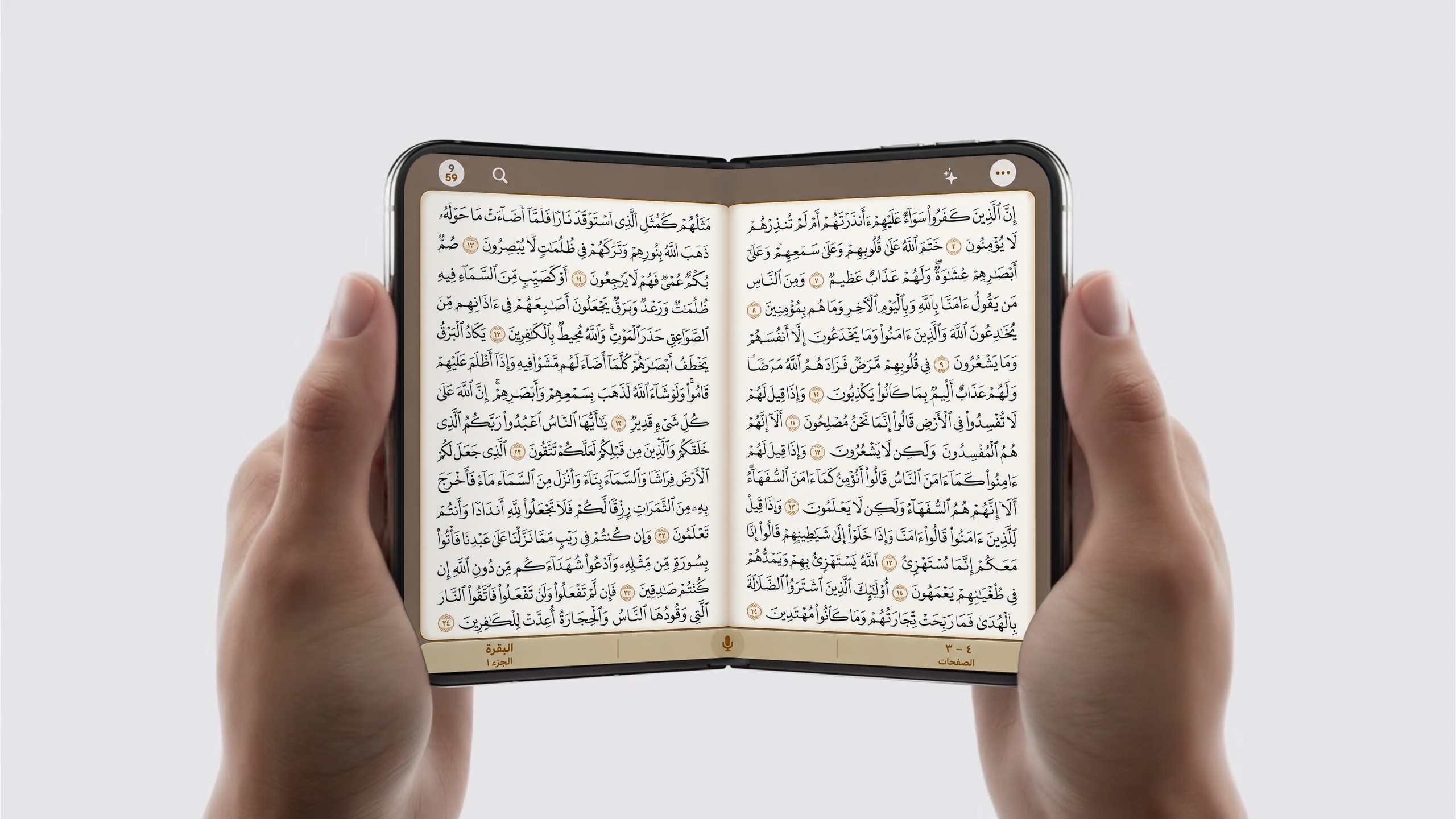
During the presentation, apps appeared to stretch and transition smoothly and seamlessly from the external screen to the large screen as soon as the phone was opened, but it is worth noting that this demonstration relied entirely on official Apple apps and some Phonegram apps like the “Al-Ketab” app. The current reality requires third-party developers to update their apps to support the iPhone Duo’s changing interfaces.
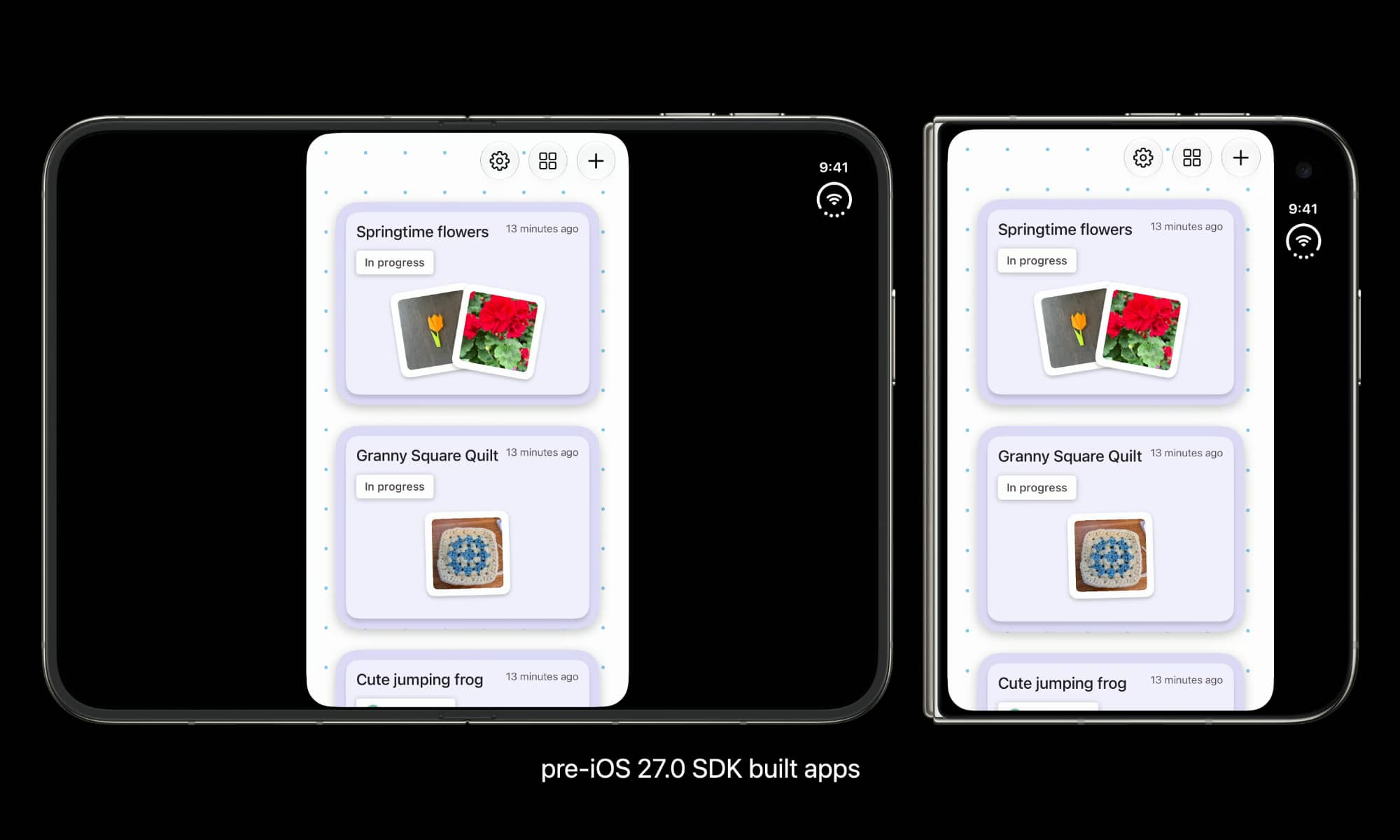
Older apps that have not been updated for iOS 27 will suffer from visual distortion; they will appear on the external screen with a black side bar, while on the internal screen, they will appear as a small rectangular phone screen floating in the middle of an empty black space. Although apps updated for iOS 27 will fill most of the display area, fully utilizing both screens and seamless transitions will require developers to rebuild and update their apps specifically for the iOS 27.1 package that the phone launches with.
Source:
Leave a Reply