When Apple unveiled the iPhone 18 Pro and iPhone 18 Pro Max, it was clear that they were not looking to reinvent the design from scratch. Instead, they focused all their attention on precise and effective hardware upgrades that impact actual performance, the camera system, battery life, and charging speed. If you own an iPhone 17 Pro and are wondering whether these additions are worth the upgrade or if waiting is the smarter choice, here is a detailed, comprehensive comparison that shows you exactly what you will get.
What did Apple keep unchanged?
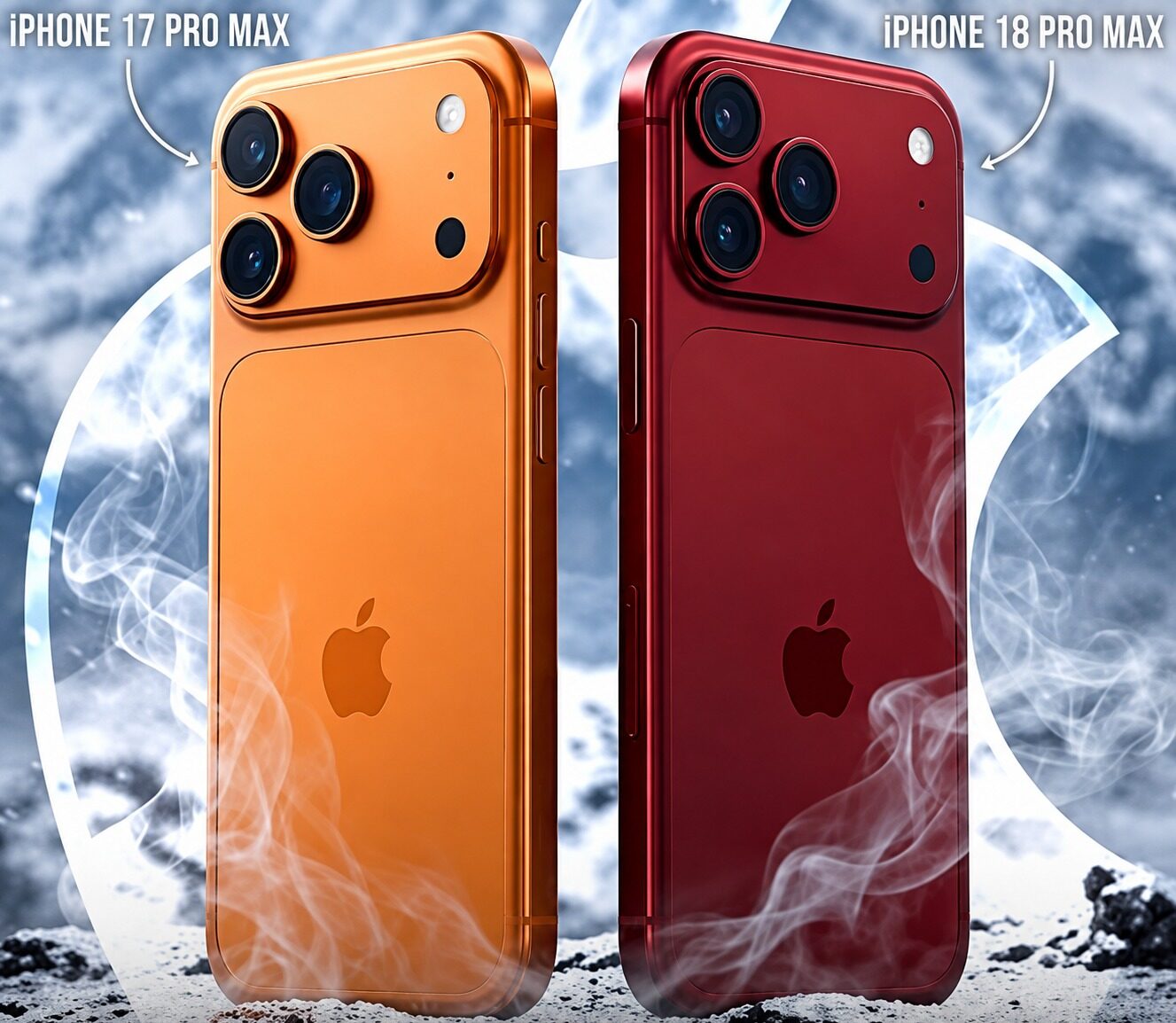
Before diving into the upgrades, it is worth noting the points that Apple decided to keep exactly as they are. The new phones retain the same familiar screen sizes: 6.3 inches for the Pro model and 6.9 inches for the Pro Max model, with peak outdoor brightness remaining at 3000 nits.
Similarly, the Ultra Wide and Telephoto cameras remain unchanged at 48 megapixels, with 4x optical zoom and up to 8x optical-quality zoom. Wireless charging via MagSafe and Qi2 technologies also remains capped at 25W, and the overall metal chassis remains familiar to the eye, with the exception of a slight shrinkage in the Dynamic Island area.
A Leap in Performance: A20 Pro Chip and Exceptional Cooling
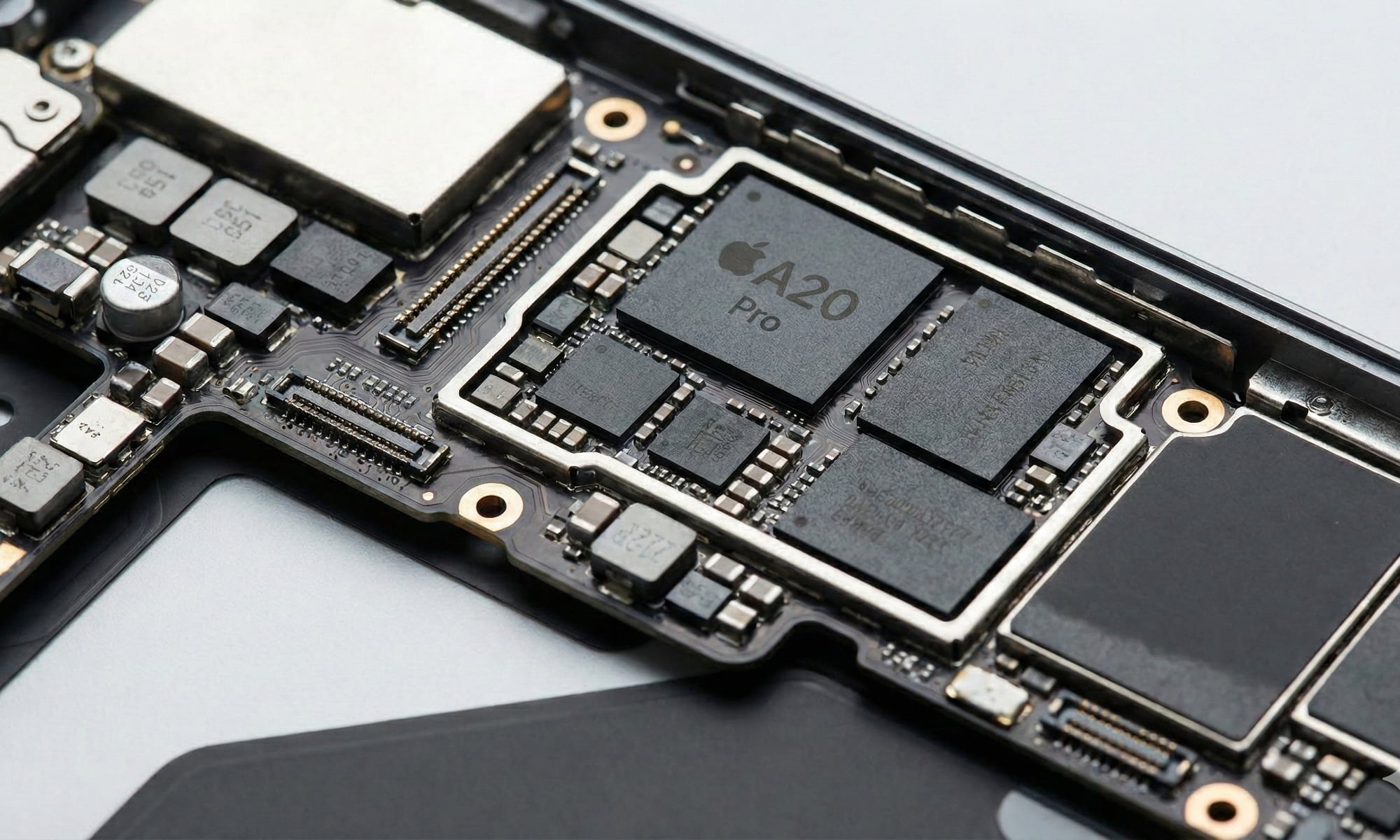
The new beating heart is the advanced A20 Pro chip, which succeeds the A19 Pro processor, delivering a speed boost of up to 20% in CPU performance and a 40% jump in graphics processing via a seven-core GPU compared to the previous six-core one. Apple also ensured that AI efficiency is doubled, thanks to a new dual 16-core Neural Engine.
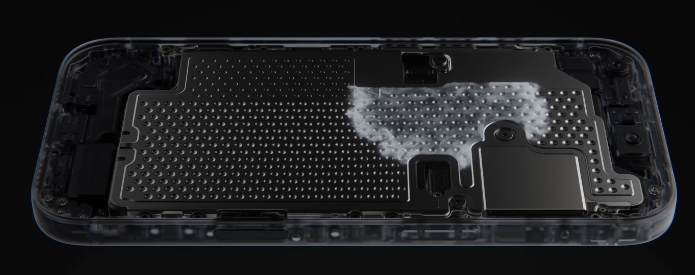
Because powerful hardware generates more heat, the company re-engineered the internal cooling system to rely on a vapor chamber with a surface area three times larger than the previous generation. This achieves 40% better sustained performance under prolonged stress, providing a gaming and heavy-task experience free from thermal throttling.
Camera Revolution: Variable Aperture and Professional Control
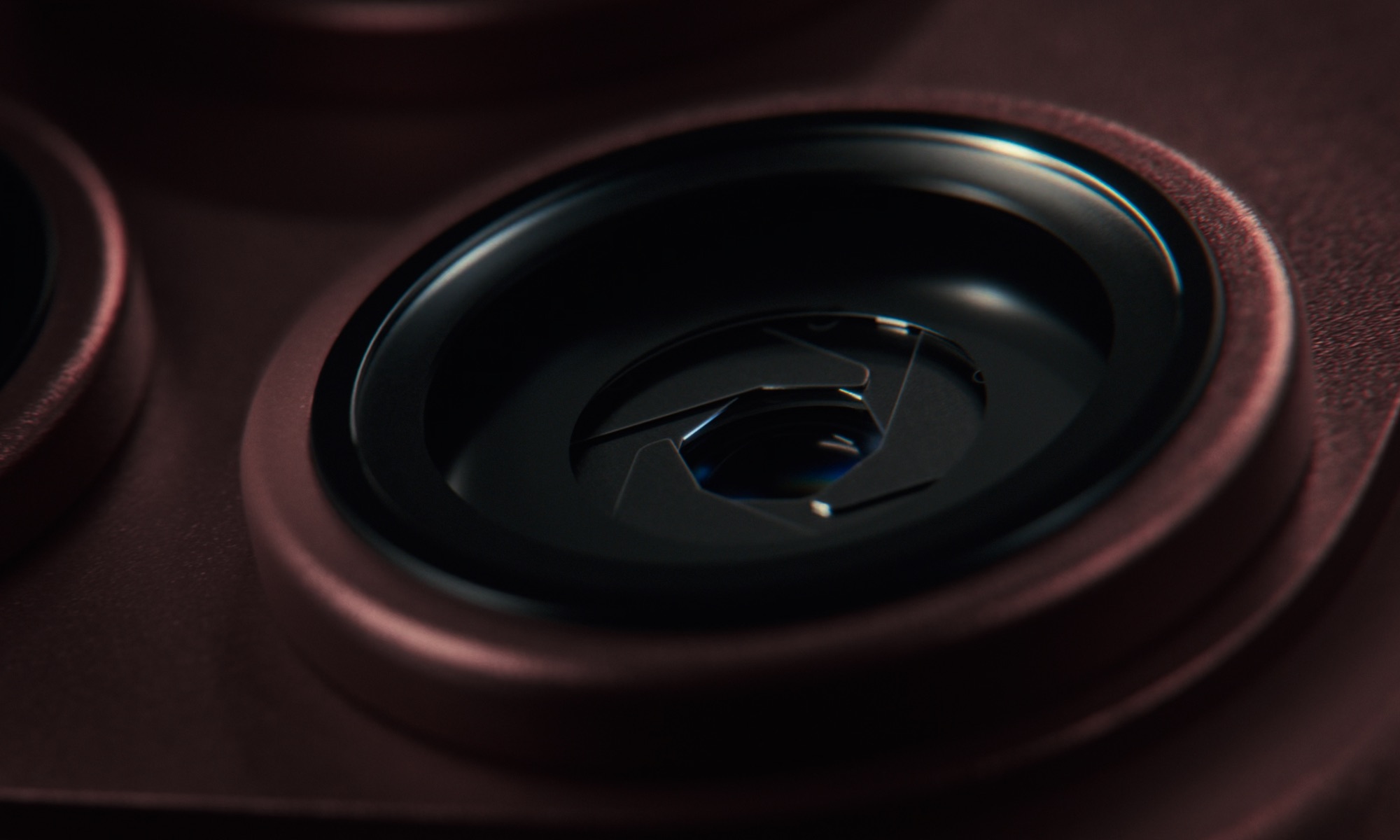
The major qualitative leap came in the 48-megapixel main camera, as Apple bid farewell to the fixed ƒ/1.78 aperture and adopted a mechanical system with a variable aperture that allows switching between ƒ/1.48, ƒ/1.8, ƒ/2.8, and ƒ/4. This enhances low-light image capture by up to 50% and provides natural optical bokeh.
For professionals, Apple added full manual controls that allow direct adjustment of aperture, shutter speed, and white balance, with a live histogram display. They also provided the Apple Reference Image feature to capture authenticated, tamper-proof reference photos, and the third generation of Photographic Styles to control grain and texture.
In video recording, users can now apply cinematic effects after capturing the scene at up to 60 frames per second. Additionally, the Cinematic mode has been upgraded to support 4K Dolby Vision at up to 60 fps, Time-lapse recording has been upgraded to 4K Dolby Vision, and the Audio Mix feature has been developed with superior intelligent autofocus tracking and improved 1080p night video recording.
Battery, Charging, and Daily Life Details
Regarding the battery, the iPhone 18 Pro offers up to 36 hours of video playback, an increase of three hours over its predecessor, while playback time on the iPhone 18 Pro Max increases to a full 45 hours compared to 39 hours. Wired charging speed has improved, reaching 50% charge in just 15 minutes, down from 20 minutes previously.
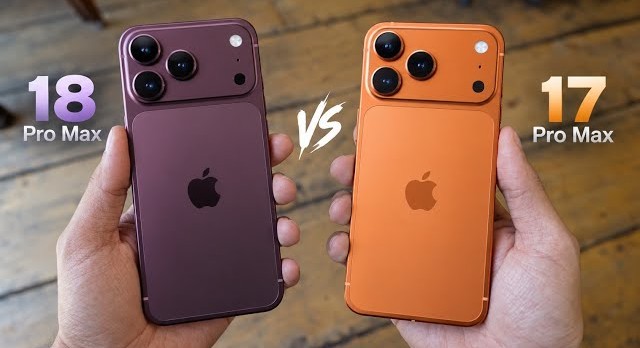
The Dynamic Island has also become smaller while gaining the ability to display up to three live activities at once, and the massive 2TB storage option is now available for the smaller 6.3-inch Pro model, whereas it was previously limited to the Pro Max.
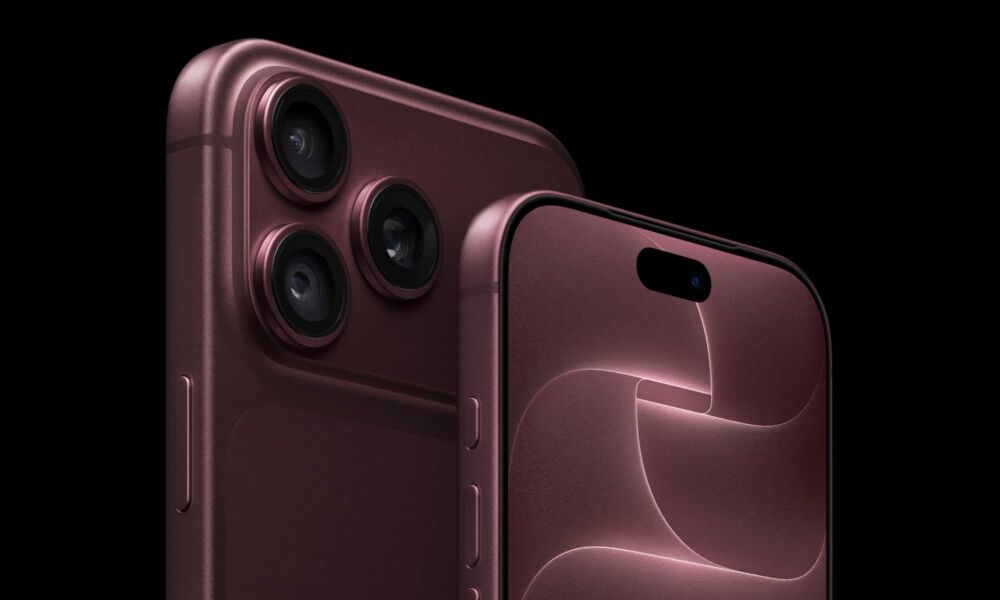
Aesthetic touches include four new colors: Black, Silver, Ice, and Burgundy, with a slight increase in device weight of 5 grams for the Pro model and 16 grams for the Pro Max model, and a $100 increase in the base price, starting at $1,199 and $1,299, respectively.
Source:
Leave a Reply