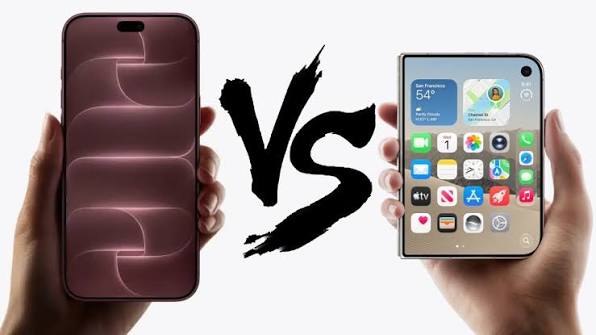
With the launch of the highly anticipated iPhone Duo approaching, tech enthusiasts are focused on how Apple will address the age-old challenges of foldable phones, primarily hinge durability and the crease in the middle of the screen. To answer these questions, Tom Marib, Apple’s new VP of Hardware Engineering—the high-ranking position previously held by John Ternus—gave an interview to TechRadar, revealing surprising details about the engineering philosophy behind the new phone and the amount of effort invested in making it durable and unique.
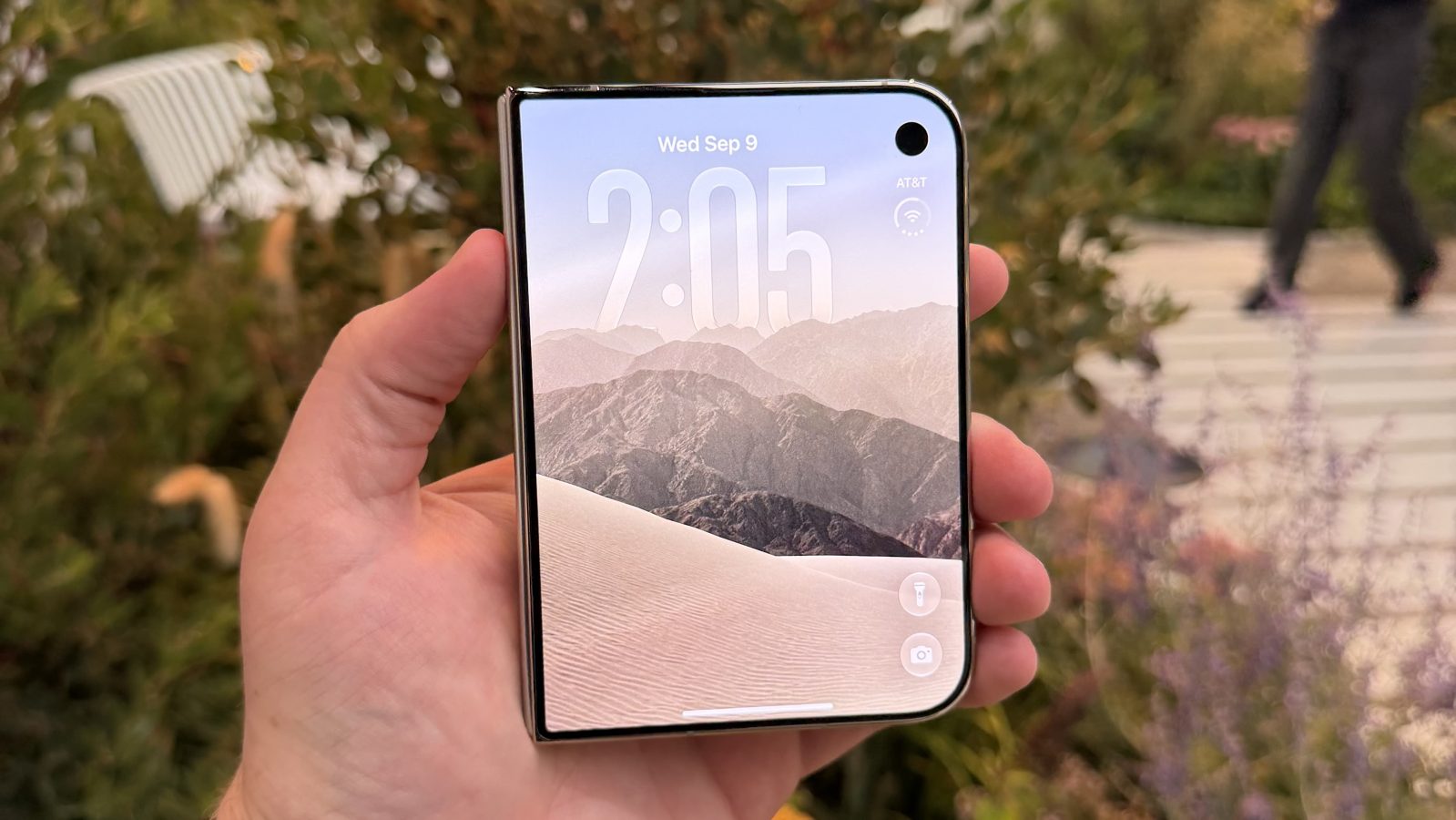
An Innovative Solution for Screen Creasing: Why Did Apple Choose Nano-Texture Technology?
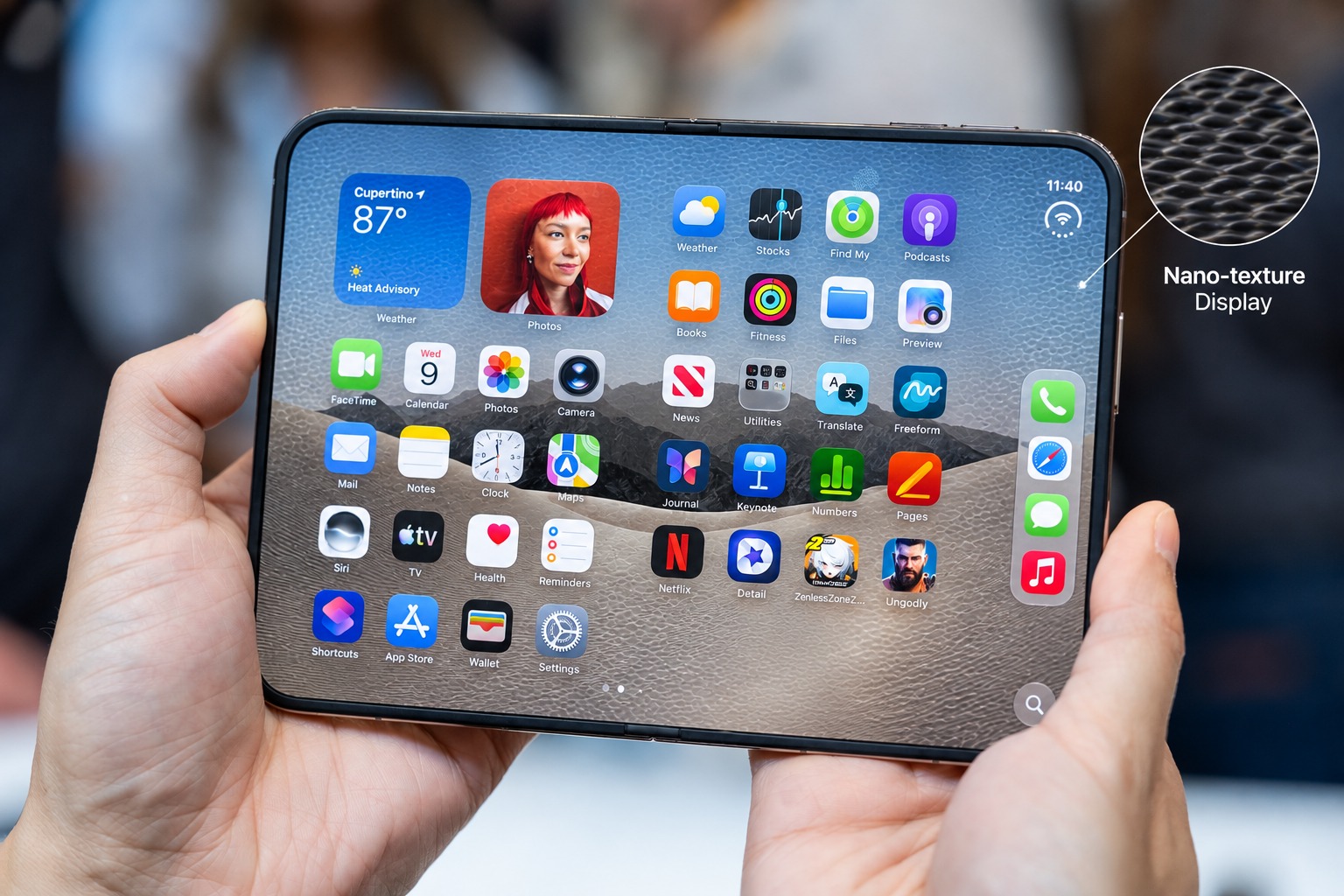
The appearance of a fold line in the middle of foldable screens is a major concern for users, but Tom Marib explained that Apple has followed a clever path to mitigate this phenomenon by relying on matte Nano-texture finishes. According to Marib, glossy screens naturally reflect light in a way that highlights topographical changes and details of the curvature very clearly, while a matte surface works to break this reflection and hide the fold line over time.
Marib did not hesitate to challenge the public, saying: “Please hold us accountable for that.” He emphasized that the choice of a matte surface was not just for aesthetic appeal or anti-glare purposes, but was an essential part of the engineering equation to hide changes that might occur to the hinge mechanism and the inner surface even after long and intensive periods of use.
A Hinge Designed with “Blood and Tears”: Like Closing the Door of a Luxury Car
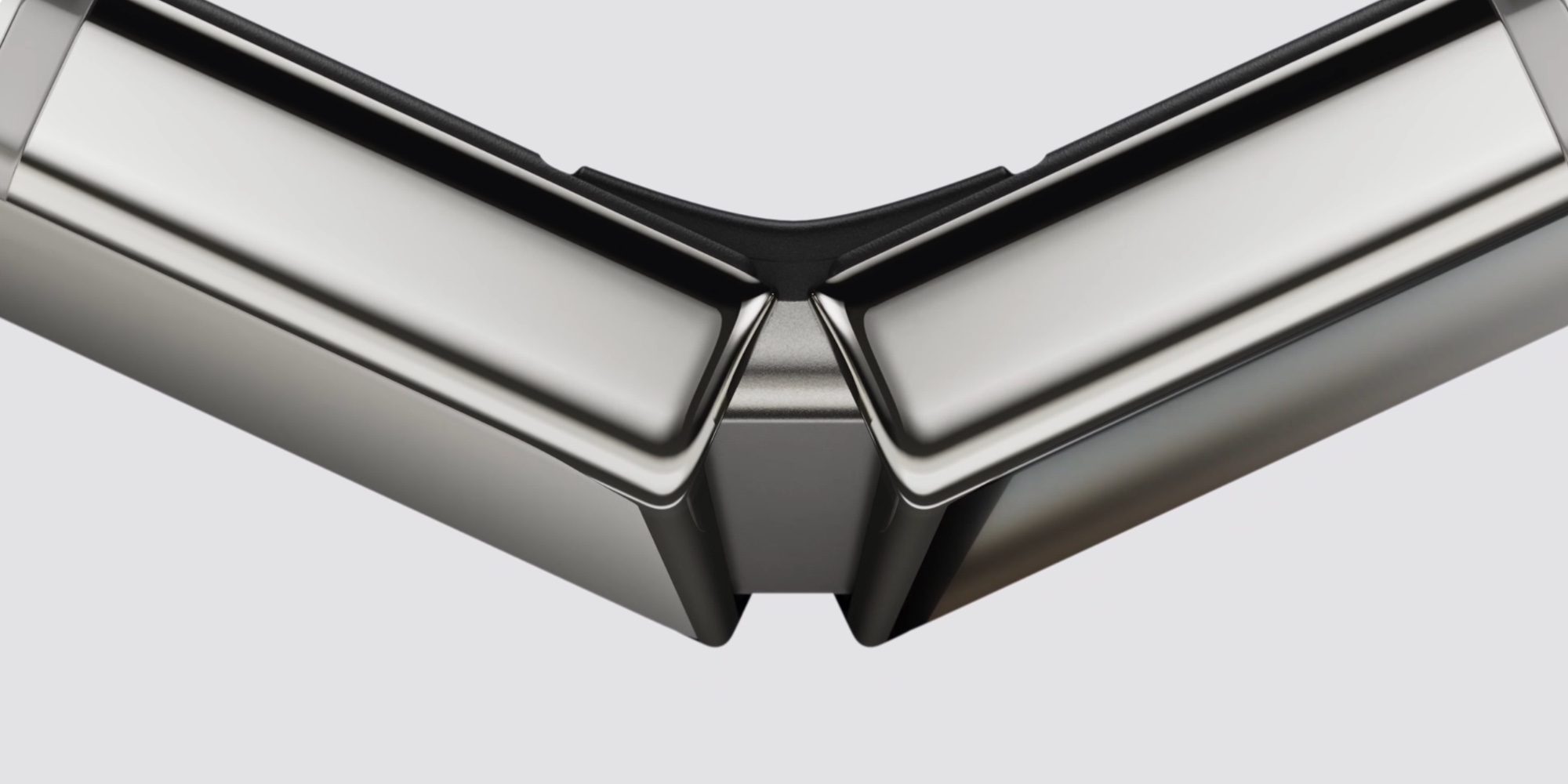
Moving on to the hinge revealed the level of passion and precision put into the design of the iPhone Duo; Marib explained that the engineering team poured a lot of effort, tears, and sweat into achieving what is known as the perfect torque curve. The clear goal from the beginning was to change the mechanical properties so that the device’s closing motion provides a solid, luxurious feel, exactly like closing the doors of luxury cars, to generate immediate confidence in the user that the device is durable, masterfully crafted, and nothing to worry about.
The challenge did not stop at the full opening and closing motions; the device is designed to work in multiple modes when partially opened at different angles for desktop use or multitasking. Marib confirmed that adjusting the hinge resistance in those cases was extremely complex to ensure that the screen does not feel loose or wobbly while being touched and interacted with, while at the same time ensuring the opening movement does not become arduous or heavy.
Ceramic Shield 2: Goodbye to External Screen Protectors
The VP of Hardware Engineering also touched on the second-generation Ceramic Shield technology, praising the level of hardness and resistance to scratches and drops that Apple’s screen glass has reached, confirming that it completely eliminates the need for external screen protectors from other companies.
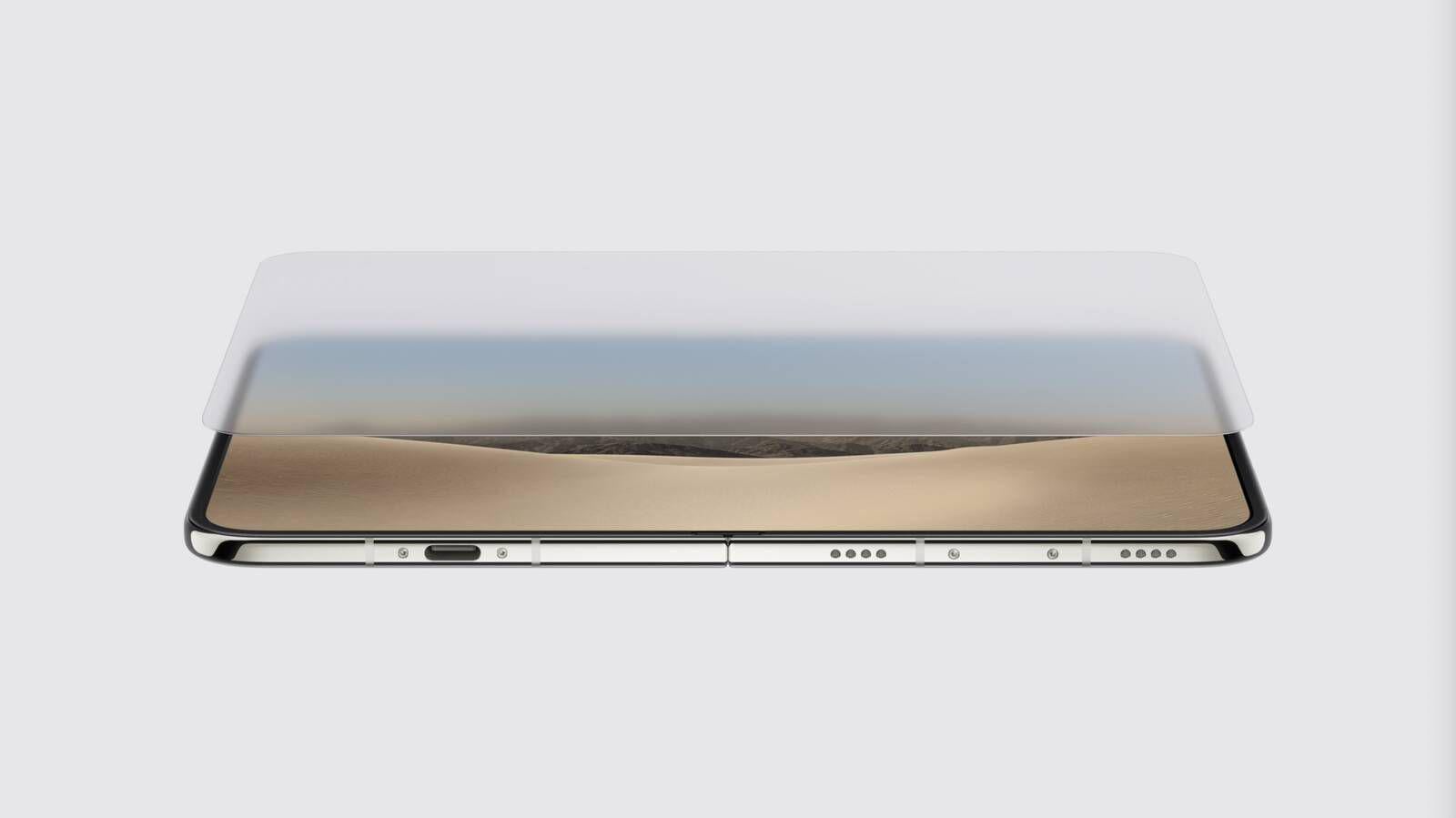
Marib expressed in a frank and sarcastic tone that seeing someone put a protective film over an iPhone screen makes him shudder, after all the hours and massive efforts Apple exerts to produce screens that are perfect in their appearance and feel. The biggest test remains when the iPhone Duo reaches the hands of users next month to prove the accuracy of these promises in the difficult reality of daily use.
Source:
Leave a Reply