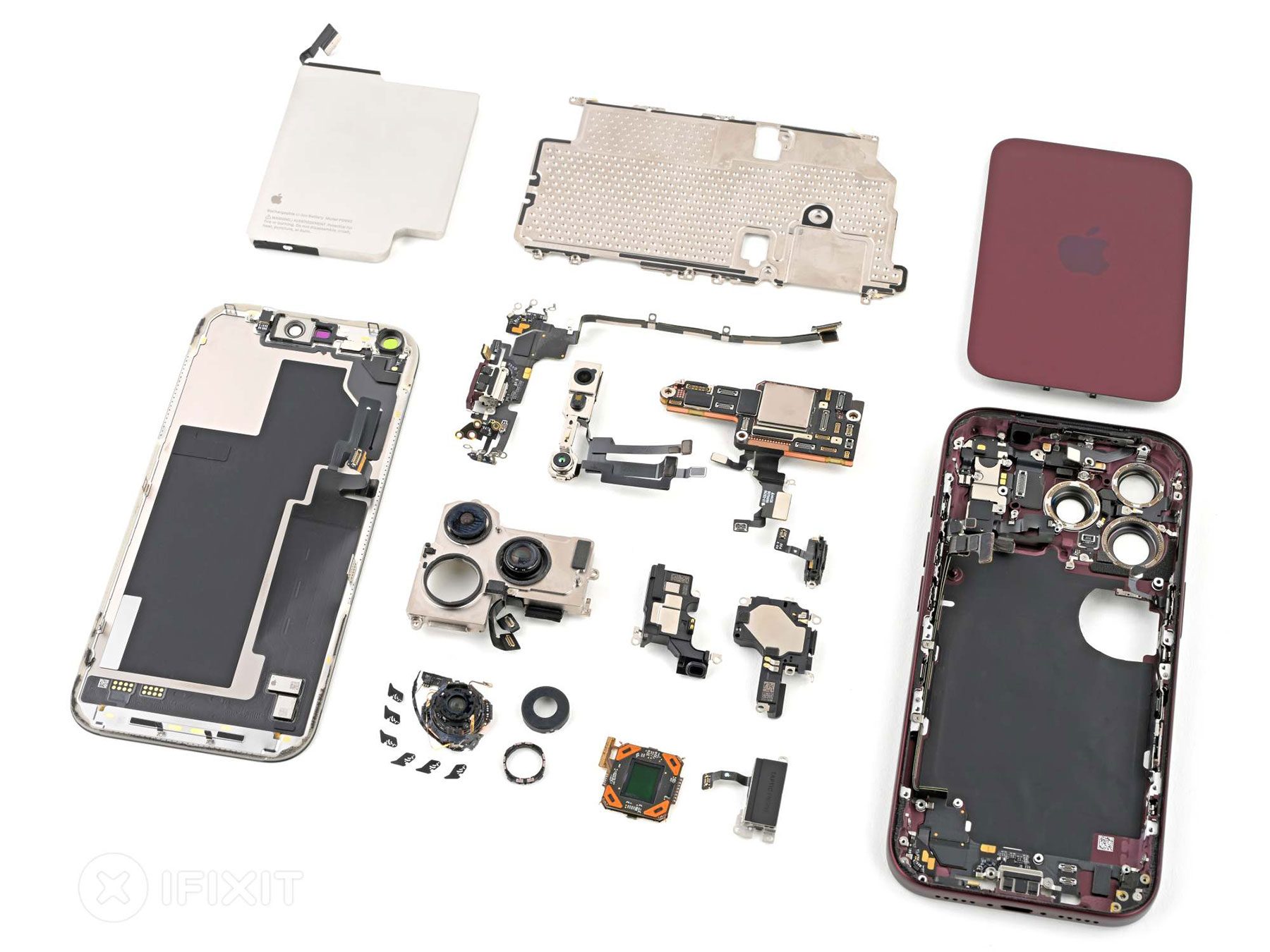
With the launch of every new generation of Apple phones, we eagerly await the customary teardown by the iFixit team to see what Apple is hiding inside the sleek metal chassis. In the iPhone 18 Pro, it wasn’t just a routine exploration, but a microscopic look at unprecedented engineering upgrades, from the variable aperture lens to the under-display Face ID camera and the massive vapor chamber cooling system. However, amidst all these dazzling technical achievements, an unpleasant surprise emerged that might worry repair technicians and make screen replacement a risky adventure.
The Magic of the Variable Aperture: Mechanical Precision That Defies Individual Repair
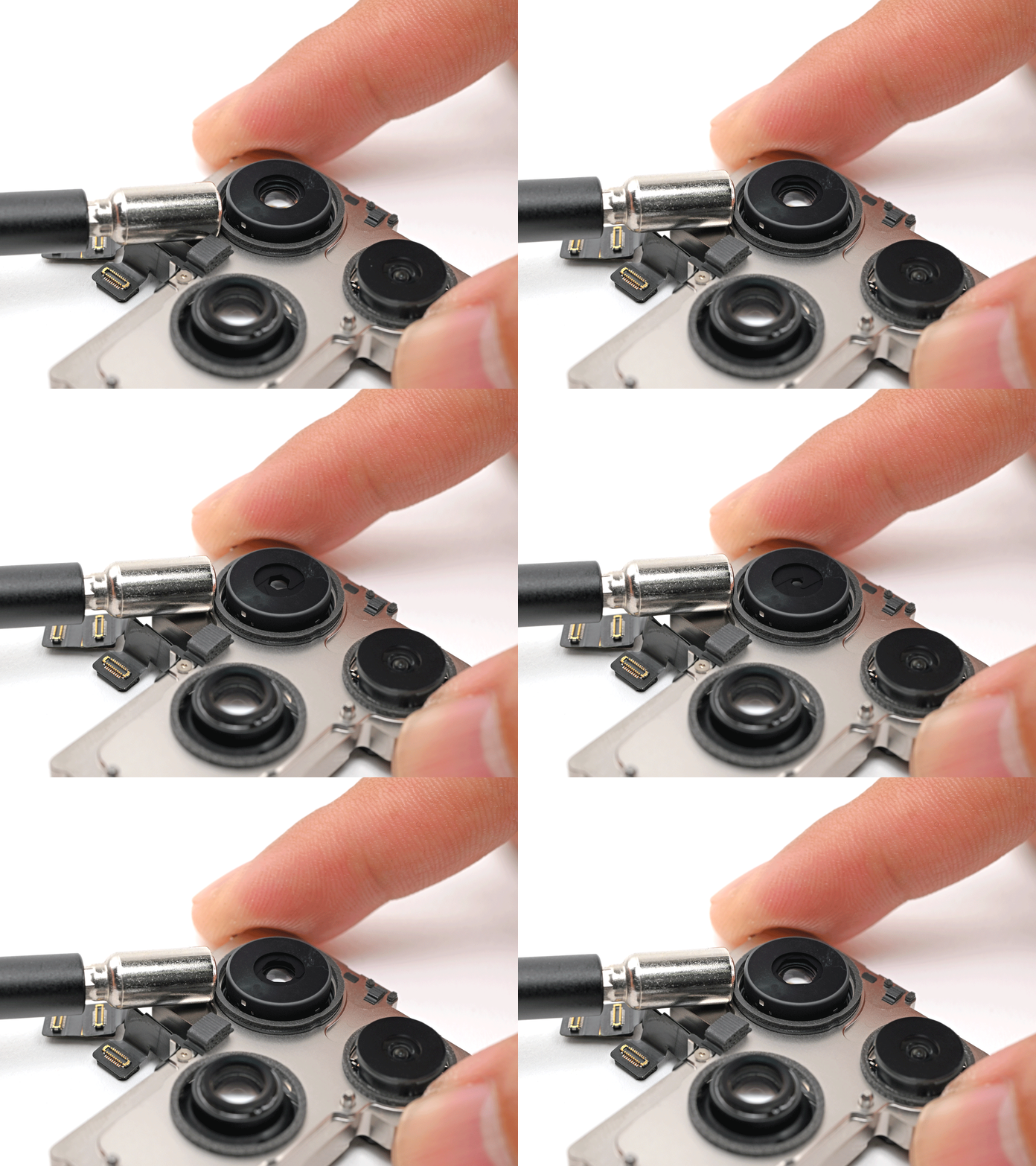
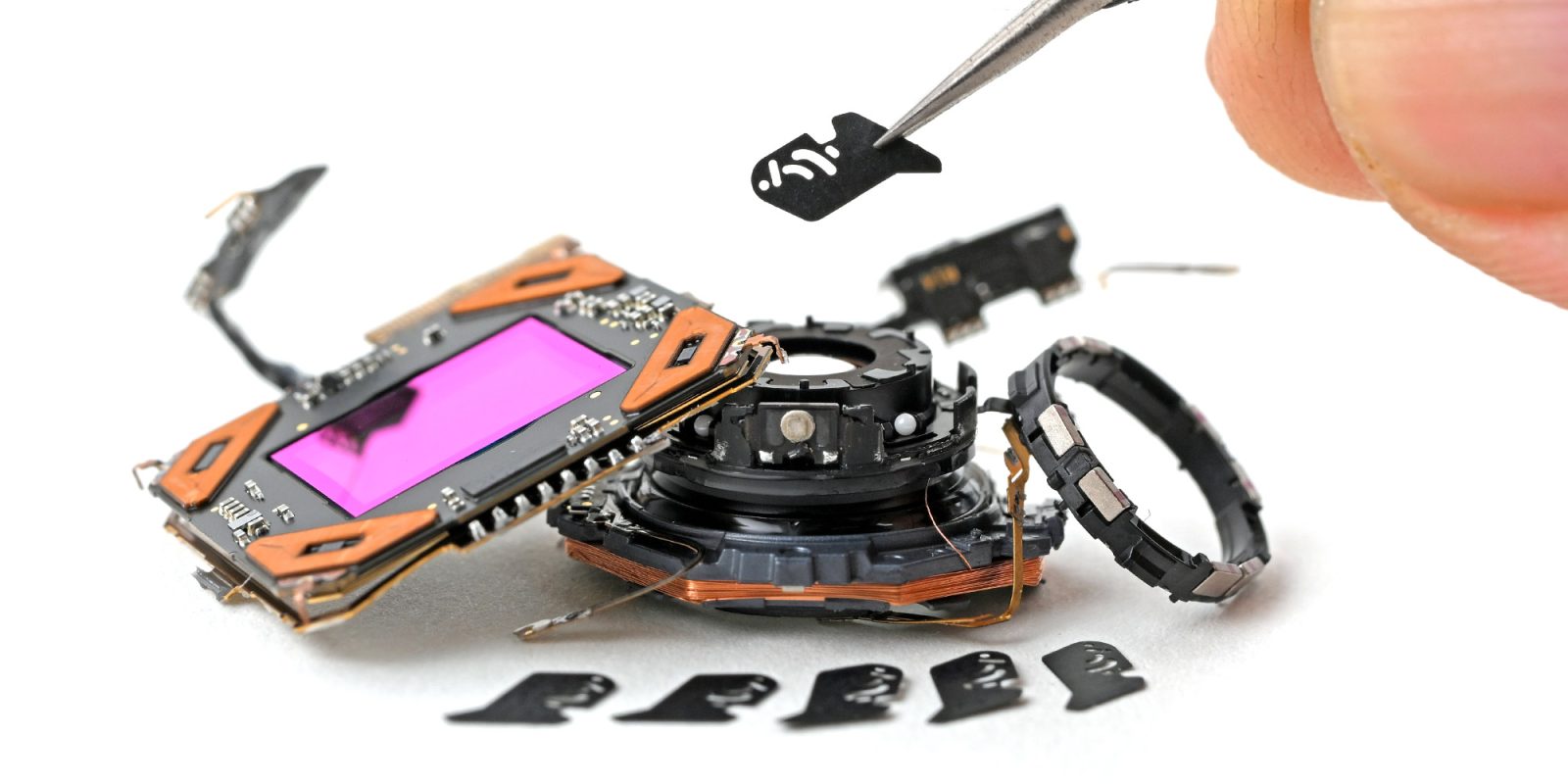
The variable aperture is the standout star of the iPhone 18 Pro’s imaging system this year. The detailed teardown revealed that the mechanism relies on six microscopic blades controlled by precise electromagnets, similar to the OIS (Optical Image Stabilization) system, with both systems operating completely independently to ensure speed in adjustment and control over light and depth of field.
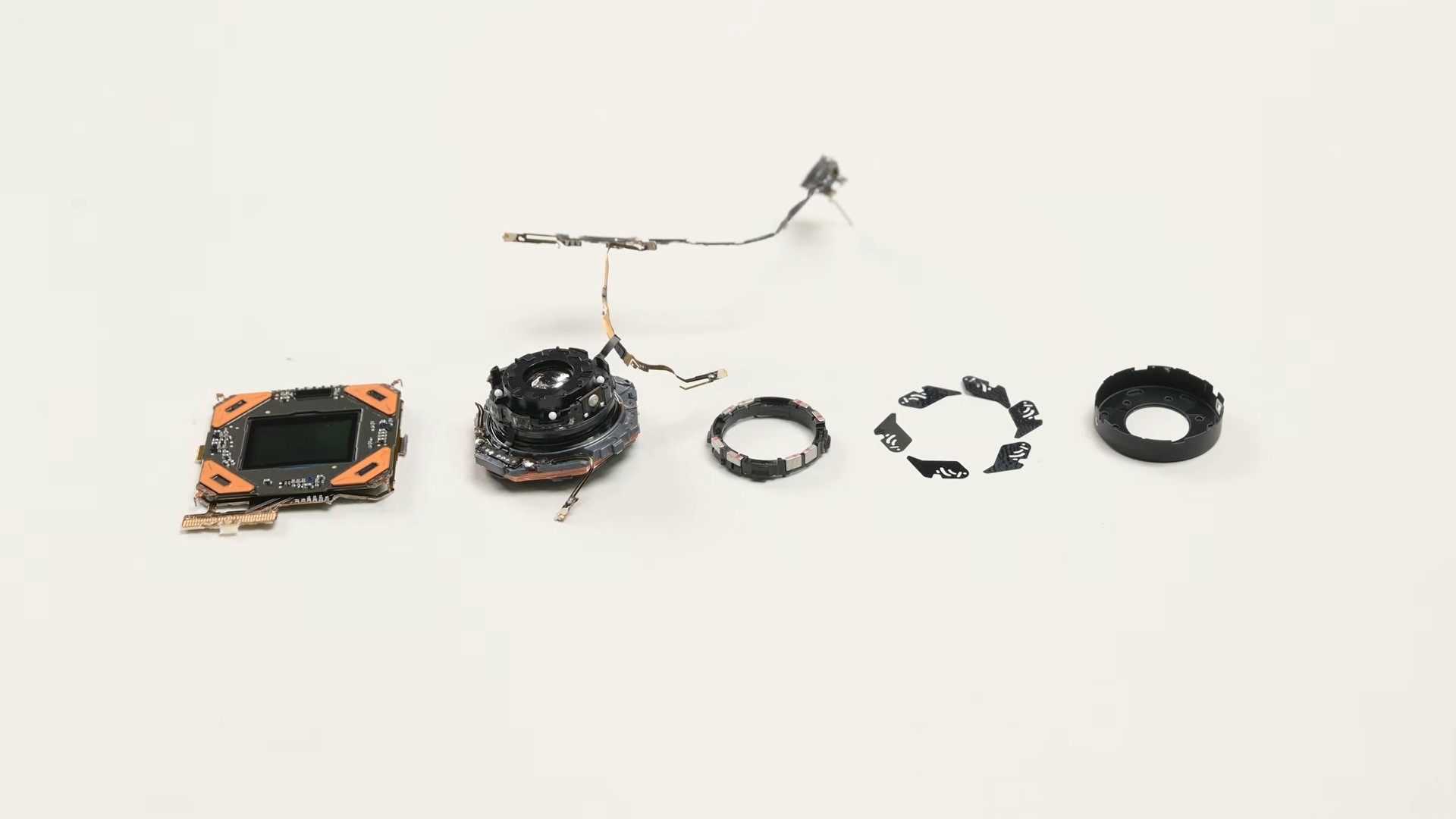
However, this complex engineering precision is a double-edged sword when it comes to repairability; while disassembling the lens bundle, one of those tiny blades flew off due to its microscopic size, proving that repairing this part at the individual component level is practically impossible. If the aperture malfunctions or its blades get stuck for any reason, a repair technician will have no choice but to replace the entire main camera module at a high cost. Given that the camera assembly for the iPhone 17 Pro costs $249, one can only imagine the price of an assembly containing a variable aperture.
Face ID Under the Display: How Did Apple Hide the Infrared Camera?
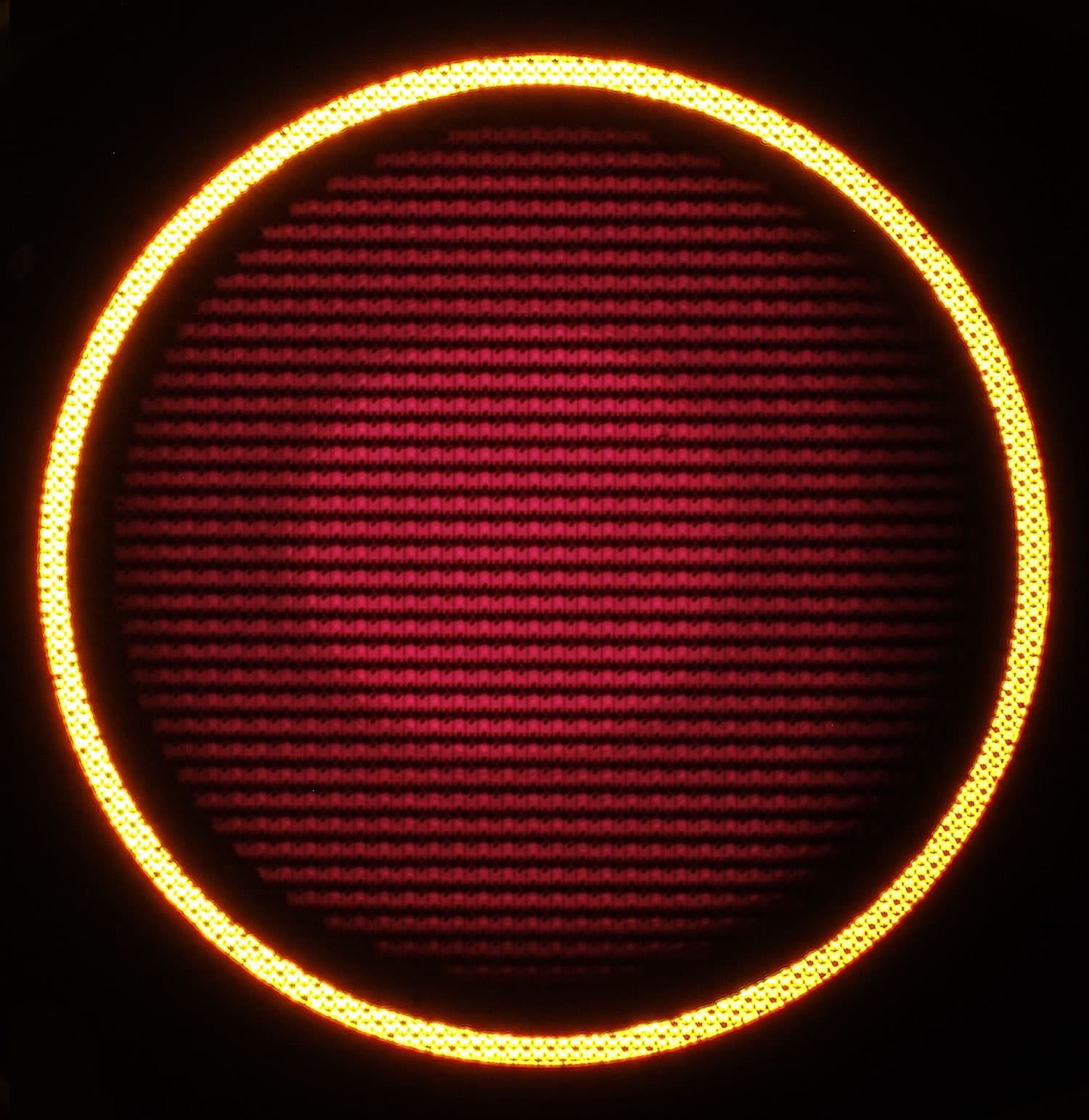
Another bold move in the design of the iPhone 18 Pro was moving the infrared camera for the Face ID system directly under the display layer, while the Dynamic Island retained only the selfie camera and the dot projector. This allowed for a significant reduction in its footprint without sacrificing the accuracy and security of the system.

Under the microscope, the iFixit team revealed the engineering ingenuity Apple used to hide the sensor; they removed a row of pixels alternately above the camera area to allow light and infrared rays to pass through, with this distribution fading gradually toward the edges so the difference remains invisible to the naked eye. Apple also placed a special filter beneath the OLED screen to block visible light and pass only infrared rays, a filter that produces a visual effect resembling an eclipse at its edges under microscope lighting.
Revolutionary Cooling Architecture and Vapor Chamber for the A20 Pro Processor
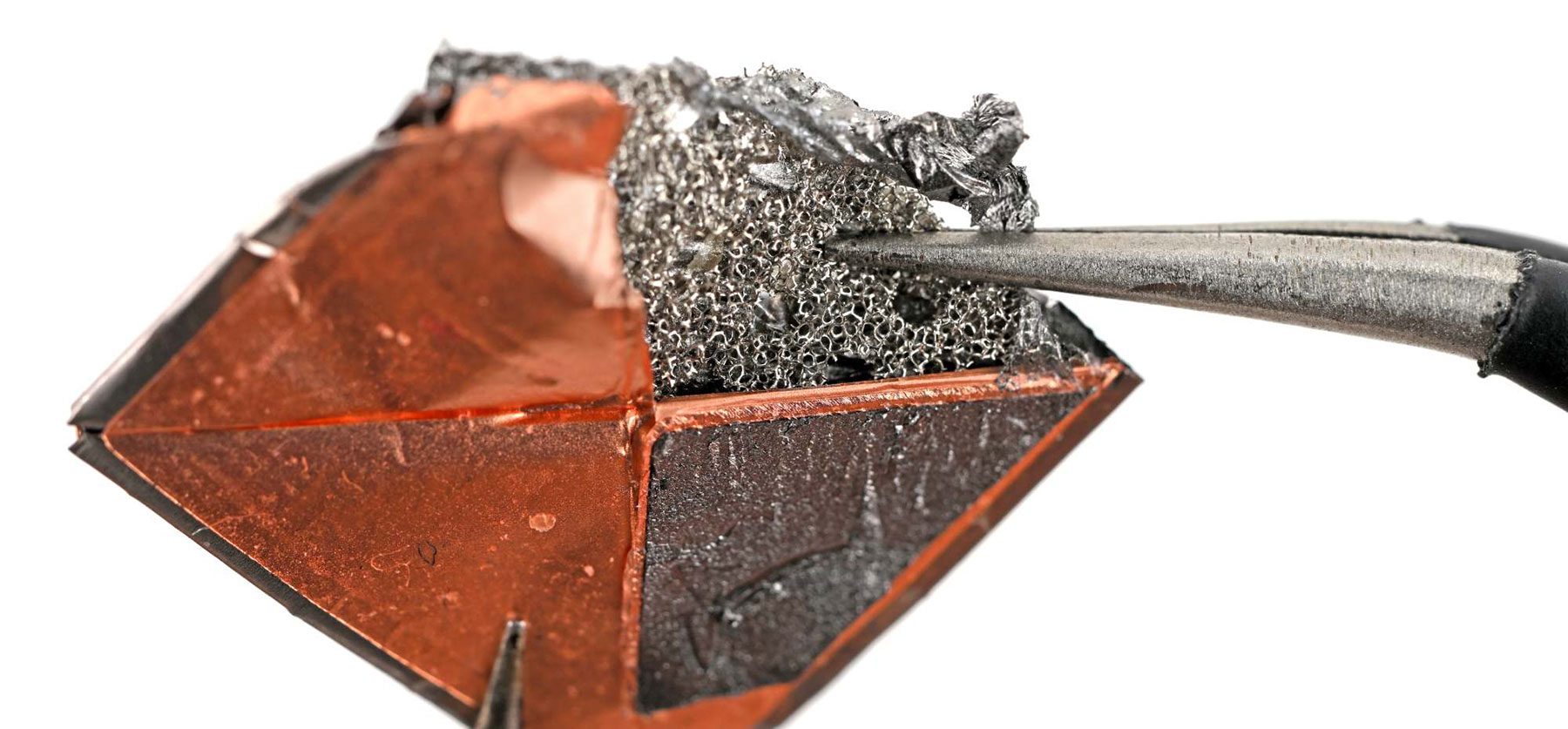
Apple has completely re-engineered the thermal system to accommodate the immense power of the A20 Pro processor. The internal teardown revealed details of this innovative design, where the processor’s silicon die was placed side-by-side with the memory chips instead of stacking them on top of each other, which kept the memory heat away from the processor and allowed the main chip to connect directly to the cooling system.
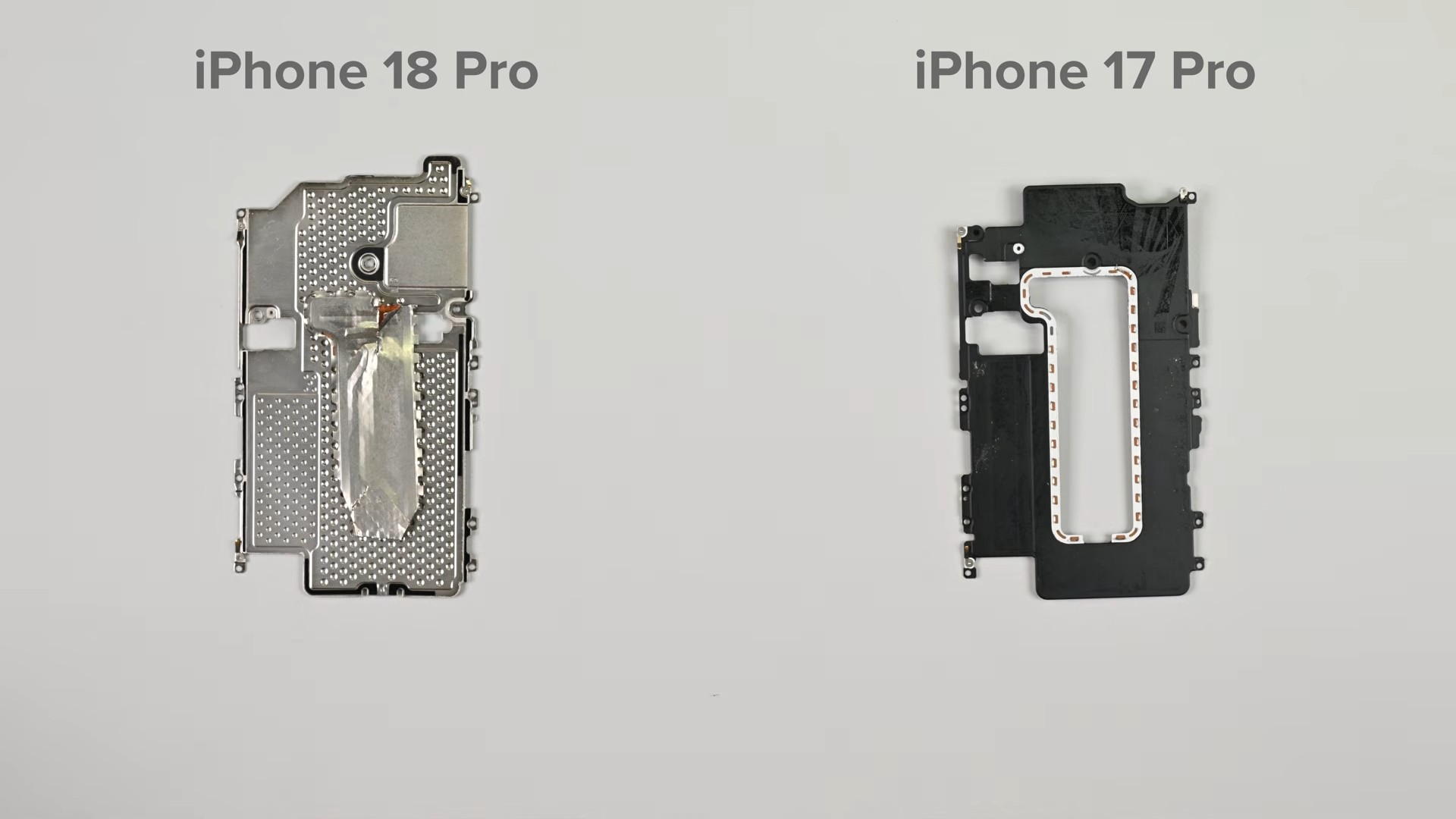
This direct connection is supported by a massive vapor cooling chamber that covers a large area of the phone’s body, with a surface area three times larger than that found in the iPhone 17 Pro. The chamber connects to the processor via a highly efficient thermal interface material, which explains the device’s ability to provide stable performance in heavy gaming and complex tasks without rapid thermal throttling.
The Mystery of the Broken Screen Frame and DIY Repair Difficulties
Despite all this progress, the teardown revealed a concerning aspect that was not anticipated. The team noticed that the plastic frame surrounding the screen broke or cracked in three out of the four devices they opened. Although Apple has been using this frame since the iPhone 15 Pro, and other teardown experts haven’t reported the same issue, its recurrence in the lab raises serious questions.
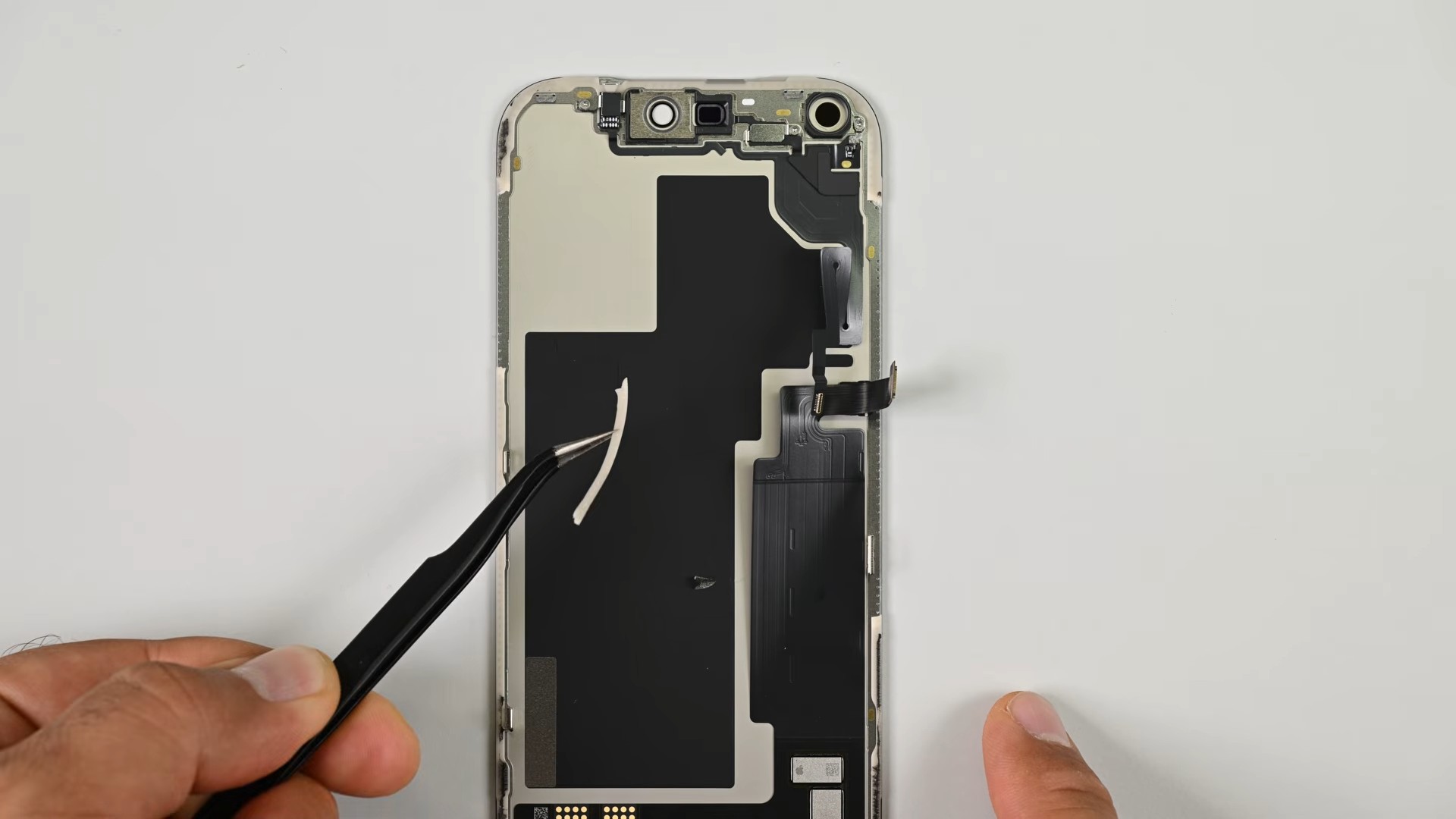
The team suggests that the phone’s super-cooling system might be an unintended cause of this problem; it may dissipate heat too quickly away from the edges of the device while attempting to soften the adhesive with heat to open the screen, requiring more force which leads to breaking the frame. The danger here is that any damage to the frame prevents the screen from settling securely in place during reassembly, causing the phone to lose its water and dust resistance.
In addition to the screen frame, replacing the USB-C port still requires removing the vast majority of the device’s internal parts, making it a daunting task for the average user, despite the device retaining important strengths such as the ease of battery removal without heavy glue and the independent camera design.
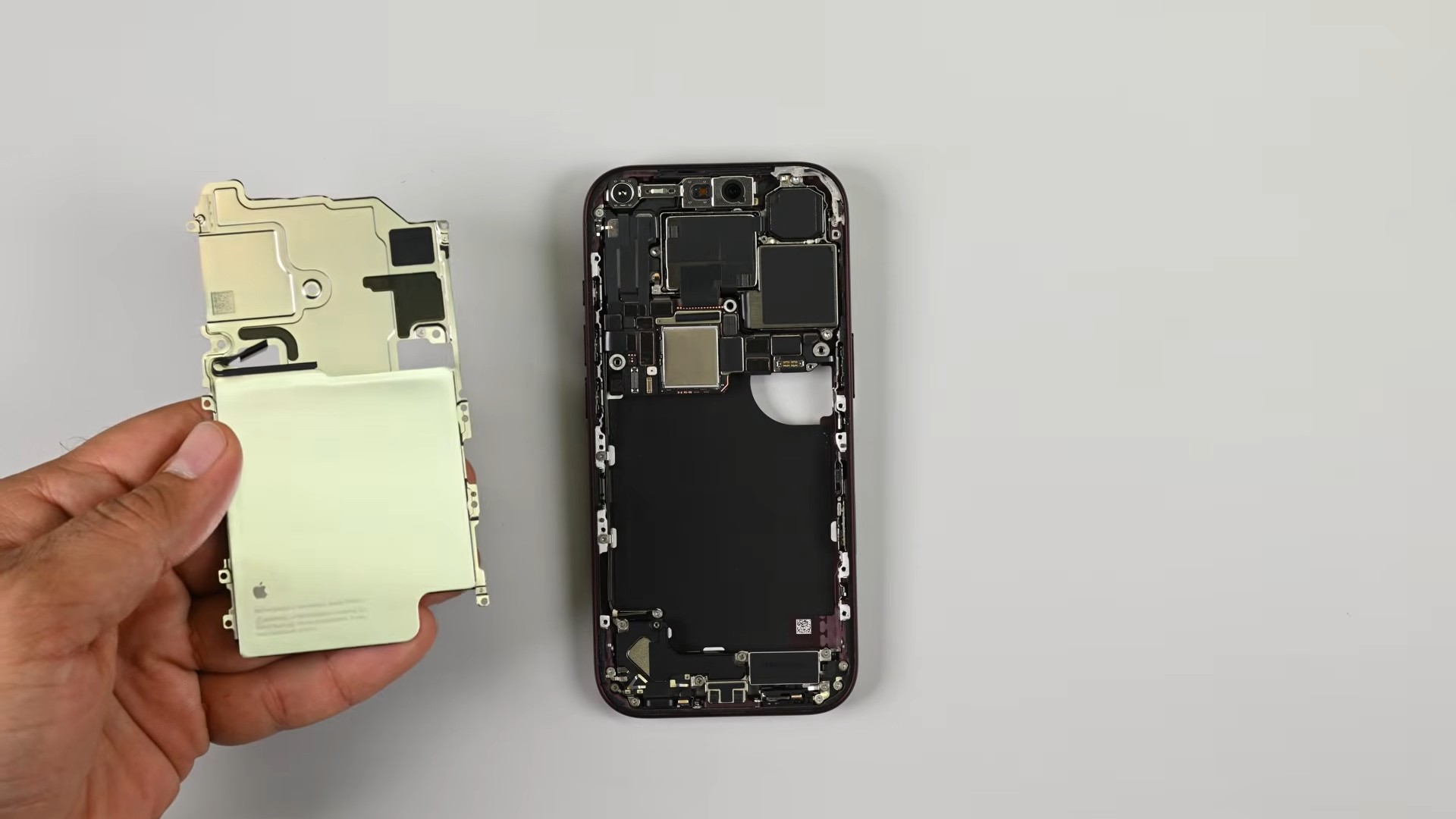
You can watch the exciting teardown journey and explore these complex details directly via the iFixit team’s video below:
In the final analysis, iFixit gave both the iPhone 18 Pro and Pro Max an initial repairability score of 7 out of 10 points, where 1 means difficult to repair and 10 means easy to repair. They are waiting for official spare parts to become available and for further testing to confirm whether the screen frame breakage issue is a flaw in the opening tools or a design defect that threatens independent repair attempts.
Source:



Leave a Reply