Apple has long positioned itself as the company that knows how to balance innovation with protecting user privacy, but the arrival of John Ternus at the helm may open a different chapter in its history. As the company moves toward smarter devices and new capabilities, questions loom not only about what Apple can offer, but what the user may have to pay for it—whether in money or privacy. Does the John Ternus era bring more expensive devices and more intrusive features, or are user concerns outpacing the company’s plans? In the following lines, we will take you on a quick tour to explore the shifts that may shape the future of Apple under its new CEO.
A New Beginning

John Ternus’s appearance at Apple’s keynote on September 9th was not just a formal transfer of power from Tim Cook to his successor, but a moment many were waiting for to see the direction the company would take in the coming years. With the unveiling of new devices like the Apple Watch, AirPods, iPhone 18 Pro and Pro Max, as well as the iPhone Duo, a question larger than device specifications emerged: Are we truly at the beginning of a different phase, or is this a continuation of the approach established by Cook, albeit with new methods?
Of course, the answer may require months or even years, but the initial indicators, according to analyses that appeared before and during the event, do not suggest a radical change. Rising product prices, growing ambitions to maximize service revenue, and the expansion of artificial intelligence features that rely on capturing what is happening around the user all open the door to a broad discussion about the future of Apple under the leadership of Tim Cook’s successor.
Tim Cook’s Legacy

Although the Tim Cook era saw a massive expansion in Apple’s business, it was also associated with a clear policy focused on numbers and maximizing revenue across all products and services. For this reason, the company expanded the release of multiple versions, especially Pro models with higher prices and larger profit margins, while pushing its various services to the forefront to capitalize on the user base tied to the Apple ecosystem.
During Cook’s years of leadership, the company worked consistently to raise average selling prices and increase the revenue generated from each user. This approach was not limited to products and services but extended to the supply chain, as Cook was one of the key figures responsible for establishing the outsourcing model in China.
Consequently, it is difficult to expect a major change in this policy, especially since John Ternus is seen as a choice supported by Cook himself. This is clearly reflected in the price of the foldable iPhone Duo, which ranges from $1,999 to $3,199 in the US. As for users in Canada and Australia, they may pay about 10% more even after accounting for exchange rate differences, while costs rise even further in markets like Turkey and Brazil.
In Arab countries, the official price of the iPhone Duo in Saudi Arabia starts at 9,499 SAR (an increase of $530). In Egypt, there is no official price; however, you can buy the foldable Apple phone from an authorized dealer for 150,000 EGP (an increase of $890). As for the UAE, the phone can be obtained officially for 8,499 AED (an increase of up to $315).
From the figures before us, we can immediately conclude that component costs have currently risen, yet Apple seems to be leveraging international markets more heavily to achieve additional profit margins.
Note: The prices mentioned in the article refer to the 256GB storage version of the iPhone Duo.
iPhone Duo Raises the Price Ceiling
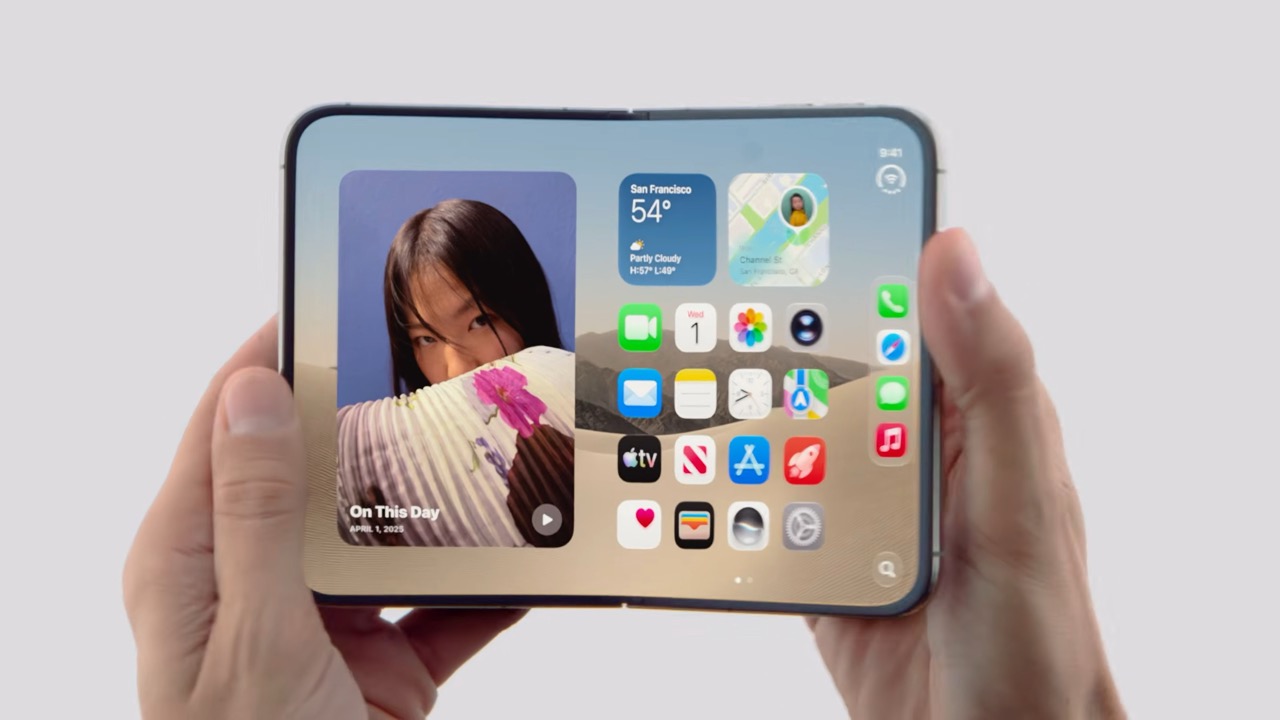
It can be said that the price of the foldable iPhone Duo represents an extension of a policy that continued during the Cook era, based on pushing users to spend more when upgrading their phones. The picture becomes more complex with the postponement of the base iPhone 18 to next year, which may give the foldable phone a greater role in raising the average price of iPhones in the coming period.
Thus, the foldable phone not only offers a change in design but also represents a commercial opportunity for Apple to introduce a new high-priced category, even if the idea itself differs from the incremental developments the company has been accustomed to launching over the past years.
The Apple Store is Next
Concerns related to the Ternus era are not limited to hardware; similar indicators have appeared in the services sector. Before the first keynote led by the new CEO, Mark Gurman of Bloomberg reported that Phil Schiller did not leave his position at the App Store just because he wanted to spend more time with his family. He was also concerned about the plans of Ternus and Eddy Cue, Apple’s head of services.
According to Gurman, Ternus and Cue want to generate more revenue from the App Store and are looking for ways to raise profit margins and increase revenue from the platform. Conversely, Schiller seems to believe that these trends could increase developer, user, and government dissatisfaction with Apple’s policies.
Gurman believes that boosting profits could take several forms, such as launching more subscription services like the Apple Creator Studio bundle that appeared earlier in the year and can be subscribed to for $13 per month. Or raising prices for services like Apple TV and Apple One, which already saw price increases last month. Apple may also continue to defend its commission, which reaches up to 30% on some transactions made through its store, despite attempts by regulators to reduce its influence.
From my point of view, Apple will not move in one direction; instead, it will combine price hikes, service expansion, and reliance on artificial intelligence to open new revenue streams. Some AI features may gradually become part of this model, whether through new services or features that carry an additional cost. But behind this equation, a question arises: to what extent can prices be raised and revenue sources expanded before users and developers feel that the cost of staying within the Apple ecosystem has become higher than before?
Artificial Intelligence and Privacy
Apple cares about the privacy of its users more than any other company because it views privacy as a fundamental human right. During the Tim Cook era, privacy was a cornerstone of Apple’s marketing strategy. Because using artificial intelligence could jeopardize that privacy, Apple was always careful when talking about AI applications to emphasize that everything is done locally on the device itself, and a private cloud compute service is used for tasks that require processing in its data centers.
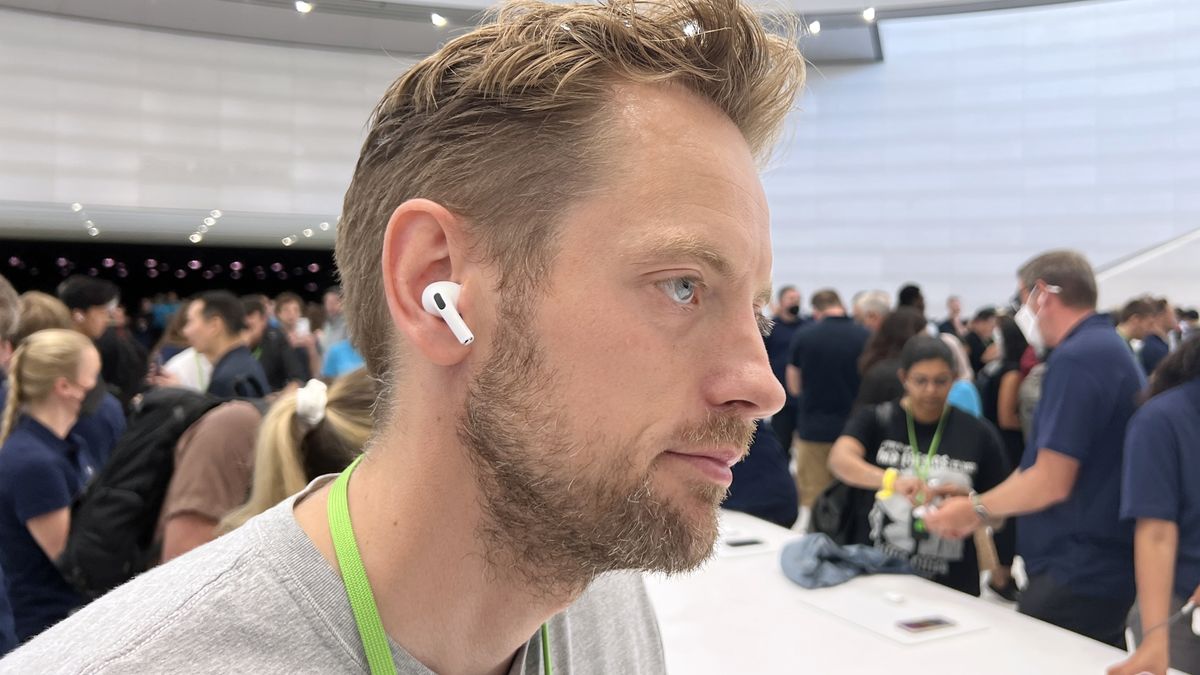
But everything will change with John Ternus, who will focus in the coming period on integrating AI more broadly into Apple products. This is clearly reflected in the new features of the Apple Watch, which can record everything said in its vicinity to identify voices and music. In addition to providing a summary of conversations, the Live Rewind feature allows you to see a transcript of what was said around you during the last fifteen seconds.
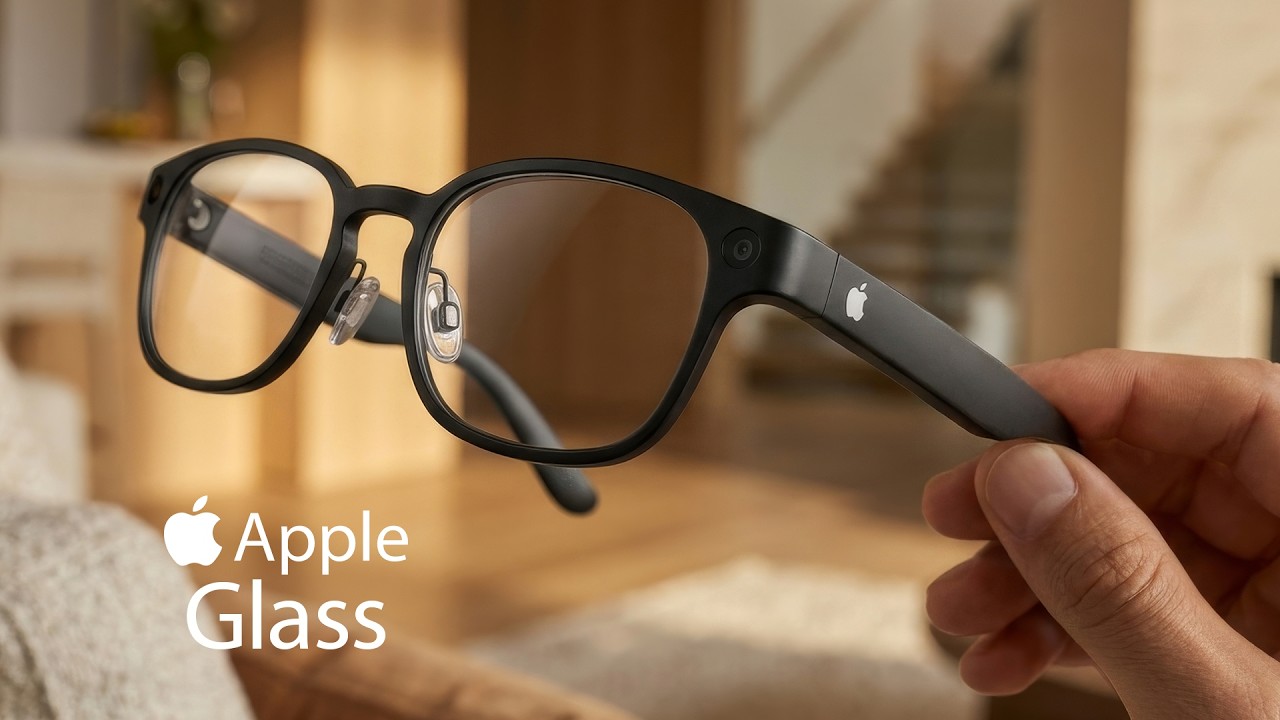
The problem here is that these new features from Apple come at a time when questions are mounting about the boundaries of privacy with the proliferation of wearable devices and their ability to capture or listen to what is happening around the user. These concerns are becoming more sensitive with the controversy surrounding Meta’s smart glasses, which have been used in some cases to film and monitor others without their knowledge. With these capabilities moving to the Apple Watch, the company may find itself facing increasing criticism, especially since privacy has long been a fundamental part of its brand image and marketing message.
Ultimately, you might ask, does the Ternus era represent a real change? Or is Apple continuing on the same path, but with a new face and different slogans? The features of this phase are still in their infancy, but rising prices, the pursuit of maximizing App Store revenue, and the expansion of features that raise privacy concerns open the door to larger questions about the company’s priorities. Between promises of innovation and growth ambitions, the real challenge for John Ternus will be to prove that Apple’s future is not built solely on increasing revenue, but on maintaining the trust that established its position among users and developers.
From your point of view, will the Ternus era be more expensive and less private? Tell us in the comments!
Source:
Leave a Reply