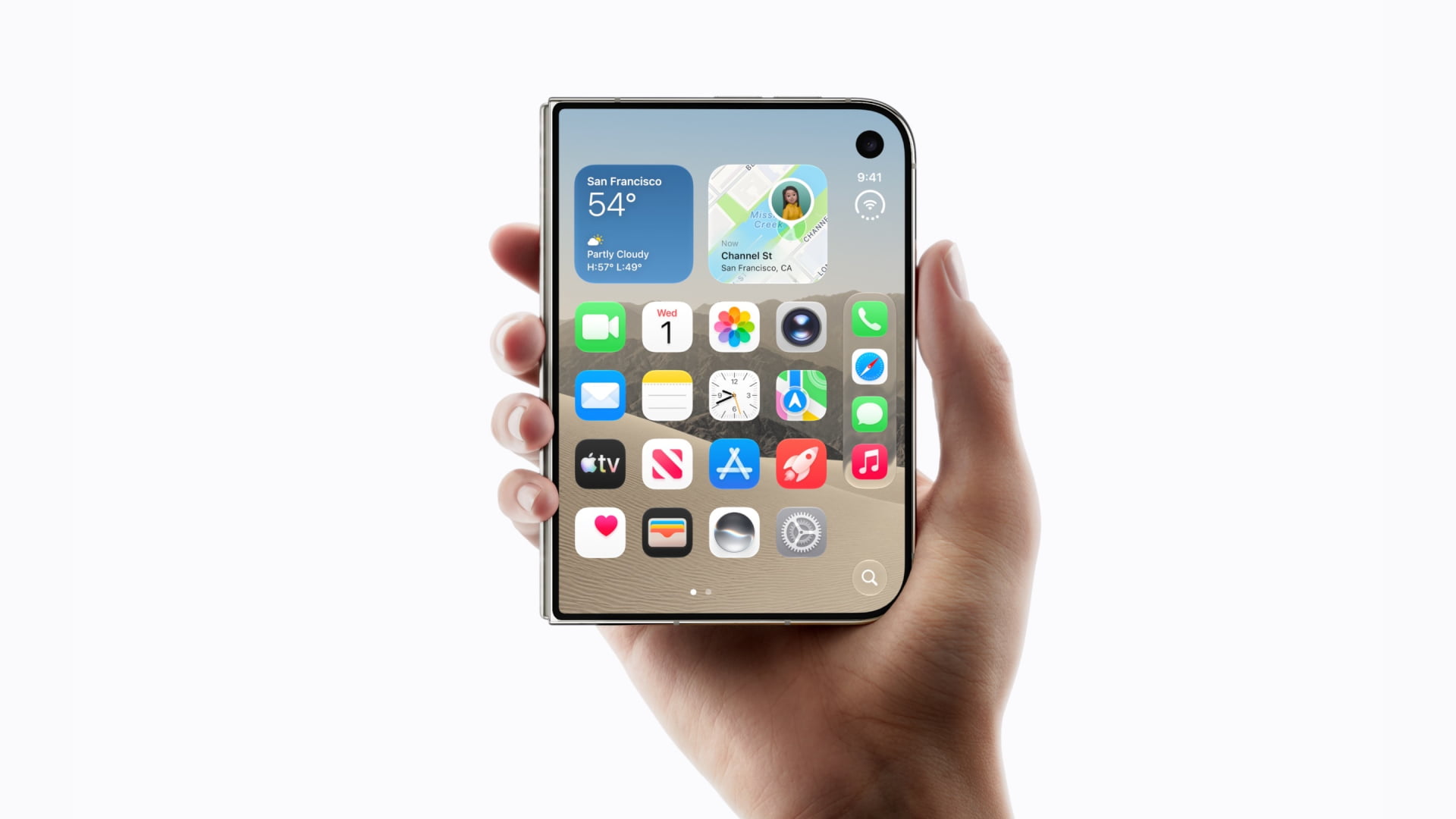
It seems Apple is well aware that entering the world of foldable devices is not just about inventing mechanical hinges and flexible screens, but also requires rethinking the finest details of the user interface and the daily user experience. According to the latest reports, the company is currently developing an entirely new “Reachability” mode specifically for the iPhone Duo. The goal is to make using the external screen with one hand—whether right or left—extremely smooth and comfortable, without any struggle to stretch fingers.
Reinventing ‘Reachability’ with a New Horizontal Gesture
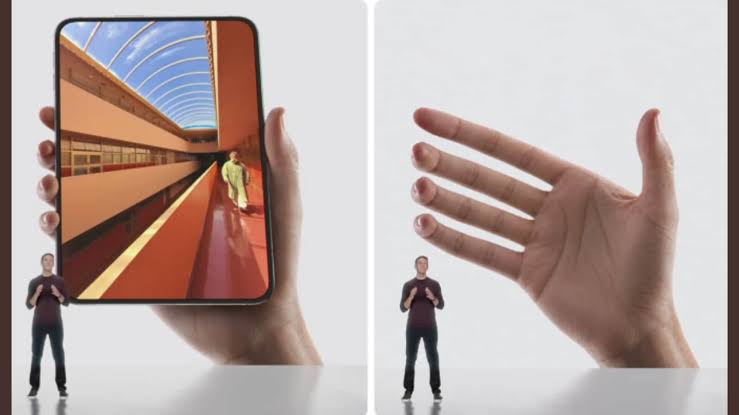
Since Apple introduced the Reachability feature many years ago alongside the increase in phone sizes, everyone has become accustomed to its classic function: pulling the top half of the screen interface downward so the thumb can reach the upper buttons without needing to use the other hand. However, with the iPhone Duo, Apple has chosen to rethink the entire concept.
Trusted journalist Mark Gurman revealed in his Power On newsletter that the new mode will not lower the screen vertically; instead, it will shift the main content horizontally toward the right or left side of the external screen. This shift from vertical movement to lateral displacement addresses the real problem of foldable devices, where the most significant challenge is stretching the thumb across the width of the screen to reach distant controls.
The Left-Handed Dilemma and External Screen Design
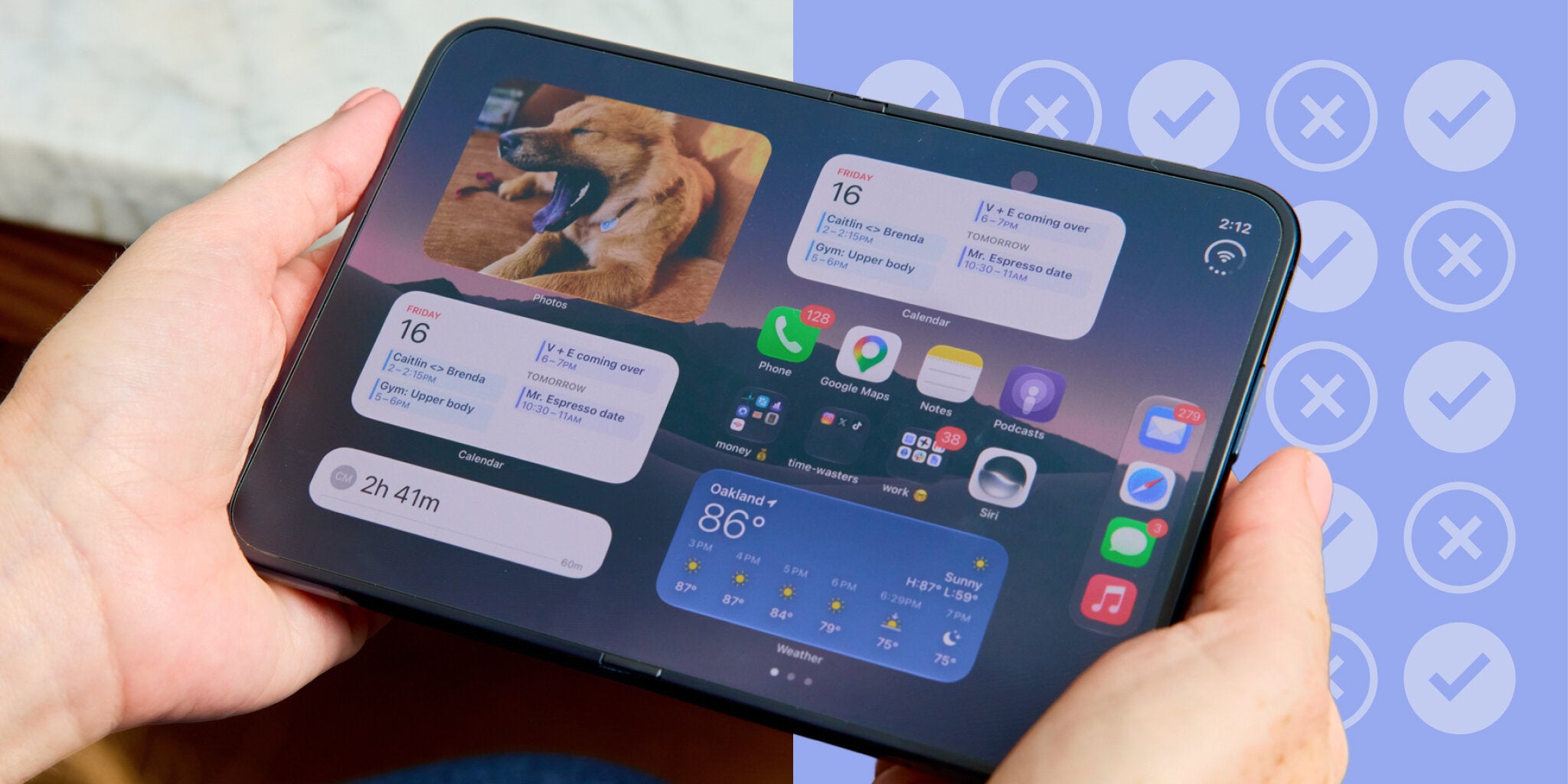
The iPhone Duo comes with a 5.4-inch external screen, and Apple adopted an interface design that places the main navigation bar and the Dock on the right edge of the screen. This layout raised widespread questions and concerns immediately after the phone was unveiled in September, particularly among left-handed users who found that reaching the controls required an extremely uncomfortable movement.
Although Gurman believes these concerns may have been somewhat exaggerated based on practical use and initial reviews, the need for a software solution remained. The device’s large internal screen is primarily designed for two-handed use in most cases, while the external screen remains the interface intended for quick and spontaneous one-handed use, making interface flexibility indispensable.
Initial Reviews and the Fingerprint Sensor Placement
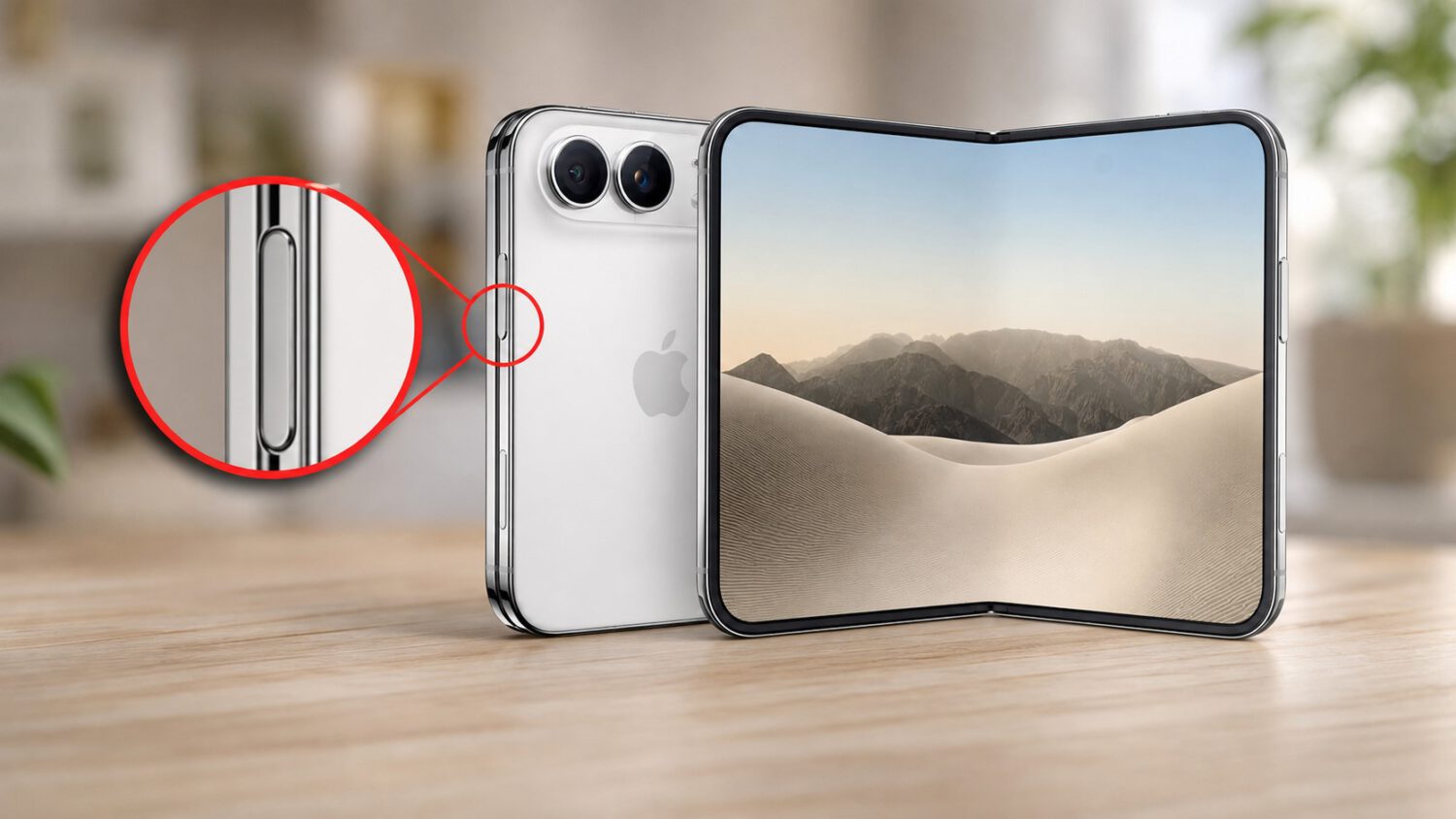
The challenges in early reviews of the iPhone Duo were not limited to the software interface; they extended to the placement of physical buttons. The first reviews of the device noted that the position of the Touch ID fingerprint button feels strange and quite uncomfortable when holding the device with the left hand while it is closed.
Here, software solutions prove to be the fastest lifeline. When engineering hardware constraints dictate a specific placement for buttons and sensors, the smart operating system steps in to compensate for this deficiency and provide the user with flexible options that make interacting with the screen balanced, regardless of which hand is used to hold the device.
System Philosophy and Adapting Interfaces for Foldable Devices
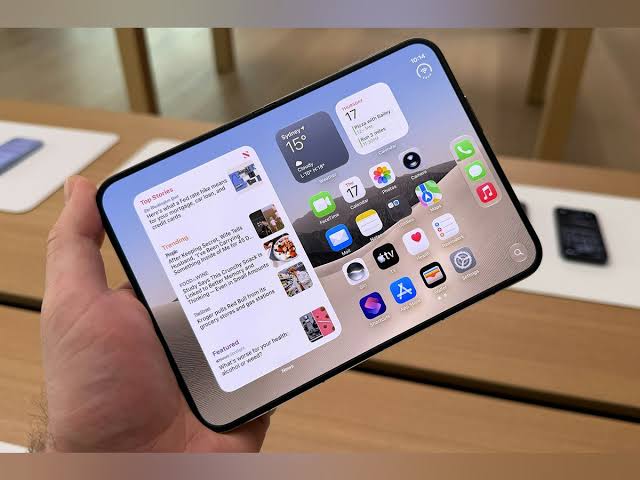
Apple always adopts a style of cautious observation of user reactions and actual behavior with new products before adopting final changes in the system. In the case of foldable devices, the system needs to adapt to scenarios that constantly change between the folded screen and the fully opened screen.
Providing an option to move content to the right or left side gives the user unprecedented freedom to customize their interaction environment, a trend that reflects Cupertino’s traditional interest in accessibility, which has long distinguished its ecosystem of devices from other competitors in the market.
Arrival Date and Future Updates
So far, the report has not revealed a specific date for the launch of the new Reachability mode, nor has it clarified which upcoming iOS update will officially include it. However, expectations suggest that Apple is testing this feature internally to ensure it harmonizes with expressive movements and quick gestures on the external screen before rolling it out to developer beta versions.
Ultimately, this development shows that the iPhone Duo is still in a stage of continuous evolution, and that Apple is listening attentively to user feedback and working to refine the experience of its first foldable phone to suit different categories of users and their diverse usage methods.
Source:
Leave a Reply