Not long ago, about 20 years ago, some of us were passionately following this new phone called the iPhone, which combined several devices into one, and how it changed the face of technology forever. Since then, everything has accelerated, to the point where we were surprised that two decades have passed since that moment. Technologies we once thought were science fiction have appeared, becoming a tangible reality that we live and that is imposed upon us. Sometimes, I chat with my children from Generation Alpha and tell them how mobile phones used to be; the first phone weighed a kilogram with a battery that lasted only half an hour, how computers worked before Windows and could only be mastered by experts who memorized many MS-DOS commands, and how touch screens appeared and how they worked—the list goes on. Sometimes they listen intently and are amazed, and other times they mock. But all of that was the foundation for what was to come, and it didn’t take long, as everything evolved with terrifying speed. In short, that is how we were, and this is how we have become.
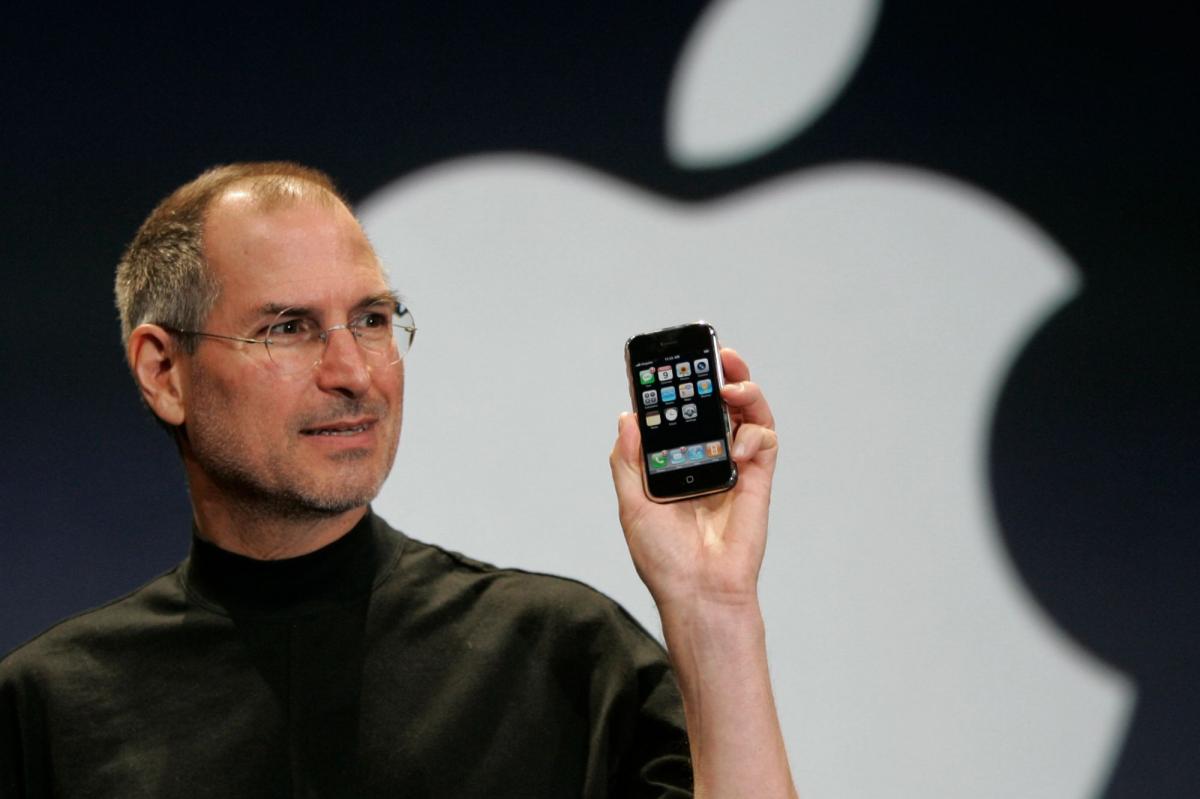
When Steve Jobs took the stage about twenty years ago to announce the original iPhone and its first operating system, iPhone OS 1—which later bore the name iOS—the face of technology changed forever. That system introduced a multi-touch interface that dazzled the world with the ability to zoom in and out with two fingers, a real web browser in your pocket, and the experience of a widescreen iPod. But if a time machine took you back to that day and you used this revolutionary phone, you would be shocked by the fact that the system lacked the simplest basics that no smartphone user could live without today.
Modest hardware and slow networks: The difficult beginning of the original iPhone
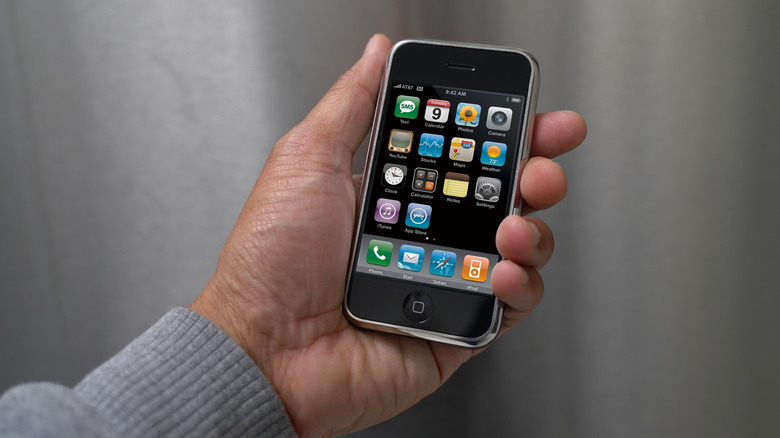
The shortcomings of the first iPhone were not limited to software; they included critical hardware aspects that we take for granted today. The first phone did not support 3G networks and was limited to slow 2G networks, which prompted Apple to name the second generation the iPhone 3G to address this deficiency. Furthermore, the phone was locked to the AT&T network in the United States and lacked a built-in GPS chip, which made Google Maps work without turn-by-turn navigation.
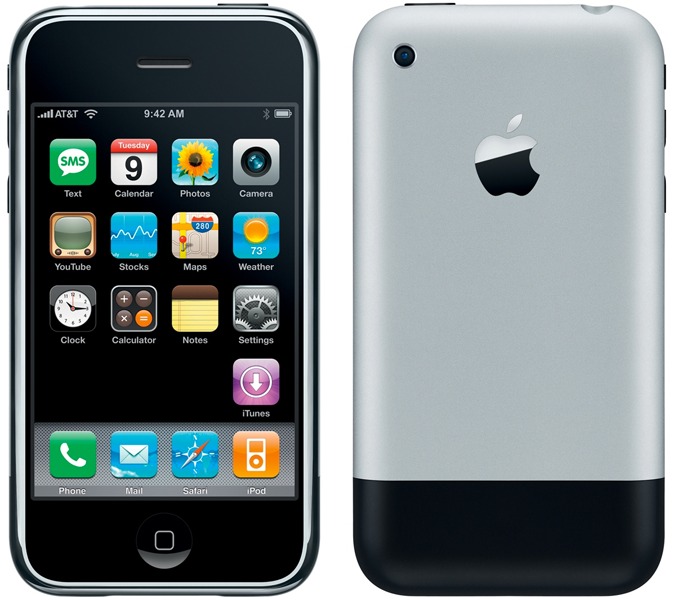
The hardware list goes on; there was no Touch ID or Face ID, no high-density Retina displays, no wireless charging, or water resistance. Even the charging port was the old, wide 30-pin connector, long before the invention of the Lightning port and the modern transition to the USB-C port.
Basics we take for granted: No App Store and no copy-paste!
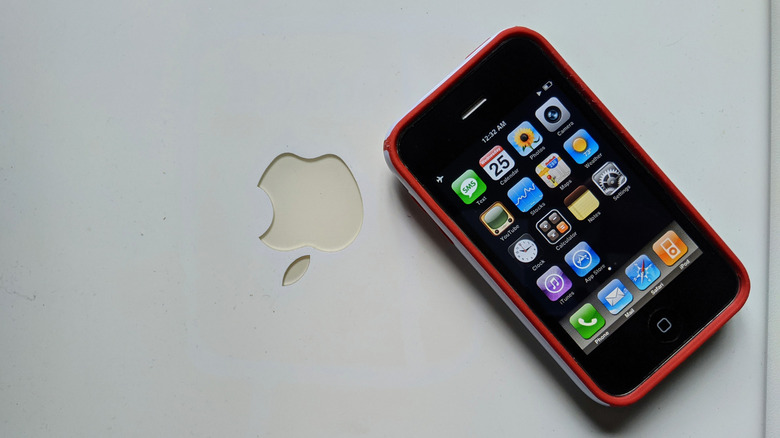
It is very difficult today to imagine an iPhone without an App Store containing countless options, but with iPhone OS 1, you were stuck with only the pre-installed apps from Apple. The situation remained this way until Apple launched the App Store with the next system update, recording more than 10 million downloads in its first launch weekend, with only 800 apps at the time, most of which were paid for less than ten dollars.
The biggest shock was a feature we use dozens of times a day: copy and paste! It was impossible to copy any text and paste it elsewhere at all, and the user had to retype everything manually. This feature did not appear until the release of OS 3.0. Also missing was the iMessage service, which was delayed until iOS 5, and sending multimedia and photo messages via MMS was only available with the third update and was limited at the time to the iPhone 3G and 3GS.
It doesn’t stop there; even wallpapers were not supported behind the icons until the release of the iOS 4 update in 2010. iPhone users lived for three full years trapped behind a dark black screen behind the apps, at a time when competing systems offered much broader visual customizations.
A world without Siri and without iCloud: When syncing was a wired nightmare
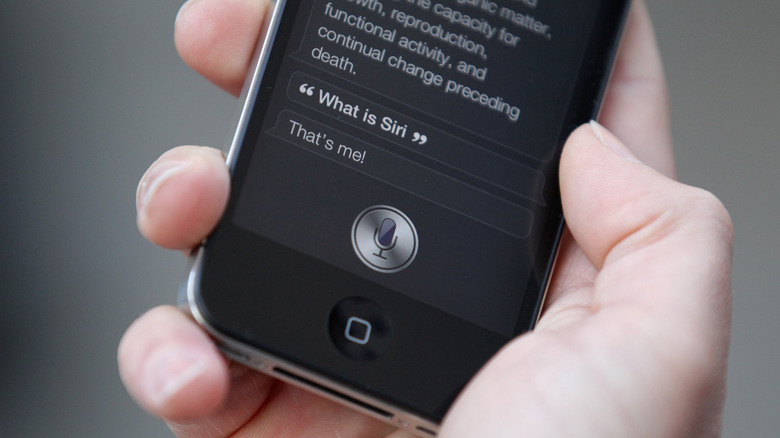
The voice assistant Siri did not exist at all in the beginning; it started as an independent external application that Apple later acquired to integrate for the first time in the iPhone 4S and iOS 5. Also missing were daily features like quick sharing via AirDrop, the Control Center for quick access to settings, and even folders for organizing apps or the ability to hide and delete unwanted system apps.
As for preserving data, it required great patience; the iCloud cloud service was not available. Apple tried to introduce the MobileMe service with the second update, but for many years, backing up relied entirely on connecting the iPhone with a cable to a computer and syncing via iTunes—which was later retired on Mac devices in favor of independent Music, Podcast, and TV apps.

Despite these shocking absences—including video recording, which waited until the iPhone 3GS, the front-facing camera for selfies that appeared with the iPhone 4, large screens with the iPhone 6, and 5G network support with the iPhone 12—the iPhone OS 1 system remained the first spark that defined the features of modern mobile computing and made our phones today what they are.
Source:
Leave a Reply