Apple is preparing to make a breakthrough in the world of wearables, accelerating work on three AI‑powered innovations that promise to change how we interact with technology. These devices, which include smart glasses, a smart pin or pendant, and AirPods equipped with cameras, will all connect to the iPhone and integrate seamlessly with a smarter version of Siri. It seems that the future of human‑computer interaction is about to become more exciting than ever.
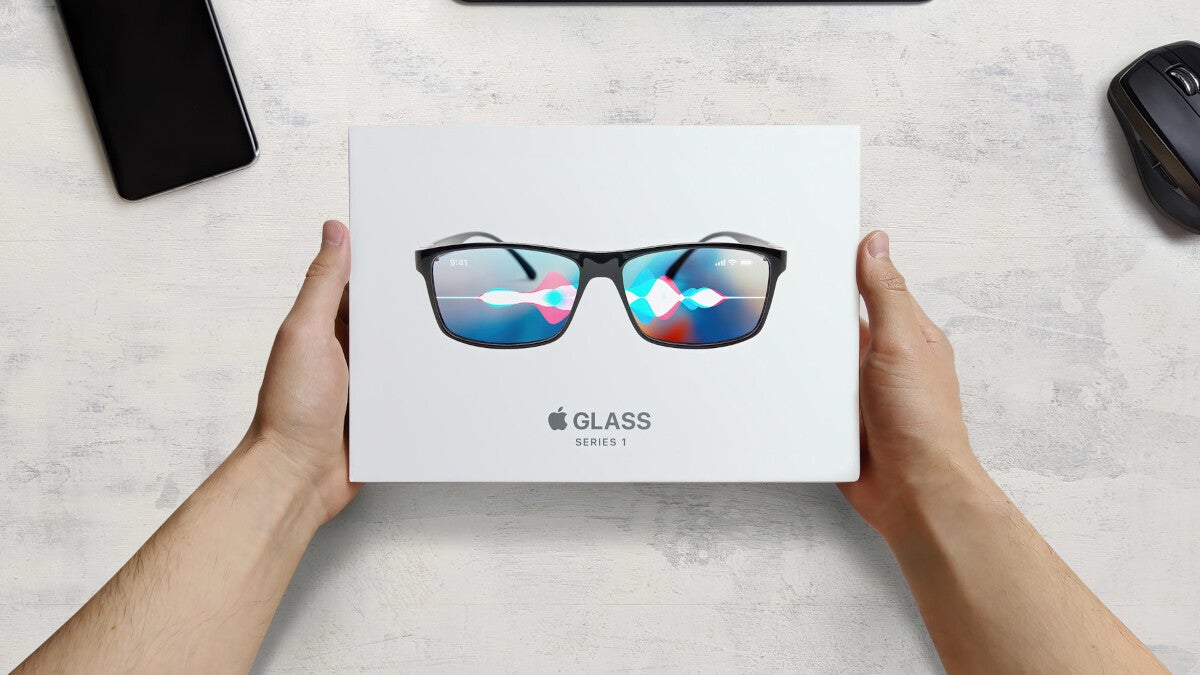
Synthetic Vision: Cameras Everywhere
The most prominent feature uniting these three products is the integration of cameras. These cameras will enable AI to “see” the user’s surroundings, allowing it to answer questions and provide contextual information like never before. Whether you’re wandering in a new city or trying to identify a specific plant, these devices will be your third eye connected to a world of information.
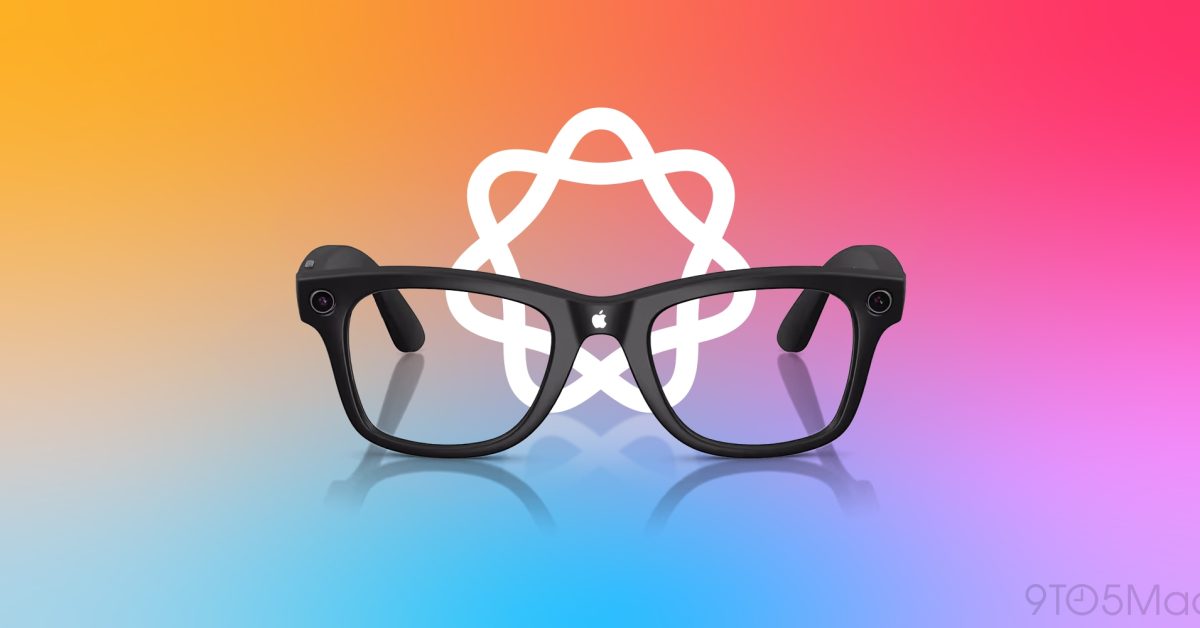
Apple Smart Glasses: Direct Competition with Meta’s Glasses

The new Apple smart glasses aim for direct competition with Meta’s Ray‑Ban glasses, with plans to launch in 2027 and production possibly starting by December 2026. Apple is currently providing prototypes to its engineering team, focusing on delivering a distinguished experience that includes:
Advanced Camera System: It will feature an advanced camera system with a high‑resolution camera for capturing photos and videos, plus a second camera to provide visual information to Siri and environmental context. This second camera will be able to interpret the user’s surroundings and measure distance, similar to the LiDAR technology in the iPhone. Apple aims to differentiate its glasses with a camera superior to Meta’s glasses.
Fully Voice‑Based Interface: The glasses will not have a built‑in display in the lens; instead they will rely on a fully voice‑based interface. Users will be able to ask Siri questions and perform actions via voice commands.
Broad Smart Capabilities: This AI‑powered glasses will support interaction with Siri, making phone calls, listening to audio, and capturing photos and video. Users will be able to look at any object, ask questions about it, and receive detailed guidance while walking. The glasses may also include a version of “Visual Intelligence” to read physical text, such as event dates, and add them to the calendar, along with context‑based reminders and instant translation.
Superior Build Quality: Apple focuses on build quality as a differentiating feature. After studying partnerships with glasses companies, Apple decided to develop its own frames internally using premium materials “including acrylic elements” to provide a “luxurious feel.”
Flexible Design: Apple glasses will come in multiple sizes and colors, with the possibility of adding more styles over time.
Integrated Battery: Prototypes contain a battery and all components integrated into the frame, and Apple aims for the glasses to function as an AI companion all day.
Apple Smart Pin: iPhone’s Eyes and Ears
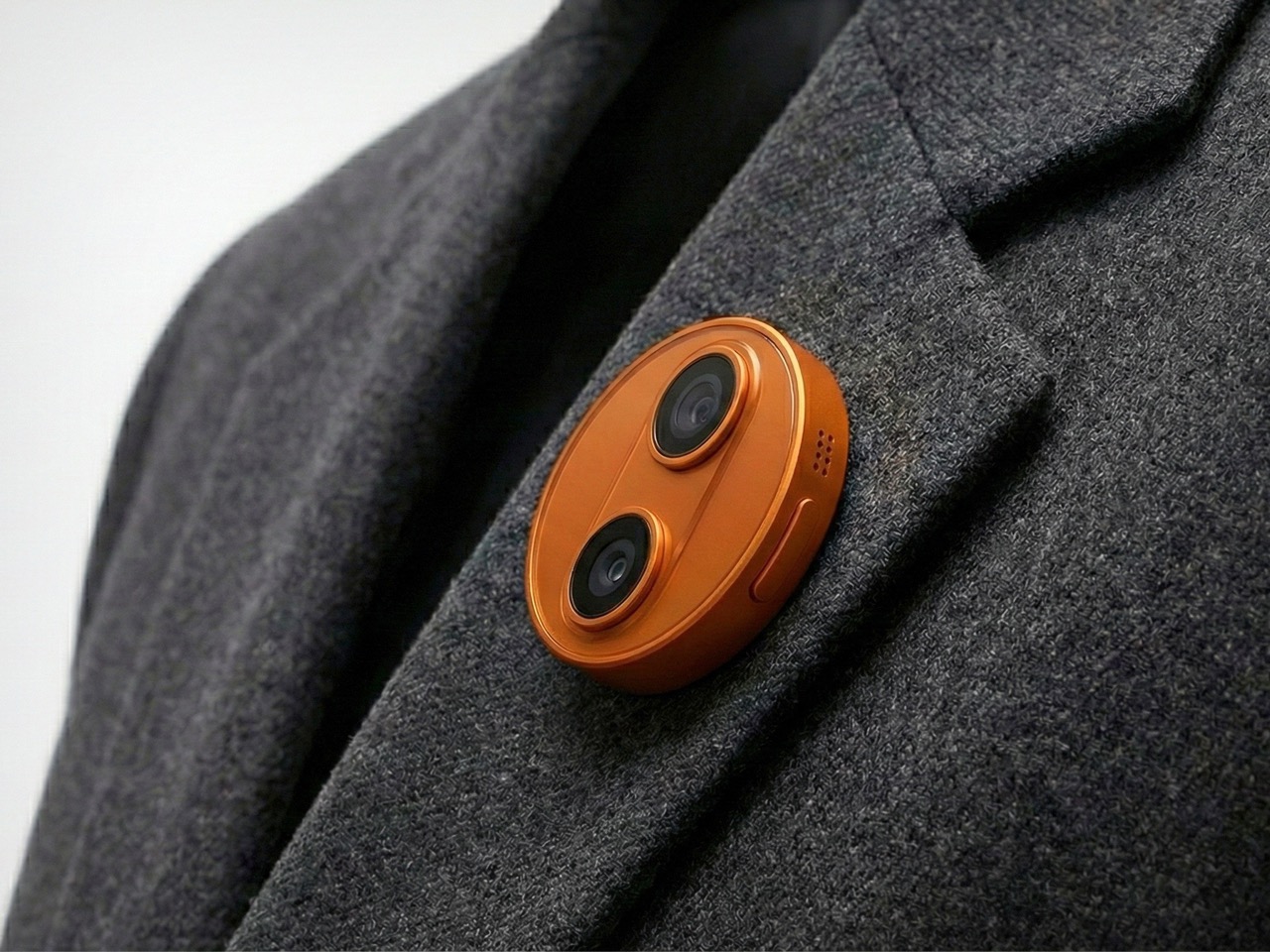
It appears that work on the Apple smart pin is still in its very early stages and may be cancelled. However, if development continues, it could launch in early 2027. Some Apple employees describe the pin as the iPhone’s eyes and ears, intended to be an iPhone accessory rather than a standalone product, and it will include:
Camera and Microphone: The pin will have a low‑resolution camera to provide visual input for AI, though it will not be able to capture photos or video. The camera will be always on, recording what surrounds the user. It will also include a microphone for speaking with Siri.
Custom Chip: The pin will contain a custom chip, but it will be similar to the AirPods chip and not very powerful, as the iPhone will handle most processing.
Speaker: The pin may include a speaker for two‑way conversations with Siri, though Apple has not yet decided to add this feature.
Mounting Options: The AI pin can be attached to a shirt or bag with a clasp, and there is also a slot in the pin that can be used to attach a pendant.
AirPods with Cameras: An Early Look at the Future
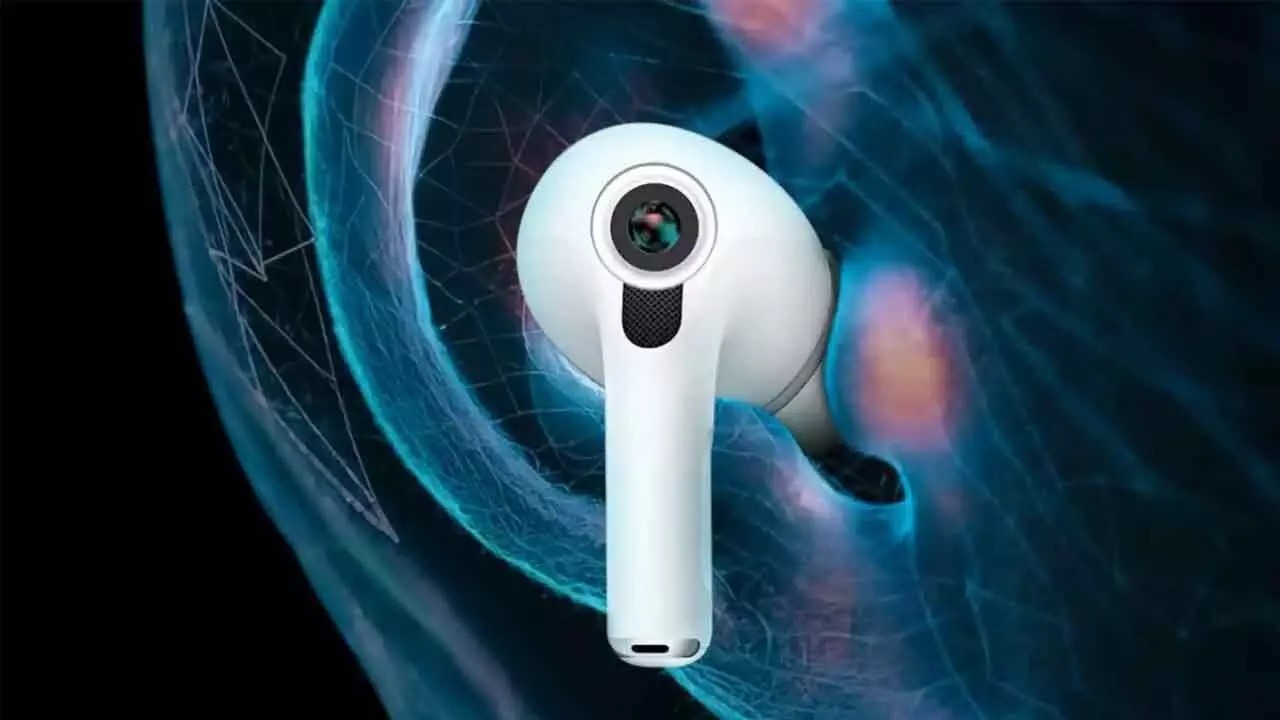
Multiple reports have indicated that Apple is working on AirPods equipped with cameras, and development appears to be further along than the AI pin, with plans to launch them early this year.
Like the AI pin, the AirPods will feature a low‑resolution camera designed to gather information rather than capture photos. This move represents an intriguing expansion of Apple’s most popular earbuds, turning them into a smarter, more interactive tool.
Future Siri: Intelligent Conversations

Despite repeated delays in Siri’s development, Apple continues to work hard on a version of Siri that leverages Google’s AI models, expected to arrive with iOS 27. This conversational Siri will be more capable of understanding context and providing natural responses, enhancing the user experience across all Apple smart devices.
The Future of Apple’s Smart Devices

Apple plans to develop a smart glasses with an augmented‑reality display in the future, though that device remains several years away. In the meantime, Apple is working on a smart home display that could arrive later this year, and an updated version with a larger screen and a robotic arm that may launch in 2027. A new HomePod version is also in development, along with an “integrated indoor sensor for home security and automation.”
These developments demonstrate Apple’s deep commitment to AI and wearables. By integrating cameras and AI into these products, Apple aims to create a more personal and intelligent experience that goes beyond mere touch‑screen interaction. It is a step toward a future where interacting with technology becomes an invisible, intuitive part of daily life.
Source:


Leave a Reply