Although I am an Android user, truth be told, for many years, the iPhone was the compass guiding the ship of global innovation. No one can deny Apple’s credit for introducing cutting-edge technologies and shaping concepts that changed history, from high-performance processor engineering to security standards that have become the cornerstone of our digital lives. But nothing lasts forever. In 2026, we find ourselves facing a completely different landscape. While you enjoy your life in a golden cage, basking in the quiet of the walled garden whose boundaries Apple has meticulously drawn, we on the other side inhabit a world that knows no borders. We do not wait for the company to bestow upon us a revolutionary feature that has been available to us for years, nor do we accept being forced into how we manage our files or customize our interfaces.
In this article, we won’t speak the language of dry numbers, but rather the language of technical sovereignty. We will tell you why we consider ourselves the elite leading the innovation train, while you settle for a spectator’s seat at the party of delayed features. Fasten your seatbelts, because we are going to highlight revolutionary technologies that matured in Eastern laboratories, making Chinese Android phones ahead of their time and superior to iPhones.
1-Inch Sensor
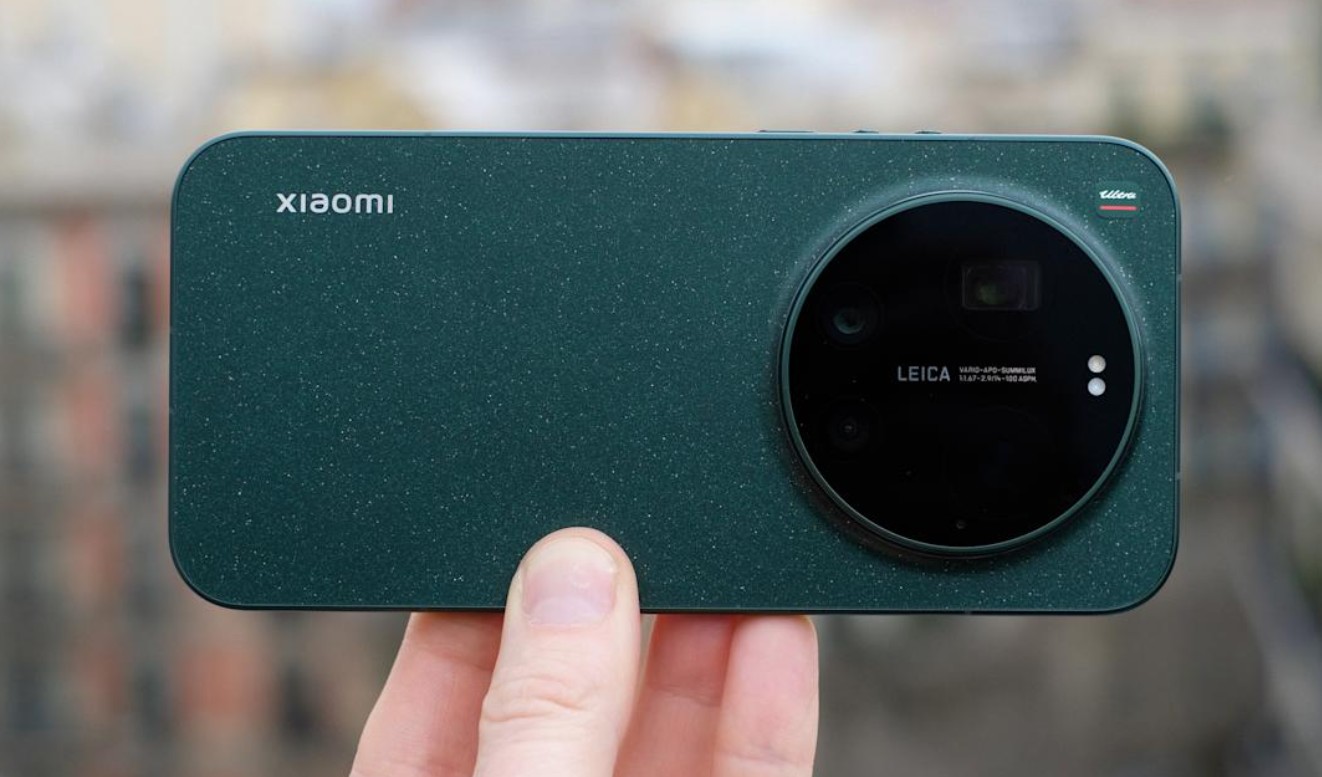
In the world of cameras, size is king. While Apple tries to improve photos through software, Xiaomi and Huawei place massive 1-inch sensors in their phones (like the Xiaomi 17 Ultra). The result? Natural bokeh that makes portrait mode unnecessary and stunning low-light performance without the need for excessive software intervention.
Seeing Further with Greater Clarity
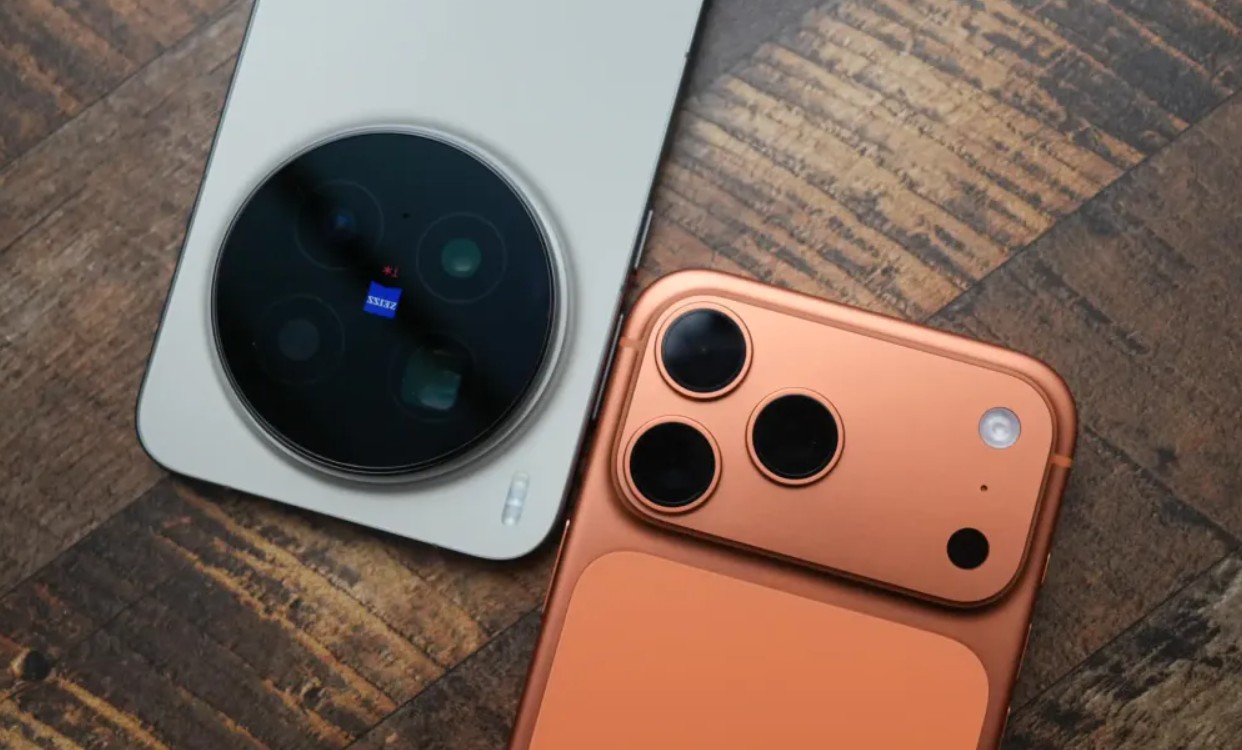
The telephoto lenses on the iPhone lack the ability to focus from close distances. In contrast, phones like the Oppo Find X9 Pro and Vivo X300 Pro offer telephoto lenses that allow you to capture the finest details from a very close distance with high precision, giving photographers creative freedom that the iPhone 17 Pro user lacks.
Silicon-Carbon Batteries
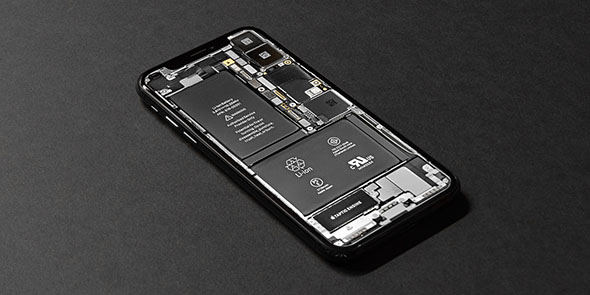
This is the true innovation that the user experiences daily. Thanks to silicon-carbon batteries, Oppo managed to put a 7500mAh battery in a phone thinner than the iPhone 17 Pro Max, whose battery is still below the 5000mAh threshold. It can be said that silicon-carbon batteries are the next generation of lithium-ion batteries, where graphite is discarded and replaced with silicon and carbon. Silicon has a high capacity to store more energy compared to graphite, while carbon plays an important role in supporting its structure and reducing the expansion effect that occurs during charging and discharging, which helps maintain its stability and efficiency. Imagine an iPhone that lasts for two full days on a single charge; that is the dream that remains elusive.
Ultra-Fast Charging
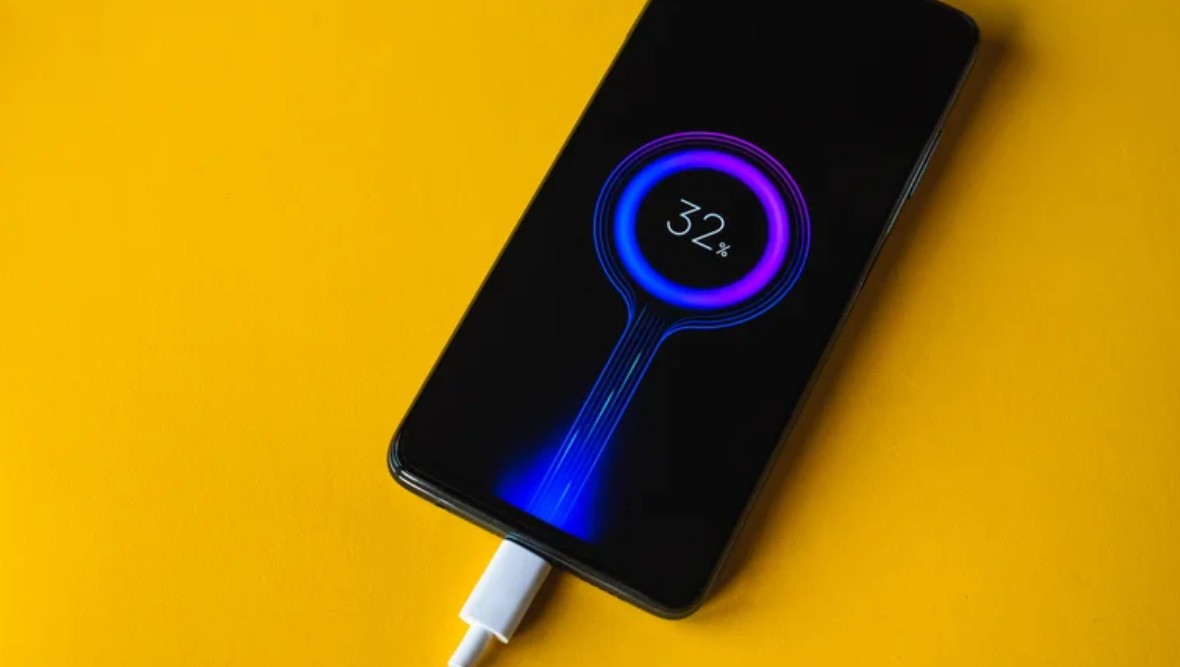
In a fast-paced world, waiting for hours to charge a phone is no longer acceptable. While Apple is still hovering around 30W, Chinese phone companies offer speeds of up to 120W. This means you can fully charge your phone’s battery in just 20 minutes. Here, the gap between us and you clearly appears.
Under-Display Fingerprint Sensor
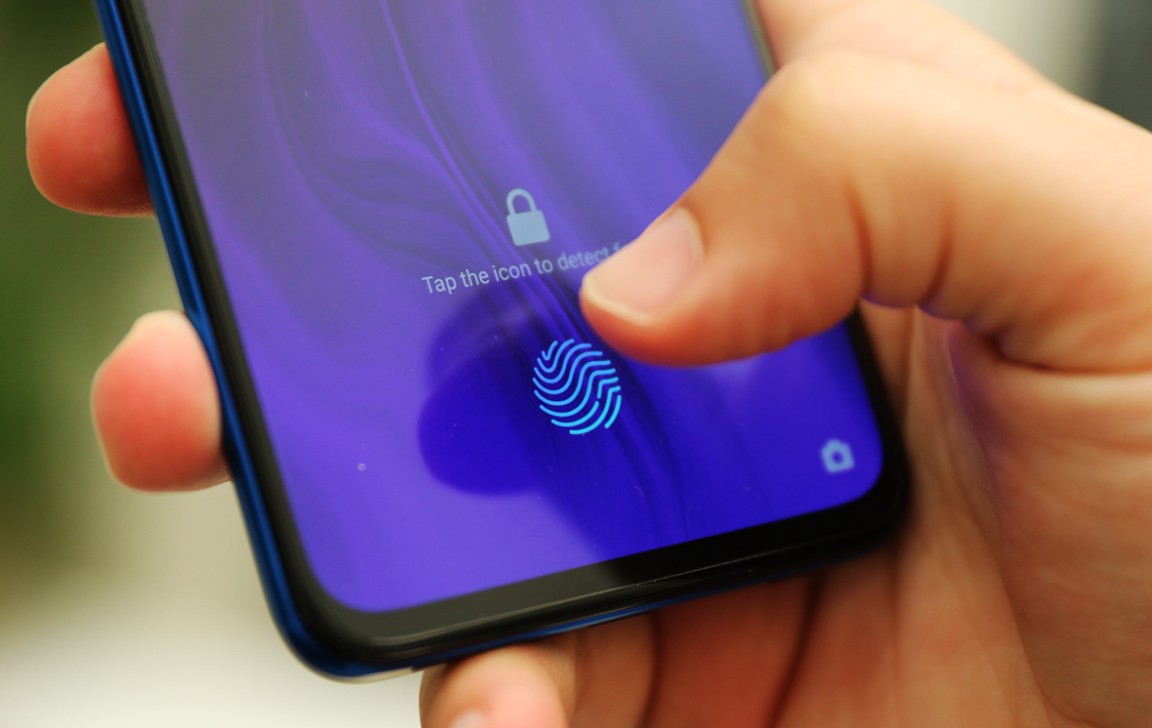
Of course, FaceID is a great technology, but it is not always the most convenient. Chinese phones use ultrasonic under-display fingerprint sensors, which are faster and more secure, and they can even work with wet fingers. Having both options (fingerprint and face) is the luxury that an iPhone user needs.
Reverse Wireless Charging
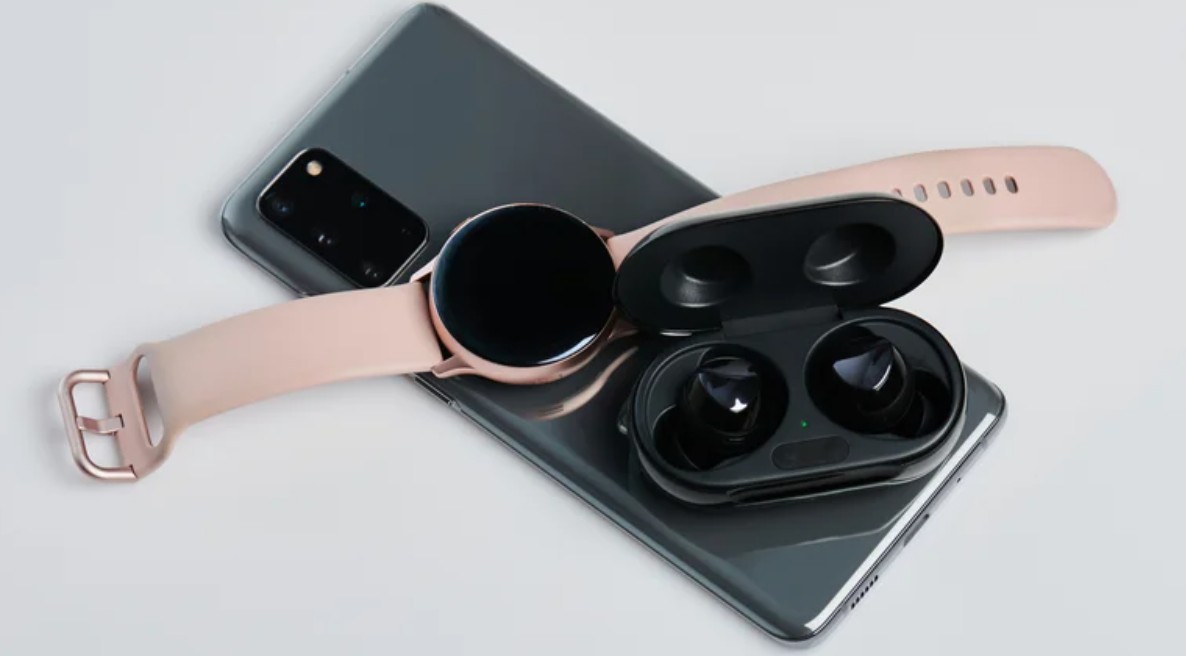
For years, iPhone devices have supported wireless charging, which is a convenient option for daily use, whether on your desk or by your bedside. However, this feature in its current form remains limited, as it is restricted to charging the phone itself without fully utilizing the capabilities available within the device. In contrast, Android companies have gone a step further, turning the phone into a portable power source that can wirelessly charge other devices. The idea is simple but extremely practical: your phone becomes a small power bank, capable of saving your earbuds, smartwatch, or even another phone when its battery runs out.
Controlling Home Appliances
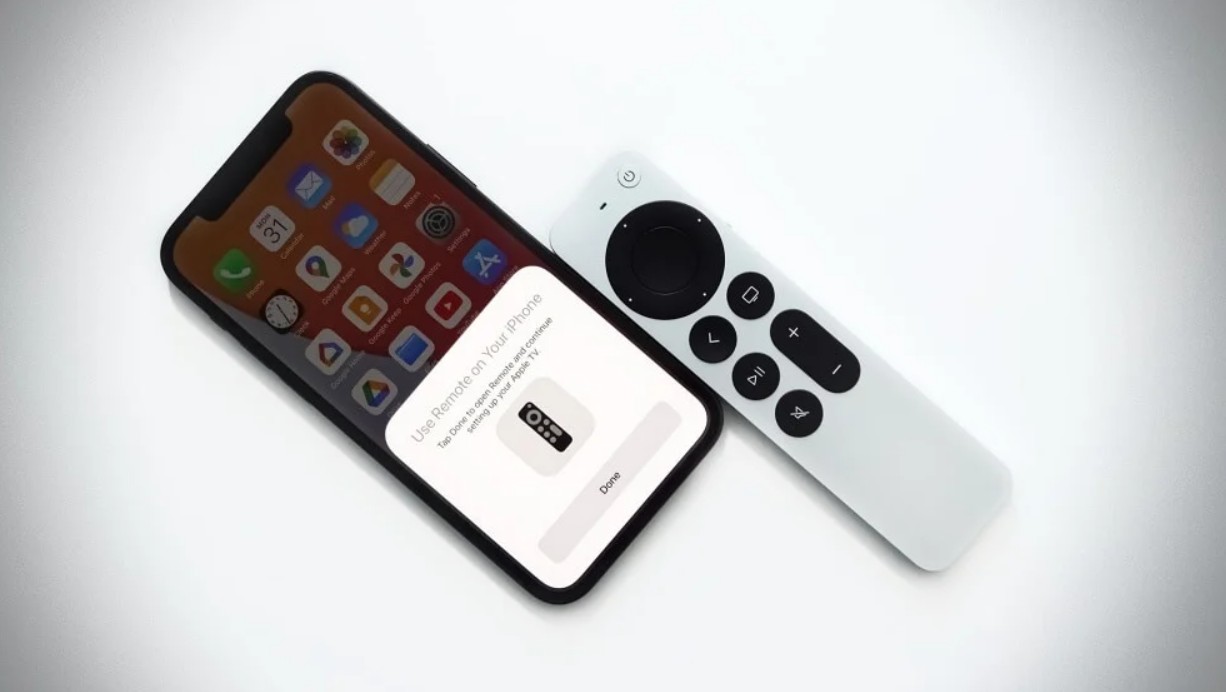
It might seem simple, but having an infrared sensor turns your phone into a remote that can control all home appliances (air conditioners, TVs, projectors). Samsung Galaxy S4, S5, and S6 phones were equipped with an infrared sensor, but the company decided to abandon this feature in later generations. As for Apple, which promotes its smart home, it still deprives its users of this simple and effective tool.
IP69 Standard Support
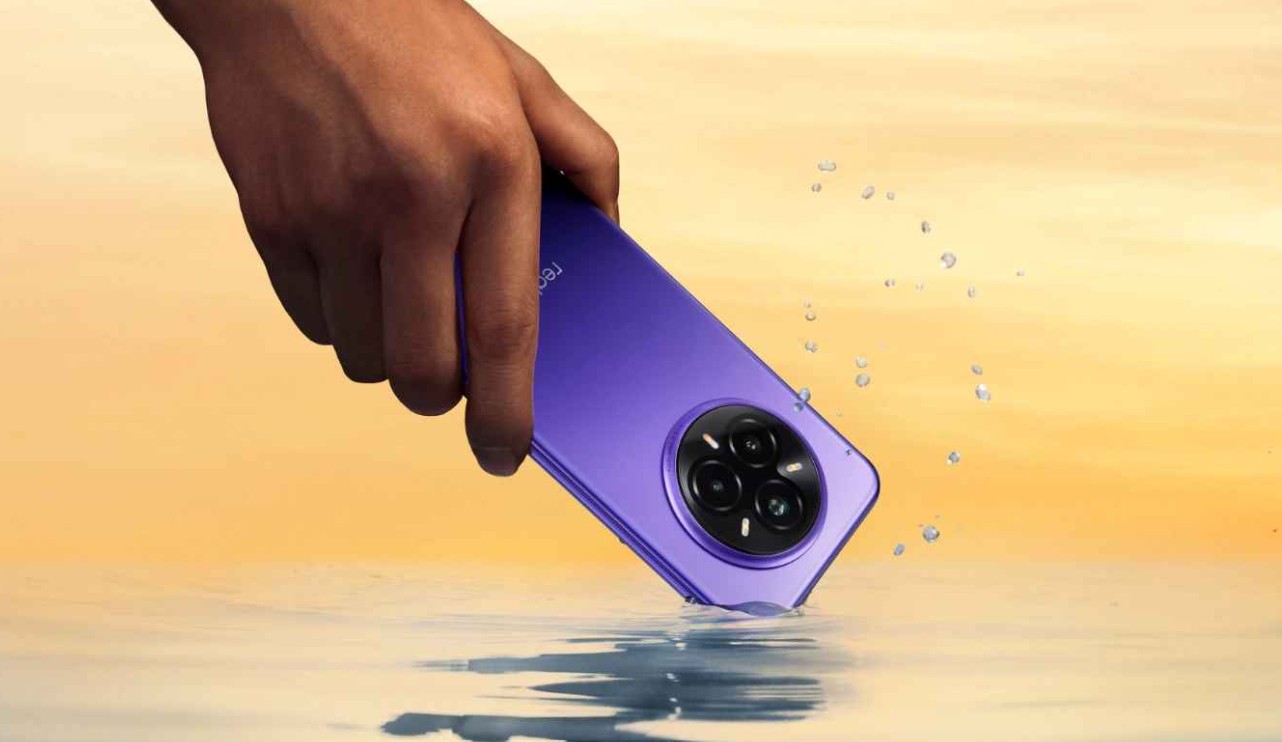
Water resistance is not a new feature for the iPhone; it started years ago and has evolved gradually with each release. With modern devices reaching the IP68 standard, a phone can withstand immersion in water up to 6 meters deep for 30 minutes, a level that meets the needs of most users in daily life. But some Chinese Android companies did not stop there; they introduced the IP69 standard, which adds a different dimension of protection. While IP68 focuses on resistance to water immersion, IP69 deals with harsher scenarios, such as high-pressure water. For example, being directly exposed to a water hose during cleaning. Not only that, but the standard also includes resistance to water at high temperatures, a factor that the IP68 standard does not provide.
Finally, dear iPhone user, before you smile confidently and think the experience ended in your favor, let’s talk honestly outside the circle of slogans and marketing. The world is no longer measured by a logo on the back of a phone, but by the freedom, flexibility, and ability to truly control your daily experience it gives you. This is exactly where the difference begins. We Android users are not looking for closed perfection; we create our experience ourselves. We modify, we customize, we break the chains, and we use our phones as we want, not as we are forced to. And while some are content with what they are given, we are redefining what a phone can do. This is not a traditional comparison, nor an attempt to prove who is better in a superficial way. Rather, it is a deeper look that reveals why, in many aspects, Android excels when it comes to true freedom and the power you feel in your hands.
Do Android users have an advantage over iPhone users, or is it just a difference in taste and user experience? Tell us in the comments!
Source:
Leave a Reply